Mount Kenya vs Kilimanjaro
Mount Kenya vs Kilimanjaro
Mount Kenya vs Kilimanjaro is one of the most common comparisons in East African trekking and adventure tourism, attracting climbers, hikers, and safari travelers worldwide. Both mountains are iconic African peaks offering breathtaking scenery, unique ecosystems, and unforgettable summit experiences. Mount Kenya is Kenya’s highest mountain and a UNESCO World Heritage Site, known for its rugged alpine terrain and technical climbing routes. On the other hand, Mount Kilimanjaro in Tanzania is Africa’s highest peak and the world’s tallest free-standing mountain, famous for its non-technical trekking routes. This detailed guide compares difficulty, cost, routes, weather, altitude, scenery, and success rates. Whether you are planning a bucket-list expedition, a hiking safari, or a professional trekking adventure, understanding the differences between Mount Kenya and Kilimanjaro will help you choose the perfect mountain for your East African climbing experience.
Geographic Location and Accessibility
Mount Kenya is located in central Kenya near Nanyuki and is easily accessible from Nairobi in about 3–4 hours by road, making it ideal for shorter trekking trips. Kilimanjaro is located in northern Tanzania near Moshi and Arusha, with access through Kilimanjaro International Airport, making it convenient for international travelers. Both mountains are part of major East African safari circuits, allowing climbers to combine trekking with wildlife safaris. Kilimanjaro is more globally connected due to its international tourism infrastructure, while Mount Kenya feels quieter and more remote. Both offer different travel experiences. Kilimanjaro attracts larger crowds due to its fame, while Mount Kenya offers a more secluded adventure. Accessibility plays a major role in deciding which mountain is easier to reach and plan for climbing expeditions.
Height and Mountain Ranking
One of the biggest differences in the Mount Kenya vs Kilimanjaro debate is altitude. Kilimanjaro stands at 5,895 meters, making it the highest mountain in Africa and the highest free-standing mountain in the world. Mount Kenya, at 5,199 meters, is Africa’s second-highest peak; most trekkers summit Point Lenana (4,985 meters). The altitude difference affects climbing difficulty, acclimatization, and summit success rates. Kilimanjaro’s higher elevation means thinner air and increased risk of altitude sickness, while Mount Kenya offers a slightly lower but still challenging climb. Both peaks require physical fitness, but Kilimanjaro demands more endurance due to its altitude. Mount Kenya provides multiple summit points, including Batian and Nelion peaks, which add technical climbing appeal compared to Kilimanjaro’s trekking-focused summit, Uhuru Peak.
Climbing Difficulty Level
Kilimanjaro is classified as a non-technical trekking mountain, meaning no climbing equipment is required on most routes, making it accessible to beginners with good fitness. However, the extreme altitude makes it physically demanding. Mount Kenya, in contrast, is more technical, especially for Batian and Nelion peaks, requiring ropes, climbing skills, and sometimes guided mountaineering experience. “Is Kilimanjaro easier than Mount Kenya?” is a common question because Kilimanjaro is often seen as a beginner-friendly high-altitude climb. Mount Kenya offers both trekking and technical climbing options, giving it more variety for experienced climbers. While Kilimanjaro challenges stamina and altitude endurance, Mount Kenya tests technical ability and mountaineering skills. Overall, Kilimanjaro is easier for beginners, while Mount Kenya is better suited for adventurous climbers seeking a more technical alpine experience in East Africa.
Routes and Trekking Options
Kilimanjaro offers several well-established trekking routes, including Machame, Marangu, Lemosho, Rongai, and Northern Circuit, each varying in duration and scenery. These routes are well-supported with huts or camps and guided services. Mount Kenya also offers multiple routes, such as Sirimon, Chogoria, and Naro Moru, which provide diverse landscapes and climbing experiences. Kilimanjaro routes are longer and designed for gradual acclimatization, improving summit success rates. Mount Kenya routes are shorter but more rugged and less commercialized. The Chogoria route is known for scenic beauty, while the Sirimon is popular for accessibility. Kilimanjaro focuses on structured expedition trekking, while Mount Kenya provides a more flexible and adventurous route system suitable for both hikers and climbers.
Weather and Climate Conditions
Weather conditions differ significantly between Mount Kenya and Kilimanjaro due to their location and elevation. Kilimanjaro has distinct ecological zones ranging from rainforest to arctic summit conditions, with unpredictable weather and cold temperatures near the top. Mount Kenya also features varied climate zones, but tends to be slightly wetter due to its central Kenyan location. Kilimanjaro experiences dry seasons from June to October and January to March, which are ideal for climbing. Mount Kenya also has optimal trekking seasons during dry months, but weather changes can be more frequent. Both mountains require proper gear for cold, wind, and rain. Understanding weather patterns is essential for planning a safe and successful climbing adventure in East Africa.
Scenery and Landscape Experience
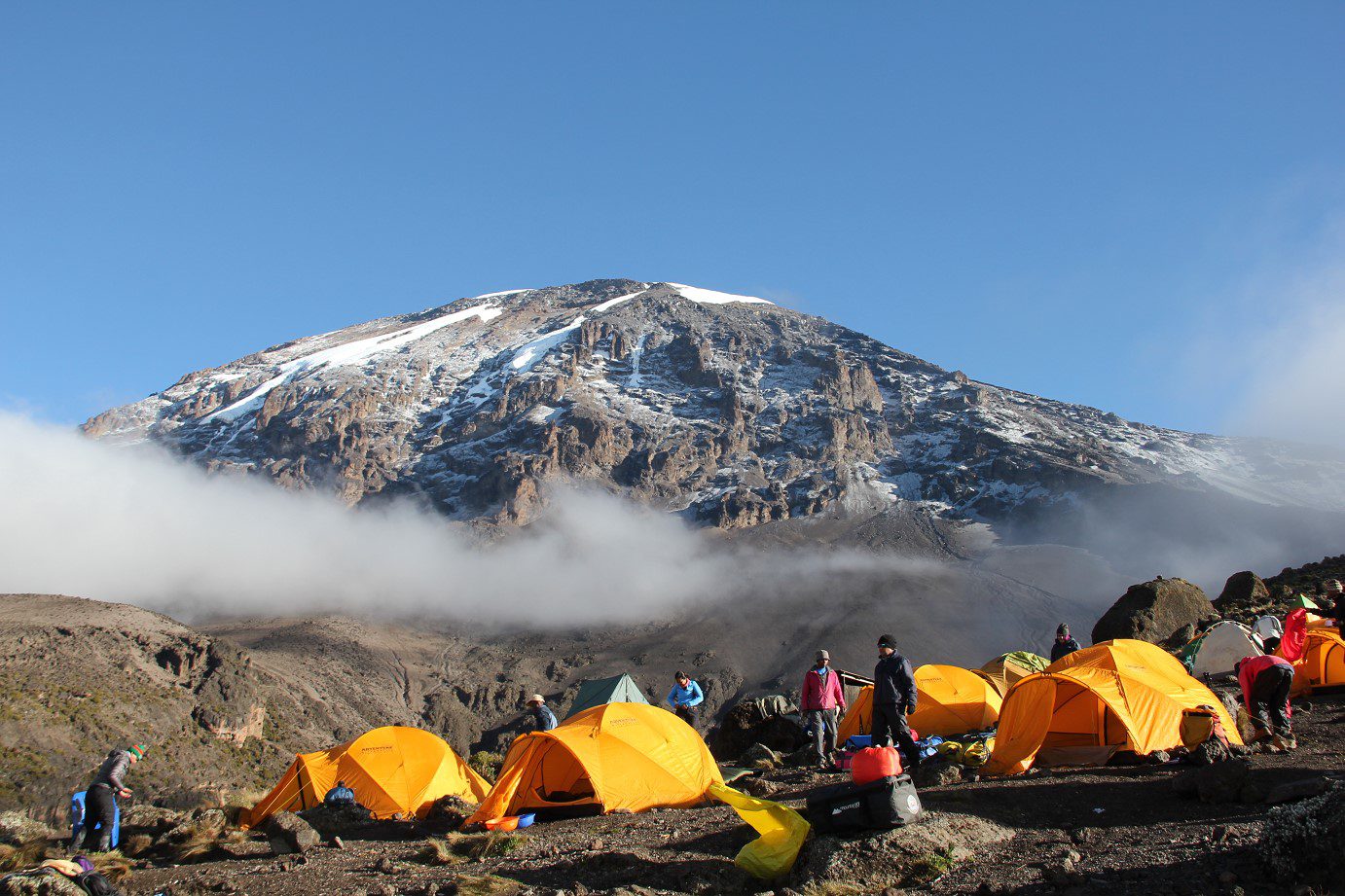
Both mountains offer breathtaking scenery, but they differ in landscape style. Kilimanjaro is famous for its dramatic vertical ecosystems, including rainforest, moorland, alpine desert, and glaciers at the summit. Mount Kenya features jagged peaks, glacial valleys, and alpine lakes that create a more rugged and dramatic mountain landscape. Kilimanjaro provides vast panoramic views above the clouds, while Mount Kenya offers closer, more intimate alpine scenery. Wildlife can also be seen on the lower slopes of both mountains, including monkeys, birds, and unique flora. Kilimanjaro is more iconic for its snow-capped summit, while Mount Kenya is admired for its sharp peaks and dramatic rock formations. Both deliver world-class scenery but appeal to different types of nature lovers.
Altitude Sickness Risk
Altitude sickness is a major concern when comparing Mount Kenya vs Kilimanjaro. Kilimanjaro’s higher elevation significantly increases the risk of Acute Mountain Sickness (AMS), especially for climbers who ascend too quickly. Mount Kenya’s lower maximum elevation helps, but its shorter, faster itineraries mean altitude sickness is still common. Kilimanjaro requires longer acclimatization routes to improve summit success, while Mount Kenya’s shorter climbs mean faster ascents, which can raise the risk if acclimatization is rushed. However, both mountains require proper hydration, slow ascent, and professional guiding. Symptoms such as headaches, nausea, and fatigue can occur on both peaks. Proper preparation and choosing longer routes on Kilimanjaro greatly reduce risk. Mount Kenya’s lower summit helps, but it still demands respect for high-altitude conditions.
Summit Success Rate
Kilimanjaro has an average summit success rate of around 60% to 85%, depending on the route, with longer routes offering higher success. Mount Kenya’s success rate varies based on whether climbers attempt trekking peaks or technical summits. Kilimanjaro’s success depends heavily on acclimatization, fitness, and route choice. Mount Kenya’s technical peaks require climbing skills, which can reduce success for inexperienced climbers. However, trekking routes on Mount Kenya have relatively high success rates for fit hikers. Kilimanjaro benefits from better infrastructure and guided support systems. Both mountains reward persistence, but Kilimanjaro is more predictable for summit attempts, while Mount Kenya offers more variable outcomes depending on climbing style and chosen peak.
Cost of Climbing
The cost of climbing Kilimanjaro is generally higher than that of Mount Kenya due to permit fees, park charges, and longer expedition durations. Kilimanjaro climbs can range from budget to luxury packages, depending on the operator. Mount Kenya is often more affordable, making it attractive for budget climbers and short trekking adventures. Kilimanjaro’s higher cost reflects its global popularity and infrastructure demand. Mount Kenya offers lower entry fees and shorter itineraries, reducing overall expenses. However, technical climbs on Mount Kenya may require additional equipment or guides. Kilimanjaro is a premium bucket-list experience, while Mount Kenya provides a cost-effective alternative for high-altitude adventure seekers.
- Accommodation
- Meals
- Park fees
- Vehicle & guide
- Transfers
- International flights
- Visas
- Travel insurance
- Tips
- Premium drinks
Best Time to Climb
The best time to climb Kilimanjaro is during the dry seasons from January to March and June to October. Mount Kenya also has similar ideal climbing periods, though weather patterns can be slightly less predictable. Dry seasons provide clearer skies, safer trails, and better summit conditions for both mountains. Kilimanjaro’s popularity means trails can be busier during peak months. Mount Kenya offers a quieter experience even during peak seasons. Rainy seasons are generally avoided due to slippery trails and poor visibility. Planning the right season is crucial for safety and enjoyment. Both mountains reward climbers who choose optimal weather windows for trekking and mountaineering adventures.
Wildlife and Ecosystem
Both Mount Kenya and Kilimanjaro are rich in biodiversity. Kilimanjaro National Park is home to elephants, colobus monkeys, and unique alpine vegetation zones. Mount Kenya National Park also supports diverse wildlife, including buffalo, antelope, and rare forest species. Kilimanjaro offers more distinct ecological zones due to its higher altitude range. Mount Kenya provides dense forest ecosystems at lower elevations and alpine habitats at higher elevations. Both mountains are UNESCO-recognized for their ecological importance. Wildlife viewing is more common on lower slopes rather than summit zones. These ecosystems make both mountains not just climbing destinations but also important conservation areas in East Africa.
Cultural Experience
Mount Kenya is deeply connected to the Kikuyu community, who consider the mountain sacred and refer to it as “Kirinyaga.” Kilimanjaro is associated with the Chagga people, who live on its lower slopes and have a rich cultural heritage. Both mountains offer cultural interactions through village visits, local guides, and storytelling experiences. Kilimanjaro’s tourism is more commercialized, while Mount Kenya provides a more traditional and less crowded cultural setting. Understanding local beliefs and traditions enhances the trekking experience. Cultural tourism adds depth to both climbs, making them not only physical challenges but also meaningful cultural journeys in East Africa.
Tourism Popularity
Kilimanjaro is one of the most famous trekking destinations in the world, attracting thousands of climbers annually. Mount Kenya receives fewer tourists, making it a quieter and more exclusive experience. Kilimanjaro’s international fame makes it a bucket-list destination for adventurers worldwide. Mount Kenya appeals more to experienced hikers and those seeking less crowded trails. Tourism infrastructure is more developed on Kilimanjaro, with many professional guiding companies. Mount Kenya offers a more raw and natural climbing experience. Both destinations are important for East African tourism, but Kilimanjaro dominates global recognition and marketing appeal.
Equipment and Preparation
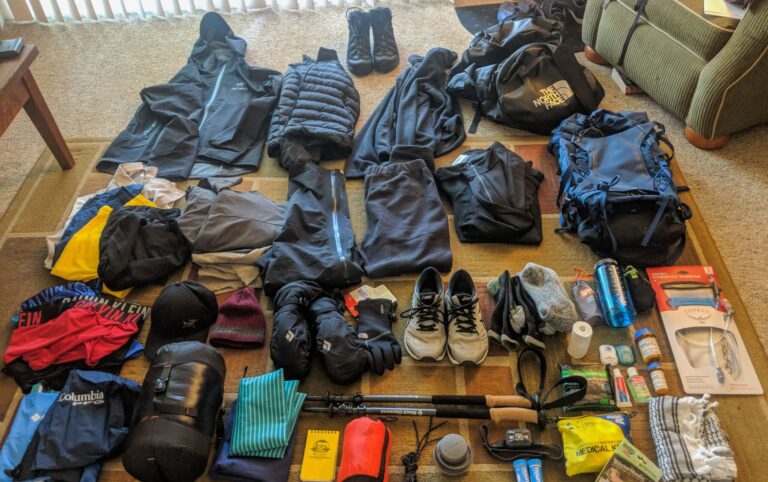
Kilimanjaro requires standard trekking gear, including warm clothing, hiking boots, trekking poles, and altitude preparation. Mount Kenya requires similar gear for trekking routes, but additional climbing equipment for technical peaks, such as ropes and harnesses. Kilimanjaro preparation focuses on endurance and altitude acclimatization. Mount Kenya preparation depends on whether the climb is trekking or technical mountaineering. Fitness training is essential for both mountains, including cardio, strength, and endurance exercises. Proper preparation increases safety and summit success rates. Both climbs require professional guidance for the best results.
Guided Tours and Safety
Both Mount Kenya and Kilimanjaro require guided tours for safety and legal access. Kilimanjaro has strict regulations requiring licensed guides and porters. Mount Kenya also requires guides, especially for technical routes. “Is Kilimanjaro safer than Mount Kenya?” is a common question among travelers. Kilimanjaro has a more structured safety system due to its popularity. Mount Kenya offers more flexible but less commercialized guiding services. Safety depends on proper acclimatization, experienced guides, and responsible trekking practices. Both mountains are safe when climbed with professional operators. Emergency rescue systems are available, but prevention is always better through preparation and proper planning.
Approach, feed or disturb wildlife, or leave the vehicle unless your guide says it is safe.
Follow your guide, carry travel insurance and check current health and travel advice.
Final Thought
Choosing between Mount Kenya and Kilimanjaro depends on your goals, fitness level, and adventure style. Kilimanjaro offers the ultimate bucket-list challenge as Africa’s highest peak with non-technical trekking routes and global recognition. Mount Kenya provides a more rugged, quieter, and sometimes technical climbing experience for those seeking adventure beyond trekking. There is no single answer to which is better. Kilimanjaro is ideal for first-time high-altitude climbers, while Mount Kenya suits experienced hikers and mountaineers. Both mountains deliver unforgettable East African adventures filled with stunning scenery, cultural richness, and personal achievement. Whether you choose Kilimanjaro or Mount Kenya, both promise life-changing trekking experiences that define African mountain tourism at its best.
Mount Kenya vs Kilimanjaro: FAQs
What should I pack for Kilimanjaro?
Pack layered clothing, a warm down jacket, waterproof jacket and trousers, broken-in hiking boots, warm gloves, a hat, a sleeping bag rated for sub-zero nights, a headlamp and trekking poles. Add sunscreen, sunglasses, water bottles, snacks and personal medication. Porters carry your main bag, so keep your daypack light.
Is there a minimum age to climb Kilimanjaro?
Kilimanjaro National Park generally requires climbers to be at least ten years old to attempt the summit, and there is no strict upper age limit. Every climber should be in good health and fitness. Older trekkers and anyone with medical conditions should consult a healthcare professional before booking and choose a longer, gradual route.
How hard is it to climb Kilimanjaro?
Kilimanjaro is a non-technical trek, so no climbing experience is needed, but it is a serious high-altitude challenge. Long walking days, cold temperatures and thin air on summit night make it demanding. Good fitness, gradual acclimatization, a slow pace and an experienced guide greatly improve your chances of reaching Uhuru Peak at 5,895 metres.
Which Kilimanjaro route is best for beginners?
Longer routes such as Lemosho on an eight-day itinerary and Machame on seven days are excellent for beginners because they allow gradual acclimatization. Marangu offers hut accommodation but is shorter, so adding an extra day is wise. The Northern Circuit is the longest and most gradual option for those with more time.
When is the best time to climb Kilimanjaro?
The drier months from January to early March and June to October are the best times to climb Kilimanjaro, offering clearer skies and better trail conditions. April and May bring the long rains and November the short rains, making trails wetter. Summit night is cold all year, so warm layers are essential.
Do I need a guide to climb Kilimanjaro?
Yes, all climbers must trek with a licensed guide and an authorised crew; independent climbing is not permitted. Guides manage the route, pace, safety and altitude monitoring, while porters and cooks carry equipment and prepare meals. Choosing a reputable operator with responsible porter practices is essential for a safe climb.
How can I avoid altitude sickness on Kilimanjaro?
Choose a longer itinerary, walk slowly or pole pole, drink plenty of water, eat well and follow the climb-high, sleep-low principle. Tell your guide immediately about headaches, nausea or dizziness. Consult a doctor before your trip about altitude medication, and remember that descending is the most effective treatment if symptoms worsen.
Is a private safari better than a shared safari?
A private safari gives you your own vehicle and guide, flexible game-drive times and the freedom to stay as long as you like at sightings. It is ideal for families, couples and photographers. Shared safaris can cost less, but schedules are fixed and you travel with other guests. For comfort and flexibility, a private tailor-made safari is usually the best choice.
Climb Kilimanjaro With Confidence
Tell us your dates and fitness, and our experienced mountain team will plan a safe, well-acclimatized private climb.