Most Important Gear Items for Climbing Kilimanjaro
Most Important Gear Items for Climbing Kilimanjaro
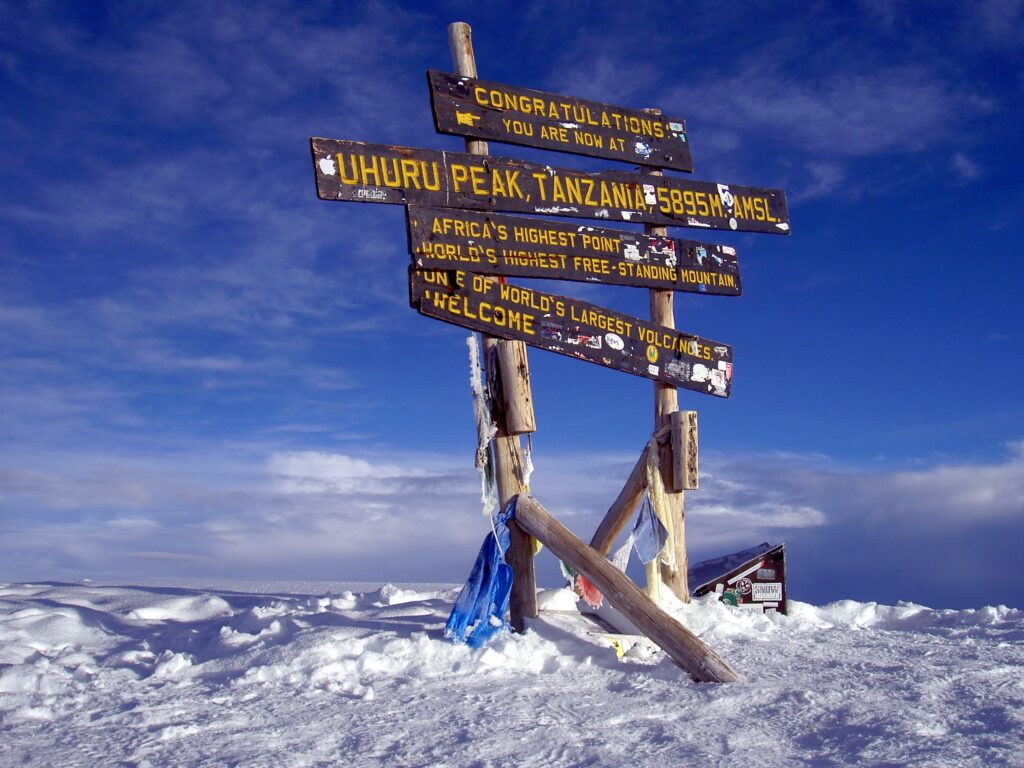
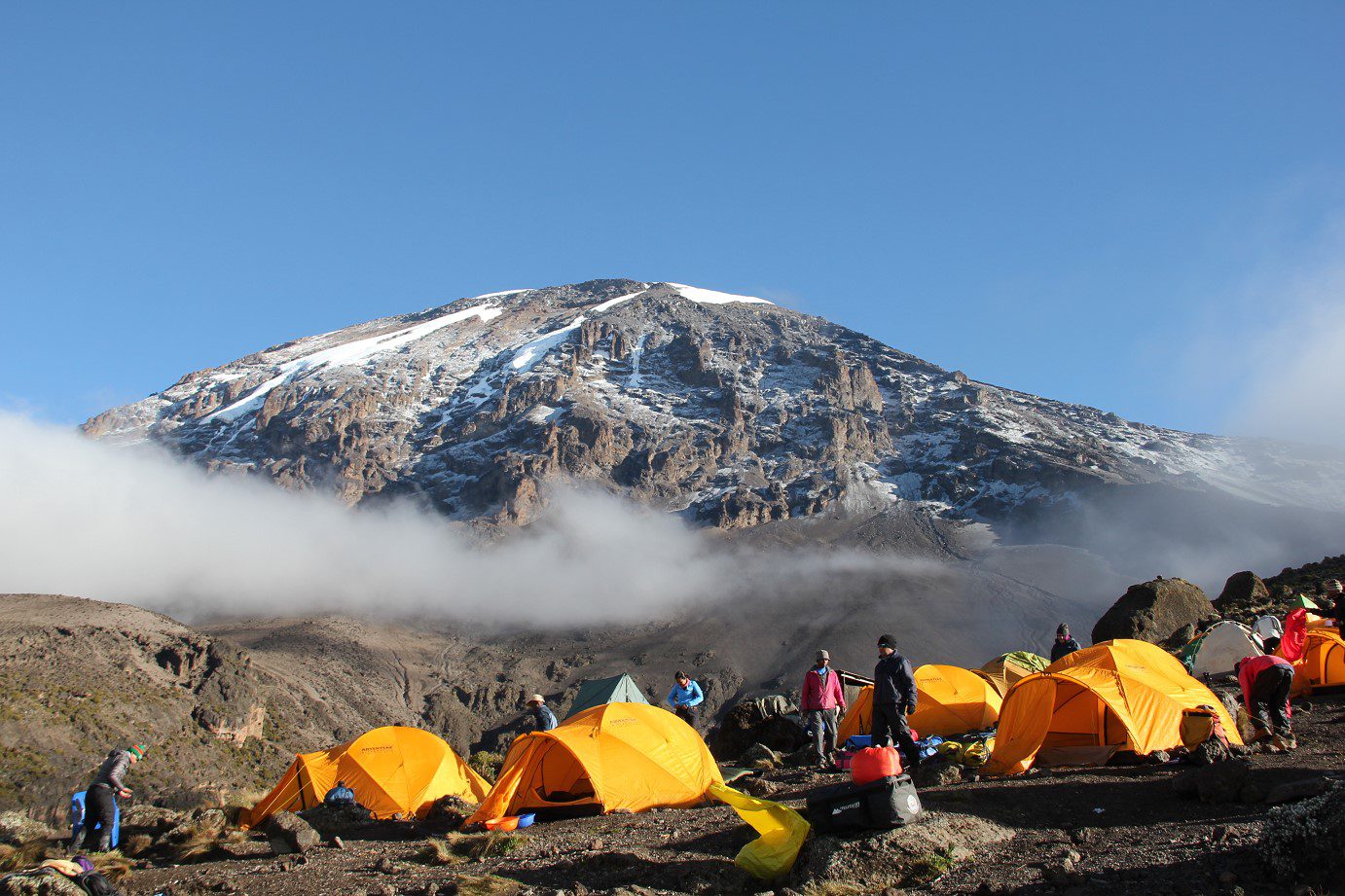
climbing Mount Kilimanjaro is one of the world’s greatest trekking adventures, attracting thousands of hikers seeking the ultimate African safari and mountain climbing experience. Reaching Uhuru Peak successfully depends not only on fitness and altitude preparation, but also on carrying the right Kilimanjaro climbing gear. From waterproof hiking boots and insulated sleeping bags to thermal base layers and trekking poles, every item plays a critical role in comfort, warmth, and safety. Weather on Kilimanjaro changes dramatically, ranging from tropical rainforest heat to freezing summit temperatures. Proper equipment helps climbers handle altitude sickness risks, strong winds, snow, and long trekking days. Whether planning a Machame Route, Lemosho Route, or Marangu Route trek, understanding the most important gear items for climbing Kilimanjaro improves summit success rates and ensures an unforgettable Tanzania trekking adventure filled with confidence, safety, and comfort.
Waterproof Hiking Boots
Waterproof hiking boots are among the most essential Kilimanjaro gear items because they protect climbers from mud, rain, rocky trails, and freezing summit conditions. A high-quality pair with strong ankle support reduces the risk of injuries during steep descents and uneven volcanic terrain. Kilimanjaro trekking routes often cross rainforest paths, alpine deserts, and icy summit sections, making durable boots necessary for comfort and stability. Climbers should choose lightweight yet insulated trekking boots designed for multi-day mountain hiking adventures. Properly broken-in boots help prevent blisters and foot pain during long walking hours. Waterproof Gore-Tex materials are highly recommended for maintaining dry feet during unpredictable weather changes. Combining hiking boots with moisture-wicking socks improves warmth and comfort significantly. Investing in reliable Kilimanjaro hiking footwear enhances safety, increases endurance, and improves overall trekking performance while climbing Africa’s highest mountain successfully.
Layered Clothing System
A layered clothing system is critical for surviving Kilimanjaro’s rapidly changing climate zones, which range from humid rainforest temperatures to freezing arctic summit conditions. Successful climbers use moisture-wicking base layers, insulating mid-layers, and waterproof outer shells to regulate body temperature efficiently. Thermal clothing made from merino wool or synthetic fabrics keeps hikers warm while allowing breathability during strenuous uphill climbs. Fleece jackets and insulated down jackets provide essential warmth during cold nights at high-altitude camps. Waterproof and windproof outer jackets protect against snow, rain, and harsh summit winds near Uhuru Peak. Avoiding cotton clothing is important because it traps moisture and increases the risk of hypothermia. Layering allows trekkers to adapt quickly to temperature changes throughout the day. Proper Kilimanjaro clothing ensures maximum comfort, prevents altitude-related cold stress, and improves the overall mountain climbing experience across every trekking route.
Insulated Sleeping Bag
An insulated sleeping bag is one of the most important items for high-altitude comfort while climbing Kilimanjaro. Temperatures near summit camps such as Barafu Camp and Kibo Hut can drop far below freezing, making a four-season sleeping bag essential for warmth and safety. High-quality down or synthetic sleeping bags rated between -10°C and -20°C help climbers sleep comfortably and recover energy for summit night. Proper rest improves acclimatization and supports physical performance during long trekking days. Mummy-shaped sleeping bags are especially effective because they retain body heat efficiently in cold mountain environments. Combining the sleeping bag with a thermal liner adds extra insulation and hygiene during multi-day treks. Lightweight, compressible sleeping bags are preferred for easier transportation on Kilimanjaro expeditions. Reliable sleeping equipment significantly improves sleeping quality, reduces cold-related fatigue, and increases the chances of reaching Uhuru Peak successfully.
Trekking Poles
Trekking poles are extremely valuable during Kilimanjaro climbs because they improve balance, reduce knee strain, and provide additional stability on steep terrain. Many trekking routes involve long descents, rocky paths, loose volcanic scree, and slippery rainforest trails, making poles highly beneficial for climbers of all experience levels. Adjustable trekking poles distribute body weight more evenly, helping conserve energy during multi-day hikes. They also reduce stress on joints during summit descent, which is often physically demanding after overnight climbing. Lightweight aluminum or carbon fiber trekking poles are ideal for Kilimanjaro expeditions because they are durable and easy to carry. Ergonomic grips and shock-absorbing features improve comfort during extended trekking hours. Using trekking poles also enhances confidence while navigating uneven surfaces at high altitude. Reliable hiking poles contribute greatly to safety, endurance, and overall trekking efficiency while climbing Africa’s tallest mountain.
Waterproof Jacket and Pants
A waterproof jacket and pants are essential for protecting climbers against heavy rain, snow, wind, and freezing temperatures on Kilimanjaro. Mountain weather changes quickly, especially within rainforest and moorland zones where sudden storms are common. High-quality waterproof gear made with breathable materials such as Gore-Tex prevents moisture buildup while keeping trekkers dry and comfortable. Staying dry is extremely important because wet clothing increases the risk of hypothermia at high altitude. Waterproof pants also shield climbers from mud and cold winds during summit night. Lightweight rain gear is recommended because it can be packed easily and worn when conditions suddenly worsen. Jackets with adjustable hoods, sealed seams, and ventilation zippers offer additional protection and comfort during strenuous hiking. Reliable waterproof clothing improves overall safety, preserves body heat, and helps climbers remain focused and energized throughout their Kilimanjaro trekking adventure.
Headlamp with Extra Batteries
A headlamp is a vital Kilimanjaro climbing accessory because summit attempts usually begin around midnight in complete darkness. Reliable hands-free lighting helps climbers navigate rocky paths safely while ascending toward Uhuru Peak. Strong LED headlamps with adjustable brightness settings improve visibility during nighttime trekking and early morning camp activities. Cold temperatures on the mountain can drain batteries quickly, making spare batteries extremely important for safety and convenience. Lightweight rechargeable headlamps are increasingly popular among trekkers because they provide long-lasting illumination without adding unnecessary weight. Waterproof designs are especially valuable during rainy or snowy conditions encountered on higher slopes. A comfortable adjustable head strap ensures stability during long summit hikes. Beyond summit night, headlamps are also useful inside tents, during evening meals, and while organizing gear before sunrise. Reliable lighting equipment enhances safety, confidence, and efficiency throughout the Kilimanjaro expedition experience.
Warm Gloves and Thermal Hat
Warm gloves and a thermal hat are essential for protecting climbers from extreme cold and freezing summit winds on Kilimanjaro. Hands, fingers, ears, and the head lose heat rapidly at high altitude, especially during nighttime summit ascents. Insulated waterproof gloves help maintain dexterity while handling trekking poles, zippers, and climbing equipment in icy conditions. Layered glove systems, including liner gloves and outer insulated shells, provide additional warmth and flexibility during changing temperatures. Thermal hats made from fleece or wool trap body heat effectively and improve comfort during cold evenings at mountain camps. Balaclavas and neck gaiters also protect the face from windburn and dust. Proper cold-weather accessories significantly reduce discomfort and help prevent frost-related injuries near Uhuru Peak. Carrying reliable winter gear allows climbers to stay warm, maintain energy levels, and enjoy a safer, more comfortable Kilimanjaro trekking adventure.
Hydration System and Water Bottles
Proper hydration is extremely important during a Kilimanjaro climb because altitude and physical exertion increase the body’s risk of dehydration. Most climbers are advised to drink at least three to four liters of water daily while trekking. Hydration bladders and reusable water bottles make carrying and accessing water easier throughout the journey. Insulated bottles are especially useful during summit night because they prevent water from freezing in extremely cold temperatures. Drinking enough water supports acclimatization, reduces altitude sickness symptoms, and improves overall trekking performance. Many climbers also use electrolyte supplements to replace minerals lost through sweating during long hiking days. Durable BPA-free bottles are recommended for safety and environmental sustainability. Reliable hydration systems encourage consistent water intake without stopping frequently on the trail. Maintaining proper hydration helps climbers preserve energy, improve endurance, and increase their chances of successfully reaching the summit.
Daypack and Duffel Bag
A comfortable daypack and durable duffel bag are essential for organizing and transporting gear during a Kilimanjaro expedition. Porters typically carry large duffel bags containing most equipment, while climbers use daypacks for daily essentials such as water, snacks, rain gear, sunscreen, and cameras. A lightweight daypack with padded shoulder straps and a hip belt improves comfort during long trekking hours. Waterproof covers help protect valuables and clothing from rain and dust encountered along mountain trails. Duffel bags should be rugged, spacious, and weather-resistant to withstand rough trekking conditions. Proper organization inside the bags allows climbers to access important items quickly at camps and during summit night. Many trekkers prefer compression sacks for separating clothing layers and sleeping equipment efficiently. Reliable carrying systems reduce physical strain, improve convenience, and help maintain an organized, stress-free Kilimanjaro climbing experience from start to finish.
Sunglasses and Sunscreen
High-altitude sunlight on Kilimanjaro is extremely intense, making sunglasses and sunscreen essential protective gear for every climber. Strong ultraviolet rays become more dangerous as elevation increases, especially across alpine desert and snowy summit sections. UV-protection sunglasses shield the eyes from glare, wind, dust, and potential snow blindness during summit climbs. Polarized lenses improve visibility and reduce eye strain in bright mountain conditions. Broad-spectrum sunscreen with high SPF protects exposed skin from painful sunburn and long-term sun damage. Climbers should reapply sunscreen regularly because sweating and strong sunlight reduce its effectiveness quickly. Lip balm with SPF is also important for preventing cracked lips caused by dry mountain air. Wide-brim hats or caps provide additional protection against direct sunlight during daytime trekking. Proper sun protection keeps climbers comfortable, healthy, and focused throughout the demanding journey to Uhuru Peak on Kilimanjaro.
High-Energy Snacks and Nutrition
High-energy snacks and proper nutrition are extremely important during a Kilimanjaro climb because the body burns significant calories while trekking at high altitude. Nutritious foods help maintain energy, improve stamina, and support recovery after long hiking days. Popular Kilimanjaro trekking snacks include energy bars, nuts, dried fruits, chocolate, biscuits, and electrolyte drinks because they are lightweight and easy to carry. Carbohydrate-rich meals are especially beneficial for sustaining endurance during summit night and steep ascents. Appetite loss is common at high altitude, making small frequent snacks important for maintaining strength and hydration. Protein-rich foods also support muscle recovery after physically demanding trekking stages. Reliable nutrition improves acclimatization and helps climbers remain mentally focused during challenging sections of the mountain. Carrying favorite snacks from home can boost morale significantly during difficult moments. Proper dietary preparation increases comfort, endurance, and summit success rates on Kilimanjaro expeditions.
First Aid Kit and Personal Medications
A personal first aid kit is an essential safety item for every Kilimanjaro climber because minor injuries and altitude-related discomfort can occur during the expedition. Basic supplies such as blister treatment, bandages, antiseptic wipes, pain relievers, and altitude medication help manage common trekking issues effectively. Personal prescription medications should always be packed securely and carried in waterproof containers for easy access during emergencies. Many climbers also include rehydration salts, cold medicine, lip balm, and sunscreen in their medical kits. High altitude can worsen minor health problems quickly, making preparation extremely important. Tour operators often carry larger emergency medical kits, but individual climbers should still have personal supplies for convenience and immediate care. Keeping a compact, organized first aid pouch reduces stress and improves confidence throughout the trek. Proper medical preparation contributes greatly to safety, comfort, and successful acclimatization while climbing Kilimanjaro.
Gaiters and Quality Hiking Socks
Gaiters and quality hiking socks are highly important for maintaining foot comfort and protection during a Kilimanjaro climb. Gaiters prevent mud, dust, rocks, snow, and moisture from entering hiking boots, especially during rainforest trekking and summit descents across loose volcanic scree. Durable waterproof gaiters also add warmth around the ankles during cold high-altitude conditions. Equally important are moisture-wicking hiking socks made from merino wool or synthetic materials that keep feet dry and reduce friction during long trekking days. Proper socks help prevent painful blisters, cold feet, and skin irritation that can negatively affect climbing performance. Many experienced Kilimanjaro trekkers use layered sock systems for additional cushioning and insulation. Carrying multiple pairs ensures dry replacements after rainy hikes or sweaty summit attempts. Reliable foot protection greatly improves comfort, endurance, and overall trekking success on Africa’s tallest mountain adventure.
Portable Power Bank and Camera Equipment
A portable power bank and reliable camera equipment are essential for capturing unforgettable Kilimanjaro memories while keeping important devices charged throughout the expedition. Multi-day mountain treks often lack electricity, making high-capacity power banks extremely valuable for charging phones, headlamps, smartwatches, and cameras. Cold temperatures can drain batteries quickly, especially near summit camps, so climbers should carry insulated battery storage bags for added protection. Lightweight solar chargers are also popular among eco-conscious trekkers. Cameras with weather-resistant features help capture stunning landscapes, wildlife, glaciers, and sunrise views from Uhuru Peak in challenging mountain conditions. Smartphones are useful for photography, navigation, and communication, but backup charging solutions remain necessary for safety and convenience. Extra memory cards and spare camera batteries help preserve every unforgettable moment. Reliable electronic gear allows climbers to document their Kilimanjaro adventure comfortably while staying connected during the journey.
Personal Hygiene and Toiletry Essentials
Personal hygiene and toiletry essentials play a major role in maintaining comfort, health, and confidence during a Kilimanjaro climbing expedition. Multi-day trekking conditions can become physically demanding, making basic hygiene supplies extremely valuable for overall wellbeing. Important items include biodegradable wet wipes, hand sanitizer, toothbrushes, toothpaste, quick-dry towels, toilet paper, and biodegradable soap. Lip balm and moisturizer help protect skin from dry mountain air and intense summit winds. Female climbers should also prepare appropriate personal hygiene products for high-altitude trekking conditions. Keeping toiletries lightweight and organized inside waterproof bags improves convenience and protects supplies from rain or dust. Maintaining cleanliness reduces the risk of illness, infections, and discomfort during long trekking days. Simple hygiene routines also improve morale and relaxation after exhausting climbs. Proper toiletry preparation contributes significantly to a healthier, more enjoyable, and stress-free Kilimanjaro trekking experience.
Final Thought
Climbing Mount Kilimanjaro is a life-changing adventure that combines breathtaking landscapes, physical endurance, and the dream of standing on Africa’s highest peak. Choosing the right Kilimanjaro climbing gear is one of the most important factors for achieving a safe and successful summit. Essential items such as waterproof hiking boots, layered clothing, sleeping bags, trekking poles, hydration systems, and cold-weather accessories provide protection against extreme mountain conditions. Proper preparation improves comfort, supports acclimatization, and increases summit success rates dramatically. Whether trekking the Machame, Lemosho, Rongai, or Marangu Route, investing in quality equipment allows climbers to focus fully on the unforgettable journey ahead. With reliable gear, experienced guides, and determination, conquering Kilimanjaro becomes an inspiring achievement and one of the greatest trekking experiences in Tanzania and all of Africa.
Approach, feed or disturb wildlife, or leave the vehicle unless your guide says it is safe.
Follow your guide, carry travel insurance and check current health and travel advice.
Most Important Gear Items for Climbing Kilimanjaro: FAQs
What should you know about waterproof hiking boots for most important gear items for climbing Kilimanjaro?
Waterproof hiking boots are among the most essential Kilimanjaro gear items because they protect climbers from mud, rain, rocky trails, and freezing summit conditions. A high-quality pair with strong ankle support reduces the risk of injuries during steep descents and uneven volcanic terrain. Kilimanjaro trekking routes often cross rainforest paths, alpine deserts, and icy summit sections, making durable boots necessary for comfort and stability.
What can you expect from layered clothing system for most important gear items for climbing Kilimanjaro?
A layered clothing system is critical for surviving Kilimanjaro’s rapidly changing climate zones, which range from humid rainforest temperatures to freezing arctic summit conditions. Successful climbers use moisture-wicking base layers, insulating mid-layers, and waterproof outer shells to regulate body temperature efficiently. Thermal clothing made from merino wool or synthetic fabrics keeps hikers warm while allowing breathability during strenuous uphill climbs.
What should you know about insulated sleeping bag for most important gear items for climbing Kilimanjaro?
An insulated sleeping bag is one of the most important items for high-altitude comfort while climbing Kilimanjaro. Temperatures near summit camps such as Barafu Camp and Kibo Hut can drop far below freezing, making a four-season sleeping bag essential for warmth and safety. High-quality down or synthetic sleeping bags rated between -10°C and -20°C help climbers sleep comfortably and recover energy for summit night.
What should you know about trekking poles for most important gear items for climbing Kilimanjaro?
Trekking poles are extremely valuable during Kilimanjaro climbs because they improve balance, reduce knee strain, and provide additional stability on steep terrain. Many trekking routes involve long descents, rocky paths, loose volcanic scree, and slippery rainforest trails, making poles highly beneficial for climbers of all experience levels.
What should you know about waterproof jacket and pants for most important gear items for climbing Kilimanjaro?
A waterproof jacket and pants are essential for protecting climbers against heavy rain, snow, wind, and freezing temperatures on Kilimanjaro. Mountain weather changes quickly, especially within rainforest and moorland zones where sudden storms are common. High-quality waterproof gear made with breathable materials such as Gore-Tex prevents moisture buildup while keeping trekkers dry and comfortable.
What can you expect from headlamp with extra batteries for most important gear items for climbing Kilimanjaro?
A headlamp is a vital Kilimanjaro climbing accessory because summit attempts usually begin around midnight in complete darkness. Reliable hands-free lighting helps climbers navigate rocky paths safely while ascending toward Uhuru Peak. Strong LED headlamps with adjustable brightness settings improve visibility during nighttime trekking and early morning camp activities.
What should you know about warm gloves and thermal hat for most important gear items for climbing Kilimanjaro?
Warm gloves and a thermal hat are essential for protecting climbers from extreme cold and freezing summit winds on Kilimanjaro. Hands, fingers, ears, and the head lose heat rapidly at high altitude, especially during nighttime summit ascents. Insulated waterproof gloves help maintain dexterity while handling trekking poles, zippers, and climbing equipment in icy conditions.
What can you expect from hydration system and water bottles for most important gear items for climbing Kilimanjaro?
Proper hydration is extremely important during a Kilimanjaro climb because altitude and physical exertion increase the body’s risk of dehydration. Most climbers are advised to drink at least three to four liters of water daily while trekking. Hydration bladders and reusable water bottles make carrying and accessing water easier throughout the journey.
Climb Kilimanjaro With Confidence
Tell us your dates and fitness, and our experienced mountain team will plan a safe, well-acclimatized private climb.