The Ngorongoro Crater in Tanzania is one of the world’s most spectacular wildlife safari destinations and a UNESCO World Heritage Site known for its dense concentration of African wildlife. Often described as the “Eden of Africa” and one of the best safari destinations in East Africa, it offers year-round game viewing inside a massive volcanic caldera. Travelers searching for Ngorongoro Crater safari tours, Big Five safari in Tanzania, wildlife safari in Ngorongoro, and Tanzania Northern Circuit safaris will find unmatched biodiversity here. From predators to herbivores and rare endangered species, the crater floor hosts over 25,000 animals. This makes it one of the top places in Africa for safari photography, luxury safari experiences, and wildlife bucket-list adventures.
Which animals can you see in the Ngorongoro Crater?
The Ngorongoro Crater in northern Tanzania is one of Africa’s richest wildlife safari destinations, offering some of the best safari game viewing in the world. Visitors in Ngorongoro Crater can spot the famous Big Five animals—lion, elephant, buffalo, leopard, and rhino—alongside zebras, wildebeests, hyenas, hippos, flamingos, and jackals. This UNESCO World Heritage Site is a natural wildlife haven where animals roam freely inside a collapsed volcanic caldera. The Ngorongoro ecosystem provides year-round safari opportunities with incredible biodiversity and dense animal populations.
A Guide for Seeing the Animals in Ngorongoro Crater
Exploring the Ngorongoro Crater offers one of the highest chances of seeing diverse African wildlife in a single safari day. The crater floor concentrates animals due to permanent water sources, grasslands, and forests. Early morning game drives are ideal for spotting predators like lions and hyenas hunting, while herbivores such as zebras, gazelles, and buffalo graze peacefully. Guided safaris in the Ngorongoro Conservation Area ensure travelers experience close-up wildlife encounters in one of Africa’s most spectacular safari destinations.
Geology & Wildlife of Ngorongoro in Northern Tanzania
Located within the Ngorongoro Conservation Area in northern Tanzania, the Ngorongoro Crater was formed over two million years ago by a massive volcanic eruption. This collapsed caldera now supports one of the densest concentrations of wildlife in Africa. The fertile volcanic soil sustains lush grasslands, forests, and wetlands that attract thousands of animals. This unique geological formation creates a natural enclosure, allowing lions, elephants, rhinos, and other species to thrive in a self-contained ecosystem unlike anywhere else in Tanzania.
The Big Five animals in the Ngorongoro Crater
The Ngorongoro Crater is one of the few places in Africa where visitors can see all members of the Big Five in one safari. Lions dominate the grasslands, while elephants roam the forested slopes. Buffalo are commonly seen in large herds, and leopards hide in the crater’s dense vegetation. The rare black rhino is the highlight of conservation efforts in the Ngorongoro Crater, making it one of the best destinations in Tanzania for wildlife enthusiasts seeking Big Five sightings.
Great facts about Tanzania’s Ngorongoro Crater
The Ngorongoro Crater is often called the “Eden of Africa” due to its incredible wildlife density and natural beauty. It is home to over 25,000 animals, including predators and herbivores living in harmony. The crater is part of the larger Ngorongoro ecosystem in northern Tanzania and is recognized as a UNESCO World Heritage Site. Its unique environment supports year-round wildlife viewing, making it one of the top safari destinations in East Africa and a must-visit highlight on any Tanzania safari itinerary.
Things to see & do in the Ngorongoro Crater, Tanzania
A safari in the Ngorongoro Crater offers more than just wildlife viewing. Visitors can enjoy game drives across the crater floor, bird watching near Lake Magadi, and photography of flamingos and hippos. Cultural visits to Maasai villages around the Ngorongoro Conservation Area provide insight into traditional lifestyles. Guided tours also explore viewpoints along the crater rim, offering breathtaking panoramic scenery. This combination of wildlife, culture, and landscapes makes Ngorongoro one of Tanzania’s most complete safari experiences.
Best Time to Visit Ngorongoro Crater: A Safari Guide
The best time to visit the Ngorongoro Crater is during the dry season from June to October, when wildlife is easier to spot around water sources. However, the crater is a year-round destination due to its permanent ecosystem. The wet season from November to May offers lush green landscapes, excellent bird watching, and fewer crowds. In the Ngorongoro Conservation Area, every season provides unique safari opportunities, making it one of the most reliable wildlife destinations in Tanzania.
Why Go on a Ngorongoro Safari, Tanzania
A safari in Ngorongoro Crater, within the Ngorongoro Conservation Area, is a bucket-list Tanzania safari experience. This UNESCO World Heritage Site offers unmatched wildlife viewing, including the Big Five, dense animal populations, and breathtaking landscapes. Near Serengeti National Park, it’s ideal for luxury safaris, family tours, honeymoon trips, and budget adventures. Expect game drives, Maasai culture, stunning views, and unforgettable African safari memories year-round.
Attractions in the Ngorongoro Crater and Conservation Area
The Ngorongoro region is filled with world-class attractions, including the crater floor, Empakaai Crater, Olduvai Gorge, and vast highland forests. Within the Ngorongoro Conservation Area, travelers can experience rich biodiversity, Maasai culture, and ancient archaeological sites. Wildlife such as lions, elephants, rhinos, zebras, and flamingos make the crater a premier safari destination in Tanzania. Combined with dramatic landscapes and cultural heritage, Ngorongoro remains one of Africa’s most iconic and sought-after East African safari destinations. Below are the 12 most amazing Ngorongoro Crater animals to spot on your unforgettable Tanzania safari journey.
Black Rhino
The Black Rhino is one of the rarest and most iconic animals to spot in the Ngorongoro Crater, making it a major highlight for any Tanzania safari. As one of the Big Five animals, the black rhino is critically endangered and heavily protected within the crater’s conservation area. Visitors searching for Ngorongoro Crater black rhino sightings, Big Five safari Tanzania, and rare wildlife Africa safaris often rank this experience as unforgettable. The crater offers one of the best chances in East Africa to see these powerful yet shy giants grazing in open grasslands or moving slowly through bushy areas. Their hooked lip distinguishes them from white rhinos. Conservation efforts by the Ngorongoro Conservation Area Authority have helped maintain a stable population here. Spotting a black rhino in this natural habitat is a true wildlife photography and safari bucket-list moment.
Lion
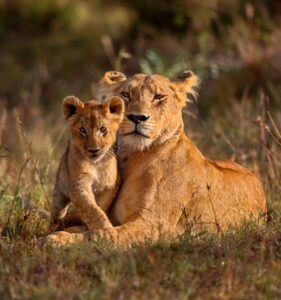
The lion is one of the most sought-after predators in the Ngorongoro Crater, making it a key attraction for Tanzania wildlife safari tours, Ngorongoro Crater game drives, and Big Cat safari experiences. Known as the king of the savannah, lions in the crater are frequently seen resting on open plains, hunting wildebeest or zebras, or relaxing near safari tracks. The crater’s enclosed ecosystem supports a relatively high density of lions, making sightings highly reliable compared to other parks. Safari travelers often enjoy observing pride dynamics, cub behavior, and coordinated hunting strategies. Early morning and late afternoon game drives offer the best chances for lion encounters. For photographers and wildlife lovers, capturing lions against the dramatic crater backdrop is a highlight of any African safari adventure. The Ngorongoro lions are both powerful predators and essential to the ecological balance of this UNESCO World Heritage Site.
Elephant
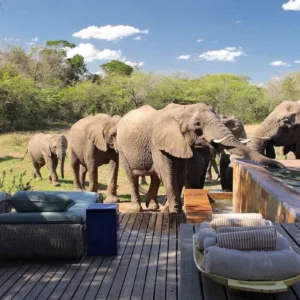
The African elephant is one of the most majestic animals in the Ngorongoro Crater and a major highlight for luxury Tanzania safari tours and wildlife photography safaris. These gentle giants are often seen moving in family herds across the crater floor, especially near forests and water sources. Visitors searching for elephant sightings in Ngorongoro Crater, Tanzania, Big Five safari, and African elephant conservation safari will find consistent viewing opportunities here. Elephants play a crucial ecological role by shaping vegetation and creating pathways for other animals. Their intelligence, strong family bonds, and calm behavior make them a favorite among safari travelers. The crater’s diverse landscape supports both large bulls and breeding herds, offering incredible photo opportunities. Watching elephants against the crater’s steep volcanic walls is one of the most iconic safari scenes in East Africa and a must-see on any Tanzania wildlife itinerary.
Cape Buffalo
The Cape Buffalo is one of the most powerful and unpredictable members of the Big Five, commonly spotted in large herds across the Ngorongoro Crater. Known for their strength and defensive nature, buffalo are a key attraction for Ngorongoro Crater safari game drives, Tanzania Big Five tours, and African wildlife adventure safaris. These animals often gather near wetlands and grassy plains where they graze in groups that can number in the hundreds. Safari travelers frequently observe buffalo interactions with predators such as lions, making for dramatic wildlife scenes. Despite their calm appearance, Cape buffalo are highly dangerous when threatened, earning them respect among guides and visitors. The crater provides an ideal ecosystem for their survival, with abundant water and grazing land. Spotting these massive herds is a thrilling experience and a reminder of Africa’s raw, untamed wilderness.
Hippo
The hippopotamus is one of the most fascinating semi-aquatic animals found in the Ngorongoro Crater, especially in its permanent freshwater lakes and pools. Travelers searching for Ngorongoro Crater hippo sightings, Tanzania safari water wildlife, and African hippo habitats will often see large pods submerged in water during the day. Hippos spend most of their time cooling off in water and become active at night when they graze on nearby grasslands. Despite their calm appearance, they are among the most dangerous animals in Africa due to their territorial nature. The crater’s lakes provide a perfect environment for hippo populations to thrive year-round. Safari visitors often enjoy observing their social behavior, yawning displays, and playful interactions. Seeing hippos in their natural crater habitat adds variety to game drives and enhances the overall wildlife diversity experience of a Ngorongoro safari adventure.
Leopard
The Leopard is one of the most elusive and fascinating predators in the Ngorongoro Crater. Known for its stealth and solitary behavior, the leopard is rarely seen, making each sighting a special highlight on a Tanzania safari. Within the crater’s wooded areas and rocky slopes, these big cats move silently, often resting in trees during the day and hunting at night. Travelers on a Ngorongoro Crater game drive may spot a leopard draped across an acacia branch or moving through tall grass. As part of the Big Five safari experience, leopards add excitement and mystery to wildlife tours. Their spotted coat provides perfect camouflage, helping them ambush prey such as antelope and smaller mammals. Seeing a leopard in the wild is considered a rare and unforgettable moment in African safari adventures.
Spotted Hyena
The spotted hyena is one of the most intelligent and misunderstood predators in the Ngorongoro Crater, often seen in large clans roaming the plains. For travelers interested in Ngorongoro Crater predators, African safari wildlife behavior, and Big Cat alternative sightings in Tanzania, hyenas provide fascinating encounters. They are highly social animals with complex hierarchies dominated by females. In the crater ecosystem, hyenas play a crucial role as both hunters and scavengers, helping maintain ecological balance. Visitors often witness them interacting with lions, competing for food, or hunting in coordinated groups. Their distinctive laughing vocalizations are commonly heard during night or early morning game drives. Despite their reputation, hyenas are skilled hunters with remarkable endurance. Observing spotted hyenas in the wild offers a deeper understanding of predator dynamics in one of Africa’s richest safari environments.
Blue Wildebeest
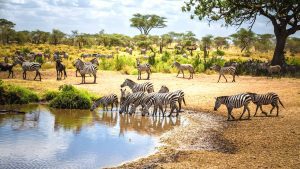
The blue wildebeest is one of the most iconic herbivores in the Ngorongoro Crater, forming large herds that roam the grasslands year-round. These animals are a key attraction for Tanzania safari tours, Ngorongoro wildlife migration experiences, and African savannah game drives. Known for their seasonal movement patterns across East Africa, wildebeest in the crater are often resident due to the enclosed ecosystem. They are frequently seen grazing alongside zebras and gazelles, creating classic African safari scenery. Their survival instincts make them highly alert to predators such as lions and hyenas. Wildebeest play an essential role in the food chain and ecosystem balance of the crater. Their synchronized movement and distinctive calls make them a favorite for wildlife photographers. Seeing massive herds against the crater’s dramatic landscape is a truly unforgettable safari experience.
Zebras
The zebra is one of the most visually striking animals in the Ngorongoro Crater, known for its bold black-and-white stripes and social herd behavior. Frequently included in Tanzania safari wildlife lists, Ngorongoro Crater game drives, and African savannah photography safaris, zebras are easily spotted across open plains. They often travel in mixed herds with wildebeest for added protection against predators. Each zebra has a unique stripe pattern, making them individually identifiable in the wild. Their strong social bonds and alert nature help them survive in predator-rich environments like the crater. Visitors often see them grazing peacefully or running in coordinated groups across the grasslands. Zebras are also important for ecosystem balance, contributing to grassland maintenance. Their striking appearance against the crater’s golden landscape makes them one of the most photographed animals in Ngorongoro safari adventures.
Wild Dogs
The African wild dog, also known as the painted wolf, is one of the rarest and most endangered predators occasionally spotted in the Ngorongoro ecosystem. For travelers searching for Ngorongoro Crater rare wildlife sightings, African wild dog safari in Tanzania, and predator conservation experiences, this species is a prized encounter. Wild dogs are highly social and hunt in cooperative packs with remarkable efficiency. They are known for their stamina, intelligence, and strong pack communication. Although sightings inside the crater are uncommon, the surrounding conservation areas increase the chances of encountering them. Their population has declined due to habitat loss, making conservation efforts critical. Observing wild dogs in action is a thrilling experience, especially during hunts. Their painted coat patterns make them one of the most visually unique carnivores in Africa, adding to the excitement of any serious wildlife safari itinerary in Tanzania.
Cheetahs
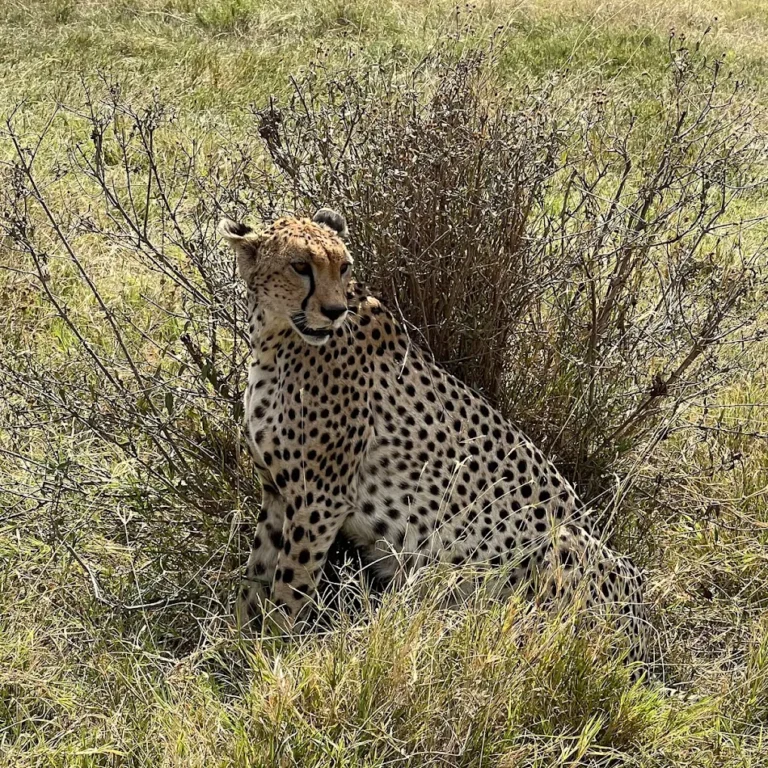
The cheetah is the fastest land animal on Earth and one of the most elegant predators in the Ngorongoro Crater. Often featured in Tanzania Big Cat safaris, Ngorongoro Crater predator viewing, and African wildlife photography tours, cheetahs are admired for their speed and grace. They are commonly seen resting on termite mounds or scanning open plains for prey such as gazelles. Unlike lions and hyenas, cheetahs rely on speed rather than strength, making open grasslands essential for hunting success. The crater provides a suitable environment for occasional sightings, especially during early morning drives. Their slender body, distinctive tear marks, and focused hunting style make them a favorite among safari enthusiasts. Witnessing a cheetah sprint across the savannah is one of the most breathtaking wildlife moments in Africa, symbolizing the raw beauty of Ngorongoro’s ecosystem.
Flamingos
The flamingo is one of the most colorful and photogenic birds found in the Ngorongoro Crater lakes, particularly Lake Magadi. Travelers searching for Ngorongoro Crater birdwatching safaris, Tanzania flamingo migration, and African lake wildlife photography often include flamingos as a key highlight. These birds gather in large flocks, feeding on algae and giving the lake a pinkish hue. Both lesser and greater flamingos can be seen depending on water conditions. Their graceful movements and synchronized feeding behavior create stunning visual displays. Flamingos are seasonal visitors, influenced by water levels and food availability. Birdwatchers and photographers flock to the crater to capture their beauty against the volcanic landscape. Their presence adds a unique ecological dimension to Ngorongoro, making it not only a Big Five destination but also a premier birdwatching paradise in East Africa.
Elands
The eland is the largest antelope species in Africa and a remarkable sight in the Ngorongoro Crater ecosystem. Frequently included in Tanzania safari wildlife guides, Ngorongoro Crater herbivore sightings, and African savannah game drives, elands are known for their impressive size and calm nature. Despite their bulk, they are agile and capable of jumping over high obstacles. They often graze in small herds and are less skittish compared to other antelopes. Their spiral horns and gentle behavior make them a favorite among safari visitors. Elands are important browsers and grazers, contributing to vegetation balance in the crater. Spotting them against the open plains adds diversity to wildlife viewing experiences beyond the Big Five. Their presence highlights the ecological richness of Ngorongoro, making every safari drive a chance to encounter rare and magnificent species.
Final Thought
The Ngorongoro Crater remains one of the most extraordinary wildlife destinations in the world, offering unmatched opportunities for Tanzania safari tours, Big Five game drives, African wildlife photography, and luxury safari experiences. From the rare black rhino to powerful lions, giant elephants, and graceful flamingos, every moment inside the crater reveals nature at its most raw and beautiful. Its unique ecosystem supports an incredible density of animals in a compact area, making it one of the best safari locations in Africa. Whether you are planning a honeymoon safari, family safari, or solo adventure, Ngorongoro guarantees unforgettable wildlife encounters. For travelers seeking the ultimate African safari bucket list experience, this UNESCO World Heritage Site delivers a perfect blend of scenery, biodiversity, and adventure that stays with you forever.