Kilimanjaro Full Moon Climb
Kilimanjaro Full Moon Climb
A Kilimanjaro Full Moon Climb is one of the most magical trekking experiences in Africa, attracting adventurers, photographers, honeymoon travelers, and nature lovers from around the world. During a full moon summit on Mount Kilimanjaro, the glaciers, volcanic rocks, and alpine desert glow beneath brilliant moonlight, creating unforgettable scenery on the way to Uhuru Peak. Many climbers choose full moon dates because visibility improves during the night ascent, reducing the need for headlamps while offering breathtaking panoramic views above the clouds. Popular Kilimanjaro routes like the Machame Route, Lemosho Route, Marangu Route, and Rongai Route become especially scenic under lunar light. Travelers planning Tanzania safari and Kilimanjaro packages often combine a full moon climb with Serengeti safaris and Zanzibar beach holidays. Booking early is recommended because Kilimanjaro full moon departures fill quickly during peak climbing seasons.
What Is a Kilimanjaro Full Moon Climb
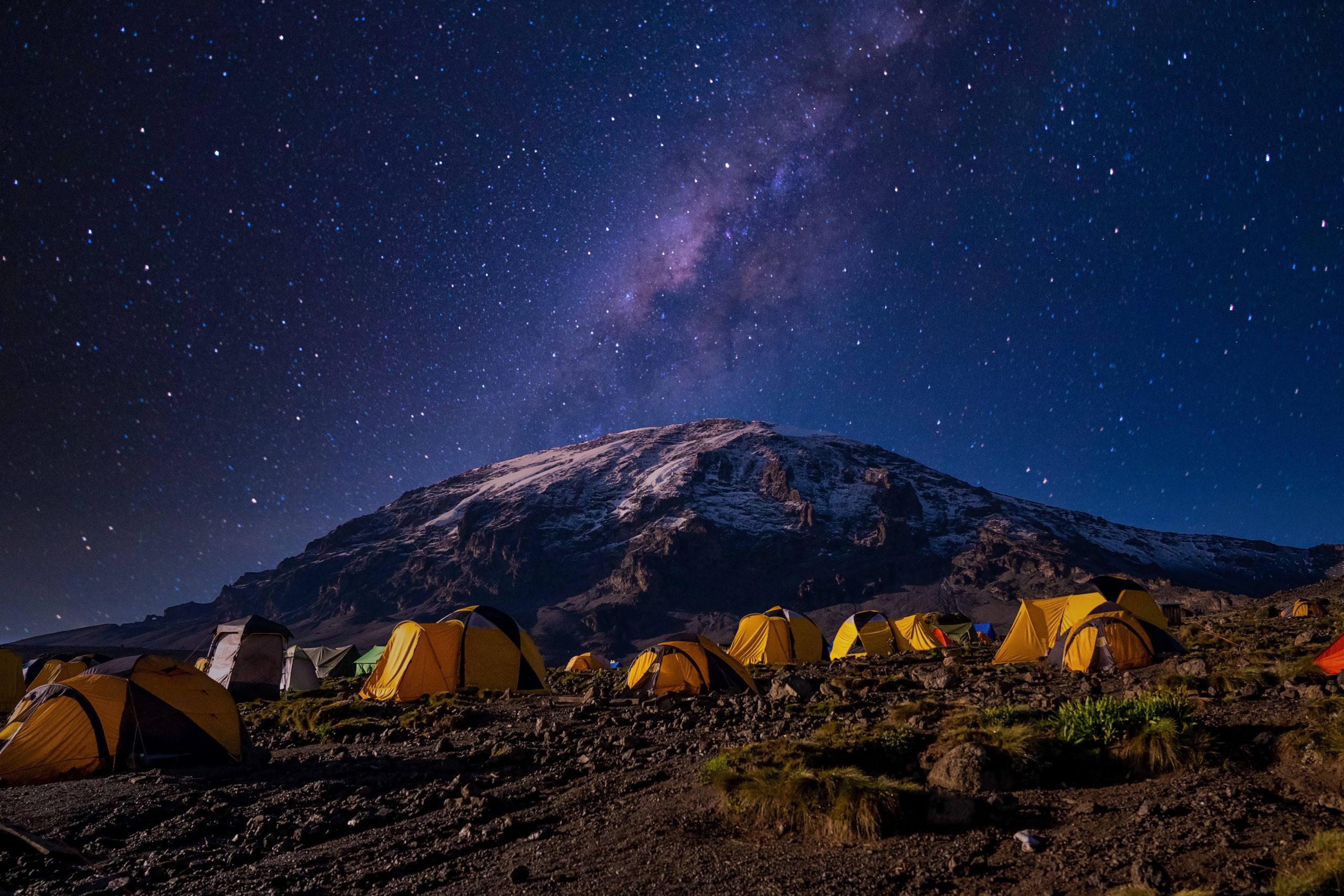
A Kilimanjaro Full Moon Climb is a special summit expedition timed so climbers reach Uhuru Peak during or near the full moon. This extraordinary trekking experience allows hikers to witness the snow-capped summit of Mount Kilimanjaro illuminated by moonlight while overlooking endless African landscapes. The full moon creates brighter trails during the midnight summit push, helping trekkers navigate rocky sections more comfortably. Many climbers describe the experience as peaceful, spiritual, and visually spectacular. Full moon climbs are particularly popular among photographers seeking dramatic nighttime images of glaciers, stars, and volcanic terrain. Tour operators usually recommend starting the trek several days before the actual full moon date so the summit night aligns perfectly with lunar brightness. Because these departures are highly demanded, especially during the dry seasons from January to March and June to October, travelers should reserve Kilimanjaro climbing tours months in advance.
Table about Kilimanjaro Full Moon Climb Dates
| Month | Best Full Moon Climb Period | Weather Conditions | Crowd Level | Recommended Routes | Highlights |
|---|---|---|---|---|---|
| January | Early–Mid January | Warm, clear skies | Moderate | Machame, Lemosho | Excellent summit visibility and photography |
| February | Mid–Late February | Dry and stable | Moderate | Rongai, Lemosho | Great acclimatization weather |
| March | Early March | Transition season | Moderate | Marangu, Machame | Fewer crowds and scenic landscapes |
| April | Full Moon in April | Rainy season | Low | Rongai Route | Quiet trails and lush scenery |
| May | Full Moon in May | Wet and cloudy | Very Low | Rongai Route | Budget-friendly climbing season |
| June | Early–Late June | Cool and dry | High | Machame, Northern Circuit | Peak trekking season begins |
| July | Full Moon in July | Clear and cold | Very High | Lemosho, Machame | Best panoramic summit views |
| August | Full Moon in August | Dry and stable | Very High | Northern Circuit | Excellent wildlife safari combination |
| September | Full Moon in September | Warm and dry | High | Lemosho, Rongai | Ideal trekking and photography conditions |
| October | Full Moon in October | Mostly dry | Moderate | Machame, Marangu | Comfortable temperatures and clear skies |
| November | Full Moon in November | Short rains | Low | Rongai Route | Green landscapes and fewer climbers |
| December | Mid–Late December | Warm with occasional rain | High | Marangu, Machame | Holiday trekking and festive atmosphere |
Why Full Moon Climbs Are So Popular
Full moon climbs on Mount Kilimanjaro have become increasingly popular because they combine adventure, scenery, and unforgettable nighttime trekking conditions. The moonlight enhances visibility across the mountain, making the summit ascent feel safer and more inspiring for many trekkers. Climbers often enjoy spectacular views of glaciers, crater rims, clouds, and distant Tanzanian landscapes illuminated beneath the bright lunar sky. Another reason travelers prefer Kilimanjaro full moon dates is the unique atmosphere created during summit night, where the glowing mountain appears almost surreal. Social media photography and travel blogs have also boosted interest in these climbs, attracting honeymoon couples, solo travelers, and bucket-list adventurers. Full moon departures are especially common on the Machame Route and Lemosho Route because these trails provide scenic camps and panoramic summit views. Many climbers consider it the ultimate Mount Kilimanjaro experience.
Best Time for Kilimanjaro Full Moon Climbs
The best time for Kilimanjaro Full Moon climbs usually falls during Tanzania’s dry seasons when trekking conditions are clearer and safer. The most recommended months are January, February, June, July, August, September, and October. During these periods, climbers on Mount Kilimanjaro often experience better visibility, lower rainfall, and spectacular moonlit summit views. January and February offer warmer temperatures with fewer crowds, while June through October attracts the highest number of climbers due to stable weather conditions. Although full moon climbs occur year-round, the rainy seasons in April, May, and November can create muddy trails, clouds, and reduced visibility. Travelers should plan carefully because summit success rates improve when weather conditions are favorable. Booking early is highly important for peak full moon departures since the best camps, guides, and accommodations become fully reserved months before the climbing season begins.
Popular Routes for Full Moon Climbs
Several routes on Mount Kilimanjaro are ideal for full moon climbs, each offering unique scenery and trekking experiences. The Machame Route is among the most popular because of its beautiful landscapes, diverse ecosystems, and excellent acclimatization profile. The Lemosho Route is highly recommended for trekkers seeking quieter trails and panoramic mountain views beneath moonlit skies. The Marangu Route, often called the “Coca-Cola Route,” attracts climbers who prefer hut accommodations instead of camping. Meanwhile, the Rongai Route provides a drier approach from the northern side near the Kenyan border, making it favorable during wetter months. The Northern Circuit offers the longest itinerary with excellent acclimatization and remote wilderness scenery. Choosing the right route depends on fitness level, budget, trekking experience, and preferred comfort style. Most experienced operators recommend longer itineraries to improve acclimatization and summit success during full moon climbs.
Kilimanjaro Full Moon Summit Experience
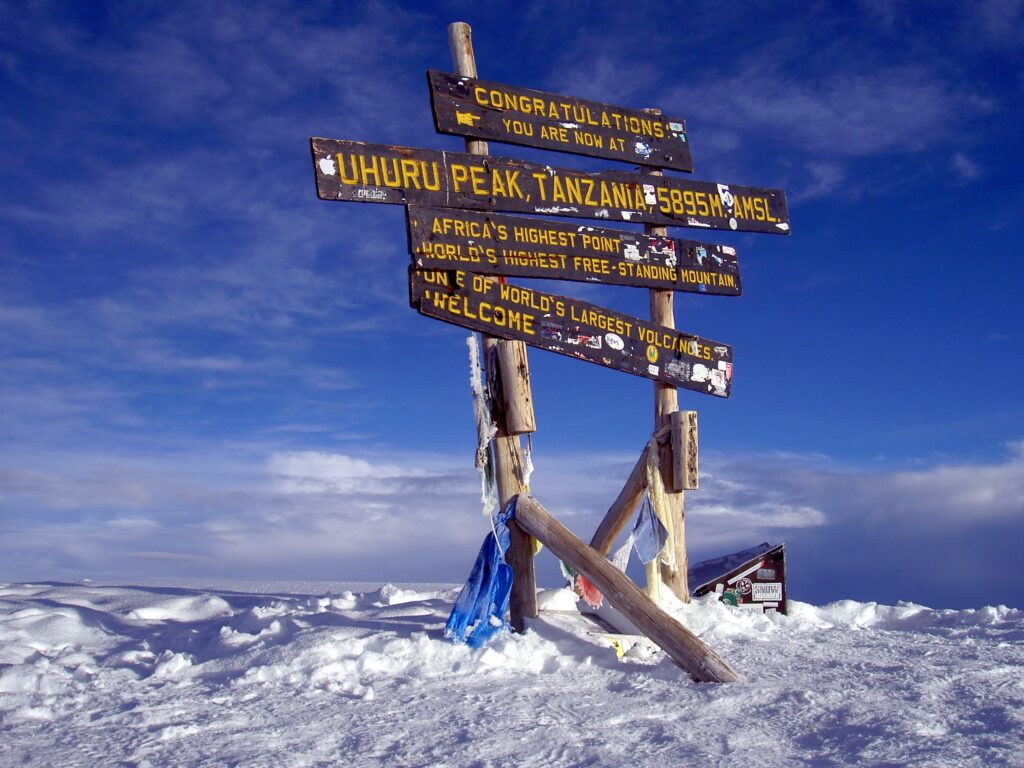
Reaching Uhuru Peak during a full moon is one of the most unforgettable moments climbers can experience in Africa. As trekkers ascend the slopes of Mount Kilimanjaro during the midnight summit push, the moonlight reflects across glaciers, volcanic ash, and rocky ridges, creating extraordinary scenery. Many climbers report needing fewer headlamps because the lunar glow naturally brightens the trail. The atmosphere becomes calm, emotional, and inspiring as hikers slowly approach the highest point in Africa at 5,895 meters. Watching sunrise after a moonlit ascent adds another breathtaking reward, revealing endless clouds, golden horizons, and snow-covered peaks. The summit night is physically demanding due to altitude and freezing temperatures, but the full moon often boosts morale and motivation. For photographers and adventure travelers, the Kilimanjaro full moon summit experience remains one of the world’s greatest trekking achievements.
How to Choose the Right Full Moon Date
Choosing the right Kilimanjaro Full Moon date requires careful planning because summit timing depends on your selected route and itinerary length. Most climbers begin trekking five to eight days before the actual full moon so they can reach Uhuru Peak during peak lunar brightness on Mount Kilimanjaro. Tour operators usually publish annual Kilimanjaro full moon calendars showing the best departure dates for each route. Travelers should also consider weather patterns, crowd levels, fitness preparation, and personal travel schedules before booking. Dry-season full moon climbs are especially popular, meaning campsites and mountain crews may sell out quickly. If you prefer quieter trails, consider shoulder-season full moon departures with fewer trekkers. Some climbers choose dates slightly before or after the full moon because the summit remains brightly illuminated. Proper planning ensures better accommodation availability, smoother logistics, and a more enjoyable mountain experience overall.
Weather Conditions During Full Moon Climbs
Weather plays a major role in determining the quality of a Kilimanjaro Full Moon climb. Even during bright lunar nights on Mount Kilimanjaro, temperatures near the summit can drop far below freezing, especially during midnight ascents. Dry seasons usually provide clearer skies, allowing trekkers to fully enjoy the moonlit glaciers and panoramic views. However, the weather on Kilimanjaro can change rapidly, with strong winds, snow, rain, or clouds appearing unexpectedly. Climbers should prepare with proper thermal layers, waterproof jackets, insulated gloves, and quality hiking boots. During rainy months, cloud cover may partially hide the moon, reducing visibility during the summit push. Despite changing mountain conditions, experienced guides monitor the weather carefully to maintain safety throughout the climb. Travelers should remember that acclimatization and preparation remain more important than moonlight alone when attempting a successful Kilimanjaro summit expedition in Tanzania.
Photography Opportunities Under the Full Moon
A Kilimanjaro Full Moon climb offers incredible photography opportunities rarely found on other trekking adventures worldwide. Under bright moonlight on Mount Kilimanjaro, climbers can capture dramatic images of glaciers, rocky trails, stars, and cloud-covered valleys glowing above the African wilderness. The summit ascent creates exceptional conditions for nighttime landscape photography because the moon naturally illuminates the terrain. Sunrise from Uhuru Peak after a moonlit climb also provides breathtaking golden light over Tanzania and Kenya. Professional photographers often choose full moon dates to photograph silhouettes of trekkers against snowy peaks and glowing skies. Carrying lightweight camera equipment, extra batteries, and protective gear is highly recommended because freezing temperatures can quickly drain power. Whether using a smartphone or a professional camera, trekkers frequently return home with unforgettable travel images that perfectly capture the beauty, adventure, and magic of climbing Kilimanjaro under a full moon.
Fitness Preparation for Full Moon Climbs
Preparing physically for a Kilimanjaro Full Moon climb is essential because reaching Uhuru Peak requires endurance, determination, and altitude adaptation. Climbers on Mount Kilimanjaro should begin training several months before departure by focusing on hiking, cardio workouts, stair climbing, and long-distance walking. Strong leg muscles and cardiovascular fitness help trekkers handle steep trails, rocky terrain, and extended summit nights. Acclimatization is equally important because altitude sickness affects many climbers regardless of fitness level. Longer routes such as the Lemosho Route and Northern Circuit improve acclimatization and increase summit success rates. Travelers should also practice hiking with backpacks and trekking poles before arriving in Tanzania. Staying hydrated, maintaining a balanced diet, and getting enough rest during the climb significantly improve performance. Good preparation allows climbers to enjoy the full moon experience while safely managing the physical challenges of Africa’s tallest mountain.
Packing Essentials for Kilimanjaro Full Moon Climbs
Packing correctly for a Kilimanjaro Full Moon climb is vital because temperatures and weather conditions vary dramatically across the mountain. Climbers ascending Mount Kilimanjaro need layered clothing suitable for tropical forests, alpine deserts, and freezing summit conditions. Essential gear includes insulated jackets, thermal underwear, waterproof outer layers, gloves, hats, hiking boots, and warm sleeping bags. Trekking poles help maintain stability during steep descents and rocky summit sections. Even during a full moon ascent, headlamps remain necessary for safety and visibility. Sunglasses, sunscreen, hydration packs, and energy snacks are also highly recommended. Photographers should pack extra batteries because cold temperatures reduce battery life rapidly. Hiring quality gear in Tanzania is possible, but experienced trekkers often prefer bringing personal equipment for comfort and reliability. Proper packing improves safety, comfort, and overall enjoyment during the unforgettable Kilimanjaro full moon trekking adventure.
Altitude Challenges on Full Moon Climbs
Altitude sickness remains one of the greatest challenges during a Kilimanjaro Full Moon climb, despite the excitement and beauty of moonlit trekking. As climbers ascend Mount Kilimanjaro, oxygen levels decrease significantly, causing headaches, nausea, dizziness, and fatigue for some trekkers. Full moon conditions may improve visibility and motivation, but they do not reduce the physical effects of high altitude. Proper acclimatization is critical for summit success and overall safety. Experienced guides encourage slow hiking speeds, regular hydration, and sufficient rest throughout the expedition. Choosing longer routes with extra acclimatization days greatly increases the likelihood of reaching Uhuru Peak successfully. Travelers should also recognize symptoms early and communicate honestly with guides if they feel unwell. While the summit experience is rewarding, respecting altitude challenges remains essential for a safe and memorable Kilimanjaro climbing adventure in Tanzania’s breathtaking mountain wilderness.
Combining Full Moon Climbs with Tanzania Safaris
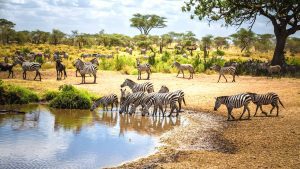
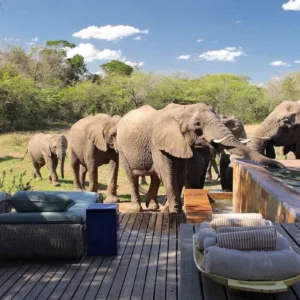
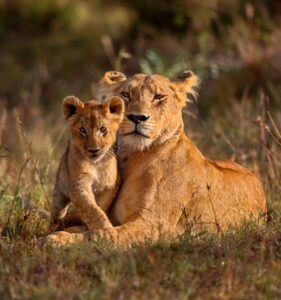
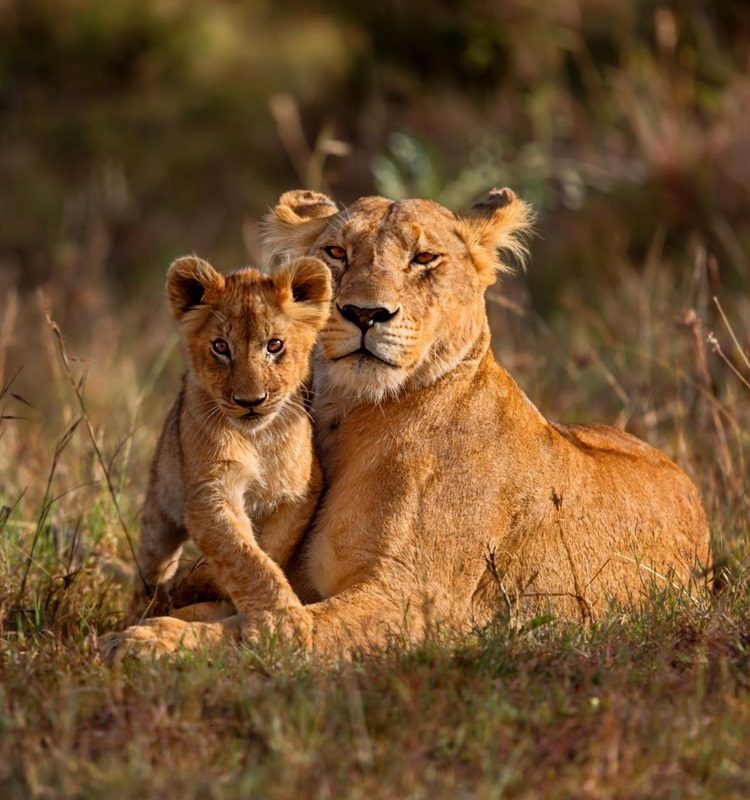
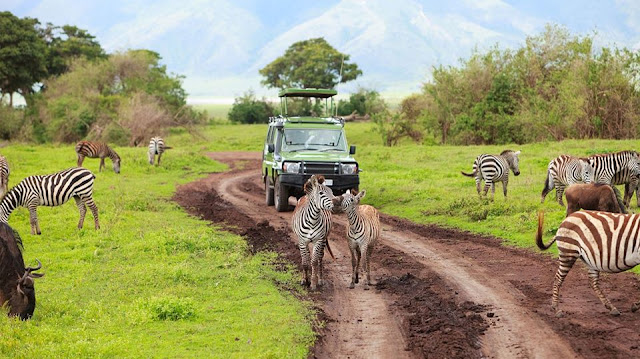
Many travelers combine a Kilimanjaro Full Moon climb with a classic Tanzania safari to create the ultimate African adventure. After summiting Mount Kilimanjaro, climbers often continue to famous wildlife destinations such as Serengeti National Park, Ngorongoro Crater, and Tarangire National Park. This combination allows visitors to experience Africa’s highest mountain alongside world-famous safari landscapes filled with lions, elephants, giraffes, and wildebeest. Many luxury and budget travel packages also include Zanzibar beach holidays after the climb for relaxation beside the Indian Ocean. Combining trekking and safari experiences creates a diverse itinerary filled with adventure, wildlife, culture, and scenic beauty. Tanzania remains one of the few destinations where travelers can enjoy mountain climbing, Big Five safaris, Maasai cultural encounters, and tropical beaches within a single unforgettable journey.
Booking Tips for Kilimanjaro Full Moon Climbs
Booking a Kilimanjaro Full Moon climb requires early preparation because these departures attract climbers from around the world. Reputable operators guiding expeditions on Mount Kilimanjaro often release annual full moon schedules well in advance, allowing travelers to secure preferred routes and dates. Choosing a licensed and experienced Kilimanjaro tour company is extremely important for safety, acclimatization support, and overall summit success. Travelers should compare route options, guide experience, group sizes, included equipment, and emergency procedures before making reservations. Reading traveler reviews and checking operator certifications helps ensure reliable service quality. Flights to Tanzania and accommodation in Arusha or Moshi should also be booked early during peak trekking seasons. Many climbers prefer small-group departures for personalized support and quieter trekking experiences. Early planning reduces stress while improving access to better guides, camps, hotels, and ideal full moon summit schedules.
Why Kilimanjaro Full Moon Climbs Create Lifelong Memories
A Kilimanjaro Full Moon climb creates lifelong memories because it combines physical achievement, natural beauty, and emotional inspiration in one extraordinary journey. Standing on the snowy summit of Mount Kilimanjaro beneath glowing moonlight is an unforgettable moment shared by climbers from every corner of the world. The peaceful nighttime ascent, sparkling glaciers, and sunrise above the clouds create an atmosphere unlike any other mountain adventure. Many trekkers describe the experience as life-changing because it tests endurance, builds confidence, and rewards determination. Along the trails, climbers encounter tropical rainforests, alpine deserts, volcanic landscapes, and friendly Tanzanian mountain crews who motivate throughout the journey. Whether celebrating a honeymoon, birthday, personal challenge, or bucket-list dream, a full moon Kilimanjaro expedition delivers powerful memories that last forever. For countless travelers, it becomes one of the greatest adventures they have ever experienced in Africa.
Final Thought
A Kilimanjaro Full Moon climb is far more than a trekking expedition; it is a once-in-a-lifetime adventure across Africa’s most iconic mountain landscape. From moonlit summit trails to breathtaking sunrise views above the clouds, every moment on Mount Kilimanjaro feels extraordinary and unforgettable. Choosing the right full moon dates, preparing properly, selecting experienced guides, and allowing enough acclimatization time greatly improve the overall experience and summit success. Whether climbing via the Machame Route, Lemosho Route, Marangu Route, or Northern Circuit, trekkers are rewarded with spectacular scenery, personal achievement, and unforgettable memories. Many travelers combine the climb with Tanzania wildlife safaris and Zanzibar beach holidays, creating the perfect East African travel experience. For adventure seekers, photographers, honeymooners, and nature lovers alike, Kilimanjaro Full Moon climbs remain among the world’s most inspiring and rewarding mountain journeys.
Kilimanjaro Full Moon Climb: FAQs
What Is a Kilimanjaro Full Moon Climb?
A Kilimanjaro Full Moon Climb is a special summit expedition timed so climbers reach Uhuru Peak during or near the full moon. This extraordinary trekking experience allows hikers to witness the snow-capped summit of Mount Kilimanjaro illuminated by moonlight while overlooking endless African landscapes. The full moon creates brighter trails during the midnight summit push, helping trekkers navigate rocky sections more comfortably.
Why Full Moon Climbs Are So Popular?
Full moon climbs on Mount Kilimanjaro have become increasingly popular because they combine adventure, scenery, and unforgettable nighttime trekking conditions. The moonlight enhances visibility across the mountain, making the summit ascent feel safer and more inspiring for many trekkers. Climbers often enjoy spectacular views of glaciers, crater rims, clouds, and distant Tanzanian landscapes illuminated beneath the bright lunar sky.
What are the best time for Kilimanjaro full moon climbs?
The best time for Kilimanjaro Full Moon climbs usually falls during Tanzania’s dry seasons when trekking conditions are clearer and safer. The most recommended months are January, February, June, July, August, September, and October. During these periods, climbers on Mount Kilimanjaro often experience better visibility, lower rainfall, and spectacular moonlit summit views.
What can you expect from popular routes for full moon climbs?
Several routes on Mount Kilimanjaro are ideal for full moon climbs, each offering unique scenery and trekking experiences. The Machame Route is among the most popular because of its beautiful landscapes, diverse ecosystems, and excellent acclimatization profile. The Lemosho Route is highly recommended for trekkers seeking quieter trails and panoramic mountain views beneath moonlit skies.
What is the Kilimanjaro full moon summit experience like?
Reaching Uhuru Peak during a full moon is one of the most unforgettable moments climbers can experience in Africa. As trekkers ascend the slopes of Mount Kilimanjaro during the midnight summit push, the moonlight reflects across glaciers, volcanic ash, and rocky ridges, creating extraordinary scenery.
How to Choose the Right Full Moon Date?
Choosing the right Kilimanjaro Full Moon date requires careful planning because summit timing depends on your selected route and itinerary length. Most climbers begin trekking five to eight days before the actual full moon so they can reach Uhuru Peak during peak lunar brightness on Mount Kilimanjaro.
What is the weather conditions during full moon climbs like?
Weather plays a major role in determining the quality of a Kilimanjaro Full Moon climb. Even during bright lunar nights on Mount Kilimanjaro, temperatures near the summit can drop far below freezing, especially during midnight ascents. Dry seasons usually provide clearer skies, allowing trekkers to fully enjoy the moonlit glaciers and panoramic views.
What are the photography opportunities under the full moon?
A Kilimanjaro Full Moon climb offers incredible photography opportunities rarely found on other trekking adventures worldwide. Under bright moonlight on Mount Kilimanjaro, climbers can capture dramatic images of glaciers, rocky trails, stars, and cloud-covered valleys glowing above the African wilderness. The summit ascent creates exceptional conditions for nighttime landscape photography because the moon naturally illuminates the terrain.
Climb Kilimanjaro With Confidence
Tell us your dates and fitness, and our experienced mountain team will plan a safe, well-acclimatized private climb.