Kilimanjaro base camps and campsites by route, with altitude profiles
Kilimanjaro Base Camp and Campsites by Route
Discover Kilimanjaro's diverse base camps and campsites along its popular routes. Each route, from the scenic Machame to the tranquil Lemosho, offers unique resting points with stunning views and varying altitudes. Experience the rustic charm of Shira Camp, the panoramic beauty of Barranco Camp, and the high-altitude challenges of Barafu Camp. Ideal for acclimatization and adventure, these camps provide essential services and breathtaking scenery, making your climb a memorable journey through Africa’s highest peak.
Kilimanjaro Base Camp - Summit Adventure Begins Here
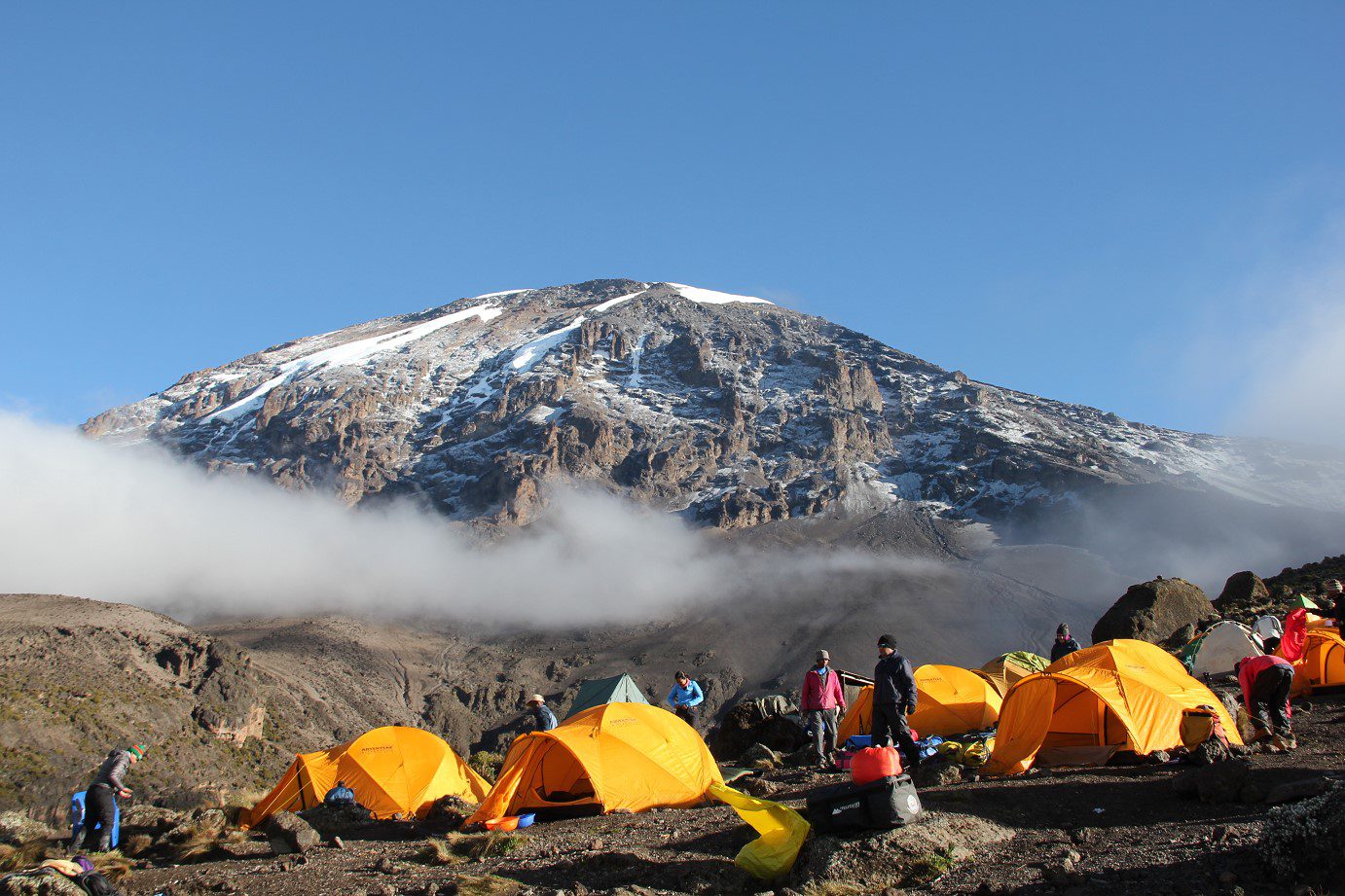
Situated at the foothills of Mount Kilimanjaro, the Base Camp serves as a pivotal point for trekkers commencing their ascent. Located at different altitudes depending on the route chosen. The Base Camp offers a sanctuary for rest, acclimatization, and preparation for the rigorous journey ahead. It serves as a melting pot of cultures, with adventurers from all walks of life converging to pursue a common goal – reaching the summit of Africa's tallest peak.
There are five principal base camps or high camps on Mt Kilimanjaro. Each catering to different trekking routes: Barafu Camp. Kibo Hut/Camp. School Huts Camp.
Choosing the Right Mountaineering Route + Campsite
Kilimanjaro boasts several routes, each offering distinct experiences and challenges. From the popular Machame Route to the scenic Lemosho Route, adventurers are spoilt for choice. Factors such as duration, difficulty, and scenic beauty play a crucial role in selecting the ideal route. Understanding the nuances of each route is essential for a successful and enjoyable expedition.
Machame Route: The Whiskey Route:
The Machame Route, often referred to as the "Whiskey Route," is renowned for its scenic beauty and diverse terrain. As one of the most popular routes, it offers trekkers an unforgettable journey through lush rainforests, moorlands, and alpine deserts. The Machame Route typically takes around six to seven days to complete. Allowing for proper acclimatization and maximizing your chances of reaching the summit.
View the Machame Route →Marangu Route: The Coca-Cola Route
Contrary to the rugged terrain of the Machame Route, the Marangu Route, known as the "Coca-Cola Route," offers a more straightforward ascent. With comfortable sleeping huts along the way, this route appeals to those seeking a less strenuous trek. However, its popularity means it can get crowded during peak seasons. Trekkers typically complete the Marangu Route in five to six days.
View the Marangu Route →Lemosho Route: The Scenic Route
For those yearning for a quieter and more scenic experience, the Lemosho Route presents an ideal choice. This route traverses pristine wilderness and provides panoramic views of Kilimanjaro's majestic slopes. Although slightly longer than other routes, the Lemosho Route offers excellent opportunities for acclimatization and has a high success rate for summiting.
View the Lemosho Route →Rongai Route: The Northern Route
The Rongai Route, originating from the northern side of Kilimanjaro, offers a unique perspective of the mountain. Trekkers on this route often encounter fewer crowds, making it perfect for those seeking solitude amidst nature. The Rongai Route typically takes six to seven days to complete, allowing for gradual acclimatization and increased chances of success.
View the Rongai Route →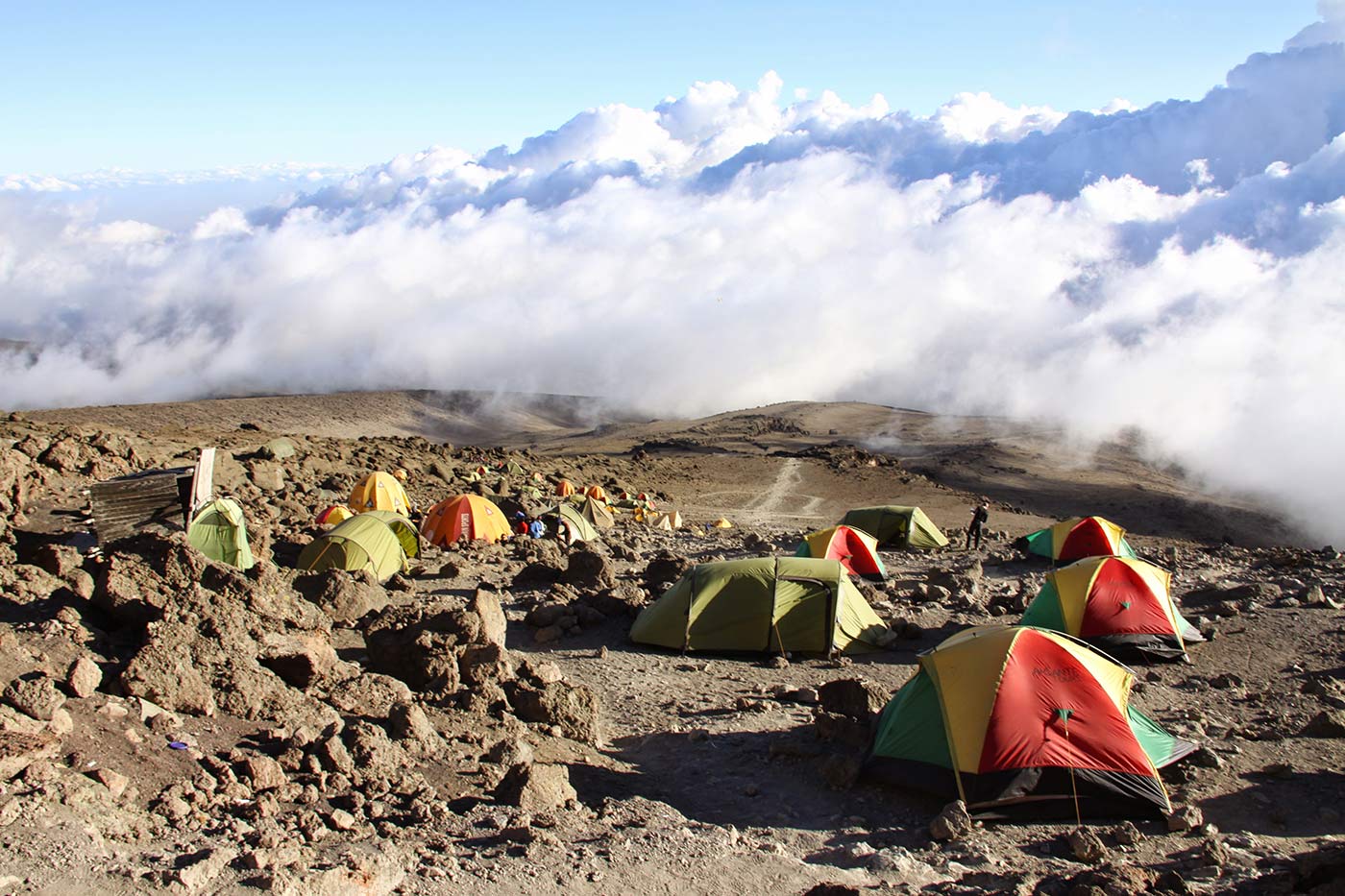
Mount Kilimanjaro Campsites by Route
Explore Mount Kilimanjaro's Campsites by Route, from the lush forests of Machame to the pristine wilderness of Lemosho. Discover scenic campsites like Machame Camp and Shira Camp, offering stunning views and serene surroundings. Plan your trek and experience the adventure of a lifetime on Africa's tallest peak.
Tap a route to see its campsites and altitude profile.
Lemosho Camps:
On the Lemosho route, there are various camp options depending on the duration of the hike. The most common are the 6, 7, and 8-day itineraries, with different overnight stays during camping. The campsites on this route are Mti Mkubwa (2,820m), Shira Camp 1 (3,500m), Shira Camp 2 (3,850m), Barranco Camp (3,900m), Karanga Camp (3,960m), and Barafu Base Camp (4,670m), before reaching the summit (5,895m). The descent can lead to either the Millennium Camp (3,820m) or Mweka Camp (3,100m), with the finish gate being Mweka Gate (1,640m).
Shira Camps:
The Shira route is similar to the Lemosho but starts at a higher point, resulting in inadequate or poor acclimatization. This 6-day route includes starting to stops at Simba Camp (3,630m) and Barafu Base Camp.
Machame Camps:
The Machame route has campsites at Machame (2,820m), Shira Camp 2 (3,850m), Barranco Camp (3,900m), Karanga Camp (3,960m), Barafu Base Camp (4,670m), and Millennium Camp (3,820m) or Mweka Camp (3,100m) for the descent. The finish gate is Mweka Gate (1,640m).
Umbwe Camps:
The Umbwe route is the shortest and most direct path up the mountain, with starting to overnight stay at Umbwe Cave Camp (2,850m), Barranco Camp (3,900m), Karanga Camp (3,960m), Barafu Base Camp (4,670m), and the Millennium Camp (3,820m) or Mweka Camp (3,100m) for the descent. The finish gate is Mweka Gate (1,640m).
Marangu Camps - Hut:
The Marangu Route is the only one that uses hut accommodation instead of tents. It's took 5 or 6-day route that includes an overnight stay at Mandara Hut (2,700m), Horombo Hut (3,720m), Kibo Hut (4,700m) for the summit, and then back to Horombo Hut before descending to Mweka Gate (1,640m).
Rongai Camps:
The Rongai route starts from the North of the mountain and starting to overnight stay at Simba Camp (2,625m), Second Cave Camp (3,480m), Kikilewa Camp (3,630m), Mawenzi Tarn Camp (4,310m), Kibo Camp (4,700m), and finally, Horombo Hut (3,720m) for the descent. The finish gate is Mweka Gate (1,640m).
Northern Circuit Camps:
The Northern Circuit is an extension of the Lemosho route, taking a longer and quieter route around the mountain. The route start to overnight stay at Mti Mkubwa Camp (2,850m), Shira Camp 1 (3,500m), Shira Camp 2 (3,850m), Moir Hut (4,150m), Buffalo Camp (4,020m), Third Cave Camp (3,870m), and School Hut (4,750m) for the summit, before descending to either the Millennium Camp (3,820m) or Mweka Camp (3,100m). The finish gate is Mweka Gate (1,640m).
Mweka Camps:
Nestled amidst the rugged beauty of Mount Kilimanjaro, Mweka Camps offer a serene retreat for adventurers seeking refuge after a day of exhilarating trekking. Situated at various altitudes along the mountain's slopes, these camps provide weary climbers with a warm bed, hearty meals, and stunning views of the surrounding landscapes. In this guide, we'll explore the allure of Mweka Camps and why they should be a part of your Kilimanjaro expedition. The Mweka route is only used for descent, with stops at the Millennium Camp (3,820m) and Mweka Camp (3,100m).
Base Camps or High Camps
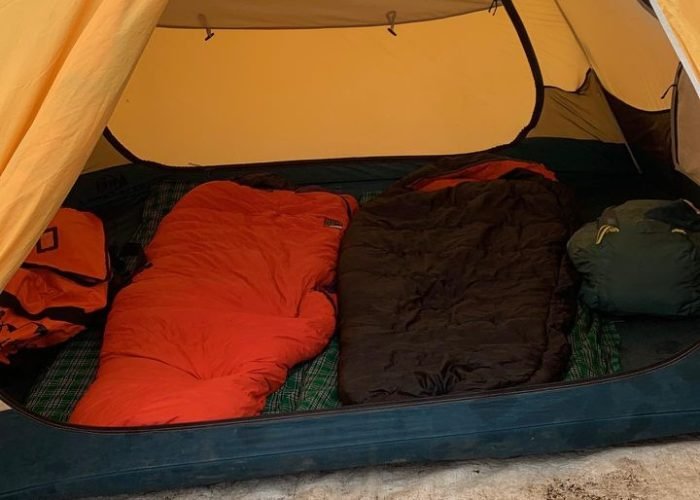
There are three base camps or high camps on Mt Kilimanjaro, each used by different routes to reach the summit.
Barafu Base Camp
Barafu Base Camp (4,670m) is used by hikers on the Lemosho, Machame, and Umbwe routes. It follows a zigzag route up the slopes of Kibo to the sub-summit, Stella Point (5,739m).
Kibo Hut/Camp
Kibo Hut/Camp (4,700m) is used by hikers on the Marangu and Rongai routes. It follows a slightly steeper and longer path up the slopes of Kibo to the sub-summit, Gilman’s Point (5,685m).
Crater Camp
Crater Camp (5,800m) is the highest camp on Mt Kilimanjaro, situated in the volcanic crater of Kibo. It can only be used by experienced hikers who have properly acclimatized.

Conclusion: Kilimanjaro Base Camp and Campsites
Embark on Your Kilimanjaro Adventure
Embarking on a journey to Kilimanjaro's base camps is a once-in-a-lifetime experience that promises adventure, breathtaking scenery, and personal triumph. Whether you choose the Machame, Marangu, Lemosho, or Rongai Route, each path offers its unique challenges and rewards. As you trek through lush rainforests, rugged moorlands, and barren alpine deserts. You'll be captivated by the beauty of Kilimanjaro and inspired by your resilience. So lace up your boots, pack your bags, and prepare for the adventure of a lifetime as you conquer Kilimanjaro's majestic slopes.
Questions About Kilimanjaro Base Camps & Campsites
What is Kilimanjaro Base Camp?
Kilimanjaro Base Camp refers to the high camp where climbers rest before the final summit push, while the wider term covers the campsites at different elevations along each route. These camps are resting points for acclimatization, meals and sleep. The main high camps are Barafu Camp (4,670m), Kibo Hut (4,700m) and School Hut (4,750m), with Crater Camp (5,800m) used only by well-acclimatized climbers.
How many base camps are there on Kilimanjaro?
Kilimanjaro has several campsites on each route, but only a few high base camps used for the summit attempt. Barafu Camp serves the Machame, Lemosho and Umbwe routes, Kibo Hut serves the Marangu and Rongai routes, and School Hut is used on the Northern Circuit. Crater Camp, inside Kibo’s crater, is the highest camp on the mountain and is reserved for properly acclimatized climbers.
Which route should I choose for my Kilimanjaro trek?
Choose your Kilimanjaro route based on fitness, experience, time and preferences. Machame offers scenic variety and good acclimatization, Lemosho is quieter and highly scenic with excellent success rates, Rongai approaches from the north with fewer crowds, and Marangu offers hut accommodation. The Northern Circuit is the longest and most gradual route, while Umbwe is short and steep, best for experienced trekkers.
How long does it take to climb Kilimanjaro?
Climbing Kilimanjaro usually takes five to nine days, depending on the route and acclimatization schedule. Marangu takes five to six days, Machame and Rongai six to seven days, Lemosho six to eight days and the Northern Circuit around nine days. Longer itineraries include more nights at different campsites, improving acclimatization and increasing your chances of reaching Uhuru Peak safely and comfortably.
What is the best time of year to climb Kilimanjaro?
The best time to climb Kilimanjaro is during the dry seasons, generally from late June to October and from late December to early March. These months offer more stable weather, drier trails, clearer skies and better views from the campsites and summit. The long rains from April to May make paths muddy, while November brings short rains and quieter trails.
Do I need prior climbing experience to trek Kilimanjaro?
No, prior climbing experience is not required to trek Kilimanjaro, because it is a non-technical climb. However, a good level of fitness, proper preparation and careful acclimatization are essential. Training hikes, a longer route, a slow pole pole pace and an experienced guide greatly improve your chances. Previous multi-day hiking experience is helpful but not necessary for a successful summit.
What should I pack for a Kilimanjaro trek?
Pack layered clothing for changing weather, a warm down jacket, waterproof jacket and pants, sturdy broken-in hiking boots, gloves, a warm hat and a sleeping bag rated for sub-zero campsite nights. Add trekking poles, a headlamp, high-energy snacks, water purification tablets and personal toiletries. Pack light, since porters carry the main bags, while ensuring you have all essential gear.
Is altitude sickness a concern when trekking Kilimanjaro?
Yes, altitude sickness, also called acute mountain sickness (AMS), is a common concern on Kilimanjaro, especially at high camps like Barafu and Kibo Hut. Proper acclimatization, a slow pace, good hydration and a gradual ascent with extra nights at mid-altitude campsites reduce the risk. Tell your guide immediately about headaches, nausea or dizziness, as early action is key to staying safe.
Are there age restrictions for climbing Kilimanjaro?
There are no strict upper age limits for climbing Kilimanjaro, and climbers usually need to be at least ten years old to attempt the summit. Every trekker should be in good health and physical condition. Consult a healthcare professional before your climb, especially if you have pre-existing medical conditions or are an older trekker, and choose a longer route for better acclimatization.
What safety precautions should I take while trekking Kilimanjaro?
Hire a reputable, licensed tour operator, follow your experienced guide’s instructions and respect park regulations. Walk slowly, stay well hydrated, eat regularly and report any symptoms of altitude sickness. Pack warm, waterproof gear for cold campsite nights, carry travel insurance that covers high-altitude evacuation and stay mindful of changing weather. Putting safety first makes your Kilimanjaro trek far more enjoyable.
Choose Your Kilimanjaro Route
Tell us your dates and fitness level, and we will recommend the right route and campsites for a private, well-acclimatized Kilimanjaro climb.