How easy is it to Climb Mount Kilimanjaro?
How easy is it to Climb Mount Kilimanjaro?
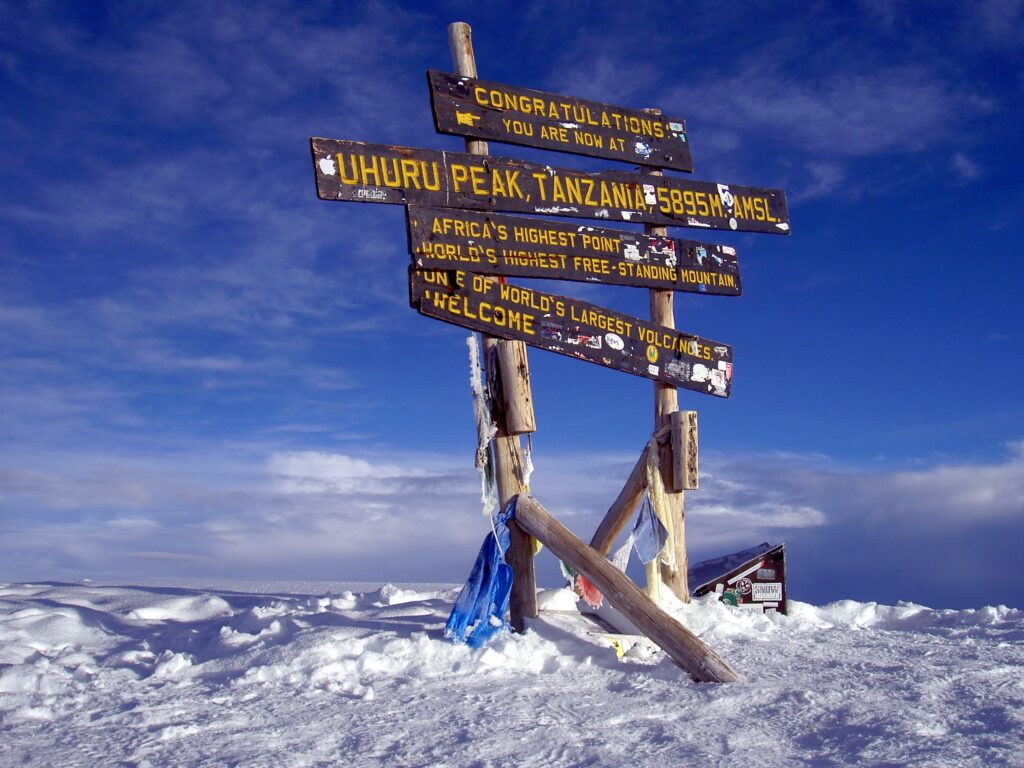
Climbing Mount Kilimanjaro is often described as challenging but achievable for most fit trekkers, making it one of the most popular high-altitude adventures in the world. Located in Tanzania within Kilimanjaro National Park Authority, this iconic free-standing mountain rises to 5,895 meters at Uhuru Peak, the highest point in Africa. The question “How easy is it to climb Mount Kilimanjaro?” depends largely on preparation, route choice, and acclimatization. Unlike technical mountains, Kilimanjaro does not require climbing skills or ropes, but altitude sickness and endurance remain key challenges. With the right trekking itinerary, professional guides, and gradual ascent, beginners can successfully reach the summit. This guide explores the real difficulty level, success factors, and essential tips for a safe and memorable Kilimanjaro trekking experience in Tanzania’s breathtaking landscapes.
Understanding Kilimanjaro Difficulty
The difficulty of climbing Mount Kilimanjaro is often misunderstood. It is not a technical climb, meaning no ropes or mountaineering skills are required, but it is still a high-altitude trek that demands endurance. The biggest challenge is altitude sickness due to reduced oxygen levels as you approach Uhuru Peak. Many climbers underestimate this factor, thinking fitness alone guarantees success. In reality, even experienced athletes can struggle if they ascend too quickly. Kilimanjaro’s difficulty is rated moderate to challenging, depending on the route and duration. Longer routes like Lemosho or Northern Circuit offer better acclimatization and higher success rates. Shorter routes, such as Marangu, are faster but more physically demanding. Understanding these differences is key when planning your Kilimanjaro trekking adventure in Tanzania.
Fitness Requirements for Climbing
You do not need to be an elite athlete to climb Mount Kilimanjaro, but a reasonable level of fitness is essential. The trek involves long daily hikes of 5–8 hours over uneven terrain, with some summit days lasting up to 12–15 hours. Cardiovascular endurance, leg strength, and mental resilience are more important than speed or strength training alone. Activities like hiking, jogging, cycling, and stair climbing are excellent preparation for the Kilimanjaro trek. Many climbers also benefit from carrying a weighted backpack during training hikes to simulate real conditions. While technical skills are not required, preparation reduces fatigue and improves your chances of reaching Uhuru Peak. Ultimately, consistent fitness training makes the climb easier, safer, and more enjoyable, especially in the high-altitude conditions of Tanzania’s iconic mountain.
Altitude Sickness Challenges
Altitude sickness is the primary reason climbers struggle on Mount Kilimanjaro. As you ascend above 3,000 meters, oxygen levels drop significantly, affecting the body’s ability to function normally. Symptoms can include headaches, nausea, dizziness, and fatigue. In severe cases, it can lead to Acute Mountain Sickness (AMS), requiring descent. This makes acclimatization one of the most important factors in Kilimanjaro trekking success. Guides often follow the “climb high, sleep low” strategy to help the body adjust gradually. Choosing longer routes significantly reduces altitude-related risks. Staying hydrated, eating well, and ascending slowly also improve adaptation. Unlike physical fitness, altitude tolerance cannot be trained in advance, which is why even experienced hikers may struggle. Proper pacing is the key to safely reaching Uhuru Peak.
Best Kilimanjaro Routes for Easier Climb
Choosing the right route on Mount Kilimanjaro significantly affects how easy or difficult your climb will be. The Lemosho and Northern Circuit routes are considered the easiest in terms of acclimatization because they offer longer itineraries and gradual ascent. These routes increase your chances of reaching Uhuru Peak successfully. The Machame route is popular and moderately difficult, offering scenic views but slightly steeper sections. The Marangu route is often called the “easiest” due to hut accommodation, but its shorter duration reduces acclimatization time, making summit success less likely. Rongai is another quieter option with a gentler slope. Each route offers a different experience within Kilimanjaro National Park Authority, and selecting wisely is essential for a comfortable and successful trekking experience.
Weather Conditions on the Mountain
Weather plays a major role in how easy it feels to climb Mount Kilimanjaro. The mountain has multiple climate zones, ranging from tropical rainforest at the base to arctic conditions at the summit. Climbers often experience rain, wind, and freezing temperatures within the same journey. The best trekking seasons are during January–March and June–October when conditions are relatively dry and stable. However, temperatures at Uhuru Peak can drop below -10°C even in good seasons. Weather changes can affect trail conditions, making some sections slippery or more demanding. Proper gear, including layered clothing, waterproof jackets, and insulated boots, is essential. Understanding Kilimanjaro’s unpredictable climate helps climbers prepare mentally and physically, ensuring a smoother ascent and safer experience throughout the trek.
Daily Kilimanjaro Trekking Experience
A typical day on Mount Kilimanjaro begins early in the morning with breakfast before several hours of trekking through diverse landscapes. Climbers move slowly but steadily, following the “pole pole” (slowly, slowly) philosophy to conserve energy. The terrain varies from rainforest paths to rocky alpine zones as you ascend. Breaks are taken regularly for rest, hydration, and meals prepared by mountain chefs. Camps are usually reached by mid-afternoon, allowing time for recovery and acclimatization walks. Nights are spent in tents or mountain huts, depending on the route. While physically demanding, the structured routine helps climbers adjust gradually to altitude. The experience is both challenging and rewarding, offering breathtaking views of Tanzania’s landscapes and a strong sense of progression toward Uhuru Peak.
Mental Strength and Motivation
Mental endurance is just as important as physical fitness when climbing Mount Kilimanjaro. Many trekkers find the slow pace, cold temperatures, and long summit night mentally challenging. Fatigue and altitude can create self-doubt, especially during the final push to Uhuru Peak. Successful climbers often rely on motivation, patience, and positive mindset strategies. Guided groups within Kilimanjaro National Park Authority help maintain morale through encouragement and teamwork. Setting small daily goals, focusing on steady progress, and trusting the guides make a significant difference. Mental preparation before the trek is just as important as physical training. Understanding that discomfort is temporary helps climbers push through difficult moments and reach the summit with determination and confidence.
Guide Support and Safety
One of the reasons climbing Mount Kilimanjaro is considered achievable is the strong support system provided by professional guides and porters. All climbers must be accompanied by licensed guides who understand altitude management, weather conditions, and emergency procedures. They monitor climbers daily for signs of altitude sickness and adjust the pace accordingly. Porters carry most of the equipment, allowing trekkers to focus on walking and acclimatization. Safety protocols established by Kilimanjaro National Park Authority ensure regulated routes and controlled group sizes. This structured support greatly increases summit success rates compared to unsupported climbs. Having experienced guides also enhances confidence, especially for first-time trekkers, making the journey safer and more manageable.
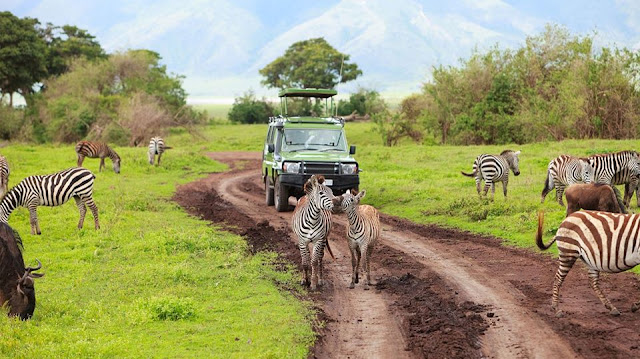
Approach, feed or disturb wildlife, or leave the vehicle unless your guide says it is safe.
Follow your guide, carry travel insurance and check current health and travel advice.
Accommodation on the Mountain
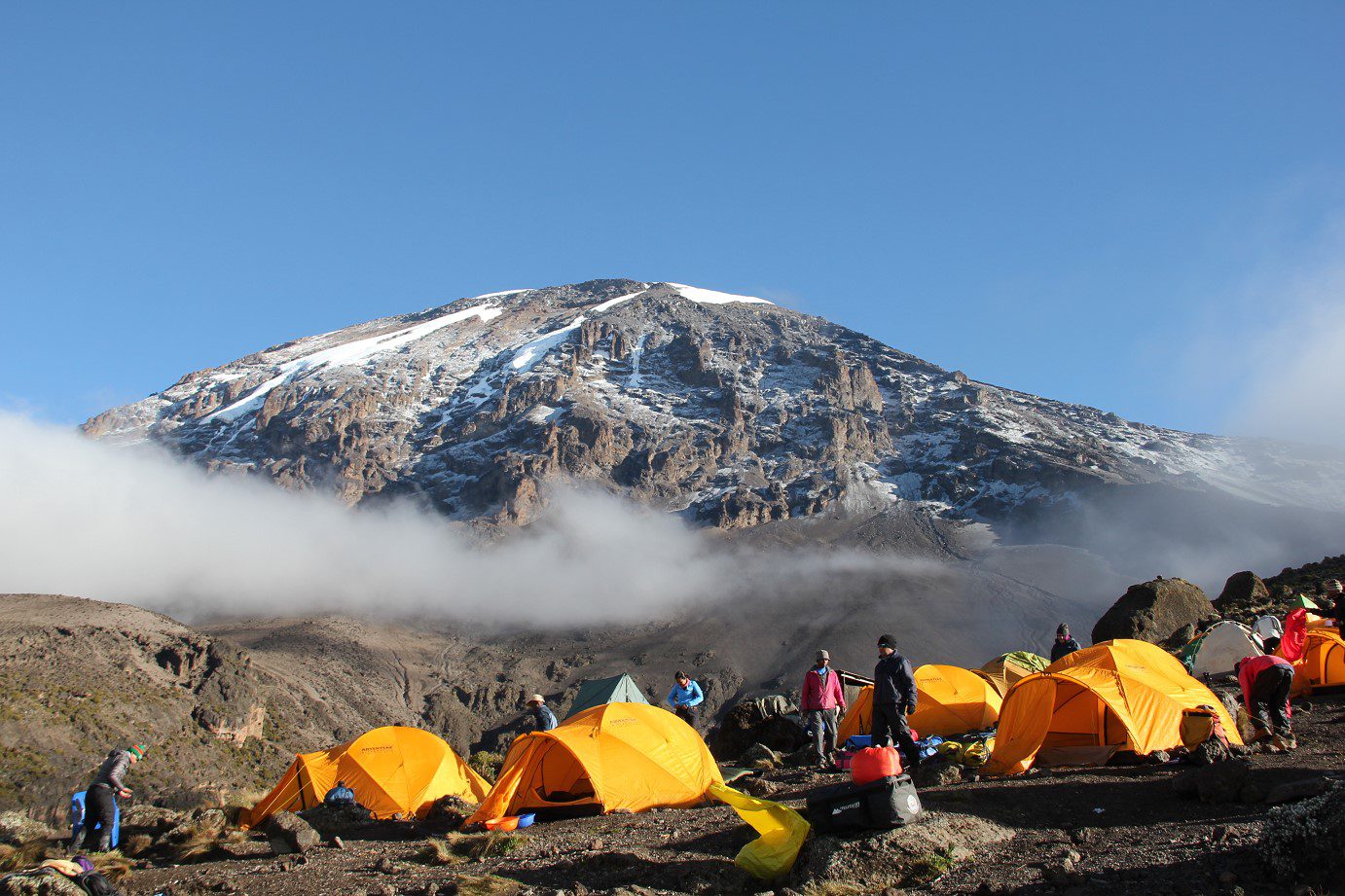
Accommodation on Mount Kilimanjaro depends on the chosen route. Most routes use tented camps where climbers sleep in high-quality mountain tents set up by porters. The Marangu route is unique because it offers shared hut accommodation instead of tents. Camps are basic but functional, providing shelter, meals, and rest after long trekking days. Sleeping conditions are simple, with cold temperatures at higher elevations requiring warm sleeping bags. Facilities are limited, but this simplicity is part of the authentic Kilimanjaro trekking experience. Despite the basic setup, the camps are strategically located to support acclimatization and recovery. Within Kilimanjaro National Park Authority, these designated camps ensure safety, environmental protection, and structured progression toward the summit.
Summit Night Challenge
Summit night on Mount Kilimanjaro is the most difficult and demanding part of the entire climb. Climbers usually start around midnight to reach Uhuru Peak by sunrise. The ascent is slow, steep, and done in freezing temperatures with low oxygen levels. Fatigue is intense, and the journey can take 6–8 hours of continuous uphill trekking. Despite the difficulty, reaching the summit at dawn offers breathtaking views above the clouds. This final push requires mental strength, determination, and steady pacing. Guides play a crucial role in encouraging climbers and monitoring their condition throughout the night. Although challenging, summit night is also the most rewarding moment of the Kilimanjaro trekking experience, marking the achievement of reaching Africa’s highest point.
Kilimanjaro Climbing Cost and Accessibility
Climbing Mount Kilimanjaro is relatively accessible compared to other high-altitude mountains, but costs vary depending on route, duration, and services. Prices typically include park fees, guides, porters, food, and camping equipment regulated by the Kilimanjaro National Park Authority. While budget climbs exist, choosing reputable operators is important for safety and success. Longer routes cost more but offer better acclimatization and higher summit success rates. Additional expenses include gear rental, travel insurance, and tips for guides and porters. Despite the investment, many climbers consider Kilimanjaro a once-in-a-lifetime adventure worth every cost. Its accessibility without technical climbing requirements makes it one of the most achievable high-altitude trekking experiences in the world.
- Accommodation
- Meals
- Park fees
- Vehicle & guide
- Transfers
- International flights
- Visas
- Travel insurance
- Tips
- Premium drinks
Best Time to Climb Kilimanjaro
The best time to climb Mount Kilimanjaro is during the dry seasons, which occur from January to March and June to October. These months offer clearer skies, stable weather, and safer trekking conditions. During the rainy seasons, trails can become muddy and slippery, making the climb more challenging. However, even in the best seasons, weather conditions at higher altitudes remain unpredictable. Choosing the right time improves visibility, comfort, and overall success rates. Many climbers prefer mid-year months when temperatures are slightly cooler but stable. Planning your trek during optimal seasons within Kilimanjaro National Park Authority regulations ensures a smoother and more enjoyable Kilimanjaro trekking experience.
Kilimanjaro Common Mistakes Climbers Make
Many climbers underestimate Mount Kilimanjaro and make mistakes that increase difficulty. The most common error is choosing a short route that does not allow proper acclimatization. Others fail to train adequately or ignore altitude sickness symptoms. Some climbers also pack incorrectly, bringing either too much unnecessary gear or insufficient warm clothing. Not listening to guides from the Kilimanjaro National Park Authority can also reduce safety and success chances. Another mistake is walking too fast instead of maintaining a slow, steady pace. Avoiding these errors greatly improves summit success. Proper planning, preparation, and guidance are essential for a smooth Kilimanjaro trekking experience.
Mount Kilimanjaro Success Rate Factors
The success rate of climbing Mount Kilimanjaro depends on several factors, including route choice, duration, fitness level, and acclimatization strategy. Longer routes, such as Lemosho or Northern Circuit, have higher success rates due to better altitude adjustment. Weather conditions and seasonal timing also play a role. Proper hydration, nutrition, and pacing significantly increase the chances of reaching Uhuru Peak. Guided support from experienced teams within Kilimanjaro National Park Authority ensures climbers follow safe and effective trekking strategies. Mental determination is equally important, especially during summit night. When all factors align, the majority of well-prepared climbers successfully reach the top.
Who Can Climb Kilimanjaro
Almost anyone with reasonable fitness and determination can climb Mount Kilimanjaro, making it one of the most accessible high-altitude adventures in the world. There is no age limit requirement beyond basic physical capability, and climbers range from beginners to experienced hikers. No technical mountaineering skills are required, which makes it unique compared to other major peaks. However, preparation is essential to handle altitude and long trekking days. With proper training, pacing, and guidance from certified professionals under the Kilimanjaro National Park Authority, many first-time trekkers successfully reach Uhuru Peak. It is an achievable challenge for those willing to prepare mentally and physically.
Final Thought
Climbing Mount Kilimanjaro is not easy, but it is absolutely achievable with the right preparation, mindset, and support. While altitude sickness and long trekking days present real challenges, the journey is designed to help climbers succeed gradually. Choosing the right route, training in advance, and following professional guidance from Kilimanjaro National Park Authority greatly increases your chances of reaching Uhuru Peak. Unlike technical climbs, Kilimanjaro rewards patience and persistence rather than advanced skills. For many travelers, it becomes a life-changing experience filled with personal achievement, breathtaking landscapes, and unforgettable memories. In the end, Kilimanjaro is less about how hard it is and more about how well you prepare for one of Africa’s greatest adventures.
How easy is it to Climb Mount Kilimanjaro?: FAQs
What should you know about Understanding Kilimanjaro difficulty ?
The difficulty of climbing Mount Kilimanjaro is often misunderstood. It is not a technical climb, meaning no ropes or mountaineering skills are required, but it is still a high-altitude trek that demands endurance. The biggest challenge is altitude sickness due to reduced oxygen levels as you approach Uhuru Peak.
What are the fitness requirements for climbing ?
You do not need to be an elite athlete to climb Mount Kilimanjaro, but a reasonable level of fitness is essential. The trek involves long daily hikes of 5–8 hours over uneven terrain, with some summit days lasting up to 12–15 hours. Cardiovascular endurance, leg strength, and mental resilience are more important than speed or strength training alone.
What can you expect from altitude sickness challenges on Kilimanjaro?
Altitude sickness is the primary reason climbers struggle on Mount Kilimanjaro. As you ascend above 3,000 meters, oxygen levels drop significantly, affecting the body’s ability to function normally. Symptoms can include headaches, nausea, dizziness, and fatigue. In severe cases, it can lead to Acute Mountain Sickness (AMS), requiring descent.
What are the best Kilimanjaro routes for easier climb ?
Choosing the right route on Mount Kilimanjaro significantly affects how easy or difficult your climb will be. The Lemosho and Northern Circuit routes are considered the easiest in terms of acclimatization because they offer longer itineraries and gradual ascent. These routes increase your chances of reaching Uhuru Peak successfully.
What is the weather conditions on the mountain like?
Weather plays a major role in how easy it feels to climb Mount Kilimanjaro. The mountain has multiple climate zones, ranging from tropical rainforest at the base to arctic conditions at the summit. Climbers often experience rain, wind, and freezing temperatures within the same journey.
What is the daily Kilimanjaro trekking experience like?
A typical day on Mount Kilimanjaro begins early in the morning with breakfast before several hours of trekking through diverse landscapes. Climbers move slowly but steadily, following the “pole pole” (slowly, slowly) philosophy to conserve energy. The terrain varies from rainforest paths to rocky alpine zones as you ascend.
What should you know about mental strength and motivation on Kilimanjaro?
Mental endurance is just as important as physical fitness when climbing Mount Kilimanjaro. Many trekkers find the slow pace, cold temperatures, and long summit night mentally challenging. Fatigue and altitude can create self-doubt, especially during the final push to Uhuru Peak. Successful climbers often rely on motivation, patience, and positive mindset strategies.
What can you expect from guide support and safety on Kilimanjaro?
One of the reasons climbing Mount Kilimanjaro is considered achievable is the strong support system provided by professional guides and porters. All climbers must be accompanied by licensed guides who understand altitude management, weather conditions, and emergency procedures. They monitor climbers daily for signs of altitude sickness and adjust the pace accordingly.
Climb Kilimanjaro With Confidence
Tell us your dates and fitness, and our experienced mountain team will plan a safe, well-acclimatized private climb.