Is it safe to safari in Tanzania
Is it safe to safari in Tanzania
Tanzania, with its vast savannahs, towering mountains, and rich wildlife, stands as one of the most sought-after safari destinations in the world. From the Serengeti’s migrating herds of wildebeest to the iconic lions of Ngorongoro Crater, the country offers a wildlife experience that’s nothing short of magical. However, for many potential travelers, safety is a primary concern when planning an African safari. The question remains: Is it safe to safari in Tanzania? Understanding the Landscape of Tanzania.
Tanzania at a Glance: Parks and Wildlife
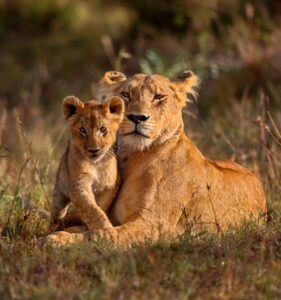
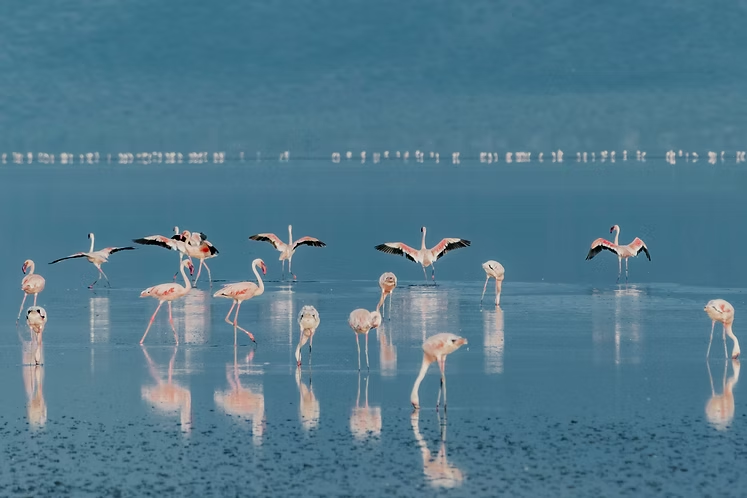
Tanzania, in East Africa, is known for its stunning national parks, rich culture and diverse ecosystems. With over 20 national parks plus game reserves and conservation areas, it is a prime destination for wildlife enthusiasts, led by the Serengeti, the Ngorongoro Crater and Tarangire. These regions are home to the Big Five and to cheetahs, giraffes and hippos. When it comes to safety, Tanzania ranks as a relatively secure country for tourists, but like any destination it is important to stay informed about general and specific risks, as explained throughout this guide. Planning ahead makes every trip safer and smoother.
Approach, feed or disturb wildlife, or leave the vehicle unless your guide says it is safe.
Follow your guide, carry travel insurance and check current health and travel advice.
Wildlife Safety
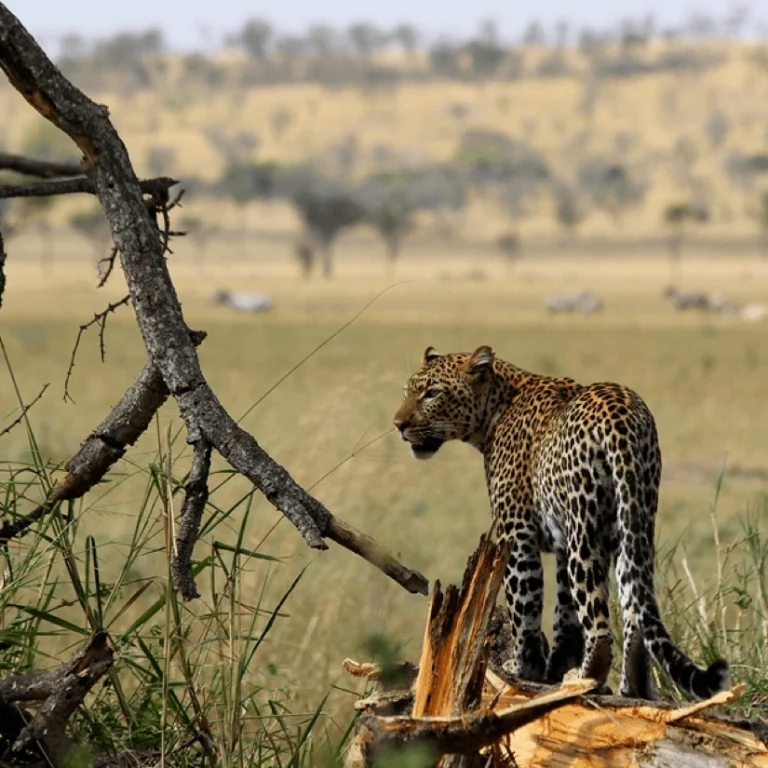
Arguably, the biggest safety concern when embarking on a safari is encountering dangerous wildlife. However, it’s important to note that safari operators and tour guides are highly trained to ensure the safety of tourists. Most safaris are conducted in specialized vehicles that are designed for both protection and comfort, allowing visitors to observe the animals from a safe distance. Guides follow strict protocols to keep visitors safe—whether it’s staying in the vehicle during game drives, avoiding certain risky behaviors (like attracting attention from the animals), or knowing when to retreat if an animal becomes aggressive.
Trained Guides and Emergency Support
Safari guides in Tanzania are not only trained in animal behaviour and park regulations but also carry communications equipment, such as radios or phones, in case of emergencies, ensuring swift assistance if needed. Reputable operators maintain reliable vehicles, carry first-aid kits and keep in contact with lodges and park rangers throughout the day. Many guides also have first-aid training and years of experience reading wildlife behaviour, so they know how to keep a safe distance while still giving you excellent sightings. Following your guide’s instructions is the single most important safety rule on any safari. Always listen carefully to them.
Health and Vaccinations
While Tanzania’s wildlife is awe-inspiring, health precautions are important. Travelers should consult their doctors well before their trip to ensure they are up-to-date on necessary vaccinations. These may include immunizations for hepatitis A and B, typhoid, yellow fever, and polio. Malaria is also present in some regions of Tanzania, so prophylactic medications are often recommended, especially for safaris in rural areas.
For those traveling to areas like the Serengeti or the Ngorongoro Crater, health risks tend to be minimal, but it’s always good practice to carry basic medical supplies like insect repellent, hand sanitizer, and a first-aid kit, a guide for health and safety in Tanzania. Safari lodges and camps typically have medical facilities and can arrange for emergency evacuations if needed.
Political Stability and Crime
Tanzania considered one of the more politically stable countries in East Africa. With its government largely maintaining peace and order. However, as with any destination, petty crime, such as pickpocketing or theft, can occur in urban areas like Dar es Salaam or Arusha. It’s advisable to take basic precautions: avoid carrying large sums of money, store valuables in hotel safes, and be cautious when venturing out at night.
The safari regions themselves, including Serengeti, Ngorongoro, and Tarangire, are typically safe and do not experience significant crime. The tourism industry in these areas is tightly regulated, and locals depend on visitors for their livelihood, fostering a sense of community safety.
Transportation and Road Safety
While Tanzania has made great strides in improving its infrastructure, road conditions in rural areas can be rough, and some remote areas may be difficult to access without a 4×4 vehicle. Safari operators provide transportation in rugged vehicles. But it’s essential to keep in mind that travel times can be long and, at times, uncomfortable.
International visitors typically fly into major hubs like Arusha or Kilimanjaro International Airport before transferring to safari lodges. For those venturing to remote parts of the country, small planes or chartered flights are often part of the itinerary. Air travel in Tanzania is generally considered safe, though it’s advisable to stick with reputable carriers and check for any recent safety records.
Food and Water Safety
The food and water in Tanzania is generally safe, particularly in upscale hotels, lodges, and camps in safari regions. However, in more rural areas, travelers encouraged to drink bottled water and avoid tap water to reduce the risk of waterborne illnesses. Street food can also be tempting, but it’s best to consume meals at places where food hygiene standards are higher.
Environmental and Weather Considerations
The weather in Tanzania varies depending on the time of year, with the dry season being the most popular time for safaris. This period (from June to October) offers the best opportunities for game viewing, as animals tend to congregate around water sources. The rainy season (from March to May) brings lush landscapes but can make road conditions more challenging.
Travelers should dress in layers, as mornings and evenings can be chilly, especially in higher-altitude areas like Ngorongoro. During the day, temperatures can be hot, so lightweight, breathable clothing is ideal.
What to Expect on a Tanzanian Safari
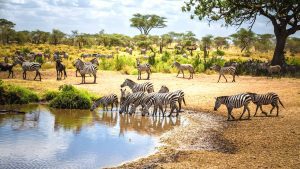
A safari in Tanzania is much more than just spotting wildlife—it’s a chance to immerse yourself in the breathtaking landscapes of the African wilderness. Expect to see vast savannahs dotted with baobab trees, lush forests, and dramatic craters. Depending on the time of year, you may witness one of nature’s greatest spectacles: the Great Migration. Over two million wildebeest, zebras, and gazelles make their way across the Serengeti in search of fresh grazing, with predators not far behind.
Safe and Comfortable Accommodation
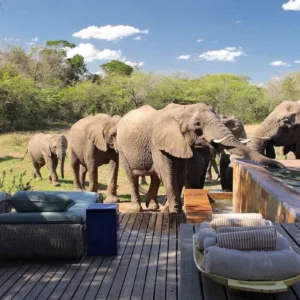
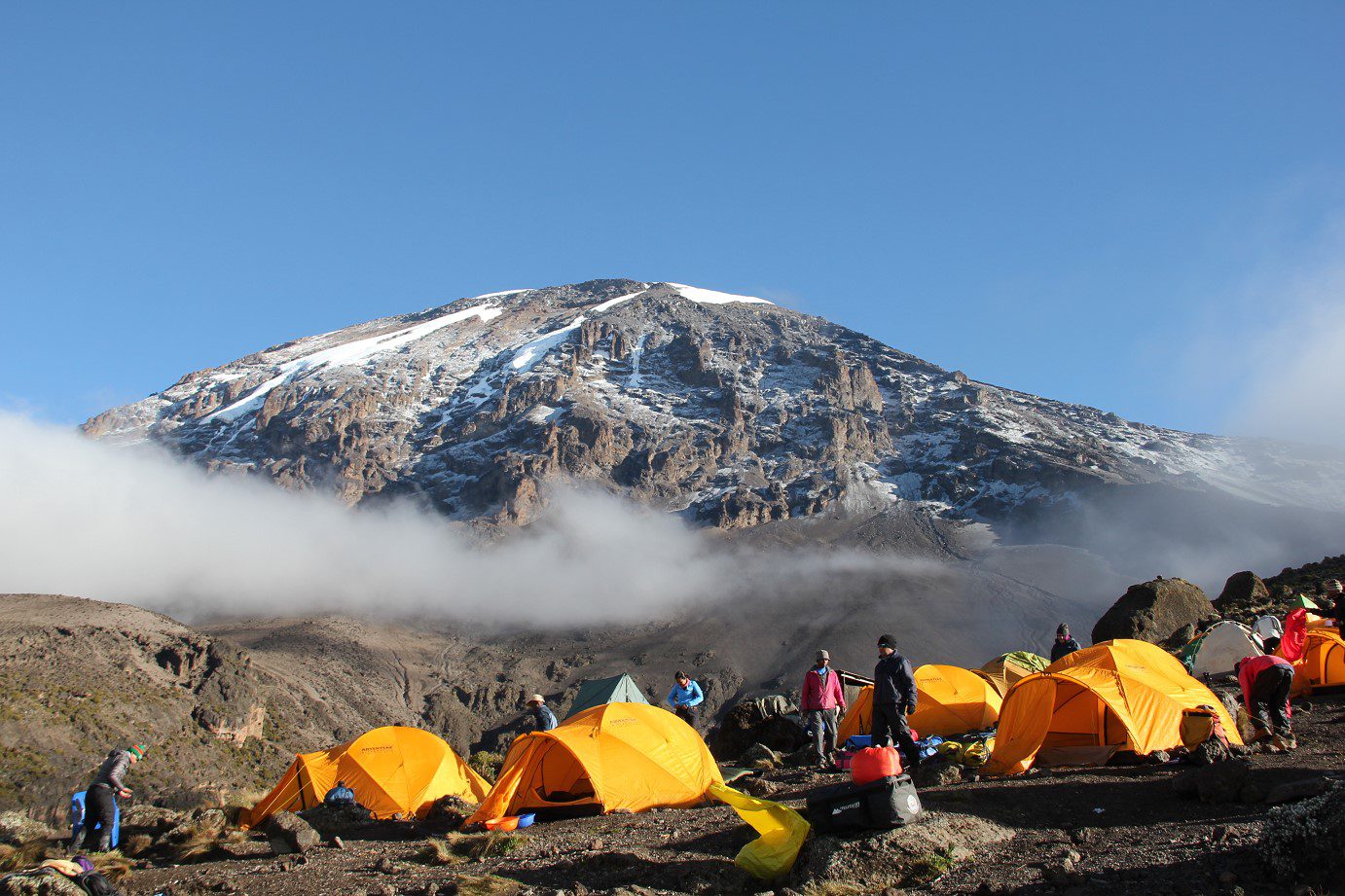
Tanzania offers a wide range of accommodation, from luxurious lodges with panoramic views of the Serengeti to more rustic tented camps that provide an authentic wilderness experience. Many properties take great care to ensure safety while offering the utmost comfort, with trained staff, night escorts between tents and buildings, and clear guidance on staying safe around wildlife. Unfenced camps are common, so animals may pass nearby, which is part of the magic. Always follow camp rules, never walk alone after dark, and use the radio or whistle provided to call staff whenever you need assistance. Your safety comes first.
Budget camping & lodges
Affordable, adventurous and close to nature.
Mid-range lodges & tented camps
Comfort, good food and convenient locations.
Luxury tented camps & lodges
Spacious suites, personal service and prime wildlife areas.
Exclusive-use camps & villas
Complete privacy, private guides and bespoke experiences.
How to stay safe on your Tanzania Safaris Tours?
To stay safe on your Tanzania safari Tours, always follow your guide’s instructions and stay inside the vehicle during game drives. Use reputable safari operators, and ensure you’re vaccinated and prepared with malaria prophylaxis. Stick to well-established routes and avoid wandering off alone. Consider travel insurance, pack appropriate clothing, carry insect repellent, and drink bottled water to prevent illness. Lastly, be mindful of your valuables in urban areas and follow basic safety practices to ensure a smooth and enjoyable experience.
Is It Safe to Travel to Tanzania in 2025?
Yes, Tanzania generally safe to visit for 2026/2027. The country maintains political stability, and the tourism infrastructure well-developed. However, travelers should take standard precautions, such as avoiding risky areas, staying aware of local customs, and following health guidelines like vaccinations and malaria prevention. With proper preparation and using reputable services, Tanzania offers a safe and unforgettable experience, whether you’re on a safari or exploring its vibrant cities and landscapes explore Tanzania travel safety guide everything you need to know.
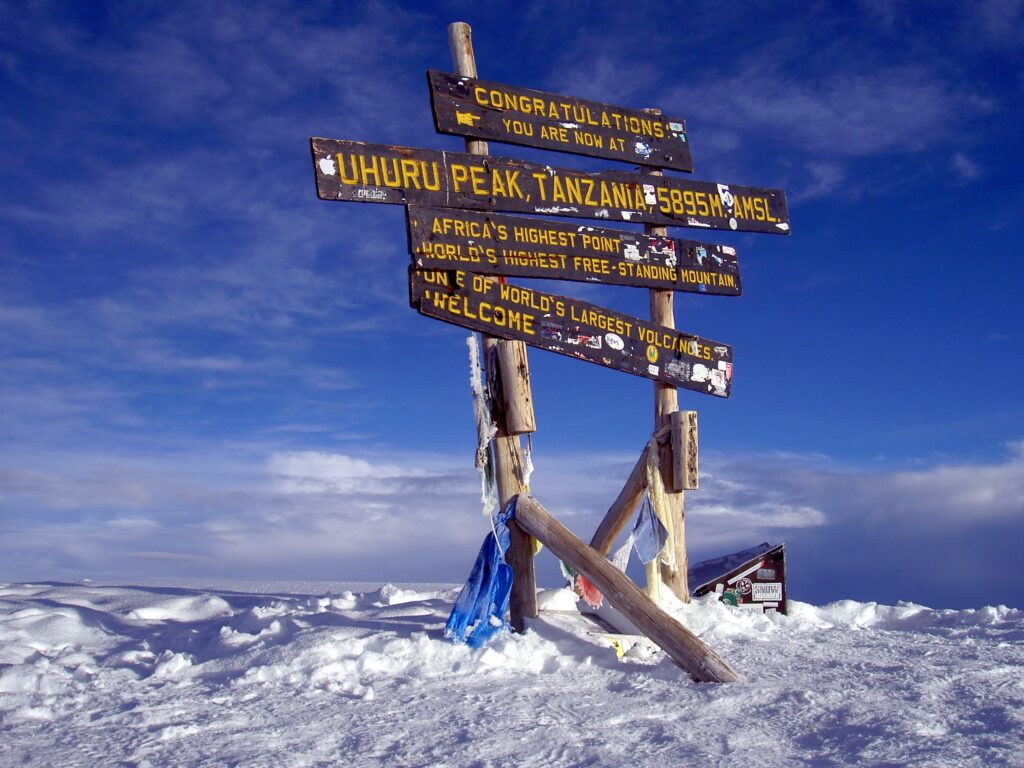
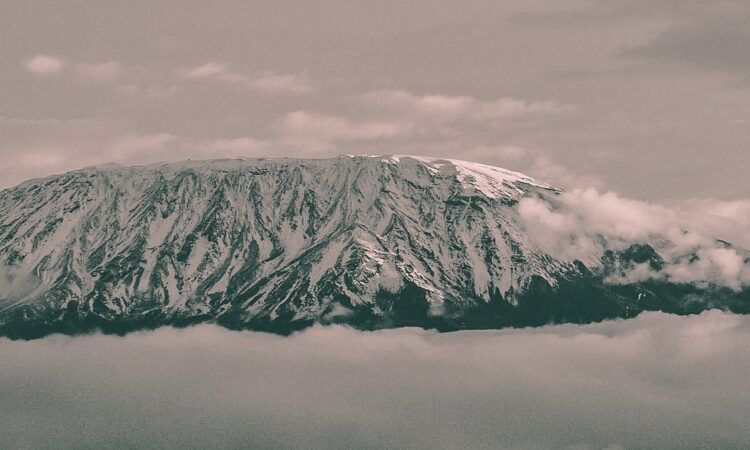
Tanzania generally a safe destination for tourists, especially in popular tourist areas like national parks and safari zones, but it’s crucial to be aware of potential risks and take necessary precautions, especially in certain regions and when traveling outside of tourist areas. Popular Tourist Destinations: Areas like Mount Kilimanjaro, Ngorongoro Crater, Serengeti, and Lake Manyara generally have low crime rates.
Travel-Friendly: Tanzania considered a travel-friendly and safe nation on the continent.
How to Travel Safely on a Tanzania Safari
Tanzania’s tourism sector has rebounded strongly since the COVID-19 pandemic and continues to grow. To travel safely, stay aware: avoid walking alone at night, stick to well-lit, busy areas and travel with a guide where possible. East African safaris are generally safe with proper preparation, but be aware of risks such as petty theft, wildlife encounters and malaria. Safari operators in Tanzania are highly experienced and follow strict guidelines, and game drives, guided walks and camps are designed to minimize risk, with guides keeping you at a safe distance from wildlife at all times. Common sense goes a long way.
Rules for your first Tanzania wildlife safari
On your first Tanzania wildlife safari, respect the animals and their habitat by maintaining a safe distance. Stay inside the vehicle at all times to avoid disturbing wildlife. Follow your guide’s instructions and never make loud noises. Don’t feed the animals, as it disrupts their natural behavior. Wear neutral-colored clothing, avoid bright patterns, and bring sunscreen, a hat, and plenty of water. Most importantly, embrace the beauty of nature while preserving its integrity.
How safe is the water and food in Tanzania?
In Tanzania, tap water generally unsafe for drinking, and travelers advised to consume bottled or filtered water. Street food can be delicious but varies in hygiene standards, so it’s important to choose vendors with good reputations. Restaurants in tourist areas usually maintain higher cleanliness levels. Health, Tourism, Food & Security For Safe Tanzania. While fresh produce is widely available, it’s best to wash fruits and vegetables thoroughly before consumption to avoid any foodborne illnesses.
Conclusion: Is It Safe?
Overall, Tanzania is a safe and rewarding destination for a safari. With proper planning, health precautions, and following the guidance of experienced safari operators, tourists can enjoy one of the most unforgettable experiences in the world with peace of mind. As with any travel destination, it’s essential to stay informed, be aware of local conditions, and exercise common sense. For those seeking to explore the wild heart of Africa, Tanzania remains a top-tier option for a safe and extraordinary safari adventure.
Is it safe to safari in Tanzania: FAQs
What should you know about Tanzania at a Glance on a Tanzania safari?
Tanzania, in East Africa, is known for its stunning national parks, rich culture and diverse ecosystems. With over 20 national parks plus game reserves and conservation areas, it is a prime destination for wildlife enthusiasts, led by the Serengeti, the Ngorongoro Crater and Tarangire. These regions are home to the Big Five and to cheetahs, giraffes and hippos.
What can you expect from trained guides and emergency Support on a Tanzania safari?
Safari guides in Tanzania are not only trained in animal behaviour and park regulations but also carry communications equipment, such as radios or phones, in case of emergencies, ensuring swift assistance if needed. Reputable operators maintain reliable vehicles, carry first-aid kits and keep in contact with lodges and park rangers throughout the day.
What should you know about political stability and crime on a Tanzania safari?
Tanzania considered one of the more politically stable countries in East Africa. With its government largely maintaining peace and order. However, as with any destination, petty crime, such as pickpocketing or theft, can occur in urban areas like Dar es Salaam or Arusha. It’s advisable to take basic precautions: avoid carrying large sums of money, store valuables in hotel safes, and be cautious when venturing out at night.
What can you expect from food and water safety?
The food and water in Tanzania is generally safe, particularly in upscale hotels, lodges, and camps in safari regions. However, in more rural areas, travelers encouraged to drink bottled water and avoid tap water to reduce the risk of waterborne illnesses. Street food can also be tempting, but it’s best to consume meals at places where food hygiene standards are higher.
What to Expect on a Tanzanian Safari?
A safari in Tanzania is much more than just spotting wildlife—it’s a chance to immerse yourself in the breathtaking landscapes of the African wilderness. Expect to see vast savannahs dotted with baobab trees, lush forests, and dramatic craters. Depending on the time of year, you may witness one of nature’s greatest spectacles: the Great Migration.
How to stay safe on your Tanzania Safaris Tours?
To stay safe on your Tanzania safari Tours, always follow your guide’s instructions and stay inside the vehicle during game drives. Use reputable safari operators, and ensure you’re vaccinated and prepared with malaria prophylaxis. Stick to well-established routes and avoid wandering off alone.
What are the rules for your first Tanzania wildlife safari on a Tanzania safari?
On your first Tanzania wildlife safari, respect the animals and their habitat by maintaining a safe distance. Stay inside the vehicle at all times to avoid disturbing wildlife. Follow your guide’s instructions and never make loud noises. Don’t feed the animals, as it disrupts their natural behavior.
Plan Your Private Tanzania Safari
Tell us your travel dates, interests and budget, and our local team will design a private tailor-made safari around you.