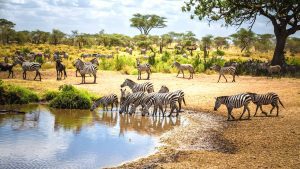
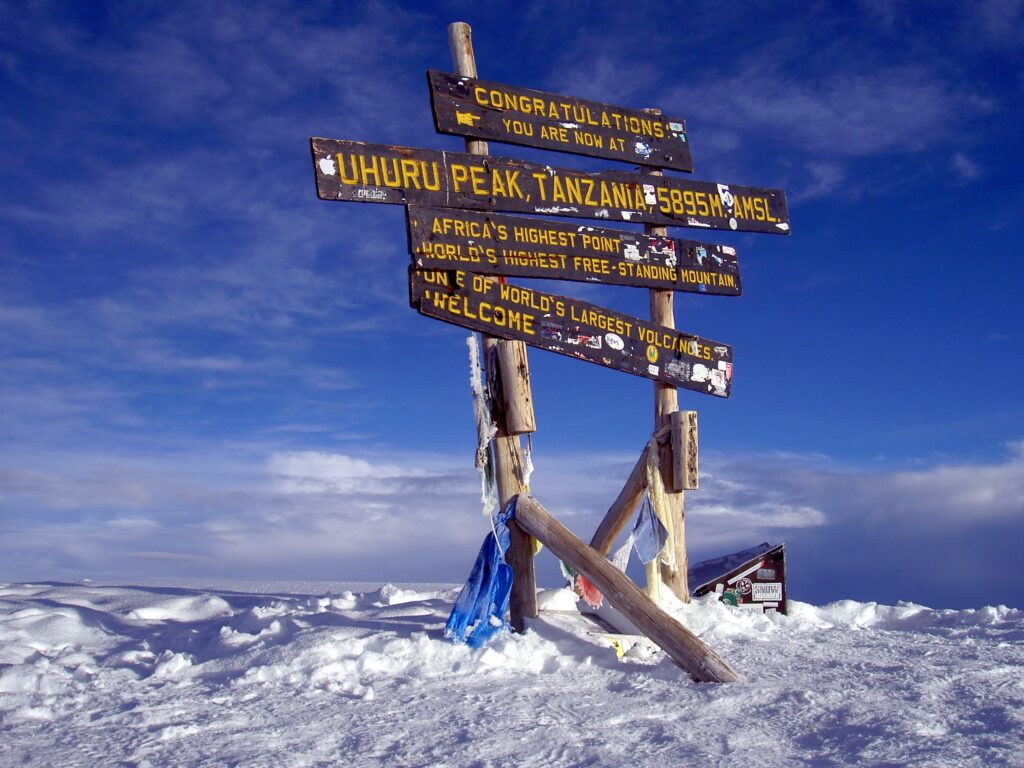
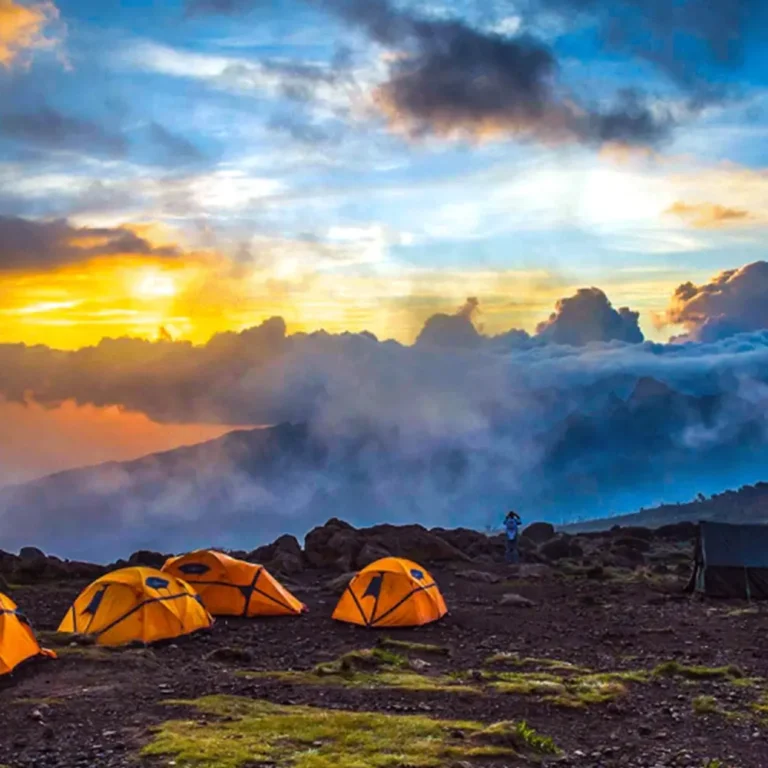
Supporting conservation during your Tanzania safari is one of the most powerful ways to protect Africa’s iconic wildlife, landscapes, and ecosystems for future generations. Tanzania is home to world-famous destinations such as the Serengeti National Park, Ngorongoro Crater, Tarangire National Park, and Selous Game Reserve, all of which depend on responsible tourism and eco-friendly travel practices. By choosing sustainable safari operators, respecting park rules, and engaging in community-based tourism, travelers directly contribute to wildlife conservation in Tanzania initiatives. Eco tourism in Tanzania not only protects endangered species like elephants, lions, and rhinos but also supports local communities living around protected areas. This guide explores practical ways you can support conservation during your Tanzania safari while enjoying a meaningful, ethical, and unforgettable African adventure experience every single journey matters.
Choose Eco-Friendly Tanzania Tour Operators
Choosing eco-friendly tour operators is one of the most effective ways to support conservation during your Tanzania safari. Responsible safari companies in Tanzania prioritize low-impact travel, wildlife protection, and community empowerment in areas such as Serengeti, Ngorongoro, and Lake Manyara. These operators follow standards including reducing plastic waste, limiting carbon emissions, and supporting anti poaching initiatives. By booking with sustainable safari companies, travelers help fund conservation programs that protect endangered species and preserve natural habitats. Many responsible operators collaborate with local communities to ensure tourism benefits are shared fairly. When planning your Tanzania safari, look for companies that promote responsible travel and wildlife viewing. Your choice of safari operator directly influences conservation success in Tanzania’s national parks and reserves, ensuring long term protection of Africa’s ecosystems and heritage.
Support Local Conservation Fees
Paying conservation fees is a direct and impactful way to support wildlife protection during your Tanzania safari. Every entrance fee to national parks such as Serengeti, Ngorongoro Crater, and Tarangire contributes to vital conservation work. These funds are used for anti poaching patrols, habitat restoration, ranger salaries, and wildlife monitoring programs. By paying park fees willingly and understanding their purpose, travelers actively participate in preserving Tanzania’s natural heritage. Conservation fees also support research projects that study animal behavior and ecosystem health. Without these contributions, many conservation efforts would struggle to operate effectively. Responsible tourism ensures that every visitor becomes part of the solution. When you pay park fees during your safari, you are not just entering a wildlife destination, you are directly investing in the protection of Africa’s most valuable and fragile ecosystems.
Respect Wildlife Viewing Rules
Respecting wildlife viewing rules is essential for supporting conservation during your Tanzania safari. In national parks such as Serengeti and Ngorongoro Crater, maintaining a safe distance from animals helps reduce stress on wildlife and prevents habitat disturbance. Tourists are encouraged to avoid off road driving, loud noises, and feeding animals, as these actions can disrupt natural behaviors and endanger species. Following park regulations supports anti poaching efforts and protects fragile ecosystems. Responsible wildlife viewing ensures that iconic animals like lions, elephants, leopards, and rhinos continue to thrive in their natural environment. By practicing safari behavior, visitors contribute to long term wildlife conservation Tanzania initiatives and eco tourism sustainability. Every respectful action taken during a safari plays a role in preserving Tanzania’s biodiversity for future generations while ensuring a safari experience.
Reduce Plastic Waste on Tanzania Safari
Reducing plastic waste is a simple yet powerful way to support conservation during your Tanzania safari. Single use plastics can harm wildlife, pollute rivers, and damage fragile ecosystems in parks like Serengeti and Ngorongoro. Travelers are encouraged to carry reusable water bottles, eco friendly bags, and refillable containers throughout their journey. Many safari lodges and camps in Tanzania now support plastic free policies to protect the environment. Proper waste disposal also ensures that animals do not ingest harmful materials. By minimizing plastic consumption, tourists contribute to cleaner landscapes and healthier habitats. Eco conscious travel practices help preserve the natural beauty of Tanzania’s national parks. Every small action, from refusing plastic straws to properly disposing of waste, plays an important role in maintaining ecological balance and supporting long term wildlife conservation efforts across Tanzania’s protected areas and tourism destinations.
Support Local Communities
Supporting local communities is a key way to enhance conservation during your Tanzania safari. Many communities living near Serengeti, Ngorongoro, and other protected areas depend on tourism for their livelihoods. By purchasing locally made crafts, staying in community owned lodges, and hiring local guides, travelers directly contribute to economic development. This reduces pressure on wildlife resources and promotes sustainable land use practices. Community based tourism also encourages conservation awareness among local people, creating a shared responsibility for protecting wildlife. When communities benefit from tourism, they are more motivated to preserve natural habitats and support anti poaching efforts. Engaging with Maasai culture and other indigenous groups adds cultural value to your safari experience. Responsible spending ensures that tourism income supports both people and wildlife, strengthening the long term success of conservation initiatives across Tanzania’s safari destinations and rural areas.
Choose Eco Lodges and Camps
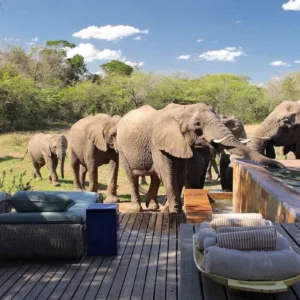
Choosing eco lodges and sustainable camps is an important way to support conservation during your Tanzania safari. Many lodges in Serengeti, Ngorongoro, and Tarangire are built using environmentally friendly materials and operate on renewable energy sources such as solar power. These accommodations reduce water usage, recycle waste, and support local conservation projects. Staying in eco lodges ensures that tourism has a minimal environmental footprint while maximizing positive impact on surrounding communities. Many of these camps also employ local staff, creating jobs that reduce dependence on natural resource exploitation. Eco friendly accommodation providers often participate in wildlife protection programs and anti poaching initiatives. By selecting sustainable lodging options, travelers directly support conservation focused tourism. This choice helps preserve Tanzania’s natural landscapes while offering an authentic and responsible safari experience that aligns with global eco tourism standards and environmental sustainability goals.
Avoid Off Road Driving
Avoiding off road driving is essential for protecting fragile ecosystems during your Tanzania safari. National parks such as Serengeti and Ngorongoro Crater have designated tracks designed to minimize environmental damage and protect wildlife habitats. Driving outside these paths can destroy vegetation, disturb animal breeding areas, and cause long term soil erosion. Responsible safari operators strictly follow park regulations to ensure minimal impact on nature. Staying on approved roads also improves wildlife safety by reducing stress and preventing unpredictable animal behavior. Off road driving may seem exciting, but it threatens conservation efforts and disrupts ecosystem balance. By respecting designated routes, travelers help maintain the integrity of Tanzania’s protected areas. This practice supports sustainable tourism and ensures that future generations can enjoy untouched wilderness. Responsible driving behavior is a key component of ethical safaris and long term wildlife conservation success across Tanzania’s national parks.
Participate in Conservation Activities
Participating in conservation activities is a meaningful way to support wildlife protection during your Tanzania safari. Many lodges and tour operators offer opportunities to engage in tree planting, wildlife monitoring, and community conservation projects. These activities help restore degraded habitats and improve ecosystem health in areas surrounding Serengeti and Ngorongoro. Travelers can also visit conservation centers to learn about anti poaching efforts and endangered species protection. Educational experiences increase awareness of environmental challenges facing Tanzania’s wildlife. By joining these initiatives, visitors contribute directly to conservation outcomes while gaining a deeper understanding of ecological systems. Participation fosters a strong connection between tourism and environmental stewardship. Every effort made during a safari helps strengthen conservation programs and supports sustainable tourism development. Engaging in hands on activities ensures that travelers leave a positive impact on Tanzania’s natural heritage and long term wildlife preservation efforts.
Respect Cultural Heritage
Respecting cultural heritage is closely linked to conservation during your Tanzania safari. Indigenous communities such as the Maasai play an important role in preserving traditional land use practices that support wildlife coexistence. By honoring local customs, dressing appropriately, and seeking permission before photography, travelers show respect for cultural values. Cultural tourism experiences, including village visits and storytelling, provide income that supports both community development and environmental conservation. When local people benefit from tourism, they are more likely to protect surrounding ecosystems and wildlife habitats. This creates a strong connection between cultural preservation and environmental sustainability. Responsible interaction with communities enhances mutual understanding and promotes ethical tourism. Respecting cultural heritage ensures that Tanzania’s rich traditions remain intact while supporting conservation goals. It strengthens the relationship between people and nature, contributing to a balanced and sustainable safari experience across all protected areas.
Choose Responsible Tanzania safari Photography
Practicing responsible photography is an important way to support conservation during your Tanzania safari. Tourists should avoid disturbing wildlife or getting too close just for the perfect shot. Using zoom lenses helps capture animals safely without causing stress or altering natural behavior. Flash photography should be avoided, especially near nocturnal species, as it can disrupt their activities. Respecting animals’ space ensures that photography does not interfere with feeding, breeding, or migration patterns. Responsible photographers also follow park rules and listen to guide instructions at all times. By sharing ethical wildlife images, travelers promote awareness of conservation and inspire others to adopt sustainable tourism practices. Photography can be a powerful tool for education and advocacy when done responsibly. Every respectful image captured contributes to global understanding of Tanzania’s wildlife and reinforces the importance of protecting Africa’s natural heritage for future generations.
Stay on Designated Trails
Staying on designated trails is crucial for supporting conservation during your Tanzania safari. Protected areas such as Serengeti National Park and Ngorongoro Crater have carefully planned routes to minimize human impact on wildlife habitats. Walking or driving off marked trails can damage vegetation, disturb nesting sites, and disrupt fragile ecosystems. Following established paths helps preserve soil structure and prevents long term environmental degradation. Safari guides are trained to ensure visitors remain within permitted areas while still enjoying excellent wildlife viewing opportunities. Respecting trail systems also reduces human wildlife conflict and supports sustainable tourism management. By staying on designated routes, travelers actively contribute to ecosystem protection and biodiversity conservation. This simple action plays a major role in maintaining the natural balance of Tanzania’s national parks. Responsible trail use ensures that future visitors can continue to experience untouched landscapes and thriving wildlife populations.
Support Anti Poaching Efforts
Supporting anti poaching efforts is vital for conservation during your Tanzania safari. Poaching threatens iconic species such as elephants, rhinos, and lions across protected areas like Serengeti and Selous Game Reserve. Many safari fees and tourism contributions directly fund ranger patrols, surveillance technology, and wildlife protection programs. Travelers can support conservation organizations that work tirelessly to combat illegal hunting and wildlife trafficking. Choosing ethical tour operators who contribute to anti poaching initiatives strengthens these efforts further. Awareness and education also play a key role in reducing demand for illegal wildlife products globally. By understanding the importance of anti poaching, visitors become active supporters of wildlife protection. Every safari experience that promotes conservation helps ensure that Tanzania’s rich biodiversity is preserved. Supporting these initiatives guarantees a safer future for endangered species and strengthens long term ecological stability across Africa’s most important wildlife ecosystems.
Practice Sustainable Tanzania Safari Packing
Practicing sustainable packing is an easy way to support conservation during your Tanzania safari. Travelers should bring reusable water bottles, eco friendly toiletries, and biodegradable products to reduce environmental impact. Packing light also helps minimize fuel consumption during safari transportation, reducing carbon emissions. Avoiding single-use plastics and unnecessary packaging supports waste reduction efforts in national parks like Serengeti and Ngorongoro. Sustainable packing choices help protect wildlife from pollution and habitat contamination. Many eco lodges in Tanzania encourage guests to follow green travel guidelines for a more responsible safari experience. Preparing thoughtfully before your trip ensures that your journey has a minimal environmental footprint. Every item packed with sustainability in mind contributes to long-term conservation goals. Responsible travel preparation helps preserve Tanzania’s natural beauty while promoting eco tourism principles that protect ecosystems, wildlife, and communities across all safari destinations.
Final Thought
Supporting conservation during your Tanzania safari is not just a travel choice; it is a commitment to protecting one of the world’s most extraordinary wildlife destinations. Every decision, from choosing eco-friendly operators to respecting wildlife rules, contributes to the long term survival of Tanzania’s ecosystems. National parks like Serengeti and Ngorongoro depend on responsible tourism to fund conservation and support local communities. By practicing sustainable travel habits, visitors help preserve biodiversity, reduce environmental impact, and strengthen anti-poaching efforts. Eco tourism ensures that future generations can experience the beauty of Africa’s iconic landscapes and wildlife. A Tanzania safari becomes truly meaningful when it leaves a positive footprint. Conservation-minded travel transforms tourists into active participants in protecting nature, ensuring that Tanzania remains a global symbol of wildlife conservation, ecological balance, and unforgettable safari adventure experiences for many years ahead.