How high is Mount Kilimanjaro
How high is Mount Kilimanjaro
Mount Kilimanjaro, located in northern Tanzania, is one of the world’s most iconic natural wonders and the highest free-standing mountain on Earth.”, the answer is 5,895 meters (19,341 feet) above sea level at its summit, Uhuru Peak. This legendary mountain is part of Kilimanjaro National Park and attracts climbers, trekkers, and adventure travelers from across the globe. Known as the “Roof of Africa,” Kilimanjaro stands independently, unlike most mountain ranges formed within systems. Understanding its height helps travelers prepare physically, mentally, and logistically for this unforgettable expedition.
The Exact Height of Mount Kilimanjaro
Mount Kilimanjaro reaches an official height of 5,895 meters (19,341 feet) above sea level, making it the tallest mountain in Africa. This measurement is taken at Uhuru Peak, the highest point on Kibo volcano, one of Kilimanjaro’s three volcanic cones.” Its towering presence dominates the Tanzanian landscape and can be seen from hundreds of kilometers away on clear days. Unlike many other high mountains, Kilimanjaro does not require technical climbing skills, but its extreme altitude still demands physical preparation. The impressive elevation contributes to its global reputation as a bucket-list trekking destination for adventurers and nature lovers alike.
Uhuru Peak – The True Summit
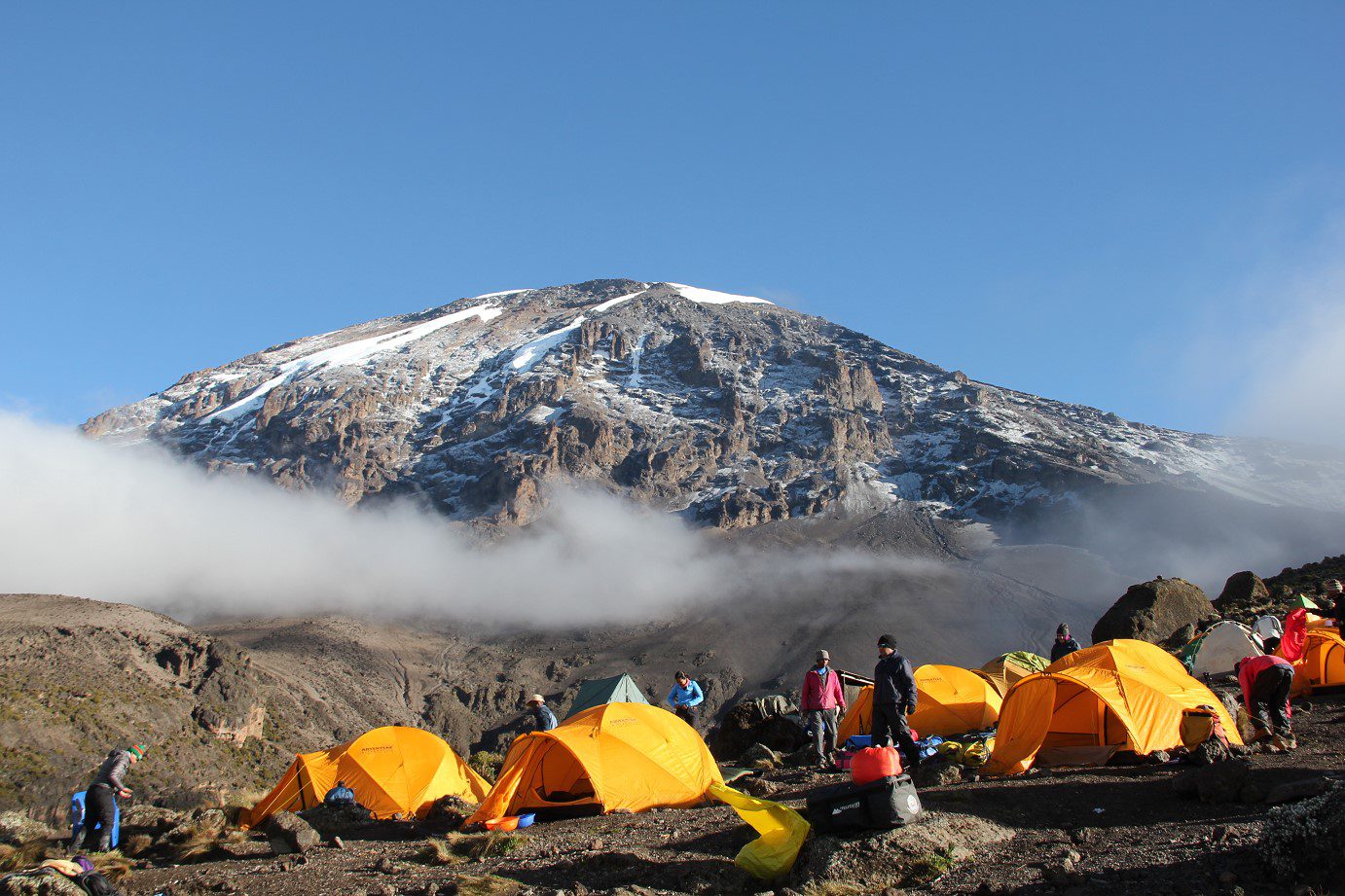
Uhuru Peak is the highest point of Mount Kilimanjaro and the ultimate goal for climbers. Standing at 5,895 meters, it represents the true summit of Africa’s tallest mountain. The name “Uhuru” means “freedom” in Swahili, symbolizing Tanzania’s independence and national pride. When travelers search for the Kilimanjaro summit, they are referring to this exact point on the crater rim of Kibo. Reaching Uhuru Peak is a major achievement in global trekking and a highlight of Tanzania safari adventures. The summit is covered in glaciers and ice fields, despite being near the equator. This contrast between the tropical base and icy summit makes Kilimanjaro unique. The climb to Uhuru Peak is challenging due to altitude, but it is non-technical, making it accessible to determined hikers.
Kilimanjaro’s Position in Africa
Mount Kilimanjaro is located in northern Tanzania, near the border with Kenya, within Kilimanjaro National Park. It is the highest mountain in Africa and one of the Seven Summits of the world. Its strategic position near the equator makes it a geological and climatic wonder. Despite its tropical location, the peak remains snow-covered throughout much of the year. Many travelers searching for “the highest mountain in Africa” or “Mount Kilimanjaro location” are drawn to its unique geography. The mountain rises dramatically from the surrounding savannah plains, creating one of the most iconic landscapes in Africa. Its visibility from Amboseli National Park in Kenya also makes it a cross-border natural attraction. Kilimanjaro is a central highlight in Tanzania safari itineraries and East African adventure tourism.
The Three Volcanic Cones
Mount Kilimanjaro consists of three volcanic cones: Kibo, Mawenzi, and Shira. Kibo is the highest and home to Uhuru Peak at 5,895 meters. Mawenzi reaches 5,149 meters and is rugged and inaccessible for trekking. Shira is the oldest cone and has eroded significantly over time. These geological structures are key to understanding Kilimanjaro’s height and formation.The mountain is classified as a dormant stratovolcano, meaning it is not currently active but could theoretically erupt again. Kibo’s crater is still visible at the summit, adding to the dramatic experience for climbers. These volcanic origins explain why Kilimanjaro stands as a free-standing mountain rather than part of a range.
Why Kilimanjaro’s Height Feels Extreme
Although Mount Kilimanjaro is not the tallest mountain in the world, its altitude of 5,895 meters feels extreme due to rapid elevation gain. Climbers start at around 1,800 meters and ascend through five distinct ecological zones. This sudden altitude change creates thinner air and lower oxygen levels, making altitude sickness a common concern. The summit push becomes physically demanding even without technical climbing. Many trekkers underestimate how altitude affects breathing, energy, and sleep. This is why acclimatization days are included in most Kilimanjaro climbing routes. The mountain’s height is not just a number—it is a physiological challenge that defines the entire expedition experience.
Kilimanjaro Compared to Other Mountains
Mount Kilimanjaro is the highest mountain in Africa, but not the tallest in the world. It is often compared to Mount Everest (8,849 meters) and Mount Kenya (5,199 meters). However, Kilimanjaro stands out because it is the highest free-standing mountain globally.Unlike Everest, Kilimanjaro does not require ropes or technical climbing gear, making it more accessible to trekkers. Its height of 5,895 meters places it in a unique category where adventure tourism meets high-altitude trekking. This comparison helps travelers understand its difficulty level and global ranking among famous peaks.
Climatic Zones from Base to Summit
One of the most fascinating aspects of Mount Kilimanjaro is its five climatic zones, which occur due to its height of 5,895 meters. These include cultivated farmland, rainforest, heath and moorland, alpine desert, and arctic summit. As climbers ascend, temperatures drop dramatically and vegetation changes completely. The summit zone is icy and barren, resembling polar conditions despite being near the equator. This environmental diversity makes Kilimanjaro a natural laboratory for scientists and an unforgettable experience for trekkers. The mountain’s height directly influences these climate variations, making every stage of the climb feel like a different world.
Snow and Glaciers at the Summit
Despite its equatorial location, Mount Kilimanjaro’s summit remains partially covered in snow and glaciers due to its high altitude of 5,895 meters. However, climate change has significantly reduced its ice cap over the past century.The remaining glaciers are located near Kibo’s crater rim. These ice formations contribute to the mountain’s dramatic beauty and scientific importance. Climbers often reach Uhuru Peak early in the morning when temperatures are extremely cold. The presence of snow at such a low latitude makes Kilimanjaro one of the most unique mountains in the world. Its height is the key factor that allows these rare glacial conditions to exist.
Kilimanjaro Climbing Routes and Height Gain
Climbing Mount Kilimanjaro involves ascending from about 1,800 meters to 5,895 meters, depending on the chosen route. Popular routes include Machame, Marangu, Lemosho, and Rongai. Each route offers different acclimatization profiles and scenic experiences. The gradual altitude gain is essential for reaching the summit safely. Longer routes increase success rates because they allow the body to adjust to reduced oxygen levels. The mountain’s height makes route selection a critical factor in expedition planning. Every route ultimately leads to Uhuru Peak, the highest point in Africa.
Altitude Challenges on Kilimanjaro
The main difficulty of Mount Kilimanjaro is not technical climbing but altitude. At 5,895 meters, oxygen levels are significantly lower than at sea level. This can lead to symptoms of altitude sickness such as headaches, fatigue, and nausea.Proper hydration, slow ascent, and acclimatization days help reduce risks. The mountain’s height is the key factor behind these physiological challenges. Even fit climbers can struggle if they ascend too quickly. Understanding altitude effects is essential for a successful summit attempt.
Best Time to Experience Kilimanjaro’s Height
The best time to climb Mount Kilimanjaro is during the dry seasons: January to March and June to October. These months offer clearer skies and safer trekking conditions. Weather conditions significantly affect the visibility of the 5,895-meter summit. During dry seasons, climbers have better chances of reaching Uhuru Peak successfully. Rainy seasons make trails slippery and visibility poor. Choosing the right time enhances the overall experience of exploring Africa’s highest mountain.
Fitness and Preparation for the Summit
Preparing for Mount Kilimanjaro requires physical fitness, mental endurance, and altitude awareness. Although no technical climbing skills are needed, the 5,895-meter ascent is demanding.Preparation includes hiking practice, cardio training, and strength building. Mental preparation is equally important due to long trekking days. The mountain’s height requires slow pacing and stamina management. Proper preparation greatly increases summit success rates and reduces fatigue during the climb.
Wildlife and Nature Around Kilimanjaro
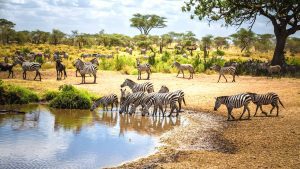
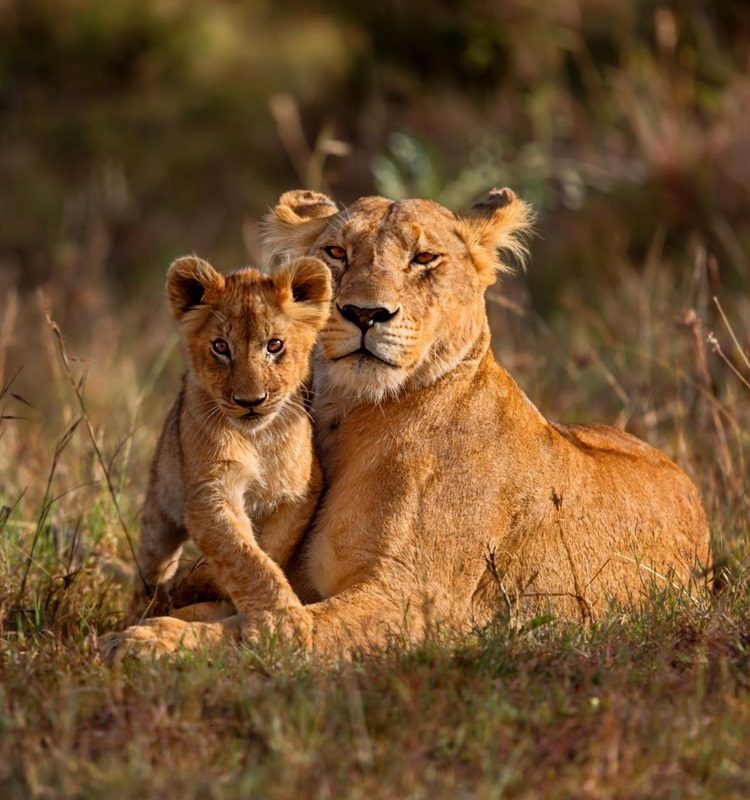
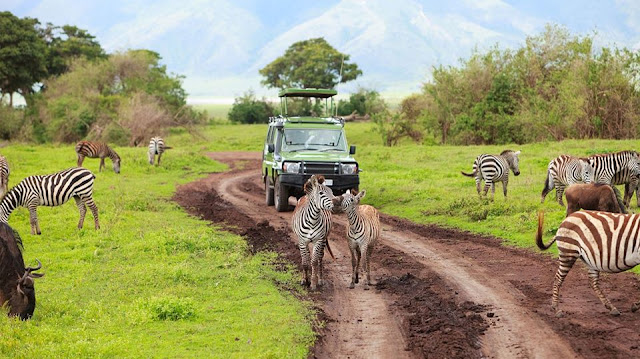
Before reaching the towering 5,895-meter summit, climbers pass through lush forests filled with wildlife. Animals such as monkeys, birds, and antelopes inhabit the lower zones. The mountain is part of a broader ecosystem connected to nearby national parks. This biodiversity adds value to climbing experiences, combining trekking with nature exploration. The contrast between wildlife at the base and icy summit highlights Kilimanjaro’s ecological diversity, shaped by its height.
Cultural Importance of Kilimanjaro
Mount Kilimanjaro holds deep cultural significance for local communities in Tanzania. It is a symbol of national pride and identity. The name appears in songs, literature, and tourism branding.” The mountain’s 5,895-meter summit represents achievement and freedom. Local guides and porters play a vital role in supporting climbers. Their knowledge enhances the trekking experience and connects visitors to Swahili culture. Kilimanjaro is not only a natural landmark but also a cultural icon.
Why Kilimanjaro is a Bucket List Climb
Climbing Mount Kilimanjaro is considered a bucket list achievement for travelers worldwide. Its height of 5,895 meters makes it one of the most accessible high-altitude summits on Earth. The combination of adventure, scenery, and personal challenge attracts thousands of trekkers each year. Reaching Uhuru Peak is often described as a life-changing moment. The sense of accomplishment makes the climb unforgettable.
Conservation and Future of Kilimanjaro
Mount Kilimanjaro faces environmental challenges, especially glacial retreat due to climate change. Efforts are ongoing to preserve its natural beauty and ecosystem. The mountain’s 5,895-meter summit remains stable, but its ice fields are shrinking. Sustainable tourism practices help protect this UNESCO World Heritage Site. Conservation ensures future generations can still experience Africa’s highest mountain.
Final Thought
Mount Kilimanjaro, standing at 5,895 meters above sea level, is more than just the highest mountain in Africa—it is a symbol of adventure, endurance, and natural wonder. From its tropical base to its icy summit at Uhuru Peak, every step reveals a new world shaped by altitude and ecology.It remains one of the most iconic trekking destinations on Earth, offering a once-in-a-lifetime journey through Tanzania’s breathtaking landscapes.
How high is Mount Kilimanjaro: FAQs
What can you expect from the exact height of Mount Kilimanjaro?
Mount Kilimanjaro reaches an official height of 5,895 meters (19,341 feet) above sea level, making it the tallest mountain in Africa. This measurement is taken at Uhuru Peak, the highest point on Kibo volcano, one of Kilimanjaro’s three volcanic cones.” Its towering presence dominates the Tanzanian landscape and can be seen from hundreds of kilometers away on clear days.
What should you know about Kilimanjaro’s position in Africa?
Mount Kilimanjaro is located in northern Tanzania, near the border with Kenya, within Kilimanjaro National Park. It is the highest mountain in Africa and one of the Seven Summits of the world. Its strategic position near the equator makes it a geological and climatic wonder.
Why Kilimanjaro’s Height Feels Extreme?
Although Mount Kilimanjaro is not the tallest mountain in the world, its altitude of 5,895 meters feels extreme due to rapid elevation gain. Climbers start at around 1,800 meters and ascend through five distinct ecological zones. This sudden altitude change creates thinner air and lower oxygen levels, making altitude sickness a common concern.
What can you expect from climatic zones from base to summit on Kilimanjaro?
One of the most fascinating aspects of Mount Kilimanjaro is its five climatic zones, which occur due to its height of 5,895 meters. These include cultivated farmland, rainforest, heath and moorland, alpine desert, and arctic summit. As climbers ascend, temperatures drop dramatically and vegetation changes completely.
What should you know about Kilimanjaro climbing routes and height gain?
Climbing Mount Kilimanjaro involves ascending from about 1,800 meters to 5,895 meters, depending on the chosen route. Popular routes include Machame, Marangu, Lemosho, and Rongai. Each route offers different acclimatization profiles and scenic experiences. The gradual altitude gain is essential for reaching the summit safely. Longer routes increase success rates because they allow the body to adjust to reduced oxygen levels.
What are the best time to experience Kilimanjaro’s height?
The best time to climb Mount Kilimanjaro is during the dry seasons: January to March and June to October. These months offer clearer skies and safer trekking conditions. Weather conditions significantly affect the visibility of the 5,895-meter summit. During dry seasons, climbers have better chances of reaching Uhuru Peak successfully.
What can you expect from wildlife and nature around Kilimanjaro?
Before reaching the towering 5,895-meter summit, climbers pass through lush forests filled with wildlife. Animals such as monkeys, birds, and antelopes inhabit the lower zones. The mountain is part of a broader ecosystem connected to nearby national parks. This biodiversity adds value to climbing experiences, combining trekking with nature exploration.
Why Kilimanjaro is a Bucket List Climb?
Climbing Mount Kilimanjaro is considered a bucket list achievement for travelers worldwide. Its height of 5,895 meters makes it one of the most accessible high-altitude summits on Earth. The combination of adventure, scenery, and personal challenge attracts thousands of trekkers each year. Reaching Uhuru Peak is often described as a life-changing moment.
Climb Kilimanjaro With Confidence
Tell us your dates and fitness, and our experienced mountain team will plan a safe, well-acclimatized private climb.