Eastern Serengeti
Eastern Serengeti
Eastern Serengeti, located within the world-famous Serengeti National Park in northern Tanzania, is one of Africa’s most rewarding safari destinations for wildlife lovers, photographers, and luxury travelers. Known for its wide-open savannahs, golden plains, and exceptional predator density, this region offers a more exclusive and less crowded safari experience compared to the central Serengeti. Eastern Serengeti is especially famous for big cat sightings, including lions, leopards, cheetahs, and hyenas, making it a top choice for wildlife photography safaris and private game drives. It is also a key corridor for the Great Wildebeest Migration during certain months, attracting visitors seeking dramatic river crossings, predator action, and raw wilderness experiences. With luxury safari lodges, tented camps, and year-round game viewing, Eastern Serengeti combines adventure, comfort, and authentic African wilderness. It is ideal for honeymoon safaris, family safaris, and high-end wildlife expeditions in Tanzania.
Location and Geography of Eastern Serengeti
Eastern Serengeti lies in the eastern corridor of the Serengeti ecosystem in northern Tanzania, bordering central Serengeti and stretching toward the Loliondo and Ngorongoro conservation areas. The landscape is defined by vast open plains, rocky kopjes, rolling grasslands, and seasonal river valleys. These geographical features create a perfect habitat for wildlife, especially predators such as lions and cheetahs that thrive in open hunting grounds. Unlike the busier central regions, Eastern Serengeti offers a more remote and exclusive safari atmosphere. Its location makes it an important wildlife dispersal area, especially during migration periods when herds move through the plains in search of fresh grazing. The region is also strategically positioned for safari circuits connecting Arusha, Ngorongoro Crater, and northern Serengeti. Its untouched wilderness and dramatic scenery make it one of the most scenic safari destinations in East Africa.
Wildlife Diversity in Eastern Serengeti
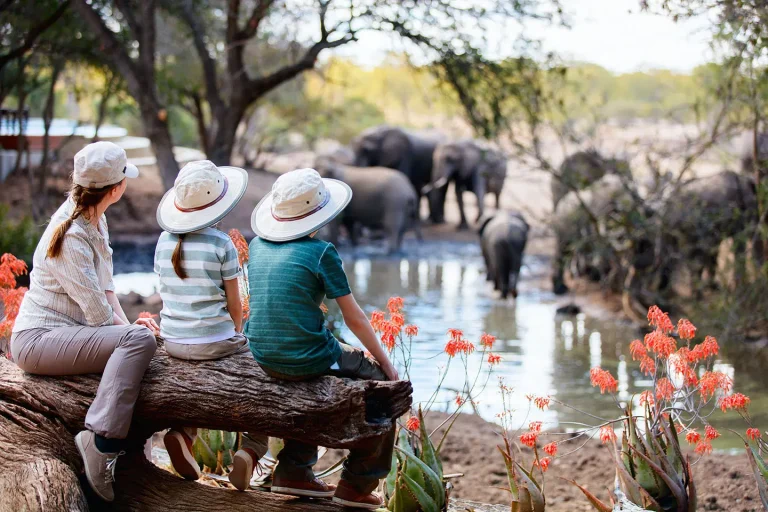
Eastern Serengeti is one of the richest wildlife areas in Tanzania, offering year-round sightings of Africa’s iconic animals. Large populations of lions dominate the plains, often seen hunting wildebeest and zebras. Cheetahs are frequently spotted due to the open terrain, making it one of the best places for cheetah safari photography in Africa. Leopards are also present, especially around rocky kopjes and riverine areas. Other commonly seen animals include elephants, giraffes, buffalo, hyenas, jackals, and antelope species such as impalas and gazelles. Birdlife is equally impressive, with over 500 species recorded in the Serengeti ecosystem. Eastern Serengeti’s lower tourist density means wildlife encounters often feel more private and natural. This makes it ideal for serious wildlife photographers and travelers seeking authentic safari experiences without crowds or disturbance.
The Great Wildebeest Migration in Eastern Serengeti
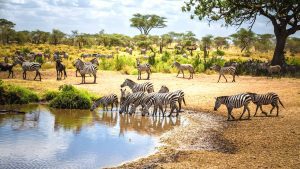
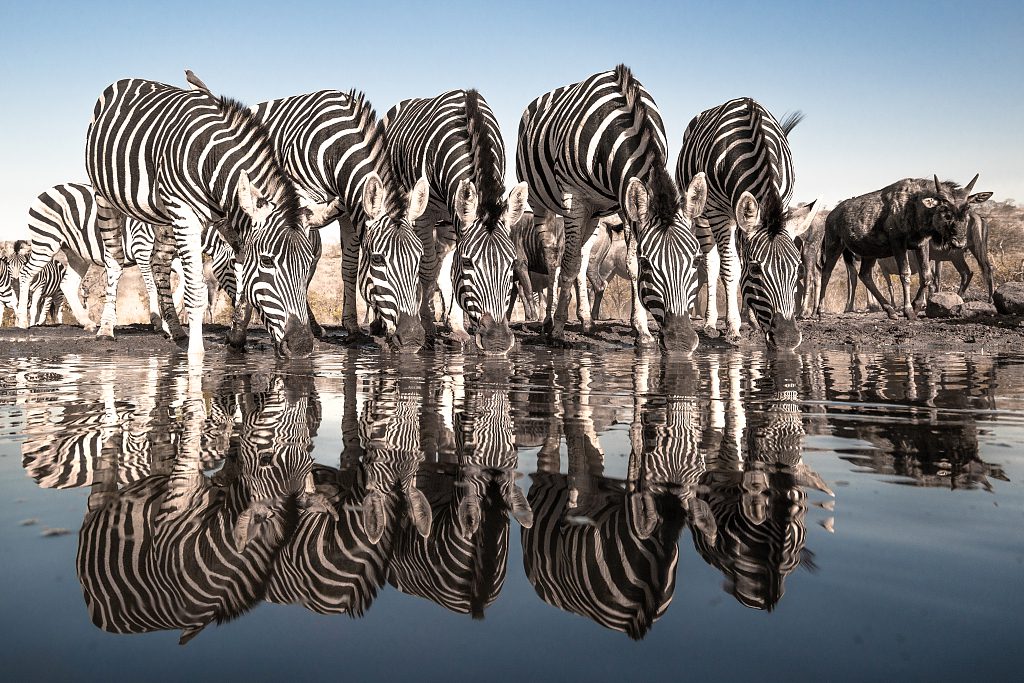
Eastern Serengeti plays a crucial role in the Great Wildebeest Migration, one of the most spectacular wildlife events on Earth. During specific seasons, especially between April and June and again in late October, massive herds of wildebeest, zebras, and gazelles pass through this region while searching for fresh grazing grounds. Unlike the dramatic river crossings in northern Serengeti, Eastern Serengeti offers open plains migration scenes where predators follow the herds closely. Lions and cheetahs take advantage of the abundance of prey, creating intense predator-prey interactions. Safari visitors can witness thousands of animals moving across golden landscapes, a true bucket-list experience for any Africa safari enthusiast. The migration in Eastern Serengeti is less crowded compared to other regions, allowing for more peaceful game viewing and photography opportunities in a vast, untouched wilderness.
A general guide: the herds follow the rains.
Best Time to Visit Eastern Serengeti
The best time to visit Eastern Serengeti depends on your safari goals. For general wildlife viewing, the dry season from June to October is ideal, as animals gather around water sources and vegetation is thinner, making sightings easier. This period also offers excellent conditions for game drives and photography. For the Great Migration experience, timing is key. The herds often pass through the Eastern Serengeti between April and June and again in October and November. During the green season (November to March), the region becomes lush and beautiful, attracting migratory birds and newborn wildlife. Each season offers unique safari experiences, from dramatic predator action in the dry months to vibrant landscapes and calving seasons during the wet months. Eastern Serengeti is truly a year-round safari destination with consistent wildlife activity.
Big Cats and Predator Action
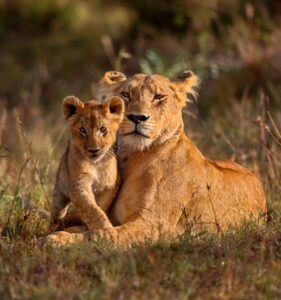
Eastern Serengeti is widely recognized as one of the best places in Africa to see big cats in action. The region’s open plains provide ideal hunting grounds for cheetahs, making sightings more frequent than in many other parts of the Serengeti. Lions are commonly seen in prides, often resting on rocky outcrops or stalking prey across the savannah. Leopards, though more elusive, are regularly spotted in wooded areas and near kopjes. Hyenas also play a major role in the ecosystem, often competing with lions for kills. This high density of predators creates dramatic wildlife encounters, especially during migration seasons when prey is abundant. For wildlife photographers and safari travelers, Eastern Serengeti offers unmatched opportunities to capture predator behavior, from hunting sequences to social interactions within prides.
Luxury Safari Lodges and Camps
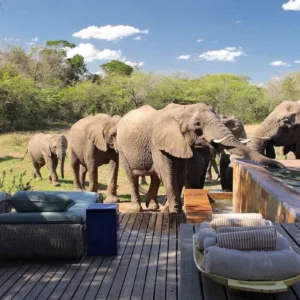
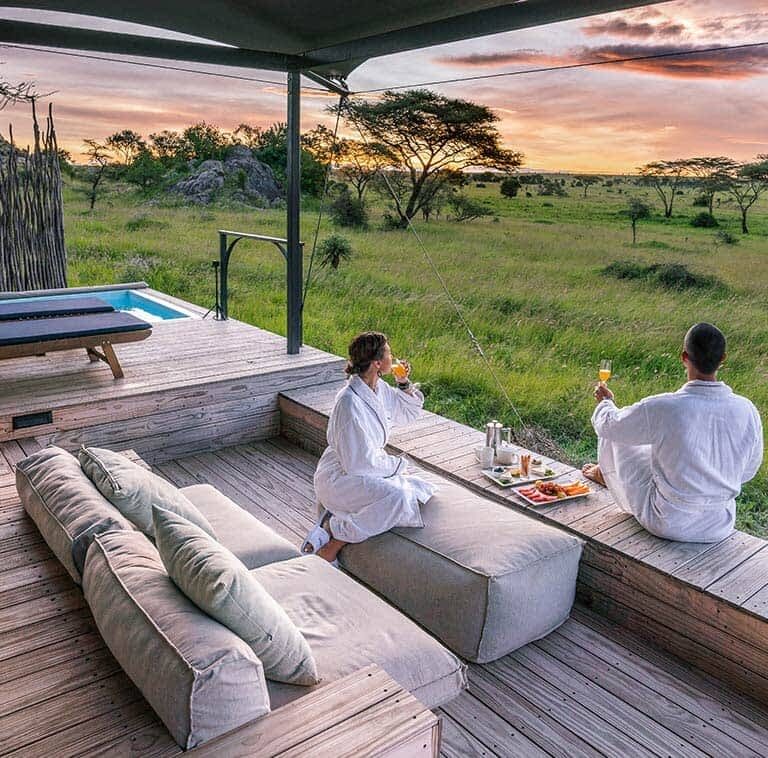
Eastern Serengeti is home to some of the most exclusive safari accommodations in Tanzania. Luxury tented camps and eco-lodges are designed to blend seamlessly into the wilderness while offering world-class comfort. Many properties feature panoramic views of the plains, private verandas, and infinity pools overlooking wildlife-rich landscapes. Guests can enjoy gourmet dining, personalized service, and guided game drives led by expert safari guides. Some camps specialize in photography safaris, offering vehicles equipped for professional wildlife photography. The exclusivity of this region means fewer crowds and a more intimate safari experience. Whether it’s a honeymoon safari, family holiday, or luxury African safari, Eastern Serengeti’s lodges provide the perfect balance of wilderness immersion and modern comfort in one of Africa’s most iconic safari destinations.
Budget camping & lodges
Affordable, adventurous and close to nature.
Mid-range lodges & tented camps
Comfort, good food and convenient locations.
Luxury tented camps & lodges
Spacious suites, personal service and prime wildlife areas.
Exclusive-use camps & villas
Complete privacy, private guides and bespoke experiences.
Game Drives and Safari Activities
Game drives are the main activity in Eastern Serengeti, offering exceptional opportunities to explore vast wildlife habitats. Morning and evening drives are the most productive, as animals are more active during cooler hours. Visitors can expect to see predators hunting, elephants moving in herds, and migratory species crossing the plains. Hot air balloon safaris are also available in the nearby Serengeti region, offering breathtaking aerial views of the landscape. Walking safaris in designated areas provide a closer connection to nature, guided by experienced rangers. Photography safaris are especially popular in the Eastern Serengeti due to its open terrain and abundant wildlife. Every safari experience here feels raw, authentic, and deeply connected to the African wilderness.
Eastern Serengeti vs Central Serengeti
Eastern Serengeti offers a different safari experience compared to the busier central Serengeti. While central Serengeti is known for year-round wildlife density and large tourist numbers, Eastern Serengeti provides a more exclusive and less crowded environment. The eastern region is especially favored by travelers seeking big cat encounters and photographic safaris, thanks to its open plains and predator-rich ecosystems. It also serves as a migration corridor during certain seasons, adding seasonal excitement to the experience. In contrast, central Serengeti offers more permanent resident wildlife viewing. Choosing between the two depends on travel style, but many safari itineraries combine both regions for a complete Serengeti experience.
Photography Opportunities
Eastern Serengeti is a dream destination for wildlife photographers. The open landscapes provide unobstructed views of animals, making it easier to capture action shots and dramatic scenes. Golden light during sunrise and sunset enhances photographic quality, creating stunning safari imagery. Big cats are a major highlight, especially cheetahs hunting across the plains. The migration also offers dynamic compositions with thousands of animals moving together. Professional safari guides often position vehicles strategically for optimal lighting and angles. Whether using professional equipment or smartphones, visitors can capture world-class wildlife photography in the Eastern Serengeti. The combination of scenery, wildlife density, and light conditions makes it one of Africa’s top photography safari destinations.
Accessibility and How to Get There
Eastern Serengeti is accessible via Arusha, the main safari gateway in northern Tanzania. Travelers can reach the region by road or by scheduled flights from Arusha or Kilimanjaro International Airport to nearby airstrips within the Serengeti ecosystem. Flying is the fastest and most convenient option, especially for luxury safari travelers. Road safaris, however, offer scenic journeys through the Great Rift Valley, Ngorongoro Highlands, and rural Tanzanian landscapes. Once inside the park, 4x4 safari vehicles are used for game drives. Accessibility is well-developed, making Eastern Serengeti an ideal destination for both short safaris and extended wildlife tours.
- Kilimanjaro Airport (JRO)Arrival
- MoshiAbout 45 min
- ArushaAbout 1 hour
- Safari parksNorthern Circuit
Cultural Experiences Near Eastern Serengeti
Visitors to Eastern Serengeti can also explore rich cultural experiences in the surrounding areas. The Maasai communities, known for their traditional lifestyle, colorful clothing, and cattle herding culture, offer cultural village visits and storytelling experiences. These interactions provide insight into Tanzania’s indigenous heritage and the coexistence between wildlife and local communities. Travelers can learn traditional dances, visit homesteads, and understand pastoral life in the savannah. Cultural tourism adds depth to a safari experience, making Eastern Serengeti not only about wildlife but also about people, traditions, and history.
Conservation and Wildlife Protection
Eastern Serengeti is part of a protected ecosystem managed under strict conservation policies. Efforts focus on preserving wildlife habitats, preventing poaching, and maintaining ecological balance. Sustainable tourism plays a key role in supporting conservation initiatives. Tourism revenue helps fund wildlife protection, community development, and anti-poaching operations. Eco-friendly lodges and responsible safari operators follow strict environmental guidelines to minimize impact on nature. These conservation efforts ensure that future generations can continue to enjoy the untouched beauty and biodiversity of Eastern Serengeti.
Safari Costs and Travel Budget
The cost of a safari in Eastern Serengeti varies depending on accommodation style and travel preferences. Budget safaris offer affordable camping experiences, while mid-range lodges provide comfort at moderate prices. Luxury safaris feature high-end tented camps with exclusive services. Prices typically include park fees, accommodation, meals, transport, and guided game drives. Flying safaris are more expensive but save travel time and enhance comfort. Eastern Serengeti caters to all budgets, making it accessible for solo travelers, families, honeymoon couples, and high-end safari enthusiasts.
Packing List for Eastern Serengeti Safari
Packing for Eastern Serengeti should focus on comfort and practicality. Lightweight, neutral-colored clothing is recommended for game drives. A good pair of binoculars enhances wildlife viewing, while a camera is essential for capturing safari moments. Other essentials include sunscreen, sunglasses, insect repellent, a hat, and comfortable walking shoes. A light jacket is useful for early morning and evening game drives when temperatures can be cooler. Proper packing ensures a smooth and enjoyable safari experience in the African wilderness.
Safety and Travel Tips
Eastern Serengeti is a safe safari destination when visiting with licensed tour operators and professional guides. Travelers should always follow park rules and listen to guide instructions during game drives. Staying inside vehicles during wildlife viewing is essential for safety. Respecting wildlife distances ensures both visitor safety and animal welfare. Travel insurance is recommended, and vaccinations may be required depending on travel history. With proper planning, Eastern Serengeti offers a secure and unforgettable safari adventure.
Why Choose Eastern Serengeti for Safari
Eastern Serengeti stands out as one of Africa’s most exclusive and rewarding safari destinations. It offers a perfect combination of big cat sightings, Great Migration access, luxury accommodations, and uncrowded wilderness experiences. Unlike more tourist-heavy regions, it provides privacy and authenticity, making it ideal for honeymoon safaris, photography tours, and high-end wildlife adventures. Its diverse landscapes and year-round wildlife activity ensure every safari is unique. For travelers seeking a true African wilderness experience, Eastern Serengeti delivers unmatched beauty, adventure, and exclusivity in the heart of Tanzania.
Final Thought
Eastern Serengeti is more than just a safari destination—it is a living wilderness where nature unfolds in its purest form. From predator-filled plains to migrating herds stretching across the horizon, every moment feels cinematic and unforgettable. Its balance of exclusivity, wildlife diversity, and luxury safari experiences makes it one of the most desirable regions within the Serengeti National Park. Whether you are a first-time visitor or a seasoned safari traveler, Eastern Serengeti offers something extraordinary: raw nature, silent landscapes, and powerful wildlife encounters. It is a place where Africa’s wild heart beats strongest, leaving every traveler with memories that last a lifetime.
Eastern Serengeti: FAQs
What should you know about location and Geography of eastern Serengeti?
Eastern Serengeti lies in the eastern corridor of the Serengeti ecosystem in northern Tanzania, bordering central Serengeti and stretching toward the Loliondo and Ngorongoro conservation areas. The landscape is defined by vast open plains, rocky kopjes, rolling grasslands, and seasonal river valleys. These geographical features create a perfect habitat for wildlife, especially predators such as lions and cheetahs that thrive in open hunting grounds.
What can you expect from the Great wildebeest migration in eastern Serengeti?
Eastern Serengeti plays a crucial role in the Great Wildebeest Migration, one of the most spectacular wildlife events on Earth. During specific seasons, especially between April and June and again in late October, massive herds of wildebeest, zebras, and gazelles pass through this region while searching for fresh grazing grounds.
What should you know about big cats and predator action for eastern Serengeti?
Eastern Serengeti is widely recognized as one of the best places in Africa to see big cats in action. The region’s open plains provide ideal hunting grounds for cheetahs, making sightings more frequent than in many other parts of the Serengeti. Lions are commonly seen in prides, often resting on rocky outcrops or stalking prey across the savannah.
What are the game drives and safari Activities for eastern Serengeti?
Game drives are the main activity in Eastern Serengeti, offering exceptional opportunities to explore vast wildlife habitats. Morning and evening drives are the most productive, as animals are more active during cooler hours. Visitors can expect to see predators hunting, elephants moving in herds, and migratory species crossing the plains.
What are the photography opportunities for eastern Serengeti?
Eastern Serengeti is a dream destination for wildlife photographers. The open landscapes provide unobstructed views of animals, making it easier to capture action shots and dramatic scenes. Golden light during sunrise and sunset enhances photographic quality, creating stunning safari imagery. Big cats are a major highlight, especially cheetahs hunting across the plains.
What can you expect from cultural experiences near eastern Serengeti?
Visitors to Eastern Serengeti can also explore rich cultural experiences in the surrounding areas. The Maasai communities, known for their traditional lifestyle, colorful clothing, and cattle herding culture, offer cultural village visits and storytelling experiences. These interactions provide insight into Tanzania’s indigenous heritage and the coexistence between wildlife and local communities.
How much should you budget for safari Costs and travel Budget for eastern Serengeti?
The cost of a safari in Eastern Serengeti varies depending on accommodation style and travel preferences. Budget safaris offer affordable camping experiences, while mid-range lodges provide comfort at moderate prices. Luxury safaris feature high-end tented camps with exclusive services. Prices typically include park fees, accommodation, meals, transport, and guided game drives.
What are the safety and travel Tips for eastern Serengeti?
Eastern Serengeti is a safe safari destination when visiting with licensed tour operators and professional guides. Travelers should always follow park rules and listen to guide instructions during game drives. Staying inside vehicles during wildlife viewing is essential for safety. Respecting wildlife distances ensures both visitor safety and animal welfare.
Plan Your Private Tanzania Safari
Tell us your travel dates, interests and budget, and our local team will design a private tailor-made safari around you.