Do I Need Gaiters to Climb Kilimanjaro?
Do I Need Gaiters to Climb Kilimanjaro?
Experience and discover fabulous best way of climbing Mount Kilimanjaro is one of Africa’s greatest trekking adventures, attracting thousands of hikers seeking the ultimate summit experience. Many trekkers preparing for a Kilimanjaro climb often ask, “Do I need gaiters to climb Kilimanjaro?” Gaiters are protective coverings worn over hiking boots and lower legs to prevent dust, mud, rain, snow, and small rocks from entering footwear during mountain trekking. On Kilimanjaro’s diverse routes, weather conditions change dramatically from rainforest trails to alpine deserts and icy summit paths. Proper hiking gear is essential for comfort, safety, and successful summit attempts. Whether you are climbing the Machame Route, Lemosho Route, or Marangu Route, understanding the benefits of gaiters can improve your trekking experience and protect your feet throughout your Tanzania mountain adventure.
What Are Gaiters and Why Are They Important?
Gaiters are lightweight protective garments designed to cover the gap between hiking boots and trekking pants. During a Mount Kilimanjaro trekking expedition, gaiters help keep dirt, volcanic scree, mud, water, and snow from entering your boots. They are especially useful on steep and dusty trails where loose gravel constantly slips into footwear. High-quality waterproof gaiters also provide additional warmth and protection against cold summit conditions. Many experienced Kilimanjaro guides recommend gaiters because wet or dirty feet can lead to discomfort, blisters, and reduced hiking performance. Climbers using trekking poles often notice how much dust and debris accumulate on the lower trail sections. Investing in durable hiking gaiters improves overall trekking comfort and helps maintain dry socks, making your Kilimanjaro climbing experience safer, cleaner, and more enjoyable from the rainforest zone to Uhuru Peak.
Are Gaiters Mandatory for Kilimanjaro Climbs
Gaiters are not officially mandatory for climbing Mount Kilimanjaro, but they are strongly recommended by many mountain guides and trekking companies. Climbers can reach the summit without gaiters, especially during dry seasons, but having them provides valuable protection in unpredictable mountain weather. Kilimanjaro includes muddy rainforest sections, dusty alpine trails, and snowy summit zones where gaiters become highly beneficial. Without gaiters, small rocks, volcanic ash, and moisture can enter hiking boots and create discomfort during long trekking days. Many climbers underestimate how irritating dust and gravel can become after several hours on steep mountain trails. Lightweight gaiters are easy to pack and add little extra weight to your gear list. While not essential equipment like hiking boots or warm layers, gaiters significantly improve hiking comfort and are considered smart trekking accessories for successful Kilimanjaro expeditions.
How Gaiters Protect Against Dust on Kilimanjaro
One of the biggest reasons climbers use gaiters on Mount Kilimanjaro is protection from volcanic dust and loose scree. Kilimanjaro’s alpine desert zone contains fine volcanic ash that easily enters hiking boots during trekking. Descending from the summit often creates clouds of dust that cover clothing and footwear. Without gaiters, climbers frequently stop to remove rocks and dirt from their boots, slowing progress and increasing discomfort. Dust buildup inside footwear can also contribute to painful blisters during multi-day hikes. Durable hiking gaiters seal the opening around your boots and lower legs, creating an effective barrier against debris. This protection becomes especially valuable during dry-season climbs when trail conditions are extremely dusty. Keeping your feet clean and dry improves overall hiking performance and comfort, allowing climbers to focus on enjoying breathtaking Kilimanjaro landscapes instead of constantly adjusting their footwear.
Gaiters for Rainy Season Kilimanjaro Treks
During the rainy seasons on Mount Kilimanjaro, gaiters become even more important for maintaining dry feet and comfortable trekking conditions. Rainforest trails can become muddy, slippery, and waterlogged after heavy rainfall. Waterproof gaiters prevent mud and rainwater from soaking your socks and hiking boots during long hiking days. Wet feet increase the risk of blisters, cold discomfort, and reduced morale during mountain expeditions. Many trekkers climbing during March, April, May, or November rely on gaiters to protect against constant moisture and muddy trail conditions. Waterproof trekking gaiters also add an extra layer of insulation against cold winds at higher elevations. Combined with quality waterproof hiking boots, gaiters create excellent protection from Kilimanjaro’s changing weather. Staying dry throughout the climb greatly improves trekking comfort and supports better physical performance during challenging summit attempts.
Do Gaiters Help During the Summit Push
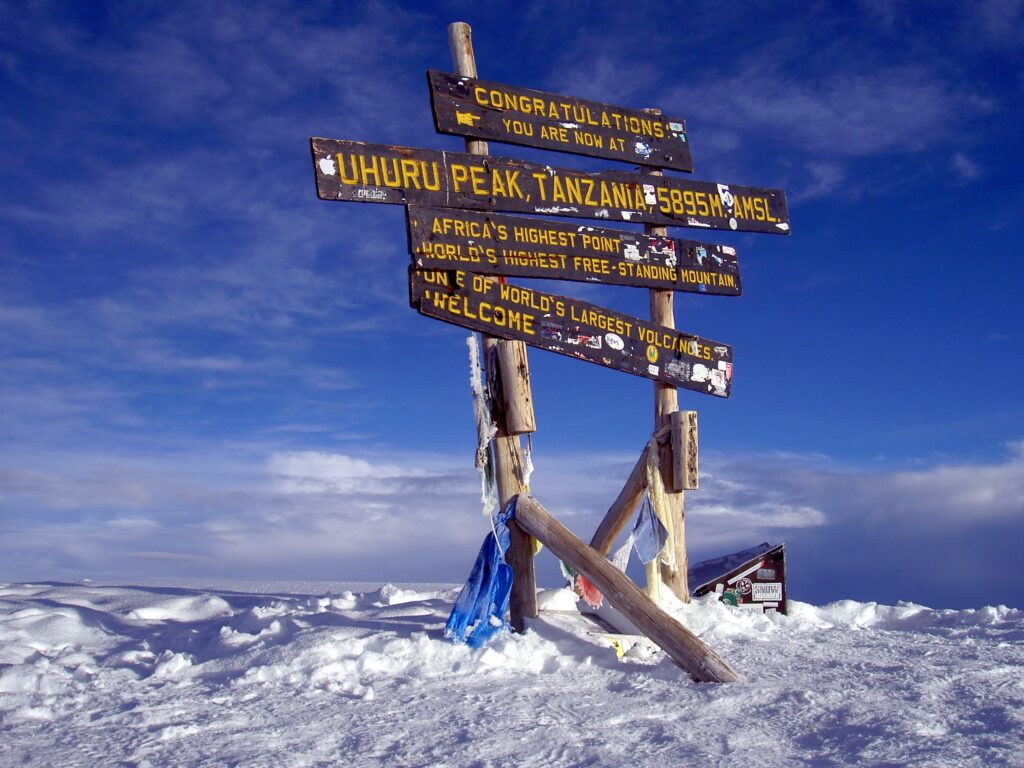
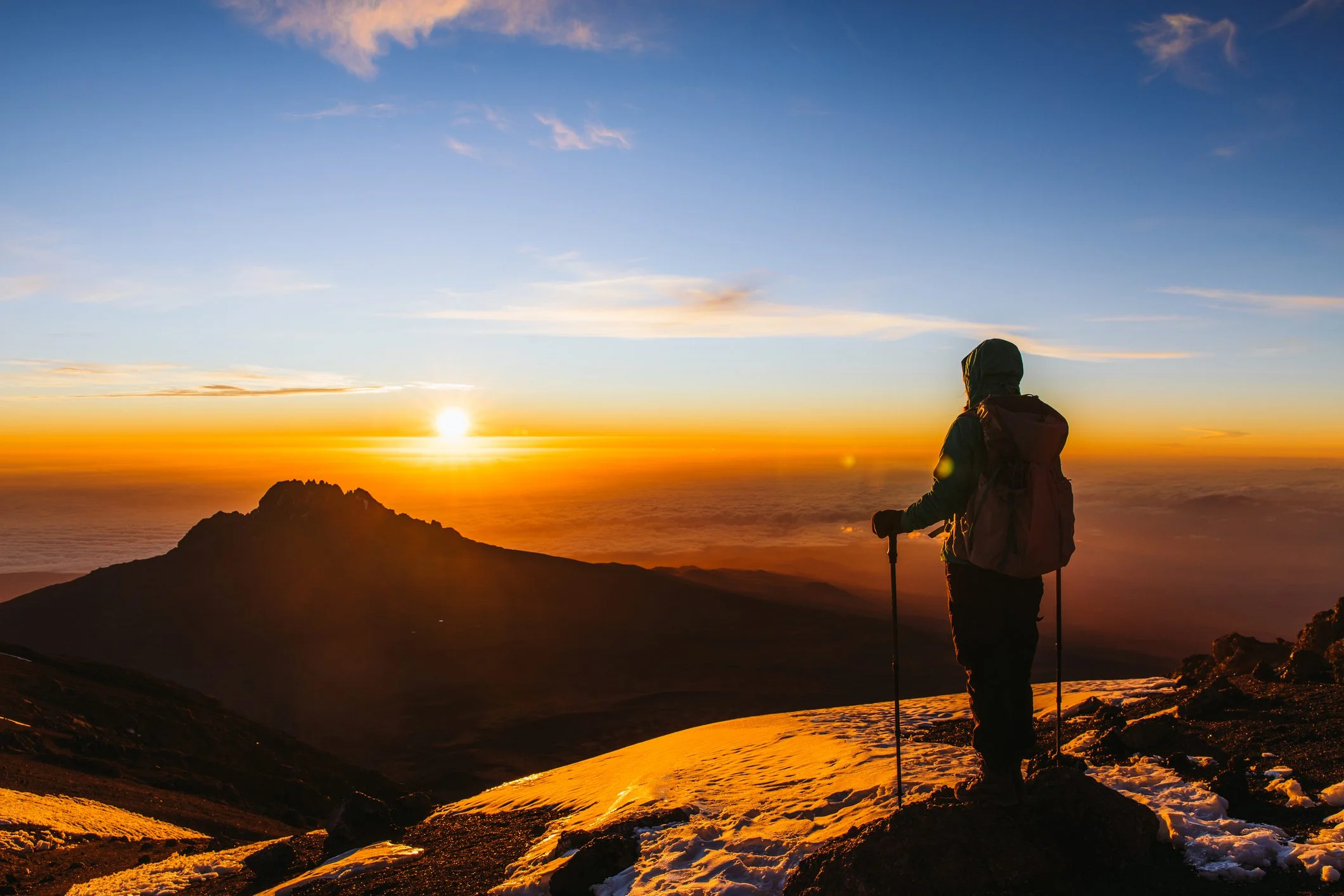
The summit push on Mount Kilimanjaro is one of the coldest and most demanding parts of the climb, making gaiters especially useful. Climbers usually begin the ascent to Uhuru Peak at midnight, facing freezing temperatures, snow, ice, and volcanic scree. Gaiters help prevent snow and loose gravel from entering hiking boots while trekking across steep summit trails. This added protection keeps feet warmer and drier during long hours of climbing at high altitude. Summit night conditions can change rapidly, with strong winds and icy terrain creating challenging hiking environments. Many experienced Kilimanjaro climbers appreciate the extra warmth and weather resistance that waterproof gaiters provide. By reducing exposure to cold moisture and debris, gaiters contribute to better comfort and endurance during the final ascent. Comfortable feet are essential for maintaining energy and focus during successful Kilimanjaro summit attempts.
Choosing the Best Gaiters for Kilimanjaro
Selecting the right gaiters for climbing Mount Kilimanjaro can improve comfort and durability throughout your trek. The best Kilimanjaro gaiters should be lightweight, waterproof, breathable, and strong enough to handle rocky mountain terrain. Full-length gaiters offer maximum protection against rain, dust, snow, and volcanic scree, making them popular among experienced trekkers. Breathable materials help prevent overheating while maintaining comfort during long hiking days. Adjustable straps and secure closures ensure gaiters stay firmly attached to hiking boots on steep trails. Durable trekking gaiters made from waterproof fabrics like Gore-Tex are ideal for harsh mountain conditions. Climbers should also choose gaiters compatible with their hiking boots and trekking pants. Investing in quality gaiters before your Tanzania trekking adventure can make a noticeable difference in foot comfort, cleanliness, and overall hiking performance on Kilimanjaro’s diverse routes.
The top 10 recommended gaiter brands for Mount Kilimanjaro include:
Gaiters are essential for a Kilimanjaro climb to keep volcanic scree, dust, and snow out of your hiking boots. The best options balance durability, waterproofing, and breathability.
- Outdoor Research: Known as a gold standard, especially the Outdoor Research Crocodile Gaiters. Their burly Gore-Tex construction handles the rough scree of the higher camps perfectly.
- Black Diamond: Highly respected for their durability. The Black Diamond Frontpoint Gaiters are a fantastic, waterproof, heavy-duty option for the freezing summit night.
- Rab: A premium mountaineering brand offering excellent performance. The Rab Muztag GTX Gaiters are exceptionally breathable and robust.,
- Kahtoola: Famous for comfortable, tight-fitting gaiters. The Kahtoola LEVAgaiter offers a lightweight Gore-Tex option with highly durable instep straps.
- Hillsound: Known for unique, stretch-fit designs. The Hillsound Armadillo LT Gaiters use waterproof hardshell construction around the ankle and breathable softshell material up the calf.
- Berghaus: A classic European outdoor brand. The Berghaus Yeti Attak Gaiters provide excellent all-weather protection and are a favorite for multi-day expeditions.
- Montane: Renowned for Alpine and high-altitude gear. The Montane Endurance Pro Gaiters offer rugged, waterproof protection in extreme weather.
- REI Co-op: Offers great value. The REI Co-op Sahara Gaiters are a fantastic mid-length, lightweight option for keeping light debris out of your boots.
- Pike Trail: Excellent budget-friendly alternative. The Pike Trail Gaiters offer sturdy, waterproof protection without breaking the bank.
- Altra: Best for lightweight trail approaches. The Altra Trail Gaiters are great for the lower, dusty rainforest zones of the mountain.
Are Short Gaiters or Full Gaiters Better
When climbing Mount Kilimanjaro, many trekkers wonder whether short gaiters or full-length gaiters are the better option. Short gaiters, sometimes called ankle gaiters, provide lightweight protection against small rocks and dust but offer limited waterproof coverage. Full-length gaiters extend to the knees and provide superior defense against rain, mud, snow, and volcanic scree. Most experienced Kilimanjaro guides recommend full gaiters because of the mountain’s unpredictable weather and varying trail conditions. Full gaiters are especially beneficial during summit night and rainy-season climbs. While short gaiters may work during dry conditions, they are less effective in muddy rainforest sections or snowy summit areas. Climbers seeking maximum comfort and protection usually prefer durable full-length trekking gaiters. Choosing the right style depends on your climbing season, route conditions, and personal hiking preferences during your Kilimanjaro expedition.
Can Gaiters Prevent Blisters
Gaiters can indirectly help prevent blisters during a Mount Kilimanjaro climb by keeping debris, dust, and moisture out of hiking boots. Small rocks and dirt trapped inside footwear create friction against the skin, increasing the risk of painful blisters during long trekking days. Wet socks caused by rain or snow can also soften skin and make blister formation more likely. Waterproof hiking gaiters reduce these problems by maintaining cleaner and drier foot conditions throughout the trek. Comfortable feet are extremely important on Kilimanjaro because climbers spend several consecutive days walking long distances at high altitude. Combining gaiters with quality hiking socks and properly fitted trekking boots offers the best blister prevention strategy. Many experienced mountain climbers consider gaiters a valuable addition to their hiking gear because improved foot protection contributes to better endurance and a more enjoyable summit experience.
Are Gaiters Useful on Every Kilimanjaro Route
Gaiters can be useful on nearly every route on Mount Kilimanjaro because all routes include dusty, rocky, or potentially wet trail sections. Popular routes like Machame, Lemosho, Rongai, Northern Circuit, and Marangu all encounter changing weather conditions and loose volcanic terrain. The usefulness of gaiters may vary depending on the season and route difficulty, but they remain beneficial for most climbers. Routes with steeper descents and loose scree particularly highlight the value of gaiters because debris constantly enters hiking boots during downhill trekking. Climbers attempting longer routes often appreciate gaiters even more because maintaining dry and comfortable feet becomes increasingly important over multiple trekking days. Whether you choose a luxury Kilimanjaro climb or a budget trekking package, gaiters provide practical protection that improves hiking comfort and helps support successful summit attempts in diverse mountain conditions.
Do Professional Guides Recommend Gaiters
Most professional guides leading expeditions on Mount Kilimanjaro strongly recommend gaiters as part of a complete Kilimanjaro packing list. Experienced guides understand how quickly mountain weather can change and how uncomfortable dusty or wet footwear becomes during multi-day treks. Guides often notice that climbers without gaiters spend more time removing debris from boots or dealing with damp socks and blisters. Because Kilimanjaro contains rainforest mud, alpine dust, rocky scree, and occasional snow, gaiters provide practical all-around protection. Many reputable Tanzania trekking companies include gaiters in recommended gear checklists for summit success. While some climbers may consider them optional, guides who regularly hike Kilimanjaro recognize their value in maintaining foot comfort and cleanliness. Listening to experienced mountain professionals can help trekkers prepare more effectively and enjoy safer, more comfortable hiking experiences throughout their Kilimanjaro adventure.
Lightweight Packing Benefits of Gaiters
One major advantage of bringing gaiters on a Mount Kilimanjaro expedition is that they are lightweight and easy to pack. Most modern trekking gaiters weigh very little and can fit easily inside a backpack without taking much space. Despite their compact size, they provide valuable protection against dust, mud, snow, and rain throughout the climb. Many trekkers prioritize lightweight hiking gear to reduce fatigue during long mountain hikes, making gaiters an efficient addition to a Kilimanjaro packing list. Durable gaiters also help protect hiking pants and socks from excessive dirt and moisture, reducing the need for extra clothing changes during the trek. Because weather conditions on Kilimanjaro can shift quickly, carrying lightweight protective gear offers additional security and convenience. Simple accessories like gaiters can greatly improve comfort without adding significant weight to your Tanzania trekking equipment.
Common Mistakes Climbers Make Without Gaiters
Many climbers attempting Mount Kilimanjaro underestimate the importance of gaiters and later regret leaving them behind. One common mistake is assuming that waterproof hiking boots alone provide enough protection against dust, gravel, and rain. Even high-quality trekking boots cannot fully prevent debris from entering through the top openings during steep climbs and descents. Another mistake involves wearing unsuitable socks that quickly become dirty or wet without additional protection. Climbers without gaiters often stop repeatedly to empty their boots, slowing their hiking pace and increasing frustration. Wet feet and dusty socks can also contribute to painful blisters and reduced comfort during summit night. Many experienced trekkers realize after their climb that lightweight gaiters would have made the expedition easier and more enjoyable. Proper preparation and smart hiking gear choices significantly improve overall Kilimanjaro trekking experiences.
Can You Rent Gaiters in Tanzania?
Trekkers climbing Mount Kilimanjaro who do not own gaiters can often rent them from trekking companies and outdoor gear shops in Tanzania. Many Kilimanjaro tour operators provide rental equipment including gaiters, sleeping bags, trekking poles, and waterproof jackets for international climbers. Renting gaiters can be a cost-effective solution for travelers who may not use them again after the expedition. However, climbers should ensure rental gaiters fit properly and remain in good condition before beginning the trek. Poorly fitted gaiters may slip during hiking and provide less effective protection against dust and moisture. Some trekkers prefer purchasing their own gaiters to guarantee comfort, durability, and hygiene. Whether rented or purchased, gaiters remain valuable trekking accessories that improve foot protection during Kilimanjaro climbs. Planning your equipment carefully contributes greatly to a safer and more comfortable mountain adventure in Tanzania.
Are Gaiters Worth It for Kilimanjaro?
For most trekkers, gaiters are absolutely worth bringing when climbing Mount Kilimanjaro. They provide protection from dust, volcanic scree, rain, mud, and snow while helping maintain dry, comfortable feet during long hiking days. Although not compulsory, gaiters improve trekking efficiency by reducing the need to stop and clean boots repeatedly. They also help prevent blisters and provide additional warmth during the cold summit push to Uhuru Peak. Considering their lightweight design and affordable cost, gaiters offer excellent value for Kilimanjaro climbers preparing for changing mountain conditions. Whether trekking during dry or rainy seasons, gaiters contribute to better overall hiking comfort and performance. Many experienced climbers and professional mountain guides recommend them because small improvements in comfort can significantly affect summit success. Bringing gaiters is a smart and practical decision for most Kilimanjaro expeditions.
Final Thought
Climbing Mount Kilimanjaro requires proper preparation, reliable hiking equipment, and thoughtful gear choices for a safe and successful summit experience. While gaiters may seem like a small accessory, they provide valuable protection against dust, mud, snow, rain, and rocky debris throughout the climb. From rainforest trails to icy summit paths, gaiters help maintain dry, comfortable feet and reduce the risk of blisters and discomfort. Most experienced guides and trekkers recommend including gaiters in your Kilimanjaro packing list because the mountain’s conditions can change rapidly. Lightweight, durable, and highly practical, gaiters improve overall trekking comfort without adding unnecessary weight to your backpack. Whether you are a beginner climber or an experienced mountaineer, investing in quality gaiters can enhance your Kilimanjaro adventure and help you focus on reaching the Roof of Africa successfully.
tips for happy feet on Kilimanjaro
Keeping your feet happy on Mount Kilimanjaro is essential for a successful summit, especially since climbers search for “Kilimanjaro foot care tips” and “how to avoid blisters on Kilimanjaro trek.” Start with well-fitted, broken-in hiking boots that provide ankle support and match the rugged terrain of Mount Kilimanjaro. Wear moisture-wicking socks and consider double-layer trekking socks to reduce friction. Keep your feet dry by changing socks regularly, especially after rain or river crossings. Apply blister prevention tape or foot balm before long hiking days. At camp, remove boots immediately and let your feet breathe to reduce swelling. Proper hygiene, trimming toenails before the climb, and choosing breathable footwear all contribute to comfort. Good foot care is one of the most important factors for reaching Uhuru Peak successfully without injury or discomfort during your Kilimanjaro expedition.
Foot Care Tips While Hiking Kilimanjaro
Foot care during the climb is critical for avoiding pain and maintaining endurance on long trekking days across Mount Kilimanjaro. Popular searches like “prevent blisters Kilimanjaro hike” and “Kilimanjaro hiking foot maintenance” highlight how important this is. Always start your hike with dry, clean socks and ensure boots are properly laced but not too tight. During breaks, remove boots to air your feet and improve circulation. Use blister plasters at the first sign of irritation rather than waiting for pain to worsen. Rotate socks daily and carry extra pairs in waterproof bags. Massaging your feet at camp improves blood flow and reduces swelling caused by altitude trekking. Hydration also plays a role in preventing foot fatigue. Consistent care throughout the trek ensures comfort across all Kilimanjaro climate zones, from rainforest to alpine desert and icy summit conditions.
How To Have a Successful Kilimanjaro Climbing
” Choose a longer route like Lemosho or Machame to allow proper acclimatization and reduce altitude sickness risk. Train beforehand with cardio, strength, and endurance hikes carrying a loaded backpack. Hydration and slow pacing (“pole pole” in Swahili) are essential for adapting to high altitude conditions. Follow your guide’s instructions and maintain steady nutrition throughout the trek. Mental resilience is just as important as physical fitness, especially during summit night when temperatures drop significantly. Proper gear, layered clothing, and good sleep at camps also improve success rates. A well-planned itinerary and experienced guiding team significantly increase your chances of reaching Uhuru Peak safely and comfortably.
Leg Gaiters for Kilimanjaro Safe Dry Clean Hiking
” Gaiters are protective covers worn over boots and lower legs to prevent water, mud, sand, and small rocks from entering your footwear. On Kilimanjaro, they are especially useful in the rainforest zone where trails can be slippery and muddy. In higher, dry alpine zones, gaiters also protect against dust and volcanic ash. Choose lightweight, waterproof, and breathable materials with secure straps under the boot and adjustable top closures. Brands with durable nylon or Gore-Tex materials are ideal for long-distance trekking. Using gaiters improves comfort, keeps feet dry, and reduces the risk of blisters and irritation during multi-day climbs.
Kilimanjaro Gear Recommendations
Proper gear is essential for a safe and comfortable ascent of Mount Kilimanjaro, especially for travelers searching “Kilimanjaro packing list gear guide” and “best equipment for Kilimanjaro climb.” Essential items include layered clothing for changing weather zones, waterproof jackets, insulated down layers, and thermal base layers for summit night. Sturdy waterproof hiking boots with ankle support are critical for stability on rocky and uneven terrain. Trekking poles help reduce pressure on knees during steep descents. A high-quality sleeping bag rated for sub-zero temperatures is necessary for high-altitude camps. Other essentials include headlamps, sunglasses for UV protection, sunscreen, and a reusable water bottle or hydration system. A well-organized daypack ensures easy access to snacks, water, and extra clothing. Proper gear selection greatly improves comfort, safety, and summit success rates on Kilimanjaro.
What neck gaiter is recommended for climbing Kilimanjaro, especially for dust protection
” The best options are lightweight, breathable, and multifunctional gaiters made from materials like microfiber polyester or merino wool. A classic Buff-style tubular gaiter is highly recommended because it can be worn in multiple ways—around the neck, over the mouth, or as a face covering. This is especially important in the dry, dusty alpine desert zones of Mount Kilimanjaro where wind and volcanic dust can be intense. For colder summit nights, a thicker merino wool gaiter provides added warmth and moisture control. Choose UV-protective, quick-drying materials for maximum comfort. A good neck gaiter improves breathing comfort, protects against dust inhalation, and enhances overall trekking experience on Kilimanjaro.
Do I Need Gaiters to Climb Kilimanjaro?: FAQs
What Are Gaiters and Why Are They Important?
Gaiters are lightweight protective garments designed to cover the gap between hiking boots and trekking pants. During a Mount Kilimanjaro trekking expedition, gaiters help keep dirt, volcanic scree, mud, water, and snow from entering your boots. They are especially useful on steep and dusty trails where loose gravel constantly slips into footwear.
Are Gaiters Mandatory for Kilimanjaro Climbs?
Gaiters are not officially mandatory for climbing Mount Kilimanjaro, but they are strongly recommended by many mountain guides and trekking companies. Climbers can reach the summit without gaiters, especially during dry seasons, but having them provides valuable protection in unpredictable mountain weather. Kilimanjaro includes muddy rainforest sections, dusty alpine trails, and snowy summit zones where gaiters become highly beneficial.
How Gaiters Protect Against Dust on Kilimanjaro?
One of the biggest reasons climbers use gaiters on Mount Kilimanjaro is protection from volcanic dust and loose scree. Kilimanjaro’s alpine desert zone contains fine volcanic ash that easily enters hiking boots during trekking. Descending from the summit often creates clouds of dust that cover clothing and footwear.
What can you expect from gaiters for rainy season Kilimanjaro treks?
During the rainy seasons on Mount Kilimanjaro, gaiters become even more important for maintaining dry feet and comfortable trekking conditions. Rainforest trails can become muddy, slippery, and waterlogged after heavy rainfall. Waterproof gaiters prevent mud and rainwater from soaking your socks and hiking boots during long hiking days.
Do Gaiters Help During the Summit Push?
The summit push on Mount Kilimanjaro is one of the coldest and most demanding parts of the climb, making gaiters especially useful. Climbers usually begin the ascent to Uhuru Peak at midnight, facing freezing temperatures, snow, ice, and volcanic scree. Gaiters help prevent snow and loose gravel from entering hiking boots while trekking across steep summit trails.
What should you know about choosing the best gaiters for Kilimanjaro?
Selecting the right gaiters for climbing Mount Kilimanjaro can improve comfort and durability throughout your trek. The best Kilimanjaro gaiters should be lightweight, waterproof, breathable, and strong enough to handle rocky mountain terrain. Full-length gaiters offer maximum protection against rain, dust, snow, and volcanic scree, making them popular among experienced trekkers.
What can you expect from the top 10 recommended gaiter brands for Mount Kilimanjaro include?
Gaiters are essential for a Kilimanjaro climb to keep volcanic scree, dust, and snow out of your hiking boots. The best options balance durability, waterproofing, and breathability. Outdoor Research: Known as a gold standard, especially the Outdoor Research Crocodile Gaiters. Their burly Gore-Tex construction handles the rough scree of the higher camps perfectly.
Are Short Gaiters or Full Gaiters Better ?
When climbing Mount Kilimanjaro, many trekkers wonder whether short gaiters or full-length gaiters are the better option. Short gaiters, sometimes called ankle gaiters, provide lightweight protection against small rocks and dust but offer limited waterproof coverage. Full-length gaiters extend to the knees and provide superior defense against rain, mud, snow, and volcanic scree.
Climb Kilimanjaro With Confidence
Tell us your dates and fitness, and our experienced mountain team will plan a safe, well-acclimatized private climb.