The ultimate adventure guide for climbing Mount Kilimanjaro in October is a dream for many adventurers seeking an extraordinary experience in Africa. As the continent’s tallest peak, Kilimanjaro offers breathtaking landscapes, diverse climates, and a once-in-a-lifetime challenge for trekkers of all levels. October is considered one of the best months for climbing Kilimanjaro, with clear skies, moderate temperatures, and fewer crowds, making it perfect for both first-timers and seasoned climbers. Whether you are planning a luxury trek, a budget-friendly adventure, or a photography-focused climb, understanding October’s conditions, the ideal routes, and essential preparation is crucial. This guide provides a detailed overview of everything you need to know to make your October Kilimanjaro climb safe, enjoyable, and unforgettable.
Why Climb Kilimanjaro in October
Climbing Kilimanjaro in October offers one of the best experiences for adventure travelers seeking fewer crowds and clear trekking conditions. October falls within the dry season in Tanzania, making trails on Mount Kilimanjaro safer and more accessible. With crisp air and excellent visibility, climbers can fully enjoy panoramic views from the Marangu, Machame, Lemosho, and Rongai routes. The month also provides favorable weather for summit attempts without the heavy rains typical in April or May. Travelers benefit from moderate temperatures, making acclimatization easier. October is ideal for photographers, hikers, and safari-goers who want to combine a Kilimanjaro climb with Northern Circuit or Serengeti safaris. Planning an October climb ensures a rewarding adventure with minimal disruption.
Climbing Kilimanjaro in October Travel Tips
October Kilimanjaro treks require preparation and smart planning. Booking Kilimanjaro trekking tips early in October is essential due to moderate climbing traffic, ensuring guides, porters, and permits are secured. Hydration is crucial, as the dry season can cause dehydration faster than expected. Start acclimatization with Arusha National Park hikes or short pre-climb treks to prevent altitude sickness. Layered clothing is essential for Kilimanjaro travel tips, with fluctuating temperatures from daytime warmth to cold nights at high altitudes. Sun protection, including hats, sunglasses, and sunscreen, is vital as UV exposure increases with elevation. Maintain a steady pace during the ascent, practice the “pole-pole” technique, and carry high-energy snacks. Consulting experienced tour operators for October climbs optimizes safety and enjoyment.
Kilimanjaro in October Weather Conditions & Climate
In October, Kilimanjaro enjoys dry, stable weather, making it one of the best months for a summit attempt. Kilimanjaro altitude daytime temperatures on lower slopes can reach 20–25°C (68–77°F), while nighttime and summit temperatures drop below freezing, sometimes reaching –7°C (19°F). The Mount Kilimanjaro weather in October is clear skies, improving visibility, and providing breathtaking views of the Shira Plateau, Barranco Wall, and Kibo Crater. Rainfall is minimal compared to the March–May long rains, and humidity is lower, which reduces trail slipperiness. However, climbers must be prepared for sudden temperature changes, strong winds at higher altitudes, and intense sun exposure. Overall, October’s climate is ideal for both trekking and photography, combining clear weather with optimal trail conditions.
Kilimanjaro in October, Crowds & Costs
October offers moderate crowd levels compared to peak months like July and August. Trekking groups are smaller, allowing for more peaceful experiences on the trails and at campsites. This Kilimanjaro costs in October also balances cost and comfort, as climbing fees remain standard while flights and accommodations may be more affordable than during peak seasons. Guide and porter availability is better, reducing last-minute logistical stress. Many travelers combine Kilimanjaro climbs with safari adventures in Ngorongoro, Serengeti, or Tarangire, taking advantage of lower accommodation rates. However, early bookings are recommended, as limited spaces on preferred routes can fill quickly. October provides an excellent compromise between affordability, safety, and a quality climbing experience.
Go-To Climbing Kilimanjaro Routes for October
October’s dry weather makes most Kilimanjaro routes accessible, but some are preferred for safety, acclimatization, and scenery. The Machame Route is ideal for its scenic variety and higher summit success rate. Lemosho Route offers an extended trek with lush rainforest, Shira Plateau views, and better acclimatization opportunities. Rongai Route, approaching from the north, is quieter and less crowded, perfect for October’s moderate conditions. Marangu Route, known as the “Coca-Cola” route, is comfortable with hut accommodations but slightly less scenic. Shira and Umbwe routes appeal to experienced climbers seeking challenge and fewer trekkers. October’s weather allows climbers to enjoy Kilimanjaro photography clear vistas, snow-capped peaks, and safe trails across all major routes.
What to Do Climbing Kilimanjaro in October
Climbing Kilimanjaro in October is not just about reaching the summit—it’s a full adventure experience. Trekkers can explore diverse ecosystems from rainforest to alpine desert and glacial landscapes. Photographers capture vibrant October skies and snow-dusted peaks, while wildlife enthusiasts spot colobus monkeys and exotic birds along lower slopes. October is perfect for practicing altitude acclimatization techniques, enjoying scenic breaks at Lava Tower, Barranco Wall, or Shira Plateau, and connecting with local guides for cultural insights about the Chagga people. Many climbers combine the trek with nearby safaris or cultural tours in Moshi and Arusha. This month offers a holistic Kilimanjaro adventure blending trekking, nature, photography, and cultural immersion.
Recommended Gear for A Kilimanjaro Climb in October
Proper gear is crucial for a safe October Kilimanjaro climb. Layered clothing is essential to adjust to warm daytime temperatures and freezing summit nights. Waterproof jackets, thermal base layers, and insulated gloves keep climbers comfortable. Sturdy hiking boots with good ankle support, gaiters, and trekking poles help navigate rocky terrain and steep ascents. Sun protection, including sunglasses, sunscreen, and wide-brim hats, is vital due to high UV exposure. Carry lightweight backpacks, hydration systems, and energy snacks. Headlamps, reusable water bottles, and first-aid kits are essential. October climbers benefit from technical gear for snow and icy conditions near the summit. Renting or purchasing high-quality equipment ensures Kilimanjaro summit success, safety, and comfort.
Accommodations for Climbing Kilimanjaro in October
Accommodations around Kilimanjaro in October range from budget lodges to luxury safari camps. In Moshi and Arusha, travelers find hotels, guesthouses, and boutique lodges offering pre- and post-climb comfort. Some lodges provide shuttle services to trailheads, meals, and briefing sessions. Many climbers prefer staying near Machame, Marangu, or Rongai trail entrances for early starts. Campsites along the trek, including Shira, Barranco, Karanga, and Kibo, are well-maintained, with tents supplied by operators. Luxury packages may include spacious tents, hot meals, and private guides. October’s moderate tourist flow ensures room availability while still allowing climbers to book exclusive lodges or campsites for a premium Kilimanjaro experience.
When to Go: Timing Your October Climb
Timing your October climb is crucial for weather, acclimatization, and summit success. Early October provides slightly cooler temperatures and fewer trekkers, while late October offers clearer skies for photography. Starting the trek in the morning maximizes daylight for hiking and acclimatization stops. A 6–8 day itinerary is recommended for gradual altitude adjustment and higher summit success rates. October allows climbers to avoid the March–May long rains and the January peak season crowds, making logistics simpler. Align your climb with personal travel plans, safari tours, and local events. Proper timing enhances safety, comfort, and the overall Kilimanjaro experience, ensuring memorable summit moments.
What to Expect When Climbing Kilimanjaro in October
Climbing Kilimanjaro in October offers a rewarding blend of challenge and beauty. Trekkers experience varied terrain, from lush rainforests to barren alpine deserts. Daytime hikes are comfortable, while nights near the summit require warm gear. Wildlife sightings, including monkeys and exotic birds, are common on lower slopes. October’s dry conditions mean safer trails and excellent visibility for panoramic photography. Trekkers must expect altitude adjustments, steep ascents, and occasional cold winds above 4,500 meters. The summit attempt, often timed at midnight, offers stunning sunrise views over the Kibo Crater. With proper preparation, October climbs are both adventurous and safe.
Scenery and Views on Climbing Kilimanjaro in October
October provides spectacular scenery for Kilimanjaro climbers. Clear skies enhance views of the Shira Plateau, Barranco Wall, and Kibo Crater. Lush forests and alpine moorlands contrast with the stark, icy summit, creating memorable photographic opportunities. Sunrise and sunset offer vivid skies over the surrounding Tanzanian plains, including glimpses of Mount Meru and distant savannahs. The glaciers on Kibo peak glisten, reflecting October’s dry and sunny conditions. Wildlife such as colobus monkeys, birds, and giant lobelias add color and life to the landscape. October’s combination of flora, fauna, and clear panoramic vistas ensures climbers enjoy some of the most iconic Kilimanjaro views.
Challenges of Climbing Kilimanjaro in October
Climbers face altitude, temperature extremes, and steep terrain as primary challenges in October. While trails are drier, the summit push remains physically and mentally demanding. Frosty nights and wind chill require proper gear and resilience. Dehydration risk increases in the dry season, demanding careful hydration. Altitude sickness is a concern above 3,500 meters, necessitating slow pacing and acclimatization strategies. Navigating rocky paths, scree slopes, and icy summit sections can test experience levels. Despite favorable weather, climbers must remain alert for sudden conditions and emergencies. With preparation, guided support, and high-quality equipment, October challenges become manageable, rewarding trekkers with successful summits.
Pros and Cons of Climbing Kilimanjaro in October
October climbs boast clear skies, moderate crowds, and dry trails, ideal for photography and trekking. Fewer tourists enhance a peaceful experience, while temperatures are suitable for gradual acclimatization. Wildlife sightings are frequent on lower slopes, and nearby safaris complement the trip. On the downside, nights are colder near the summit, and dehydration risk rises in dry conditions. Some routes may still have icy sections, requiring appropriate gear. Despite minor drawbacks, October balances safety, affordability, and scenic rewards, making it one of the most attractive months for a Kilimanjaro climb. Careful planning minimizes cons while maximizing the adventure.
Importance Of the Right Climbing Operator in October
Choosing a reputable climbing operator is crucial for October Kilimanjaro treks. Experienced guides provide acclimatization advice, safety monitoring, and route knowledge to ensure summit success. Operators handle logistics, including porters, meals, tents, and permits, simplifying travel planning. In October, moderate crowds require efficient scheduling and campsite coordination. Quality operators also offer first-aid kits, oxygen support, and emergency evacuation plans. Reviews, certifications, and local knowledge differentiate reliable companies from unlicensed operators. A trustworthy climbing company enhances safety, comfort, and the overall experience, allowing trekkers to focus on the adventure, photography, and summit celebration.
The Wildlife Spectacles – Kilimanjaro in October
October treks showcase diverse wildlife on Mount Kilimanjaro’s lower slopes. Rainforest and montane zones are alive with colobus monkeys, blue monkeys, bushbucks, and exotic birds. Seasonal conditions improve sightings, as animals gather near water sources. Birdwatchers encounter sunbirds, hornbills, and turacos in vibrant October foliage. October also offers unique flora, including giant lobelias and aloes, which provide habitat and food for wildlife. While summit zones are barren, the lower slopes’ ecosystem is rich and photogenic. Combining climbing with wildlife observation enhances the Kilimanjaro experience, making October ideal for trekkers seeking both adventure and natural discovery.
Is October a Good Time to Climb Kilimanjaro?
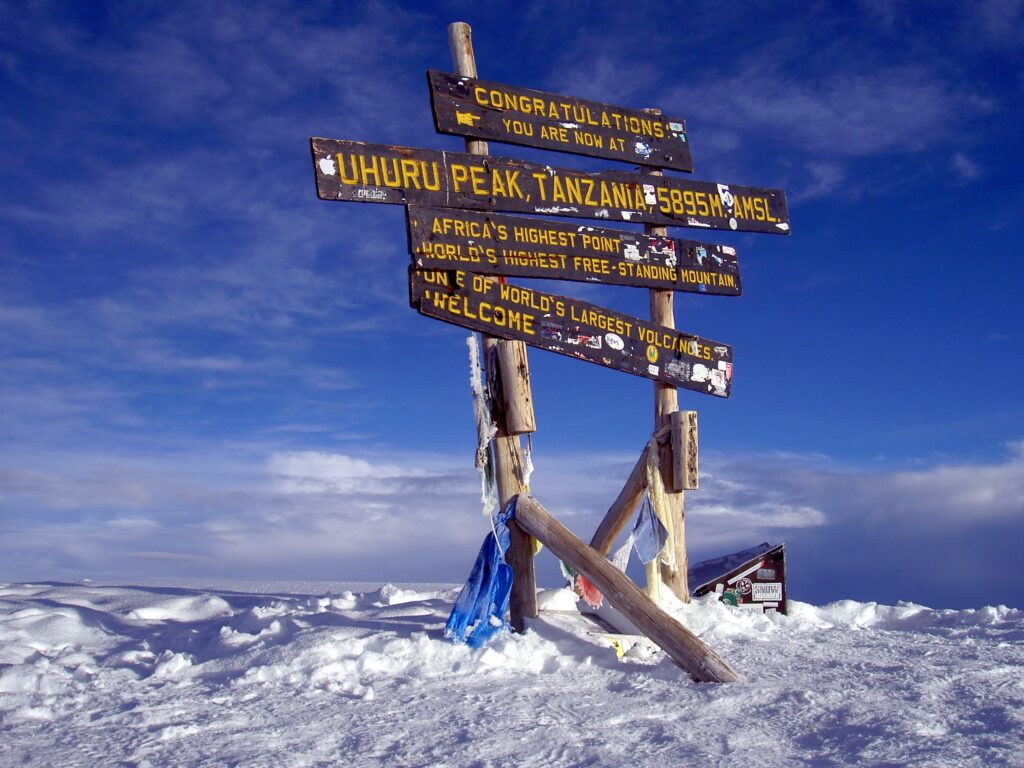
October is an excellent month for climbing Kilimanjaro, as it falls between the dry seasons, offering clear skies and less rainfall. Trekkers benefit from mild daytime temperatures and cooler nights, which are ideal for high-altitude trekking. Wildlife is less active, but the scenic landscapes, including lush forests and stunning alpine deserts, are at their peak of beauty. Fewer tourists compared to peak months like July and August ensure a more peaceful experience. Whether you are a beginner or an experienced climber, October provides favorable conditions for reaching Uhuru Peak, making it one of the best times to attempt Mount Kilimanjaro.
What Is the Weather Like on Kilimanjaro in October?
Kilimanjaro weather in October is generally dry, with occasional afternoon showers in lower rainforest areas. Daytime temperatures on the lower slopes average 18–25°C (64–77°F), while nighttime temperatures near the summit can drop below freezing. The thin air and high altitude make early morning treks chilly, so layering is essential. Visibility is usually excellent, giving trekkers breathtaking views of Kibo and Mawenzi peaks. October’s clear skies also reduce the risk of cloud cover blocking sunrise or sunset panoramas. These conditions make October ideal for photography, trekking, and acclimatization strategies that are crucial for summit success.
How Busy Is Kilimanjaro in October?
October sees moderate trekking traffic on Kilimanjaro, as it is outside the peak June–September season. The quieter trails offer a more private and relaxed climbing experience without the long queues at campsites. Many groups and guided tours prefer October for its favorable weather, but numbers are still lower than in peak months, giving you a sense of solitude. Less crowded routes allow climbers to enjoy wildlife spotting, scenic landscapes, and personal reflection without disturbances. Booking in advance is recommended for popular routes, but trekkers will find October more tranquil than July, August, or December, enhancing the overall Kilimanjaro adventure.
What Are the Best Kilimanjaro Routes in October?
October is ideal for climbing Kilimanjaro via routes like Machame, Lemosho, and Rongai, which provide excellent acclimatization opportunities and stunning scenery. Machame is popular for its scenic variety and higher summit success rate, while Lemosho offers a longer, gradual ascent that improves acclimatization. Rongai is quieter, approaching from the north with drier conditions and moderate slopes. Shira and Umbwe routes are also feasible but more challenging. Route choice depends on experience, fitness, and group preference. October’s dry weather ensures trails are less muddy, enhancing safety and comfort while trekking. All routes offer unforgettable views of glaciers, volcanic landscapes, and alpine deserts.
Do I Need Special Gear for Climbing Kilimanjaro in October?
Climbing Kilimanjaro in October requires essential trekking gear to manage variable temperatures and high-altitude conditions. Warm layers, waterproof jackets, thermal gloves, and hats are crucial for summit nights. Hiking boots with good grip, trekking poles, and gaiters improve comfort on rocky and icy terrain. Lightweight clothing works for lower slopes during warm daytime treks. Sunglasses, sunscreen, and hydration packs help prevent altitude-related fatigue and sun exposure. October’s generally dry conditions reduce the need for heavy rain gear, but a light waterproof jacket is recommended. Proper equipment ensures safety, comfort, and a higher chance of summit success.
How Hard Is Climbing Kilimanjaro in October?
Kilimanjaro in October is moderately challenging, as high-altitude trekking always tests endurance and acclimatization. The climb involves multi-day ascents through rainforest, moorland, alpine desert, and glacier zones. Daytime hikes are manageable, but nights near the summit are extremely cold. Trekkers must cope with altitude sickness risks, steep slopes, and long trekking hours. Physical fitness, proper acclimatization, and route selection significantly impact difficulty. October’s weather reduces some challenges, such as heavy rainfall or muddy trails, but climbers should still be prepared for cold nights and high winds near Uhuru Peak. Mental resilience is as vital as physical fitness.
What Are Summit Success Rates in October?
Summit success rates on Kilimanjaro in October are generally high due to moderate weather and reduced rainfall. Longer routes like Lemosho and Machame have success rates of 70–90%, while shorter or steeper routes may see slightly lower percentages. Factors influencing success include acclimatization, fitness level, altitude sickness management, and guided support. Trekking in smaller, less crowded groups allows more individualized attention, improving summit chances. October’s clear skies also enhance visibility and motivation. Choosing experienced guides, maintaining a steady pace, and proper hydration and nutrition are key. With preparation, October climbers can enjoy one of the most successful and rewarding months to reach Uhuru Peak.
How Much Does Climbing Kilimanjaro in October Cost?
Climbing Kilimanjaro in October typically ranges from $1,800 to $4,500 per person for 6–9 day packages, depending on the route, lodge vs. camping style, and inclusions. Costs cover park fees, guides, porters, accommodation, meals, and permits. Luxury or private guided climbs are higher, while group or budget treks are more affordable. October prices may be slightly lower than peak months like July or August due to moderate demand. Booking early ensures competitive rates and better guide availability. Investing in a reputable tour operator guarantees safety, equipment support, and higher summit success, making the cost worthwhile for a Kilimanjaro adventure.
Is October Better Than December or September?
October is often better than December or September for climbing Kilimanjaro due to its combination of favorable weather and lower crowds. September marks the end of the dry season but can have lingering cloud cover, while December begins the short rainy season with increased rainfall and muddy trails. October provides drier conditions, clearer skies, and moderate temperatures, enhancing trekking comfort and photography opportunities. Trails are less crowded than in peak months, improving the overall experience. For those seeking a balance of weather reliability, safety, and summit potential, October is arguably the most ideal month to attempt Kilimanjaro.
Any Safety Tips for Climbing Kilimanjaro in October?
Safety tips for climbing Kilimanjaro in October include proper acclimatization, pacing yourself, and staying hydrated to prevent altitude sickness. Always trek with certified guides and follow their instructions. Use quality gear for warmth, sun protection, and trekking stability. Avoid alcohol and smoking during the climb, and monitor your body for signs of altitude-related illness. Start early each day to benefit from clearer morning weather. October’s dry conditions reduce slips, but caution on rocky or icy terrain is essential. Travel insurance covering high-altitude trekking is recommended. These measures increase safety and summit success while enjoying the Mount Kilimanjaro experience.
Final Thoughts
Climbing Mount Kilimanjaro in October combines the thrill of adventure with the beauty of Africa’s landscapes in one of the best trekking months of the year. With lower crowds, dry weather, and spectacular scenery, October offers climbers an unforgettable journey. Proper planning, gear preparation, and choosing the right route and operator are key to maximizing your success and enjoyment. Whether it’s your first climb or a return expedition, October ensures a safe, scenic, and remarkable Kilimanjaro experience.