Climbing Kilimanjaro in February
Climbing Kilimanjaro in February
Discover the ultimate guide to Climbing Mount Kilimanjaro in February is one of the most rewarding experiences for trekkers seeking the best weather conditions and clear summit views. February falls within the short dry season in Tanzania, making it one of the best months for Kilimanjaro trekking, with warm daytime temperatures, stable weather, and minimal rainfall. This period is ideal for both beginner and experienced climbers aiming to reach Uhuru Peak, the highest point in Africa. The routes through Kilimanjaro National Park offer breathtaking scenery, from lush rainforest to alpine desert and icy summit zones. With high success rates and excellent visibility, February is a top choice for those planning a safe, scenic, and unforgettable Kilimanjaro climbing adventure in Tanzania.
Well-structured horizontal compressed table for Climbing Kilimanjaro in February:
| Climbing Kilimanjaro in February: Aspect Climbing | Kilimanjaro in February Summary |
|---|---|
| Climbing Kilimanjaro in February: Overview | February is one of the best months for climbing due to stable weather, clear skies, and excellent trekking conditions in Kilimanjaro National Park. |
| Climbing Kilimanjaro in February Weather | Warm, dry, and stable conditions with minimal rainfall and excellent visibility. |
| Climbing Kilimanjaro in February Temperature | 20–25°C at base, -10°C to -20°C at summit; strong vertical climate variation. |
| Climbing Kilimanjaro in February Crowd Level | Moderate crowds; quieter than peak months like July–August. |
| Climbing Kilimanjaro in February: Best Routes | Machame, Lemosho, and Rongai offer excellent February trekking conditions. |
| Climbing Kilimanjaro in February: Success Rate | High success rate due to dry trails and stable weather conditions. |
| Climbing Kilimanjaro in February: Difficulty | Challenging due to altitude, not weather; requires good endurance and pacing. |
| Climbing Kilimanjaro in February: Altitude Risk | Moderate risk of altitude sickness; acclimatization is essential. |
| Climbing Kilimanjaro in February: Packing Needs | Layered clothing, thermal gear, trekking boots, gloves, and sun protection. |
| Climbing Kilimanjaro in February Cost Range | Mid to high range depending on route, duration, and service level. |
| Climbing Kilimanjaro in February: Accommodation | campsite, huts in the mountain, and Hotels and lodges in Moshi and Arusha before and after the climb. |
| Climbing Kilimanjaro in February Wildlife & Nature | Lush rainforest wildlife at lower zones; dramatic ecological transitions. |
| Climbing Kilimanjaro in February Photography | Excellent visibility, sunrise summit shots, and clear landscape views. |
| Climbing Kilimanjaro in February: Cultural Experience | Chagga community visits, coffee tours, and local cultural interactions. |
Weather Conditions in February
February is considered one of the most favorable months for climbing Kilimanjaro due to its warm, dry, and stable weather conditions. Daytime temperatures are comfortable in the lower slopes, while summit areas remain cold but manageable with proper gear. Skies are often clear, offering excellent visibility of Mount Meru and the surrounding landscapes. Rainfall is minimal compared to other months, reducing trail slipperiness and improving trekking safety. The combination of sunshine and low humidity makes acclimatization easier for climbers. These ideal weather conditions significantly increase the success rate for reaching Uhuru Peak. For many trekkers, February is the perfect balance between good climate and fewer extreme weather challenges on the mountain.
Best Routes to Climb Kilimanjaro
In February, several routes offer excellent trekking conditions, with the most popular being Machame, Lemosho, and Rongai. The Machame Route is known for its scenic beauty and high success rate, while the Lemosho Route provides a longer, more gradual ascent for better acclimatization. The Rongai Route, approaching from the north, is drier and less crowded during this season. All routes pass through Kilimanjaro National Park and offer unique landscapes from rainforest to glaciers. February’s stable weather enhances all these routes, making them safer and more enjoyable. Choosing the right route depends on your fitness level, budget, and time available for your Kilimanjaro trekking adventure.
Temperature Changes on the Mountain
Temperature variations on Mount Kilimanjaro are dramatic in February. At the base, temperatures can reach 20–25°C, creating a warm tropical trekking environment. As climbers ascend, temperatures gradually drop, especially in the moorland and alpine desert zones. Near the summit, nighttime temperatures can fall below -10°C to -20°C. Proper layering is essential to adapt to these extreme changes. Despite the cold at higher elevations, February’s generally stable weather makes the climb more predictable compared to rainy seasons. Understanding temperature shifts helps climbers prepare mentally and physically for the journey from rainforest humidity to Arctic-like summit conditions.
Crowd Levels in February
February is considered a moderately busy month for Kilimanjaro climbing, but it is not as crowded as peak holiday seasons like July or August. This makes it an ideal time for trekkers who want a balance between good weather and a quieter trail experience. Popular routes such as Machame may still see some traffic, but less congestion improves the overall trekking experience. Campsites are more peaceful, allowing climbers to enjoy nature and acclimatization in a calmer environment. The reduced crowd levels also provide better attention from guides and porters, enhancing safety and comfort throughout the journey.
Success Rate in February Climbs
The success rate of reaching Uhuru Peak in February is relatively high compared to wetter months. Stable weather, dry trails, and good visibility contribute to better trekking conditions and improved acclimatization. Climbers who choose longer routes like Lemosho or Machame typically experience even higher success rates due to gradual altitude gain. Proper preparation, hydration, and pacing remain essential factors. February’s favorable climate reduces the risk of slippery paths and weather-related delays, increasing the likelihood of a successful summit. Many trekking operators recommend this month for first-time climbers aiming for a safe and rewarding Kilimanjaro experience.
Altitude Sickness Awareness
Altitude sickness is one of the main challenges when climbing Kilimanjaro, regardless of the month. In February, stable weather helps reduce additional stress on the body, but climbers must still be cautious. Symptoms may include headaches, nausea, and fatigue as elevation increases. Proper acclimatization is key, especially on longer routes. Guides typically follow “climb high, sleep low” strategies to help the body adjust gradually. Staying hydrated, eating well, and moving at a steady pace are essential for preventing altitude sickness. Awareness and preparation significantly improve safety and summit success during Kilimanjaro trekking adventures.
Packing Essentials for February
Packing correctly for a February Kilimanjaro climb is crucial due to varying temperatures. Essential items include thermal layers, waterproof jackets, insulated gloves, trekking boots, and a warm sleeping bag. Sunglasses, sunscreen, and lip balm are also necessary due to strong UV exposure at high altitude. A daypack, trekking poles, and a hydration system improve comfort and endurance. Since February is relatively dry, lighter rain protection is sufficient compared to rainy seasons. Proper gear ensures safety and comfort while trekking through Kilimanjaro National Park from rainforest to summit conditions.
Cost of Climbing Kilimanjaro in February
The cost of climbing Kilimanjaro in February varies depending on the route, number of days, and level of service. On average, prices range from budget to luxury packages, including permits, guides, porters, meals, and camping equipment. February does not significantly increase prices compared to other dry months, but demand can slightly influence availability. Longer routes like Lemosho may cost more due to extra days on the mountain. Choosing a reputable operator ensures safety, fair porter treatment, and higher success rates. Many travelers consider February a good value month due to excellent weather conditions and high summit success probability.
- Accommodation
- Meals
- Park fees
- Vehicle & guide
- Transfers
- International flights
- Visas
- Travel insurance
- Tips
- Premium drinks
Accommodation Before and After the Climb
Before and after climbing Kilimanjaro, most travelers stay in Arusha or Moshi, which offer a wide range of accommodations from budget lodges to luxury hotels. These towns serve as key gateways to Kilimanjaro National Park. February’s pleasant weather makes pre-climb preparation comfortable, allowing climbers to rest and organize gear efficiently. After the trek, many visitors enjoy recovery stays in safari lodges or cultural tours. Comfortable accommodation plays a vital role in ensuring climbers are well-rested before the ascent and fully relaxed after completing their Kilimanjaro adventure.
Fitness Preparation for February Climbs
Physical preparation is essential for a successful Kilimanjaro climb in February. Training should begin weeks or months in advance, focusing on cardio, hiking, strength, and endurance. Long-distance walking, stair climbing, and uphill trekking help simulate mountain conditions. Although February offers favorable weather, the altitude remains the biggest challenge. Proper fitness improves stamina and reduces fatigue during long trekking days. Mental preparation is equally important, as climbers must stay focused and patient during the gradual ascent. Good conditioning significantly increases the chances of reaching Uhuru Peak safely and comfortably.
Flora and Fauna Experience
Climbing Kilimanjaro in February offers incredible biodiversity, especially in the lower rainforest zones of Kilimanjaro National Park. Climbers may encounter colobus monkeys, blue monkeys, and various bird species. The lush vegetation is vibrant during this season due to recent rainfall, creating a rich ecological experience. As altitude increases, landscapes shift dramatically from dense forest to alpine desert. February’s clear weather enhances wildlife visibility and photography opportunities. This unique transition of ecosystems makes Kilimanjaro one of the most diverse trekking destinations in Africa.
Safety and Guide Importance
Safety is a top priority when climbing Kilimanjaro, especially in February when the weather is stable but the altitude remains challenging. Professional guides are essential for navigation, health monitoring, and emergency response. Licensed operators ensure proper acclimatization schedules and safe trekking speeds. Porters carry equipment, allowing climbers to conserve energy. Guides also monitor symptoms of altitude sickness and adjust the itinerary if needed. Climbing with an experienced team significantly increases safety and summit success rates. Choosing a reputable company is one of the most important decisions for a Kilimanjaro adventure.
Approach, feed or disturb wildlife, or leave the vehicle unless your guide says it is safe.
Follow your guide, carry travel insurance and check current health and travel advice.
Photography Opportunities
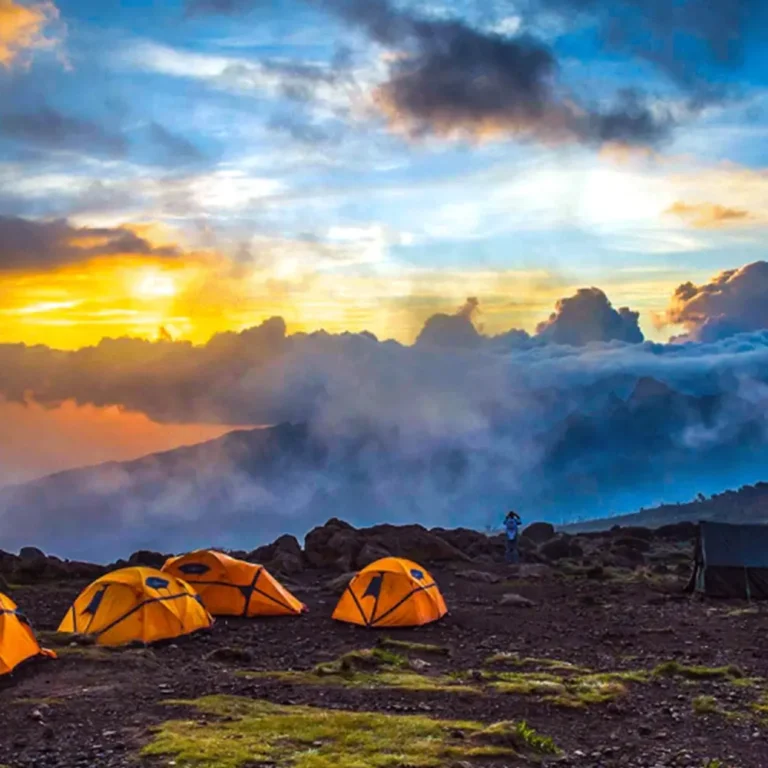
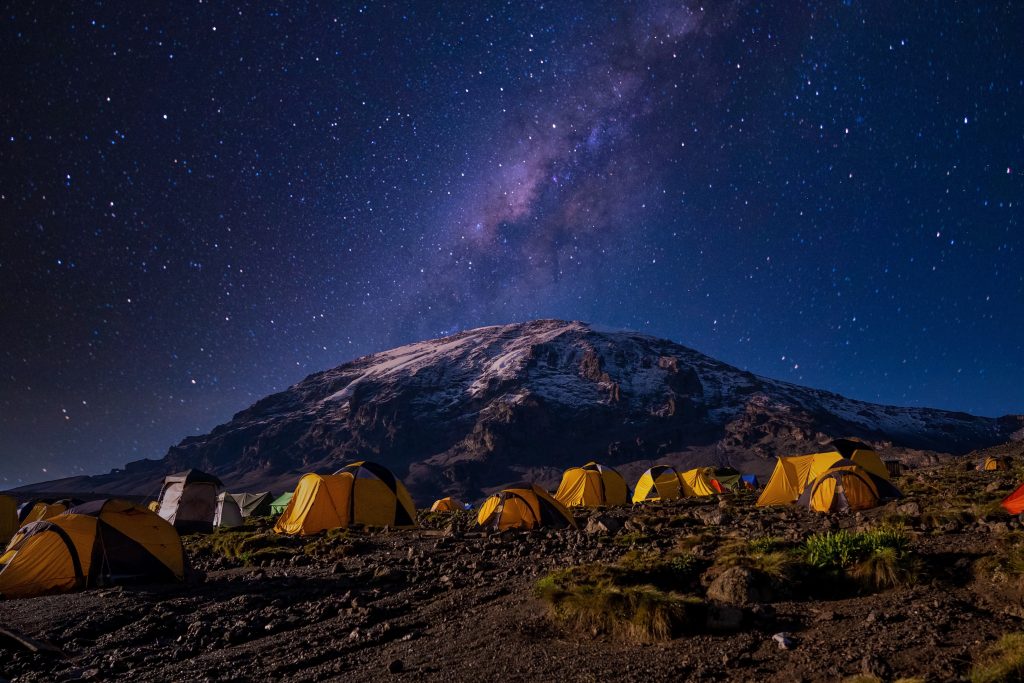
February is one of the best months for photography on Mount Kilimanjaro due to clear skies and excellent visibility. Sunrise views above the clouds, snow-covered peaks, and dramatic landscapes create unforgettable images. The contrast between tropical rainforest and icy summit zones provides diverse photography scenes. Climbers can capture wildlife, scenic valleys, and glacier formations throughout the trek in Kilimanjaro National Park. Proper camera protection is necessary due to cold temperatures and dust. This month offers ideal lighting conditions for both amateur and professional photographers.
Cultural Experience with Local Communities
Climbing Kilimanjaro in February also provides opportunities to engage with local Chagga communities living around the mountain. These communities offer cultural tours, coffee farm visits, and traditional experiences that enrich the journey. Visitors can learn about local farming practices, history, and mountain heritage. Cultural interaction adds depth to the trekking experience beyond the physical climb. Supporting local communities also contributes to sustainable tourism around Kilimanjaro National Park. February’s pleasant weather makes these cultural visits more enjoyable and accessible.
Final Thought
Climbing Kilimanjaro in February is one of the best choices for trekkers seeking ideal weather, high success rates, and stunning scenery. The combination of clear skies, stable temperatures, and manageable trail conditions makes this month highly recommended for both beginners and experienced climbers. From diverse ecosystems to cultural encounters, every step of the journey offers something unique. With proper preparation, good fitness, and the right route selection, reaching Uhuru Peak becomes a realistic and rewarding goal. February stands out as a golden opportunity to experience Africa’s highest mountain in its most favorable climbing conditions.
Climbing Kilimanjaro in February: FAQs
What should you know about well-structured horizontal compressed table for climbing Kilimanjaro in February?
Climbing Kilimanjaro in February: Aspect Climbing Kilimanjaro in February Summary Climbing Kilimanjaro in February: Overview February is one of the best months for climbing due to stable weather, clear skies, and excellent trekking conditions in Kilimanjaro National Park. Climbing Kilimanjaro in February Weather Warm, dry, and stable conditions with minimal rainfall and excellent visibility.
What is the weather conditions in February like?
February is considered one of the most favorable months for climbing Kilimanjaro due to its warm, dry, and stable weather conditions. Daytime temperatures are comfortable in the lower slopes, while summit areas remain cold but manageable with proper gear. Skies are often clear, offering excellent visibility of Mount Meru and the surrounding landscapes.
What are the best routes to climb Kilimanjaro?
In February, several routes offer excellent trekking conditions, with the most popular being Machame, Lemosho, and Rongai. The Machame Route is known for its scenic beauty and high success rate, while the Lemosho Route provides a longer, more gradual ascent for better acclimatization. The Rongai Route, approaching from the north, is drier and less crowded during this season.
What is the temperature changes on the mountain for climbing Kilimanjaro in February like?
Temperature variations on Mount Kilimanjaro are dramatic in February. At the base, temperatures can reach 20–25°C, creating a warm tropical trekking environment. As climbers ascend, temperatures gradually drop, especially in the moorland and alpine desert zones. Near the summit, nighttime temperatures can fall below -10°C to -20°C.
What can you expect from crowd levels in February?
February is considered a moderately busy month for Kilimanjaro climbing, but it is not as crowded as peak holiday seasons like July or August. This makes it an ideal time for trekkers who want a balance between good weather and a quieter trail experience. Popular routes such as Machame may still see some traffic, but less congestion improves the overall trekking experience.
What should you know about success rate in February Climbs?
The success rate of reaching Uhuru Peak in February is relatively high compared to wetter months. Stable weather, dry trails, and good visibility contribute to better trekking conditions and improved acclimatization. Climbers who choose longer routes like Lemosho or Machame typically experience even higher success rates due to gradual altitude gain.
What can you expect from altitude sickness Awareness for climbing Kilimanjaro in February?
Altitude sickness is one of the main challenges when climbing Kilimanjaro, regardless of the month. In February, stable weather helps reduce additional stress on the body, but climbers must still be cautious. Symptoms may include headaches, nausea, and fatigue as elevation increases. Proper acclimatization is key, especially on longer routes.
What should you know about Packing Essentials for February?
Packing correctly for a February Kilimanjaro climb is crucial due to varying temperatures. Essential items include thermal layers, waterproof jackets, insulated gloves, trekking boots, and a warm sleeping bag. Sunglasses, sunscreen, and lip balm are also necessary due to strong UV exposure at high altitude.
Climb Kilimanjaro With Confidence
Tell us your dates and fitness, and our experienced mountain team will plan a safe, well-acclimatized private climb.