Climbing Kilimanjaro for Charity
Climbing Kilimanjaro for Charity
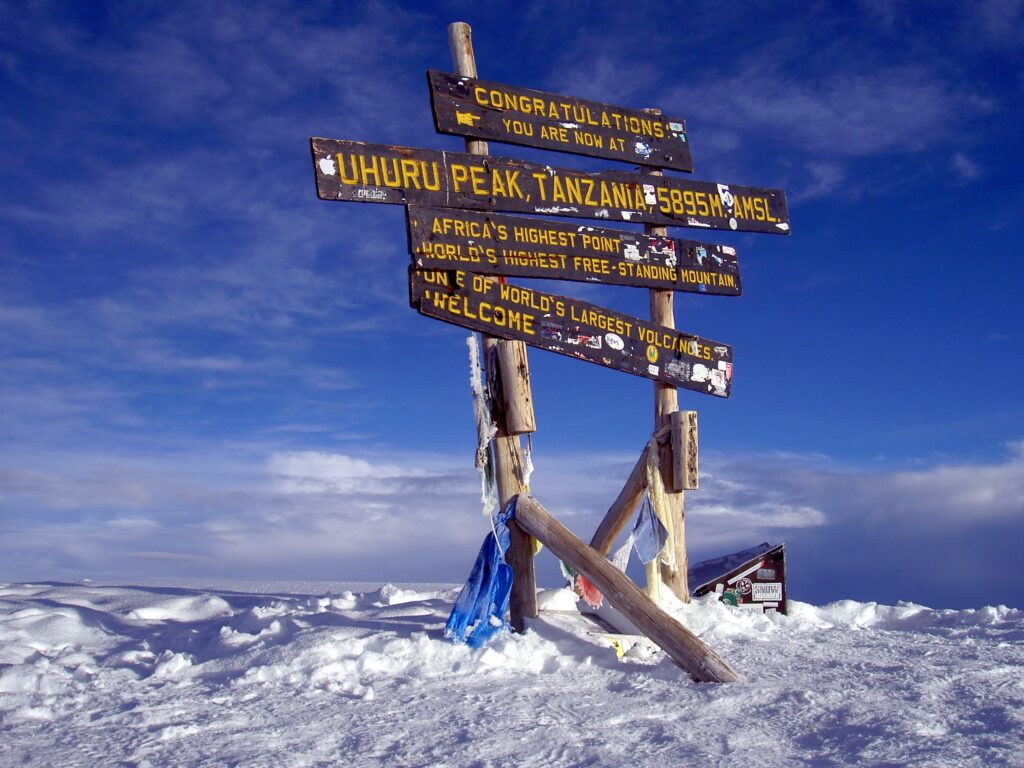
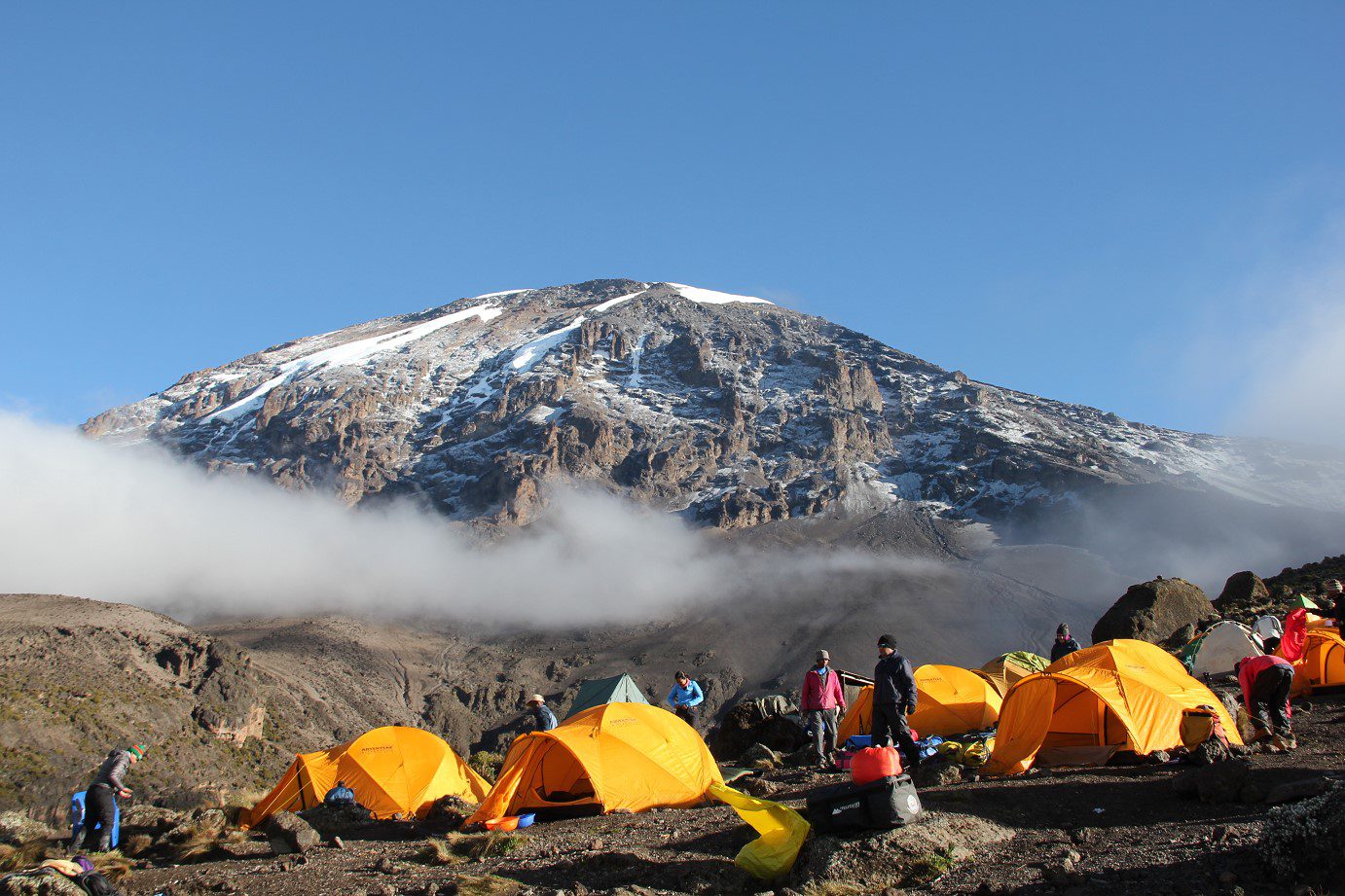
Climbing Kilimanjaro for Charity is one of the most powerful adventure tourism experiences in Africa, combining high-altitude trekking, fundraising expeditions, and meaningful social impact. Mount Kilimanjaro, the highest mountain in Africa at 5,895 meters, attracts thousands of climbers every year who aim to reach Uhuru Peak while supporting charitable causes. This unique Tanzania trekking experience blends adventure travel, charity fundraising, and global awareness campaigns for education, healthcare, clean water, and community development. Whether through the Machame Route, Lemosho Route, or Marangu Route, climbers transform a classic Kilimanjaro expedition into a life-changing mission. It is not only about reaching the summit but also about creating real impact in local communities. A Kilimanjaro charity climb inspires donors worldwide and connects tourism with sustainable development across Tanzania and beyond
Why Climb Kilimanjaro for Charity
Climbing Mount Kilimanjaro for charity has become a leading trend in adventure travel and fundraising tourism. Every year, individuals and organizations choose Kilimanjaro charity climbs to raise money for causes such as education, healthcare, clean water, and wildlife conservation. A fundraising trek to Africa allows participants to combine personal challenge with global impact. As climbers ascend toward Uhuru Peak, they inspire donors through storytelling, social media, and sponsorship campaigns. This makes Kilimanjaro one of the most effective platforms for charity expeditions. The journey transforms a physical challenge into a meaningful mission that supports long-term community development in Tanzania. By participating in a Kilimanjaro fundraising climb, travelers become part of a global movement that links adventure tourism with humanitarian goals and sustainable change for local communities
Best Kilimanjaro Routes for Charity Climbs
Choosing the right route is essential for a successful Kilimanjaro charity climb. The Machame Route is one of the most popular options due to its scenic views and high summit success rate, making it ideal for fundraising expeditions. The Lemosho Route offers a longer, less crowded journey with excellent acclimatization, increasing chances of reaching Uhuru Peak. The Marangu Route, known as the Coca-Cola Route, provides hut accommodation and a shorter ascent but lower success rates. Charity climbers often prefer longer routes because they provide better storytelling opportunities and stronger donor engagement. Each route offers unique landscapes, from lush rainforest to alpine desert. Selecting the right Kilimanjaro trekking route ensures a safe, successful, and impactful charity mission that maximizes fundraising potential while delivering an unforgettable Tanzania adventure experience
Fundraising Strategies for Kilimanjaro Charity Climbs
Successful Kilimanjaro charity climbs rely heavily on strong fundraising strategies. Climbers often start by creating online donation pages using platforms like JustGiving or GoFundMe to collect global support. Social media campaigns play a major role in sharing training progress, route selection, and personal stories. Corporate sponsorships also help increase fundraising targets for charity expeditions. Many climbers engage schools, communities, and workplaces to build awareness and encourage donations. Visual storytelling from Tanzania trekking adventures helps donors connect emotionally with the cause. Setting clear fundraising goals and timelines improves results significantly. A Kilimanjaro fundraising climb becomes more effective when combined with consistent updates and motivational content. This approach transforms the expedition into a global campaign that raises awareness and funds for meaningful projects in Tanzania and beyond
Training for a Charity Kilimanjaro Expedition
Proper training is essential for a successful Kilimanjaro charity climb. Climbers should begin preparation months in advance with cardiovascular exercises such as hiking, running, and cycling. Strength training helps build endurance for long trekking days on Mount Kilimanjaro. Since altitude is a major challenge, acclimatization training is highly recommended. Many participants practice hiking with weighted backpacks to simulate real conditions. Mental preparation is equally important, especially for fundraising climbers who must balance physical challenge with donor engagement. Training hikes on local hills improve stamina and confidence before the Tanzania expedition. A well-prepared climber increases summit success rates and enhances the overall charity experience. Effective training ensures that the Kilimanjaro trekking journey becomes not only achievable but also impactful for global fundraising campaigns supporting communities in need
Best Time to Climb Kilimanjaro for Charity
The best time for a Kilimanjaro charity climb is during the dry seasons, from January to March and June to October. These months offer clear skies, stable weather, and better trekking conditions, which improve summit success rates. Charity climbers often choose peak seasons to maximize visibility for fundraising campaigns and social media engagement. Dry weather also enhances safety and comfort during long hiking days on Mount Kilimanjaro. However, off-peak months can provide fewer crowds and a more personal experience for fundraising expeditions. Weather conditions directly affect route performance, especially on higher altitudes near Uhuru Peak. Planning the climb during optimal seasons ensures better storytelling, stronger donor engagement, and improved chances of success. A well-timed Kilimanjaro trekking expedition significantly increases the impact of charity fundraising efforts across Tanzania and global supporter networks
Benefits of a Kilimanjaro Charity Climb
A Kilimanjaro charity climb offers both personal and social benefits. On a personal level, climbers experience physical challenge, emotional growth, and a sense of achievement by reaching Uhuru Peak. On a social level, the expedition raises funds for education, healthcare, and community development projects in Tanzania. Charity climbs also promote global awareness about local challenges and sustainable tourism. Participants build leadership skills, resilience, and teamwork throughout the trekking journey. Fundraising campaigns connected to Kilimanjaro expeditions often reach international audiences, increasing impact significantly. The combination of adventure tourism and humanitarian purpose makes this experience unique. A Kilimanjaro trekking challenge transforms lives both on the mountain and in the communities supported by donations, creating lasting value beyond the summit experience
Costs of a Kilimanjaro Charity Expedition
The cost of a Kilimanjaro charity climb varies depending on route, duration, and support level. On average, expeditions range from mid-budget to premium packages that include guides, porters, park fees, and accommodation. Longer routes, such as Lemosho, are generally more expensive but offer higher success rates. Charity climbers often use fundraising to cover personal costs while directing donations toward chosen causes. Group climbs can reduce expenses through shared logistics. Costs also include equipment, travel insurance, and international flights to Tanzania. Understanding the full budget helps climbers plan effective fundraising targets. Many organizations structure Kilimanjaro fundraising climbs so that a portion of the fees supports local communities. This ensures that every expedition contributes directly to both the climber’s experience and Tanzania’s sustainable development goals.
- Accommodation
- Meals
- Park fees
- Vehicle & guide
- Transfers
- International flights
- Visas
- Travel insurance
- Tips
- Premium drinks
Health and Safety on Kilimanjaro Charity Climbs
Health and safety are critical for a successful Kilimanjaro charity climb. Altitude sickness is the main risk, making gradual ascent and proper acclimatization essential. Professional guides monitor climbers daily to ensure safety throughout the trekking journey. Staying hydrated, eating properly, and pacing oneself are key to reaching Uhuru Peak safely. Charity expeditions often include medical checks before and during the climb. Emergency evacuation plans are also in place for all major routes. Proper gear, such as insulated clothing, hiking boots, and oxygen support, improves safety in extreme conditions. Safety protocols make Kilimanjaro one of the most well-managed trekking mountains in Africa. A safe climb ensures that fundraising goals are achieved without compromising health, making the expedition both successful and responsible for all participants.
Approach, feed or disturb wildlife, or leave the vehicle unless your guide says it is safe.
Follow your guide, carry travel insurance and check current health and travel advice.
Role of Guides and Porters in Charity Climbs
Guides and porters play a vital role in every Kilimanjaro charity climb. Professional guides lead trekking groups safely through different climate zones, ensuring proper acclimatization and route navigation. Porters carry equipment, food, and camping supplies, allowing climbers to focus on the journey and fundraising mission. Their support is essential for reaching Uhuru Peak successfully. Most guides are trained in first aid and mountain safety, providing reassurance throughout the expedition. Charity climbers often highlight the contribution of porters in fundraising campaigns to raise awareness about fair employment practices. Supporting local staff also strengthens the social impact of Kilimanjaro trekking tourism. Without these teams, successful fundraising expeditions would not be possible, making them an integral part of the overall charity climbing experience in Tanzania.
Equipment Needed for Kilimanjaro Charity Trek
Proper equipment is essential for a successful Kilimanjaro charity climb. Climbers need layered clothing to adapt to changing weather conditions from the rainforest to the icy summit zones. Essential gear includes waterproof jackets, thermal wear, trekking boots, gloves, and sleeping bags. A sturdy backpack is required for daily trekking needs. Charity climbers also use hydration systems to maintain energy during long ascents. Headlamps, trekking poles, and sunscreen are important for safety and comfort. High-quality gear improves performance and reduces risks during the expedition. Many fundraising climbers rent equipment in Tanzania to reduce travel costs. Proper preparation ensures a smoother trek and a higher chance of reaching Uhuru Peak. Well-planned gear selection enhances both comfort and success in Kilimanjaro charity expeditions, supporting overall fundraising goals effectively.
Challenges of Kilimanjaro Charity Climbs
Climbing Kilimanjaro for charity comes with several challenges, including altitude sickness, physical exhaustion, and unpredictable weather. As climbers ascend higher, oxygen levels decrease, making trekking more difficult. Long daily hiking hours require strong endurance and mental resilience. Weather conditions can change rapidly, especially near the summit, adding complexity to the journey. Charity climbers must also balance physical effort with fundraising responsibilities, such as updating donors and managing campaigns. Despite these challenges, proper preparation and guidance significantly increase success rates. The difficulties faced during the climb often become powerful storytelling tools for fundraising. Overcoming these challenges makes the achievement of reaching Uhuru Peak even more meaningful, strengthening the impact of Kilimanjaro charity expeditions on both personal growth and community development goals.
Impact of Kilimanjaro Charity Fundraising
Kilimanjaro charity climbs create significant global and local impact. Fundraising expeditions support education programs, healthcare initiatives, clean water projects, and environmental conservation in Tanzania. Many communities benefit directly from donations raised during trekking campaigns. International awareness is also increased as climbers share their journey with global audiences. Social media plays a key role in amplifying impact and engaging donors worldwide. Charity climbs also promote responsible tourism, ensuring that local communities benefit from adventure tourism activities. The combination of storytelling and physical achievement makes fundraising highly effective. Every successful Kilimanjaro expedition contributes to long-term development projects that improve lives. This powerful connection between adventure and charity transforms the mountain experience into a meaningful global movement for positive change.
Preparing Mentally for a Charity Climb
Mental preparation is just as important as physical training for a Kilimanjaro charity climb. Climbers must prepare for long days of trekking, changing weather, and altitude challenges. Maintaining motivation is essential, especially when fundraising goals are involved. Many climbers use visualization techniques to stay focused on reaching Uhuru Peak. A positive mindset and determination help overcome fatigue during the expedition. Charity climbers also stay motivated by remembering the causes they are supporting. Emotional resilience plays a key role in completing the journey successfully. Group support and guidance further strengthen mental endurance. A strong mindset ensures that climbers not only reach the summit but also succeed in their fundraising mission, making the Kilimanjaro experience both transformative and impactful for global charitable causes.
Future of Kilimanjaro Charity Expeditions
The future of Kilimanjaro charity climbs is expected to grow as more people combine travel with purpose-driven experiences. Adventure tourism is increasingly linked with social impact, making Kilimanjaro a leading destination for fundraising expeditions. Digital platforms are making it easier for climbers to raise global donations and share real-time updates. Sustainable tourism practices are also improving the environmental and social benefits of trekking. More organizations are integrating charity goals into Kilimanjaro climbing packages. As awareness increases, the number of fundraising climbers is expected to rise significantly. This evolution strengthens Tanzania’s position as a global hub for responsible adventure tourism. Kilimanjaro charity climbs will continue to inspire meaningful change, connecting global travelers with local communities through powerful and transformative mountain experiences.
Final thought.....
Climbing Kilimanjaro for charity is more than a trekking adventure; it is a life-changing journey that connects personal challenge with global humanitarian impact. Each step toward Uhuru Peak represents dedication not only to reaching the summit of Africa’s highest mountain but also to improving lives through meaningful fundraising. From education and healthcare to clean water and community development, every Kilimanjaro charity climb contributes to real change in Tanzania. The combination of adventure tourism, emotional storytelling, and global donor engagement makes this experience one of the most powerful forms of responsible travel. Ultimately, Kilimanjaro charity expeditions prove that when ambition meets compassion, mountains become platforms for transformation, hope, and lasting impact for communities across Africa and the world
Climbing Kilimanjaro for Charity: FAQs
Why Climb Kilimanjaro for Charity?
Climbing Mount Kilimanjaro for charity has become a leading trend in adventure travel and fundraising tourism. Every year, individuals and organizations choose Kilimanjaro charity climbs to raise money for causes such as education, healthcare, clean water, and wildlife conservation. A fundraising trek to Africa allows participants to combine personal challenge with global impact.
What are the best Kilimanjaro routes for charity climbs?
Choosing the right route is essential for a successful Kilimanjaro charity climb. The Machame Route is one of the most popular options due to its scenic views and high summit success rate, making it ideal for fundraising expeditions. The Lemosho Route offers a longer, less crowded journey with excellent acclimatization, increasing chances of reaching Uhuru Peak.
What should you know about fundraising strategies for Kilimanjaro charity climbs?
Successful Kilimanjaro charity climbs rely heavily on strong fundraising strategies. Climbers often start by creating online donation pages using platforms like JustGiving or GoFundMe to collect global support. Social media campaigns play a major role in sharing training progress, route selection, and personal stories. Corporate sponsorships also help increase fundraising targets for charity expeditions.
What should you know about training for a charity Kilimanjaro expedition?
Proper training is essential for a successful Kilimanjaro charity climb. Climbers should begin preparation months in advance with cardiovascular exercises such as hiking, running, and cycling. Strength training helps build endurance for long trekking days on Mount Kilimanjaro. Since altitude is a major challenge, acclimatization training is highly recommended.
What are the best time to climb Kilimanjaro for charity?
The best time for a Kilimanjaro charity climb is during the dry seasons, from January to March and June to October. These months offer clear skies, stable weather, and better trekking conditions, which improve summit success rates. Charity climbers often choose peak seasons to maximize visibility for fundraising campaigns and social media engagement.
What are the benefits of a Kilimanjaro charity climb?
A Kilimanjaro charity climb offers both personal and social benefits. On a personal level, climbers experience physical challenge, emotional growth, and a sense of achievement by reaching Uhuru Peak. On a social level, the expedition raises funds for education, healthcare, and community development projects in Tanzania.
How much should you budget for costs of a Kilimanjaro charity expedition?
The cost of a Kilimanjaro charity climb varies depending on route, duration, and support level. On average, expeditions range from mid-budget to premium packages that include guides, porters, park fees, and accommodation. Longer routes, such as Lemosho, are generally more expensive but offer higher success rates.
What should you know about health and safety on Kilimanjaro charity climbs?
Health and safety are critical for a successful Kilimanjaro charity climb. Altitude sickness is the main risk, making gradual ascent and proper acclimatization essential. Professional guides monitor climbers daily to ensure safety throughout the trekking journey. Staying hydrated, eating properly, and pacing oneself are key to reaching Uhuru Peak safely.
Climb Kilimanjaro With Confidence
Tell us your dates and fitness, and our experienced mountain team will plan a safe, well-acclimatized private climb.