
African Safari FAQs
African Safari FAQs
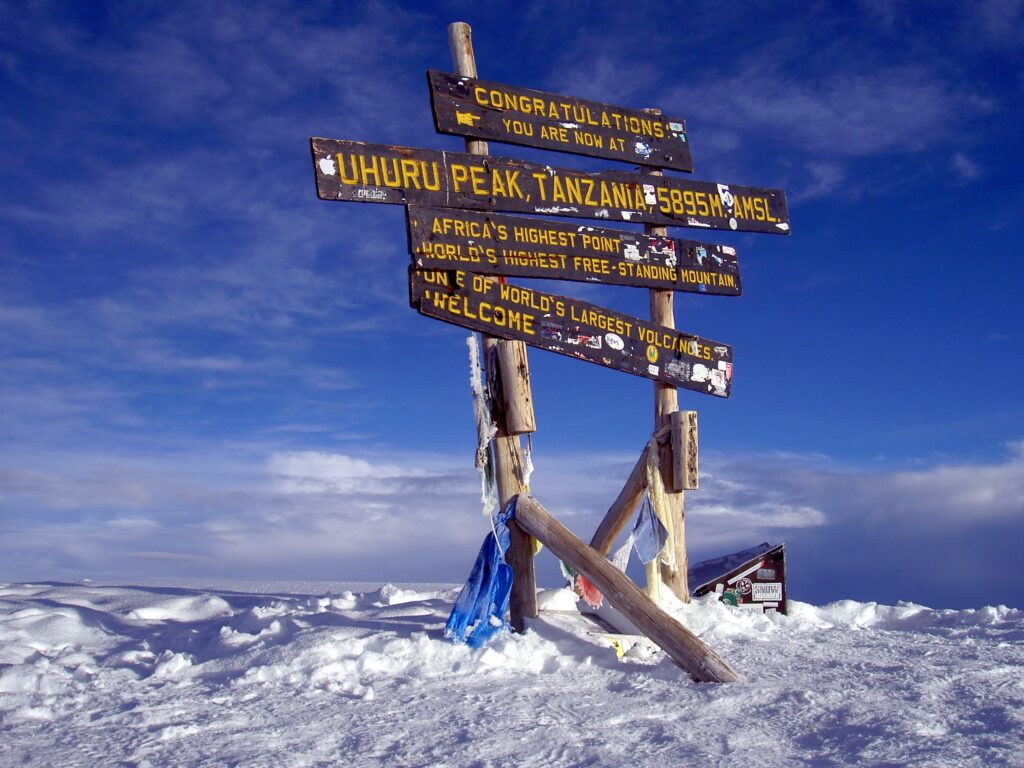
An African safari is one of the world’s most unforgettable travel experiences, combining breathtaking wildlife encounters, luxury safari lodges, cultural tours, and stunning natural landscapes. From the endless plains of the Serengeti National Park to the dramatic beauty of the Ngorongoro Crater and the wild ecosystems of, African safari tours offer extraordinary adventures for couples, families, photographers, and solo travelers. Travelers can enjoy African Big Five safaris, luxury African tented camps, African budget camping safaris, African fly-in safaris, and cultural experiences with local communities. Whether you dream of witnessing the Great Migration, climbing Mount Kilimanjaro, or exploring African national parks, this African Safari FAQ guide answers the most common questions while helping travelers plan the ultimate African safari holiday with confidence, safety, comfort, and unforgettable memories.
What is an African Safari?
An African safari is a wildlife-focused adventure holiday that allows travelers to explore Africa’s famous national parks, game reserves, and conservation areas while observing animals in their natural habitat. Traditional African safaris include guided game drives, walking safaris, cultural visits, luxury safari lodges, and photography experiences. Popular safari destinations include Serengeti National Park, Lake Manyara National Reserve, Arusha National Park, and Tarangire National Park. Travelers often seek opportunities to see the Big Five animals: lions, elephants, leopards, rhinos, and buffalo. African safari vacations range from affordable camping adventures to ultra-luxury fly-in safaris with private guides. Safaris also provide cultural experiences, birdwatching, hot-air balloon rides, and breathtaking landscapes. Whether visiting East Africa, an African safari delivers unforgettable wildlife encounters, scenic beauty, adventure travel, and authentic African hospitality for travelers worldwide.
Where Can I Go on an African Safari?
Africa offers countless safari destinations, each featuring unique wildlife, landscapes, and safari styles. Tanzania is famous for the Serengeti National Park, Ngorongoro Crater, and Tarangire National Park, known for Big Five safaris, and the Great Migration attracts visitors to the legendary features family-friendly safaris in Kruger National Park. African, including Safari travelers, can also explore Namibia’s deserts, Zambia’s walking safaris, and Zimbabwe’s Victoria Falls experiences. Choosing the right African safari destination depends on wildlife interests, travel budget, safari style, season, accommodation preferences, and desired activities during your African safari holiday.
When is the Best Time to Go on Safari in Africa?
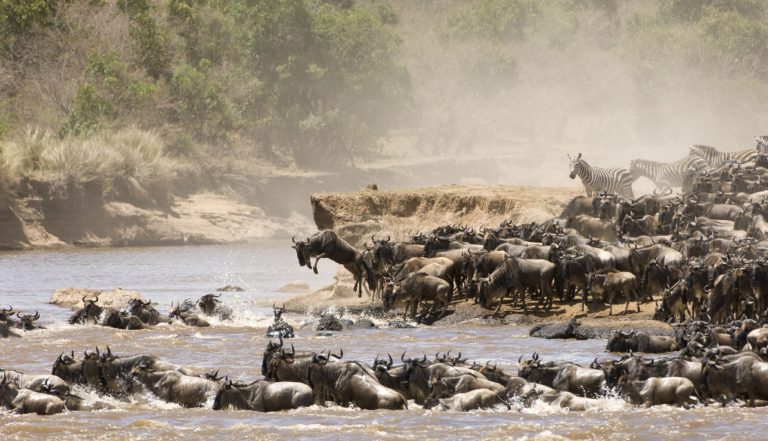
The best time for an African safari depends on the destination, weather, wildlife movement, and safari activities. In East Africa, the dry season from June to October is considered ideal for wildlife viewing because animals gather near rivers and waterholes. The Great Migration in Serengeti National Park and Maasai Mara National Reserve attracts thousands of safari travelers during this period are excellent during cooler dry months. Green seasons offer fewer crowds, lush landscapes, birdwatching opportunities, and lower safari prices. Gorilla trekking in Uganda and Rwanda is possible year-round. Choosing the best safari season depends on wildlife interests, photography goals, weather preferences, and whether travelers seek luxury safari experiences, budget safaris, or family-friendly adventures across Africa’s famous safari destinations.
What Animals Can I See on an African Safari?
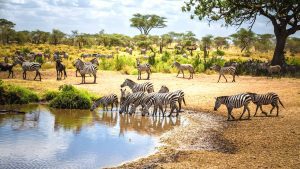
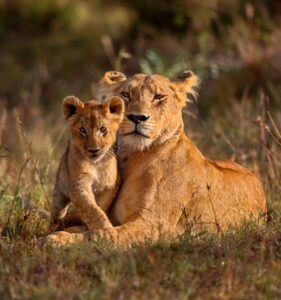
African safaris offer extraordinary opportunities to see diverse wildlife species across savannahs, forests, wetlands, and deserts. Most safari travelers hope to spot the famous Big Five animals: lions, elephants, leopards, rhinos, and buffalo. Popular African safari destinations like Serengeti National Park and Tarangire National Park also feature cheetahs, giraffes, zebras, wildebeests, hyenas, hippos, crocodiles, and antelopes. Birdwatchers can enjoy thousands of colorful bird species in wetlands and national parks throughout Africa, and have close encounters with mountain gorillas. Seasonal events like the Great Migration showcase millions of wildebeests and zebras crossing rivers dramatically. Marine safaris in coastal regions may include dolphins and whales. African safari wildlife experiences vary by destination, season, habitat, and conservation area, making every safari adventure unique, exciting, educational, and unforgettable for travelers worldwide.
How Long Should I Spend on an African Safari?
The ideal length of an African safari depends on your travel budget, destination, interests, and overall travel goals. Most safari experts recommend spending at least five to seven days on safari to fully experience wildlife viewing, cultural activities, and multiple national parks. Short three-day safaris are popular for travelers with limited time, while longer luxury African safaris lasting ten to fourteen days allow deeper exploration of iconic destinations like Serengeti National Park, Ngorongoro Crater, and Tarangire. Combining safari adventures with beach holidays in Zanzibar or Kilimanjaro trekking creates a well-rounded African travel experience. Travelers should also consider travel distances, game drive schedules, and seasonal wildlife events. Longer safaris provide better wildlife encounters, photography opportunities, relaxation, and immersive cultural experiences while reducing travel fatigue between African safari destinations.
What Should I Pack for an African Safari?
Packing correctly for an African safari improves comfort, safety, and overall travel enjoyment. Essential safari packing items include lightweight neutral-colored clothing, comfortable walking shoes, sunglasses, sunscreen, insect repellent, a hat, and reusable water bottles. Safari travelers should also pack binoculars, cameras, memory cards, and portable chargers for wildlife photography and game viewing. Layered clothing is important because African safari temperatures can vary between cool mornings and hot afternoons. Waterproof jackets are useful during green seasons or unexpected rain showers. Travelers visiting malaria-risk areas should carry prescribed medication and basic first-aid supplies. Luxury safari lodges often provide laundry services, reducing luggage needs. For gorilla trekking safaris in Uganda or mountain adventures near Mount Kilimanjaro, additional hiking gear may be necessary. Smart safari packing ensures travelers stay comfortable, prepared, organized, and ready for unforgettable African wildlife adventures and cultural experiences.
Is it Safe to Go on Safari in Africa?
African safaris are generally very safe when travelers book with reputable safari operators and follow the professional guide's instructions. Experienced African safari guides understand wildlife behavior, park regulations, and safety procedures, ensuring guests enjoy secure wildlife encounters during game drives, walking safaris, and lodge stays. Most African safari lodges and camps maintain strong security standards and communicate clear guidelines about interacting with animals. Travelers should avoid wandering alone at night, respect wildlife distances, and listen carefully during safari briefings. Health precautions include travel insurance, vaccinations, bottled water, and malaria prevention where necessary. Popular African safari destinations like Tanzania welcome thousands of international safari visitors safely every year. Choosing trusted African safari tour companies, following local advice, and preparing properly helps travelers enjoy safe, memorable, exciting, and stress-free safari holidays across Africa’s breathtaking wilderness areas.
What Accommodation Options are Available on an African Safari?
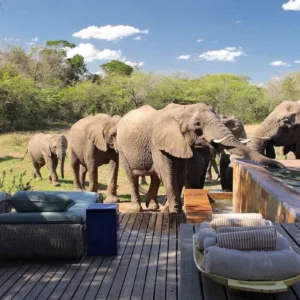
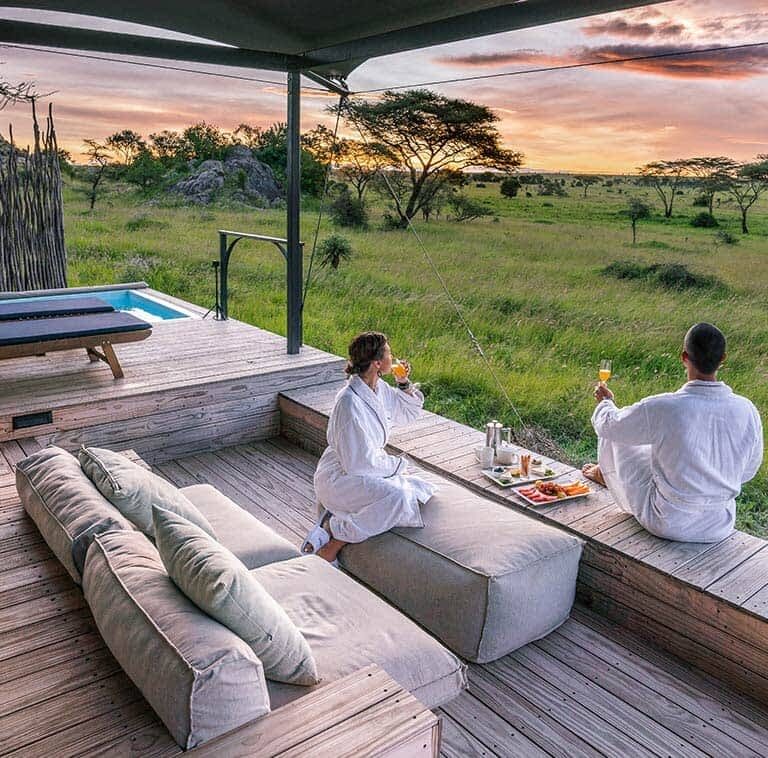
African safari accommodations range from budget camping sites to world-class luxury safari lodges and private tented camps. Budget travelers often choose public campsites or affordable safari lodges offering comfortable facilities and guided game drives. Mid-range safari accommodations provide private rooms, en-suite bathrooms, dining areas, and scenic wildlife surroundings. Luxury African safari lodges feature premium amenities, infinity pools, gourmet cuisine, spa treatments, and personalized safari services. Tented safari camps combine comfort with authentic wilderness experiences, allowing guests to hear wildlife sounds at night. Exclusive fly-in safaris in destinations like Tarangire or Serengeti National Park offer private villas and luxury suites. Eco-lodges focus on sustainable tourism and conservation practices. Accommodation choices depend on safari budget, travel style, destination, desired comfort level, and preferred safari experiences, ensuring every traveler finds suitable lodging during their unforgettable African safari adventure.
How Do I Choose the Right African Safari Operator?
Choosing the right African safari operator is essential for a safe, memorable, and high-quality safari experience. Travelers should research licensed safari companies with excellent reviews, experienced guides, transparent pricing, and strong safety standards. Reputable safari operators offer customized itineraries, knowledgeable wildlife experts, reliable vehicles, and quality accommodations. Travelers should compare safari packages carefully, checking inclusions such as park fees, meals, flights, transfers, and activities. Operators specializing in destinations like Serengeti National Park, Maasai Mara National Reserve, or gorilla trekking safaris often provide deeper regional expertise. Sustainable tourism practices and support for local communities are also important factors when selecting safari companies. Travelers should ask about group sizes, guide qualifications, emergency procedures, and cancellation policies before booking. The best African safari tour operators combine excellent customer service, authentic wildlife experiences, local knowledge, and personalized travel planning for unforgettable safari holidays.
What Activities Can I Do on an African Safari Besides Game Drives?
African safaris offer many exciting activities beyond traditional game drives, allowing travelers to experience Africa’s wildlife, culture, and landscapes in diverse ways. Walking safaris provide close encounters with nature alongside professional guides, while hot-air balloon safaris over Serengeti National Park deliver breathtaking sunrise views and wildlife photography opportunities. Cultural tours introduce travelers to local communities such as the Maasai people in Kenya and Tanzania. Birdwatching safaris attract nature enthusiasts to wetlands and forests filled with colorful species. Travelers can also enjoy canoe safaris, horseback safaris, mountain hiking, chimpanzee trekking, gorilla trekking, night game drives, and fishing excursions. African Luxury safari lodges often provide spa treatments, bush dinners, and photography workshops. Combining safari adventures with beach holidays in Zanzibar creates a complete African travel experience filled with relaxation, adventure, wildlife encounters, and unforgettable cultural discoveries.
How Do I Plan an African Budget-Friendly Safari?
Planning a budget-friendly African safari is possible with smart travel decisions, flexible timing, and careful destination selection. Travelers can reduce safari costs by choosing African camping safaris, private tours, or affordable mid-range African safari lodges instead of luxury safari camps. Visiting during low or green seasons often provides lower accommodation prices and discounted Tanzania safari packages. Destinations like Tanzania offer both budget and luxury safari options suitable for different travelers. Overland African safari game drives also help minimize transportation expenses. Booking with local African safari operators may provide better value and authentic experiences compared to international agencies. Travelers should compare safari itineraries carefully, checking inclusions such as park fees, meals, transfers, and accommodation. Budget safari travelers can still enjoy excellent wildlife viewing, cultural encounters, and unforgettable adventures while exploring Africa’s famous national parks and breathtaking safari destinations.
What Should I Expect from African Safari Accommodations?
African safari accommodations combine comfort, hospitality, and immersive wilderness experiences across various travel styles and budgets. Travelers can expect warm African hospitality, delicious local and international cuisine, scenic views, and close access to wildlife areas. Budget safari camps usually provide simple yet comfortable facilities, while mid-range lodges include private bathrooms, dining areas, and swimming pools. African Luxury safari lodges in destinations like Serengeti National Park and Tarangire feature elegant suites, fine dining, private decks, and personalized services. Many African safari camps offer early morning wake-up calls, packed breakfasts, evening campfires, and guided wildlife activities. Eco-friendly African safari lodges often operate sustainably using solar energy and conservation practices. Guests may hear lions roaring or elephants walking nearby at night, creating an authentic safari atmosphere. African safari accommodations focus on comfort, adventure, safety, nature connection, and unforgettable wildlife experiences for international travelers.
How Do I Prepare for African Safari Wildlife Encounters?
Preparing for African safari wildlife encounters involves understanding safari safety rules, respecting animals, and listening carefully to professional guides. Travelers should remain calm and quiet during game drives, avoid sudden movements, and never attempt to feed or approach wild animals. Carrying binoculars and cameras enhances wildlife viewing experiences without disturbing animals. Guides are trained to interpret animal behavior and position safari vehicles safely for photography and observation. Wearing neutral-colored clothing helps travelers blend naturally into the environment during walking safaris and wildlife activities. Visitors should also understand that wildlife sightings are unpredictable because animals move freely across national parks and reserves. Destinations like Serengeti National Park and Tarangire National Park provide extraordinary opportunities to witness natural animal behavior. Patience, respect for nature, and proper preparation help travelers enjoy safe, exciting, educational, and unforgettable African wildlife encounters throughout their safari adventures.
What Should I Know About Conservation Efforts in African Safari Destinations?
Conservation plays a critical role in protecting Africa’s wildlife, ecosystems, and local communities. Many African safari destinations actively support anti-poaching programs, habitat protection, wildlife research, and sustainable tourism initiatives. National parks such as Serengeti National Park, Tarangire, Ngorongoro Crater, and Lake Manyara National Park depend on tourism revenue to fund conservation efforts and protect endangered species like rhinos, elephants, and cheetahs. Eco-friendly African safari lodges often use renewable energy, reduce plastic waste, and support community education projects. Travelers can contribute positively by choosing responsible safari operators committed to ethical wildlife practices and local development. Conservation-focused safaris also educate visitors about biodiversity, climate change, and human-wildlife coexistence. Supporting sustainable African tourism helps preserve natural habitats for future generations while creating employment opportunities for local communities living near protected wildlife areas across Africa’s most famous safari destinations.
Can I Customize My African Safari Experience?
Yes, African safari experiences can be fully customized to match individual travel preferences, budgets, interests, and schedules. Many Tanzania safari operators design tailor-made itineraries featuring specific national parks, wildlife interests, luxury accommodations, family activities, honeymoon experiences, or photography-focused adventures. Travelers can combine Big Five safaris in Serengeti National Park with beach holidays in Zanzibar, or cultural tours in Kenya. Private African safaris allow flexible schedules, exclusive vehicles, and personalized guide services for families, photographers, and couples seeking unique safari experiences. Travelers may also customize accommodation styles, transportation options, safari activities, and travel durations. Whether seeking luxury fly-in safaris, affordable camping adventures, or wildlife photography expeditions, customized African safari tours provide flexibility, comfort, personalized service, and unforgettable travel experiences tailored to each traveler’s dreams and expectations.
How Do I Capture Memorable African Photos on Safari?
Capturing memorable African safari photos requires patience, preparation, and understanding of wildlife behavior and lighting conditions. Early morning and late afternoon game drives provide the best natural lighting for wildlife photography. Travelers should carry quality cameras, zoom lenses, spare batteries, memory cards, and binoculars for excellent safari photography opportunities. Professional safari guides often position vehicles strategically for clear animal sightings and dramatic landscape shots. Top African safari destinations like Serengeti National Park and Tarangire National Park offer extraordinary opportunities to photograph lions, elephants, cheetahs, sunsets, and the Great Migration. Travelers should remain patient and avoid disturbing wildlife while taking photos. Capturing local cultures, safari lodges, and scenic landscapes adds variety to safari albums. Practicing camera settings beforehand and using steady support improves image quality, helping travelers preserve unforgettable African safari memories through stunning wildlife and travel photography.
What Should I Know About Local African Cultures and Customs?
African safari destinations feature rich cultural traditions, diverse communities, and unique customs that travelers should respect and appreciate. Many safari experiences include visits to Maasai villages in Tanzania and Kenya, where travelers learn about traditional lifestyles, dances, crafts, and ceremonies. Respectful behavior includes dressing modestly in villages, asking permission before photographing people, and greeting locals politely. Learning simple local phrases creates meaningful interactions and demonstrates cultural appreciation. Supporting local artisans and community tourism initiatives contributes directly to local economies and sustainable tourism. Travelers should also understand regional customs regarding tipping, dining etiquette, and social interactions. African cultures vary greatly between countries and ethnic groups, offering fascinating educational experiences alongside wildlife adventures. Embracing local traditions respectfully enhances safari experiences, encourages cultural exchange, and helps travelers develop deeper connections with Africa’s people, heritage, and extraordinary diversity.
How Do I Minimize My Environmental Impact on an African Safari?
Minimizing environmental impact during an African safari helps protect wildlife, ecosystems, and local communities for future generations. Travelers can support sustainable tourism by choosing eco-friendly safari lodges, responsible tour operators, and conservation-focused safari companies. Reducing plastic waste by carrying reusable water bottles, avoiding littering, and conserving water and electricity are important safari travel practices. Respecting wildlife viewing distances and staying on designated safari tracks prevents habitat damage and animal stress. Many African safari destinations such as Serengeti National Park promote responsible tourism and environmental conservation programs. Supporting local businesses, artisans, and community projects also strengthens sustainable tourism economies. Travelers should avoid purchasing products made from endangered wildlife or natural resources. Eco-conscious African safari travel encourages wildlife protection, habitat preservation, and cultural respect while ensuring Africa’s breathtaking landscapes, biodiversity, and African safari experiences remain protected, sustainable, and accessible for future travelers worldwide.
What Should I Do in Case of an Emergency on an African Safari?
In case of an emergency during an African safari, travelers should remain calm and follow instructions from professional safari guides and lodge staff. Reputable safari operators maintain emergency communication systems, trained guides, first-aid equipment, and evacuation procedures for medical or wildlife-related incidents. Travelers should carry travel insurance covering medical emergencies, evacuation services, and trip interruptions before visiting African safari destinations. Keeping important documents, emergency contacts, medications, and copies of passports easily accessible is highly recommended. Safari guides understand wildlife safety procedures and know how to respond effectively during unexpected situations. Many safari lodges in destinations like Tanzania and Kenya coordinate closely with nearby medical facilities and air evacuation providers. Following safari safety guidelines, staying informed, and traveling with reputable operators ensures travelers remain protected while enjoying exciting wildlife adventures throughout Africa’s famous safari regions.
How Can I Make the Most of My African Safari Experience?
Making the most of an African safari involves embracing adventure, staying flexible, and appreciating every wildlife and cultural experience. Travelers should wake early for sunrise game drives, listen carefully to professional guides, and remain patient during wildlife searches because nature is unpredictable. Spending extra time in destinations like Serengeti National Park or Ngorongoro Crater increases opportunities for unforgettable animal sightings and photography experiences. Travelers should also participate in cultural tours, walking safaris, and conservation activities to gain deeper understanding of African ecosystems and communities. Packing appropriately, maintaining realistic expectations, and disconnecting from busy routines help travelers fully appreciate safari moments. Respecting wildlife, supporting local communities, and enjoying every landscape, sunset, and wildlife encounter creates meaningful safari memories. African safaris provide life-changing adventures filled with beauty, excitement, education, relaxation, and unforgettable experiences in nature.
How much does a Safari in Africa Cost?
The cost of an African safari varies depending on destination, travel season, accommodation style, safari duration, and included activities. African budget camping safaris may cost between $150 and $300 per person daily, while mid-range African safaris typically range from $350 to $700 daily. Luxury African safaris in destinations like Serengeti National Park, Ngorongoro Crater, Tarangire, Lake Manyara, Arusha National Park or private game reserves in South Africa can exceed $1,000 per person daily. Safari costs often include accommodation, meals, game drives, park fees, guides, and transportation. Additional African safari expenses may include international flights, visas, travel insurance, tipping, and optional activities like hot-air balloon safaris. Traveling during green seasons or short private African safaris can significantly reduce expenses. African safari tours are available for nearly every budget, allowing travelers to experience incredible wildlife adventures, luxury experiences, or affordable nature holidays across Africa.
Can Children go on an African Safari Tour?
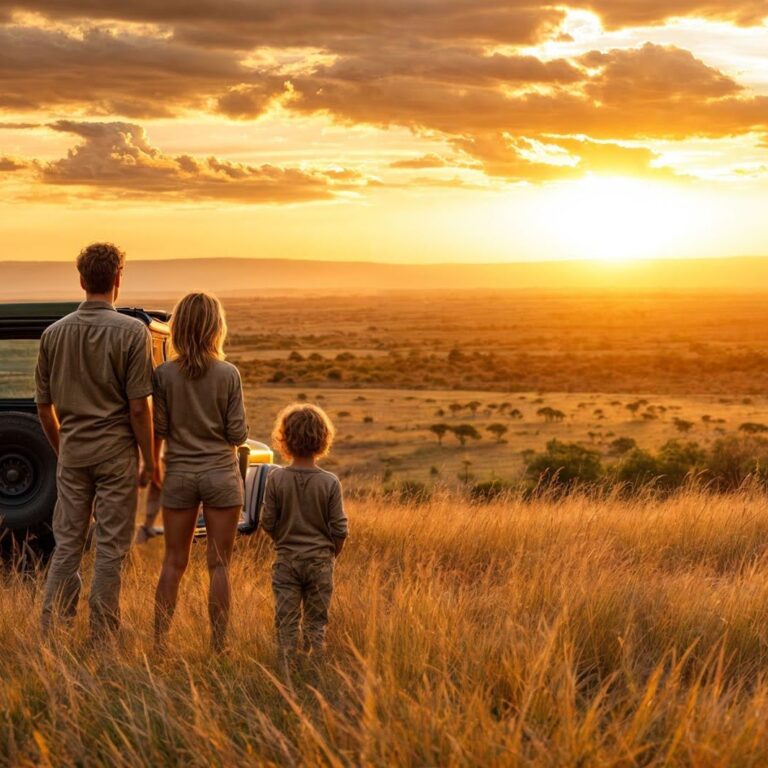
Yes, children can enjoy African safari tours, and many safari lodges and tour operators offer family-friendly safari experiences specially designed for younger travelers. African Family safaris in destinations like Tanzania often include child-friendly accommodations, shorter game drives, educational activities, and cultural experiences. Some Tanzania safari lodges provide junior ranger programs, guided nature walks, storytelling sessions, and swimming pools for children. Parents should check the minimum age requirements for certain activities, such as walking safaris or gorilla trekking. Private safari vehicles offer greater flexibility for families traveling with young children. Packing snacks, entertainment, sunscreen, and comfortable clothing helps improve family safari experiences. African safaris can inspire children through wildlife education, cultural learning, and outdoor adventures while creating unforgettable African family safari memories across Africa’s stunning national parks and safari destinations.
What should I wear on an African Safari?
Choosing the right clothing for an African safari improves comfort, safety, and overall travel enjoyment. Travelers should wear lightweight, breathable, neutral-colored clothing such as khaki, green, beige, or brown because bright colors may disturb wildlife and attract insects. Long-sleeved shirts and trousers help protect against sun exposure, dust, and mosquito bites during safari game drives and walking activities. Comfortable closed walking shoes or hiking boots are ideal for bush walks and uneven terrain. Layers are recommended because African safari temperatures can shift between chilly mornings and warm afternoons. Wide-brimmed hats, sunglasses, and lightweight waterproof jackets are also essential safari travel items. Travelers visiting cooler areas near Mount Kilimanjaro or high-altitude safari destinations may require warmer clothing. Proper safari attire ensures travelers remain comfortable, practical, protected, and ready for unforgettable wildlife adventures throughout Africa’s famous national parks and wilderness regions.
What type of Medication should I take along on an African safari?
Travelers preparing for an African safari should consult healthcare professionals before departure to discuss recommended vaccinations, prescriptions, and personal medical needs. Common safari travel medications include malaria prevention tablets for regions where malaria risk exists, pain relievers, antihistamines, motion sickness medicine, and digestive treatments. A personal first-aid kit with bandages, antiseptic cream, insect bite relief, sunscreen, and prescription medications is highly recommended. Travelers should also carry copies of prescriptions and any important medical documents during safari tours. Vaccinations may include yellow fever, hepatitis, typhoid, or tetanus depending on safari destinations and travel routes. Safari travelers visiting remote wildlife areas in Tanzania ,should prioritize health preparation and travel insurance. Proper medical planning ensures travelers remain safe, comfortable, healthy, and fully prepared for unforgettable African safari adventures and wilderness experiences.
Why should I choose an African safari tour?
An African safari tour offers one of the most extraordinary travel experiences in the world, combining incredible wildlife encounters, breathtaking scenery, cultural exploration, and unforgettable adventure. Safari travelers can witness the Big Five animals, the Great Migration, dramatic African sunsets, and unique ecosystems across famous destinations like Serengeti National Park, Maasai Mara National Reserve, and Tarangire National Park. African safari tours also support wildlife conservation and local communities through sustainable tourism initiatives. Travelers can choose luxury African safaris, luxury African family safaris, luxury African honeymoon packages, photography expeditions, or budget camping adventures tailored to personal interests and budgets. Beyond wildlife, luxury African safaris provide cultural experiences, scenic landscapes, relaxation, and educational opportunities. Every safari creates life-changing memories through close connections with nature, inspiring travelers to appreciate Africa’s beauty, biodiversity, hospitality, and extraordinary wilderness adventures.
What does a typical day look like on safari?
A typical day on an African safari begins early with sunrise game drives when wildlife activity is highest and temperatures remain cool. Guests often enjoy tea, coffee, and light snacks before heading into national parks with experienced safari guides. Morning game drives provide opportunities to spot predators, elephants, giraffes, and beautiful birdlife in destinations like Serengeti National Park. After returning to the lodge for breakfast and relaxation, travelers may enjoy swimming pools, cultural activities, or scenic views during midday. Afternoon tea is usually followed by evening game drives, photography opportunities, and spectacular African sunsets. Some safari lodges offer night drives, bush dinners, or storytelling around campfires. Dinner is often served under the stars with fresh local cuisine. African safari schedules balance adventure, wildlife viewing, relaxation, photography, and unforgettable nature experiences throughout each exciting safari day.
What should I consider when choosing an African safari tour?
Choosing the right African safari tour requires careful consideration of destination, budget, travel style, wildlife interests, and safari duration. Travelers should first decide whether they prefer luxury safaris, family safaris, honeymoon experiences, photography expeditions, or budget camping adventures. Destinations like Tanzania are ideal for the Great Migration and Big Five safaris, offering exclusive luxury safari experiences. Travelers should compare African safari operators based on reviews, guide experience, safety standards, accommodation quality, and sustainability practices. Important factors also include group size, transportation options, included activities, park fees, and seasonal wildlife movements. Travelers should consider health requirements, travel insurance, and preferred comfort levels before booking. Selecting the right safari tour ensures unforgettable wildlife encounters, exceptional service, cultural experiences, comfort, and personalized African adventure memories.
What to Expect on an African Safari?
An African safari is an exciting adventure filled with wildlife encounters, breathtaking landscapes, cultural experiences, and unforgettable moments in nature. Travelers can expect early morning and late afternoon game drives because animals are most active during cooler hours. Professional safari guides lead visitors through iconic destinations like Serengeti National Park, Ngorongoro Crater, and Tarangire National Reserve, where guests may see lions, elephants, giraffes, zebras, and other incredible wildlife. Safari accommodations range from budget camping sites to luxury lodges with world-class hospitality and scenic views. Travelers should expect changing weather conditions, dusty roads, stunning African sunsets, and occasional unpredictable wildlife sightings. Cultural visits, bush dinners, walking safaris, and photography opportunities also enhance the safari experience. African safaris combine adventure, relaxation, conservation, education, and authentic African hospitality into one extraordinary travel journey filled with lifelong memories.
How to Book First Time African Safari?
Booking a first-time African safari begins with choosing the right destination, safari style, travel season, and budget. Travelers should research reputable safari operators with strong reviews, experienced guides, transparent pricing, and customized safari itineraries. Popular first-time safari destinations include Tanzania because they offer excellent wildlife viewing, quality accommodations, and beginner-friendly safari experiences. Travelers should decide between luxury safaris, family safaris, private safaris, or budget camping adventures before booking. It is important to confirm inclusions such as park fees, meals, accommodation, transfers, and game drives. Booking several months in advance is highly recommended during peak safari seasons. Travelers should also arrange travel insurance, passports, visas, vaccinations, and safari packing essentials. Choosing trusted African safari tour companies ensures safe, comfortable, unforgettable, and well-organized wildlife adventures across Africa’s spectacular safari destinations.
African Safari FAQs: FAQs
What is an African Safari?
An African safari is a wildlife-focused adventure holiday that allows travelers to explore Africa’s famous national parks, game reserves, and conservation areas while observing animals in their natural habitat. Traditional African safaris include guided game drives, walking safaris, cultural visits, luxury safari lodges, and photography experiences.
Where Can I Go on an African Safari?
Africa offers countless safari destinations, each featuring unique wildlife, landscapes, and safari styles. Tanzania is famous for the Serengeti National Park, Ngorongoro Crater, and Tarangire National Park, known for Big Five safaris, and the Great Migration attracts visitors to the legendary features family-friendly safaris in Kruger National Park.
When is the Best Time to Go on Safari in Africa?
The best time for an African safari depends on the destination, weather, wildlife movement, and safari activities. In East Africa, the dry season from June to October is considered ideal for wildlife viewing because animals gather near rivers and waterholes. The Great Migration in Serengeti National Park and Maasai Mara National Reserve attracts thousands of safari travelers during this period are excellent during cooler dry months.
What Animals Can I See on an African Safari?
African safaris offer extraordinary opportunities to see diverse wildlife species across savannahs, forests, wetlands, and deserts. Most safari travelers hope to spot the famous Big Five animals: lions, elephants, leopards, rhinos, and buffalo. Popular African safari destinations like Serengeti National Park and Tarangire National Park also feature cheetahs, giraffes, zebras, wildebeests, hyenas, hippos, crocodiles, and antelopes.
How Long Should I Spend on an African Safari?
The ideal length of an African safari depends on your travel budget, destination, interests, and overall travel goals. Most safari experts recommend spending at least five to seven days on safari to fully experience wildlife viewing, cultural activities, and multiple national parks.
What Should I Pack for an African Safari?
Packing correctly for an African safari improves comfort, safety, and overall travel enjoyment. Essential safari packing items include lightweight neutral-colored clothing, comfortable walking shoes, sunglasses, sunscreen, insect repellent, a hat, and reusable water bottles. Safari travelers should also pack binoculars, cameras, memory cards, and portable chargers for wildlife photography and game viewing.
Is it Safe to Go on Safari in Africa?
African safaris are generally very safe when travelers book with reputable safari operators and follow the professional guide's instructions. Experienced African safari guides understand wildlife behavior, park regulations, and safety procedures, ensuring guests enjoy secure wildlife encounters during game drives, walking safaris, and lodge stays.
What Accommodation Options are Available on an African Safari?
African safari accommodations range from budget camping sites to world-class luxury safari lodges and private tented camps. Budget travelers often choose public campsites or affordable safari lodges offering comfortable facilities and guided game drives. Mid-range safari accommodations provide private rooms, en-suite bathrooms, dining areas, and scenic wildlife surroundings.
Plan Your Private Tanzania Safari
Tell us your travel dates, interests and budget, and our local team will design a private tailor-made safari around you.