12-Week Kilimanjaro Training Plan for Beginners
A 12-week Kilimanjaro training plan for beginners builds walking endurance, leg strength and confidence in four simple phases: base, build, peak and taper. Train four to five days a week, with one long hike every weekend that grows from about two hours to five or six hours, carrying a daypack. Add two short strength sessions for legs and core, rest well, and ease off in the final week so you arrive in Tanzania fresh.
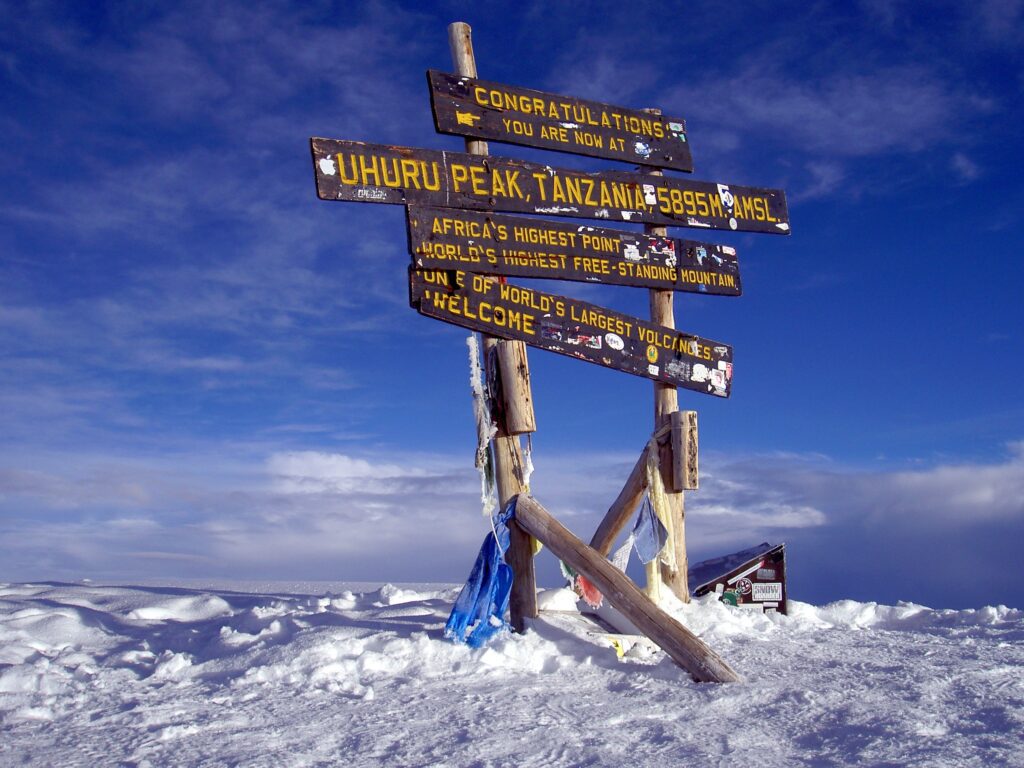
Mount Kilimanjaro is a non-technical climb, but walking for several days in a row, then climbing through the night to Uhuru Peak at 5,895 metres, takes real stamina. The good news is that most healthy beginners, even those who rarely hike, can get ready in about twelve weeks with a simple, steady and realistic training plan. This guide sets out a clear week-by-week Kilimanjaro training plan, a sample training week, the best exercises, hiking and backpack practice, mental preparation, rest and nutrition, so you arrive fit, confident and ready to enjoy your private, tailor-made climb with our Arusha team.
Before You Start Training
A little planning before week one makes your training safer, easier to follow and much more effective. Start by checking your health, measuring your current fitness and properly breaking in the hiking boots you will wear on the mountain. The four cards below cover the simple steps every beginner should take before starting the twelve-week plan. If you are new to exercise, have a health condition or are returning after an injury, begin very gently and give yourself extra weeks, because steady progress is far better than doing too much too soon and getting hurt before your climb.
Book a medical checkup before you start training, especially if you are over 50, new to exercise or have a health condition. Your doctor can check your heart, blood pressure and joints and suggest safe limits. It is also the right time to discuss altitude, vaccinations and any medicines you may need for the climb.
Walk briskly for an hour on mixed or hilly ground and note how you feel, how far you go and how long you need to fully recover. Repeat the same walk every four weeks to see your progress. This simple test shows where to start the plan and keeps you motivated as your fitness grows.
Buy your hiking boots early and wear them on every training walk from week one. Well-fitted, broken-in boots prevent painful blisters and sore feet on the long, rocky walking days. Always train in the same socks you will use on the mountain, and replace boots that rub or pinch long before you leave home for Tanzania.
Look at your diary and choose fixed days for weekday sessions and a weekend slot for your long hike. Treating training like an appointment makes it much easier to stay consistent. If you miss a session, simply carry on with the next session in the plan rather than trying to squeeze two hard sessions into one day.
The 12-Week Plan at a Glance
The twelve-week plan is divided into four phases, and each phase has one clear goal that builds on the last one. You start with easy walking and basic strength, increase time on your feet, reach your longest hikes and then rest so your body arrives strong and fresh. The table below shows each phase at a glance, with the main focus, number of sessions per week and the length of your weekend hike. Treat the numbers as a guide rather than strict rules, and adjust them to your starting fitness, your available time and how your body feels.
| Phase | Weeks | Main focus | Sessions | Long hike |
|---|---|---|---|---|
| Base | Weeks 1–4 | Easy walking and basic strength | 4 sessions | 1.5–2.5 hours |
| Build | Weeks 5–8 | More time on hills with a daypack | 4–5 sessions | 3–4 hours |
| Peak | Weeks 9–11 | Long hikes and back-to-back days | 5 sessions | 5–6 hours |
| Taper | Week 12 | Rest, light walks and packing | 2–3 easy sessions | 1–2 hours |
Week-by-Week Training Plan
Each phase of the plan has its own goal, weekly routine and long hike, and moving through them in order builds fitness safely. The four tabs below explain exactly what to do in every phase, from your first easy walks to the final week before you fly. Use the tabs to see your weekly sessions, the length of your longest hike and a helpful linked guide for that stage. If a phase feels too hard, repeat a week before moving on, and if you have more time, stretch the base phase so you start the harder weeks feeling strong.
Base Phase
Weeks 1–4
Easy cardio and basic strength
Walk briskly, cycle or swim for 30 to 45 minutes on three weekdays, and add two short strength sessions of squats, lunges, step-ups and planks. At the weekend, walk for one and a half to two and a half hours on mixed ground. Keep the pace comfortable enough to talk, and build the habit of training regularly every week.
Best Exercises for Kilimanjaro →Build Phase
Weeks 5–8
More hills, longer walks and a daypack
Increase weekday cardio to 45 to 60 minutes and include hills, stairs or a steep treadmill. Keep two strength sessions and add more step-ups and lunges. Your weekend hike grows to three or four hours with real climbing, carrying a daypack of about four to six kilograms with water, snacks and a warm layer, just like on Kilimanjaro.
Hikes to Prepare for Kilimanjaro →Peak Phase
Weeks 9–11
Long hikes and back-to-back days
This is your hardest phase. Hike for five to six hours with plenty of climbing and a daypack of six to eight kilograms, and add a second, shorter hike the next day to copy several days in a row on the mountain. Keep weekday cardio and one strength session, and practise walking slowly and steadily on long climbs.
How Fit Do You Need to Be? →Taper Week
Week 12
Rest, light walks and final preparation
In the last week, cut your training right down so your muscles recover fully before the climb. Take two or three easy walks of one to two hours, stretch, sleep well and eat good food. Use the spare time to check your gear, pack your bags and read your itinerary, so you arrive in Tanzania rested and ready.
Kilimanjaro Packing List →A Sample Training Week
A sample week helps you see how the plan fits into normal working life, with short sessions during the week and longer hikes at the weekend. The example below is for the build phase, around weeks five to eight, when you train four or five days and walk for three to four hours on Saturday. Move the days around to suit your work and family life, but always keep at least one full rest day and avoid two hard sessions in a row. In the base phase shorten each session, and in the peak phase lengthen the weekend hikes.
| Day | Session | Time |
|---|---|---|
| Monday | Rest or gentle stretching | 15–20 minutes |
| Tuesday | Brisk walk, cycle or swim, with some hills | 45–60 minutes |
| Wednesday | Leg and core strength: squats, lunges, step-ups, planks | 30–40 minutes |
| Thursday | Stairs, steep treadmill or hill intervals | 45 minutes |
| Friday | Rest day | — |
| Saturday | Long hike with a 4–6 kg daypack | 3–4 hours |
| Sunday | Easy walk or light strength session | 45–60 minutes |
Best Exercises for Kilimanjaro
You do not need a gym membership or any special or expensive equipment to train for Kilimanjaro, because the best training is simply walking uphill for a long time. A few simple strength exercises make your legs, knees and core stronger, which helps on steep climbs and the long descent. The six cards below explain the most useful exercises for beginners and how to use them in your weekly plan. Focus on good form and slow, controlled movements rather than heavy weights, and stop any exercise that causes sharp pain rather than the normal tiredness of hard work.
Hiking on hills with a daypack is the single best way to train for Kilimanjaro, because it uses exactly the muscles and skills you need on the mountain. Start with short hikes and a light pack, then slowly increase time, climbing and weight. Wear your mountain boots and practise drinking and eating while you walk.
If you live somewhere flat, stairs are an excellent substitute for hills. Climb steadily at a pace you can keep for twenty to forty minutes, and walk down carefully to train your knees for the long descents. Office stairs, stadium steps and stair machines all work well, especially on busy weekdays when time is short.
Squats and lunges strengthen your thighs, hips and bottom, the muscles that carry you up steep slopes and control you on the way down. Start with your own body weight, two or three sets of ten to fifteen repetitions, and keep your knees in line with your toes. Add a backpack later for extra challenge.
Step-ups copy the movement of climbing big rocky steps on Kilimanjaro trails such as the Barranco Wall. Use a sturdy step or bench at knee height, step up slowly, then lower yourself with control. Slowly work up to three sets of twelve on each leg, and wear a light daypack once the movement feels easy.
A strong core helps you carry a daypack comfortably, keeps your balance on uneven ground and protects your lower back. Planks, side planks, bird dogs and glute bridges are simple, effective and need no equipment at all. Do ten to fifteen minutes of core exercises twice a week, at the end of a walk or strength session.
Brisk walking, cycling, swimming, rowing and easy jogging build the heart and lung fitness that keeps you moving for hours. Most of your cardio should be at a comfortable pace where you can still talk. One weekly session of hill intervals or faster walking adds extra fitness without making you too tired for your long hike.
Training Dos and Common Mistakes
Small habits during training make a very big difference to how you feel on the mountain, and simple mistakes can easily lead to injury or a disappointing, tiring climb. The two lists below show the most important things to do in your training and the common mistakes beginners make. Use them as a quick checklist each week, especially as your hikes grow longer and your daypack becomes heavier. Remember that Kilimanjaro rewards patience, so training slowly and steadily over twelve weeks is far better than a few very hard sessions in the last month before your private climb.
Training dos
- Train four to five days a week, every week
- Wear your mountain boots and daypack on long hikes
- Walk slowly and steadily on climbs, as you will on the mountain
- Practise drinking and snacking while walking
- Hike back-to-back days in the peak phase
- Rest at least one full day each week
Common mistakes
- Starting too hard and getting injured in week two
- Training only on flat ground or only in the gym
- Leaving new boots unworn until the climb
- Skipping rest days and sleep
- Cramming extra hard sessions in the final week
- Ignoring knee, ankle or foot pain
Altitude and Mental Preparation
Physical fitness is only part of a successful Kilimanjaro climb, because altitude and mental strength also play a very big role on summit night. You cannot fully train for altitude at home, but you can prepare well by choosing the right route, learning to walk slowly and building a calm, patient mindset. The three cards below explain how to prepare for altitude and for the mental challenge of a long summit night. Our guides also set a careful pace on every private climb, so you can trust the plan and focus on one small step at a time.
Fitness does not protect you from altitude sickness, so the best preparation is a longer route with more time to acclimatise. Routes of seven or eight days, such as Lemosho or Machame, give your body more time to adjust. Walk slowly, drink well and report any symptoms to your guide straight away on the mountain.
Summit night is long, cold and dark, and it often feels harder mentally than physically. Long training hikes help you practise staying positive when you are tired, cold or hungry. Break the climb into small goals, focus on the next rest stop, breathe steadily and remember that your guides have helped many climbers reach the top.
On Kilimanjaro your guides will remind you to go pole pole, which means slowly, slowly in Swahili. Practise this on all your long training hikes by walking at a pace where you can breathe through your nose and talk easily. A slow, steady rhythm saves energy and helps your body adapt naturally to the thinner air.
Rest, Recovery and Nutrition
Training only makes you fitter when your body has time to recover, so rest, sleep and good food are part of the plan, not a break from it. Muscles repair and grow stronger on rest days, and well-rested climbers are far less likely to get injured or ill before they travel. The steps below show simple recovery and nutrition habits to follow throughout your twelve weeks of training. Listen to your body, take an extra rest day when you feel unusually tired or sore, and seek advice from a professional if pain lasts more than a few days.
- Sleep seven to nine hoursGood sleep is when your body repairs and adapts to training.
- Take one or two rest daysPlan full rest days each week and keep them free of hard exercise.
- Stretch after every sessionGentle stretching for calves, thighs and hips eases stiffness.
- Eat balanced mealsCarbohydrates fuel long hikes, and protein helps muscles recover.
- Drink plenty of waterPractise good hydration habits now to make them easy on the mountain.
Kilimanjaro Training Plan: FAQs
How long should I train for Kilimanjaro?
Most beginners need about twelve weeks of steady training to get ready for Kilimanjaro. If you are starting from a low fitness level, have a health condition or are returning after injury, allow sixteen to twenty-four weeks so you can build up more gently and avoid injury.
Can a beginner climb Kilimanjaro?
Yes. Kilimanjaro is a non-technical trek, so you do not need climbing experience. Beginners with good health and steady training reach the summit every year. Choose a longer route for better acclimatisation, follow a structured training plan and walk slowly with your guides on the mountain.
How many days a week should I train for Kilimanjaro?
Aim for four to five training days a week, including one long weekend hike, two or three cardio sessions and two short strength sessions. Keep at least one full rest day every week so your body can recover and grow stronger between sessions.
What is the best exercise for Kilimanjaro?
Hiking on hills with a daypack is the best training for Kilimanjaro because it uses the same muscles and movements as the climb. Stair climbing, step-ups, squats, lunges and steady cardio such as cycling or brisk walking are excellent extra exercises during the week.
How long is the longest hike I should do before Kilimanjaro?
Build up to at least one hike of five to six hours with plenty of climbing during the peak phase, about three weeks before your climb. Back-to-back hikes on two days in a row are also useful because you will walk for several days in a row on Kilimanjaro.
How heavy should my backpack be when training?
On Kilimanjaro porters carry your main bag, so you only carry a daypack, usually about five to seven kilograms. Start training with a light pack and build up to about six to eight kilograms on long hikes, slightly more than you will carry on the mountain.
When should I stop training before Kilimanjaro?
Reduce your training in the final week before you travel. Swap hard sessions for two or three easy walks, stretch and sleep well. This short taper lets your muscles recover fully, so you start the climb feeling fresh rather than tired.
How many hours a day do you hike on Kilimanjaro?
Most days on Kilimanjaro involve about four to seven hours of walking at a slow, steady pace. Summit day is much longer, often ten to fifteen hours in total, including the night climb to Uhuru Peak and the descent to a lower camp.
Can I train for altitude before Kilimanjaro?
You cannot fully prepare for altitude at home. Altitude masks do not copy the real effect of thin air. The best preparation is choosing a longer route with good acclimatisation, walking slowly, drinking well and telling your guide about any symptoms straight away.
Do I need to be very fit to climb Kilimanjaro?
You do not need to be an athlete, but you should be able to walk comfortably for five to six hours on hilly ground with a daypack, then do it again the next day. Steady training over twelve weeks gets most healthy beginners to this level.
More Kilimanjaro Preparation Guides
Ready to Climb Kilimanjaro?
Tell us your dates, fitness level and preferred route, and our Arusha mountain team will plan a private climb with a pace, itinerary and acclimatisation days that suit you.
Start Planning