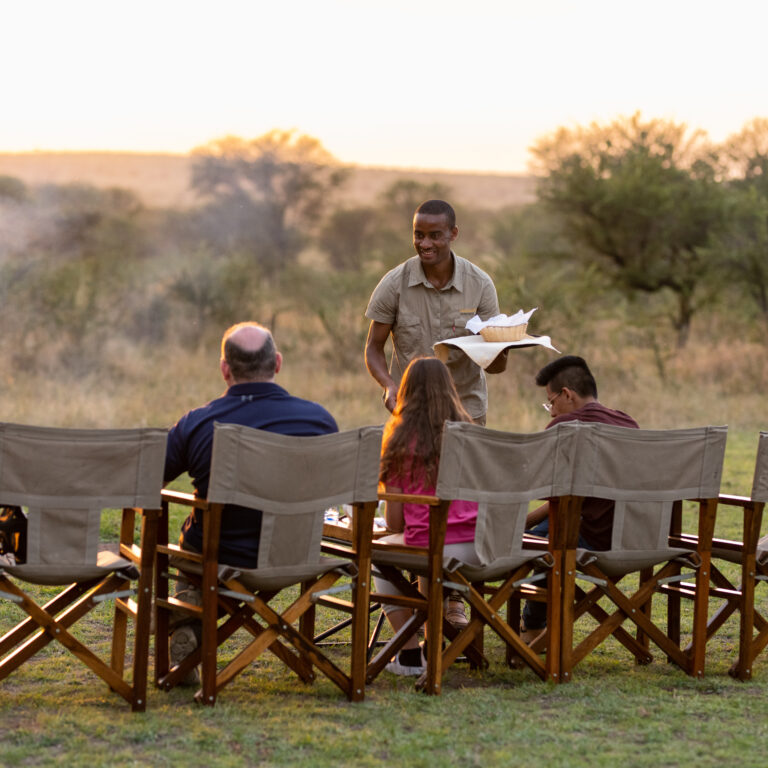

Ways to Travel with Purpose in Tanzania
Ways to Travel with Purpose in Tanzania
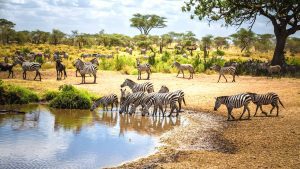
Travel with purpose in Tanzania goes beyond a typical safari holiday—it blends adventure, sustainability, culture, and conservation into one meaningful journey. From the iconic plains of Serengeti National Park to the breathtaking Ngorongoro Crater, purposeful travel focuses on responsible tourism, eco-friendly safaris, and authentic local experiences. Today’s conscious travelers seek ethical safari tours, community-based tourism, and sustainable travel packages that protect wildlife while empowering local communities. Whether you’re planning a luxury Tanzania safari, budget-friendly adventure, honeymoon escape, or family safari, traveling with intention enhances every moment. By choosing trusted tour operators, supporting conservation initiatives, and engaging with local cultures like the Maasai, your journey becomes impactful. This guide explores the best ways to travel responsibly in Tanzania while enjoying unforgettable landscapes, wildlife encounters, and immersive cultural connections.
Choose Responsible Safari Tour Operators
Selecting ethical and responsible safari tour operators in Tanzania is the foundation of purposeful travel. Look for companies committed to sustainable tourism, fair wages, and eco-friendly safari practices. Trusted operators often support wildlife conservation, minimize environmental impact, and partner with local communities near Tarangire National Park and Lake Manyara National Park. These companies provide well-trained guides, safe safari vehicles, and transparent pricing for luxury, mid-range, or budget safaris. Booking with reputable Tanzania safari companies ensures your trip contributes to conservation and community development. Many offer bespoke Tanzania Safari itineraries, fly-in safaris, and sustainable lodge options. African Safari reviews, certifications, and eco-tourism affiliations are key indicators. By choosing ethical tour operators, travelers directly support responsible travel in Tanzania while enjoying high-quality safari experiences, incredible wildlife viewing, and meaningful connections with nature and people.
Support Community-Based Tourism
Community-based tourism in Tanzania allows travelers to engage directly with local cultures while contributing to economic growth. Visiting Maasai villages near Ngorongoro Conservation Area offers authentic cultural exchange experiences. Travelers can learn traditional dances, crafts, and daily life practices while supporting local artisans. These initiatives promote sustainable livelihoods and preserve cultural heritage. Many eco-tourism programs include guided village tours, cultural workshops, and homestays. Choosing these East African Safari experiences ensures your safari benefits local communities instead of large corporations. This approach enhances your journey with deeper cultural understanding while supporting ethical tourism. Whether you’re on a luxury safari or a budget trip, integrating community visits adds purpose. It also aligns with top travel trends like “authentic African experiences” and “cultural safari Tanzania,” making your trip both impactful and memorable.
Stay in Eco-Friendly Lodges and Camps
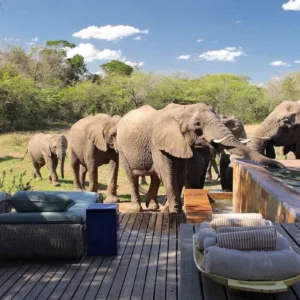
Eco-lodges and sustainable safari camps are essential for responsible travel in Tanzania. Properties near Serengeti National Park and Ruaha National Park focus on renewable energy, water conservation, and waste reduction. These lodges blend luxury with sustainability, offering solar-powered accommodations, eco-friendly designs, and locally sourced food. Whether you choose a luxury tented camp, mid-range lodge, or budget campsite, eco-conscious options reduce your environmental footprint. Many lodges also support conservation projects and employ local staff, boosting community development. Staying in eco-lodges enhances your safari experience with stunning views, comfort, and responsible practices, and discover “eco safari Tanzania,” “sustainable safari lodges,” and “green travel Africa” highlight the growing demand for these accommodations, making them ideal for purposeful travelers seeking meaningful and environmentally friendly adventures.
Budget camping & lodges
Affordable, adventurous and close to nature.
Mid-range lodges & tented camps
Comfort, good food and convenient locations.
Luxury tented camps & lodges
Spacious suites, personal service and prime wildlife areas.
Exclusive-use camps & villas
Complete privacy, private guides and bespoke experiences.
Participate in Wildlife Conservation Efforts
Wildlife conservation is at the heart of Tanzania safari travel. Travelers can actively support conservation by visiting protected areas like Selous Game Reserve (Nyerere National Park) and participating in conservation programs. Many organizations offer opportunities to learn about anti-poaching efforts, wildlife monitoring, and habitat protection. Ethical safaris prioritize responsible game viewing, ensuring animals are not disturbed. By choosing conservation-focused tours, you help protect endangered species such as elephants, lions, and rhinos. Donations, park fees, and eco-tourism activities directly fund conservation initiatives. This aligns with top search trends like “wildlife conservation safari Tanzania” and “ethical safari Africa.” Engaging in these efforts transforms your trip into a meaningful experience, combining adventure with purpose while preserving Tanzania’s incredible biodiversity for future generations.
Travel with Minimal Environmental Impact
Reducing your environmental footprint is a key aspect of purposeful travel in Tanzania. Simple actions like avoiding single-use plastics, carrying reusable water bottles, and respecting wildlife habitats make a significant difference. National parks like Arusha National Park promote eco-friendly practices to protect ecosystems. Responsible travelers follow park guidelines, stay on designated tracks, and avoid littering. Sustainable travel also includes choosing eco-conscious transport options and supporting green initiatives, such as “eco-friendly travel Tanzania” and “sustainable safari tips,” which reflect the importance of mindful tourism. By adopting these practices, you help preserve Tanzania’s landscapes, from savannahs to mountains. Traveling responsibly ensures that future generations can enjoy the same breathtaking experiences while maintaining the natural beauty and ecological balance of this extraordinary destination.
Engage in Cultural Experiences
Immersing yourself in Tanzanian culture adds depth and purpose to your safari. Visiting local communities around Lake Eyasi allows travelers to meet the Hadzabe and Datoga tribes, gaining insight into traditional lifestyles. Cultural tourism promotes mutual respect and understanding while supporting local economies. Activities include storytelling, traditional hunting demonstrations, and craft-making. These authentic experiences align with popular travel searches like “cultural safari Tanzania” and “authentic African Safari experiences.” Engaging with local cultures enhances your journey beyond wildlife viewing. It creates meaningful connections and unforgettable memories. Responsible Tanzania Safari cultural tourism ensures that traditions are preserved while communities benefit directly from tourism. Whether on a luxury or budget safari, incorporating cultural experiences enriches your trip and makes your travel more impactful.
Support Local Businesses and Markets
Shopping locally is a powerful way to travel with purpose in Tanzania. Markets in Arusha and Dar es Salaam offer handmade crafts, jewelry, textiles, and souvenirs created by local artisans. Purchasing these products supports small businesses and helps sustain traditional craftsmanship. Avoid mass-produced souvenirs and opt for authentic, locally made items. Supporting local restaurants and services also contributes to community development, like “local markets Tanzania,” “authentic souvenirs Africa,” and “support local tourism,” which emphasize the importance of ethical spending. By choosing local products, travelers ensure their money stays within the community. This approach enhances your travel experience while promoting sustainable economic growth and preserving Tanzania’s rich cultural heritage.
Choose Sustainable Transportation Options
Transportation plays a significant role in sustainable travel. Opting for shared safari vehicles, fuel-efficient transport, or fly-in safaris reduces environmental impact. Flights to destinations like Zanzibar can be combined with eco-friendly ground transfers. Many Tanzanian safari tour operators now offer carbon offset programs to balance emissions. Choosing responsible transport aligns with trends like “sustainable travel Africa” and “eco safari transport.” Walking safaris and cycling tours also provide low-impact alternatives while enhancing your connection to nature. These options allow travelers to explore Tanzania’s landscapes responsibly. By prioritizing sustainable transportation, you reduce your carbon footprint and contribute to eco-tourism efforts. This ensures that Tanzania’s natural beauty remains preserved while offering travelers a more immersive and meaningful journey.
Respect Wildlife and Natural Habitats
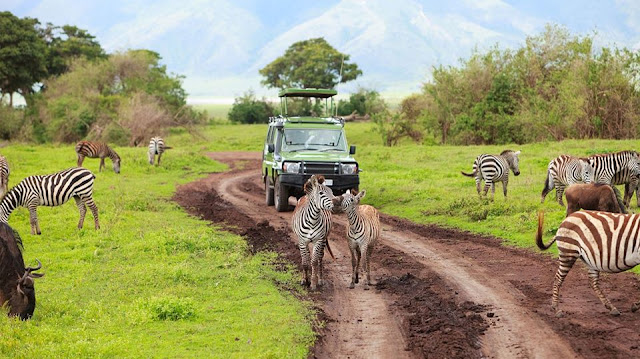
Respecting wildlife is essential for ethical safari travel. In parks like Serengeti National Park, maintaining safe distances and avoiding disturbance ensures animal well-being. Responsible guides follow strict rules to protect ecosystems and wildlife behavior. Feeding animals or leaving designated routes can harm habitats and disrupt natural patterns, such as “ethical wildlife safari Tanzania” and “responsible game viewing,” highlighting best practices. Observing animals in their natural environment without interference enhances the authenticity of your safari. Respecting nature not only protects wildlife but also ensures sustainable tourism. Travelers who follow these guidelines contribute to conservation efforts while enjoying unforgettable African Safari Tours encounters with Africa’s iconic animals safely and respectfully.
Volunteer Responsibly
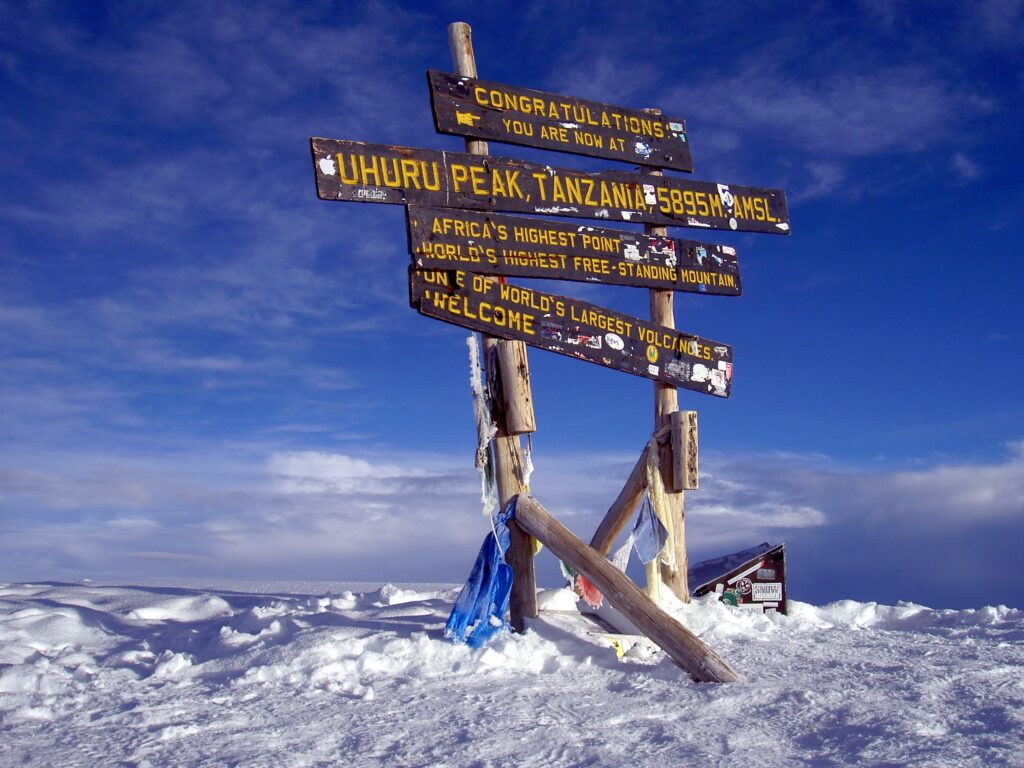
Volunteering in Tanzania can be meaningful when done ethically. Programs near Mount Kilimanjaro often focus on education, conservation, or community development. Choose reputable organizations that prioritize long-term impact and community needs. Avoid short-term or exploitative programs that do not benefit locals. Responsible volunteering aligns with “volunteer in Tanzania,” “ethical volunteering Africa,” and “community projects Tanzania.” Whether teaching, supporting conservation, or assisting local initiatives, your contribution should be sustainable. Volunteering adds purpose to your travel experience while making a positive difference. It allows you to connect deeply with communities and understand local challenges. Done correctly, it transforms your safari into a journey of impact and meaningful engagement.
Travel During Off-Peak Seasons
Traveling during the low or shoulder seasons supports sustainable tourism by reducing overcrowding. Visiting destinations like Ngorongoro Crater during quieter months helps distribute tourism benefits year-round. Off-peak travel often offers lower prices, fewer crowds, and more intimate wildlife experiences, like “best time to visit Tanzania,” “low season safari deals,” and “affordable Tanzania safariThis approach benefits local businesses and reduces environmental pressure on popular parks. Travelers enjoy a more relaxed and authentic experience while supporting sustainable tourism. Off-season travel is ideal for budget-conscious travelers and those seeking unique safari experiences without the crowds, making it a smart and responsible choice.
Promote Conservation Through Education
Educating yourself about Tanzania’s ecosystems and wildlife enhances purposeful travel. Visiting conservation centers near Arusha provides insight into environmental challenges and solutions. Learning about biodiversity, climate change, and conservation efforts empowers travelers to make informed decisions, such as “conservation education Tanzania” and “eco tourism awareness,” which highlight this growing trend. Knowledgeable travelers are more likely to support sustainable practices and advocate for responsible tourism. Education transforms your safari into a meaningful journey, connecting you to the environment and its preservation. By understanding the importance of conservation, you contribute to protecting Tanzania’s natural heritage while inspiring others to travel responsibly.
Combine Safari with Beach Conservation
Combining a wildlife safari with a beach holiday in Zanzibar offers opportunities to support marine conservation. Eco-friendly beach resorts focus on coral reef protection, waste management, and sustainable tourism practices. Activities like snorkeling and diving are conducted responsibly to preserve marine ecosystems, such as “Zanzibar eco tourism,” “sustainable beach holidays,” and “marine conservation Africa” are increasingly popular. This combination creates a balanced travel experience, blending adventure with relaxation. Supporting eco-conscious resorts ensures your beach holiday contributes to environmental protection. It’s a perfect way to extend your safari while maintaining a focus on sustainability and responsible travel.
- White-sand beaches
- Stone Town
- Spice tours
- Dhow cruises
- Snorkelling & diving
Pack Sustainably and Responsibly
Packing smartly is an often-overlooked aspect of sustainable travel. Bring reusable items, eco-friendly toiletries, and lightweight gear for your Tanzania safari. When visiting parks like Tarangire National Park, minimizing waste helps protect the environment. Discover “sustainable travel packing list” and “eco safari essentials” are highly relevant. Avoid plastic bags and choose biodegradable products. Responsible packing reduces your environmental impact and supports conservation efforts. It also ensures a smoother travel experience, especially on remote safaris. By preparing thoughtfully, you contribute to preserving Tanzania’s natural beauty while enjoying a comfortable and eco-conscious journey.
Plan a Purpose-Driven Itinerary
Creating a well-planned, purpose-driven itinerary ensures every part of your Tanzania trip contributes positively. Include eco-lodges, community visits, conservation activities, and cultural experiences across destinations like Lake Manyara National Park and Ruaha National Park. Work with trusted safari planners to design bespoke African Safari itineraries that align with sustainable travel goals, like “custom Tanzania safari,” “ethical travel itinerary,” and “responsible safari planning” are essential. A thoughtful plan maximizes your impact while enhancing your experience. Purpose-driven travel ensures every moment—from wildlife encounters to cultural interactions—supports conservation and community development, making your journey truly meaningful.
Final Thought
Traveling with purpose in Tanzania transforms a simple safari into a meaningful, life-changing experience. By embracing sustainable tourism, supporting local communities, and protecting wildlife, you contribute to preserving one of Africa’s most extraordinary destinations. From the vast plains of Serengeti National Park to the cultural richness of local communities, every choice matters. Purposeful travel aligns with modern trends like eco-tourism, responsible safari, and ethical travel in Africa. Whether you’re planning a luxury safari, honeymoon, family trip, or solo adventure, traveling responsibly ensures your journey leaves a positive impact. In Tanzania, adventure meets purpose—creating unforgettable memories while safeguarding nature and culture for future generations.
Ways to Travel with Purpose in Tanzania: FAQs
What should you know about choose responsible safari tour operators for ways to travel with purpose in Tanzania?
Selecting ethical and responsible safari tour operators in Tanzania is the foundation of purposeful travel. Look for companies committed to sustainable tourism, fair wages, and eco-friendly safari practices. Trusted operators often support wildlife conservation, minimize environmental impact, and partner with local communities near Tarangire National Park and Lake Manyara National Park.
What is Stay in Eco-Friendly Lodges and Camps like?
Eco-lodges and sustainable safari camps are essential for responsible travel in Tanzania. Properties near Serengeti National Park and Ruaha National Park focus on renewable energy, water conservation, and waste reduction. These lodges blend luxury with sustainability, offering solar-powered accommodations, eco-friendly designs, and locally sourced food.
What can you expect from travel with Minimal environmental impact?
Reducing your environmental footprint is a key aspect of purposeful travel in Tanzania. Simple actions like avoiding single-use plastics, carrying reusable water bottles, and respecting wildlife habitats make a significant difference. National parks like Arusha National Park promote eco-friendly practices to protect ecosystems. Responsible travelers follow park guidelines, stay on designated tracks, and avoid littering.
What should you know about support local businesses and markets for ways to travel with purpose in Tanzania?
Shopping locally is a powerful way to travel with purpose in Tanzania. Markets in Arusha and Dar es Salaam offer handmade crafts, jewelry, textiles, and souvenirs created by local artisans. Purchasing these products supports small businesses and helps sustain traditional craftsmanship. Avoid mass-produced souvenirs and opt for authentic, locally made items.
What can you expect from respect wildlife and natural habitats for ways to travel with purpose in Tanzania?
Respecting wildlife is essential for ethical safari travel. In parks like Serengeti National Park, maintaining safe distances and avoiding disturbance ensures animal well-being. Responsible guides follow strict rules to protect ecosystems and wildlife behavior. Feeding animals or leaving designated routes can harm habitats and disrupt natural patterns, such as “ethical wildlife safari Tanzania” and “responsible game viewing,” highlighting best practices.
What is Travel During Off-Peak Seasons like?
Traveling during the low or shoulder seasons supports sustainable tourism by reducing overcrowding. Visiting destinations like Ngorongoro Crater during quieter months helps distribute tourism benefits year-round. Off-peak travel often offers lower prices, fewer crowds, and more intimate wildlife experiences, like “ best time to visit Tanzania ,” “low season safari deals ,” and “ affordable Tanzania safari This approach benefits local businesses and reduces environmental pressure on popular parks.
What is Combine Safari with Beach Conservation like?
Combining a wildlife safari with a beach holiday in Zanzibar offers opportunities to support marine conservation. Eco-friendly beach resorts focus on coral reef protection, waste management, and sustainable tourism practices. Activities like snorkeling and diving are conducted responsibly to preserve marine ecosystems, such as “Zanzibar eco tourism,” “sustainable beach holidays,” and “marine conservation Africa” are increasingly popular.
What should you know about capture and Share responsible travel stories?
Sharing your travel experiences can inspire others to travel responsibly. Highlight sustainable practices, conservation efforts, and cultural experiences from your visits to Serengeti National Park or Ngorongoro Crater, “ responsible travel Tanzania ,” “eco safari experiences,” and “sustainable tourism,” to reach a wider audience. Social media and blogs are powerful tools for promoting ethical tourism.
Plan Your Private Tanzania Safari
Tell us your travel dates, interests and budget, and our local team will design a private tailor-made safari around you.