
How Many Days Do You Need In Zanzibar?
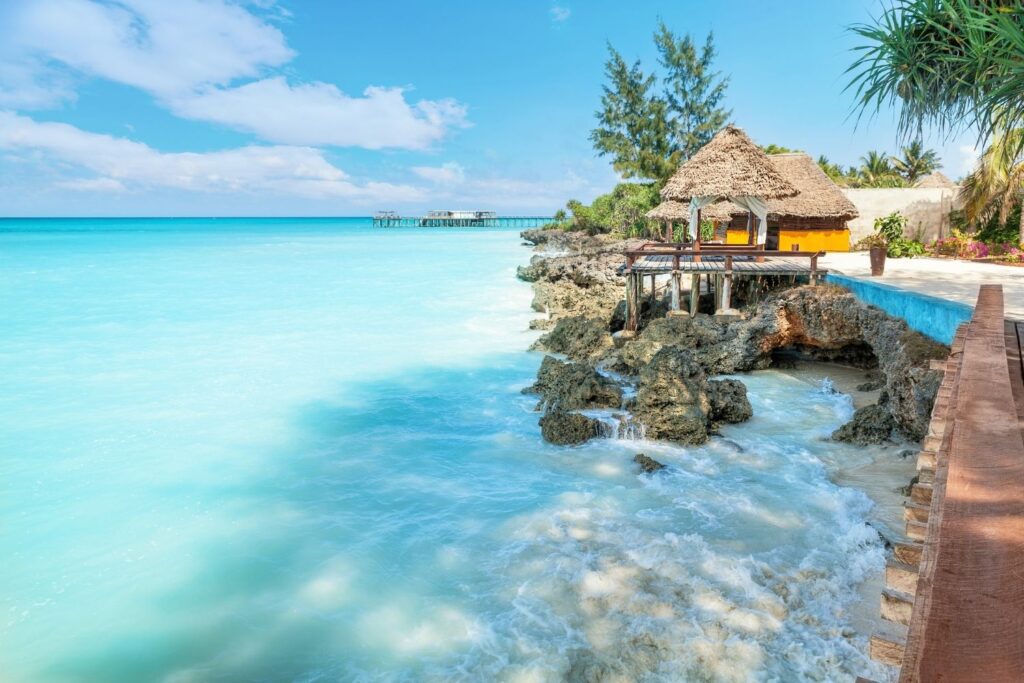
A Zanzibar vacation is one of the most unforgettable East African travel experiences, combining white-sand beaches, turquoise Indian Ocean waters, rich Swahili culture, luxury resorts, and thrilling marine adventures. Travelers planning a Zanzibar holiday often ask: “How many days do you need in Zanzibar?” The answer depends on your travel style, budget, and interests. Some visitors enjoy a short 3-day Zanzibar beach escape, while others prefer a 7 to 14-day luxury Zanzibar holiday package filled with beach relaxation, snorkeling, diving, spice tours, cultural excursions, and romantic sunset cruises. From the historic streets of Stone Town to the stunning shores of Nungwi and Kendwa, Zanzibar offers endless experiences. Choosing the perfect number of days ensures you enjoy the best beaches in Zanzibar, exciting tours, and authentic island adventures without feeling rushed during your tropical escape. 1. Three Days in Zanzibar – A Quick Tropical Escape A 3-day Zanzibar itinerary is perfect for travelers seeking a short beach holiday after a Tanzania safari or Mount Kilimanjaro climb. During this Zanzibar beach vacation, visitors can explore Stone Town, enjoy a spice farm tour, relax on white-sand beaches, and experience breathtaking Indian Ocean sunsets. Popular destinations like Nungwi and Kendwa provide excellent snorkeling, swimming, and nightlife experiences. Although three days offer only a brief taste of Zanzibar Island, it is enough for travelers wanting a romantic getaway, honeymoon extension, or weekend beach retreat. Many luxury Zanzibar resorts and boutique hotels provide all-inclusive packages designed for short stays. A 3-day Zanzibar holiday combines tropical relaxation, cultural tours, and coastal adventure while allowing visitors to enjoy some of the island’s most famous attractions within limited travel time. 2. Four Days in Zanzibar – Balancing Adventure and Relaxation Spending 4 days in Zanzibar creates a more balanced island experience, allowing travelers to combine beach relaxation with cultural exploration and marine activities. Visitors can spend time discovering Stone Town, visiting historical landmarks, shopping in local markets, and learning about Zanzibar’s Swahili heritage. The additional day also allows travelers to enjoy snorkeling trips, dolphin tours, scuba diving excursions, or a traditional dhow cruise along the Indian Ocean coastline. Zanzibar’s northern beaches, including Nungwi, are ideal for swimming and sunset views, while the eastern coast offers peaceful luxury beach resorts and romantic hideaways. A 4-day Zanzibar itinerary is especially popular among honeymoon couples, families, and safari travelers seeking a relaxing extension after wildlife adventures in Tanzania. This duration provides enough flexibility to enjoy the island without rushing between attractions and excursions. 3. Five Days in Zanzibar – The Ideal First-Time Visit A 5-day Zanzibar holiday is often considered the ideal duration for first-time visitors wanting to experience the island’s top attractions comfortably. Travelers can divide their stay between cultural exploration in Stone Town and beach relaxation along Zanzibar’s beautiful coastline. Activities may include snorkeling at Mnemba Atoll, spice tours, scuba diving, local seafood dining, and sunset dhow cruises. Five days also provide opportunities to explore hidden beaches, visit traditional fishing villages, and enjoy luxury Zanzibar beach resorts without feeling rushed. Couples planning a Zanzibar honeymoon frequently choose five days because it balances romance, adventure, and relaxation perfectly. Travelers can also experience Zanzibar’s vibrant nightlife, authentic Swahili cuisine, and stunning coral reefs. Whether visiting for leisure, photography, or tropical adventure, five days allow visitors to enjoy the island’s beauty while creating unforgettable East African travel memories. 4. Six Days in Zanzibar – A Complete Island Experience A 6-day Zanzibar itinerary offers travelers a more complete island experience filled with relaxation, culture, adventure, and marine exploration. Visitors can comfortably explore multiple beach destinations, including Paje, Jambiani, and Nungwi, while also discovering Zanzibar’s historical attractions. Six days allow travelers to enjoy snorkeling tours, diving excursions, kitesurfing, spice plantations, and wildlife experiences such as the famous Red Colobus monkeys at Jozani Forest. This duration is excellent for travelers wanting both luxury and authentic local experiences. Many Zanzibar all-inclusive resorts offer customized holiday packages designed for six-night stays, making travel planning easy and convenient. Families, honeymoon couples, solo travelers, and beach lovers all benefit from the relaxed pace of a 6-day vacation. It provides enough time to truly disconnect, unwind, and enjoy Zanzibar’s tropical atmosphere and spectacular Indian Ocean scenery. 5. Seven Days in Zanzibar – The Perfect Beach Holiday A 7-day Zanzibar holiday package is one of the most recommended travel durations for visitors seeking the ultimate tropical beach vacation. One full week allows travelers to experience Zanzibar at a relaxed pace while exploring different beaches, cultural attractions, and marine adventures. Visitors can spend time in Stone Town, enjoy snorkeling at Mnemba Atoll, relax in luxury beach resorts, and experience authentic Swahili cuisine. Seven days also provide flexibility for day trips, spice tours, diving excursions, and romantic sunset cruises across the Indian Ocean. Travelers can split their stay between the northern beaches of Nungwi and the quieter eastern coastline. A week in Zanzibar is ideal for honeymooners, families, photographers, and beach lovers who want both adventure and relaxation. It delivers the perfect balance between sightseeing, cultural discovery, and luxurious tropical comfort. Zanzibar for Honeymooners – How Long Should Couples Stay? Zanzibar is among Africa’s top honeymoon destinations, attracting couples seeking romance, luxury, and tropical beauty. Most honeymooners prefer staying between 5 and 7 days to fully enjoy the island’s romantic atmosphere and luxury beach resorts. Couples can enjoy candlelit dinners on the beach, private dhow cruises, snorkeling adventures, spa treatments, and breathtaking sunsets over the Indian Ocean. Popular honeymoon destinations include Kendwa, Nungwi, and Paje, all known for their pristine beaches and luxury accommodations. A longer stay allows couples to relax after a Tanzania safari or Mount Kilimanjaro trek while enjoying unforgettable island experiences. Zanzibar honeymoon packages often include all-inclusive resorts, cultural tours, spa treatments, and romantic excursions. Whether celebrating a wedding, anniversary, or special getaway, spending nearly a week in Zanzibar provides the perfect combination of romance, relaxation, and adventure. Zanzibar After Safari – Recommended Length of Stay Many travelers combine a Tanzania safari with a Zanzibar beach holiday for the ultimate
Why you Should go to Zanzibar After Climbing Kilimanjaro

Climbing Mount Kilimanjaro is one of the greatest bucket-list adventures in the world, attracting trekkers seeking challenge, achievement, and unforgettable views from Africa’s highest peak. However, many travelers overlook the perfect way to complete this journey: relaxing in Zanzibar. After days of steep ascents, high altitude, and physical endurance, Zanzibar offers the ideal reward with its white-sand beaches, turquoise Indian Ocean waters, and rich Swahili culture. Combining Kilimanjaro trekking with a Zanzibar beach holiday creates the ultimate Tanzania safari and travel experience. It blends adventure tourism, relaxation, luxury escape, and cultural exploration into one seamless itinerary. This combination is increasingly popular in Tanzania tour packages, honeymoon safaris, and post-climb recovery holidays. Zanzibar is not just a destination—it is the perfect healing contrast to Kilimanjaro’s rugged terrain, making your journey complete, balanced, and unforgettable. Perfect Physical Recovery After Kilimanjaro Trek After the demanding Kilimanjaro climb, your body needs rest, healing, and restoration. Zanzibar provides the perfect environment for recovery with its warm tropical climate, gentle ocean breeze, and relaxed island lifestyle. The soft beach environment helps reduce muscle fatigue, improve circulation, and support mental relaxation after days of high-altitude trekking. Many climbers experience soreness and exhaustion after descending from Uhuru Peak, and Zanzibar offers natural therapy through peaceful surroundings. Instead of rushing back to daily life, you can slow down, swim in calm waters, enjoy spa treatments, and sleep deeply in beachfront resorts. This transition from mountain adventure to coastal relaxation is essential for full recovery. Zanzibar is widely recommended by travel experts as the best post-Kilimanjaro destination for both physical and emotional restoration. Stunning White-Sand Beaches for Ultimate Relaxation Zanzibar is world-famous for its pristine white-sand beaches, making it the perfect contrast after climbing Kilimanjaro’s rocky trails. Beaches such as Nungwi, Kendwa, and Paje offer soft sand, clear turquoise waters, and peaceful surroundings ideal for unwinding. After days of hiking, the feeling of walking barefoot on warm sand is incredibly soothing. You can relax under palm trees, enjoy fresh coconut drinks, or simply watch the Indian Ocean waves. Unlike the demanding mountain environment, Zanzibar offers pure relaxation and comfort. These beaches are also perfect for romantic walks, photography, and sunset viewing. Many travelers choose Zanzibar specifically for its beach luxury after trekking Kilimanjaro. The combination of mountain adventure and beach paradise makes Tanzania one of the most complete travel destinations in Africa. Warm Indian Ocean Waters for Swimming and Healing After the cold nights and extreme altitude of Kilimanjaro, the warm Indian Ocean waters of Zanzibar feel incredibly refreshing. The ocean is calm, clear, and safe for swimming, snorkeling, and floating without stress. This natural water therapy helps relax tired muscles and refresh the mind after a physically demanding climb. The gentle waves also create a calming effect that reduces fatigue and improves recovery. Many climbers enjoy spending hours in the water simply relaxing and enjoying the tropical environment. The marine life adds another level of beauty, with colorful fish and coral reefs visible near the shore. Swimming in Zanzibar is not just recreation—it becomes part of your recovery journey after Kilimanjaro, making your Tanzania experience more balanced, refreshing, and memorable. Luxury Beach Resorts for Post-Climb Comfort Zanzibar is home to some of East Africa’s most luxurious beach resorts, perfect for climbers seeking comfort after Kilimanjaro. These resorts offer spacious ocean-view rooms, infinity pools, spa services, and fine dining experiences. After days of basic mountain huts and camping, the transition to luxury accommodation feels like a reward. You can enjoy massages, wellness treatments, and private beach access while your body recovers. Many Kilimanjaro tour packages include luxury Zanzibar extensions specifically designed for relaxation. Whether you choose boutique hotels or five-star resorts, comfort is guaranteed. The hospitality in Zanzibar is world-class, combining Swahili warmth with international standards. This luxury experience completes your adventure, turning your Kilimanjaro climb into a full, premium Tanzania holiday package. Romantic Honeymoon Escape After Kilimanjaro Zanzibar is one of Africa’s top honeymoon destinations, making it perfect for couples who have just completed Kilimanjaro together. After conquering Africa’s highest mountain, celebrating your achievement on a romantic beach is unforgettable. Zanzibar offers private beach dinners, sunset dhow cruises, and candlelit oceanfront dining experiences. The peaceful island atmosphere enhances intimacy and relaxation. Many honeymoon safaris in Tanzania combine Kilimanjaro climbing with Zanzibar beach stays for this reason. Couples can reconnect, rest, and celebrate their shared achievement in a dreamlike setting. The combination of adventure and romance makes this journey truly special. Zanzibar transforms your Kilimanjaro climb into a once-in-a-lifetime love story experience in the heart of the Indian Ocean. Rich Swahili Culture and Historical Stone Town Beyond beaches, Zanzibar offers deep cultural experiences, especially in historic Stone Town. After the physical challenge of Kilimanjaro, exploring narrow streets, ancient buildings, and local markets provides a relaxed cultural immersion. Stone Town is a UNESCO World Heritage Site known for its unique blend of Arab, African, and European influences. You can visit spice markets, historical palaces, and traditional Swahili homes. This cultural experience adds meaning to your Tanzania journey. It connects your mountain adventure with coastal heritage and history. Learning about Zanzibar’s past makes your trip more educational and enriching. Many travelers appreciate this cultural balance after trekking Kilimanjaro, as it allows both physical recovery and intellectual exploration in one destination. Delicious Swahili Cuisine and Fresh Seafood Zanzibar is a paradise for food lovers, especially after the demanding Kilimanjaro climb. The island offers fresh seafood, tropical fruits, and flavorful Swahili dishes influenced by Indian and Arab spices. You can enjoy grilled lobster, coconut curries, octopus dishes, and freshly caught fish. After days of simple trekking meals, Zanzibar cuisine feels like a celebration. The island’s spice farms also provide unique culinary experiences where you can taste cloves, cinnamon, and nutmeg. Food becomes part of your recovery, helping restore energy and enjoyment. Dining by the ocean under the stars adds to the experience. Zanzibar’s cuisine is not just food—it is part of the healing and reward after your Kilimanjaro adventure. Easy Travel Connection from
8 Foot Care Tips While Hiking Kilimanjaro
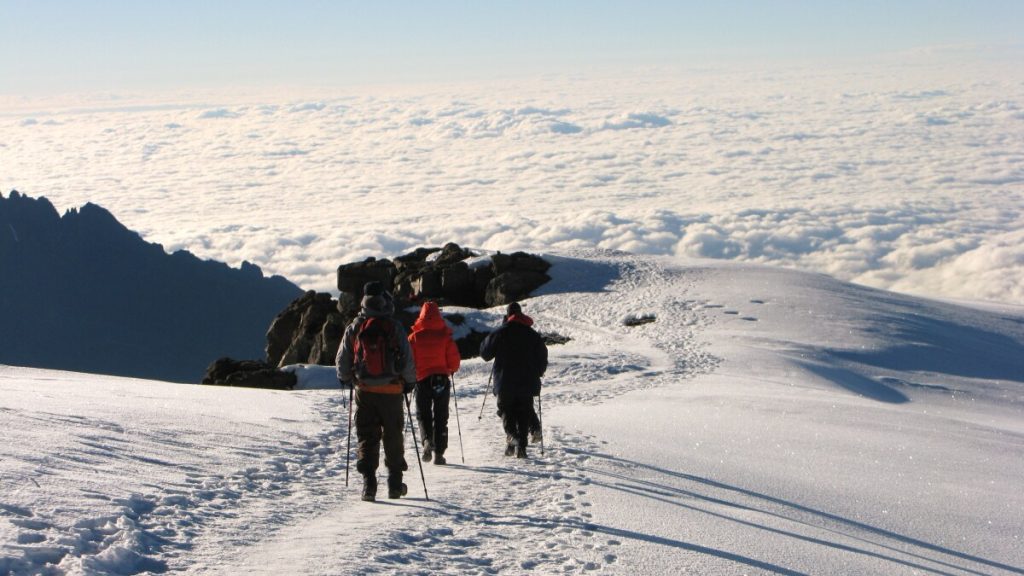
Foot care is one of the most important yet overlooked aspects of successfully climbing Mount Kilimanjaro, the highest peak in Africa and one of the world’s most iconic trekking destinations. Every year, thousands of climbers attempt the Kilimanjaro hiking routes, but many struggle not because of altitude alone, but due to blisters, swelling, nail damage, and poor foot hygiene. Proper Kilimanjaro foot care can make the difference between a painful journey and a successful summit experience. From choosing the right hiking boots and socks to managing moisture, preventing blisters, and caring for your feet at camp, every detail matters. This guide provides essential, optimized hiking foot care tips designed for high-altitude trekking in Tanzania, ensuring comfort, safety, and endurance throughout your Kilimanjaro climb. 1. Choosing the Right Hiking Boots for Kilimanjaro Selecting the right hiking boots is the foundation of successful foot care on Kilimanjaro. Your boots should be waterproof, breathable, and well broken-in before the trek begins. Avoid brand-new boots, as they increase the risk of painful blisters and hot spots. Look for boots with strong ankle support, durable soles, and good grip for rocky and muddy terrain. Popular choices for Kilimanjaro trekking boots include insulated or three-season hiking boots designed for high-altitude conditions. Fit is critical—there should be enough space for toe movement while keeping the heel secure. Proper footwear reduces fatigue, improves stability, and protects against injuries during long daily hikes on varied Kilimanjaro trekking routes such as Machame, Marangu, and Lemosho. 2. Wearing Moisture-Wicking Socks Moisture-wicking socks are essential for preventing blisters and maintaining foot comfort during a Kilimanjaro climb. Cotton socks should be avoided because they trap sweat and increase friction, leading to painful skin irritation. Instead, choose high-quality merino wool or synthetic hiking socks that keep feet dry and regulate temperature in both warm and freezing conditions. Many experienced climbers wear a double-layer sock system to reduce rubbing inside boots. It is also important to carry multiple pairs and change them daily or whenever they become damp. Clean, dry socks help prevent fungal infections and improve overall foot hygiene during multi-day trekking. Investing in the right socks is one of the simplest yet most effective Kilimanjaro foot care strategies for summit success. 3. Preventing Blisters Before They Start Blister prevention is one of the most critical aspects of Kilimanjaro foot care. Blisters are caused by friction, heat, and moisture, especially during long trekking hours. To prevent them, ensure your boots fit properly and are fully broken in before the climb. Apply blister prevention tape or moleskin to common pressure points such as heels, toes, and sides of the feet. Keeping your feet dry and wearing moisture-wicking socks also reduces risk significantly. Many climbers use foot powder to minimize sweating. At the first sign of discomfort or hot spots, address them immediately before it turns into blisters. Preventing blisters early ensures a more comfortable and enjoyable hiking experience on Mount Kilimanjaro’s challenging terrain. 4. Proper Lacing Techniques for Comfort How you lace your hiking boots plays a major role in foot comfort during a Kilimanjaro trek. Proper lacing helps reduce pressure points, prevents toenail damage, and improves ankle stability on steep terrain. A heel-lock or surgeon’s knot technique is highly recommended to keep your foot secure without cutting off circulation. This prevents your foot from sliding forward during descents, which often causes black toenails and blisters. Adjust your lacing depending on terrain—looser for uphill sections and tighter for downhill control. Taking a few minutes each morning to properly lace your boots can significantly improve your daily hiking comfort. Good lacing techniques are a simple yet powerful Kilimanjaro hiking tip for long-distance trekking success. 5. Keeping Feet Clean on the Trail Foot hygiene is essential during a multi-day Kilimanjaro climb. Dirt, sweat, and bacteria can quickly lead to infections, odor, and skin irritation if not managed properly. At the end of each trekking day, wash your feet with clean water or use wet wipes if water is limited. Dry them thoroughly, especially between the toes, to prevent fungal growth. Changing into clean camp socks after hiking hours also helps maintain hygiene and comfort. Keeping feet clean not only prevents infections but also allows you to inspect for early signs of blisters or cuts. Good hygiene practices are a simple but powerful way to maintain healthy feet throughout your Kilimanjaro trekking adventure. 6. Managing Foot Swelling at High Altitude Foot swelling is common during high-altitude trekking on Kilimanjaro due to reduced oxygen levels and long hours of walking. To manage swelling, take short breaks during hikes to elevate your feet slightly and improve circulation. Drinking plenty of water also helps reduce fluid retention in the body. Avoid overly tight boots or socks, as they can restrict blood flow and worsen discomfort. At camp, remove your boots and allow your feet to rest and breathe. Gentle foot massages can also improve circulation and reduce stiffness. Proper altitude acclimatization and slow pacing are key to minimizing swelling and ensuring a more comfortable hiking experience on Mount Kilimanjaro. 7. Using Foot Powder and Anti-Chafing Products Foot powder is a highly effective tool for keeping feet dry and reducing friction during the Kilimanjaro trek. It absorbs moisture inside your socks and boots, preventing bacterial growth and odor. Anti-chafing balms or sticks can also be applied to sensitive areas such as heels and toes to reduce rubbing. These products are especially useful during long hiking days when feet are exposed to continuous movement. Many experienced climbers combine foot powder with liner socks for maximum protection. Consistent use of these products helps prevent blisters, hot spots, and discomfort, making your Kilimanjaro climb smoother and more enjoyable from base to summit. 8. Taking Care of Toenails Before the Climb Proper toenail care is often overlooked but extremely important for Kilimanjaro foot health. Toenails should be trimmed short and filed smoothly before starting the trek to prevent them from hitting the inside of your boots. Long or uneven nails can lead to pain, bruising,
Top 10 Animals to See on an African Safari
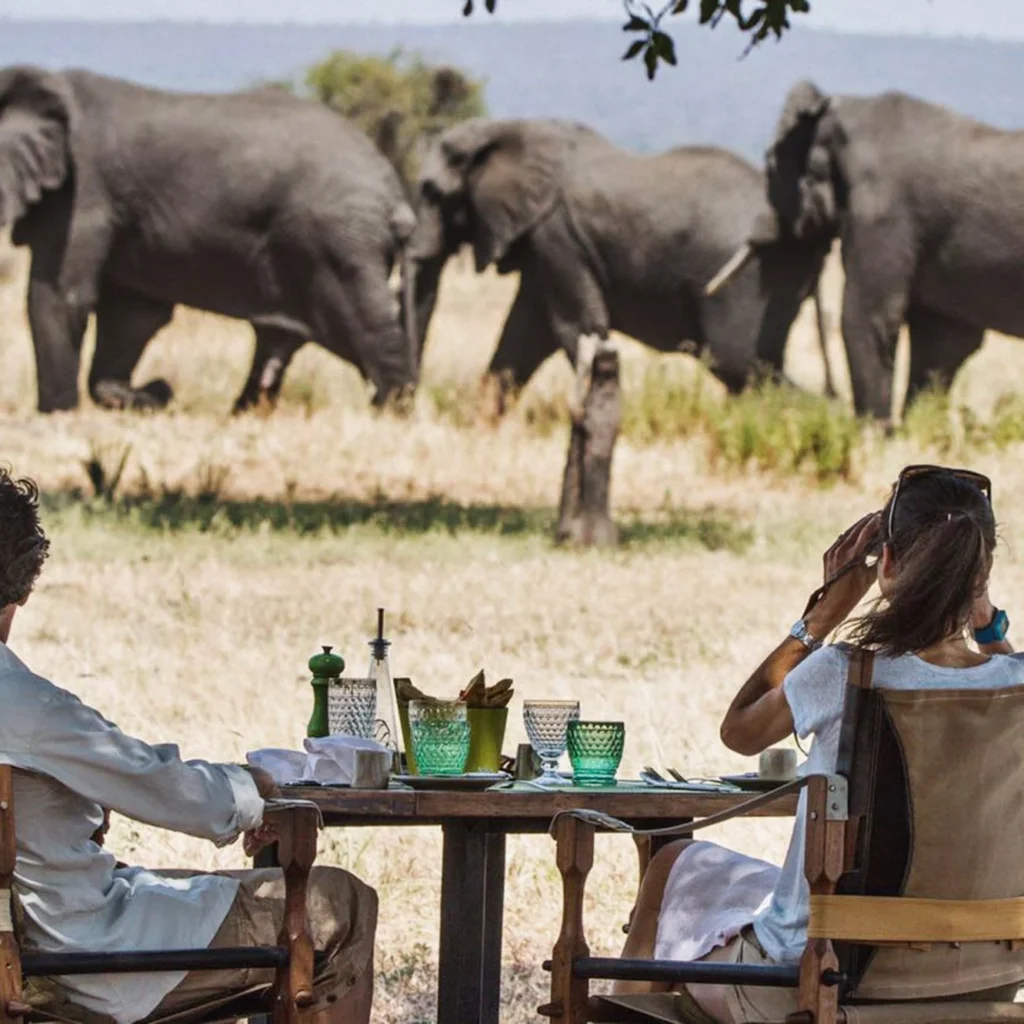
An African safari is one of the world’s most unforgettable Tanzania wildlife safari experiences, offering close encounters with iconic animals across the Serengeti, Ngorongoro Crater, and Tarangire National Park. From the legendary Big Five—lion, leopard, elephant, buffalo, and rhino—to rare and endangered species, an African safari delivers unmatched biodiversity and breathtaking landscapes. Travelers searching for wildlife safari tours, luxury African safaris, and adventure safari holidays will discover endless opportunities for game drives, photography, and cultural experiences. This guide highlights the top animals to see on an African safari, helping visitors understand their behavior, habitats, and conservation status. Whether exploring East Africa or Southern Africa, every safari promises dramatic wildlife moments, making it a top bucket-list travel experience for nature lovers, photographers, and adventure seekers worldwide today and forever safaris. African Elephant African Elephant The African elephant is the largest land mammal on Earth and one of the most sought-after animals on an African safari. Known for its intelligence, memory, and strong social bonds, the African elephant roams savannahs, forests, and national parks such as Serengeti and Tarangire, Lake Manyara National Park. For an incredible African safari, travelers often search for elephant herds, wildlife photography tours, and Big Five safari experiences. These gentle giants play a vital ecological role by shaping landscapes and creating water access for other species. Seeing elephants in the wild is a highlight of luxury African safari packages and adventure safari tours. Conservation efforts across East Africa and Southern Africa aim to protect elephants from poaching and habitat loss, making sightings both meaningful and unforgettable for wildlife enthusiasts. A must-see safari icon across Africa every season destination. African Lion African Lion The African lion is known as the king of the jungle and is one of the most iconic animals on an African safari. It is commonly found in the savannahs and grasslands of the Serengeti, Maasai Mara, and Kruger National Park, where safari travelers enjoy thrilling big cat sightings. Lion prides are highly social groups led by dominant males and skilled lionesses responsible for hunting and protecting cubs. Safari enthusiasts seek African lion sightings as part of the Big Five wildlife safari experience in Africa. Lions play a crucial role in maintaining ecosystem balance by controlling herbivore populations across African savannas. Seeing lions on safari is a powerful wildlife moment, especially during sunrise game drives in East Africa’s top national parks and protected wilderness reserves, a truly unforgettable African safari experience for visitors. African Leopard African Leopard The African leopard is one of the most elusive predators on an African safari, known for stealthits and solitary behavior. It is often spotted resting in trees in Serengeti, South Luangwa, and Okavango Delta, making it a prized sighting for safari travelers. Leopards are powerful hunters that rely on camouflage, strength, and patience to ambush prey in the wild. African safari enthusiasts consider leopard sightings a rare and unforgettable wildlife experience. They are an essential part of the Big Five and play a key role in ecosystem balance across African habitats. Spotting a leopard during an African safari is a highlight for wildlife photographers and adventure seekers exploring national parks and private game reserves across East and Southern Africa truly rare and magical big cat encounter experience in wilderness safaris. African Buffalo African Buffalo The African buffalo is a powerful and unpredictable member of the Big Five, commonly seen on African safari tours. It inhabits savannahs, floodplains, and forests in Serengeti, Ngorongoro, and Kruger National Park. Buffalo herds can number in the hundreds, providing dramatic wildlife viewing opportunities for safari travelers. They are known for their strength, defensive behavior, and ability to protect themselves from predators like lions. African safari experiences often highlight buffalo as part of the Big Five wildlife encounters. Watching African buffalo on safari is a thrilling experience, especially when large herds move across open plains during migration seasons, attracting predators and offering unforgettable moments for photographers exploring Tanzania and Kenya’s most famous national parks and conservation areas in East Africa, making it a top safari highlight worldwide for visitors today. African Rhino African Rhino The African rhino is one of the rarest and most endangered animals on an African safari, including both black rhino and white rhino species. These powerful herbivores are primarily found in protected areas such as Ngorongoro Crater, Ol Pejeta Conservancy, and Kruger National Park. Safari travelers often search for rhino tracking tours and Big Five safari experiences to witness these prehistoric-looking giants. Rhinos play an important role in shaping grassland ecosystems through grazing behavior. Unfortunately, they face severe threats from poaching, making conservation efforts critical across Africa. Seeing a rhino in the wild is a rare and emotional moment for wildlife enthusiasts and photographers. African safari tours focused on conservation offer some of the best opportunities to view rhinos safely in their natural habitat and protected reserves across East Africa. African Giraffe African Giraffe The African giraffe is one of the most elegant and recognizable animals on an African safari, known for its long neck and unique spotted coat. Giraffes are commonly seen in Serengeti, Tarangire, and Masai Mara, gracefully feeding on acacia trees. Safari travelers often seek giraffe encounters for wildlife photography and family safari experiences. These gentle browsers play a key role in shaping vegetation by feeding on high tree branches unreachable by other herbivores. African safari tours frequently highlight giraffes as part of Big Five alternatives and general wildlife viewing. Watching giraffes move across golden savannah landscapes is a peaceful and unforgettable safari experience. Their calm behavior and striking appearance make them one of the most photographed animals in Africa, attracting visitors from all over the world to national parks and reserves. Cheetah Cheetah The cheetah is the fastest land animal in the world and a thrilling highlight on an African safari. Found in Serengeti, Masai Mara, and Namibian plains, cheetahs are built for speed and precision hunting. Safari travelers often search for cheetah sightings during game drives and wildlife photography safaris. Unlike lions and leopards, cheetahs
Why Does Mount Kilimanjaro Have Snow, Glaciers, and Ice Cap?
Explore fabulous Mount Kilimanjaro, the highest peak in Africa and one of the world’s most iconic free-standing mountains, which is famous for its rare snow, glaciers, and ice cap despite its location near the equator. This unique phenomenon on Mount Kilimanjaro, snow and ice cap formation, has fascinated scientists, climbers, and travelers for centuries. The presence of Kilimanjaro glaciers is the result of a combination of extreme altitude, atmospheric cooling, and historical climate conditions. Although located in tropical Tanzania, the summit experiences freezing temperatures that allow ice to persist. However, these glaciers are rapidly shrinking due to climate change and global warming. Understanding why Mount Kilimanjaro has snow and ice reveals important insights into tropical glaciation, high-altitude weather systems, and environmental change affecting East Africa’s most famous natural landmark today worldwide research focus. 1. Extreme Altitude and Freezing Temperatures One of the main reasons Mount Kilimanjaro has snow, glaciers, and an ice cap is its extreme altitude, reaching 5,895 meters at Uhuru Peak. At this height, air pressure drops and temperatures fall well below freezing, especially at night and early morning hours. The high-altitude environment reduces oxygen levels and limits heat retention, allowing snow and Kilimanjaro glaciers to survive year-round despite tropical location near the equator. These freezing summit conditions explain the persistence of Mount Kilimanjaro ice cap and its unique polar-like climate within East Africa. Overall, altitude-driven cooling and thin atmosphere are the dominant forces maintaining ice formation and supporting long-term glacier survival on the mountain. This makes Kilimanjaro one of the rare tropical mountains with permanent snow and glaciers today despite global warming trends affecting equatorial peaks. 2. Equatorial Climate with Unique Microclimates Kilimanjaro’s summit experiences extremely cold temperatures that allow snow, glaciers, and ice cap formation even near the equator. At night, temperatures frequently drop below freezing due to thin atmosphere and rapid heat loss. This leads to intense frost formation, which contributes to the preservation of Kilimanjaro glaciers. The cold summit environment behaves similarly to polar regions, making it possible for ice to survive year-round. Despite daytime warming from solar radiation, nighttime cooling dominates the long-term climate balance. These freezing cycles are essential for maintaining Mount Kilimanjaro snow and preventing complete ice melt. However, increasing global temperatures are weakening this balance, accelerating glacier retreat. Understanding these cold summit conditions is key to explaining why Mount Kilimanjaro ice cap still exists in Tanzania’s tropical environment today despite ongoing climate change pressure effects. 3. Orographic Lift and Moisture Condensation Orographic lift plays a significant role in why Mount Kilimanjaro has snow, glaciers, and an ice cap. As moist air masses from the Indian Ocean move inland, they are forced upward by the mountain’s massive structure. This rising air cools rapidly, causing water vapor to condense into clouds and precipitation. At higher elevations, this precipitation falls as snow, contributing to Kilimanjaro glacier formation and long-term ice accumulation. The continuous cycle of moisture uplift and condensation helps sustain the mountain’s summit ice despite its tropical location. However, because much of the moisture is lost at lower altitudes, only limited snow reaches the highest peaks. This makes orographic lift a crucial climatic mechanism influencing Kilimanjaro snow distribution, glacier stability, and overall ice cap persistence in East Africa’s tallest mountain system scientifically proven mechanism. 4. Historical Ice Age Remnants Mount Kilimanjaro’s snow, glaciers, and ice cap are partly remnants of the last Ice Age, when global temperatures were significantly colder. During that period, extensive glaciation occurred across East Africa, allowing permanent ice to form on high volcanic peaks like Kilimanjaro. Although the global climate has warmed since then, some of these ancient ice bodies have survived at the summit due to persistent cold conditions. These Kilimanjaro glaciers are considered relics of a colder geological era, preserved by altitude and limited solar heating. Over thousands of years, they have gradually shrunk, but traces remain visible today. This historical legacy explains why Mount Kilimanjaro ice cap exists in a tropical region, making it one of the most scientifically important examples of equatorial glaciation and paleoclimate evidence studied extensively by scientists worldwide. 5. Cold Summit Temperatures and Night Frost Kilimanjaro’s summit experiences extremely cold temperatures that allow snow, glaciers, and ice cap formation even near the equator. At night, temperatures frequently drop below freezing due to thin atmosphere and rapid heat loss. This leads to intense frost formation, which contributes to the preservation of Kilimanjaro glaciers. The cold summit environment behaves similarly to polar regions, making it possible for ice to survive year-round. Despite daytime warming from solar radiation, nighttime cooling dominates the long-term climate balance. These freezing cycles are essential for maintaining Mount Kilimanjaro snow and preventing complete ice melt. However, increasing global temperatures are weakening this balance, accelerating glacier retreat. Understanding these cold summit conditions is key to explaining why Mount Kilimanjaro ice cap still exists in Tanzania’s tropical environment today despite ongoing climate change pressure effects. 6. Glacier Formation Processes Glacier formation on Mount Kilimanjaro occurs through long-term accumulation and compaction of snow into dense ice layers. Over time, repeated snowfall at high altitudes compresses into glacial ice, creating Kilimanjaro glaciers that slowly move under gravity. This process is driven by persistent cold temperatures, limited melting, and seasonal snow deposition. The unique combination of tropical location and extreme altitude allows ice to form despite high solar exposure. These glaciers are essential components of the Mount Kilimanjaro ice cap system, reflecting centuries of climatic stability in the summit zone. However, reduced snowfall and rising temperatures are disrupting glacier formation processes. Understanding how Kilimanjaro glaciers form helps explain the presence of permanent snow and ice in one of Africa’s most iconic mountain environments crucial for climate and environmental research studies in East Africa region. 7. Impact of Climate Change on Ice Cap Climate change is the most significant factor affecting Mount Kilimanjaro snow, glaciers, and ice cap reduction. Rising global temperatures have accelerated the melting of Kilimanjaro glaciers over the past century. This has resulted in a dramatic decrease in ice volume and
Everything You Need To Know About Africa Photo Safaris

An Africa photo safari is one of the most rewarding wildlife photography experiences in the world, combining adventure, nature, and storytelling through the lens. From the golden savannahs of the Serengeti to the dramatic landscapes of the Ngorongoro Crater, Africa offers unmatched opportunities for capturing the Big Five, the Great Migration, and rare wildlife moments in their natural habitat. A photo safari is not just a trip—it is a professional and personal journey into the heart of the African wilderness. Whether you are a beginner or a professional photographer, Africa photo safaris provide expert guides, customized safari vehicles, and ideal lighting conditions for perfect shots. Countries like Tanzania remain top African photographic safari destinations for wildlife photography safaris, offering year-round game viewing and breathtaking scenery for unforgettable photographic storytelling. 1. What Is an African Photo Safari? An African photo safari is a specialized wildlife safari designed specifically for photography enthusiasts who want to capture high-quality images of animals, landscapes, and cultural scenes. Unlike traditional safaris, photo safaris focus on positioning, timing, and patience to get the perfect shot. Professional guides and photography experts help travelers track wildlife and understand animal behavior for better composition. Incredible African photo safari destinations such as Serengeti National Park and Ngorongoro Crater are popular because of their dense wildlife populations and dramatic scenery. These African photographic safaris often include customized 4×4 vehicles with open roofs, bean bags for camera stability, and flexible itineraries. The goal is not just to see wildlife but to document it artistically, making Africa photo safaris a top choice for wildlife photographers, content creators, and travel bloggers seeking authentic and powerful visual storytelling experiences. 2. Best Destinations for Africa Photo Safaris Africa offers some of the world’s most iconic photo safari destinations. Serengeti National Park is famous for the Great Migration, where millions of wildebeest and zebras cross vast plains. Ngorongoro Crater provides a natural amphitheater filled with lions, elephants, and rhinos, ideal for close-up wildlife photography, equally impressive for predator action shots. Arusha National Park and Lake Manyara National Park offer water-based safari photography with elephants and hippos. Tarangire National Park is known for accessibility and diverse wildlife. Each Tanzania photographic safari destination provides unique lighting, terrain, and animal behavior patterns, giving photographers endless creative possibilities. Choosing the right African photo safari location depends on your photography goals—whether capturing action, landscapes, or intimate wildlife portraits in Africa’s most photogenic wilderness areas. 3. Best Time for Africa Photo Safaris The best time for African photo safaris depends on the weather, wildlife movement, and lighting conditions. The dry season, typically from June to October in East Africa, is considered ideal because animals gather around water sources, making them easier to photograph. In Serengeti National Park, this period coincides with the Great Migration river crossings, offering dramatic action shots. The wet season, from November to May, brings lush green landscapes, fewer tourists, and beautiful bird photography opportunities. Early morning and late afternoon light, known as golden hour, provide the best photographic conditions. Photographers also benefit from clear skies and reduced vegetation during dry months, improving visibility. Ultimately, timing your safari correctly enhances image quality, wildlife encounters, and overall experience, making seasonal planning a crucial part of any successful Africa photo safari adventure. 4. Essential Photography Gear for Safaris A successful African photo safari requires the right photography equipment. A DSLR or mirrorless camera with fast autofocus is essential for capturing moving wildlife. Telephoto lenses such as 100–400mm or 600mm are ideal for distant subjects like lions and elephants. Wide-angle lenses help capture landscapes in places like Ngorongoro Crater. Extra batteries, memory cards, and dust protection are critical due to long game drives and rough terrain. A bean bag or monopod helps stabilize shots inside safari vehicles. Many photographers also carry weatherproof bags to protect gear from dust and rain. Binoculars are useful for spotting animals before photographing them. Good equipment enhances image sharpness, composition, and flexibility, ensuring photographers can capture every moment of Africa’s wildlife action without missing key opportunities in the field. 5. Wildlife You Can Photograph in Africa Africa is home to some of the most diverse and photogenic wildlife on Earth. On an African photo safari, you can capture the Big Five: lions, elephants, leopards, rhinos, and buffalos. In Serengeti National Park, photographers also encounter cheetahs, giraffes, zebras, and wildebeest. Bird photographers will find over 1,000 species, including flamingos and eagles. The dramatic landscapes of Ngorongoro Crater provide opportunities for close-up wildlife portraits in a natural amphitheater setting. Beyond mammals, Africa offers unique moments such as predator hunts, river crossings, and migration scenes. Each species presents different photographic challenges and storytelling opportunities. Understanding animal behavior improves your chances of capturing rare and powerful wildlife moments that define professional African photo safari portfolios. 6. Types of Africa Photo Safaris Africa photo safaris come in different styles depending on travel preferences and photography goals. Luxury photo safaris offer high-end lodges, private guides, and customized vehicles for comfort and exclusivity. Budget African safaris provide affordable group experiences without compromising wildlife access. Mobile camping African photo safaris allow photographers to move with wildlife across regions like Serengeti National Park. Fly-in African photo safaris reduce travel time and maximize shooting opportunities in remote areas. Private photo safaris are tailored for professional photographers needing flexible schedules and expert guidance. Walking African safaris offer close-up nature photography experiences under armed ranger supervision. Each type provides different levels of comfort, access, and photographic flexibility, allowing travelers to choose the perfect safari style based on budget, skill level, and creative objectives in African wilderness environments. 7. Photography Techniques for Safaris Mastering photography techniques is essential for a successful African photo safari. Understanding lighting, especially golden hour conditions, significantly improves image quality. Fast shutter speeds help freeze action during predator hunts or river crossings in Serengeti National Park. Using aperture control allows photographers to isolate subjects and blur backgrounds for dramatic wildlife portraits. Continuous autofocus is important for moving animals like cheetahs or elephants. Composition techniques such as the
A step-by-step guide for planning adventure travel
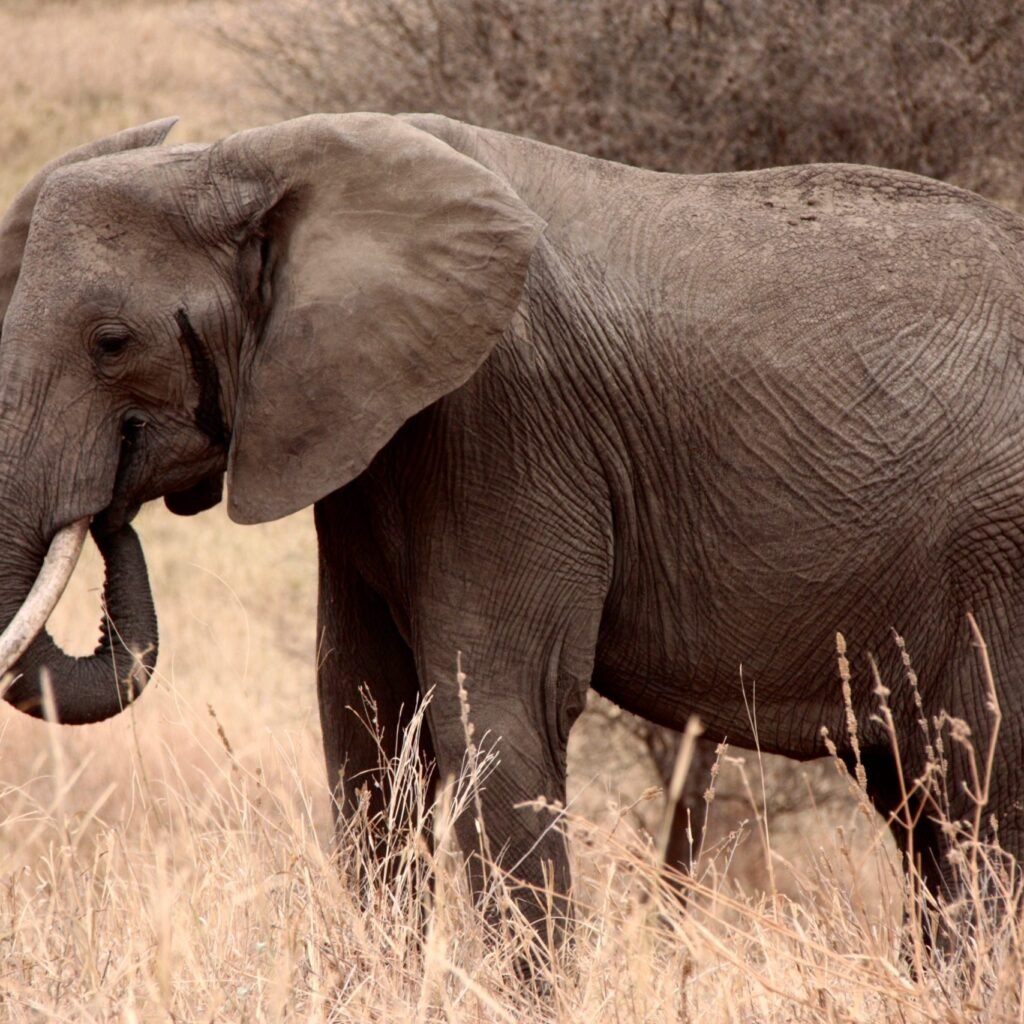
Adventure travel has become one of the fastest-growing trends in global tourism, attracting explorers seeking hiking, safaris, trekking, diving, and off-the-beaten-path experiences. A successful adventure trip requires careful planning, research, and strategy to ensure safety, affordability, and unforgettable memories. This step-by-step guide for planning adventure travel is designed to help beginners and experienced travelers create seamless journeys using proven travel planning tips, budget strategies, and destination insights. Whether you are searching for the best adventure destinations, solo travel experiences, or luxury adventure packages, proper preparation is key. From choosing locations to organizing gear and safety measures, this guide uses such as adventure travel guides, travel planning tips, budget adventure travel, and adventure tourism planning to help you build the perfect trip from start to finish. Define Your Adventure Travel Goals The first step in planning adventure travel is defining your goals clearly. Ask yourself what type of experience you want—mountain trekking, wildlife safari, diving, hiking, or cultural exploration. This helps narrow down destinations and activities, like adventure travel planning, best adventure experiences, and an outdoor travel guide ensures clarity in research. Your goals also determine trip duration, budget, and difficulty level. Beginners may prefer guided tours, while experienced travelers may choose extreme adventure tourism. Setting clear expectations avoids confusion later and improves satisfaction. Whether you want solo adventure travel or group expeditions, identifying your purpose ensures a focused and well-organized journey aligned with your personal interests and travel style. Set a Realistic Travel Budget Budgeting is a critical part of adventure travel planning. Determine how much you can afford for flights, accommodation, activities, gear, and emergencies. Use keywords like budget adventure travel, cheap adventure trips, and affordable travel planning to guide research. Divide your budget into categories and include hidden costs such as permits and insurance. Research destination pricing to avoid overspending. Budgeting also helps you choose between luxury adventure tours and backpacking experiences. Always keep an emergency fund for unexpected expenses. Smart financial planning ensures you enjoy your adventure without stress. A well-structured budget is the foundation of successful travel planning and allows you to maximize experiences while staying financially secure. Research the Best Adventure Destinations Choosing the right destination is essential for a successful adventure trip. Research global hotspots such as Tanzania safaris, Kilimanjaro trekking, Patagonia hiking, or Asian jungle expeditions. Use SEO keywords like best adventure destinations, top travel spots, and adventure tourism guide. Consider climate, terrain, safety, and accessibility. Compare multiple destinations based on your travel goals. Online reviews, travel blogs, and expert guides help you make informed decisions. Look for destinations that match your fitness level and interests. Whether you want wildlife adventures or mountain climbing, thorough research ensures an unforgettable experience. Destination selection shapes your entire adventure travel journey and defines the quality of your experience. Choose the Best Time to Travel Timing plays a major role in adventure travel success. Research the best seasons for your chosen destination to avoid extreme weather or unsafe conditions. Keywords such as best time to travel, seasonal travel guide, and adventure travel seasons are essential for optimization. For example, safari destinations are best during dry seasons, while mountain trekking may depend on snow conditions. Traveling at the right time improves safety, visibility, and overall enjoyment. It also affects pricing and crowd levels. Planning around weather patterns ensures smoother logistics and better experiences. Always check climate forecasts before booking your adventure trip to maximize comfort and adventure quality. Prepare Travel Documents and Visas Proper documentation is crucial for international adventure travel. Ensure your passport is valid and check visa requirements for your destination, like travel visa guide, passport requirements, and international travel planning. Some adventure destinations require permits for trekking or wildlife tours. Apply early to avoid delays. Keep digital and printed copies of documents for safety. Travel insurance documents should also be included. Proper documentation ensures smooth border entry and avoids last-minute stress. Whether you are planning a safari in Africa or trekking in Asia, organized paperwork is a key part of successful adventure travel planning and ensures legal and stress-free travel. Improve Physical Fitness for Adventure Adventure travel often involves physical activities such as hiking, climbing, or long walking tours. Preparing your body is essential for safety and enjoyment, like fitness for travel, adventure travel preparation, and trekking fitness guide. Start training weeks or months before your trip, focusing on endurance, strength, and stamina. Activities like running, cycling, and hiking help improve performance. Fitness preparation reduces injury risk and increases energy levels during your adventure. Consult professionals if needed for structured training plans. Being physically ready ensures you can fully enjoy demanding activities like mountain trekking or safari walks without exhaustion or health issues. Pack Essential Adventure Gear Packing the right gear is vital for a successful adventure trip. Include clothing suitable for weather conditions, hiking boots, backpacks, and safety equipment, like adventure travel gear, a packing list for travel, and essential travel equipment. Lightweight and durable items are recommended. Depending on your destination, you may need camping gear, rain jackets, or snorkeling equipment. Overpacking should be avoided to maintain mobility. Always carry first aid kits and personal essentials. Proper packing ensures comfort and preparedness for any situation. A well-planned packing strategy enhances your travel experience and supports smooth adventure activities in various environments and terrains. Get Reliable Travel Insurance Travel insurance is a must for adventure tourism. It protects you from unexpected medical expenses, trip cancellations, or lost belongings, including travel insurance for adventure, safe travel planning, and international travel protection. Adventure activities often carry higher risks, making insurance even more important. Choose a policy that covers trekking, diving, or extreme sports if required. Compare providers to find the best coverage. Having insurance provides peace of mind and financial security. It ensures you are protected in emergencies while traveling abroad or locally. Reliable insurance is a core part of responsible adventure travel planning and safety preparation. Book Transportation in Advance Transportation plays a key role in adventure travel planning. Book flights, buses, or internal
Essential Steps to Planning the Ultimate Couple’s Adventure Trip

Planning the ultimate couple’s adventure trip is one of the most exciting ways to create unforgettable memories together. Whether you dream of a luxury African safari, romantic beach escape, mountain trekking expedition, wildlife safari holiday, or adrenaline-filled honeymoon adventure, careful preparation ensures a smooth and stress-free experience. Today’s travelers seek romantic travel packages, luxury safari tours, adventure vacations for couples, and tailor-made holiday experiences that combine comfort, excitement, and cultural discovery. From choosing the perfect destination to budgeting wisely and selecting the best accommodations, every step matters when organizing a successful romantic getaway. A well-planned couple’s adventure vacation offers breathtaking landscapes, thrilling outdoor activities, intimate moments, and lifelong memories. With the right travel strategy, couples can enjoy the perfect balance of romance, relaxation, adventure, wildlife experiences, and luxury travel in some of the world’s most beautiful destinations. Step 1. Choose the Perfect Adventure Destination Choosing the ideal destination is the foundation of planning the ultimate couple’s adventure trip. Popular romantic travel destinations include Tanzania safaris, Zanzibar beach holidays, Mount Kilimanjaro trekking, Serengeti National Park, Ngorongoro Crater, Maldives escapes, and luxury African safari vacations. Couples should consider travel interests, weather, safety, budget, and preferred activities before booking. Adventure-loving couples may prefer hiking, scuba diving, wildlife safaris, hot-air balloon rides, or cultural tours. Romantic travelers often seek luxury lodges, private safari camps, beachfront resorts, and honeymoon packages. Researching the best time to visit your destination helps maximize wildlife viewing, outdoor activities, and overall comfort. A carefully selected destination enhances the entire travel experience and creates unforgettable memories. Selecting a dream destination together also strengthens emotional connections while ensuring both partners enjoy the perfect balance of adventure, romance, relaxation, and luxury travel experiences. Step 2. Set a Realistic Travel Budget Creating a realistic travel budget helps couples enjoy a stress-free and affordable adventure vacation. Budget planning should include flights, accommodation, safari tours, transportation, travel insurance, park fees, meals, activities, and emergency expenses. Luxury safaris, romantic beach resorts, and all-inclusive travel packages may require advanced financial preparation. Comparing tour operators, airline deals, and accommodation prices can help couples secure affordable adventure travel packages without sacrificing quality. Travelers should also budget for souvenirs, tipping guides, and optional activities like hot-air balloon safaris or scuba diving excursions. Booking early often provides access to discounted safari packages, honeymoon offers, and seasonal promotions. A clear travel budget prevents unnecessary financial stress during the journey. Careful budgeting allows couples to focus on romance, wildlife adventures, luxury experiences, and unforgettable travel moments while enjoying a perfectly planned and financially comfortable adventure trip together. Step 3. Choose the Best Time to Travel Timing plays a major role in planning the ultimate couple’s adventure trip. Different destinations offer unique experiences depending on the season, climate, and wildlife migration patterns. For example, Tanzania safari tours are exceptional during the Great Migration in Serengeti National Park, while Zanzibar beach holidays are best during the dry seasons with sunny weather. Couples planning mountain trekking adventures should avoid heavy rainy seasons for safety and comfort. Peak travel seasons may offer excellent wildlife viewing but often come with higher accommodation prices and crowded tourist attractions. Shoulder seasons can provide affordable safari tours, fewer crowds, and pleasant weather conditions. Researching weather patterns, festival dates, and local travel conditions helps couples maximize their adventure experience. Traveling during the right season ensures better photography opportunities, comfortable outdoor activities, romantic sunsets, and unforgettable safari memories in breathtaking destinations worldwide. Step 4. Book Flights and Accommodation Early Early booking is one of the smartest travel planning strategies for couples seeking unforgettable adventure vacations. Reserving international flights and luxury accommodations in advance often guarantees better prices, wider room selection, and access to exclusive honeymoon packages. Popular safari lodges, beachfront resorts, and romantic boutique hotels can sell out quickly during peak tourist seasons. Couples should look for accommodations that offer privacy, scenic views, luxury amenities, and personalized experiences. Many travelers prefer eco-lodges, luxury safari camps, all-inclusive resorts, and private villas for romantic adventure holidays. Flexible booking policies and travel cancellation protection also provide peace of mind. Booking flights early allows couples to secure ideal schedules, preferred airlines, and affordable airfare deals. Careful accommodation planning improves comfort, convenience, relaxation, and overall travel satisfaction, ensuring couples enjoy a memorable adventure filled with romance, luxury, wildlife encounters, and breathtaking scenery. Step 5. Plan Exciting Activities Together Adventure travel becomes more meaningful when couples plan exciting activities together. A balanced itinerary should include thrilling adventures, romantic moments, and opportunities for relaxation. Popular Tanzania safari for couples’ adventure activities include wildlife safaris, snorkeling, scuba diving, mountain hiking, zip-lining, canoeing, cultural tours, and sunset cruises. Romantic experiences such as candlelight dinners, spa treatments, hot-air balloon safaris, and private beach excursions can make the journey even more unforgettable. Couples should discuss personal interests and comfort levels to create a travel itinerary that both partners enjoy equally. Including flexible free time also allows spontaneous adventures and relaxation. Choosing activities that encourage teamwork and shared experiences strengthens emotional bonds and creates lifelong memories. Adventure-filled vacations provide couples with opportunities to explore nature, discover new cultures, and experience thrilling moments together while enjoying luxury travel experiences, scenic landscapes, and unforgettable romantic destinations. Step 6. Pack Smart for the Adventure Packing efficiently is essential for a smooth and enjoyable couple’s adventure trip. Travelers should prepare according to the destination climate, planned activities, and airline luggage restrictions. Essential travel items often include lightweight clothing, hiking boots, sunscreen, insect repellent, cameras, travel adapters, waterproof jackets, and comfortable safari wear. Couples visiting tropical destinations or African safari parks should pack breathable fabrics and neutral-colored clothing for wildlife viewing. Important documents such as passports, visas, travel insurance, vaccination certificates, and flight confirmations should remain organized and easily accessible. Packing cubes and travel organizers help maximize luggage space and simplify travel arrangements. Couples should also carry basic medical supplies and emergency essentials for safety. Smart packing reduces travel stress, improves mobility, and enhances overall comfort throughout the journey. Proper preparation allows couples to focus entirely on romance, adventure activities,
Reasons to Choose the Wet Season for your Tanzania Safari
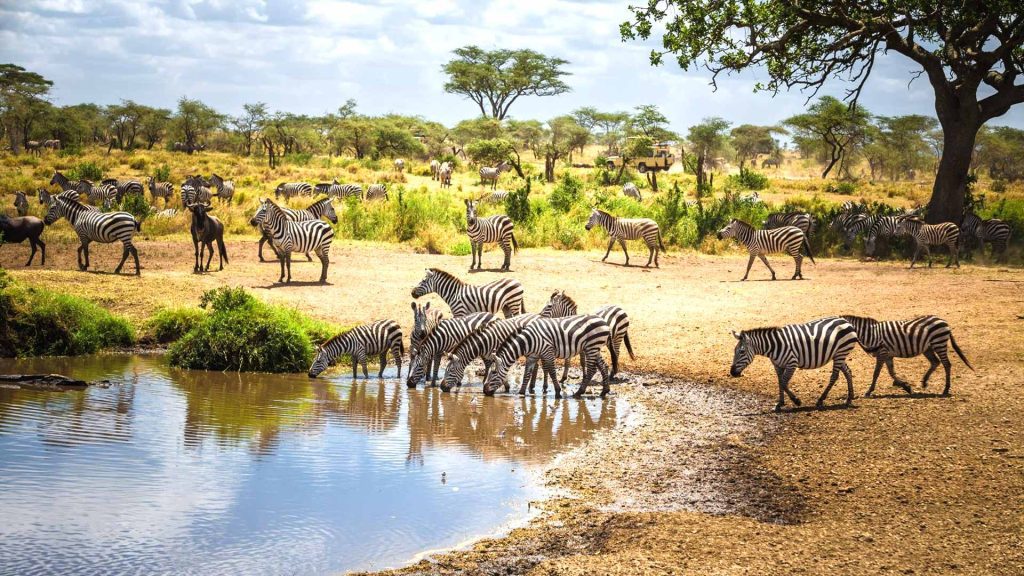
The wet season in Tanzania, often called the “green season safari,” is one of the most underrated yet rewarding times to explore East Africa. From November to May, landscapes transform into lush, vibrant scenery, creating perfect conditions for photography, birdwatching, and peaceful wildlife encounters. While many travelers focus on the dry season, the wet season offers unique advantages such as fewer crowds, lower safari prices, dramatic skies, and newborn wildlife. Destinations like the Serengeti National Park, Ngorongoro Conservation Area, and Tarangire National Park become greener, quieter, and more intimate. This season is ideal for travelers seeking authentic safari experiences, budget-friendly Tanzania safari packages, and exceptional wildlife photography opportunities. 1. Lush Green Landscapes for Stunning Photography During the Tanzania safari wet season, the landscapes transform into a lush green paradise, making it one of the most visually rewarding times for photography. The green season safari in Tanzania brings fresh grasslands, blooming wildflowers, and dramatic contrasts across iconic destinations such as Serengeti National Park and Ngorongoro Crater. Photographers love this period because vibrant colors enhance wildlife images and create postcard-perfect scenery. Rivers and waterholes are full, reflecting the sky and surrounding vegetation. The atmosphere feels alive, fresh, and untouched, offering a completely different perspective from the dry season safari experience. This is also the best time for nature lovers seeking dramatic landscapes, soft lighting, and fewer dust conditions. Every frame captures raw beauty, making it ideal for travel bloggers and safari photographers around the world today. 2. Lower Safari Prices and Budget-Friendly Packages One of the biggest advantages of choosing the Tanzania safari wet season is significantly lower safari prices, making it ideal for budget travelers and luxury seekers alike. During the green season safari in Tanzania, many lodges and camps reduce their rates, offering affordable safari packages without compromising quality. This is the best time for cheap safari deals in Serengeti National Park, Ngorongoro Crater, and Tarangire National Park. Tour operators also provide seasonal discounts and customized itineraries. Flights and accommodations are more flexible, giving visitors more value for money. Budget safari Tanzania experiences become more accessible, allowing guests to enjoy premium wildlife encounters at reduced costs. Even luxury safari lodges offer special promotions, making it a perfect high-end safari experience at lower prices and seasonal deals. 3. Fewer Tourists and Private Safari Experience Choosing the Tanzania safari wet season offers travelers a rare opportunity to enjoy fewer tourists and a more private safari experience across top destinations like Serengeti National Park and Ngorongoro Crater. The green season safari in Tanzania ensures quieter game drives, less crowded viewpoints, and uninterrupted wildlife sightings. Tourists can enjoy personalized safari experiences with fewer vehicles at sightings, making wildlife encounters more natural and immersive. This season is perfect for travelers who prefer peaceful safaris, uninterrupted photography, and a deeper connection with nature. Luxury safari lodges and tented camps also offer enhanced privacy during the low tourist season, making it ideal for honeymooners and solo travelers. Safari guides provide more attention, ensuring safe and memorable wildlife experiences for every guest each year. 4. Incredible Birdwatching Opportunities The Tanzania safari wet season is one of the best times for incredible birdwatching opportunities, attracting bird enthusiasts worldwide to explore biodiversity in Serengeti National Park, Lake Manyara, and Ngorongoro Crater. During the green season safari in Tanzania, migratory birds arrive in large numbers, creating vibrant scenes filled with color and sound. This season is ideal for spotting rare species, nesting birds, and migratory flocks not commonly seen during the dry season safari period. Birdwatching safaris offer photographers exceptional chances to capture unique bird species in natural habitats. Early morning and late afternoon game drives offer the best birding visibility with green backgrounds enhancing photography results. This makes Tanzania a top destination for birdwatching safari tours and eco-tourism travel experiences. 5. Baby Animals and Calving Season Wildlife The Tanzania safari wet season is famous for baby animals and calving season wildlife, especially in Serengeti National Park, where thousands of wildebeest and zebras give birth. This natural event attracts predators and creates dramatic wildlife interactions across the plains. The green season safari in Tanzania offers unique opportunities to witness newborn animals taking their first steps, feeding, and bonding with herds. Wildlife enthusiasts enjoy close encounters with lion cubs, elephant calves, and antelope births, making it one of the most exciting safari seasons in East Africa. The abundance of food and water supports strong wildlife activity, increasing chances of predator-prey interactions. This period is a highlight for safari photography, offering rare and emotional wildlife moments across Tanzania’s national parks. 6. Dramatic Skies and Stunning Sunset Views The Tanzania safari wet season brings dramatic skies and breathtaking sunset views, making every safari moment visually unforgettable. The green season safari in Tanzania is known for powerful cloud formations, lightning displays, and colorful horizons that enhance photography opportunities. In Serengeti National Park and Ngorongoro Crater, sunsets become more vivid due to moisture in the air, creating golden and red tones across the savannah. Travelers enjoy peaceful evenings after game drives, watching wildlife silhouettes against glowing skies. This season also enhances landscape photography, offering contrast between green plains and dramatic weather conditions. For safari lovers seeking emotional and cinematic scenery, the wet season provides unmatched visual beauty. It is one of the most romantic and inspiring times for a Tanzania safari experience. 7. Best Time for Safari Photography Tours The Tanzania safari wet season is considered one of the best times for safari photography tours due to its vibrant landscapes and dramatic lighting. The green season safari in Tanzania provides photographers with lush backgrounds, active wildlife behavior, and fewer tourist distractions. Serengeti National Park safari photography becomes especially rewarding with migrating herds and newborn animals. Ngorongoro Crater offers misty mornings and rich colors that enhance image depth. This season is ideal for professional photographers and travel influencers seeking unique content. Soft light conditions during mornings and evenings create perfect exposure opportunities. Wildlife is also more active, increasing the chances of capturing rare moments. Overall, the
Where Do the Kilimanjaro Climbs Begin?
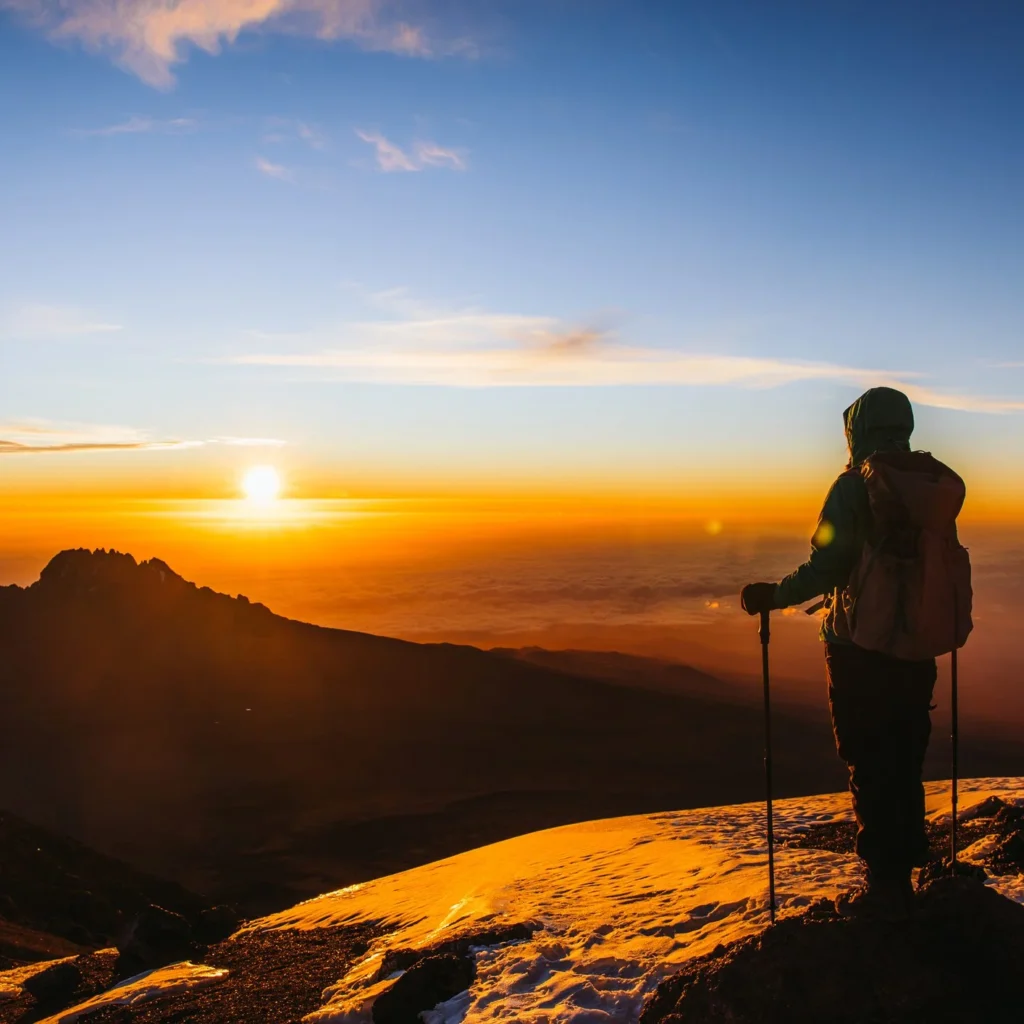
Mount Kilimanjaro is Africa’s highest peak and one of the world’s most iconic trekking destinations, attracting climbers searching for “Kilimanjaro climbing routes,” “best Kilimanjaro trails,” and “where Kilimanjaro climbs begin.” Every successful summit starts at carefully designated entry points located around Kilimanjaro National Park. These starting gates are the foundation of all Kilimanjaro trekking routes, including Machame, Marangu, Lemosho, Rongai, Umbwe, and the Northern Circuit. Understanding where climbs begin is essential for choosing the right route, preparing logistics, and planning a safe ascent. Most climbers begin their journey from Moshi or Arusha, where tour operators organize transfers to the park gates. This guide explains each starting point in detail, helping you discover the best Kilimanjaro route based on scenery, difficulty, acclimatization, success rates, and overall trekking experience in Tanzania’s legendary mountain adventure. Kilimanjaro Climb Starting Point Overview All Kilimanjaro climbs officially begin at the entry gates managed by Kilimanjaro National Park authorities. These gates are the controlled access points where trekkers register, meet guides, and start their ascent into the mountain’s diverse ecosystems. The most popular starting zones include Machame Gate, Marangu Gate, Londorossi Gate, and Rongai Gate. Each gate corresponds to a specific Kilimanjaro trekking route, influencing scenery, difficulty, and success rates. Climbers cannot ascend independently; all expeditions must begin with licensed guides and registered tour operators. These starting points are typically reached by road from Moshi or Arusha, the main safari hubs in northern Tanzania. Understanding these entry points is crucial for planning a successful Kilimanjaro climb, selecting the best route, and preparing for altitude acclimatization as you move from rainforest zones to alpine desert and eventually the summit of Uhuru Peak. Moshi – The Main Gateway to Kilimanjaro Climbs Moshi is the primary town where most Kilimanjaro climbing expeditions begin. Located at the foothills of Mount Kilimanjaro, it serves as the central hub for climbers arriving through Kilimanjaro International Airport. From Moshi, trekkers are transferred to various Kilimanjaro National Park gates depending on their chosen route. It is the starting base for Machame, Marangu, Umbwe, and Rongai routes. The town is filled with experienced tour operators, gear rental shops, and briefing centers that prepare climbers for altitude trekking. Keywords such as “Kilimanjaro climbs from Moshi,” “best Kilimanjaro base town,” and “where to start Kilimanjaro hike” all point here. Moshi offers accommodation ranging from budget lodges to luxury hotels, making it the most convenient starting location. Nearly all summit attempts begin here with final route transfers into the mountain’s forested lower slopes. Arusha – Alternative Starting Hub for Kilimanjaro Climbs Arusha is another major gateway for climbers planning to ascend Mount Kilimanjaro, especially those combining safari and trekking experiences. Although slightly farther than Moshi, Arusha is a key tourism city connecting Northern Tanzania safari circuits and Kilimanjaro expeditions. Climbers staying in Arusha are usually transferred to Moshi or directly to the park gates, depending on the route. It is commonly used for Lemosho and Rongai route departures due to its access to the western and northern gate entrances. Arusha is ideal for travelers searching for “Kilimanjaro climbing packages from Arusha” or “best Tanzania safari and Kilimanjaro combo tours.” The city also provides excellent pre-climb preparation, including briefing sessions and gear checks. As a strategic tourism hub, Arusha links safari adventures with mountain trekking, making it a preferred starting base for premium Kilimanjaro itineraries. Machame Gate – Starting Point of the Popular Machame Route Machame Gate is one of the busiest and most famous starting points for climbing Mount Kilimanjaro. Located on the southern slope of the mountain, it is the entry point for the Machame Route, often called the “Whiskey Route” due to its challenging but rewarding ascent. This gate sits within a lush rainforest, offering trekkers a scenic introduction to Kilimanjaro trekking. Climbers register here, meet porters, and begin their journey through dense vegetation rich in wildlife, like “Machame Route Kilimanjaro starting point” and “best Kilimanjaro climbing route” often refer to this gate. The route is popular for its high summit success rate and excellent acclimatization profile. Machame Gate is typically accessed from Moshi by a short drive, making it a convenient and highly recommended starting point for adventure-focused climbers seeking dramatic landscapes and diverse ecological zones. Marangu Gate – The Coca-Cola Route Starting Point Marangu Gate is the official starting point for the famous Marangu Route on Mount Kilimanjaro. Located on the southeastern side of the mountain, it is one of the most accessible and structured entry points. Known as the “Coca-Cola Route,” Marangu is unique because it offers hut accommodations instead of camping, making it popular for beginners and comfort-focused climbers. This gate is heavily used for Kilimanjaro trekking searches like “easiest Kilimanjaro route,” “Marangu Route starting point,” and “hut accommodation Kilimanjaro climb.” The trail begins through lush rainforest before transitioning into moorland and alpine desert zones. Climbers register here, receive permits, and begin a gradual ascent toward the summit. Marangu Gate remains one of the oldest and most historically significant entry points into Kilimanjaro National Park, offering a structured and well-managed climbing experience. Londorossi Gate – Gateway to Lemosho Route Londorossi Gate is the western entry point for climbers taking the scenic Lemosho Route on Mount Kilimanjaro. Located in remote forested areas, this gate provides access to one of the most beautiful and least crowded Kilimanjaro routes. It is ideal for trekkers searching for “best scenic Kilimanjaro route,” “Lemosho starting point,” and “less crowded Kilimanjaro climb.” The journey from Londorossi begins in dense rainforest rich with wildlife before merging with the Shira Plateau. Because of its remoteness, climbers usually travel from Arusha or Moshi by vehicle before entering the gate. Londorossi is favored for high summit success rates due to excellent acclimatization profiles. It is a premium starting point often chosen for luxury Kilimanjaro climbs, offering breathtaking landscapes and gradual altitude gain that increases the chance of reaching Uhuru Peak successfully. Rongai Gate – Northern Side Kilimanjaro Starting Point Rongai Gate is the only major entry point on the northern side of Mount