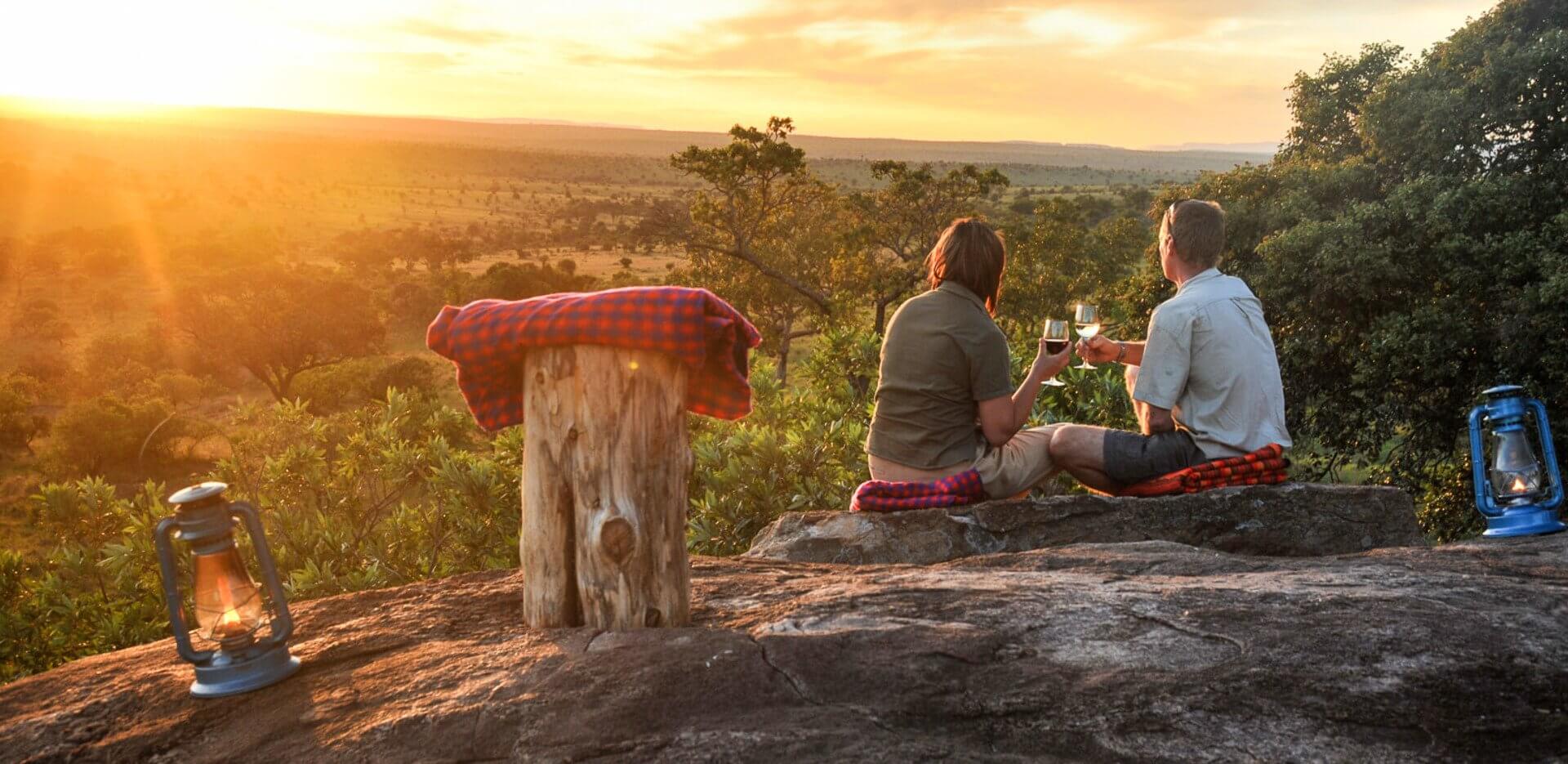
Why you should go on a walking safari
Why you should go on a walking safari
Embarking on a walking safari offers an immersive and intimate way to experience Africa’s wild landscapes, making it a top choice for adventure seekers and nature enthusiasts alike. Unlike traditional vehicle-based safaris, walking safaris allow travelers to explore Africa’s iconic destinations—such as Serengeti National Park, Kruger National Park, and Ngorongoro Crater—on foot, providing a deeper connection with the environment. On a walking safari, visitors can witness wildlife tracks, hear birdsong, and feel the subtle rhythms of the savannah. This type of safari is perfect for those seeking authentic experiences, eco-friendly travel, and personalized wildlife encounters. Whether for solo travelers, couples, families, or luxury safari seekers, walking safaris create unforgettable, bucket-list experiences in Africa’s most breathtaking regions while promoting sustainable and responsible tourism practices.
Reason 1: Unparalleled Connection with Nature
A walking safari provides a rare, intimate connection with Africa’s natural environment. Traversing the wilderness on foot allows travelers to notice details often missed on game drives, from animal tracks to delicate plant species. This sensory immersion enhances awareness of ecosystems, fostering appreciation for biodiversity. Guided walking safaris often include expert naturalists who explain flora, fauna, and ecological relationships, deepening the connection with the landscape. Experiencing the sights, sounds, and smells of Africa without the barrier of a vehicle creates a profound bond with nature. This connection is perfect for eco-conscious travelers, wildlife photographers, and anyone looking for sustainable tourism options. Walking safaris elevate your adventure beyond sightseeing into a transformative, authentic encounter with Africa’s untamed beauty.
Reason 2: Up-Close Wildlife Encounters
Walking safaris allow travelers to encounter wildlife in a more intimate and personal way. While vehicles can sometimes create distance, walking alongside expert guides brings you closer to animals’ natural behavior without disturbing them. You can track elephants, lions, giraffes, and antelopes safely on foot, often spotting elusive species like leopards or wild dogs. These safaris are carefully guided to ensure safety while maximizing observation opportunities. Photographers and wildlife enthusiasts benefit from unique angles and perspectives unavailable on traditional safaris. Up-close wildlife encounters also offer educational insights into predator-prey dynamics, animal behavior, and survival strategies. For adventurers seeking authentic African experiences, walking safaris provide memorable, ethical wildlife interactions that remain etched in memory long after the trip ends.
Approach, feed or disturb wildlife, or leave the vehicle unless your guide says it is safe.
Follow your guide, carry travel insurance and check current health and travel advice.
Reason 3: Sense of Adventure
Walking safaris are inherently adventurous, offering an adrenaline-filled yet safe experience. Traversing diverse terrain—from grassy plains to riverbanks and forested areas—gives a sense of discovery and excitement unmatched by conventional safaris. Each step presents potential sightings of wildlife, tracks, and hidden natural wonders. The unpredictability of the wilderness adds thrill, making every moment unique. Walking safaris appeal to solo travelers, couples, and active holidaymakers seeking immersive, off-the-beaten-path adventures. They challenge participants physically while providing mental stimulation, combining exploration with learning. Adventure enthusiasts can also choose multi-day walking safaris, camping under the stars, and waking up to wildlife sounds. For those wanting more than just a scenic drive, walking safaris deliver authentic adventure experiences in Africa’s wildest landscapes.
Reason 4: Authentic Cultural Experiences
Many walking safaris integrate visits to local communities, offering authentic cultural encounters alongside wildlife exploration. Guides often share stories about indigenous tribes, traditional survival techniques, and local customs, creating a deeper understanding of human-wildlife coexistence. Walking through villages or remote areas fosters meaningful interactions that respect cultural heritage. Travelers may witness traditional dances, crafts, and culinary practices, enriching the safari experience beyond nature alone. This approach supports responsible tourism, empowering communities while preserving their unique traditions. Walking safaris appeal to culturally curious travelers seeking holistic experiences. By combining wildlife adventure with cultural immersion, walking safaris offer a more comprehensive, ethical, and memorable journey that deepens appreciation for Africa’s rich natural and human heritage.
Reason 5: Environmental Conservation
Walking safaris are a low-impact, eco-friendly alternative to traditional vehicle safaris. By minimizing noise and emissions, walking safaris reduce environmental disruption while promoting sustainable tourism. Guides educate travelers on conservation practices, wildlife protection, and the importance of preserving fragile ecosystems. Supporting walking safari programs often contributes to anti-poaching initiatives and community-led conservation projects. This form of travel encourages travelers to become environmentally responsible, connecting them to nature in a way that fosters respect and stewardship. For eco-conscious adventurers, walking safaris represent a proactive choice to explore Africa responsibly. By participating in walking safaris, travelers not only enjoy unforgettable experiences but also contribute to the preservation of Africa’s biodiversity for future generations.
Reason 6: Flexibility and Freedom
Walking safaris offer unparalleled flexibility compared to traditional game drives. Travelers can pause to observe wildlife tracks, birds, or plant life at their own pace, creating a personalized adventure. Routes can be adjusted based on interest, fitness level, and weather, making the experience highly adaptable. Small group sizes allow for intimate exploration without rigid schedules. This freedom enhances the sense of discovery and adventure, allowing travelers to engage fully with their surroundings. Whether a luxury traveler, honeymoon couple, or solo adventurer, walking safaris provide customizable experiences that cater to preferences. The flexibility and freedom of walking safaris make every journey unique, creating memories tailored to individual interests and curiosity.
Reason 7: Physical and Mental Well-being
Walking safaris combine physical activity with the therapeutic effects of nature, offering holistic benefits. Trekking across African landscapes improves cardiovascular health, strengthens muscles, and enhances stamina. Simultaneously, the serene environment and sensory immersion reduce stress, promote mindfulness, and boost mental clarity. Observing wildlife and natural beauty stimulates curiosity and cognitive engagement, while disconnecting from technology encourages relaxation. Walking safaris support both active and wellness-oriented travelers, making them ideal for those seeking rejuvenation alongside adventure. The combination of movement, fresh air, and exposure to Africa’s pristine environments creates a wellness-focused experience that nurtures body, mind, and spirit, leaving participants refreshed, inspired, and deeply connected to nature.
Reason 8: Educational Opportunities
Walking safaris are highly educational, offering insights into ecology, animal behavior, and conservation. Expert guides provide detailed explanations of tracking techniques, flora, fauna, and predator-prey interactions. Travelers gain a deeper understanding of African ecosystems and the importance of biodiversity. Children, students, and wildlife enthusiasts benefit from hands-on learning experiences, enhancing curiosity and knowledge retention. Walking safaris encourage observation skills, critical thinking, and environmental awareness. Photographers and nature lovers also learn about natural lighting, animal habits, and landscape composition. By blending adventure with education, walking safaris empower travelers with knowledge while fostering respect for wildlife. Every step becomes a learning opportunity, turning a thrilling safari into an unforgettable, mind-expanding journey.
Reason 9: Off-the-Beaten-Path Adventures
Walking safaris allow access to remote, less-explored areas that vehicles cannot reach, providing off-the-beaten-path experiences. Travelers explore hidden trails, secret watering holes, and secluded habitats, often encountering rare or elusive wildlife. Small group sizes and expert guides enable intimate journeys through untouched landscapes, away from crowds. These adventures appeal to solo travelers, couples, and nature photographers seeking exclusivity and authenticity. Walking safaris reveal Africa’s hidden gems, from pristine savannahs to dense forests, offering a sense of discovery unmatched by conventional safaris. For those wanting a unique and memorable adventure, off-the-beaten-path walking safaris deliver untouched wilderness, rare wildlife sightings, and immersive encounters that redefine the African safari experience.
Reason 10: Unforgettable Memories
Walking safaris create lifelong memories through immersive, personal experiences in Africa’s wild landscapes. Every encounter—with wildlife, local communities, and nature—is intimate and unique, fostering stories to share for a lifetime. Travelers remember the thrill of spotting a lion on foot, the serenity of a sunrise over the savannah, and interactions with knowledgeable guides. Walking safaris often inspire reflection, bonding, and a deeper connection with the environment. Whether for honeymoon couples, solo adventurers, or families, these safaris offer unparalleled photo opportunities, storytelling moments, and personal growth. The combination of adventure, education, and cultural immersion ensures that walking safaris leave an indelible impression, making each trip a treasured part of life’s journey.
Final Thought
Walking safaris redefine the African safari experience, offering adventure, education, cultural immersion, and environmental responsibility all on foot. From up-close wildlife encounters to off-the-beaten-path explorations, walking safaris provide unmatched opportunities for discovery and personal connection with nature. Perfect for solo travelers, families, honeymooners, and eco-conscious adventurers, they combine flexibility, wellness benefits, and unforgettable memories. Choosing a walking safari allows travelers to engage deeply with Africa’s landscapes, wildlife, and cultures while supporting sustainable tourism. For those seeking a transformative, authentic, and adventure-filled journey, walking safaris are an essential, bucket-list experience that combines thrill, learning, and inspiration in one extraordinary expedition.
Why you should go on a walking safari: FAQs
Is it safe to go on a walking safari?
Yes, walking safaris are generally safe when conducted by reputable operators with trained guides who prioritize safety protocols. Guides are knowledgeable about the behavior of wildlife and are trained to ensure the well-being of participants. However, it's essential to follow the guidance provided by your guide and adhere to safety instructions throughout the safari.
What kind of wildlife can I expect to see on a walking safari?
Walking safaris offer the opportunity to encounter a wide variety of wildlife. Including elephants, lions, giraffes, zebras, antelopes, and an array of bird species. The specific wildlife sightings may vary depending on the location and ecosystem visited. But participants can expect to observe animals in their natural habitat, exhibiting natural behaviors.
How long do walking safaris typically last?
The duration of walking safaris varies depending on the specific itinerary and preferences of participants. Some walking safaris may last a few hours, while others may span multiple days with overnight camping or lodge accommodations. It's essential to check the itinerary provided by the safari operator for details on the duration of the safari experience.
Do I need prior hiking experience to go on a walking safari?
No prior hiking experience is necessary to participate in a walking safari. Most walking safaris are suitable for individuals of all fitness levels, with routes tailored to accommodate varying abilities. However, participants should be prepared for walking on uneven terrain and be comfortable with moderate physical activity.
What should I pack for a walking safari?
When preparing for a walking safari, it's essential to pack light. Breathable clothing suitable for outdoor activities, including sturdy walking shoes or boots. A wide-brimmed hat, sunglasses, sunscreen, insect repellent, and a refillable water bottle. Additionally, it's recommended to bring a small daypack for carrying essentials such as a camera, binoculars, and personal items.
Can children participate in walking safaris?
Some walking safari operators offer family-friendly experiences suitable for children, with age-appropriate activities and safety measures in place. However, the minimum age requirements may vary depending on the safari operator and destination. It's advisable to check with the operator beforehand to ensure that the safari is suitable for children and to inquire about any specific guidelines or restrictions.
What is the best time of year to go on a walking safari?
The best time to go on a walking safari depends on the destination and the specific wildlife viewing opportunities you wish to experience. In general, the dry season, which typically corresponds to the winter months in many African countries. Considered the optimal time for wildlife viewing as animals gather around water sources, making them easier to spot.
Are walking safaris environmentally friendly?
Yes, walking safaris are often regarded as environmentally friendly forms of tourism compared to traditional vehicle-based safaris. By minimizing the use of vehicles and traversing natural landscapes on foot, walking safaris have a lower environmental impact. Reducing carbon emissions and habitat disturbance. Additionally, many walking safari operators actively support conservation efforts and sustainable tourism practices. Contributing to the protection of fragile ecosystems and wildlife habitats.
How can I book a walking safari?
To book a walking safari, you can research reputable safari operators that offer walking safari experiences in your desired destination. It's essential to read reviews, check credentials, and inquire about the details of the safari itinerary. Including accommodation, activities, and safety measures. Once you've selected a safari operator. You can typically book your safari directly through their website or by contacting their booking office.
Explore Tanzania on Foot
Add a guided walking safari to your private tailor-made itinerary for an intimate, unforgettable wilderness experience.