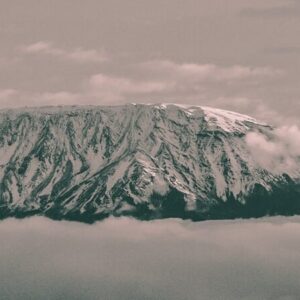
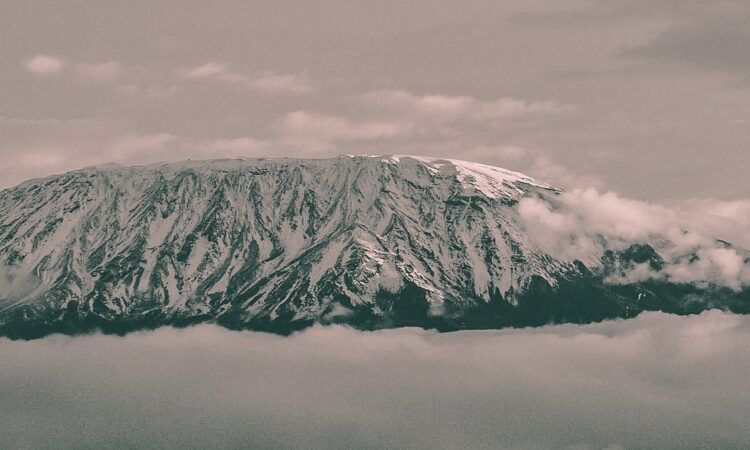
Sleeping on Mount Kilimanjaro is one of the most unique high-altitude trekking experiences in the world. As Africa’s highest peak inside Kilimanjaro National Park, climbers face extreme altitude, changing weather, and remote wilderness conditions. Whether you are climbing via the Machame Route, Lemosho Route, Marangu Route, or Rongai Route, overnight stays are part of the adventure. Most trekkers sleep in mountain tents or basic huts, depending on the route, experiencing freezing temperatures, thin air, and breathtaking night skies. Proper preparation, including sleeping bags, thermal layers, and acclimatization, is essential for summit success at Uhuru Peak. This guide explores everything about sleeping on Kilimanjaro, including camps, comfort, altitude challenges, safety, and what to expect during your unforgettable Tanzania trekking safari.
Kilimanjaro Sleeping Experience Overview
Sleeping on Kilimanjaro is not like staying in a hotel or lodge—it is a true high-altitude wilderness camping experience. Most climbers sleep in two-person mountain tents set up by porters on routes like Machame, Lemosho, and Umbwe. On the Marangu Route, trekkers sleep in shared mountain huts instead. Nights are cold, often dropping below freezing, even at lower camps. The thin air, the silence of the mountain, and the star-filled skies create a surreal atmosphere. Despite basic conditions, the experience is safe and well-organized by professional Kilimanjaro tour operators. Proper sleeping gear, acclimatization, and mental preparation are essential for comfort and summit success during your Kilimanjaro climbing expedition in Tanzania.
Types of Accommodation on Kilimanjaro
Accommodation on Mount Kilimanjaro varies depending on the trekking route chosen. The most common option is tented camping, used on Machame, Lemosho, Shira, and Rongai routes. These tents are durable, weather-resistant, and set up daily by porters. The Marangu Route offers the only hut accommodation, with shared dormitory-style sleeping arrangements at Mandara, Horombo, and Kibo huts. There are no hotels or luxury lodges on the mountain itself, although luxury Kilimanjaro trekking packages may include upgraded sleeping systems and private toilets. Regardless of style, all accommodation is designed for high-altitude survival rather than comfort, making the Kilimanjaro sleeping experience both rustic and adventurous.
Kilimanjaro Camping Experience
Sleeping on Mount Kilimanjaro is a true high-altitude camping experience that combines adventure, endurance, and raw African wilderness. Most climbers on routes like Machame, Lemosho, and Rongai sleep in mountain tents set up at designated Kilimanjaro campsites. These camps are located across diverse ecological zones, from rainforest to alpine desert. Nights are spent in portable expedition tents provided by professional Kilimanjaro trekking operators based in Arusha and Moshi. The camping experience is simple but immersive, with basic facilities such as dining tents and shared toilet tents. Despite the rugged conditions, sleeping on Kilimanjaro offers unforgettable views of star-filled skies and glacier silhouettes near Uhuru Peak. This authentic Mount Kilimanjaro camping adventure is a key highlight for those seeking a real Tanzania trekking safari experience, combined with a world-class mountain climbing challenge and unforgettable wilderness nights.
Mountain Huts on Marangu Route
The Marangu Route, often called the “Coca-Cola Route,” is the only Kilimanjaro climbing route offering mountain hut accommodation instead of tents. These dormitory-style huts—Mandara, Horombo, and Kibo—provide basic but sheltered sleeping arrangements. Beds are simple bunk-style setups with shared facilities, making it slightly more comfortable than camping routes. However, comfort is still minimal due to high altitude conditions. The huts are popular among climbers seeking a structured Mount Kilimanjaro trek experience with less camping exposure. Despite being enclosed, temperatures still drop significantly at night, especially near Kibo Hut before the summit push to Uhuru Peak. The Marangu Route huts are managed by Kilimanjaro National Park authorities and are part of a classic Tanzania trekking adventure. This sleeping option is ideal for beginners who prefer a more established accommodation style during their Kilimanjaro hike.
Sleeping at High Altitude
Sleeping on Kilimanjaro at high altitude is one of the most challenging aspects of the climb. As trekkers ascend above 3,000 meters, oxygen levels decrease significantly, affecting sleep quality. On summit nights near Kibo Camp or Barafu Camp, climbers often struggle with insomnia, restlessness, and short breathing cycles. High-altitude sleeping is a key part of acclimatization during a Mount Kilimanjaro expedition, whether on Machame, Lemosho, or Northern Circuit routes. The body works harder to adjust, making deep sleep difficult. Despite this, rest is essential for energy recovery before the final ascent to Uhuru Peak. Experienced Kilimanjaro tour operators emphasize slow trekking and hydration to improve sleep at altitude. Understanding altitude effects is crucial for anyone planning a Tanzania trekking safari or Kilimanjaro climbing adventure in East Africa.
Sleeping Bags and Gear Requirements
Proper sleeping gear is essential for a successful Kilimanjaro climb. Temperatures can drop below freezing, so climbers need high-quality four-season sleeping bags rated between -10°C and -20°C. Many Kilimanjaro trekking companies in Tanzania provide rental gear, but personal equipment often ensures better comfort. Insulated sleeping pads are also important to protect against cold ground at campsites like Shira, Barranco, and Karanga. Layered thermal clothing, fleece liners, and waterproof gear help maintain warmth throughout the night. A well-prepared Mount Kilimanjaro packing list should always include moisture-wicking base layers and a warm hat. Whether climbing via the Machame Route, Lemosho Route, or Rongai Route, the right sleeping equipment significantly improves rest quality. High-performance gear is a key factor in surviving the cold nights of a Tanzania mountain safari and successfully reaching Uhuru Peak.
Temperature Changes at Night
Night temperatures on Kilimanjaro change dramatically depending on altitude and route. In lower zones like rainforest camps, nights are mild and humid, while higher camps such as Barranco, Karanga, and Barafu experience freezing conditions. Temperatures can drop from 10°C to below -15°C near the summit zone before the Uhuru Peak climb. These extreme variations are a defining feature of Mount Kilimanjaro trekking in Tanzania. Climbers often experience rapid cooling after sunset, making insulated sleeping gear essential. Even within a single night, conditions may shift from windy to calm, increasing the importance of layered clothing. Professional Kilimanjaro guides always advise preparation for sudden cold spells. Understanding these temperature changes is critical for planning a safe and comfortable Kilimanjaro camping experience on any route, including Machame, Lemosho, and Marangu.
Campsite Atmosphere at Night
The atmosphere at Kilimanjaro campsites at night is peaceful, mystical, and deeply inspiring. After long trekking days through diverse landscapes, climbers gather in tents or huts to rest, share meals, and prepare for the next ascent stage. The silence of the mountain is broken only by wind, distant animal sounds, and soft conversations among trekkers. Under clear skies, the Milky Way is often visible, creating a breathtaking backdrop for Mount Kilimanjaro camping. Camps such as Shira, Barranco, and Barafu feel remote yet connected through shared adventure. The experience is a highlight of Tanzania trekking safaris, blending isolation with camaraderie. Guided expeditions from Arusha or Moshi ensure organized camp setups, enhancing safety and comfort. Sleeping in this environment creates a powerful emotional connection to Africa’s highest peak and the journey toward Uhuru Peak.
Sleep Quality and Challenges
Sleep quality on Kilimanjaro is often poor due to altitude, cold, and physical exhaustion. Many climbers report light, interrupted sleep, especially above 4,000 meters during the ascent toward Uhuru Peak. Factors such as oxygen reduction, dehydration, and fatigue contribute to insomnia. Even experienced hikers on the Machame or Lemosho routes struggle to get deep rest. Noise from wind and shifting temperatures inside tents also affects comfort. However, short naps and rest periods still play a crucial role in recovery during the Mount Kilimanjaro climb. Trekking operators emphasize pacing and acclimatization strategies to improve sleep conditions. Despite challenges, climbers adapt gradually over several days of Tanzania trekking safaris. Understanding these sleep difficulties helps prepare mentally and physically for the demanding yet rewarding Kilimanjaro camping experience.
Safety of Sleeping on Kilimanjaro
Sleeping on Kilimanjaro is generally safe when guided by professional and licensed tour operators. Campsites along routes such as Machame, Lemosho, Rongai, and Marangu are carefully selected by Kilimanjaro National Park authorities. Experienced guides and porters ensure tents or huts are properly secured and monitored throughout the night. Safety includes protection from wildlife, which is minimal at high altitudes, and emergency procedures for altitude sickness. Most reputable Tanzania trekking companies provide first-aid kits, oxygen support, and trained mountain staff. Sleeping arrangements are designed to withstand strong winds and cold conditions near Barafu Camp and other high-altitude zones. With proper preparation, climbers can safely rest while progressing toward Uhuru Peak. This makes Kilimanjaro one of the most professionally managed high-altitude trekking destinations in Africa.
Altitude Sickness and Sleep Impact
Altitude sickness significantly affects sleep quality during a Mount Kilimanjaro climb. As climbers ascend above 3,000 meters, reduced oxygen levels can cause headaches, nausea, and difficulty breathing at night. This is especially common on routes like Machame, Lemosho, and the summit approach from Barafu Camp. Sleep becomes shallow and interrupted, often resulting in fatigue during the final push to Uhuru Peak. Proper acclimatization, hydration, and slow trekking are essential to reduce symptoms. Many Kilimanjaro guides in Tanzania recommend a gradual ascent strategy and the “climb high, sleep low” approach. Medication may also be prescribed by medical professionals before the trek. Understanding altitude effects is critical for anyone planning a successful Kilimanjaro trekking safari, as sleep disruption is one of the biggest challenges faced on Africa’s highest mountain.
Best Camps for Sleeping Comfort
Some Kilimanjaro camps offer relatively better sleeping comfort depending on altitude and route. Lower camps, such as Mandara Hut on the Marangu Route and Forest Camps on Machame, provide warmer and more humid conditions. Mid-altitude camps like Shira Camp and Karanga Camp offer better acclimatization and moderate sleeping temperatures. Trekkers often find Barranco Camp one of the most scenic and comfortable resting spots during the climb. While all camps are basic, well-organized Tanzania trekking operators ensure clean tents, dining areas, and proper bedding systems. Comfort depends largely on preparation and gear quality. Choosing the right Kilimanjaro route—such as Lemosho or Northern Circuit—can improve overall sleep experience due to better acclimatization schedules. These camps play a crucial role in ensuring climbers are rested for the final ascent to Uhuru Peak.
Food and Evening Routine at Camps
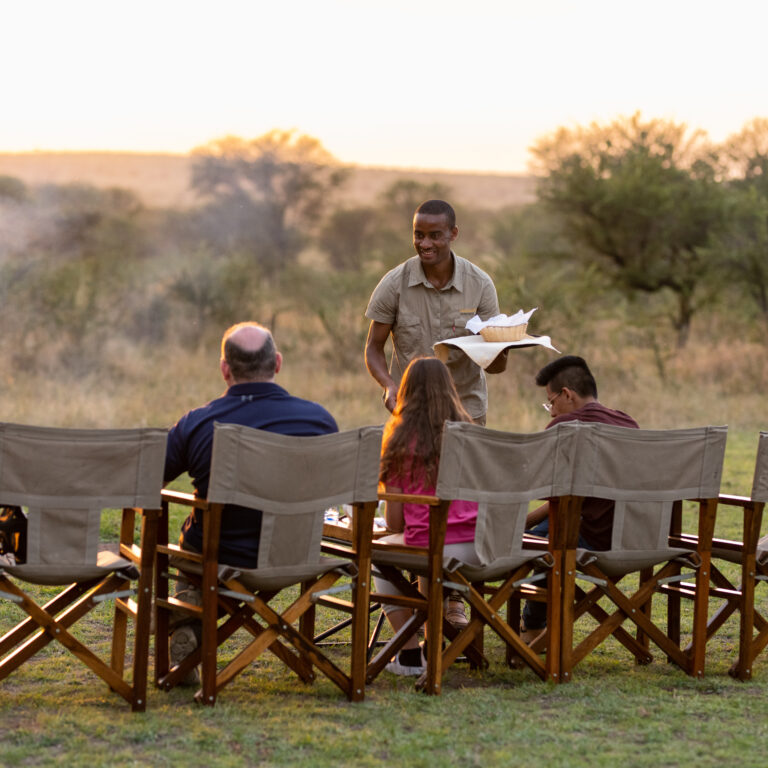
Evenings on Kilimanjaro follow a structured routine designed to support recovery and sleep. After a long day of trekking, climbers arrive at camp, where porters set up tents and hot water is prepared. Dinner is served in a communal dining tent, typically consisting of soup, carbohydrates, vegetables, and warm drinks. This nutrition is vital for energy restoration during a Mount Kilimanjaro expedition. After dinner, guides provide briefings for the next day’s hike before climbers retreat to their tents. Many trekking groups on the Machame, Lemosho, and Rongai routes follow this rhythm daily. Warm drinks like tea help prepare the body for cold nights. This structured routine enhances comfort and safety during Tanzania trekking safaris and helps climbers mentally prepare for the challenging ascent toward Uhuru Peak.
Packing Tips for Better Sleep
Packing correctly is essential for improving sleep quality on Kilimanjaro. A high-quality sleeping bag rated for sub-zero temperatures is the most important item for any Mount Kilimanjaro trek. Thermal base layers, insulated jackets, wool socks, and a warm hat help retain body heat during cold nights. A sleeping liner adds extra insulation and hygiene inside tents. Earplugs and eye masks can also improve rest quality in shared camping environments. Trekking poles and proper hydration systems support physical recovery, indirectly improving sleep. Most Tanzania trekking companies in Arusha or Moshi provide packing lists to ensure climbers are well-prepared. Whether climbing via the Machame Route or the Lemosho Route, smart packing significantly improves comfort. Proper preparation is key to surviving cold nights and achieving success on Africa’s highest peak, Uhuru Peak.
Luxury vs Budget Sleeping Experience
Sleeping experiences on Kilimanjaro vary greatly between budget and luxury trekking packages. Budget climbs typically use standard two-person tents with basic sleeping mats, while luxury Kilimanjaro tours offer spacious tents, thicker mattresses, private toilets, and improved dining setups. High-end operators in Tanzania also provide better insulation, private porters, and enhanced meal services. Routes like Lemosho and Northern Circuit are often preferred for luxury treks due to their scenic and gradual ascent. Budget climbers still experience the full adventure, but with simpler camping conditions. Regardless of price level, all climbers share the same high-altitude environment and challenges near Uhuru Peak. Choosing between luxury and budget depends on comfort preference, but both options offer unforgettable Mount Kilimanjaro sleeping experiences and access to world-class Tanzania trekking safaris.
Emotional Experience of Sleeping on Kilimanjaro
Sleeping on Kilimanjaro is not just a physical experience but an emotional journey. Nights on the mountain bring a deep sense of isolation, reflection, and achievement as climbers move closer to Uhuru Peak. The silence of the high-altitude camps, combined with star-filled skies, creates a powerful connection to nature. Many trekkers on Machame, Lemosho, and Rongai routes describe moments of awe and gratitude during camp nights. Despite cold and exhaustion, there is a strong sense of purpose and shared adventure among climbers. Sleeping in tents or huts becomes part of a transformative Tanzania trekking safari experience. Each night represents progress toward the summit and personal growth. This emotional dimension is what makes Mount Kilimanjaro’s sleeping experiences unforgettable and life-changing for many adventurers from around the world.
Final Thought
Sleeping on Kilimanjaro is more than just rest—it is a vital part of your Kilimanjaro trekking experience and a key factor in reaching the summit safely. Quality sleep enhances physical recovery, supports acclimatization, and prepares you for the demanding ascent ahead. Whether you choose hut accommodation or mountain camping, investing in the right Kilimanjaro packing list essentials, such as thermal layers, sleeping pads, and four-season sleeping bags, makes all the difference. While altitude can make sleep challenging, experienced guides, proper pacing, and hydration strategies help maximize comfort. Ultimately, each night on the mountain brings you closer to standing atop Africa’s roof. Embrace the silence, the crisp air, and the sense of achievement—because sleeping on Kilimanjaro is an unforgettable part of every successful Kilimanjaro summit climb adventure.