
Rhino Safari: Book African Safaris, Tours & Experiences
Tanzania's black rhinoceros population is small, closely guarded, and concentrated almost entirely within the Ngorongoro Crater, making a dedicated rhino safari a genuinely different kind of wildlife experience from a standard Big Five itinerary. Foot Slopes Tours and Safaris builds crater-focused itineraries with extended time and strategic timing specifically to maximize the odds of a rhino sighting, working with experienced local guides who track daily ranger reports on rhino movement within the crater floor. While no sighting can ever be guaranteed with such a rare, wide-ranging animal, careful planning meaningfully improves the chances. This guide covers what travelers should know before booking a Tanzania safari built around finding rhino.
Plan Your Luxury Safari
Trip Length
Comfort Level
Safari Style
Operator Rating
Specialized Tours
Filter by Operator
Other Tour Features
Popular Rhino Safari Packages
Real itineraries and expert planning across Tanzania's top parks.
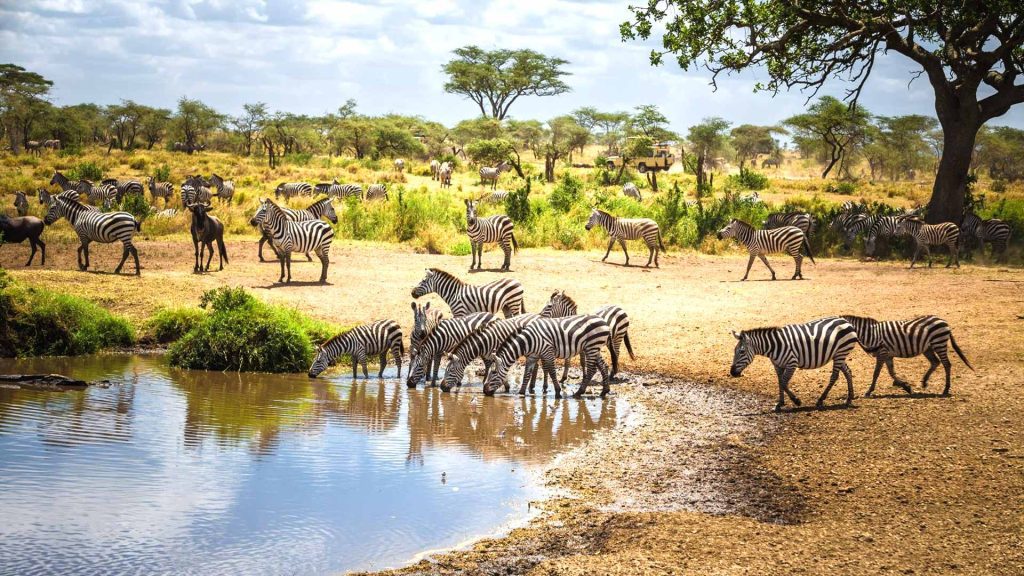
10-Day Amazing Northern Tanzania Safari
A ten-day journey across Tanzania's most celebrated northern parks.
View Package →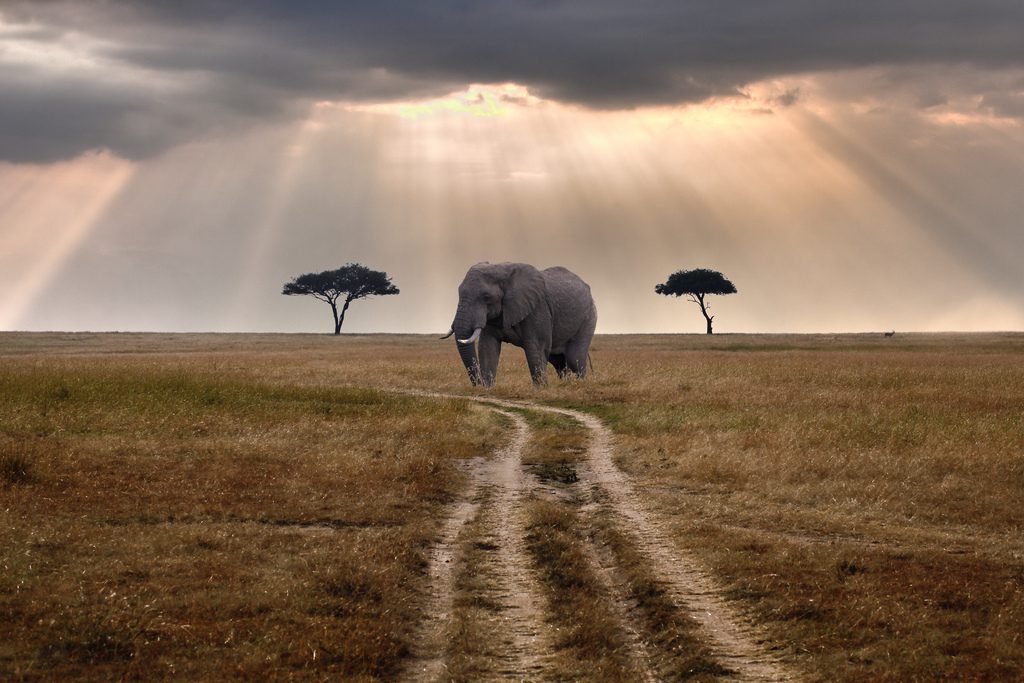
10-Day Best of Northern Tanzania Safari
Ten days combining the very best of the northern safari circuit.
View Package →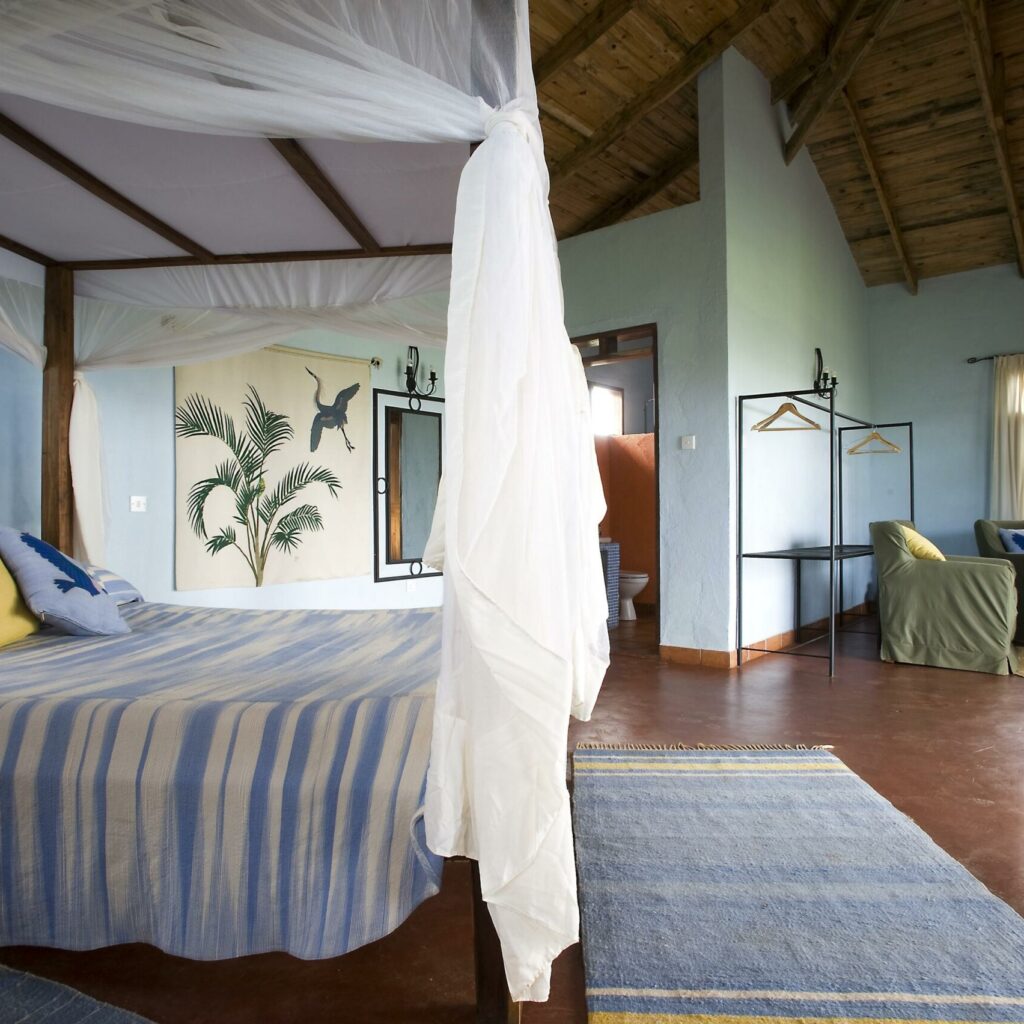
6-Day Fantastic Tanzania Safari
A fast-paced six-day safari covering Tanzania's top wildlife highlights.
View Package →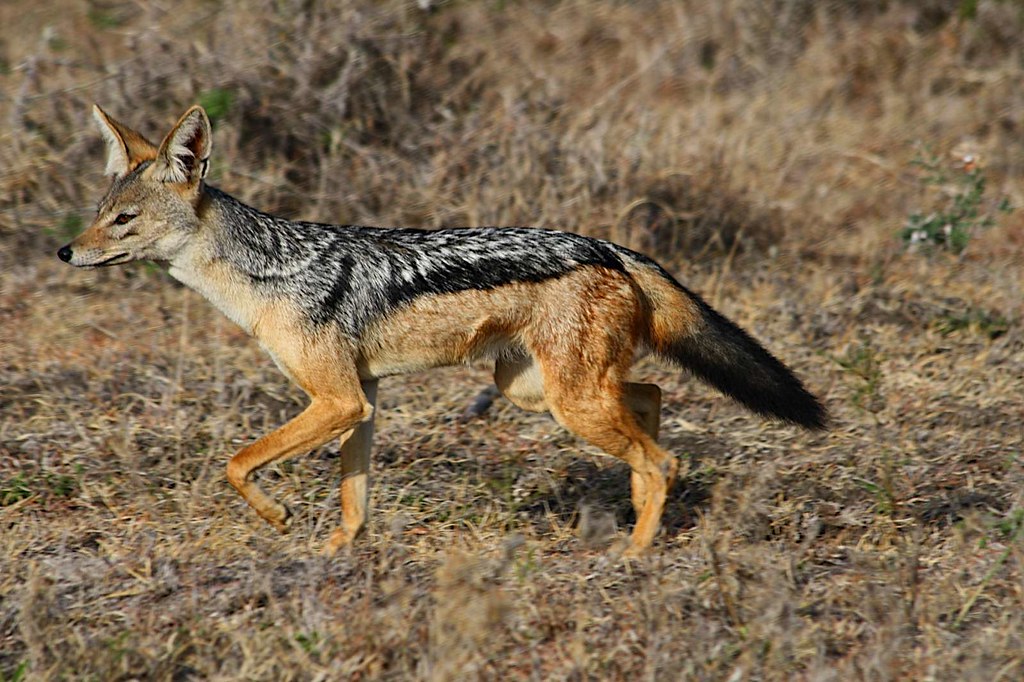
7-Day Amazing Tanzania Safari
A well-rounded seven-day safari across Tanzania's premier parks.
View Package →
7-Day Best of Africa Safari
Seven days showcasing the very best of African wildlife.
View Package →
6-Day Highlights of Tanzania Mid-Range Safari
A six-day mid-range tour hitting Tanzania's essential safari highlights.
View Package →
10-Day Ultra-Luxury Tanzania Lodge Safari
Ten days of ultra-luxury lodges across Tanzania's premier parks.
View Package →
8-Day Luxury Tanzania Safari in Style Adventure (All Inclusive)
An eight-day all-inclusive luxury safari with no hidden extras.
View Package →Questions About Rhino Safari
Where is the best place in Tanzania to see black rhinos?
The Ngorongoro Crater holds Tanzania's most reliable population of black rhinos, an estimated few dozen individuals living within the crater's roughly 260 square kilometers, protected by its natural walls and intensive ranger monitoring. Foot Slopes Tours and Safaris focuses rhino-specific itineraries on extended crater time rather than spreading days thinly across multiple parks, since concentration, not distance covered, improves sighting odds. Small numbers also exist in the Serengeti's Moru Kopjes area and in a protected sanctuary at the base of the crater, but neither offers viewing odds comparable to the crater floor itself for a traveler prioritizing rhino sightings specifically.
What are my realistic odds of actually seeing a rhino in Ngorongoro Crater?
Sightings are common but never guaranteed, most experienced guides estimate somewhere between a 50 and 70 percent chance on a single full-day crater visit, rising with additional time in the crater or multiple visits. Foot Slopes Tours and Safaris typically recommends at least a full day, ideally with an early morning entry, since rhinos are most visible before midday heat pushes them toward denser cover. Guides communicate via radio with other vehicles and rangers about recent sightings, which meaningfully improves odds compared to searching independently. No operator can ethically promise a guaranteed sighting of a wild, free-ranging animal.
Are the rhinos in Ngorongoro Crater black rhinos or white rhinos?
Ngorongoro's rhinos are black rhinos, the species native to Tanzania and much of East Africa, distinguished from white rhinos by a smaller size, a hooked rather than squared upper lip, and generally more solitary, browsing behavior rather than grazing in groups. White rhinos are not naturally found in Tanzania; sightings advertised elsewhere in East Africa typically refer to introduced populations in Kenya. Foot Slopes Tours and Safaris itineraries focused on rhino viewing are therefore built specifically around black rhino habitat in the crater, and guides can explain the distinguishing features and conservation status differences between the two species during the drive.
How endangered are Tanzania's black rhinos, and what threats do they still face?
Black rhinos are classified as critically endangered by the IUCN, having declined sharply across Africa in the late twentieth century due to poaching for their horn, still trafficked despite international bans, for use in some traditional medicine markets and status objects. Ngorongoro's population has recovered slowly under intensive ranger protection and 24-hour monitoring, though numbers remain small and genetically vulnerable. Foot Slopes Tours and Safaris supports this protection indirectly through full payment of conservation fees that fund crater ranger patrols. Travelers should understand that a rhino sighting in the crater represents one of the more fragile wildlife encounters remaining on a Tanzania safari.
When is the best season to visit for rhino sightings in the Ngorongoro Crater?
Rhinos are visible year-round in the crater since they don't migrate, unlike wildebeest or zebra, but the dry season from June through October offers clearer visibility across the crater floor's shorter grass and less foliage cover. Foot Slopes Tours and Safaris notes that the short rains in November and long rains from March through May can make crater roads muddier and occasionally limit access to certain sections, though sightings still occur. Early morning entry, regardless of season, generally offers the best light and highest rhino activity before the crater's midday heat sets in.
How much does it cost to enter Ngorongoro Crater specifically for rhino viewing?
Ngorongoro Conservation Area entrance fees, crater service fees, and vehicle fees are set by the Ngorongoro Conservation Area Authority and apply per person and per vehicle regardless of how the day is spent, so there's no separate rhino-viewing surcharge. Foot Slopes Tours and Safaris includes all applicable crater fees transparently in itinerary pricing rather than listing them as optional add-ons. Because crater access is time-limited each day and fees are substantial, itineraries built around rhino viewing often allocate a full day specifically to the crater rather than a rushed half-day stop between other destinations, which improves value per fee paid.
Can I combine a rhino-focused safari with seeing the rest of the Big Five?
Yes, and the Ngorongoro Crater is actually one of the best single locations in Africa to attempt all Big Five species, lion, leopard, elephant, buffalo, and rhino, in a single day, thanks to its concentrated wildlife density within a defined area. Foot Slopes Tours and Safaris builds most rhino-focused itineraries around a full crater day precisely because it multiplies the value of the visit beyond rhino alone. Leopards remain the most elusive of the five even within the crater, but lion, elephant, and buffalo sightings are highly likely alongside a reasonable chance at rhino.
What equipment should I bring to photograph rhinos well in the crater?
A telephoto lens in the 300 to 400mm range or longer is genuinely important for rhinos, since sightings often occur at meaningful distance across open crater floor rather than close to the road, and park rules prohibit off-road approach. Foot Slopes Tours and Safaris advises bringing a beanbag or window mount for stability, since crater vehicles remain on established tracks. A lens with strong low-light performance also helps for early morning entry, when light is best but still relatively dim. Binoculars for the whole vehicle, not just the photographer, help everyone spot distant rhinos before the vehicle approaches.
Are there guided walking safaris to see rhinos, or is it strictly vehicle-based?
Rhino viewing in Ngorongoro Crater is strictly vehicle-based; walking on the crater floor is prohibited for both safety and conservation reasons, given the density of dangerous wildlife and the sensitivity of the rhino population to disturbance. Foot Slopes Tours and Safaris does offer walking safaris in other regions, such as around Tarangire or on crater rim trails with an armed ranger, but these are separate experiences from crater floor rhino viewing itself. Any operator offering an on-foot rhino encounter within the crater should be treated with serious skepticism, as it would violate established park regulations.
How many other vehicles are usually around a rhino sighting in the crater?
The crater can get busy, particularly during peak July through September and around major sightings, since a confirmed rhino location travels fast over guide radio networks. Foot Slopes Tours and Safaris times crater entry for early morning, ahead of the busiest midday period, and favors less-trafficked sections of the crater floor when scouting reports allow, which generally means fewer vehicles at any given sighting. Vehicle numbers at a specific rhino sighting can still occasionally reach a dozen or more during peak season, though rangers actively manage spacing and duration at sightings to limit disturbance to the animal.
Is a dedicated multi-day rhino tracking experience available, or is it always a single-day add-on?
Most rhino viewing happens as a full but single day within a broader Tanzania itinerary, since the Ngorongoro Crater itself is compact enough that additional consecutive days offer diminishing returns for most travelers. Foot Slopes Tours and Safaris can build a two-day crater-focused stay for travelers specifically prioritizing rhino photography or repeat sighting attempts, staying at a crater rim lodge to allow two separate entry days. This is a more specialized, higher-cost option better suited to dedicated wildlife photographers than typical first-time safari travelers, who are usually well served by one strong day.
What other wildlife can I expect to see on a rhino-focused Ngorongoro Crater safari?
The crater supports an unusually dense concentration of wildlife within a small area: large lion prides, sizeable elephant bulls, buffalo herds, hippo pools, flamingo-lined soda lakes, and healthy populations of zebra, wildebeest, and various antelope species alongside its rhinos. Foot Slopes Tours and Safaris guides typically structure the day to cover several distinct crater zones, grassland, swamp, forest edge, and lake, both to maximize rhino odds and because each zone supports different species. Even travelers whose primary goal is rhino sighting generally describe the crater's overall wildlife density as a highlight independent of that specific goal.
How experienced do guides need to be to reliably spot rhinos in the crater?
Rhino spotting rewards genuine local experience, since guides who work the crater regularly develop knowledge of preferred grazing areas, typical movement patterns, and relationships with rangers who share sighting information over radio. Foot Slopes Tours and Safaris assigns experienced, crater-specialized guides to rhino-focused itineraries specifically, rather than general safari guides rotating through unfamiliar territory. A guide's ability to interpret distant shapes through binoculars, differentiate rhino from large rocks or termite mounds at range, and communicate effectively with other vehicles genuinely affects sighting outcomes more than luck alone.
Is there a protected sanctuary specifically for rhinos I can visit near the crater?
A fenced rhino sanctuary exists near the crater's floor as an additional protected breeding and monitoring area, though access is more restricted than general crater viewing and primarily used for conservation management rather than tourism. Foot Slopes Tours and Safaris itineraries are built around standard crater floor viewing, where rhinos also range, rather than sanctuary access, which typically requires special conservation authority permission uncommon for general tourists. Guides can explain the sanctuary's role in the broader rhino recovery program while driving past its boundary, giving useful conservation context even without direct entry.
Are Serengeti rhinos, like those near Moru Kopjes, worth pursuing instead of the crater?
The Serengeti's rhino population is real but extremely small and dispersed across a vastly larger area than the crater, making dedicated sighting attempts there considerably less reliable despite the area's other excellent wildlife viewing. Foot Slopes Tours and Safaris generally recommends the Ngorongoro Crater as the primary rhino-viewing destination and treats any Serengeti rhino sighting as a welcome bonus rather than a planned target. Travelers specifically prioritizing rhino odds over all else are better served concentrating crater time rather than dividing focus between both locations within a single itinerary.
What time of day should I plan to be in the crater for the best rhino chances?
Early morning, ideally entering at or shortly after the crater gates open around six or seven a.m., offers the best combination of good light, cooler temperatures that keep animals more active, and lower vehicle traffic before the bulk of day-trippers arrive from crater rim lodges. Foot Slopes Tours and Safaris schedules rhino-focused days around this early entry specifically, often meaning an early wake-up call for travelers staying at rim accommodations. Rhino activity tends to decrease as the crater floor heats up through midday, when animals move toward shade and denser cover, reducing visibility.
If I don't see a rhino during my Ngorongoro visit, are there other chances later in the trip?
If an itinerary includes additional time in the Serengeti's central or Moru Kopjes areas, there's a small additional chance of a rhino sighting there, though it shouldn't be counted on. Foot Slopes Tours and Safaris is upfront that rhino sightings can never be guaranteed anywhere, given how rare and wide-ranging the species remains even within protected habitat. Travelers whose primary goal is rhino viewing are encouraged to build in a full, unhurried crater day rather than treating it as one stop among many, since patience and dedicated time matter more than any other single factor.
Plan Your Rhino Safari
Tell us your dates, style, and preferred parks, and we will build the perfect itinerary around you.
Book Now Online →What Our Travelers Say
Real 5-star reviews from guests who traveled with us
Our Private African luxury Safari experience with Foot Slopes Tours and Safaris was nothing short of exceptional. From the very beginning, owner Gabriel was incredibly responsive, making the entire booking process smooth and stress-free. Gabriel went above and
We had an incredible private safari experience with Foot Slopes Tours and Safaris. Their office staff was very helpful and informative, and they communicated very well. Our pick-ups to and from the airport were on time and hassle-free, an unforgettable Safari
Foot Slopes Tours and Safaris is truly one of the best local tour companies in Tanzania. From start to finish, their service was professional, reliable, and personalized. The team went above and beyond to make sure every detail of our trip was perfect. Our saf
Our family chose Foot Slopes Tours and Safaris for a custom 11-day safari itinerary, and we couldn’t be happier with our choice! Everything from our initial inquiry to building our custom itinerary to pre-departure and on-trip support was top quality. Communic