
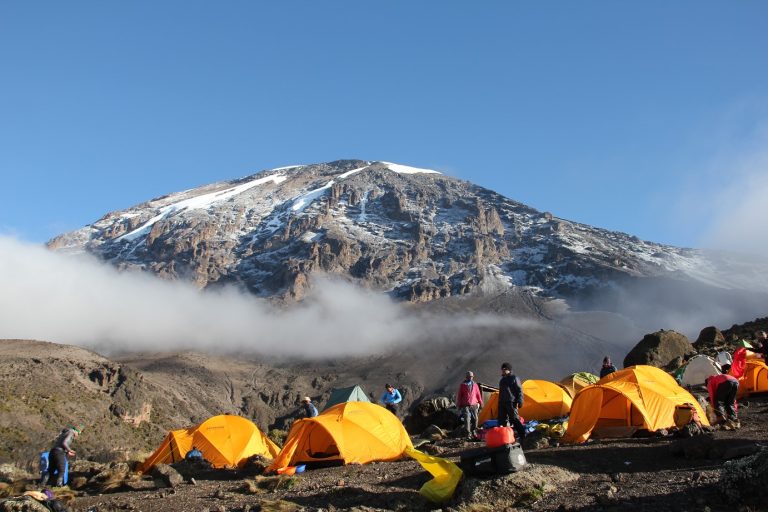
8-Day Lemosho Route Kilimanjaro & Success Rates Experience and discover the ultimate 8-Day Lemosho Route on Mount Kilimanjaro, …
Mti Mkubwa Camp | Lemosho Route's First Rest Point
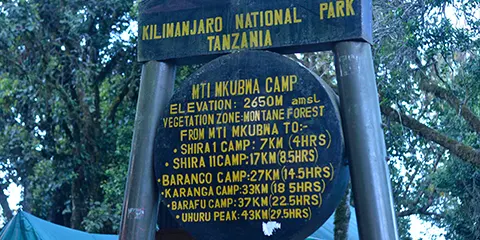
Mti Mkubwa Camp, famously known as the Big Tree Camp or Forest Camp, is the first overnight stop on the scenic Lemosho Route of Mount Kilimanjaro, Tanzania. Located within the lush montane rainforest zone, this campsite sits at around 2,650–2,800 meters above sea level, offering trekkers their first true immersion into Kilimanjaro’s wild ecosystem.
The name “Mti Mkubwa” comes from Kiswahili, meaning “big tree,” reflecting the towering rainforest trees that surround the campsite and create a natural shelter of shade and calm. Many climbers rest here after a 3–4 hour hike from Londorossi Gate, preparing for the next stage toward Shira Plateau.
This campsite is widely regarded as the first acclimatization point on the Lemosho climbing itinerary. Trekkers experience a gentle hike from Londorossi Gate through dense forest rich in biodiversity, including monkeys, exotic birds, and thick vegetation. The atmosphere is humid, peaceful, and deeply immersive, making it a favorite among climbers seeking a less crowded Kilimanjaro experience.
Facilities are basic with tented accommodation, ranger posts, and pit latrines, emphasizing a true wilderness camping experience. Mti Mkubwa Camp marks the beginning of an unforgettable Kilimanjaro trekking adventure, wildlife experience, and high-altitude rainforest journey.
Key Aspects of Mti Mkubwa Camp

First Night on Lemosho Route
Located on the northwest side of Kilimanjaro, it serves as the traditional, necessary first stop after starting at the Londorossi Gate, allowing hikers to ease into the trek, usually after a 3-4 hour hike.

Lush Rainforest Setting
Situated around 2,650m–2,750m (8,694–9,022 ft) within the thick montane forest, providing a vibrant, shaded, and damp environment, often creating a misty atmosphere that helps with early acclimation.

"Big Tree" Significance
Translating from Swahili to “Big Tree Camp,” the area is famous for its large, towering trees that provide natural shelter and give the site its name.
Rich Biodiversity
The camp is known for its lively, noisy atmosphere, filled with bird sounds and sightings of colobus monkeys in the surrounding canopy.
 Bed Type | Mount Tent
 Area | Lemosho Route
 Full Board
Basic Camping Infrastructure
As a wilderness campsite with no permanent lodges, it features only basic structures like park ranger huts and pit latrines, requiring tents to be pitched for the night.
Bed Type | Mount Tent
Area | Lemosho Route
Full Board
Transition Point
It is the starting point for the transition from the dense rainforest to the higher altitude, open moorland scenery encountered on the way to Shira 1 Camp on day two.
Bed Type | Mount Tent
Area | Lemosho Route
Full Board
How high is Mti Mkubwa Camp
Mti Mkubwa Camp sits at approximately 2,650 meters (8,694 feet) above sea level on Mount Kilimanjaro, making it one of the lower-altitude camps on the mountain. This elevation is ideal for your first night during a Kilimanjaro trekking adventure, as it allows your body to begin adjusting to altitude gradually. Compared to higher camps on the Machame Route, the oxygen levels here are still relatively comfortable, reducing the risk of altitude sickness early in your climb. The moderate altitude, combined with a slow hiking pace from Londorossi Gate, supports proper acclimatization—an essential factor for summit success. For climbers researching Kilimanjaro elevation profiles, altitude charts, and trekking safety tips, Mti Mkubwa Camp provides the perfect starting point to ease into the mountain’s demanding environment while enjoying lush rainforest surroundings.
Where is Mti Mkubwa Camp located on Kilimanjaro
Mti Mkubwa Camp is located on the western slopes of Mount Kilimanjaro within the lush rainforest zone of Kilimanjaro National Park. It lies along the Lemosho Route, just a few hours’ trek from Londorossi Gate, the main entry point for this route. This remote location offers a quieter, less crowded experience compared to the busier Machame Route. Surrounded by dense vegetation, giant trees, and moss-covered forest, the camp feels secluded and immersive. For travelers planning a Kilimanjaro climb itinerary, this positioning is ideal for a gradual ascent, better acclimatization, and a scenic introduction to the mountain’s diverse ecosystems. Its location in the forest zone also means higher humidity, frequent mist, and rich biodiversity, making it one of the most picturesque starting camps on Kilimanjaro.
Mti Mkubwa Camp on Kilimanjaro Map
On a Kilimanjaro trekking map, Mti Mkubwa Camp appears along the western approach of Mount Kilimanjaro, marking the first overnight stop on the Lemosho Route. It is positioned between Londorossi Gate and Shira Plateau, clearly within the rainforest zone. When comparing routes like the Machame Route, you’ll notice Mti Mkubwa is unique to Lemosho, offering a more gradual and scenic ascent path. Kilimanjaro maps highlight this camp as a low-altitude acclimatization point before trekkers ascend to higher elevations. For those researching Kilimanjaro route maps, elevation charts, and trekking logistics, understanding Mti Mkubwa’s placement helps visualize the journey ahead. It’s a crucial waypoint that sets the tone for a successful climb, balancing accessibility, natural beauty, and strategic altitude gain.
Why Mti Mkubwa is the perfect first night on Lemosho
Mti Mkubwa Camp is widely considered the perfect first-night stop on the Lemosho Route due to its ideal altitude, serene environment, and gradual approach. Located on Mount Kilimanjaro, it allows climbers to ease into the trek without immediate exposure to extreme altitude. Unlike the steeper start of the Machame Route, Lemosho offers a slower ascent, improving acclimatization and increasing summit success rates. The camp’s rainforest setting provides shade, cooler temperatures, and a calming atmosphere after your first day’s hike. For those searching for the best Kilimanjaro routes for beginners or high success climbs, Mti Mkubwa plays a key role. It ensures trekkers start strong, rest well, and prepare mentally and physically for the more challenging days ahead.
What comes next after Mti Mkubwa Camp?
After spending your first night at Mti Mkubwa Camp, the journey continues upward toward Shira Plateau on Mount Kilimanjaro. Trekkers leave the dense rainforest behind and gradually enter the moorland zone, where vegetation becomes sparse and the landscape opens dramatically. This transition is one of the highlights of the Lemosho Route. Compared to the Machame Route, this section feels less crowded and more remote. The trek becomes slightly more demanding as altitude increases, but the gradual pace helps with acclimatization. For those planning Kilimanjaro itineraries, this stage marks the shift from forest hiking to high-altitude trekking. Expect breathtaking views, changing climates, and the first real sense of being high on Africa’s tallest mountain.
Tell me more about what to expect at the Kilimanjaro camp
At Mti Mkubwa Camp on Mount Kilimanjaro, expect a peaceful, nature-rich environment deep within the rainforest. The camp is basic but well-organized, with designated tent areas, dining tents, and simple toilet facilities managed by park authorities in Kilimanjaro National Park. Evenings are cool and often misty, with temperatures dropping significantly compared to daytime. Trekkers enjoy hot meals prepared by support crews, making this first night comfortable and relaxing. Unlike higher camps on the Machame Route, oxygen levels here are still favorable, so sleep is generally easier. For those researching Kilimanjaro camping experiences, this camp offers a gentle introduction to mountain life, blending comfort, wilderness, and the excitement of starting your climb.
What is the altitude of Mti Mkubwa Camp?
The altitude of Mti Mkubwa Camp is approximately 2,650 meters (8,694 feet) on Mount Kilimanjaro. This elevation is considered low to moderate compared to other Kilimanjaro camps, making it ideal for acclimatization during the early stages of your trek. On routes like the Lemosho Route, starting at this altitude helps climbers adjust gradually, reducing the risk of altitude sickness. In contrast, the Machame Route reaches higher elevations more quickly. Understanding the altitude of each camp is essential for planning a successful climb, and Mti Mkubwa provides a safe and comfortable introduction to high-altitude trekking. It sets the foundation for the “climb high, sleep low” strategy used throughout the journey.
Which Kilimanjaro route uses Mti Mkubwa Camp?
Mti Mkubwa Camp is exclusively used by the Lemosho Route on Mount Kilimanjaro. This route is renowned for its scenic beauty, lower traffic, and higher summit success rates. Unlike the Machame Route, which begins at a higher elevation and is more crowded, Lemosho offers a quieter and more gradual ascent. Trekkers who choose this route benefit from better acclimatization and diverse landscapes, starting with the rainforest at Mti Mkubwa. For those comparing Kilimanjaro routes, Lemosho is often recommended for beginners, photographers, and those seeking a premium trekking experience. Mti Mkubwa Camp plays a vital role as the first overnight stop, setting the pace for the rest of the climb.
How long does it take to trek to Mti Mkubwa Camp from Londorossi Gate?
The trek from Londorossi Gate to Mti Mkubwa Camp on Mount Kilimanjaro typically takes 3 to 4 hours, depending on pace and weather conditions. This short and manageable hike is part of the Lemosho Route and is designed to help trekkers ease into the climb. Compared to the steeper start of the Machame Route, this section is relatively gentle, with gradual elevation gain through dense rainforest. The trail can be muddy and humid, but it is not technically difficult. For those planning Kilimanjaro trekking itineraries, this first day is all about pacing, hydration, and enjoying the scenery. It sets a relaxed tone for the journey ahead while preparing your body for higher altitudes.
What wildlife might I see around Mti Mkubwa Camp?
The rainforest around Mti Mkubwa Camp on Mount Kilimanjaro is rich in biodiversity, offering trekkers a chance to spot unique wildlife. You may encounter blue monkeys, colobus monkeys, and a variety of bird species, including turacos and hornbills. This area within Kilimanjaro National Park is one of the most ancient ecosystems on the mountain. Unlike higher zones on the Machame Route, the dense forest provides shelter and food for many animals. While large wildlife is rare, the sounds of the forest—chirping birds and rustling leaves—create a magical atmosphere. For nature lovers and photographers, this is one of the most rewarding sections of the Kilimanjaro climb.
What kind of accommodation can I expect at Mti Mkubwa Camp?
Accommodation at Mti Mkubwa Camp on Mount Kilimanjaro is primarily tent-based, typical of Kilimanjaro trekking experiences. Climbers sleep in durable, weather-resistant tents provided by tour operators within Kilimanjaro National Park. Unlike lodges or huts, there are no permanent structures, but the setup is comfortable and well-organized. Dining tents are often set up for meals, and porters assist with gear and camp logistics. Compared to camps on the Machame Route, the experience is similar but quieter due to fewer crowds. For those searching for Kilimanjaro camping accommodations, expect simplicity, cleanliness, and a strong sense of adventure. It’s an authentic outdoor experience that connects you closely with nature.
Is the camp suitable for solo trekkers?
Yes, Mti Mkubwa Camp on Mount Kilimanjaro is suitable for solo trekkers, especially those joining organized group climbs on the Lemosho Route. Solo climbers benefit from shared logistics, experienced guides, and a supportive group environment. Compared to the busier Machame Route, Lemosho offers a more peaceful and less crowded experience, which many solo travelers appreciate. Safety is a priority within Kilimanjaro National Park, and all climbers must be accompanied by licensed guides. For those planning a solo Kilimanjaro trek, Mti Mkubwa provides a welcoming and social first night, making it easy to connect with fellow adventurers while enjoying the tranquility of the forest.
How hard is the Mount Kilimanjaro hike?
Climbing Mount Kilimanjaro is considered a moderate to challenging trek, depending on the route and your fitness level. The hike to Mti Mkubwa Camp on the Lemosho Route is relatively easy, serving as a gentle introduction. Compared to the steeper Machame Route, Lemosho’s gradual ascent makes the overall climb more manageable. The main challenge lies in altitude, not technical difficulty. Trekkers must prepare physically and mentally, focusing on endurance, pacing, and acclimatization. For those researching Kilimanjaro difficulty levels, success depends on proper planning, a good itinerary, and experienced guides. Starting at Mti Mkubwa helps build confidence and momentum for the tougher days ahead.
What the hike to Mti Mkubwa Camp feels like
The hike to Mti Mkubwa Camp on Mount Kilimanjaro feels like stepping into a lush, tropical rainforest adventure. Starting from Londorossi Gate on the Lemosho Route, trekkers walk through dense vegetation, muddy trails, and towering trees draped in moss. The air is humid, and occasional rain showers are common, similar to conditions on the lower sections of the Machame Route. The pace is slow and steady, allowing you to acclimatize while enjoying the scenery. Birdsong and rustling leaves create a peaceful atmosphere. For many climbers, this first day feels exciting yet relaxing—a perfect introduction to the Kilimanjaro trekking experience.
Wildlife around Mti Mkubwa Camp
Wildlife around Mti Mkubwa Camp on Mount Kilimanjaro is abundant due to its rainforest location within Kilimanjaro National Park. Trekkers often spot blue monkeys, black-and-white colobus monkeys, and various forest birds. The dense vegetation provides a thriving habitat, unlike the sparse landscapes found higher up on the Machame Route. While large mammals are rare, the biodiversity here is impressive. This area is perfect for birdwatching and nature photography. For those interested in Kilimanjaro wildlife experiences, Mti Mkubwa offers one of the richest ecological encounters on the mountain, making your first day both adventurous and educational.
How to Get to Mti Mkubwa Camp
To reach Mti Mkubwa Camp on Mount Kilimanjaro, travelers typically start from Moshi or Arusha and drive to Londorossi Gate within Kilimanjaro National Park. From there, the trek begins along the Lemosho Route. The journey includes a registration process and sometimes a short drive to the trailhead before hiking. Compared to accessing the Machame Route, this approach is more remote and less crowded. For those planning Kilimanjaro travel logistics, most tour operators include transfers, permits, and guide services. The trek to the camp takes a few hours, making it an easy and scenic first day on Africa’s highest mountain.
Facilities at Mti Mkubwa Camp
Facilities at Mti Mkubwa Camp on Mount Kilimanjaro are basic but functional, as expected within Kilimanjaro National Park. The camp includes designated tent areas, simple toilet facilities, and communal dining setups arranged by tour operators. There are no permanent buildings, electricity, or showers, but porters ensure a comfortable experience. Compared to camps on the Machame Route, the facilities are similar but less crowded. For those researching Kilimanjaro camping conditions, expect simplicity combined with efficiency. Meals are freshly prepared, and safety is well-managed. It’s a true wilderness experience that allows trekkers to focus on the journey and the beauty of the mountain.
Accommodation: what to expect at Big Tree Camp
At Big Tree Camp (Mti Mkubwa) on Mount Kilimanjaro, accommodation is centered around high-quality mountain tents set up by your trekking crew. Located within Kilimanjaro National Park, the camp offers a peaceful rainforest setting with soft ground and natural shelter from trees. Compared to busier camps on the Machame Route, the atmosphere here is quieter and more intimate. Expect comfortable sleeping arrangements, warm meals, and attentive support from guides and porters. For those planning a Kilimanjaro camping experience, this first night provides a perfect balance of comfort and adventure, helping you rest well before continuing your climb toward higher altitudes.
7-Day Lemosho Route Kilimanjaro & Success Rates Experience and discover the ultimate 7-day Lemosho Route on Mount Kilimanjaro, …
Lemosho Route 6-day Itinerary, Prices & Dates The 6-day Lemosho route on Mount Kilimanjaro is a scenic, challenging, …