
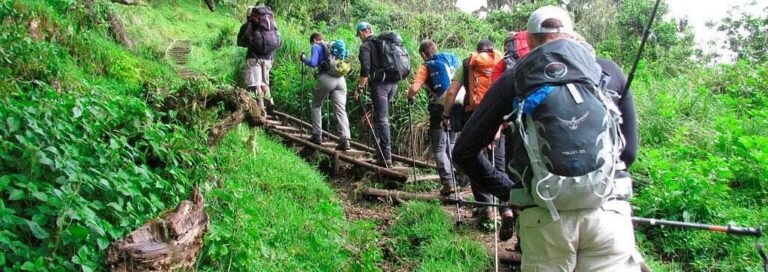
1-Day Kilimanjaro Climb via Machame Route (with Reviews) It involves going up to the first camp, Machame camp, …
Mweka Camp | Kilimanjaro's Final Rest Before Descent
Mweka Camp is a vital overnight stop on the famous Mount Kilimanjaro descent route, located within the lush rainforest zone of the southern slopes. It is commonly used by climbers descending from the summit via the Machame, Lemosho, and Umbwe routes, making it an essential part of Kilimanjaro trekking itineraries. Surrounded by dense vegetation, tropical birds, and fresh mountain air, Mweka Camp offers a peaceful resting point after the challenging summit experience on Africa’s highest peak, Mount Kilimanjaro.
Many Kilimanjaro climbing packages and Tanzania safari tours include this campsite as part of a well-planned itinerary. The camp provides basic but reliable facilities, ensuring trekkers can recover before continuing to Mweka Gate, the final exit point of the mountain. Known for its muddy conditions during rainy seasons, it highlights the authentic wilderness of Kilimanjaro National Park.
Mweka Camp remains a memorable highlight for adventure travelers seeking safe, guided, and scenic Kilimanjaro hiking experiences in Tanzania. It is ideal for climbers completing summit descent journeys seeking unforgettable safari extensions across northern Tanzania destinations like Serengeti and Ngorongoro Crater National Park experiences adventure tourism.
Key details about Mweka Camp mt kilimanjaro:

Elevation and Location
Situated in the upper forest/moorland zone, providing a very different climate than the arctic alpine summit zone. 3,100 meters (10,170 feet).

Vegetation Zone
Located in a dense rainforest, offering a dramatic temperature change from the cold arctic zone at the summit to warmer, humid, and misty conditions.

Facilities & Amenities
Features basic, permanent communal toilets (long-drop latrines) and numerous small sites designed for camping, often used by many hikers at once.

Final Night Celebration
Often a place for the final night’s celebration, where climbers share dinner and tip their trekking crew.
 Bed Type | Mountain Tent
 Area | Machame Route, Lemosho Route, Umbwe Route, and Northern Circuit.
 Full Board
Descent Access
It is on the primary, direct descent path (Mweka Route) that leads to the Mweka Gate.
Bed Type | Mountain Tent
Area | Machame Route, Lemosho Route, Umbwe Route, and Northern Circuit.
Full Board
Distance to Gate
The next day’s hike from Mweka Camp to the Mweka Gate takes approximately 3 hours to complete
Bed Type | Mountain Tent
Area | Machame Route, Lemosho Route, Umbwe Route, and Northern Circuit.
Full Board
Mweka Camp Weather, Climate, and Vegetation
Mweka Camp sits in the lush montane rainforest zone of Mount Kilimanjaro, offering a dramatic contrast to the icy alpine desert of Barafu Camp. The weather here is generally cool, humid, and misty, with frequent light rain or drizzle, especially in the afternoon and evening. Temperatures range from mild daytime conditions to chilly nights due to altitude. The vegetation is dense and vibrant, featuring ferns, moss-covered trees, and thick jungle canopy, creating a rich biodiversity zone. This area is part of Kilimanjaro’s famous ecological transition, making it a key highlight in Kilimanjaro trekking descent routes and safari-style hiking experiences.
Mweka Camp to Mweka Gate
The trek from Mweka Camp to Mweka Gate is the final stage of the Kilimanjaro descent, marking the end of most climbing routes such as Machame, Lemosho, and Umbwe. This section covers approximately 10–12 km and takes 3–5 hours through a steep rainforest trail with muddy, slippery terrain. Hikers descend rapidly from high altitude oxygen-deprived zones to lush green lowland forest. The path is filled with birdsong, tropical vegetation, and scenic jungle views. At Mweka Gate, climbers officially receive their summit certificates, making it a symbolic finish of the ultimate Mount Kilimanjaro trekking adventure and summit success journey.
Mweka Camp Map, Google Maps
Mweka Camp location maps and Google Maps navigation show its strategic position on the southern slope of Mount Kilimanjaro within the Kilimanjaro National Park descent route system. It lies below Barafu Camp and above Mweka Gate, forming the final overnight stop for trekkers. On Google Maps, it appears deep within the forest zone, surrounded by dense vegetation and steep trails. The camp is accessible only by foot via established trekking routes. Maps are essential for understanding elevation changes, route planning, and descent logistics. It is widely searched under terms like “Kilimanjaro Mweka Camp route map, hiking trail map, and summit descent path.”
Mweka Camp elevation
The elevation of Mweka Camp is approximately 3,100 meters (10,170 feet) above sea level, making it significantly lower than high-altitude camps like Barafu Camp at over 4,600 meters. This drop in altitude is crucial for climbers descending from Uhuru Peak, the highest point in Africa. The lower elevation provides richer oxygen levels, helping trekkers recover from summit night exhaustion and altitude effects. Mweka Camp’s altitude also marks the transition from alpine desert to rainforest ecosystem, making it a scientifically important zone in Kilimanjaro’s ecological structure and a key resting point in multi-day trekking itineraries.
Mweka Camp Photos
Mweka Camp photos and Kilimanjaro trekking images typically showcase lush green rainforest, misty surroundings, and tents set within dense vegetation. Unlike the barren rocky landscapes of Barafu Camp, Mweka Camp visuals highlight a dramatic shift to tropical forest scenery. Common images include trekkers resting after summit success, porters descending through muddy trails, and sunrise fog over the jungle canopy. These photos are widely used in Kilimanjaro safari blogs, travel guides, and adventure tourism marketing, helping highlight the contrast between summit zones and rainforest descent. They are essential for showcasing the beauty of Mount Kilimanjaro trekking experiences and nature photography opportunities.
Mweka Camp Activities, Facilities, Dining, and Rooms
At Mweka Camp, activities focus on rest, recovery, and descent preparation after the challenging summit of Mount Kilimanjaro. Trekkers often relax, stretch, and celebrate their achievement. Facilities include basic camping grounds, ranger posts, and simple pit latrines, reflecting its remote rainforest location. Dining is handled by expedition chefs who serve warm meals such as soups, carbohydrates, and hydration-rich food to aid recovery. Accommodation consists of shared expedition tents, not permanent rooms, designed for high-altitude trekking expeditions. Mweka Camp is a key part of the Kilimanjaro trekking logistics system, summit descent planning, and adventure camping experience in Tanzania.
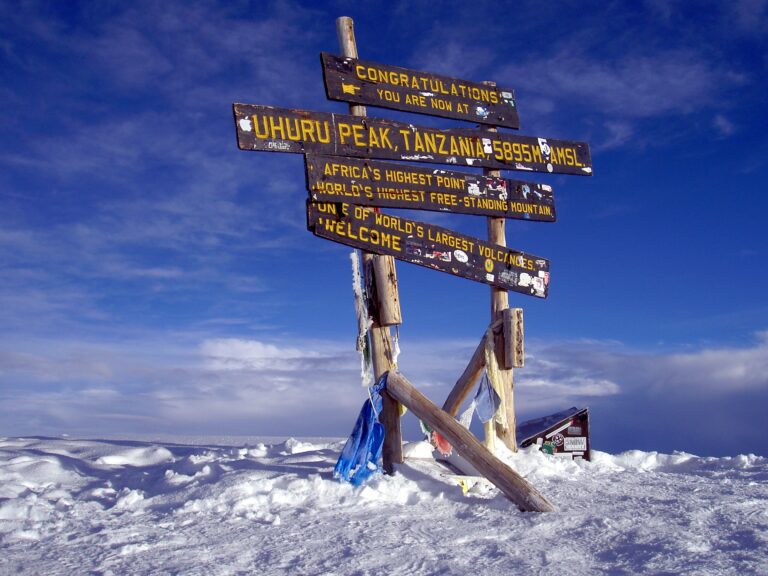
6-Day Machame Route Kilimanjaro – 95% Summit Success Rates Discover the ultimate 6-Day Machame Route Kilimanjaro climbing adventure …
7-Day Machame Route: Compare the best of Kilimanjaro Tours Experience and discover the ultimate 7-Day Machame Route on …