Best Sustainable Travel Tips for an African Safari
Best Sustainable Travel Tips for an African Safari
Sustainable travel on an African safari means enjoying Africa's wildlife while protecting the landscapes, animals and communities that make it special. The best sustainable travel tips for an African safari include flying less and staying longer, choosing eco-friendly lodges, travelling with responsible local operators, reducing plastic and waste, respecting wildlife and supporting local communities. This guide explains what makes a safari sustainable, how to plan one, eco-friendly destinations and accommodation in Tanzania, low-impact activities and practical green travel tips. Plan a responsible, private tailor-made Tanzania safari with Foot Slopes Tours and Safaris and leave a positive legacy everywhere you travel.
What Makes an African Safari Sustainable?
A sustainable African safari balances unforgettable wildlife experiences with genuine care for nature and people. It means choosing lodges that conserve energy and water, parks and reserves funded by responsible tourism, and operators who employ local guides and support communities. Low-impact activities such as walking and canoe safaris reduce emissions, while well-maintained vehicles and smart routing cut fuel use. Respecting wildlife, limiting waste and spending locally ensure your visit benefits the places you explore. In Tanzania, sustainable tourism helps protect the Serengeti, Ngorongoro Crater and other wild places, so future generations can enjoy the same remarkable safari experiences. Travel responsibly.
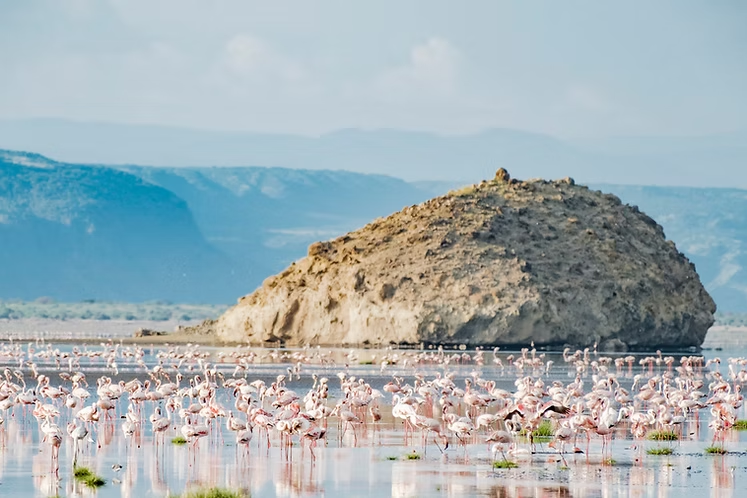
Eco-Friendly Lodges
Solar power and water care
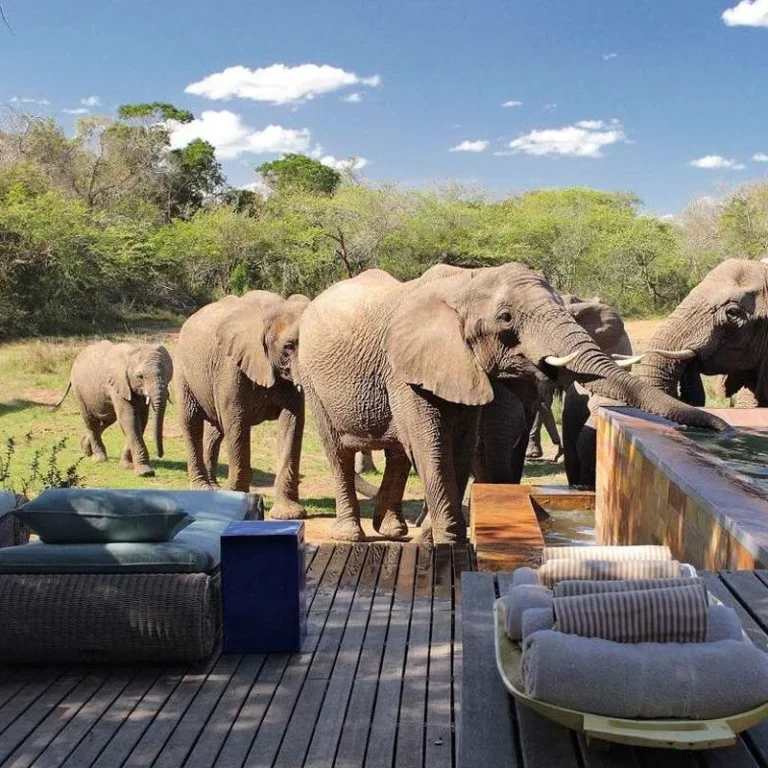
Eco-friendly lodges and camps reduce their footprint through solar power, efficient water systems, waste reduction and recycling. Many use locally sourced materials and food, employ people from nearby villages and support conservation projects. Staying at these properties lets you enjoy comfort and wilderness views while knowing your accommodation actively protects the environment around it. Every choice matters.
Eco-Friendly Lodges →How to Plan a Sustainable African Safari
Planning a sustainable African safari starts with thoughtful choices before you leave home. Fly less and stay longer, spending more time in fewer places to reduce emissions and deepen your experience. Choose a responsible local operator, eco-friendly lodges and low-impact activities, and consider travelling in shoulder or green seasons to spread tourism benefits throughout the year. Pack reusable essentials, reduce plastic and learn about local customs before arrival. With careful planning, your private tailor-made Tanzania safari can protect wildlife, support communities and still deliver the comfort, adventure and unforgettable moments you dream about from the very first day. Travel thoughtfully.

Fly Less, Stay Longer
Fewer flights, deeper travel
Long-haul flights are often the largest part of a safari's carbon footprint. Instead of several short trips, take one longer journey and spend more nights in fewer regions. A slower pace reduces emissions, lowers transfer time and lets you truly absorb landscapes, wildlife behaviour and local culture, creating a deeper and more rewarding experience. Small steps count.
Getting to Tanzania →Sustainable Safari Destinations in Tanzania
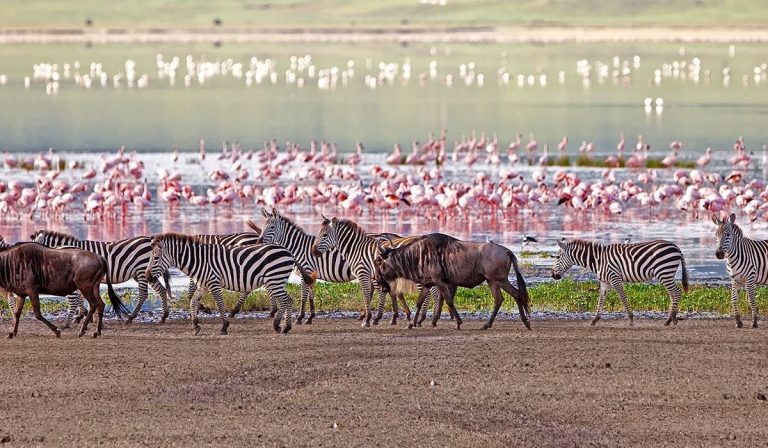
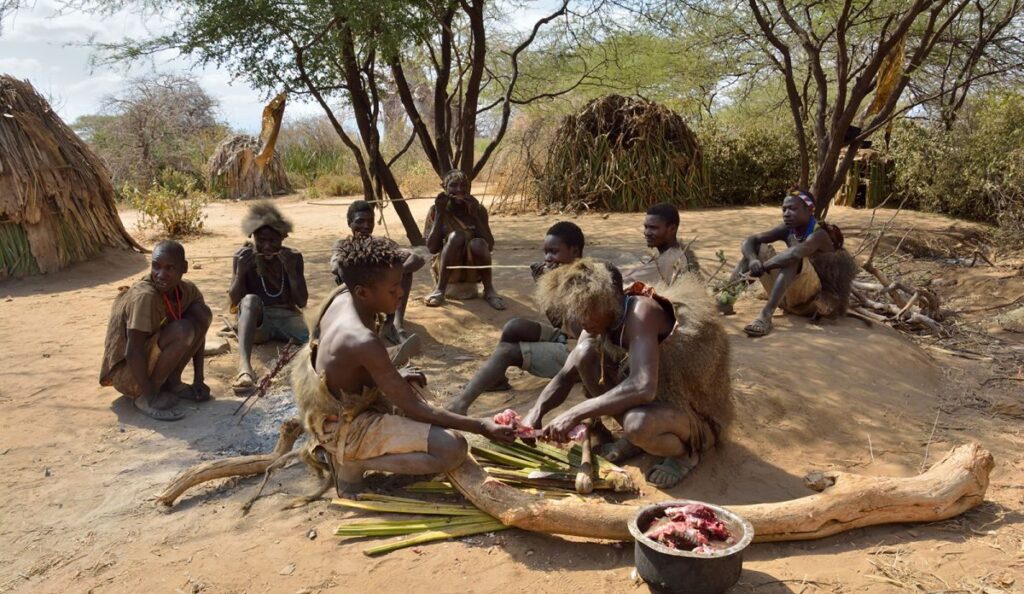
Tanzania offers some of Africa's most rewarding destinations for sustainable safaris. The Serengeti and Ngorongoro Conservation Area show how tourism funds world-class conservation, while community wildlife areas near Tarangire let local people benefit directly from wildlife. Lake Eyasi and Lake Natron offer respectful cultural tourism with Hadzabe, Datoga and Maasai communities, and Zanzibar is home to pioneering marine conservation projects. Choosing these destinations with a responsible operator ensures your visit supports protection, livelihoods and cultural heritage. Explore the destinations below to plan a private tailor-made Tanzania safari that leaves a positive impact wherever you travel across this remarkable country.
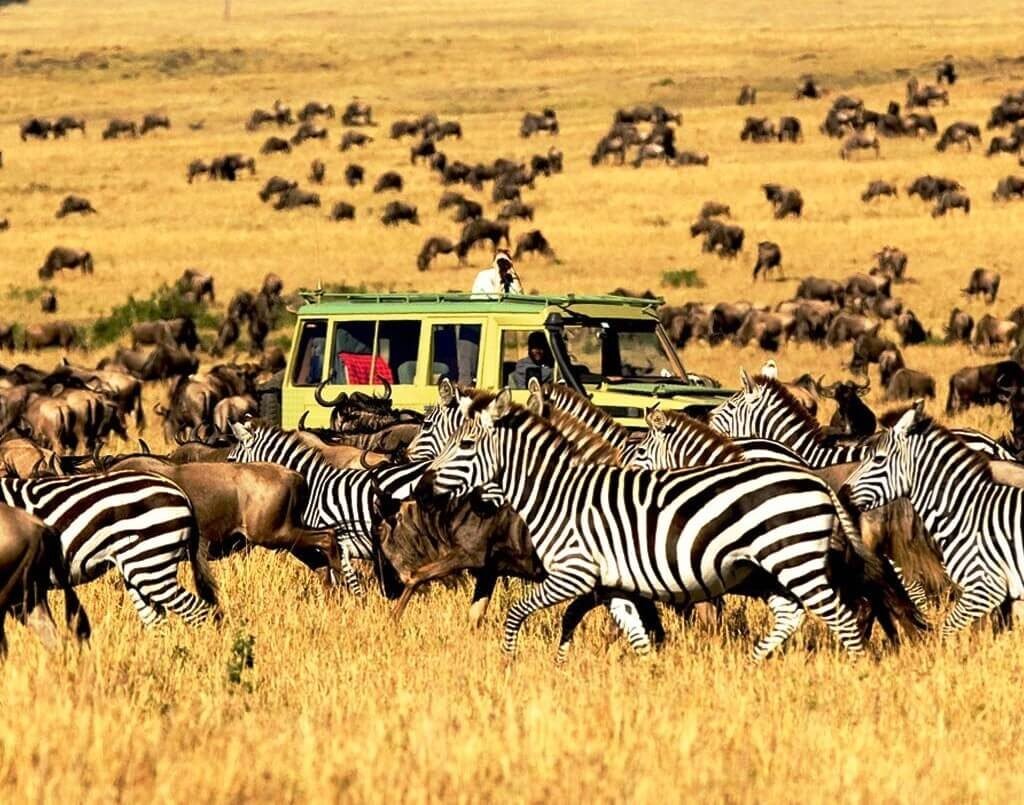
Serengeti National Park
Tourism funds protection
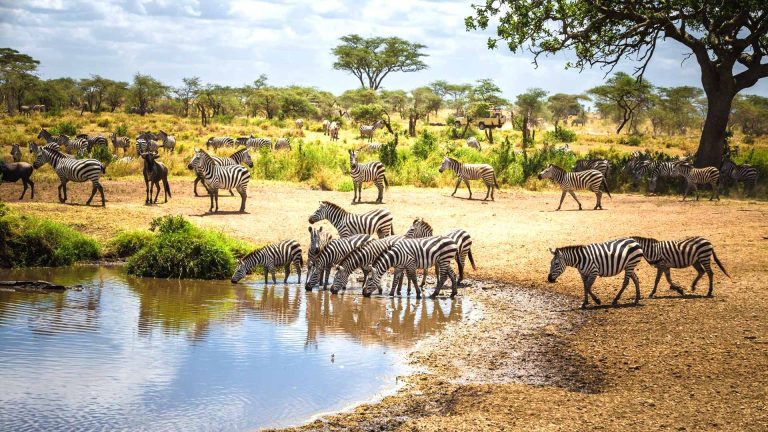
The Serengeti's world-famous ecosystem is protected through park fees, ranger patrols and long-term research. Visitors help fund anti-poaching work and habitat protection for the Great Migration, lions, cheetahs and elephants. Choosing eco-conscious camps, staying on tracks and avoiding crowded sightings ensures your Serengeti safari supports this extraordinary wilderness for generations. Responsible choices help protect wildlife and communities.
Explore Serengeti →How to Choose Eco-Friendly Safari Accommodation
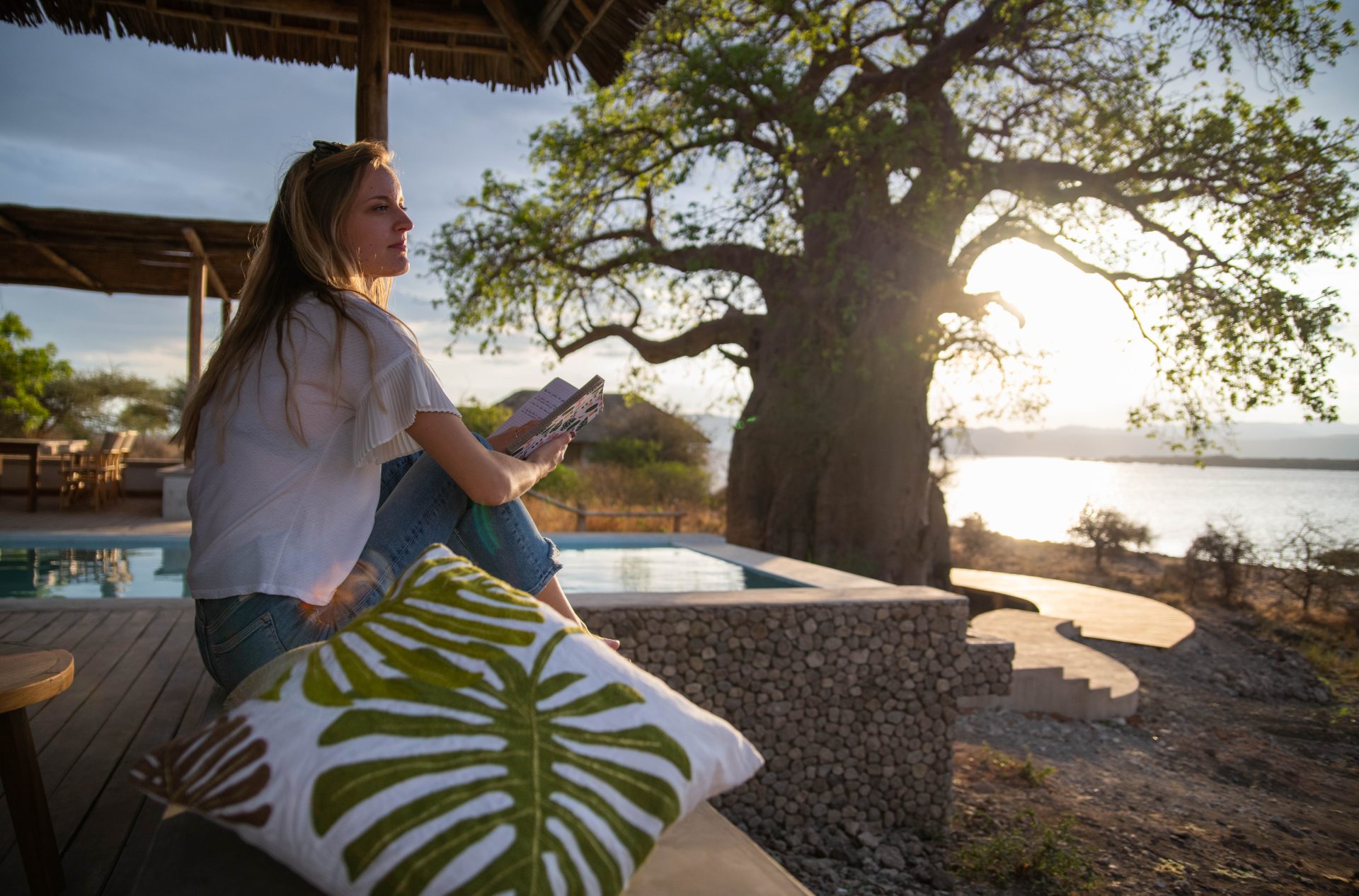
Your choice of safari accommodation has one of the biggest influences on your environmental impact. Eco-friendly lodges and camps use renewable energy, conserve water, reduce waste, avoid single-use plastics and serve locally sourced food. Many employ staff from nearby communities and fund schools, clinics or conservation projects. Ask about certifications or clearly stated sustainability practices, and look for properties that blend into the landscape rather than dominating it. Your safari planner can recommend lodges across Tanzania that combine strong green credentials with comfort and privacy. Explore the key features of sustainable accommodation below before you book your next safari adventure.
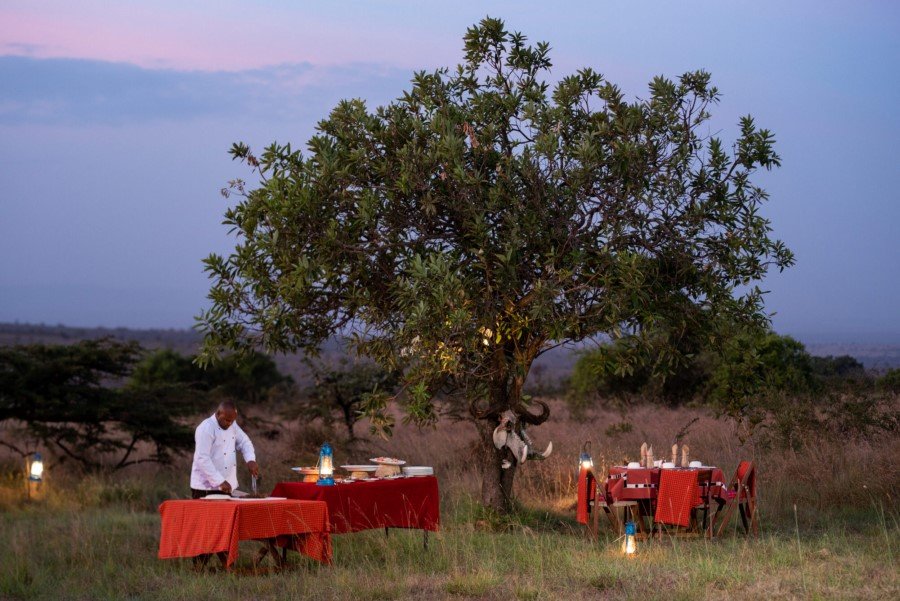
Solar-Powered Camps
Clean power in the wild
Many remote safari camps run on solar power, providing electricity for lighting, hot water and charging without noisy generators. Solar energy reduces fuel consumption and emissions while keeping the bush peaceful at night. Ask your planner which lodges on your route use renewable energy, and switch off lights and devices when not needed. Nature thanks you kindly.
Safari Lodges →Why a Private Tailor-Made Safari Can Be More Sustainable
A private tailor-made safari gives you more control over your environmental and social impact. Your itinerary can be designed around efficient routes, fewer lodge changes and longer stays, reducing fuel use and travel time. You choose eco-friendly lodges, responsible activities and community experiences that match your values. A dedicated local guide ensures ethical wildlife viewing, waits patiently at sightings instead of rushing, and shares deep knowledge of conservation and culture. Because you work directly with a local operator, more of your spending stays in Tanzania, supporting guides, lodge staff, communities and conservation throughout your private safari journey. Travel consciously.
Best Time for a Sustainable Tanzania Safari
Every season offers opportunities for a sustainable Tanzania safari. The dry season from June to October brings outstanding game viewing but also the most visitors, so choosing quieter areas helps reduce pressure on popular parks. The short rains of November and December and the green season from January to May offer fewer crowds, lush landscapes and better value. Travelling outside peak months spreads tourism income across the year, helping lodges keep staff employed. Whatever your dates, responsible choices make a difference. Explore each season below to plan a rewarding, low-impact safari that benefits wildlife and communities. Every season counts.
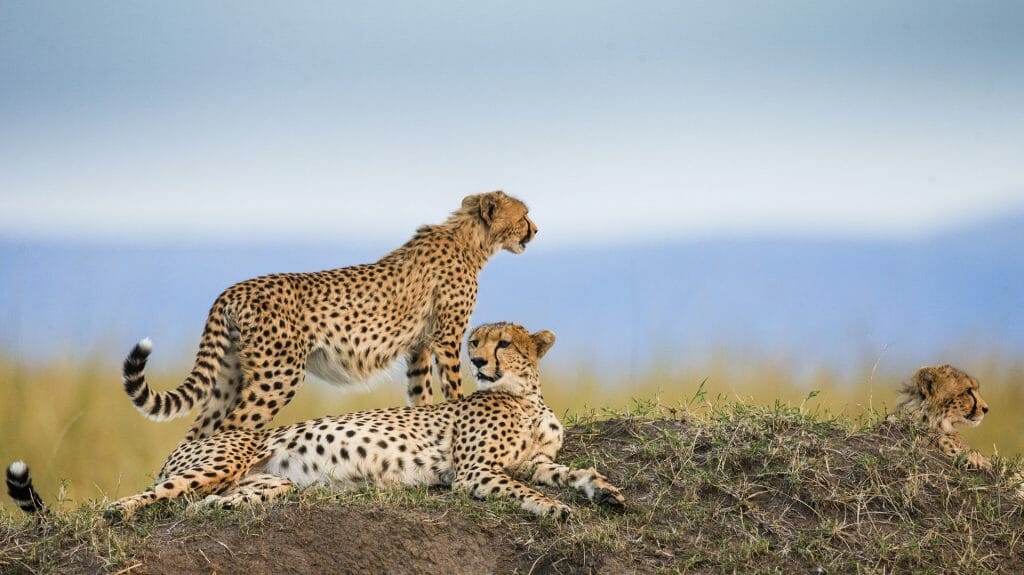
Dry Season (June to October)
Great viewing, careful choices
June to October offers excellent wildlife viewing and Great Migration river crossings. Because demand is high, choose less-visited areas, private concessions or community wildlife areas to avoid crowded sightings. Stay longer in fewer places, and ask your guide to avoid clustering around popular sightings, keeping your peak-season safari calmer and more sustainable. Ask your planner for advice.
Best Time to Visit →Reduce Your Carbon Footprint on Safari
Reducing your carbon footprint is one of the most meaningful steps towards a sustainable safari. Flights usually create the largest impact, so take fewer, longer trips and spend more time in each region. Combine your safari with other experiences in the same country, such as a Zanzibar beach stay, instead of separate journeys. On the ground, choose operators with well-maintained, fuel-efficient vehicles and efficient routes, and add emission-free activities like walking and canoe safaris. Pack light to reduce fuel use on light aircraft, and consider supporting reputable carbon offset or conservation projects to balance unavoidable emissions. Every choice counts.
Pack Light and Plastic-Free for Your Safari
Packing thoughtfully reduces waste and fuel use throughout your safari. Bring a durable refillable water bottle, reusable shopping bags, a small food container and reusable cutlery for picnics. Choose biodegradable toiletries and reef-safe sunscreen to keep harmful chemicals out of rivers and the ocean. Pack versatile, neutral-coloured clothing made from natural materials that needs less washing. Remember that plastic carrier bags are banned in Tanzania, so remove them from your luggage, including duty-free bags, before you fly. Lighter luggage also reduces fuel consumption on light aircraft and makes travelling between lodges easier and far more comfortable. Pack with purpose.
Low-Impact Safari Activities to Enjoy
Low-impact activities bring you closer to nature while reducing noise, emissions and disturbance to wildlife. Walking safaris led by armed rangers reveal tracks, plants and insects, while canoe trips glide quietly past hippos and waterbirds. Cycling and cultural walks connect you with landscapes and communities at a gentle pace, and birdwatching and photography encourage patient, quiet observation. Mixing these experiences with traditional game drives creates a richer, more sustainable safari. Your planner can include the best low-impact activities for your route, interests and fitness level, ensuring each day balances adventure, discovery and respect for the natural world. Explore gently.
Walking Safaris
Emission-free exploring
Walking safaris led by experienced, armed guides are the ultimate low-impact way to explore. On foot you notice animal tracks, dung, insects and medicinal plants that are easily missed from a vehicle. Walks are available in areas such as Tarangire's surroundings, Arusha National Park and selected parts of the Serengeti. Your planner can include this in your itinerary.
Walking Safaris →Respect Wildlife and Their Habitats
Respecting wildlife is at the heart of every sustainable safari. Observe animals quietly from a safe distance and never feed, touch or approach them, as this disrupts natural behaviour and can put them at risk. Follow your guide's instructions and park rules, stay on designated tracks to protect fragile vegetation and avoid crowding sightings with other vehicles. Keep noise low, avoid flash photography and never pressure guides to get closer. Remember that you are a guest in the animals' home. Respectful behaviour leads to calmer wildlife, better sightings and healthier ecosystems for future generations of safari travellers. Observe respectfully.
Support Local Communities on Your Safari
Sustainable tourism ensures that local communities benefit directly from your visit. Communities living alongside wildlife play a vital role in conservation, and fair income from tourism encourages them to protect animals and habitats. Hire local guides, buy crafts directly from artisans, eat at local restaurants and join community-run cultural visits. Tip fairly to recognise good service, and consider supporting reputable conservation or community projects. These choices spread the benefits of tourism, strengthen livelihoods and create authentic connections. Explore the ways below to make your private tailor-made Tanzania safari a positive force for the people who call it home.

Hire Local Guides
Knowledge and livelihoods
Local guides bring unmatched knowledge of wildlife, landscapes and culture, and employing them ensures tourism income supports families in Tanzania. Choose operators that train and employ local guides and pay them fairly. Your guide becomes your window into Tanzanian life, sharing stories, language and traditions that make your safari far more meaningful. Your guide can explain more.
Private Safaris →Reduce, Reuse, Recycle in the Wilderness
The principles of reduce, reuse and recycle are just as important in the African bush as they are at home. Avoid single-use plastics by carrying a refillable water bottle and reusable bags, and bring a small container for snacks. If you must use disposable items, place them in designated bins and never leave litter behind, even biodegradable food scraps, which can harm wildlife. Choose lodges with recycling programmes and refillable water stations. Conserve water and energy by turning off lights, fans and taps when not in use, keeping showers short and reusing towels throughout your stay. Every action matters.
Respect Local Cultures and Traditions
Tanzania is home to more than 120 ethnic groups, and respecting local culture is an essential part of sustainable travel. Learn a few Swahili phrases such as jambo, asante and karibu as a gesture of goodwill. Dress modestly in towns, villages and religious sites, especially in Zanzibar and Stone Town. Always ask permission before photographing people and accept their answer graciously. Ask your guide about local customs if you are unsure, and approach every encounter with curiosity and humility. Respectful behaviour builds trust, creates genuine friendships and ensures communities continue to welcome visitors warmly in future. Travel with respect.
Practical Sustainable Safari Tips Checklist
Small, everyday choices add up to a big difference when travelled responsibly. This practical sustainable safari checklist brings together simple habits that protect wildlife, conserve resources and support local communities throughout your trip. Carry a refillable water bottle, use reef-safe sunscreen, save water and energy, stay on designated tracks, ask before photographing people and leave no trace wherever you go. These easy steps fit naturally into any itinerary and make your safari more meaningful. Explore the tips below and share them with fellow travellers, helping spread responsible travel across Tanzania and beyond for a greener future. Start today.

Carry a Refillable Bottle
Refill instead of buying
A refillable water bottle is the simplest way to cut plastic waste on safari. Most responsible lodges and camps offer filtered water refill stations, and many safari vehicles carry large water containers. Choose an insulated bottle to keep water cool during hot game drives, and politely decline single-use bottles whenever possible. Ask your planner for local recommendations.
Travel Tips →How to Choose a Responsible Safari Operator
The safari operator you choose shapes the sustainability of your entire trip. Look for a locally based, licensed company that employs local guides, pays fair wages and follows ethical wildlife viewing guidelines. Ask about their environmental policies, vehicle maintenance, waste practices and partner lodges, and whether they support conservation or community projects. A responsible operator will educate you about sustainable practices during your safari and ensure interactions with wildlife and communities are respectful. Read independent reviews and ask questions before booking. Working with Foot Slopes Tours and Safaris keeps your spending local and your private tailor-made safari responsibly planned.
Final Thoughts: A Legacy of Responsible Exploration
An African safari is more than a holiday; it is an opportunity to connect with the wild heart of our planet. By following these sustainable travel tips, from flying less and staying longer to choosing eco-friendly lodges, respecting wildlife and supporting local communities, you help protect extraordinary ecosystems and the people who live alongside them. Every responsible choice adds up to a positive legacy. Choose to be a conscious traveller and tread lightly on the earth. Plan your sustainable private tailor-made Tanzania safari with Foot Slopes Tours and Safaris, and explore Africa with respect and wonder. Karibu Tanzania!
Sustainable African Safari: FAQs
Why does sustainable travel matter on an African safari?
An African safari lets you see wildlife such as the Big Five, lion, leopard, rhino, elephant and Cape buffalo, in their natural habitat, but every choice you make has an impact. Your tour operator, accommodation and behavior on game drives all affect wildlife, habitats and local communities. Traveling sustainably means choosing responsible partners, reducing waste and respecting animals and people. These choices help protect the places you visit and ensure future generations can enjoy the same remarkable wildlife experiences, while tourism continues to support conservation and livelihoods across Africa's wild places.
What does traveling responsibly on safari mean?
How does flying less and staying longer make a safari more sustainable?
Which transportation choices make a safari more eco-friendly?
Why are walking and canoe safaris considered sustainable?
What should I pack for a sustainable safari?
How do I choose eco-friendly safari lodges and tours?
Why stay in a private conservancy or reserve?
What makes a tour operator truly eco-friendly?
How can I reduce waste while on safari?
How should I respect wildlife and habitats on safari?
How can safari travelers support local communities?
How do I respect local cultures while on safari?
What legacy can a sustainable safari leave behind?
Plan Your Private Tanzania Safari
Tell us your travel dates, interests and budget, and our local team will design a private tailor-made safari around you.