 Private4 Days / 3 Nights
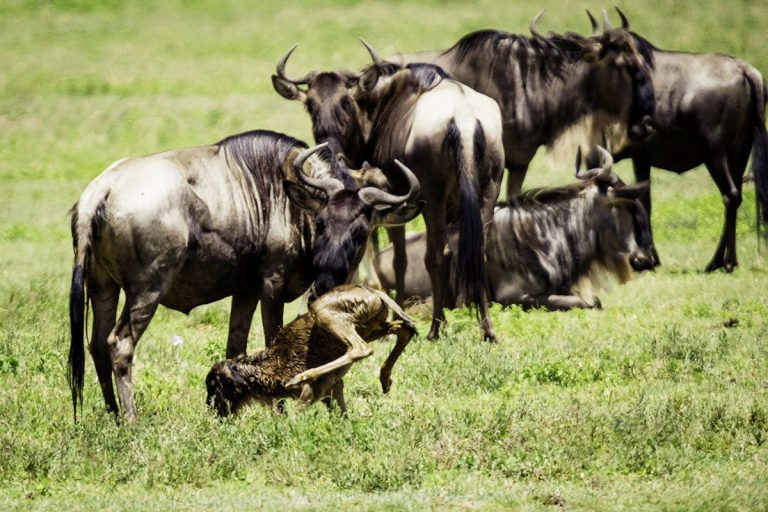
4-Day Ndutu Migration Safari Calving Season
Destinations: Serengeti · Ndutu
Price per personOn request
View tour →
The best place to go on an African safari in February is the southern Serengeti and the Ndutu area of Tanzania, where the wildebeest calving season usually peaks and vast herds graze the short-grass plains. Newborn calves draw lions, cheetahs and hyenas, creating intense predator action, while warm weather and green landscapes make photography rewarding. Timing varies with rainfall, but February is typically the heart of calving. Foot Slopes Tours and Safaris plans private February safaris with your own guide and vehicle. Explore our Ndutu calving season packages below.
Private4 Days / 3 Nights Private5 Days / 4 Nights
 Private7 Days / 6 Nights
 Private7 Days / 6 NightsPrivate8 Days / 7 Nights
 Private12 Days / 11 Nights
 Private11 Days / 10 Nights
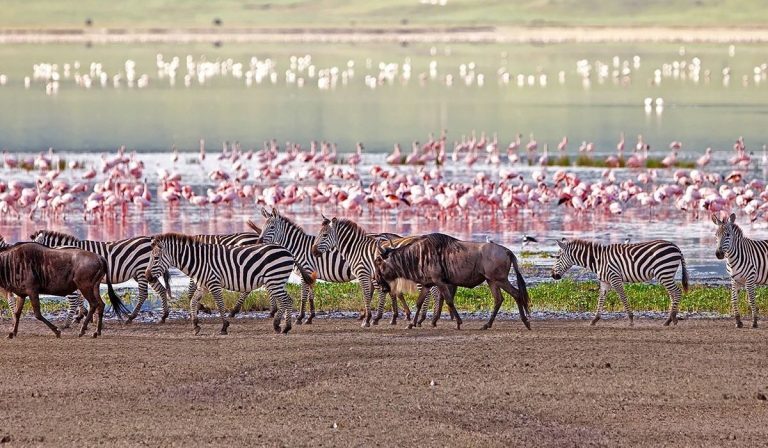
The best place for a safari in February is the southern Serengeti and the Ndutu plains within the Ngorongoro Conservation Area. This is where the Great Migration herds settle on nutrient-rich grasslands to give birth, usually peaking in February. Off-road driving is permitted in parts of the Ndutu area, allowing close and respectful views of predator activity. Nearby, the Ngorongoro Crater and Tarangire complete a rewarding private itinerary, and a Zanzibar extension is easy to add afterwards.
February is the best month to see wildebeest calving because most births happen within a short window on the southern plains, often peaking in early to mid-February. Calves can stand and run within minutes of being born, and watching this is an unforgettable experience. The abundance of young animals attracts lions, cheetahs, hyenas and jackals, so predator sightings are frequent. Rainfall influences exact timing, so our guides track conditions closely and position your private vehicle where the herds are.
February in the Serengeti is warm and generally pleasant, falling within a drier spell between the short rains and the long rains. Days are often sunny with occasional afternoon showers that refresh the green plains and create beautiful dramatic skies for photography. Nights are mild, although the Ngorongoro highlands can be cool. Light, breathable clothing, a rain jacket and a warm layer for evenings are ideal. Roads in the Ndutu area can become muddy after heavy showers.
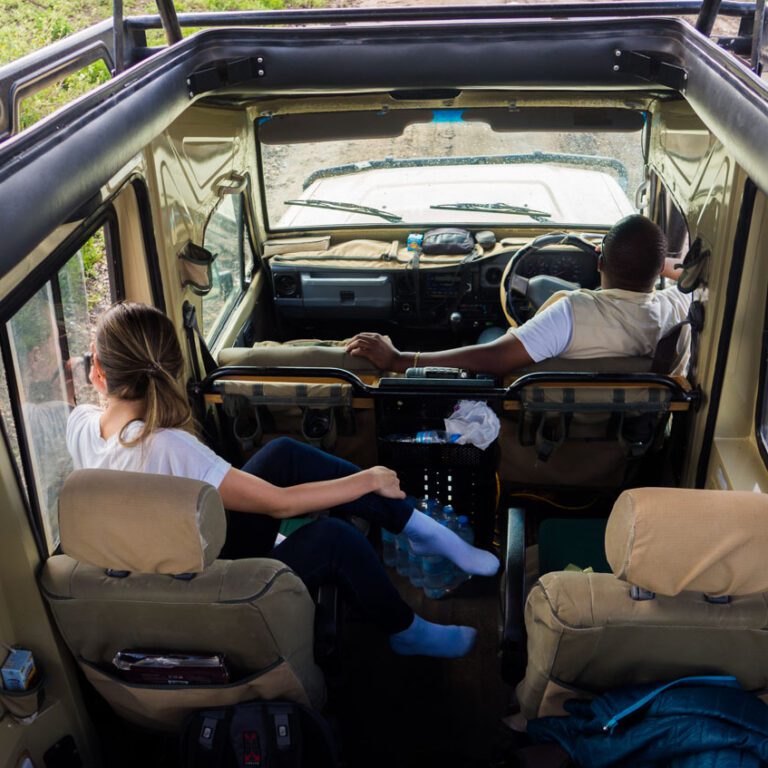
Yes, February is an excellent time for photography safaris in Tanzania. The southern Serengeti is lush and green, clouds add depth to landscapes, and the calving season offers powerful scenes of newborn animals and predator hunts. Ndutu also provides good cheetah and lion sightings. A private vehicle is essential for serious photographers, giving you space for camera gear, flexible positioning and freedom to wait for the perfect light without other travelers' schedules affecting your shots.
Yes, a February safari combines perfectly with Zanzibar, as the island is hot, sunny and mostly dry at this time of year. After exploring Ndutu, the Ngorongoro Crater and Tarangire, you can take a short flight to the coast for beach relaxation, snorkelling, spice tours and Stone Town's history. Sea conditions are often calm, which suits diving and dhow cruises. We handle all flights and transfers so that your safari and beach stay connect smoothly as one private trip.
Tell us your February travel dates, and our local experts will plan a private Ndutu calving safari that keeps you close to the herds, the newborn calves and the predators.
Get a Free Quote →