Is it possible Kilimanjaro Be Seen from the Serengeti?
Is it possible Kilimanjaro Be Seen from the Serengeti?
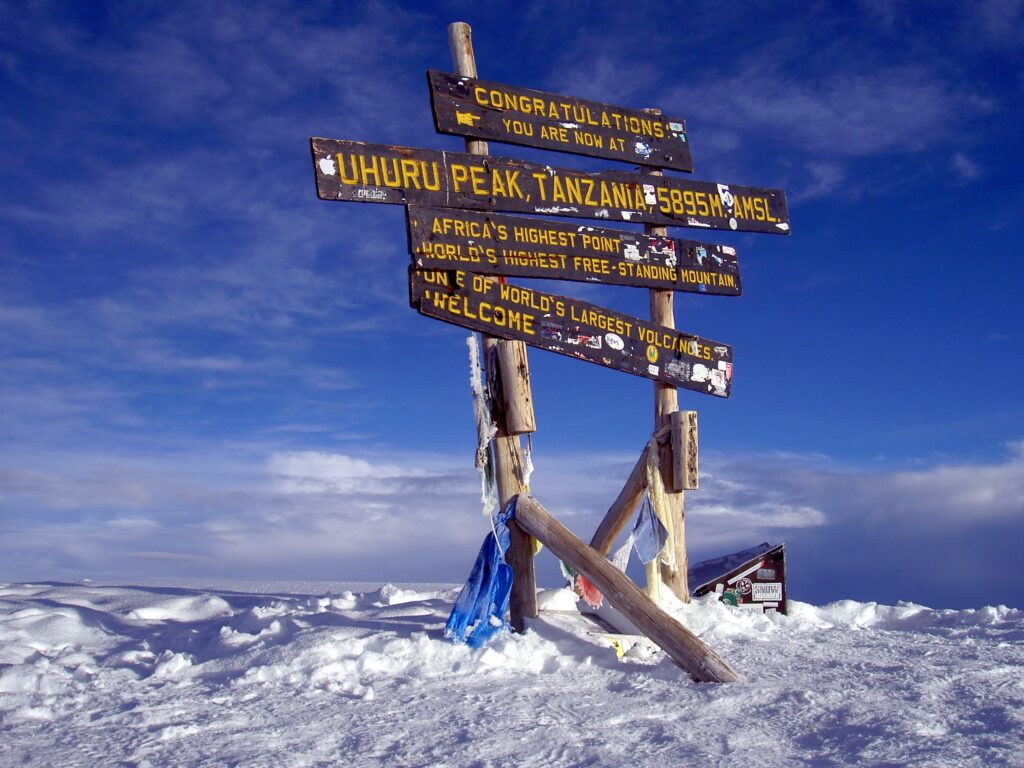
No, it is generally not possible to see Mount Kilimanjaro from the Serengeti. The two locations are roughly 300+ kilometers (over 185 miles) apart, with significant distance, atmospheric haze, and intermediate highlands blocking the view. The famous snow-capped views are best seen from Amboseli National Park in Kenya. Mount Kilimanjaro, Africa's tallest peak at 5,895 meters, is a natural icon visible from various parts of northern Tanzania. Many travelers visiting the Serengeti National Park often wonder: Is it possible to see Kilimanjaro from the Serengeti? Understanding this involves considering distance, geography, the Earth’s curvature, and visual conditions. While some parts of the Serengeti lie too far to catch a glimpse, specific vantage points and clear days provide breathtaking views of Kilimanjaro's snow-capped summit towering above the plains. For safari enthusiasts, combining a Serengeti wildlife adventure with glimpses of Kilimanjaro enhances the East African safari experience. Observing Kilimanjaro from the Serengeti offers a rare photographic opportunity and connects travelers to Tanzania’s iconic landscapes.
How Far Can the Human Eye See?
The visibility of distant objects like Mount Kilimanjaro from the Serengeti depends on the limits of the human eye and atmospheric conditions. On a clear day, a human can see objects up to three miles clearly, but elevated peaks like Kilimanjaro extend this distance significantly. Factors like air clarity, humidity, and the observer’s height also matter. With Kilimanjaro’s snow-capped summit rising nearly 6,000 meters above sea level, its peak can sometimes be seen from over 150 miles away under ideal conditions. Safari-goers with binoculars or camera zooms may spot the mountain on the horizon. Understanding human visual range helps explain why seeing Kilimanjaro from certain Serengeti plains is possible only from specific locations or higher terrains.
How Much Does the Earth Curve in 200 Miles?
The Earth’s curvature affects long-distance visibility. Over 200 miles, the Earth curves downward approximately 2,640 feet, making distant objects partially obscured from flat land. Kilimanjaro’s massive height, however, counteracts this effect, allowing its upper slopes to remain visible above the horizon from far away. This is why on exceptionally clear days, travelers in northern Serengeti regions may catch sight of Kilimanjaro’s peak rising dramatically above the plains. Atmospheric refraction can also bend light slightly, making distant mountains appear taller or closer than they really are. Knowledge of Earth's curvature is crucial in understanding why Kilimanjaro is sometimes visible from hundreds of miles away, while lower mountains disappear behind the horizon.
The Geography of Kilimanjaro and the Serengeti
Mount Kilimanjaro is located in northeastern Tanzania near the Kenya border, while the Serengeti National Park spreads across northwestern Tanzania into southwestern Kenya. The Serengeti is a vast savannah known for its wildlife and rolling plains, while Kilimanjaro is a volcanic massif with glaciers and forested slopes. Between them lie other geographic features, including the Maasai Steppe and the Ngorongoro Highlands. The park’s northern sections are closest to Kilimanjaro, improving the chances of spotting the mountain.Understanding this geography is essential for safari planning and predicting where and when Kilimanjaro may be visible from Serengeti viewpoints.
Is Kilimanjaro Visible from the Serengeti?
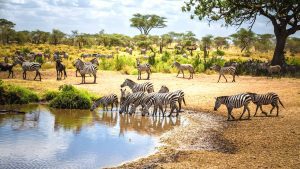
Yes, but with conditions. Northern and eastern Serengeti plains, especially near Seronera and the Mara River, offer occasional glimpses of Kilimanjaro on exceptionally clear days. The mountain's snow-capped summit can rise above distant plains, creating a surreal scene combining wildlife and Tanzania’s tallest peak. However, humidity, seasonal haze, and atmospheric particles often limit visibility. Most visitors may see Kilimanjaro’s outline rather than its detailed slopes. Early mornings after the rains are usually the clearest times. While Kilimanjaro cannot be seen from every corner of the Serengeti, its occasional appearance adds a unique magic to game drives. Safari photographers prize these rare moments to capture Africa’s most iconic mountain with roaming wildlife.
Where Is the Best Place to See Mount Kilimanjaro?
For the best views of Mount Kilimanjaro, areas closer to its base and elevated terrains work best. Northern Tanzania locations like Amboseli National Park (Kenya), Arusha National Park, and nearby coffee plantations provide clear, unobstructed views. Within the Serengeti, the northern corridor and open plains offer the best chance on clear days.Tourists staying in lodges near the northern Serengeti or traveling on private safaris may capture the mountain in panoramic photos. While viewing from the Serengeti is rare, combining Kilimanjaro sightseeing with safari drives ensures travelers experience both Tanzania’s wildlife and its iconic mountain landscapes.
How Far Away Can You See Kilimanjaro?
Mount Kilimanjaro’s peak can be seen from over 150 miles away under ideal weather conditions due to its immense height and prominence. Northern Serengeti plains, bordering Kenya, sometimes provide this rare visibility. Factors affecting this include air clarity, humidity, time of day, and observer elevation. Early mornings after rainfall often provide the clearest views. While distant plains offer occasional glimpses, the mountain’s glaciers, ridges, and summit stand out against the horizon. Tourists using high-powered cameras or binoculars enhance the viewing experience. For photographers, seeing Kilimanjaro from the Serengeti provides a once-in-a-lifetime opportunity to frame wildlife against Africa’s tallest peak, creating iconic safari memories.
Does Kilimanjaro Actually Rise Above the Serengeti?
Yes, Kilimanjaro’s snow-capped summit rises dramatically above the Serengeti’s flat plains, but this is mostly in the northern sections. From elevated viewpoints or long-distance panoramas, the peak towers over the horizon, dwarfing surrounding landscapes. Its presence is subtle yet awe-inspiring when atmospheric conditions are perfect. Seasonal haze, clouds, and humidity often obscure lower slopes, making only the summit visible. Safari drivers and guides know optimal locations and times for viewing. This phenomenon creates iconic photography opportunities—wildlife with the Serengeti plains in the foreground and Kilimanjaro in the distance. Seeing Africa’s tallest peak rise above the savannah embodies the ultimate Tanzanian safari experience.
How Far Is the Serengeti from Kilimanjaro?
The Serengeti National Park lies approximately 200 to 250 miles (320–400 km) from Mount Kilimanjaro, depending on entry points. The northern Serengeti is closest, offering the best chance of distant views. Travel by road can take 8–10 hours, while small charter flights shorten the journey to under 2 hours. The distance explains why only the mountain’s summit is occasionally visible from the plains. Air clarity, season, and elevation play critical roles in visibility. For safari planners, understanding this distance helps manage expectations: while the Serengeti offers extraordinary wildlife, combining it with a Kilimanjaro ascent or visit ensures tourists experience Tanzania’s most iconic natural wonders in one trip.
Can You See Kilimanjaro from Arusha?
Yes, Arusha offers some of the most consistent views of Mount Kilimanjaro due to its proximity—approximately 50 miles (80 km) southwest of the city. Early mornings provide the clearest visibility before clouds form over the mountain. Arusha National Park and nearby coffee plantations provide unobstructed perspectives for tourists and photographers. Unlike the Serengeti, the shorter distance and elevation make Kilimanjaro’s glaciers and summit more distinct. Travelers often combine Arusha sightseeing with day trips or short safaris in nearby parks to enjoy both wildlife and scenic mountain vistas. Hotels and lodges in Arusha even advertise mountain views, attracting guests eager to photograph Kilimanjaro against the Tanzanian skyline.
What Is Disappearing from the Top of Mount Kilimanjaro?
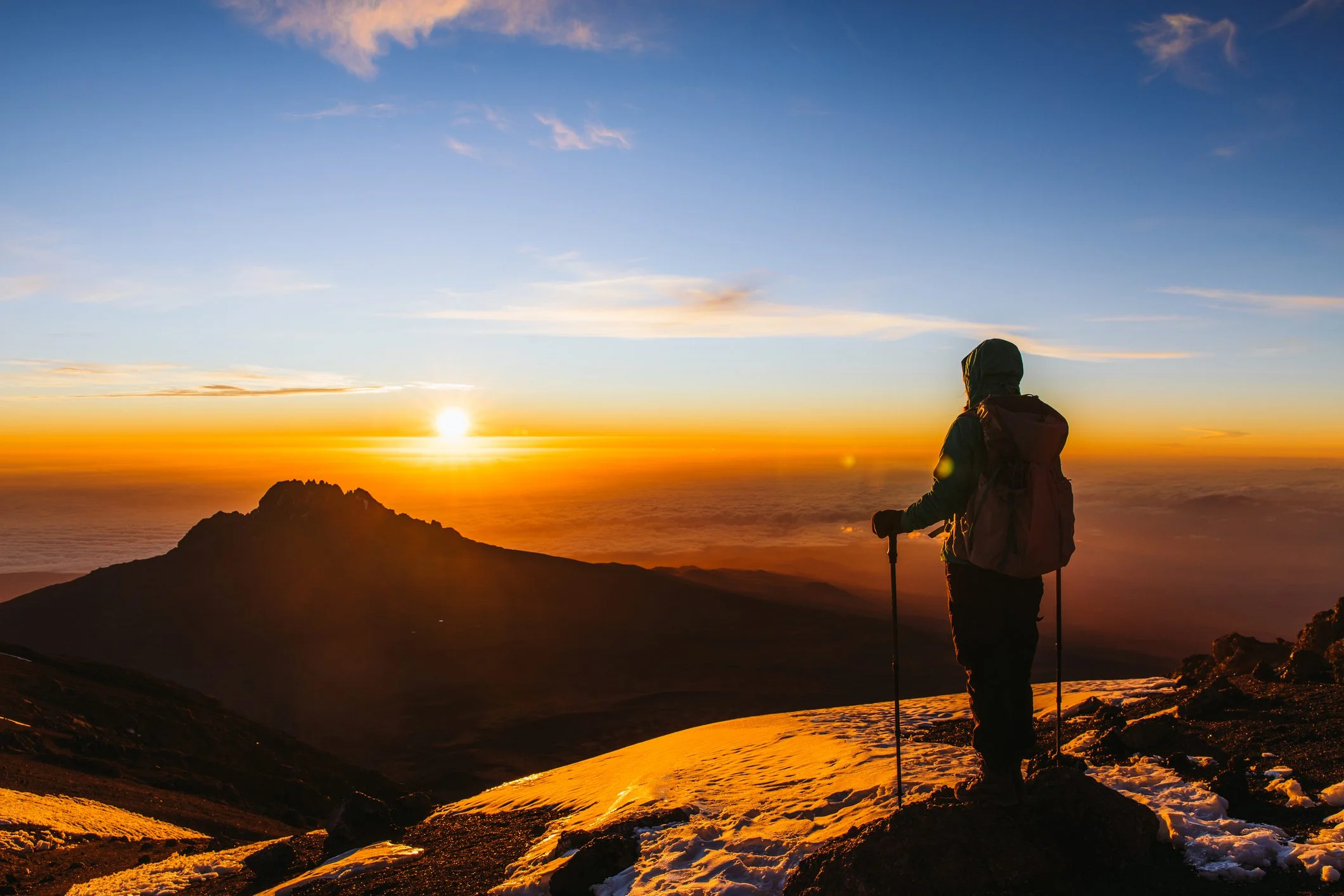
Kilimanjaro’s glaciers and snowcaps are steadily retreating due to climate change. Over the last century, the ice cover has shrunk dramatically, affecting visibility and local climate. While the mountain remains visible from surrounding areas, including parts of the Serengeti, its iconic white peak may gradually reduce in size. Scientists estimate that Kilimanjaro’s glaciers could disappear entirely within a few decades if warming trends continue. For safari tourists, this underscores the urgency of capturing photographs now. Understanding these environmental changes adds depth to a Kilimanjaro or Serengeti adventure, connecting travelers to conservation issues while appreciating the fleeting beauty of Africa’s tallest mountain.
What Is the Closest Mountain to Kilimanjaro?
Mount Meru, located about 40 miles (65 km) west of Kilimanjaro, is the nearest significant mountain. Standing at 4,566 meters, Mount Meru is an active stratovolcano and a popular trekking destination. While smaller than Kilimanjaro, it provides a dramatic foreground for views of the taller peak. Safari-goers visiting Arusha National Park or the surrounding highlands often capture both mountains in panoramic photographs. The proximity of Meru enhances visibility from nearby regions and offers alternative climbing experiences for those seeking shorter, less strenuous ascents. Its presence helps illustrate Kilimanjaro’s grandeur, as the tallest peak towers over its neighboring landscapes and plains, reinforcing the mountain’s iconic status.
Other Ways to Experience Kilimanjaro
Beyond distant views from the Serengeti, travelers can experience Kilimanjaro through hiking, cultural tours, and aerial perspectives. Trekking routes like Machame, Marangu, and Lemosho provide close-up encounters with diverse ecosystems, from rainforest to alpine desert. Scenic flights over Kilimanjaro offer dramatic aerial photographs of glaciers, valleys, and the surrounding plains. Nearby coffee plantations, Arusha National Park, and local villages offer cultural interactions and unobstructed viewpoints. For safari enthusiasts, combining game drives with Kilimanjaro excursions enhances the Tanzanian experience. Eco-lodges with mountain views also provide immersive experiences. These options ensure visitors enjoy both the Serengeti’s wildlife and Africa’s tallest peak in ways that suit different budgets, fitness levels, and adventure preferences.
Final Thought
Seeing Mount Kilimanjaro from the Serengeti is possible, but rare and dependent on geography, atmospheric conditions, and vantage points. Northern Serengeti plains, early morning clear skies, and elevated terrains offer the best chance to glimpse Africa’s highest peak rising above the savannah. Combining Serengeti wildlife safaris with visits to Arusha, Kilimanjaro, or Mount Meru maximizes viewing opportunities. Tourists benefit from expert safari guides, strategic planning, and optimal seasons to experience both Tanzania’s iconic mountain and world-renowned wildlife. Capturing Kilimanjaro from afar adds a magical layer to the safari adventure, creating lasting memories of East Africa’s unparalleled landscapes.
Is it possible Kilimanjaro Be Seen from the Serengeti?: FAQs
Does Anything Else Prevent Us from Seeing Kilimanjaro?
Visibility of Kilimanjaro can be limited by atmospheric haze, clouds, seasonal rains, and air pollution. During the wet season, clouds often obscure the summit, even from Arusha or northern Serengeti. Dust and humidity in the dry season can blur distant views. Topography also plays a role—hills, trees, and buildings can block lines of sight from lower plains. Understanding seasonal patterns helps tourists plan optimal viewing times.
What Do Our Safari Guides Have to Say?
Experienced Tanzanian safari guides affirm that glimpsing Kilimanjaro from the Serengeti is rare but possible. Guides recommend northern Serengeti regions, early morning drives, and clear skies after rainfall for optimal chances. They share local knowledge about vantage points, atmospheric conditions, and photography tips. Many guides highlight that the magic of seeing Kilimanjaro is enhanced when paired with wildlife sightings, creating iconic safari moments.
How Far Is Arusha from Serengeti by Plane?
Arusha to the Serengeti National Park is approximately 200 miles (320 km) by air. Small charter flights reduce travel time to 1–2 hours, compared to 8–10 hours by road. Air routes often land at airstrips in Seronera, Kogatende, or Grumeti, close to northern Serengeti wildlife zones. Flying provides spectacular aerial views of the savannah, rivers, and scattered wildlife, offering a preview of the park before arrival.
Can You See Kilimanjaro from Kilimanjaro Airport?
Yes, Kilimanjaro International Airport (JRO), near Moshi, provides unobstructed views of Mount Kilimanjaro. The airport’s proximity allows travelers to photograph the iconic peak immediately upon arrival.Terminal windows and taxiways offer perspectives for tourists eager to capture Kilimanjaro before starting a safari or climbing adventure.
How Far Is Mt Kilimanjaro from Arusha?
Mount Kilimanjaro is about 50 miles (80 km) east of Arusha city. The drive typically takes 1.5 to 2 hours, depending on road conditions and traffic. This proximity allows day trips, photography sessions, and cultural tours with views of Kilimanjaro from nearby coffee farms, parks, and elevated viewpoints. Arusha provides lodging, guides, and transportation for visitors planning to hike or sightsee. Its closeness ensures clear visibility compared to distant plains like the Serengeti.
Can You See Kilimanjaro from Ngorongoro Crater?
Kilimanjaro is rarely visible from Ngorongoro Crater due to distance and the obstructing highlands. The crater itself sits about 130 miles (210 km) west of the mountain. While elevated points around Ngorongoro Highlands occasionally provide glimpses on exceptionally clear days, atmospheric haze often blocks visibility. Safari visitors usually focus on the crater’s rich wildlife and geological features rather than distant mountains. Guides emphasize timing, positioning, and weather conditions for rare Kilimanjaro sightings.
Can You See Kilimanjaro from Arusha National Park?
Yes, Arusha National Park offers excellent views of Kilimanjaro due to its proximity. Its open plains and Mount Meru backdrop create iconic photo opportunities. Early morning game drives are best for clear visibility, with the snow-capped summit often visible above cloud layers. The park’s elevated areas provide unique vantage points for both wildlife and mountain photography.
Can You See Kilimanjaro from the Masai Mara?
No, Kilimanjaro is generally not visible from the Masai Mara in Kenya. The distance exceeds 200 miles (320 km), and intervening hills and plains obstruct the line of sight. While the Mara shares a similar ecosystem with the northern Serengeti, Kilimanjaro’s prominence is too distant to appear from Kenyan safari parks. Travelers hoping to combine wildlife safaris with Kilimanjaro views are better off staying in northern Serengeti, Arusha, or Amboseli National Park.
Climb Kilimanjaro With Confidence
Tell us your dates and fitness, and our experienced mountain team will plan a safe, well-acclimatized private climb.