Wildlife in Serengeti National Park
Wildlife in Serengeti National Park
Wildlife in Serengeti National Park stands among the most iconic safari experiences in Africa, drawing travelers seeking the Big Five, Great Migration, and diverse ecosystems. This world-famous Tanzania safari destination offers unrivaled game viewing, luxury safari lodges, budget camping safaris, and tailor-made African safari tours. From vast savannah plains to riverine forests, Serengeti wildlife includes lions, elephants, leopards, cheetahs, giraffes, and over 500 bird species. Whether planning a luxury Serengeti safari, honeymoon safari, family safari holiday, or solo travel adventure, this UNESCO World Heritage Site delivers unforgettable moments. With year-round wildlife viewing, photographic safaris, and sustainable tourism, Serengeti National Park remains a bucket-list destination for travelers searching for the best African safari tours, prices, travel tips, and ultimate wildlife encounters in Tanzania.
The Big Five Safari Experience
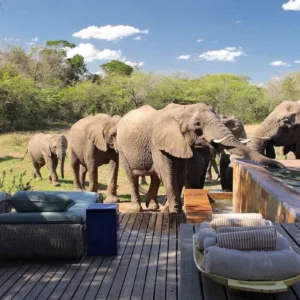
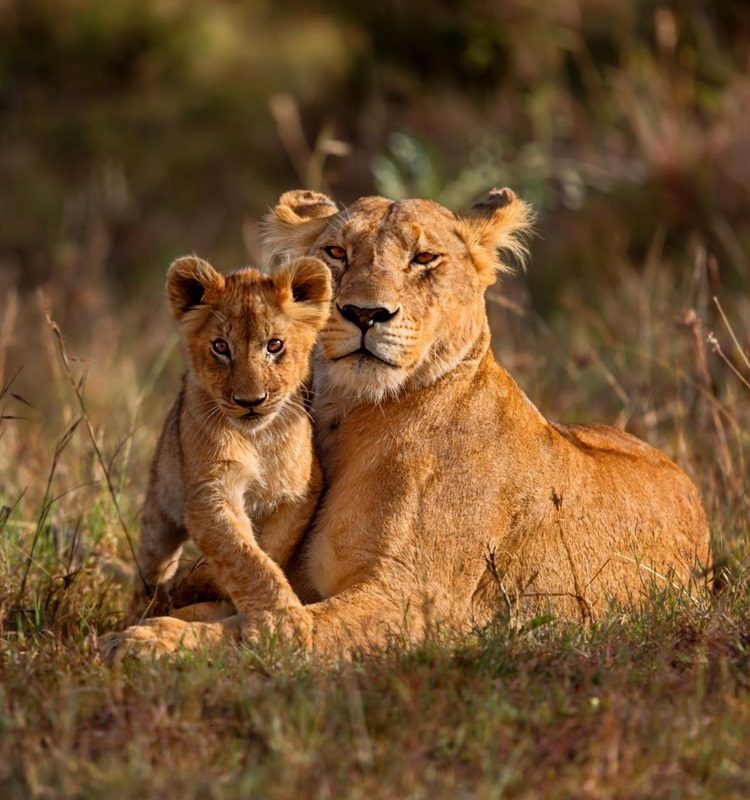
These iconic animals symbolize the ultimate African safari experience. Lions roam in large prides across the plains, while elusive leopards rest in acacia trees. African elephants migrate gracefully, and buffalo herds dominate the grasslands. The endangered black rhino, though rare, can be spotted in protected areas. Serengeti offers unmatched Big Five game drives, guided safari tours, and luxury lodge experiences. Whether on a budget safari or a high-end fly-in safari, visitors enjoy thrilling wildlife encounters. The abundance of predators and herbivores makes Serengeti one of the best places in Africa for Big Five safaris, wildlife photography, and unforgettable safari holidays.
The Great Wildebeest Migration
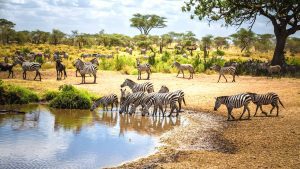
Over two million wildebeest, zebras, and gazelles move in a circular journey between the Serengeti and the Maasai Mara. This migration features dramatic river crossings at the Grumeti and Mara Rivers, where crocodiles await. Timing your safari for the migration depends on the seasons, making it a prime attraction for luxury safaris, photographic tours, and adventure travel. Travelers seek Serengeti migration safari packages, costs, and the best time to visit information. This natural wonder supports predator-prey interactions, creating thrilling safari moments. Witnessing the Great Migration is a bucket-list safari experience and a defining reason why Serengeti remains globally renowned.
A general guide: the herds follow the rains.
Predator Capital of Africa
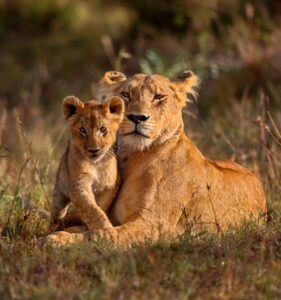
Serengeti National Park is often called the predator capital of Africa due to its high density of carnivores. Lions dominate the plains, cheetahs sprint across open grasslands, and hyenas scavenge and hunt in clans. Leopards remain elusive yet present throughout wooded areas. This predator-rich environment makes Serengeti a top destination for wildlife photography safaris and documentary filming. Visitors searching for “best predator safaris in Africa” frequently choose Serengeti for its guaranteed sightings. The balance between predators and prey ensures constant action during game drives. Whether on a luxury safari lodge stay or a mobile camping safari, witnessing predator behavior is a highlight. Serengeti’s ecosystem supports one of the most dynamic wildlife spectacles on Earth, making it ideal for adventure seekers.
Diverse Herbivore Populations
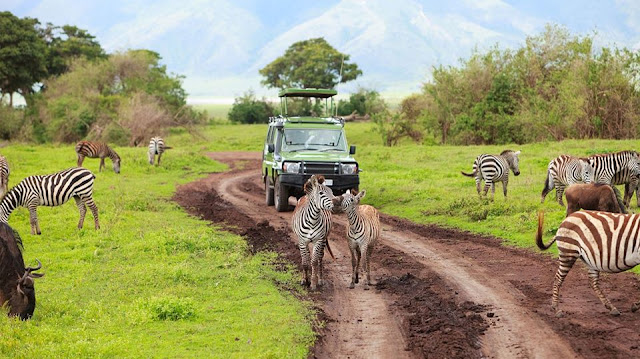
Serengeti hosts vast populations of herbivores, forming the backbone of its ecosystem. Wildebeest, zebras, gazelles, giraffes, and antelopes roam freely across the plains. These grazing animals shape the landscape and sustain predator populations. Visitors on Tanzania safaris enjoy endless wildlife viewing opportunities as herds stretch to the horizon. The abundance of herbivores attracts photographers and nature lovers seeking classic African safari scenes. Serengeti’s grasslands provide rich grazing, supporting year-round wildlife activity. Whether visiting during the migration or the calving season, travelers encounter large herds daily. These animals play a critical ecological role and contribute to Serengeti’s reputation as one of the best wildlife safari destinations in Africa, offering unmatched biodiversity and scenic beauty.
Birdlife and Avian Diversity
Serengeti National Park is a paradise for birdwatching safaris, hosting over 500 bird species. From colorful lilac-breasted rollers to powerful birds of prey like eagles and vultures, the park offers exceptional avian diversity. Ostriches, secretary birds, and flamingos add to the vibrant ecosystem. Birdwatching safaris are popular among nature enthusiasts and photographers seeking unique species. The varied habitats, including wetlands, rivers, and savannahs, support diverse birdlife year-round. Travelers searching for birding safaris in Tanzania often choose Serengeti for its accessibility and abundance. Whether on a guided safari or self-drive adventure, birdwatching enhances the overall experience. Serengeti’s birdlife contributes significantly to its status as a leading African safari destination for wildlife diversity.
Unique Ecosystems and Habitats
The ecosystems of Serengeti National Park range from open plains to riverine forests and rocky kopjes. These habitats support a wide variety of wildlife species, making Serengeti one of the most ecologically diverse parks in Africa. The kopjes provide shelter for lions and leopards, while rivers sustain hippos and crocodiles. Seasonal changes influence animal movements and behavior, offering dynamic safari experiences. Travelers interested in eco-tourism, sustainable safaris, and conservation tours find Serengeti an ideal destination. Each ecosystem contributes to the park’s biodiversity and wildlife abundance. Exploring these landscapes enhances the safari experience, offering scenic views and diverse wildlife encounters. Serengeti’s unique habitats make it a must-visit destination for nature lovers.
The Role of Conservation
Conservation efforts in Serengeti National Park ensure the protection of its wildlife and ecosystems. Managed by the Tanzania National Parks Authority, the park emphasizes sustainable tourism, anti-poaching initiatives, and community involvement. Conservation programs protect endangered species like rhinos and promote biodiversity. Travelers seeking eco-friendly safaris and responsible tourism experiences appreciate Serengeti’s commitment to sustainability. Revenue from tourism supports conservation and local communities. Educational safaris highlight the importance of preserving natural habitats. Serengeti remains a model for wildlife conservation in Africa, balancing tourism and environmental protection. Visitors contribute to these efforts by choosing ethical safari operators and supporting conservation initiatives.
Best Time for Wildlife Viewing
The best time to visit Serengeti depends on wildlife preferences and safari goals. The dry season (June to October) offers excellent game viewing as animals gather around water sources. The wet season (November to May) features lush landscapes and the calving season, attracting predators. The Great Migration occurs year-round, with river crossings typically between July and October. Travelers searching for “best time to visit Serengeti” consider weather, wildlife activity, and safari costs. Each season provides unique experiences, from birdwatching to predator sightings. Serengeti’s year-round accessibility makes it a top destination for African safaris. Planning according to seasonal highlights ensures an unforgettable wildlife adventure.
Luxury and Budget Safari Options
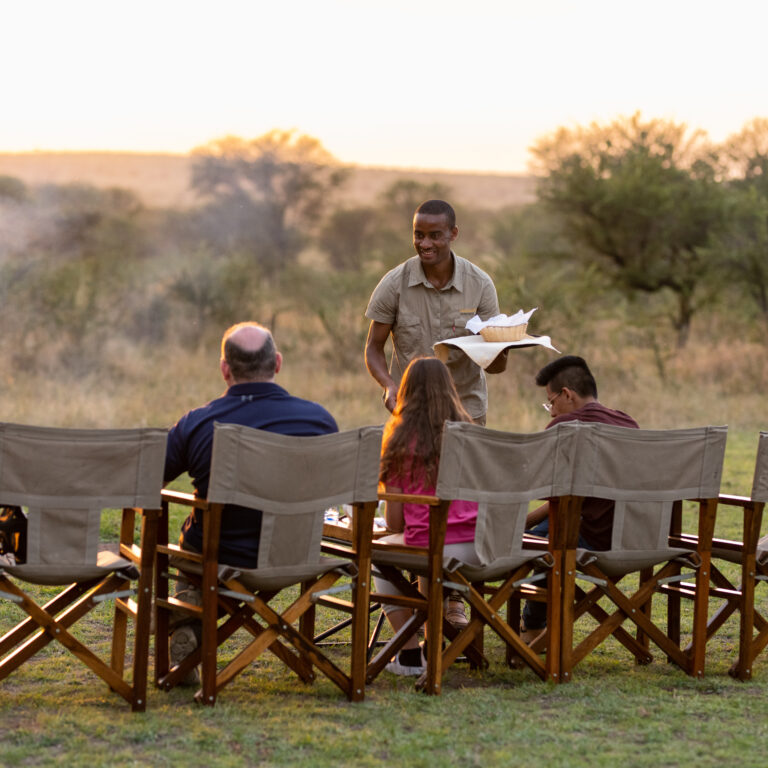
Serengeti offers a range of safari options, from luxury lodges to budget camping safaris. High-end travelers enjoy exclusive lodges, private guides, and fly-in safaris, while budget travelers opt for group tours and camping experiences. Mid-range tented camps provide comfort and affordability. Safari packages vary in price, catering to families, honeymooners, solo travelers, and photographers. Travelers search for Serengeti safari costs, reviews, and the best tour operators when planning trips. Customizable itineraries allow visitors to tailor their experiences. Whether seeking luxury or budget safaris, Serengeti delivers exceptional wildlife encounters. This flexibility makes it accessible to a wide range of travelers exploring Tanzania.
- Accommodation
- Meals
- Park fees
- Vehicle & guide
- Transfers
- International flights
- Visas
- Travel insurance
- Tips
- Premium drinks
Wildlife Photography Opportunities
Serengeti is a top destination for wildlife photography safaris, offering dramatic landscapes and abundant wildlife. Photographers capture predator hunts, migration scenes, and scenic sunsets. The park’s open plains provide clear visibility, ideal for capturing iconic African wildlife shots. Guided photography tours enhance the experience with expert advice and positioning. Travelers searching for “best wildlife photography safari in Africa” often choose Serengeti. The diversity of species and habitats ensures endless photographic opportunities. Whether using professional equipment or smartphones, visitors can capture stunning images. Serengeti’s natural beauty and wildlife action make it a dream destination for photographers worldwide.
Cultural Encounters with Maasai
Cultural experiences with the Maasai people enrich Serengeti safaris. Visitors learn about traditional lifestyles, customs, and coexistence with wildlife. Maasai villages offer insights into pastoral culture, beadwork, and ceremonies. Cultural tours complement wildlife safaris, providing a holistic travel experience. Travelers interested in authentic African experiences often include Maasai visits in their itineraries. These interactions support local communities and promote cultural preservation. Combining wildlife and cultural tourism enhances the overall safari journey. Serengeti’s surrounding areas provide opportunities to engage with indigenous cultures, adding depth to the adventure.
Family and Honeymoon Safaris
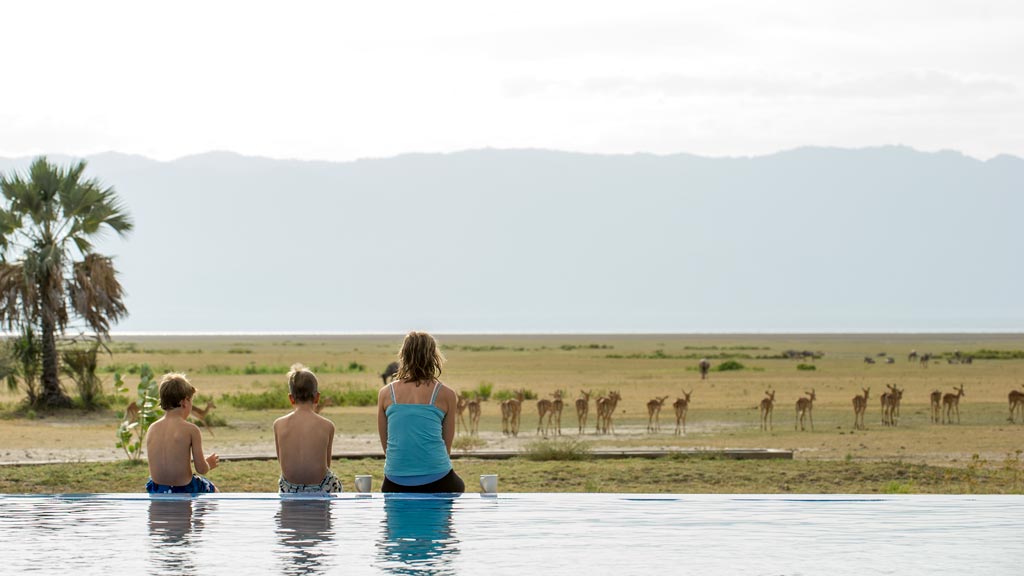
Serengeti is ideal for family safaris and honeymoon packages, offering tailored experiences for different travelers. Family-friendly lodges provide activities for children, while honeymooners enjoy romantic settings and private game drives. Luxury safari packages include exclusive accommodations, spa treatments, and scenic views. Travelers searching for “Serengeti honeymoon safari” or “family safari Tanzania” find diverse options. Safety, comfort, and personalized service make Serengeti a top choice. Whether celebrating a special occasion or creating family memories, Serengeti offers unforgettable experiences. Its versatility caters to various travel needs, making it a premier safari destination.
Accessibility and Travel Planning
Traveling to Serengeti National Park is available with options from Arusha, Dar es Salaam, and Zanzibar. Visitors can choose road transfers or domestic flights to the park's airstrips. Safari planning includes selecting the best itinerary, accommodation, and travel season. Tour operators offer all-inclusive packages covering meals and guided safaris. Travelers research visa requirements, health tips, and packing lists before visiting Serengeti. Its accessibility makes it convenient for international and local tourists. Proper planning ensures a smooth and enjoyable safari experience, maximizing wildlife encounters and comfort.
- ArushaGateway
- TarangireElephants
- NgorongoroCrater
- SerengetiBig Five
- ZanzibarBeach
Sustainable Tourism and Eco-Safaris
Sustainable tourism in Serengeti focuses on minimizing environmental impact and supporting local communities. Eco-safaris emphasize conservation, renewable energy, and responsible travel practices. Many lodges adopt eco-friendly initiatives, reducing carbon footprints and conserving resources. Travelers searching for “sustainable safari Tanzania” prefer Serengeti for its commitment to conservation. Ethical wildlife viewing ensures minimal disturbance to animals. Supporting local businesses and conservation programs enhances the positive impact of tourism. Serengeti sets a benchmark for eco-tourism in Africa, offering meaningful travel experiences. Visitors contribute to preserving wildlife and ecosystems by choosing responsible safari options.
Why Serengeti Remains Unmatched
Serengeti National Park remains unmatched due to its wildlife populations, diverse ecosystems, and iconic safari experiences. From the Great Migration to Big Five sightings, the park offers unparalleled adventures. Its global reputation attracts travelers seeking the best African safaris, luxury experiences, and wildlife photography opportunities. Continuous conservation efforts and sustainable tourism practices ensure its. Serengeti’s timeless beauty and rich biodiversity make it a top destination for nature lovers. Whether on a first safari or a returning visit, Serengeti never fails to impress. Its unique combination of wildlife, landscapes, and culture is one of the greatest wonders in the world.
Final Thought
Wildlife in Serengeti National Park defines the essence of an African safari. With its incredible biodiversity, world-famous Great Migration, and diverse safari experiences, Serengeti continues to rank among the best wildlife destinations globally. Whether seeking luxury safaris, budget adventures, or eco-friendly travel, visitors find unmatched opportunities. The park’s commitment to conservation and sustainable tourism ensures its preservation for future generations. Serengeti is more than a destination—it is a timeless journey into nature’s wonders, offering unforgettable memories and inspiring a deeper appreciation for wildlife and the natural world.
Wildlife in Serengeti National Park: FAQs
What wildlife can I see in Serengeti National Park?
Serengeti National Park is home to an incredible variety of wildlife, making it one of the top African safari destinations. Visitors can see the Big Five—lion, leopard, elephant, buffalo, and sometimes rhino—alongside large herds of wildebeest, zebras, and gazelles. Other common species include giraffes, hippos, crocodiles, cheetahs, hyenas, and jackals. The park also supports over 500 bird species, making it ideal for birdwatching safaris.
When is the best time to see wildlife in Serengeti?
The best time for wildlife viewing in Serengeti depends on what you want to see. The dry season (June to October) is ideal for general game viewing as animals gather around water sources, making them easier to spot. The wet season (November to May) offers lush landscapes and is perfect for birdwatching and witnessing the wildebeest calving season in southern Serengeti. The Great Migration river crossings usually occur between July and September.
What is the Great Migration in Serengeti?
The Great Migration is one of the most spectacular wildlife events in the world, occurring in Serengeti National Park and the wider Serengeti ecosystem. Over two million wildebeest, zebras, and gazelles move in a circular route searching for fresh grazing and water. This migration involves dramatic river crossings, especially at the Grumeti and Mara Rivers, where predators like crocodiles and lions wait.
Are the Big Five easy to see in Serengeti?
Yes, Serengeti National Park is one of the best places in Africa to see the Big Five. Lions are very common and often seen in prides across the plains. Leopards are more elusive but can be spotted in riverine areas and trees. Elephants roam in herds, especially in northern and central Serengeti. Buffalo are widespread and frequently seen during game drives.
Is Serengeti good for birdwatching?
Yes, Serengeti is an excellent destination for birdwatching safaris, with more than 500 recorded bird species. Visitors can see colorful species like lilac-breasted rollers, bee-eaters, and kingfishers, as well as large birds such as ostriches and secretary birds. Raptors including eagles, vultures, and hawks are also commonly seen. Seasonal wetlands attract flamingos and migratory birds, making certain areas especially rich in biodiversity.
What predators live in Serengeti?
Serengeti is known as Africa’s predator capital due to its high population of carnivores. Lions are the most dominant predators, often seen hunting in groups. Cheetahs are famous for their speed and are frequently spotted on open plains chasing gazelles. Leopards are solitary and elusive, usually found resting in trees or rocky areas. Spotted hyenas live in large clans and are both hunters and scavengers. Other predators include jackals and servals.
Can I see wildlife all year in Serengeti?
Yes, Serengeti National Park offers excellent wildlife viewing throughout the year. The park’s vast ecosystem supports permanent resident animals such as lions, elephants, giraffes, buffalo, and hippos. Seasonal movements, especially the Great Migration, enhance wildlife activity at different times of the year. During the dry season, animals are easier to spot near water sources, while the wet season brings lush scenery and newborn animals. Birdlife is also abundant year-round.
Is Serengeti safe for wildlife safaris?
Yes, Serengeti National Park is considered very safe for wildlife safaris when visited with licensed tour operators and professional guides. Safari vehicles follow strict park regulations to ensure both visitor safety and wildlife protection. Animals remain in their natural habitat, and tourists are always accompanied during game drives. Safety rules include staying inside vehicles, maintaining distance from animals, and following guide instructions.
What animals are most commonly seen in Serengeti?
The most commonly seen animals in Serengeti include wildebeest, zebras, giraffes, elephants, buffalo, and various antelope species such as impalas and gazelles. Lions are also frequently spotted, especially in central and southern Serengeti. Hyenas and jackals are common scavengers across the plains. Hippos can be seen in rivers and waterholes, while crocodiles lie in wait along riverbanks.
Why is Serengeti famous for wildlife?
Serengeti is world-famous for its unmatched wildlife diversity, the Great Migration, and abundant predator populations. It is one of the oldest and most protected ecosystems in Africa, supporting millions of animals across vast savannahs. The park is a UNESCO World Heritage Site and a top choice for safari tourism in Tanzania. Its landscapes provide perfect conditions for wildlife photography, game drives, and eco-tourism experiences.
See Africa’s Wildlife Up Close
Tell us which animals you dream of seeing, and we will design a private tailor-made safari to the right parks at the right time.