Why People Fail When Climbing Kilimanjaro
Why People Fail When Climbing Kilimanjaro
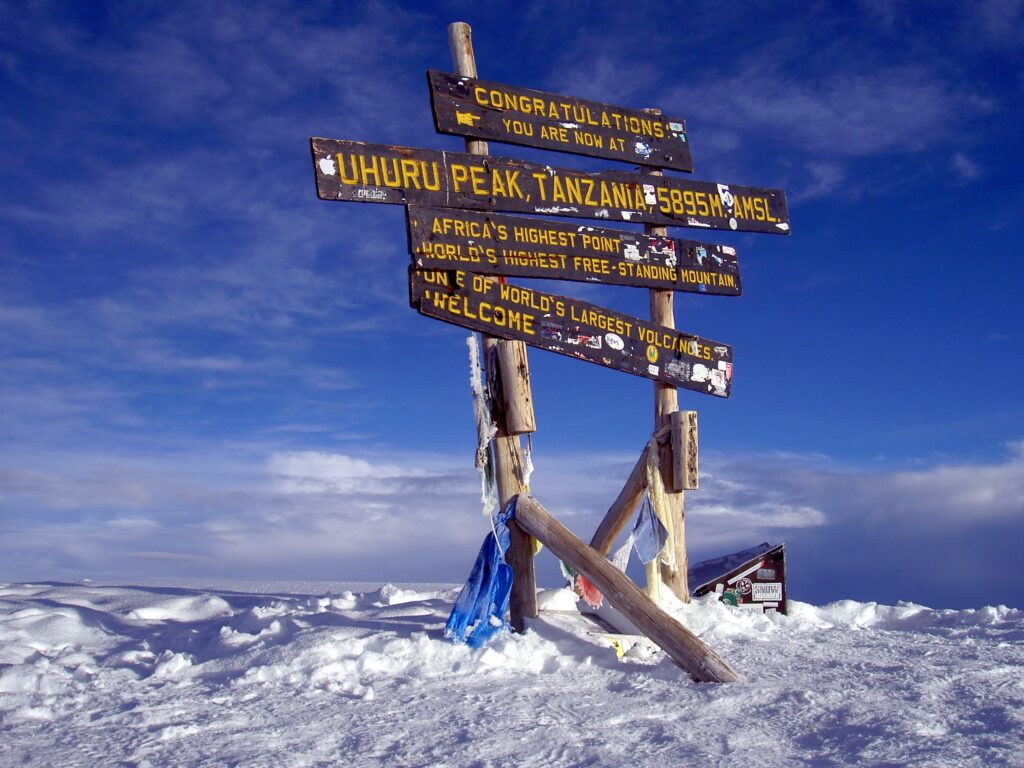
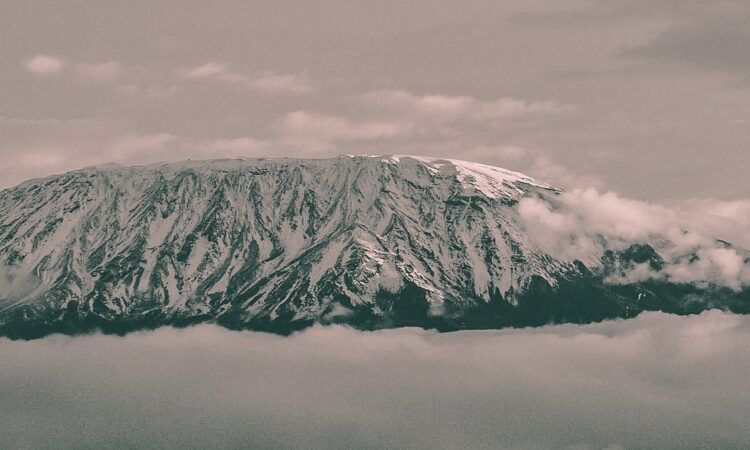
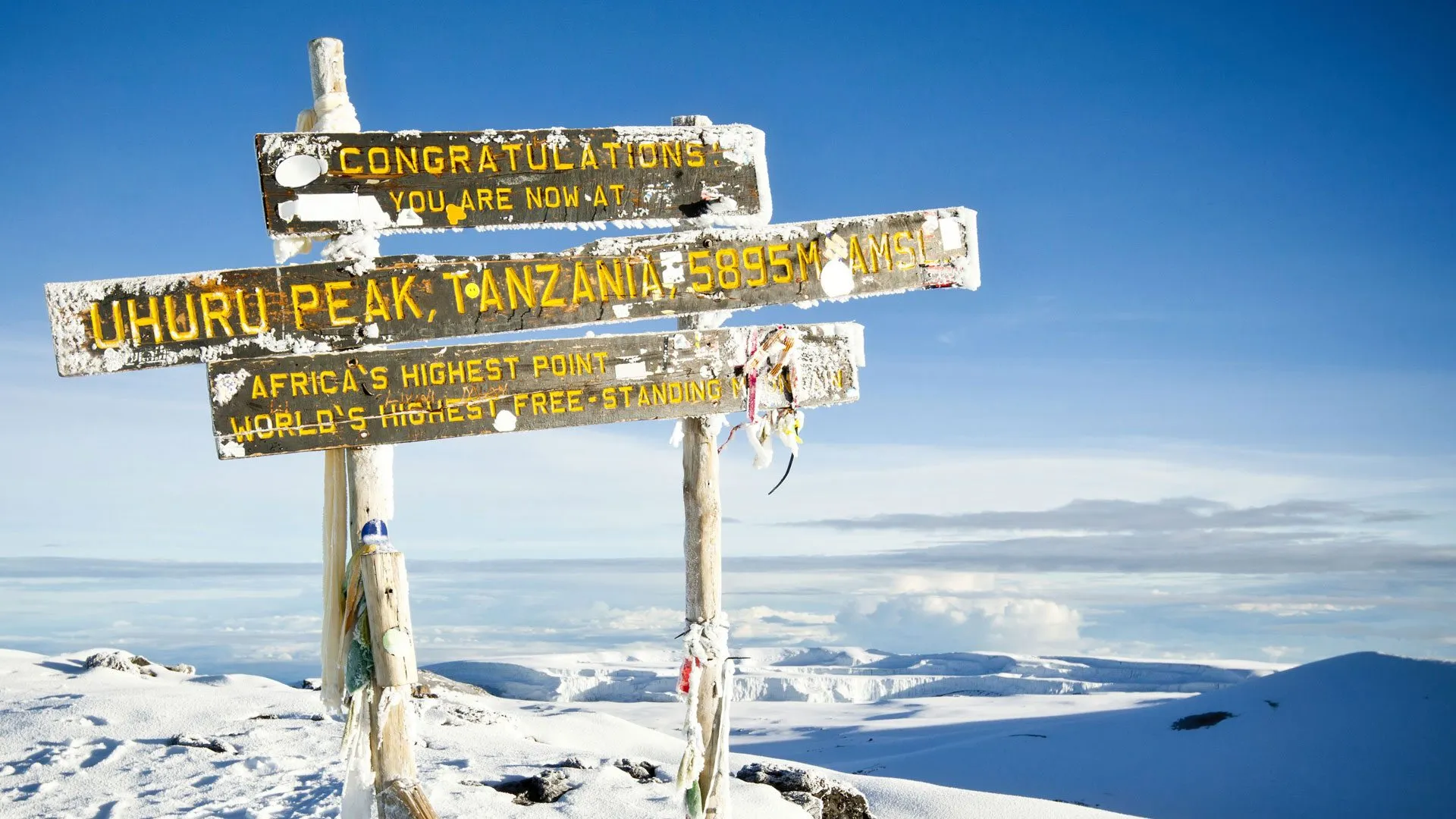
Climbing Mount Kilimanjaro in Tanzania is one of the world’s most iconic trekking adventures, yet many climbers fail to reach Uhuru Peak due to physical, environmental, and logistical challenges. At 5,895 meters, Kilimanjaro presents altitude sickness risks, unpredictable weather, and preparation mistakes that reduce summit success rates. Understanding why people fail on Kilimanjaro is essential for improving success on this African trekking experience. Most failures come from poor acclimatization, weak fitness, dehydration, and incorrect pacing strategies during ascent. Short itineraries, wrong gear, and lack of mental preparation also contribute significantly to summit failure. This guide explores key reasons hikers fail and how preparation can increase chances of reaching the Roof of Africa successfully while enjoying Kilimanjaro National Park’s breathtaking landscapes and diverse ecological zones, from rainforest to arctic summit conditions above the clouds for safe and memorable trekking experiences overall
Altitude Sickness
Altitude sickness is the leading reason climbers fail to reach Uhuru Peak on Mount Kilimanjaro, affecting trekkers above 3,000 meters. As oxygen levels drop, many hikers experience headaches, nausea, dizziness, and fatigue that make continuing the ascent difficult. Poor acclimatization schedules and rushing the climb significantly increase the risk of altitude-related illness. Many climbers underestimate the importance of slow ascent profiles and proper rest days during the trek. Without adequate acclimatization, the body cannot adapt, forcing many to descend before reaching summit. Guides in Kilimanjaro National Park emphasize the climb high, sleep low strategy to reduce altitude sickness risks. Proper hydration, steady pacing, and medication like acetazolamide can also help prevent severe symptoms during ascent. Early recognition of symptoms is critical for safety on high altitude trekking routes above limits
Poor Physical Fitness
Poor physical fitness is a major reason many climbers fail on Kilimanjaro, especially during long summit push days. The trek requires endurance hiking for 5 to 8 days across varied terrain including rainforest, moorland, and alpine desert. Without proper training, hikers fatigue quickly and struggle with steep ascents and long walking hours. Many underestimate Kilimanjaro trekking difficulty, assuming it is a simple hiking experience rather than a demanding climb. Cardiovascular training, hiking practice, and strength conditioning are essential before attempting the climb. Climbers who prepare with regular uphill hikes perform significantly better during summit night. Lack of endurance training leads to early exhaustion and increased failure rates on high altitude routes. Proper preparation reduces risk of fatigue and improves summit success chances. Training plan consistency matters greatly for Kilimanjaro success
Wrong Gear and Equipment
Using wrong gear and inadequate equipment is another major reason climbers fail on Kilimanjaro. Weather conditions vary from hot rainforest to freezing Arctic-like summit temperatures. Many trekkers arrive with poor-quality boots, insufficient thermal layers, or non-waterproof jackets. Inappropriate clothing leads to hypothermia, discomfort, and reduced performance during ascent. Proper Kilimanjaro gear includes layered clothing, insulated jackets, trekking poles, and high-quality boots designed for long-distance hiking. Failing to carry essential equipment such as gloves, headlamps, and warm hats increases risk during summit night. Good gear improves comfort, safety, and overall summit success rates on high altitude trekking routes. Renting equipment in Tanzania is possible but quality must be carefully checked before the climb. Proper packing lists are essential for success. Never underestimate Kilimanjaro weather extremes. Preparation saves climbers every single time
Poor Acclimatization Strategy
Choosing the wrong acclimatization strategy is a key reason many climbers fail to summit Kilimanjaro successfully. Kilimanjaro routes vary in difficulty, duration, and success rates depending on ascent profile and time spent acclimatizing. Short routes like Marangu increase failure risk due to rapid altitude gain. Longer routes such as Lemosho and Machame provide better acclimatization opportunities. Proper route selection is critical for reducing altitude sickness and increasing summit success probability. Climbers who rush itineraries often experience exhaustion and oxygen deprivation earlier in the climb. Adding extra acclimatization days significantly improves summit success rates on Mount Kilimanjaro. Slow ascent remains the golden rule for high altitude trekking safety. Guides strongly recommend longer itineraries for first-time climbers. Proper planning prevents summit failure. Always choose wisely Kilimanjaro success depends on it completely overall
Dehydration and Nutrition
Dehydration and poor nutrition are major factors contributing to failure on Kilimanjaro treks. At high altitude, the body loses water faster due to increased breathing rate and dry air. Many climbers fail to drink enough water during long trekking hours. Lack of hydration leads to fatigue, headaches, and reduced physical performance. Proper hydration strategy requires drinking 3 to 4 liters of water daily on the mountain. Electrolyte replacement is equally important to maintain energy levels during ascent. Poor diet choices before and during the climb also reduce endurance. High-energy foods like nuts, fruits, and carbohydrates improve performance and stamina. Nutrition planning is essential for successful high altitude trekking expeditions. Climbers should eat regularly even when appetite decreases at altitude. Hydration saves lives on Kilimanjaro never ignore thirst signals at altitude
Weather Conditions
Unpredictable weather conditions are a common reason climbers fail on Mount Kilimanjaro. The mountain has multiple climate zones ranging from tropical rainforest to arctic summit conditions. Heavy rain, strong winds, and freezing temperatures can slow progress significantly. Sudden weather changes increase risk of hypothermia and exhaustion during ascent. Proper layering clothing systems help climbers adapt to extreme temperature shifts on the mountain. Summit night is particularly cold, often dropping below freezing even in clear conditions. Wind chill effects make the climb more physically demanding. Weather forecasting is limited in high altitude environments like Kilimanjaro National Park. Climbers must prepare for all weather scenarios. Proper gear reduces exposure risks. Weather awareness saves lives. Climbing success depends heavily on preparation. Respect Kilimanjaro weather always it changes fast very dangerous be ready always
Poor Pacing
Poor pacing is one of the most overlooked reasons climbers fail on Kilimanjaro. Many trekkers start too fast, leading to early exhaustion and reduced summit chances. Kilimanjaro requires a slow and steady hiking rhythm known as pole pole. Proper pacing allows the body to adjust gradually to decreasing oxygen levels. Guides constantly remind climbers to maintain slow speed throughout the ascent. Overexertion increases risk of altitude sickness and early turnaround decisions. Energy conservation is essential for summit night success. Slow trekking improves oxygen efficiency and endurance. Rushing the climb is a common mistake among beginners. Proper pacing reduces failure risk significantly. Climbers should listen to guides instructions carefully. Consistency matters more than speed slow wins Kilimanjaro take it easy avoid rushing follow guides trust process you succeed every time always
Lack of Guide Support
Lack of experienced guide support is a major reason climbers fail on Kilimanjaro. Professional mountain guides play a crucial role in managing pace, safety, and acclimatization. Without proper guidance, climbers may ignore symptoms of altitude sickness. Guides monitor weather conditions, adjust routes, and ensure climbers follow safe trekking practices. Poor decision-making by inexperienced trekkers often leads to early descent or failure. Guides also help with motivation during difficult summit night challenges. Trusting professional guidance increases summit success rates significantly. Many failures occur due to ignoring expert advice. Guides are essential for safe Kilimanjaro climbing expeditions. Good leadership prevents accidents and health risks. Experience matters in high altitude trekking. Follow your guide always listen carefully trust decisions stay safe do not rush guides save lives every expedition mountain safety always matters
Mental Preparation
Mental preparation plays a critical role in determining success on Mount Kilimanjaro. The climb is physically demanding and mentally exhausting due to long trekking days and altitude effects. Many climbers underestimate psychological pressure during summit night. Fear, doubt, and discomfort can lead to early turning back. Strong motivation and mental resilience are essential for success. Positive mindset helps climbers push through difficult stages of ascent. Visualization techniques and preparation reduce anxiety levels. Guides encourage climbers mentally during summit attempts. Self-belief improves endurance performance. Many fail due to fear mental strength is key keep pushing forward you can do it stay focused breathe slowly trust yourself mind over matter stay strong keep going success is possible prepare mentally focus matters believe always never give up you are strong always succeed
Kilimanjaro Route Selection Mistakes
Incorrect route selection is a common reason climbers fail on Kilimanjaro. Kilimanjaro offers several routes including Machame, Marangu, Lemosho, and Rongai. Each route differs in difficulty, scenery, and acclimatization profile. Short routes often lead to rapid altitude gain and increase failure risk. Longer itineraries significantly improve summit success rates. Choosing the wrong route can reduce acclimatization time. Guides help climbers select the best route based on experience. Proper route planning is essential for success. Many climbers underestimate route difficulty differences. Rushing decisions leads to failure. Proper research is important choose wisely slow routes win experience matters plan ahead guides guide success safe route choice avoid shortcuts better preparation wins success depends on planning never rush trust experts follow advice stay patient be prepared climb smart take time you succeed always
Health Issues
Undiagnosed health issues can significantly contribute to failure on Kilimanjaro climbs. Conditions such as asthma, heart problems, and respiratory illnesses worsen at high altitude. Medical screening before climbing is essential for safety. Altitude reduces oxygen availability, putting stress on the cardiovascular system. Climbers with poor health may experience severe complications. Pre-existing conditions must be disclosed before expedition planning. Proper medication and monitoring improve safety outcomes. Climbers should undergo physical checkups before attempting Kilimanjaro. Ignoring health warnings increases risk of failure. Safety depends on fitness and health. Climbers must be honest about medical conditions. Proper evaluation prevents emergencies health first always listen to doctors prepare responsibly stay safe know your limits avoid risks fitness matters medical advice helps preparation saves lives be careful train well check health no shortcuts be ready
Approach, feed or disturb wildlife, or leave the vehicle unless your guide says it is safe.
Follow your guide, carry travel insurance and check current health and travel advice.
Final Thought
Many climbers fail on Kilimanjaro not because the mountain is technical, but because of preventable mistakes. Success depends on preparation, pacing, fitness, acclimatization, and mental strength. Understanding the common reasons for failure helps trekkers plan better expeditions and improve summit success rates. Climbing Kilimanjaro requires respect for altitude, weather, and gradual ascent principles. With proper guidance, training, and planning, most climbers can successfully reach Uhuru Peak. The journey is challenging but achievable for prepared trekkers. Kilimanjaro remains one of the greatest trekking adventures in the world. Proper mindset and discipline significantly increase summit success probability. Preparation transforms difficulty into achievement. Never underestimate the mountain. Respect every step stay strong trust the process success is earned keep going believe in yourself you can do it never give up always push forward
Why People Fail When Climbing Kilimanjaro: FAQs
What can you expect from altitude sickness on Kilimanjaro?
Altitude sickness is the leading reason climbers fail to reach Uhuru Peak on Mount Kilimanjaro, affecting trekkers above 3,000 meters. As oxygen levels drop, many hikers experience headaches, nausea, dizziness, and fatigue that make continuing the ascent difficult. Poor acclimatization schedules and rushing the climb significantly increase the risk of altitude-related illness.
What should you know about poor physical fitness on Kilimanjaro?
Poor physical fitness is a major reason many climbers fail on Kilimanjaro, especially during long summit push days. The trek requires endurance hiking for 5 to 8 days across varied terrain including rainforest, moorland, and alpine desert. Without proper training, hikers fatigue quickly and struggle with steep ascents and long walking hours.
What can you expect from wrong gear and equipment on Kilimanjaro?
Using wrong gear and inadequate equipment is another major reason climbers fail on Kilimanjaro. Weather conditions vary from hot rainforest to freezing Arctic-like summit temperatures. Many trekkers arrive with poor-quality boots, insufficient thermal layers, or non-waterproof jackets. Inappropriate clothing leads to hypothermia, discomfort, and reduced performance during ascent.
What should you know about poor acclimatization strategy on Kilimanjaro?
Choosing the wrong acclimatization strategy is a key reason many climbers fail to summit Kilimanjaro successfully. Kilimanjaro routes vary in difficulty, duration, and success rates depending on ascent profile and time spent acclimatizing. Short routes like Marangu increase failure risk due to rapid altitude gain.
What can you expect from dehydration and nutrition on Kilimanjaro?
Dehydration and poor nutrition are major factors contributing to failure on Kilimanjaro treks. At high altitude, the body loses water faster due to increased breathing rate and dry air. Many climbers fail to drink enough water during long trekking hours. Lack of hydration leads to fatigue, headaches, and reduced physical performance.
What is the weather conditions on Kilimanjaro like?
Unpredictable weather conditions are a common reason climbers fail on Mount Kilimanjaro. The mountain has multiple climate zones ranging from tropical rainforest to arctic summit conditions. Heavy rain, strong winds, and freezing temperatures can slow progress significantly. Sudden weather changes increase risk of hypothermia and exhaustion during ascent.
What should you know about poor pacing on Kilimanjaro?
Poor pacing is one of the most overlooked reasons climbers fail on Kilimanjaro. Many trekkers start too fast, leading to early exhaustion and reduced summit chances. Kilimanjaro requires a slow and steady hiking rhythm known as pole pole. Proper pacing allows the body to adjust gradually to decreasing oxygen levels.
What can you expect from lack of guide support on Kilimanjaro?
Lack of experienced guide support is a major reason climbers fail on Kilimanjaro. Professional mountain guides play a crucial role in managing pace, safety, and acclimatization. Without proper guidance, climbers may ignore symptoms of altitude sickness. Guides monitor weather conditions, adjust routes, and ensure climbers follow safe trekking practices.
Climb Kilimanjaro With Confidence
Tell us your dates and fitness, and our experienced mountain team will plan a safe, well-acclimatized private climb.