Who Was the first person to Climb Mount Kilimanjaro?
Who Was the first person to Climb Mount Kilimanjaro?
The first recorded successful ascent of Mount Kilimanjaro was achieved in 1887 by German geographer Hans Meyer, Austrian mountaineer Ludwig Purtscheller, and their local guide Yohanas Kinyala Lauwo. Their historic expedition reached Uhuru Peak, establishing the first documented successful summit of Africa’s highest mountain. Kilimanjaro had attracted earlier explorers, but previous attempts failed because of altitude, weather, glaciers, and challenging conditions. Today, climbers follow established routes such as Marangu, Machame, Lemosho and Rongai. Understanding Kilimanjaro’s climbing history adds fascinating context to modern Mount Kilimanjaro trekking, climbing tours and Tanzania mountain adventures.
Who Was Hans Meyer?
Hans Meyer was a German geographer, mountaineer, and explorer who became one of the key figures in the first successful recorded ascent of Mount Kilimanjaro. His expedition was driven by geographical exploration and the desire to reach the mountain’s highest summit. Meyer had previously encountered difficulties during an earlier attempt, which helped him prepare for his successful 1889 expedition. Together with Ludwig Purtscheller and their local guide Yohanas Kinyala Lauwo, he reached Kilimanjaro’s summit. Meyer documented the mountain’s glaciers, volcanic structure, and surrounding environment, contributing significantly to early scientific knowledge of Kilimanjaro and establishing his place in the history of African mountaineering and Kilimanjaro expeditions.
Who Was Ludwig Purtscheller?
Ludwig Purtscheller was an Austrian mountaineer and teacher who accompanied Hans Meyer during the historic 1889 Kilimanjaro expedition. He brought substantial alpine climbing experience to the expedition and played an important role in overcoming the mountain’s difficult upper slopes. Purtscheller and Meyer worked together to navigate challenging terrain, ice, and high-altitude conditions before reaching the summit. Their successful ascent demonstrated that Kilimanjaro could be climbed despite the formidable conditions encountered by earlier explorers. Purtscheller’s contribution remains an important part of Mount Kilimanjaro climbing history, alongside Hans Meyer and Yohanas Kinyala Lauwo, whose combined efforts produced the first documented successful summit.
Who Was Yohanas Kinyala Lauwo?
Yohanas Kinyala Lauwo was a Tanzanian local guide who played a crucial role in the 1889 expedition of Hans Meyer and Ludwig Purtscheller. Born near Kilimanjaro, Lauwo possessed valuable knowledge of the mountain and its surrounding environment. He reportedly lived for more than a century and became an important figure in local Kilimanjaro climbing history. His participation highlights the essential contribution of local knowledge and expertise to early mountaineering expeditions. Although historical accounts have often focused heavily on European explorers, Lauwo’s role is increasingly recognised in narratives about the first successful Mount Kilimanjaro ascent and Tanzania’s rich mountaineering heritage.
When Was Mount Kilimanjaro First Successfully Climbed?
The first recorded successful ascent of Mount Kilimanjaro took place in 1889. Hans Meyer, Ludwig Purtscheller and Yohanas Kinyala Lauwo reached the highest summit after overcoming difficult weather, altitude and glacial terrain. Their achievement followed earlier unsuccessful attempts, including Meyer’s first expedition in 1887. The 1889 expedition is therefore widely recognised as the first documented successful summit of Kilimanjaro. Today, thousands of trekkers attempt the mountain annually using established routes and professional guides. The historic ascent remains an important milestone in Kilimanjaro climbing history, demonstrating the determination required to reach Africa’s highest mountain.
Why Did Earlier Attempts to Climb Kilimanjaro Fail?
Earlier Kilimanjaro climbing attempts faced significant obstacles. Explorers had limited knowledge of the mountain, while glaciers, snow, steep terrain, altitude, and unpredictable weather created serious challenges. In 1887, Hans Meyer reached a high elevation but was unable to continue because of the ice and difficult conditions. Later attempts benefited from improved preparation, local knowledge and better understanding of the mountain. The successful 1889 expedition demonstrated the importance of persistence and careful route planning. Modern climbers still face altitude, cold, fatigue and rapidly changing weather, making acclimatisation and professional guiding essential components of a successful Mount Kilimanjaro trekking adventure.
What Is the Highest Point of Mount Kilimanjaro?
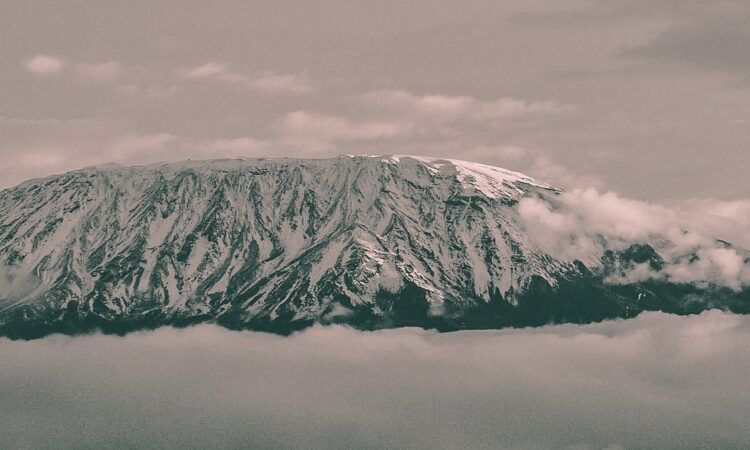
The highest point of Mount Kilimanjaro is Uhuru Peak, located on Kibo, the mountain’s highest volcanic cone. At approximately 5,895 metres (19,341 feet) above sea level, it is the highest point in Africa. Climbers typically reach the summit after ascending through several ecological zones, experiencing dramatic changes in vegetation, temperature and altitude. Other notable summit landmarks include Stella Point and Gilman’s Point, located along the crater rim. Reaching Uhuru Peak is the ultimate goal of most Kilimanjaro climbing expeditions and represents one of Africa’s most famous high-altitude trekking achievements.
Was Mount Kilimanjaro Always Called Uhuru Peak?
The summit is now known as Uhuru Peak, with “Uhuru” meaning “freedom” in Swahili. The name became associated with Tanzania’s independence era and replaced earlier colonial-era terminology. Mount Kilimanjaro itself consists of three volcanic cones: Kibo, Mawenzi and Shira, with Kibo containing Uhuru Peak. The mountain’s changing names and landmarks reflect Tanzania’s complex geographical and historical heritage. Understanding these names helps visitors appreciate the cultural significance of climbing Kilimanjaro beyond the physical challenge. Today, reaching Uhuru Peak, Mount Kilimanjaro is both a mountaineering achievement and a celebrated Tanzanian travel experience.
What Route Did the First Climbers Use?
The exact route used by Hans Meyer, Ludwig Purtscheller and Yohanas Kinyala Lauwo does not correspond directly to today’s standard Kilimanjaro routes. Their expedition approached the mountain using paths and terrain that were considerably less developed than modern trekking routes. Today, climbers can choose established routes including Marangu, Machame, Lemosho, Rongai, Northern Circuit and Umbwe. Each route differs in scenery, duration, difficulty and acclimatisation opportunities. Modern routes provide established camps and professional support, making the experience considerably more organised than the pioneering expeditions of the nineteenth century. Route selection remains one of the most important decisions when planning a Kilimanjaro climbing tour.
How Difficult Was the First Kilimanjaro Ascent?
The first successful ascent was extremely challenging because the climbers had little established route information, limited equipment, and minimal knowledge of high-altitude conditions. They encountered glaciers, snow, volcanic terrain, cold temperatures, and altitude-related difficulties. Modern Kilimanjaro trekking is more accessible because established routes, camps, experienced guides, improved clothing and better expedition planning are available. However, Kilimanjaro remains physically demanding because of its altitude. It is generally considered a trekking mountain rather than a technical climb, although summit conditions can involve challenging terrain. Proper acclimatisation, fitness, pacing and preparation remain essential for anyone attempting the Mount Kilimanjaro summit.
Why Is the First Ascent Important Today?
The first successful ascent of Kilimanjaro represents a major milestone in African mountaineering history and exploration. It helped establish scientific knowledge about the mountain’s volcanic structure, glaciers, altitude and surrounding environment. The expedition also demonstrated the importance of local knowledge, particularly through Yohanas Kinyala Lauwo’s contribution. Today, Kilimanjaro attracts trekkers from across the world who follow in the footsteps of these early explorers. Modern climbers have significantly better equipment and established routes, but the mountain still demands preparation, endurance and respect. The historic ascent continues to inspire Kilimanjaro adventures, Tanzania trekking tours and mountain expeditions.
What Happened During Hans Meyer’s Earlier Attempt?
Hans Meyer made an earlier attempt to climb Kilimanjaro in 1887, before his successful 1889 expedition. During that attempt, he reached a high elevation but encountered extensive ice and glaciers that prevented him from reaching the summit. The experience provided valuable lessons for his later expedition. Meyer returned better prepared and collaborated with Ludwig Purtscheller and Yohanas Kinyala Lauwo. Their combined experience and improved planning eventually enabled them to overcome the obstacles that had stopped the earlier attempt. Meyer’s persistence illustrates why preparation, route knowledge and determination are essential for Mount Kilimanjaro climbing and high-altitude trekking.
How Has Kilimanjaro Climbing Changed Since 1889?
Mount Kilimanjaro climbing has changed dramatically since the first successful ascent. Early expeditions involved uncertain routes, primitive equipment and limited understanding of altitude. Modern climbers benefit from established trekking routes, organised camps, professional mountain guides, porters, specialised clothing and improved navigation. Today, routes such as Machame, Marangu and Lemosho provide structured approaches to Uhuru Peak. Climbers can also prepare specifically for altitude through acclimatisation schedules and training. Despite these advances, Kilimanjaro remains a serious high-altitude undertaking. The mountain’s history therefore provides valuable perspective on how modern Tanzania Kilimanjaro tours have evolved from pioneering exploration into organised adventure travel.
Is Kilimanjaro a Technical Mountain Climb?
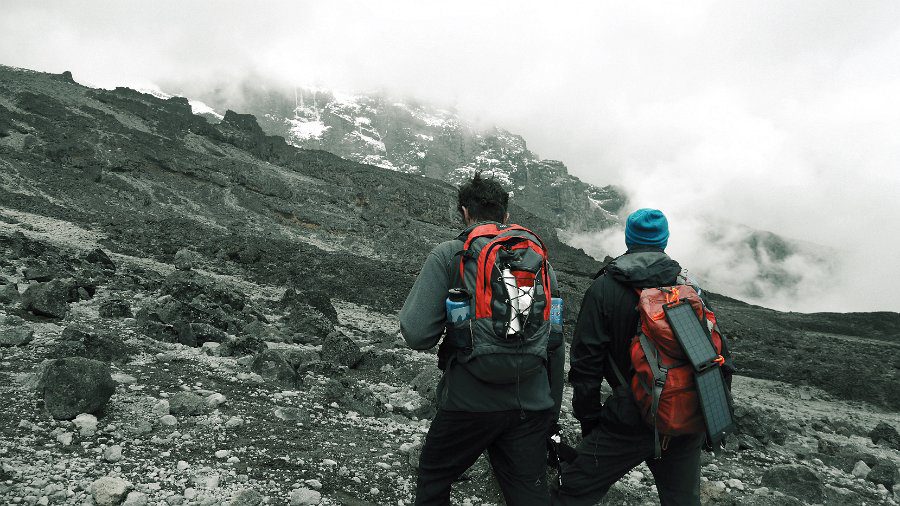
For the standard trekking routes, Mount Kilimanjaro is generally not considered a technical climb requiring ropes, specialised rock climbing or advanced mountaineering skills. Instead, it is a high-altitude trekking expedition involving long hiking days, steep sections, cold temperatures and significant elevation gain. The greatest challenge for many climbers is acclimatisation to altitude rather than technical climbing ability. The final ascent to Uhuru Peak can be physically demanding, particularly because it begins at night and involves substantial elevation. Appropriate preparation, gradual pacing, experienced guides and a suitable itinerary are important for anyone planning a Kilimanjaro summit climb.
What Can Modern Climbers Learn From the First Ascent?
The pioneering Kilimanjaro expedition demonstrates the importance of preparation, persistence, teamwork and local expertise. Modern climbers should respect the mountain rather than underestimate it simply because technical climbing equipment is generally unnecessary on standard routes. Proper acclimatisation, physical training, suitable clothing, hydration, nutrition and an experienced mountain crew can significantly improve the trekking experience. The participation of Yohanas Kinyala Lauwo also highlights how valuable local knowledge has been throughout Kilimanjaro’s climbing history. Travellers can honour this heritage by choosing responsible operators, respecting the mountain environment and supporting fair treatment of guides and porters during their Kilimanjaro trekking adventure.
The Legacy of the First Kilimanjaro Climbers
The legacy of Hans Meyer, Ludwig Purtscheller and Yohanas Kinyala Lauwo remains deeply connected with Mount Kilimanjaro’s history. Their successful 1889 expedition opened a new chapter in exploration of Africa’s highest mountain and inspired generations of climbers. Today, Kilimanjaro is one of the world’s best-known trekking destinations, attracting adventurers seeking to reach Uhuru Peak without requiring technical mountaineering experience on standard routes. Modern expeditions are safer and more organised, but the fundamental attraction remains unchanged: standing on the roof of Africa. For travellers planning a Mount Kilimanjaro climb, Tanzania trekking holiday or African mountain adventure, understanding this pioneering story adds historical depth to the journey.
Youngest Person to Climb Mount Kilimanjaro
The youngest climber record is disputed. Coaltan Tanner of the United States reached Uhuru Peak in October 2018 at 6 years, 1 month and 4 days, according to specialist Kilimanjaro records. Tanzania generally sets 10 years as the minimum age for a Kilimanjaro climbing permit, although exceptional younger ascents have occurred. Families considering a Kilimanjaro climb with children should prioritise safety, altitude acclimatisation and official regulations over records.
Oldest Person to Climb Mount Kilimanjaro
As of 2026, Art Ulene is reported by specialist Kilimanjaro records as the oldest person to reach Uhuru Peak, accomplishing his fourth summit at age 90 on July 13, 2026. Previously, the Guinness-recognised record was held by Anne Lorimor, who reached the summit aged 89 years and 37 days on July 18, 2019. These achievements demonstrate that age alone does not determine whether someone can undertake a properly supported Mount Kilimanjaro trek.
Final Thought
The first successful recorded ascent of Mount Kilimanjaro in 1889 was a remarkable achievement by Hans Meyer, Ludwig Purtscheller and Yohanas Kinyala Lauwo. Their expedition transformed Kilimanjaro from a formidable unexplored mountain into one of the world’s most famous trekking destinations. More than a century later, adventurers continue to follow established routes toward Uhuru Peak, experiencing the mountain’s forests, moorlands, alpine desert and high-altitude summit. The story of Kilimanjaro is therefore not simply about reaching the highest point in Africa—it is also about exploration, local knowledge, endurance and the enduring spirit of adventure.
Who Was the first person to Climb Mount Kilimanjaro?: FAQs
Who Climbed Kilimanjaro the Fastest?
Karl Egloff, a Swiss-Ecuadorian mountain runner, recorded the fastest widely recognised ascent of Mount Kilimanjaro, reaching the 5,895-metre summit in 4 hours and 56 minutes on August 13, 2014. He subsequently completed the descent, achieving a total round-trip time of 6 hours, 42 minutes and 24 seconds. His achievement is an extreme endurance record and should not be confused with a normal Kilimanjaro trekking itinerary, which typically takes several days to allow acclimatisation.
Why Is Kilimanjaro Called Kilimanjaro?
The exact origin and meaning of “Kilimanjaro” remain uncertain. One commonly cited explanation combines Swahili kilima with KiChagga njaro, loosely interpreted as “Mountain of Whiteness” or “White Mountain.” Tanzania National Parks acknowledges this interpretation while noting that the name's origin is not definitively known. Other theories connect the name with Chagga expressions or historical Swahili interpretations such as “mountain of greatness” or “mountain of caravans.”
Where Do You Sleep When You Climb Kilimanjaro?
Where you sleep on Mount Kilimanjaro depends mainly on your chosen route. Climbers on the Marangu Route stay in designated mountain huts, including Mandara, Horombo and Kibo Huts. On most other routes, including Machame, Lemosho, Rongai and Northern Circuit, trekkers sleep in tents at designated campsites.
Has Anyone Climbed Kilimanjaro in One Day?
Yes. Kilimanjaro has been climbed in one day, but these are exceptional speed ascents rather than normal trekking trips. Karl Egloff reached Uhuru Peak in 4 hours and 56 minutes, while his complete ascent-and-descent record took 6 hours, 42 minutes and 24 seconds. Such efforts involve extreme endurance and are very different from recommended multi-day Kilimanjaro trekking itineraries, which allow time for acclimatisation.
Who Was Hans Meyer?
Hans Meyer was a German geographer, mountaineer, and explorer who became one of the key figures in the first successful recorded ascent of Mount Kilimanjaro. His expedition was driven by geographical exploration and the desire to reach the mountain’s highest summit. Meyer had previously encountered difficulties during an earlier attempt, which helped him prepare for his successful 1889 expedition.
Who Was Yohanas Kinyala Lauwo?
Yohanas Kinyala Lauwo was a Tanzanian local guide who played a crucial role in the 1889 expedition of Hans Meyer and Ludwig Purtscheller. Born near Kilimanjaro, Lauwo possessed valuable knowledge of the mountain and its surrounding environment. He reportedly lived for more than a century and became an important figure in local Kilimanjaro climbing history.
Why Did Earlier Attempts to Climb Kilimanjaro Fail?
Earlier Kilimanjaro climbing attempts faced significant obstacles. Explorers had limited knowledge of the mountain, while glaciers, snow, steep terrain, altitude, and unpredictable weather created serious challenges. In 1887, Hans Meyer reached a high elevation but was unable to continue because of the ice and difficult conditions.
Was Mount Kilimanjaro Always Called Uhuru Peak?
The summit is now known as Uhuru Peak, with “Uhuru” meaning “freedom” in Swahili. The name became associated with Tanzania’s independence era and replaced earlier colonial-era terminology. Mount Kilimanjaro itself consists of three volcanic cones: Kibo, Mawenzi and Shira, with Kibo containing Uhuru Peak.
Climb Kilimanjaro With Confidence
Tell us your dates and fitness, and our experienced mountain team will plan a safe, well-acclimatized private climb.