What To Wear When Climbing Kilimanjaro
What To Wear When Climbing Kilimanjaro
Ready to planning and booking a mesmerizing climb of Mount Kilimanjaro in Tanzania is one of the world’s most iconic trekking adventures, requiring careful planning and a complete Kilimanjaro packing list to ensure safety, comfort, and summit success. Knowing what to wear when climbing Kilimanjaro is essential because the mountain has five distinct climate zones, ranging from rainforest to arctic summit conditions. Proper Mount Kilimanjaro climb gear, including layered clothing, thermal insulation, waterproof jackets, and breathable fabrics, allows trekkers to adapt to extreme temperature changes. Whether you are booking a Tanzania trekking safari or preparing for a high-altitude expedition, the right clothing improves performance and reduces risks such as hypothermia and heat exhaustion. This guide explains the best Kilimanjaro clothing system for every climber preparing for a safe
🧗 What To Wear When Climbing Mount Kilimanjaro – Compact Vertical Packing Table
| Category | Gear List (Essential Items) |
|---|---|
| 🛏️ Sleeping Gear | Sleeping bag (0°F to -15°F / -18°C to -26°C), sleeping mat (provided), sleeping bag liner, compression sack |
| 🎒 Packs & Bags | Waterproof duffel bag (80–100L), daypack (25–35L), waterproof pack cover, compression sacks / waterproof bags, packing cubes (optional), bag lock |
| 👢 Footwear & Trekking Poles | Waterproof hiking boots (mid-weight), running shoes/light hikers, gaiters, liner socks (5–6 pairs), thick socks (4–6 pairs, no cotton), spare laces, trekking poles |
| 🧤 Gloves | Thin liner gloves (wool/synthetic), thick waterproof gloves or mittens |
| 👖 Lower Body Clothing | Non-cotton underwear, convertible shorts, light/medium base layers, hiking pants (non-cotton), winter hiking pants, waterproof shell pants (zip vents preferred) |
| 🧥 Upper Body Clothing | Sports bra (ladies), lightweight T-shirts (no cotton), long-sleeve shirts (no cotton), base layers (2–3), fleece jackets (1–2), insulated shell jacket, down jacket (750-fill), waterproof shell jacket |
| 🧢 Headwear | Sun hat or cap with neck cover, warm insulated hat, neck gaiter/Buff, UV sunglasses, headtorch (with spare batteries) |
| 💧 Water & Snacks | 2–3L hydration bladder, 1–2L water bottles, electrolyte powders, energy bars (2–4/day), water purification tablets |
| 🧴 Personal Health & Comfort | Toiletries, baby wipes, sanitizer, regular meds, nail kit, ear plugs, SPF 40+ sunscreen, microfiber towel, pee bottle, torch, knife/multitool, glasses/contacts, toilet paper, electronics |
| 🩹 First Aid Kit | Blister plasters, antibiotic cream, bandages, painkillers (ibuprofen/paracetamol), skin ointment, anti-diarrhea meds, anti-nausea meds, prescription drugs, Diamox (if used) |
| 👩 Ladies Only | Period supplies (tampons/pads), ziplock waste bags, sanitizer, wet wipes, pee funnel |
Base Layer Clothing Essentials
The base layer is the foundation of your Kilimanjaro clothing system and plays a crucial role in moisture management and body temperature regulation. When planning your Kilimanjaro packing list, choose high-quality thermal base layers made from merino wool or synthetic fabrics that wick sweat away from the skin. Avoid cotton because it retains moisture and increases the risk of cold stress during high-altitude trekking. A proper Mount Kilimanjaro climb gear setup includes long-sleeve tops and thermal leggings for both day hikes and summit nights. These layers keep your body dry, warm, and comfortable across changing weather zones. For any Tanzania trekking safari, investing in breathable, quick-dry base layers ensures better endurance, reduces fatigue, and supports overall climbing performance in extreme mountain environments.
Mid Layer Insulation Clothing
Mid-layer insulation is essential for retaining body heat during your Kilimanjaro climb, especially in cold zones above the clouds. This layer works as thermal protection between your base layer and outer shell. Fleece jackets, down sweaters, and lightweight insulated jackets are key items in a proper Kilimanjaro packing list. When selecting Mount Kilimanjaro climb gear, prioritize warmth-to-weight efficiency so you stay warm without carrying excess weight. Mid layers trap heat while allowing moisture to escape, keeping you comfortable during long trekking days. On a Tanzania trekking safari, temperatures can change rapidly, making adaptable insulation crucial. This layer becomes even more important during summit night when temperatures drop significantly, ensuring climbers maintain core warmth and energy throughout the ascent.
Outer Shell Jacket Protection
An outer shell jacket is your first line of defense against wind, rain, and snow on Mount Kilimanjaro. A high-quality waterproof and windproof jacket is a must-have in every Kilimanjaro packing list. Gore-Tex or similar materials are ideal for protecting against unpredictable mountain weather. This essential Mount Kilimanjaro climb gear layer shields you from harsh conditions encountered during rainforest rainstorms and alpine zone winds. Breathability is equally important to prevent overheating during active trekking. For a successful Tanzania trekking safari, a durable shell jacket ensures comfort and safety across all climate zones. Adjustable hoods, sealed seams, and ventilation zips enhance functionality, making this layer a critical component for maintaining dryness, warmth, and protection throughout your entire climb.
Trekking Pants and Convertible Trousers
Trekking pants are a key part of your Kilimanjaro clothing system, offering flexibility, durability, and comfort across diverse terrains. Convertible trousers are especially popular in a Kilimanjaro packing list because they allow quick adaptation between warm and cold conditions. Lightweight, quick-dry, and stretchable fabrics are ideal for Mount Kilimanjaro climb gear, ensuring unrestricted movement during steep ascents. Reinforced knees and water-resistant materials improve durability on rugged trails. During a Tanzania trekking safari, temperatures vary significantly between the rainforest and alpine zones, making adaptable pants essential. Avoid jeans or heavy cotton materials, as they absorb moisture and restrict movement. Proper trekking pants enhance mobility, regulate temperature, and protect your legs from wind, sun exposure, and rough vegetation throughout the climb.
Thermal Wear for Summit Night
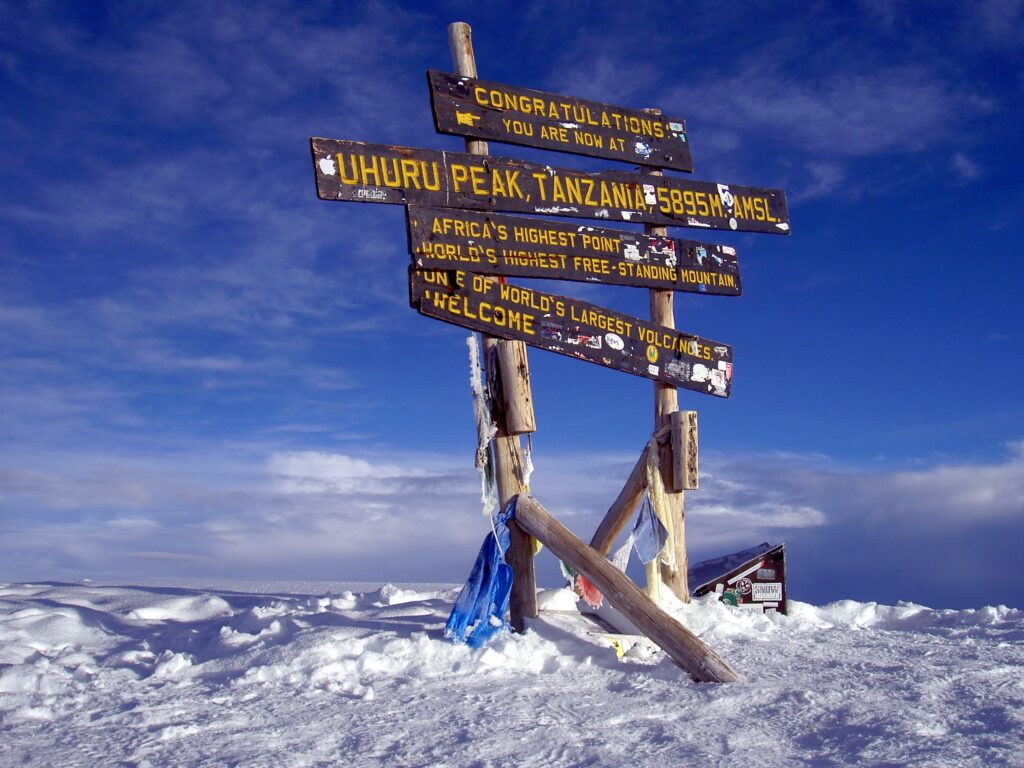
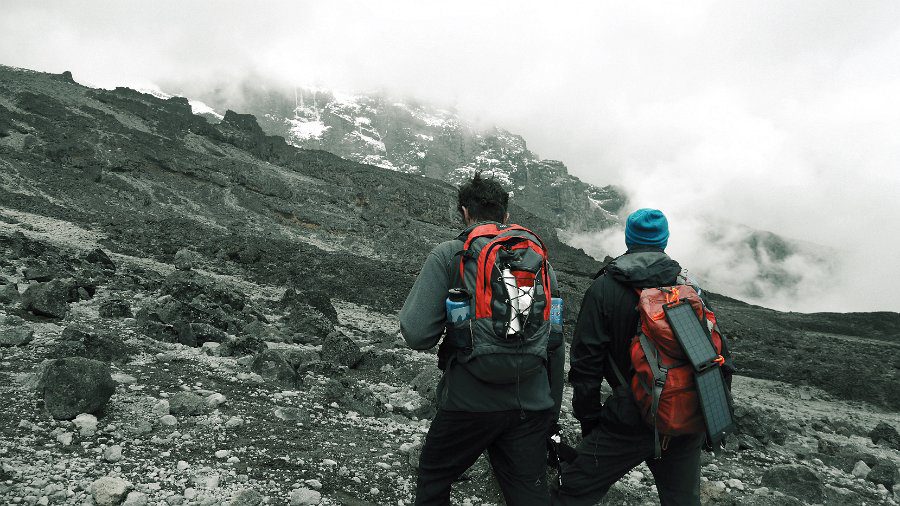
Thermal wear is critical for surviving Kilimanjaro’s summit night, where temperatures can drop below freezing. A well-prepared Kilimanjaro packing list must include heavy-duty thermal tops and bottoms designed for extreme cold. These insulating layers trap body heat and prevent hypothermia during the final ascent. High-performance Mount Kilimanjaro climb gear often includes expedition-grade thermal suits or layered thermals combined with down insulation. On a Tanzania trekking safari, summit night is the most challenging part, requiring maximum protection against wind chill and low oxygen conditions. Moisture-wicking properties are essential to keep skin dry and warm. Proper thermal wear ensures climbers maintain energy, focus, and endurance while pushing toward Uhuru Peak in harsh alpine and glacial environments.
Waterproof Rain Gear
Waterproof rain gear is essential when climbing Kilimanjaro due to frequent rain in the lower rainforest zone. A reliable Kilimanjaro packing list includes waterproof trousers, ponchos, and shell jackets to keep you dry. High-quality Mount Kilimanjaro climb gear should feature sealed seams and breathable fabrics to prevent internal moisture buildup. Sudden weather changes are common during a Tanzania trekking safari, making rain protection a top priority. Staying dry is crucial for maintaining body temperature and avoiding illness or discomfort during long trekking days. Lightweight, packable rain gear is ideal for easy carrying and quick access. Proper waterproof protection ensures uninterrupted progress through wet zones while maintaining comfort, safety, and overall climbing efficiency in unpredictable mountain weather conditions.
Hiking Boots for Kilimanjaro
Hiking boots are one of the most important components of your Kilimanjaro climbing experience. A strong Kilimanjaro packing list includes waterproof, high-ankle boots with excellent grip and ankle support. Quality Mount Kilimanjaro climb gear should feature durable soles designed for rocky, muddy, and icy terrain. Properly broken-in boots help prevent blisters and foot injuries during long trekking days. On a Tanzania trekking safari, terrain changes from rainforest mud to volcanic rock and loose scree, requiring versatile footwear. Waterproofing is essential for wet conditions, while breathability prevents overheating. Pairing boots with proper socks enhances comfort and stability. Well-fitted hiking boots improve balance, reduce fatigue, and ensure safe movement across all Kilimanjaro altitude zones during the ascent.
Trekking Socks and Foot Care
Trekking socks play a vital role in maintaining foot comfort and preventing injuries on Mount Kilimanjaro. A well-prepared Kilimanjaro packing list includes multiple pairs of moisture-wicking wool or synthetic socks. These are essential Mount Kilimanjaro climb gear items that help prevent blisters, odor, and cold feet during long trekking days. Layering thin liner socks under thicker socks improves comfort and reduces friction. On a Tanzania trekking safari, foot care is critical due to extended walking hours and varying terrain conditions. Keeping feet dry and clean helps avoid infections and discomfort. Regular sock changes and proper ventilation are important. Good trekking socks ensure warmth, cushioning, and protection, allowing climbers to maintain endurance and stability throughout the entire expedition.
Gloves for Cold Protection
Gloves are essential for protecting your hands from extreme cold during the Kilimanjaro climb, especially at higher altitudes. A proper Kilimanjaro packing list should include both lightweight liner gloves and insulated waterproof outer gloves. This layered Mount Kilimanjaro climb gear system ensures flexibility and warmth in changing conditions. During a Tanzania trekking safari, temperatures can drop significantly in alpine and summit zones, making hand protection critical for comfort and dexterity. Gloves also protect against windburn, frostbite, and dehydration-related skin cracking. Touchscreen-compatible liners are useful for photography and navigation without removing gloves. High-quality gloves improve grip on trekking poles and enhance safety during steep ascents, ensuring climbers maintain control and warmth throughout challenging summit conditions.
Headwear and Sun Protection
Headwear is crucial for protecting against both intense sun and freezing temperatures on Mount Kilimanjaro. A complete Kilimanjaro packing list includes wide-brim hats, beanies, and balaclavas as essential gear. Proper Mount Kilimanjaro climb gear ensures full protection across all climate zones. During a Tanzania trekking safari, UV exposure increases at higher altitudes, making sun protection vital. Hats shield the face and neck from sunburn, while warm caps retain heat during cold nights. Balaclavas provide full-face protection in summit conditions. Breathable and moisture-wicking materials enhance comfort during long hikes. Proper headwear reduces heat loss, prevents sun damage, and ensures climbers stay comfortable, safe, and well-protected while adapting to Kilimanjaro’s rapidly changing weather environments.
Sunglasses and Eye Protection
Sunglasses are essential for protecting your eyes from intense UV radiation and glare on Mount Kilimanjaro. A good Kilimanjaro packing list includes high-quality UV400 polarized sunglasses as part of essential Mount Kilimanjaro climb gear. At high altitudes, sunlight reflection from clouds, snow, and volcanic terrain can cause serious eye strain or snow blindness. During a Tanzania trekking safari, clear vision is crucial for safety and navigation across challenging landscapes. Wraparound designs offer maximum protection from wind and dust. Anti-glare lenses improve visibility in bright conditions and reduce fatigue. Proper eye protection ensures comfort, prevents long-term damage, and enhances trekking performance, allowing climbers to maintain focus and safely enjoy the diverse and stunning environments of Kilimanjaro.
Gaiters and Lower Leg Protection
Gaiters are an important yet often overlooked part of Kilimanjaro climbing gear. A complete Kilimanjaro packing list should include waterproof gaiters to protect lower legs and boots from mud, dust, and debris. These Mount Kilimanjaro climb gear accessories prevent rain, snow, and volcanic ash from entering footwear during ascent. On a Tanzania trekking safari, terrain conditions vary significantly, making gaiters essential for maintaining clean and dry feet. They also reduce the risk of slipping by keeping boots secure and debris-free. Lightweight and breathable materials ensure comfort without overheating. Gaiters are especially useful in rainforest and alpine zones where wet and loose terrain is common, improving safety, hygiene, and overall trekking efficiency throughout the climb.
Layering System Strategy
The layering system is the most important strategy for dressing on Kilimanjaro. A well-planned Kilimanjaro packing list focuses on combining base, mid, and outer layers for maximum adaptability. This Mount Kilimanjaro climb gear approach allows climbers to adjust clothing based on changing temperatures across five climate zones. During a Tanzania trekking safari, mornings may be warm while nights become freezing cold, making flexibility essential. Layering helps regulate body temperature, manage moisture, and reduce fatigue. Removing or adding layers ensures comfort during both steep climbs and rest periods. Proper layering also improves energy efficiency and prevents overheating or hypothermia. Mastering this system is key to a safe, comfortable, and successful Kilimanjaro summit experience.
Essential Accessories and Extras
Essential accessories complete your Kilimanjaro packing list and ensure a successful climbing experience. Items such as headlamps, trekking poles, sunscreen, lip balm, and hydration systems are vital Mount Kilimanjaro climb gear components. On a Tanzania trekking safari, these extras enhance safety, comfort, and efficiency in challenging environments. A headlamp is crucial for summit night navigation, while trekking poles reduce strain on knees and improve stability. Sunscreen and lip protection prevent sun damage at high altitudes. Hydration systems help maintain energy and endurance throughout long hikes. Small accessories significantly impact performance and comfort, making them indispensable for climbers aiming to reach Uhuru Peak safely and efficiently under extreme mountain conditions.
Final Thought
Knowing what to wear when climbing Kilimanjaro is the key to a safe, comfortable, and successful summit experience. The right Kilimanjaro packing list and well-planned Mount Kilimanjaro climb gear ensure you can adapt to all weather conditions across the mountain’s diverse climate zones. From base layers to outer shells, every item plays a vital role in performance and protection. During a Tanzania trekking safari, proper clothing enhances endurance, safety, and enjoyment. Layering, insulation, and waterproofing work together to support climbers through extreme altitude changes. With the right preparation and clothing strategy, every trekker can confidently face Kilimanjaro’s challenges and enjoy one of the world’s most unforgettable high-altitude adventures.
What To Wear When Climbing Kilimanjaro: FAQs
What can you expect from base layer clothing Essentials on Kilimanjaro?
The base layer is the foundation of your Kilimanjaro clothing system and plays a crucial role in moisture management and body temperature regulation. When planning your Kilimanjaro packing list, choose high-quality thermal base layers made from merino wool or synthetic fabrics that wick sweat away from the skin.
What should you know about mid layer insulation clothing on Kilimanjaro?
Mid-layer insulation is essential for retaining body heat during your Kilimanjaro climb, especially in cold zones above the clouds. This layer works as thermal protection between your base layer and outer shell. Fleece jackets, down sweaters, and lightweight insulated jackets are key items in a proper Kilimanjaro packing list.
What can you expect from outer shell jacket protection on Kilimanjaro?
An outer shell jacket is your first line of defense against wind, rain, and snow on Mount Kilimanjaro. A high-quality waterproof and windproof jacket is a must-have in every Kilimanjaro packing list. Gore-Tex or similar materials are ideal for protecting against unpredictable mountain weather. This essential Mount Kilimanjaro climb gear layer shields you from harsh conditions encountered during rainforest rainstorms and alpine zone winds.
What should you know about trekking pants and convertible trousers on Kilimanjaro?
Trekking pants are a key part of your Kilimanjaro clothing system, offering flexibility, durability, and comfort across diverse terrains. Convertible trousers are especially popular in a Kilimanjaro packing list because they allow quick adaptation between warm and cold conditions. Lightweight, quick-dry, and stretchable fabrics are ideal for Mount Kilimanjaro climb gear, ensuring unrestricted movement during steep ascents.
What can you expect from thermal wear for summit night?
Thermal wear is critical for surviving Kilimanjaro’s summit night, where temperatures can drop below freezing. A well-prepared Kilimanjaro packing list must include heavy-duty thermal tops and bottoms designed for extreme cold. These insulating layers trap body heat and prevent hypothermia during the final ascent.
What should you know about waterproof rain gear on Kilimanjaro?
Waterproof rain gear is essential when climbing Kilimanjaro due to frequent rain in the lower rainforest zone. A reliable Kilimanjaro packing list includes waterproof trousers, ponchos, and shell jackets to keep you dry. High-quality Mount Kilimanjaro climb gear should feature sealed seams and breathable fabrics to prevent internal moisture buildup.
What should you know about hiking boots for Kilimanjaro?
Hiking boots are one of the most important components of your Kilimanjaro climbing experience. A strong Kilimanjaro packing list includes waterproof, high-ankle boots with excellent grip and ankle support. Quality Mount Kilimanjaro climb gear should feature durable soles designed for rocky, muddy, and icy terrain.
What should you know about trekking socks and foot care on Kilimanjaro?
Trekking socks play a vital role in maintaining foot comfort and preventing injuries on Mount Kilimanjaro. A well-prepared Kilimanjaro packing list includes multiple pairs of moisture-wicking wool or synthetic socks. These are essential Mount Kilimanjaro climb gear items that help prevent blisters, odor, and cold feet during long trekking days.
Climb Kilimanjaro With Confidence
Tell us your dates and fitness, and our experienced mountain team will plan a safe, well-acclimatized private climb.