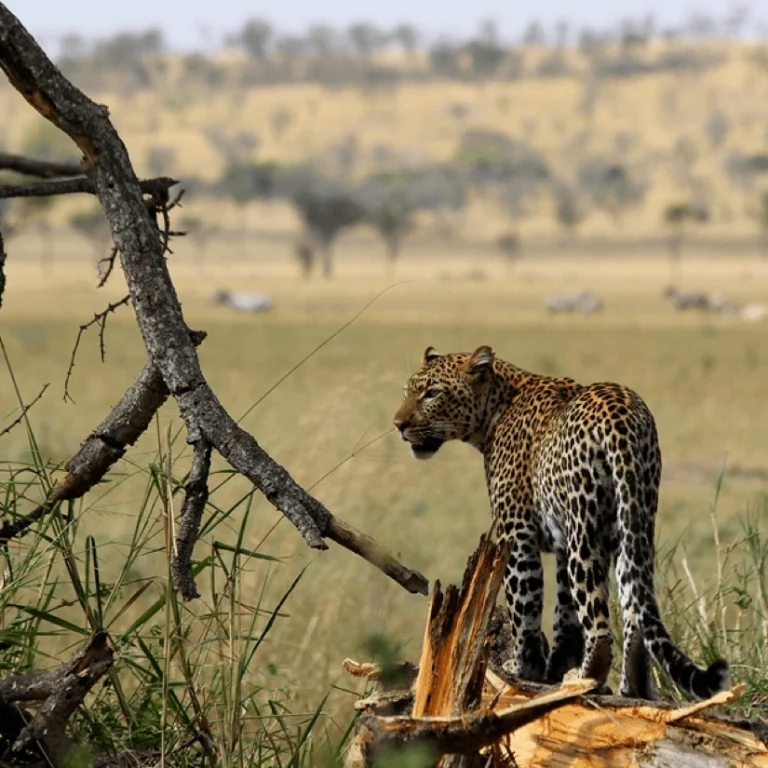
What to Expect on a Game Drive in Africa
What to Expect on a Game Drive in Africa
An African game drive is one of the world’s most unforgettable wildlife safari experiences, offering travelers the chance to witness Africa’s iconic animals in their natural habitat. From the vast plains of the Serengeti National Park to the breathtaking landscapes of the Ngorongoro Crater, a safari game drive combines adventure, photography, nature, and cultural discovery. Visitors can expect close encounters with the Big Five safari animals — lions, elephants, leopards, buffaloes, and rhinos — alongside giraffes, zebras, cheetahs, wildebeests, and hundreds of bird species. Morning and evening game drives are especially popular because wildlife activity peaks during cooler hours. Luxury safari lodges, professional safari guides, customized safari vehicles, and breathtaking African sunsets make every game drive exceptional. Whether exploring Tanzania, Kenya, Botswana, South Africa, or Uganda, an African safari promises thrilling wildlife sightings, stunning scenery, and lifelong memories for couples, families, photographers, and solo travelers alike.
Early Morning Safari Adventures
Most African safari game drives begin early in the morning before sunrise, when wildlife is most active and temperatures remain cool. Guests often wake to the sounds of birds, roaring lions, or distant hyenas before heading out in specially designed 4x4 safari vehicles. Morning game drives provide excellent opportunities to witness predators returning from nighttime hunts or herbivores grazing peacefully across the savannah. The golden sunrise creates breathtaking scenery for wildlife photography and unforgettable safari moments. In destinations like Tarangire National Park and Masai Mara National Reserve, travelers may encounter elephants, lions, zebras, giraffes, and antelope within the first hour. Guides usually carry binoculars, wildlife reference books, and radios to track animals. Early game drives are considered among the best safari experiences in Africa because they combine cooler weather, active wildlife, dramatic landscapes, and fewer crowds.
Incredible Wildlife Encounters
One of the most exciting parts of an African game drive is encountering wild animals up close in their natural environment. Visitors often dream of seeing the Big Five safari animals, but Africa’s wildlife diversity extends far beyond lions and elephants. During a safari, travelers may witness cheetahs sprinting across open plains, leopards resting in acacia trees, hippos wallowing in rivers, crocodiles sunbathing near water, and hyenas scavenging nearby. National parks like Serengeti National Park and Kruger National Park are famous for abundant wildlife sightings year-round. Safari guides understand animal behavior and know the best locations for tracking elusive species. Guests are encouraged to remain quiet and respectful during encounters to avoid disturbing animals. Every game drive is different, making each safari adventure unique, thrilling, educational, and deeply connected to the untamed beauty of Africa’s wilderness.
The Comfort of Safari Vehicles
African safari vehicles are specially designed to maximize comfort, safety, and wildlife viewing opportunities during game drives. Most safari operators use open-sided or pop-up roof 4x4 Land Cruisers, allowing travelers panoramic views of the surrounding wilderness. Comfortable seating, charging ports, refrigerators, and photography-friendly layouts are common features on luxury African safaris. Some premium safari tours also provide blankets, refreshments, and onboard Wi-Fi for extra comfort during long drives. Vehicles are built to navigate rough terrain, muddy tracks, rivers, and dusty savannah roads while keeping passengers secure. On private safaris, guests enjoy personalized game drives with flexible schedules and exclusive wildlife sightings. In destinations like Lake Manyara National Park and Amboseli National Park, elevated seating positions help visitors capture stunning wildlife photos. A well-equipped safari vehicle significantly enhances the overall African game drive experience.
Expert Safari Guides and Rangers
Professional safari guides play a major role in creating unforgettable African game drive experiences. These highly trained experts possess deep knowledge of wildlife behavior, ecosystems, birdlife, conservation, and local cultures. During the safari, guides identify animal tracks, explain hunting patterns, interpret sounds in the bush, and share fascinating facts about Africa’s flora and fauna. Experienced guides also know where predators, elephants, and rare animals are commonly found, increasing the chances of successful wildlife sightings. In parks like Ruaha National Park and Chobe National Park, skilled guides often communicate with other drivers using radio systems to locate animals. Their storytelling abilities bring the African wilderness to life, transforming ordinary game drives into educational adventures. Excellent safari guides ensure visitors feel safe, informed, entertained, and deeply connected to the extraordinary landscapes and wildlife of Africa.
Witnessing the Big Five
For many travelers, spotting the Big Five is the highlight of an African safari game drive. The term “Big Five” refers to lions, leopards, elephants, rhinos, and African buffaloes — animals once considered the most difficult for hunters to track on foot. Today, these magnificent creatures symbolize Africa’s rich wildlife heritage and conservation success. Destinations such as Ngorongoro Crater and Serengeti National Park offer excellent opportunities to see all five species during a safari trip. Game drives often include thrilling moments like watching a pride of lions resting in the shade or observing elephants crossing dusty safari tracks. Rhino sightings are rarer and especially exciting for wildlife enthusiasts and photographers. Although the Big Five are famous, travelers quickly realize that every animal encounter — from tiny dik-diks to majestic giraffes — contributes to the magic of an African wildlife safari.
Scenic African Landscapes
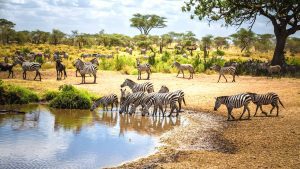
A game drive in Africa is not only about wildlife; it is also about experiencing some of the planet’s most breathtaking natural landscapes. Vast savannahs, volcanic craters, acacia woodlands, rivers, lakes, wetlands, and mountain backdrops create extraordinary scenery throughout the safari journey. In Serengeti National Park, endless golden plains stretch toward the horizon, while Etosha National Park features dramatic salt pans and desert-adapted wildlife. Sunrise and sunset game drives provide spectacular lighting conditions that transform the African wilderness into a photographer’s paradise. Dusty safari trails, colorful skies, and scattered baobab trees create unforgettable safari imagery. Seasonal changes also affect landscapes, with green seasons bringing lush vegetation and dry seasons attracting wildlife to rivers and waterholes. The beauty of Africa’s wilderness adds emotional depth and visual wonder to every game drive experience.
The Thrill of Predator Sightings
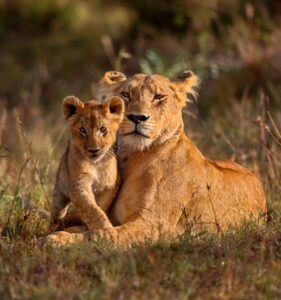
Few safari moments compare to the adrenaline of spotting predators during an African game drive. Lions, cheetahs, leopards, wild dogs, crocodiles, and hyenas are among the most sought-after safari animals because of their power, stealth, and fascinating hunting behaviors. In parks like Serengeti National Park and South Luangwa National Park, guests may witness dramatic predator-prey interactions unfolding naturally in the wild. Safari guides often track predators by identifying paw prints, alarm calls, or vulture activity nearby. Although sightings cannot be guaranteed, the unpredictability of safari adventures makes every encounter exciting. Visitors are encouraged to remain silent during predator sightings to avoid disturbing animals. Observing a leopard descending from a tree or a lion pride stalking prey creates unforgettable memories and highlights the raw beauty and survival instincts of Africa’s untamed wilderness.
Birdwatching Opportunities
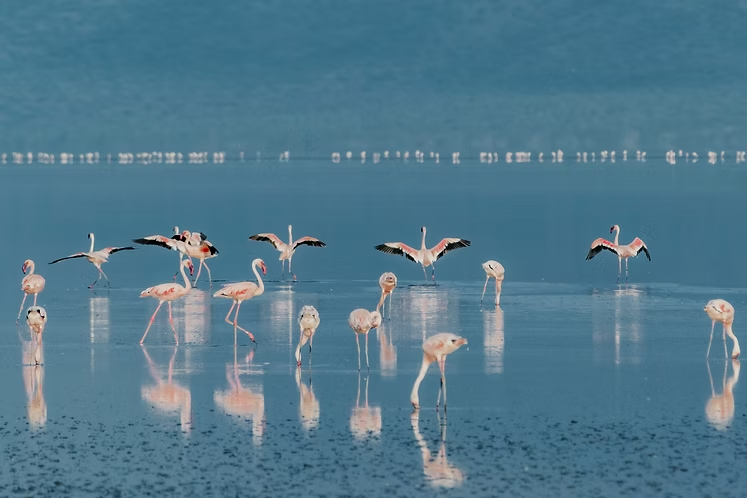
African game drives are also a paradise for birdwatchers, photographers, and nature enthusiasts. Africa hosts thousands of bird species, ranging from colorful bee-eaters and kingfishers to powerful eagles, vultures, and ostriches. National parks like Lake Manyara National Park and the Okavango Delta are internationally recognized for exceptional birdwatching safaris. During game drives, guides help identify birds by their calls, feathers, flight patterns, and nesting behaviors. Seasonal migrations also attract rare and migratory species, making certain months ideal for bird photography tours. Flamingos gathering along soda lakes create particularly spectacular scenes in East Africa. Even travelers primarily focused on large mammals often become fascinated by Africa’s rich birdlife. Birdwatching adds another layer of excitement to safari experiences and reveals the incredible biodiversity that makes African national parks among the world’s top wildlife destinations.
Luxury and Comfort in the Bush
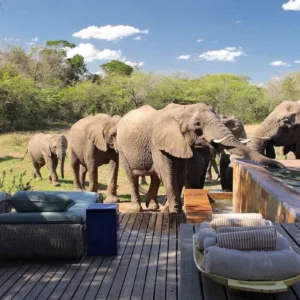
Modern African safaris combine wilderness adventure with impressive levels of comfort and luxury. Many safari itineraries include stays in luxury lodges, tented camps, and eco-friendly safari resorts located inside or near national parks. After a game drive, guests can relax beside infinity pools, enjoy gourmet meals, or watch wildlife from private decks overlooking rivers and waterholes. Luxury safari camps in regions like Serengeti National Park and Okavango Delta provide elegant suites, hot showers, fine dining, and personalized service in remote wilderness settings. Some high-end safari packages include private guides, fly-in safaris, spa treatments, and exclusive wildlife viewing experiences. Despite the comfort, guests remain surrounded by nature and may hear lions roaring or elephants passing nearby at night. Luxury game drives allow travelers to experience authentic African wilderness without sacrificing convenience, relaxation, or world-class hospitality.
- Private vehicle & guide
- Intimate tented camps
- Gourmet dining
- Fly-in transfers
- Bush dinners
- Spa treatments
Safari Photography Experiences
A game drive in Africa offers extraordinary opportunities for wildlife photography and videography. From dramatic predator encounters to breathtaking landscapes and colorful sunsets, every safari moment can become a stunning photograph. Professional safari guides understand positioning, lighting, and animal behavior, helping photographers capture remarkable images safely and respectfully. Popular safari photography destinations include Serengeti National Park, Maasai Mara National Reserve, and Bwindi Impenetrable National Park. Early morning and late afternoon game drives offer the best natural lighting conditions for photography enthusiasts. Travelers are encouraged to bring zoom lenses, spare batteries, binoculars, and protective camera bags for dusty conditions. Even smartphone users can capture incredible safari memories thanks to close wildlife encounters and spectacular scenery. Photography transforms African game drives into meaningful storytelling experiences filled with unforgettable visual memories and emotional connections to nature.
Cultural Encounters Beyond Wildlife
Many African safari experiences include cultural interactions that enrich the overall game drive adventure. Travelers visiting East Africa often meet Maasai communities, while southern African safaris may introduce guests to San or local tribal traditions. These cultural experiences provide insight into traditional lifestyles, storytelling, dances, crafts, and the historic relationship between local people and wildlife conservation. Around the Ngorongoro Conservation Area, visitors frequently encounter Maasai villages, where they learn about pastoral traditions, colorful attire, and cultural ceremonies. Ethical safari operators emphasize respectful cultural tourism that benefits local communities and supports sustainable development. Cultural encounters help travelers understand how African communities coexist alongside wildlife in protected ecosystems. Combining wildlife safaris with authentic cultural experiences creates a more meaningful journey and allows visitors to appreciate Africa’s rich heritage, traditions, hospitality, and deep connection to the natural environment.
Safety and Safari Etiquette
Safety is a top priority during every African game drive, and professional safari guides follow strict wildlife viewing protocols to protect both visitors and animals. Guests are usually instructed to remain seated inside safari vehicles, avoid sudden movements, and keep noise levels low during wildlife encounters. Feeding animals or attempting to attract their attention is strictly prohibited because it disrupts natural behavior and creates dangerous situations. In parks like Kruger National Park and Serengeti National Park, guides maintain safe viewing distances while ensuring excellent photographic opportunities. Travelers should also pack sunscreen, hats, insect repellent, lightweight clothing, and cameras for comfort during long drives. Respecting wildlife and following safari etiquette enhances safety and conservation efforts. Responsible tourism helps preserve Africa’s extraordinary ecosystems and ensures future generations can continue enjoying unforgettable safari adventures.
Approach, feed or disturb wildlife, or leave the vehicle unless your guide says it is safe.
Follow your guide, carry travel insurance and check current health and travel advice.
Final Thought
An African game drive is far more than a simple wildlife excursion; it is an immersive journey into some of the world’s most spectacular natural environments. From thrilling Big Five sightings and luxury safari lodges to breathtaking landscapes and meaningful cultural encounters, every moment on safari creates lasting memories. Whether exploring the legendary Serengeti National Park, the wildlife-rich Ngorongoro Crater, or the iconic Masai Mara National Reserve, travelers experience Africa’s untamed beauty in extraordinary ways. Game drives offer unmatched opportunities for photography, adventure, relaxation, and wildlife education while supporting conservation and local communities. For honeymooners, families, solo travelers, photographers, and luxury travelers alike, an African safari remains one of the greatest bucket-list travel experiences on Earth, filled with wonder, excitement, discovery, and unforgettable moments in the heart of the wild.
What to Expect on a Game Drive in Africa: FAQs
What should you know about early morning safari adventures?
Most African safari game drives begin early in the morning before sunrise, when wildlife is most active and temperatures remain cool. Guests often wake to the sounds of birds, roaring lions, or distant hyenas before heading out in specially designed 4x4 safari vehicles. Morning game drives provide excellent opportunities to witness predators returning from nighttime hunts or herbivores grazing peacefully across the savannah.
What can you expect from incredible wildlife encounters?
One of the most exciting parts of an African game drive is encountering wild animals up close in their natural environment. Visitors often dream of seeing the Big Five safari animals, but Africa’s wildlife diversity extends far beyond lions and elephants. During a safari, travelers may witness cheetahs sprinting across open plains, leopards resting in acacia trees, hippos wallowing in rivers, crocodiles sunbathing near water, and hyenas scavenging nearby.
What should you know about the comfort of safari vehicles?
African safari vehicles are specially designed to maximize comfort, safety, and wildlife viewing opportunities during game drives. Most safari operators use open-sided or pop-up roof 4x4 Land Cruisers, allowing travelers panoramic views of the surrounding wilderness. Comfortable seating, charging ports, refrigerators, and photography-friendly layouts are common features on luxury African safaris.
What can you expect from expert safari guides and Rangers?
Professional safari guides play a major role in creating unforgettable African game drive experiences. These highly trained experts possess deep knowledge of wildlife behavior, ecosystems, birdlife, conservation, and local cultures. During the safari, guides identify animal tracks, explain hunting patterns, interpret sounds in the bush, and share fascinating facts about Africa’s flora and fauna.
What should you know about witnessing the Big five?
For many travelers, spotting the Big Five is the highlight of an African safari game drive. The term “Big Five” refers to lions, leopards, elephants, rhinos, and African buffaloes — animals once considered the most difficult for hunters to track on foot. Today, these magnificent creatures symbolize Africa’s rich wildlife heritage and conservation success.
What can you expect from Scenic African landscapes?
A game drive in Africa is not only about wildlife; it is also about experiencing some of the planet’s most breathtaking natural landscapes. Vast savannahs, volcanic craters, acacia woodlands, rivers, lakes, wetlands, and mountain backdrops create extraordinary scenery throughout the safari journey. In Serengeti National Park, endless golden plains stretch toward the horizon, while Etosha National Park features dramatic salt pans and desert-adapted wildlife.
What should you know about the Thrill of predator sightings?
Few safari moments compare to the adrenaline of spotting predators during an African game drive. Lions, cheetahs, leopards, wild dogs, crocodiles, and hyenas are among the most sought-after safari animals because of their power, stealth, and fascinating hunting behaviors. In parks like Serengeti National Park and South Luangwa National Park, guests may witness dramatic predator-prey interactions unfolding naturally in the wild.
What are the birdwatching opportunities?
African game drives are also a paradise for birdwatchers, photographers, and nature enthusiasts. Africa hosts thousands of bird species, ranging from colorful bee-eaters and kingfishers to powerful eagles, vultures, and ostriches. National parks like Lake Manyara National Park and the Okavango Delta are internationally recognized for exceptional birdwatching safaris.
Plan Your Private Tanzania Safari
Tell us your travel dates, interests and budget, and our local team will design a private tailor-made safari around you.