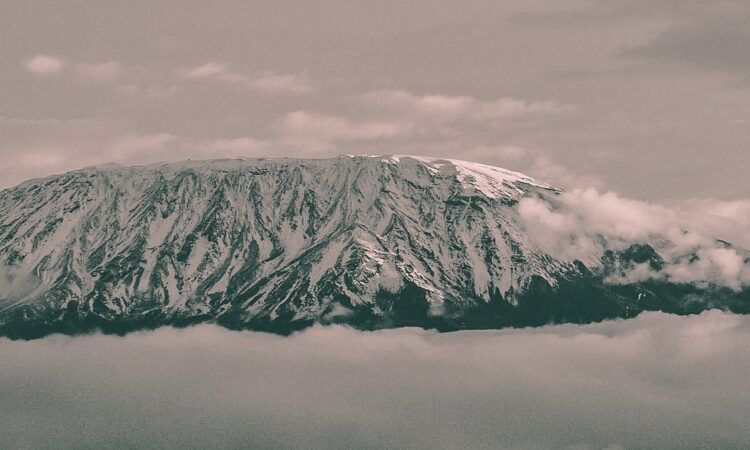

What should I wear for summit night on Kilimanjaro
What should I wear for summit night on Kilimanjaro
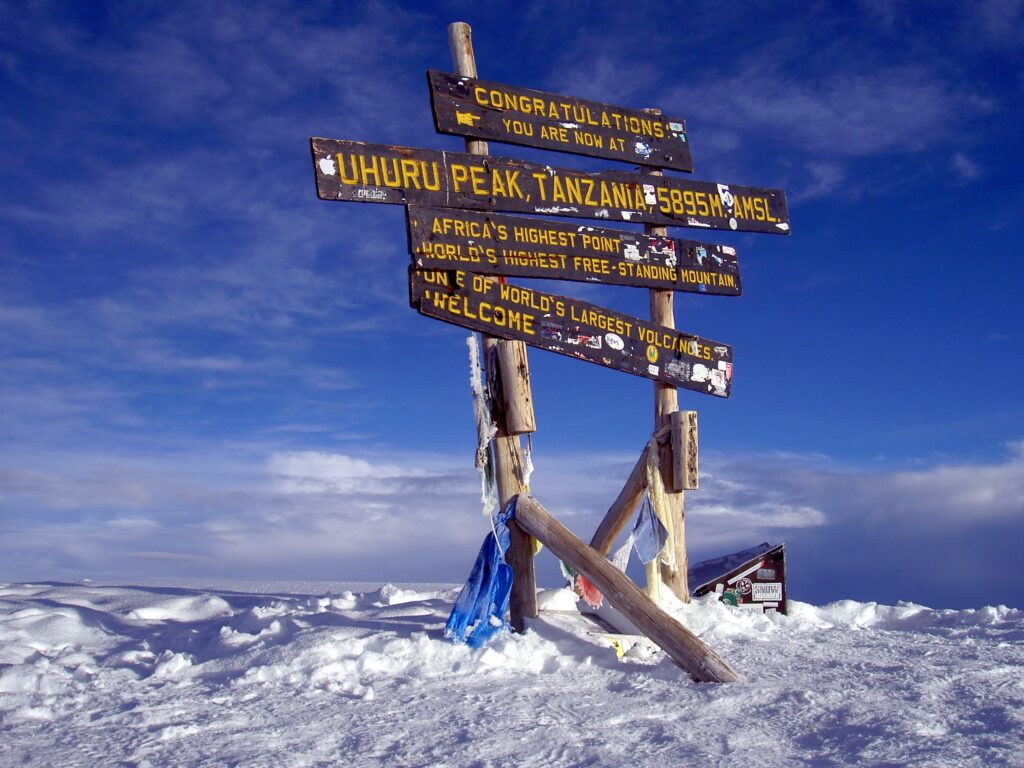
What should I wear for summit night on Kilimanjaro is one of the most important questions for any climber preparing for a successful ascent of Mount Kilimanjaro. Summit night is extremely cold, often dropping to -10°C to -20°C with strong winds, making proper Kilimanjaro clothing, a layering system, and cold-weather hiking gear essential for survival and comfort. The right Kilimanjaro summit outfit improves endurance, prevents hypothermia, and increases summit success rates. Climbers must focus on thermal base layers, insulation jackets, waterproof shell protection, and high-quality accessories designed for alpine conditions. Choosing the correct Kilimanjaro packing list for summit night ensures warmth, safety, and stamina during the toughest part of the climb. Proper preparation is the key to conquering Uhuru Peak and enjoying a safe, successful Kilimanjaro trekking experience.
Thermal Base Layer for Summit Night
A thermal base layer is the foundation of your Kilimanjaro summit night clothing system. This layer sits directly on your skin and is responsible for moisture-wicking, temperature regulation, and keeping your body dry in freezing conditions. The best base layers for Kilimanjaro trekking are made from merino wool or high-quality synthetic materials that retain heat even when damp. Avoid cotton because it absorbs sweat and increases the risk of hypothermia during cold alpine ascents. A good thermal shirt and thermal leggings help maintain core body warmth while climbing through extreme altitude zones. Proper layering begins with this essential step, making it one of the most critical parts of your Kilimanjaro clothing guide. Without a strong base layer, summit night becomes far more difficult and dangerous in harsh mountain weather conditions.
Mid Layer Insulation Clothing
The mid-layer is essential for retaining body heat during the freezing Kilimanjaro summit night. This layer typically includes fleece jackets, lightweight insulated sweaters, or soft-shell pullovers designed to trap warmth while allowing moisture to escape. A good mid-layer improves thermal efficiency and supports your base layer by locking in heat as temperatures drop sharply above 4,000 meters. Fleece materials are highly recommended because they are breathable, quick-drying, and easy to adjust during climbing breaks. A proper Kilimanjaro layering strategy always includes at least one or two mid layers, depending on weather conditions. This insulation layer is critical for preventing cold stress, maintaining energy levels, and ensuring comfort during the long, exhausting ascent to Uhuru Peak. It is a must-have in every Kilimanjaro packing list for summit success.
Insulated Down Jacket for Extreme Cold
A high-quality insulated down jacket is one of the most important pieces of Kilimanjaro summit night gear. As temperatures drop below freezing, especially near Stella Point and Uhuru Peak, a thick down jacket provides essential warmth and protection against wind chill. Look for jackets filled with goose down or synthetic insulation designed for high-altitude trekking conditions. This outer insulation layer traps body heat and prevents cold air from penetrating your inner clothing layers. A good Kilimanjaro down jacket should also be lightweight, compressible, and easy to layer over fleece and base clothing. Many climbers underestimate the extreme cold on summit night, making this jacket a lifesaving item. It is a core part of any professional Kilimanjaro clothing checklist and greatly improves comfort and summit success rates.
Waterproof and Windproof Shell Jacket
A waterproof and windproof shell jacket is essential for protecting climbers from harsh weather conditions on the Kilimanjaro summit night. Strong winds, snow, and sudden temperature drops are common at high altitude, making outer protection a vital part of your Kilimanjaro clothing system. A high-quality Gore-Tex or similar breathable shell jacket prevents moisture from entering while allowing sweat to escape, keeping your inner layers dry. This layer is worn over your insulation jacket and acts as the final barrier against extreme mountain weather. Windproof protection is especially important during the final ascent through volcanic terrain. Without a reliable shell jacket, climbers risk hypothermia, discomfort, and reduced stamina. This is a non-negotiable item in every Kilimanjaro summit packing list and a key factor for safe and successful trekking.
Trekking Pants and Layered Bottom Wear
Proper trekking pants are essential for the Kilimanjaro summit night, where freezing temperatures and strong winds demand layered protection for your legs. The ideal Kilimanjaro clothing setup includes thermal leggings as a base layer combined with insulated hiking pants or soft-shell trousers. These layers work together to retain heat, improve mobility, and protect against wind chill. Waterproof outer pants may also be added in case of snow or icy conditions near the summit. Avoid heavy or restrictive clothing, as mobility is important during steep volcanic ascents. Breathable, flexible materials ensure comfort during long hours of hiking at extreme altitudes. A well-planned bottom layering system is a key component of your Kilimanjaro summit gear and significantly improves endurance, warmth, and overall trekking performance during the final push to Uhuru Peak.
Insulated Gloves and Mittens Protection
Hands are highly vulnerable to freezing temperatures on the Kilimanjaro summit night, making insulated gloves and mittens a critical part of your climbing gear. The best Kilimanjaro gloves system includes a liner glove for flexibility and a thick, insulated outer mitten for maximum warmth. This double-layer system helps maintain dexterity while protecting against frostbite in sub-zero conditions. Windproof and waterproof materials are highly recommended to block harsh alpine winds. Climbers often underestimate how quickly their hands can become numb at high altitude, which can affect safety and ability to use trekking poles or adjust gear. Quality gloves are therefore essential for comfort and performance. As part of your Kilimanjaro summit clothing checklist, proper hand protection ensures safe, efficient movement and significantly improves your chances of reaching Uhuru Peak successfully.
Headwear: Balaclava, Beanie, and Hood
Head protection is extremely important during the Kilimanjaro summit night due to intense cold and strong winds at high altitude. A layered headwear system, including a thermal beanie, balaclava, and hooded jacket, is highly recommended. The balaclava protects your face from freezing wind chill, while a warm beanie helps retain body heat through the head, which is a major heat-loss area. Many Kilimanjaro climbers also use insulated jacket hoods for additional protection. Proper headwear improves comfort, prevents frostbite, and supports breathing in cold, thin air conditions. High-quality, moisture-wicking materials ensure warmth without overheating during intense climbing sections. This combination is a vital part of any Kilimanjaro summit night gear list and significantly contributes to safety, endurance, and overall trekking performance in extreme alpine environments.
Socks and Mountaineering Boots
Warm socks and durable mountaineering boots are essential for a successful Kilimanjaro summit night climb. Thick thermal socks, preferably made of merino wool, help maintain foot warmth and prevent blisters during long hours of trekking in freezing conditions. Many climbers use a double sock system for added insulation. Waterproof, well-fitted hiking boots with strong ankle support are critical for stability on rocky and icy terrain. Proper footwear reduces fatigue and protects against injuries while climbing steep volcanic paths. Boots should also be broken in before the climb to avoid discomfort. Dry, warm feet are essential for endurance and comfort during summit night. This combination of socks and boots is a fundamental part of Kilimanjaro gear preparation and greatly improves safety and success on the mountain.
Headlamp, Trekking Poles, and Accessories
Essential summit night accessories include a reliable headlamp, trekking poles, and extra batteries for safety and visibility on Kilimanjaro. A headlamp is crucial for navigating in complete darkness during the midnight ascent to Uhuru Peak, ensuring hands remain free for balance and movement. Trekking poles provide stability on steep, icy, and rocky terrain, reducing strain on knees and improving endurance during long climbs. Other important accessories include sunglasses for glacier glare, hydration systems, and energy snacks for sustained energy levels. These items may seem small, but play a major role in safety and performance during the Kilimanjaro summit night trekking. Proper gear selection enhances visibility, balance, and efficiency, making them essential additions to every Kilimanjaro packing checklist for a successful high-altitude adventure.
Packing Strategy and Layering System
A smart packing strategy is essential for managing your Kilimanjaro summit night clothing system effectively. The key is layering, which allows climbers to adjust body temperature during different stages of the ascent. Start with moisture-wicking base layers, add insulating mid layers, and finish with a waterproof outer shell. Organizing gear in a waterproof duffel bag ensures quick access during cold conditions. Avoid overpacking unnecessary items, as excess weight can slow down your climb and reduce stamina. A well-planned Kilimanjaro packing list improves efficiency, comfort, and safety. A proper layering strategy also helps climbers adapt to rapidly changing weather conditions on the mountain. This preparation is critical for maintaining energy levels and ensuring a successful summit attempt on Mount Kilimanjaro.
Common Mistakes to Avoid on Summit Night
Many climbers fail to reach Uhuru Peak due to avoidable mistakes in their Kilimanjaro summit night clothing and preparation. Common errors include wearing cotton clothing, insufficient layering, poor-quality gloves, and unbroken hiking boots. Some trekkers underestimate extreme cold and fail to bring proper insulation jackets or windproof shells. Others overpack or underpack essential gear, affecting mobility and comfort. Ignoring hydration and energy intake also reduces performance during the long ascent. Proper planning and attention to detail in your Kilimanjaro gear checklist are crucial for success. Avoiding these mistakes ensures better warmth, stamina, and safety in harsh alpine conditions. Preparation is the difference between struggling and successfully reaching the summit of Africa’s highest mountain.
Final Thought
Understanding what to wear for summit night on Kilimanjaro is essential for every climber aiming to reach Uhuru Peak successfully. Proper Kilimanjaro clothing, smart layering systems, and high-quality cold-weather gear significantly improve safety, comfort, and summit success rates. From thermal base layers to insulated jackets, waterproof shells, gloves, and headwear, every item plays a critical role in surviving extreme alpine conditions. Summit night is the most challenging part of the climb, but with the right preparation and gear strategy, it becomes achievable and rewarding. A well-planned Kilimanjaro packing list ensures warmth, endurance, and confidence throughout the ascent. Ultimately, success depends on preparation, discipline, and the right clothing choices that protect you against freezing temperatures on Africa’s highest mountain.
What should I wear for summit night on Kilimanjaro: FAQs
What should you know about thermal base layer for summit night ?
A thermal base layer is the foundation of your Kilimanjaro summit night clothing system. This layer sits directly on your skin and is responsible for moisture-wicking, temperature regulation, and keeping your body dry in freezing conditions. The best base layers for Kilimanjaro trekking are made from merino wool or high-quality synthetic materials that retain heat even when damp.
What can you expect from mid layer insulation clothing on Kilimanjaro?
The mid-layer is essential for retaining body heat during the freezing Kilimanjaro summit night. This layer typically includes fleece jackets, lightweight insulated sweaters, or soft-shell pullovers designed to trap warmth while allowing moisture to escape. A good mid-layer improves thermal efficiency and supports your base layer by locking in heat as temperatures drop sharply above 4,000 meters.
What should you know about insulated down jacket for extreme cold on Kilimanjaro?
A high-quality insulated down jacket is one of the most important pieces of Kilimanjaro summit night gear. As temperatures drop below freezing, especially near Stella Point and Uhuru Peak, a thick down jacket provides essential warmth and protection against wind chill. Look for jackets filled with goose down or synthetic insulation designed for high-altitude trekking conditions.
What can you expect from waterproof and windproof shell jacket on Kilimanjaro?
A waterproof and windproof shell jacket is essential for protecting climbers from harsh weather conditions on the Kilimanjaro summit night. Strong winds, snow, and sudden temperature drops are common at high altitude, making outer protection a vital part of your Kilimanjaro clothing system. A high-quality Gore-Tex or similar breathable shell jacket prevents moisture from entering while allowing sweat to escape, keeping your inner layers dry.
What should you know about trekking pants and layered bottom wear ?
Proper trekking pants are essential for the Kilimanjaro summit night, where freezing temperatures and strong winds demand layered protection for your legs. The ideal Kilimanjaro clothing setup includes thermal leggings as a base layer combined with insulated hiking pants or soft-shell trousers. These layers work together to retain heat, improve mobility, and protect against wind chill.
What can you expect from insulated gloves and mittens protection on Kilimanjaro?
Hands are highly vulnerable to freezing temperatures on the Kilimanjaro summit night, making insulated gloves and mittens a critical part of your climbing gear. The best Kilimanjaro gloves system includes a liner glove for flexibility and a thick, insulated outer mitten for maximum warmth. This double-layer system helps maintain dexterity while protecting against frostbite in sub-zero conditions.
What should you know about headwear?
Head protection is extremely important during the Kilimanjaro summit night due to intense cold and strong winds at high altitude. A layered headwear system, including a thermal beanie, balaclava, and hooded jacket, is highly recommended. The balaclava protects your face from freezing wind chill, while a warm beanie helps retain body heat through the head, which is a major heat-loss area.
What can you expect from socks and mountaineering boots on Kilimanjaro?
Warm socks and durable mountaineering boots are essential for a successful Kilimanjaro summit night climb. Thick thermal socks, preferably made of merino wool, help maintain foot warmth and prevent blisters during long hours of trekking in freezing conditions. Many climbers use a double sock system for added insulation.
Climb Kilimanjaro With Confidence
Tell us your dates and fitness, and our experienced mountain team will plan a safe, well-acclimatized private climb.