What Makes Great Safari Guides and Why Are They Important?
What Makes Great Safari Guides and Why Are They Important?
A great safari guide is the heart of any successful African safari experience, shaping how travelers discover wildlife, landscapes, and culture. Whether exploring the Serengeti National Park, Ngorongoro Crater, or Tarangire National Park, the quality of your safari guide determines safety, enjoyment, and knowledge gained. The best safari guides in Tanzania combine deep wildlife expertise, strong navigation skills, and exceptional communication to create unforgettable safari tours. They understand animal behavior, migration patterns, and ecosystem balance, making every game drive more meaningful. In luxury safari tours, budget safaris, or private African safari packages, a professional tour guide ensures comfort, safety, and rich storytelling. Choosing the right safari guide transforms a simple wildlife trip into a life-changing Tanzania safari adventure filled with discovery, learning, and memorable moments in the wild.
Deep Knowledge of Wildlife and Ecosystems
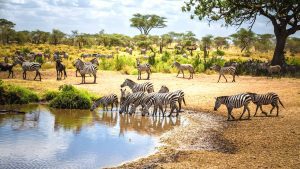
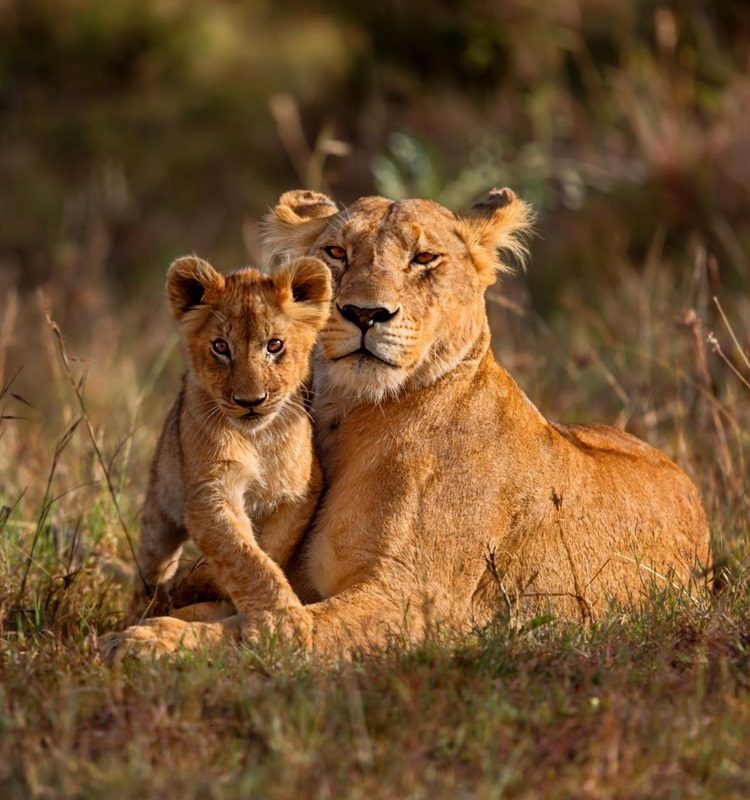
Great safari guides are defined by their deep knowledge of African wildlife, habitats, and ecosystems. In destinations like Serengeti National Park and Ngorongoro Crater, expert guides understand animal behavior, predator-prey relationships, and migration patterns of wildebeest, zebras, and big cats. This knowledge enhances every wildlife safari experience, helping travelers spot lions, leopards, elephants, and rhinos in their natural environment. A professional safari guide also explains ecological balance, conservation efforts, and how ecosystems function across Tanzania safari routes. Their expertise turns game drives into educational journeys, making African safari tours more meaningful, like “best safari guide in Tanzania,” “wildlife safari guide,” and “Serengeti safari experience” highlight their importance in delivering high-quality safari adventures that go beyond sightseeing into a real understanding of nature.
Strong Communication and Language Skills
A great safari guide must have excellent communication skills to explain wildlife, landscapes, and safari experiences clearly. In Tanzania safari tours, guides often speak multiple languages such as English, Swahili, and sometimes French or German, making communication smooth for international travelers. Clear storytelling helps guests understand animal behavior, cultural heritage, and conservation efforts. The best safari guides also know how to engage children, families, honeymoon couples, and solo travelers differently, ensuring personalized safari experiences. Communication builds trust, safety, and enjoyment throughout African safari holidays, like “Tanzania safari guide communication,” “professional tour guide Africa,” and “best safari experience” highlight how important language and interaction are in delivering high-quality safari tours and memorable wildlife encounters across national parks.
Years of Field Experience in African Safaris
Experience is a key factor that defines a great safari guide. Years spent working in Serengeti, Ngorongoro, and other Tanzania safari destinations allow guides to understand animal movements, weather patterns, and seasonal migrations. Experienced safari guides know how to handle unexpected situations, such as changing wildlife behavior or difficult terrain. This ensures safe and smooth African safari tours for travelers. They can quickly adapt game drive routes to maximize sightings of the Big Five—lion, leopard, elephant, buffalo, and rhino. With time, guides also develop relationships with other park rangers and guides, improving coordination in the field, like “experienced safari guide Tanzania,” “African wildlife safari expert,” and “Serengeti game drive guide,” who emphasize the value of long-term expertise in delivering high-quality safari adventures.
Expert Wildlife Tracking and Observation
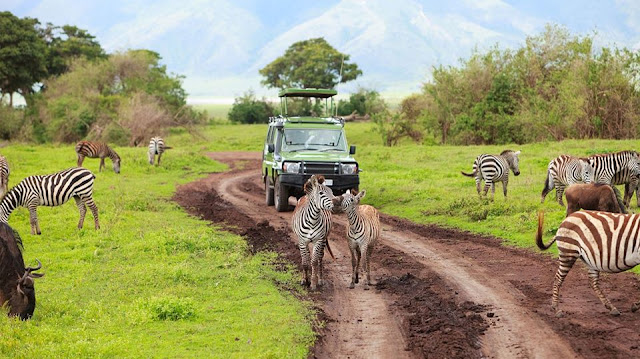
Top safari guides excel in wildlife tracking and observation, a skill that enhances every Tanzania safari experience. They can detect subtle signs such as alarm calls, broken branches, or fresh tracks that indicate nearby predators or herds. In the Serengeti National Park, this skill helps visitors witness dramatic scenes like lion hunts or wildebeest crossings during the Great Migration. Observation skills also allow guides to position vehicles for perfect photography angles and safe viewing distances. This makes African safari tours more exciting and rewarding for guests, like “wildlife safari tracking,” “Serengeti safari guide expert,” and “best game drive experience in Tanzania,” which highlight how observation skills contribute to unforgettable safari adventures in East Africa’s top national parks.
Engaging Storytelling and Cultural Interpretation
A great safari guide is also a storyteller who brings Africa’s wilderness to life. Through engaging narratives, they explain the history of the Maasai people, the evolution of Tanzania’s national parks, and the behavior of iconic wildlife species. Storytelling transforms ordinary game drives into immersive safari experiences filled with meaning and emotion. Whether on luxury safaris or budget Tanzania tours, travelers enjoy learning about traditions, folklore, and conservation efforts. A skilled guide connects nature and culture seamlessly, making the journey more enriching, like “African safari storytelling,” “Tanzania cultural safari guide,” and “Serengeti wildlife tour experience” reflect the importance of interpretation in enhancing tourist satisfaction and creating lifelong memories during African safari adventures.
Outstanding Customer Service and Hospitality
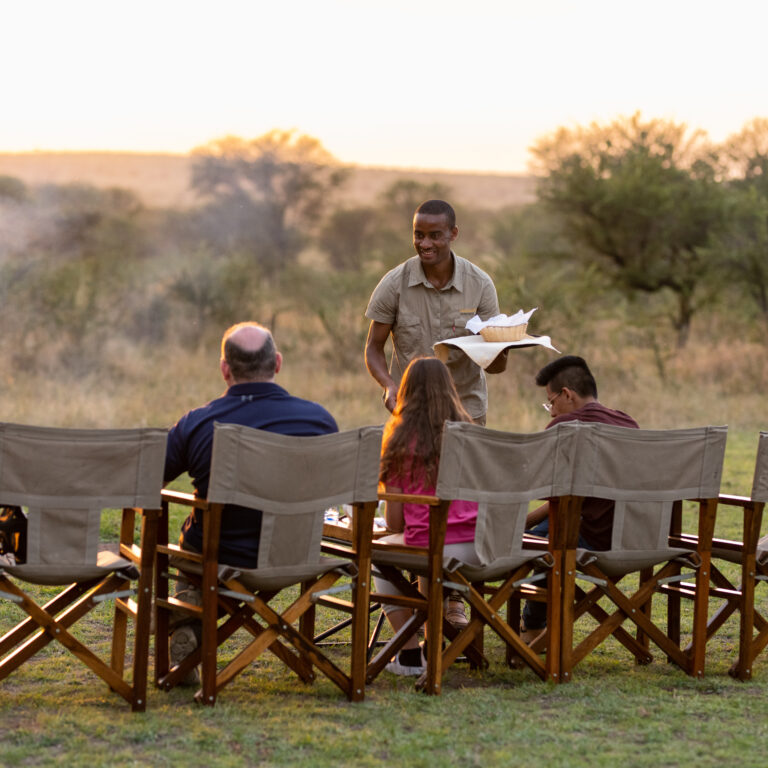
Great safari guides provide exceptional customer service and hospitality throughout the journey. From airport pickup in Arusha or Kilimanjaro to game drives in Ngorongoro Crater, they ensure travelers feel comfortable, safe, and valued. They assist with lodge check-ins, meal arrangements, and travel logistics, making African safari tours stress-free. Professional safari guides are patient, friendly, and attentive to individual needs, whether for families, honeymoon couples, or solo travelers. Their goal is to create personalized safari experiences that exceed expectations, like “best Tanzania safari service,” “professional safari guide Africa,” and “luxury safari customer experience,” highlighting the importance of hospitality in delivering world-class safari holidays across East Africa.
Strong Safety Awareness and Risk Management
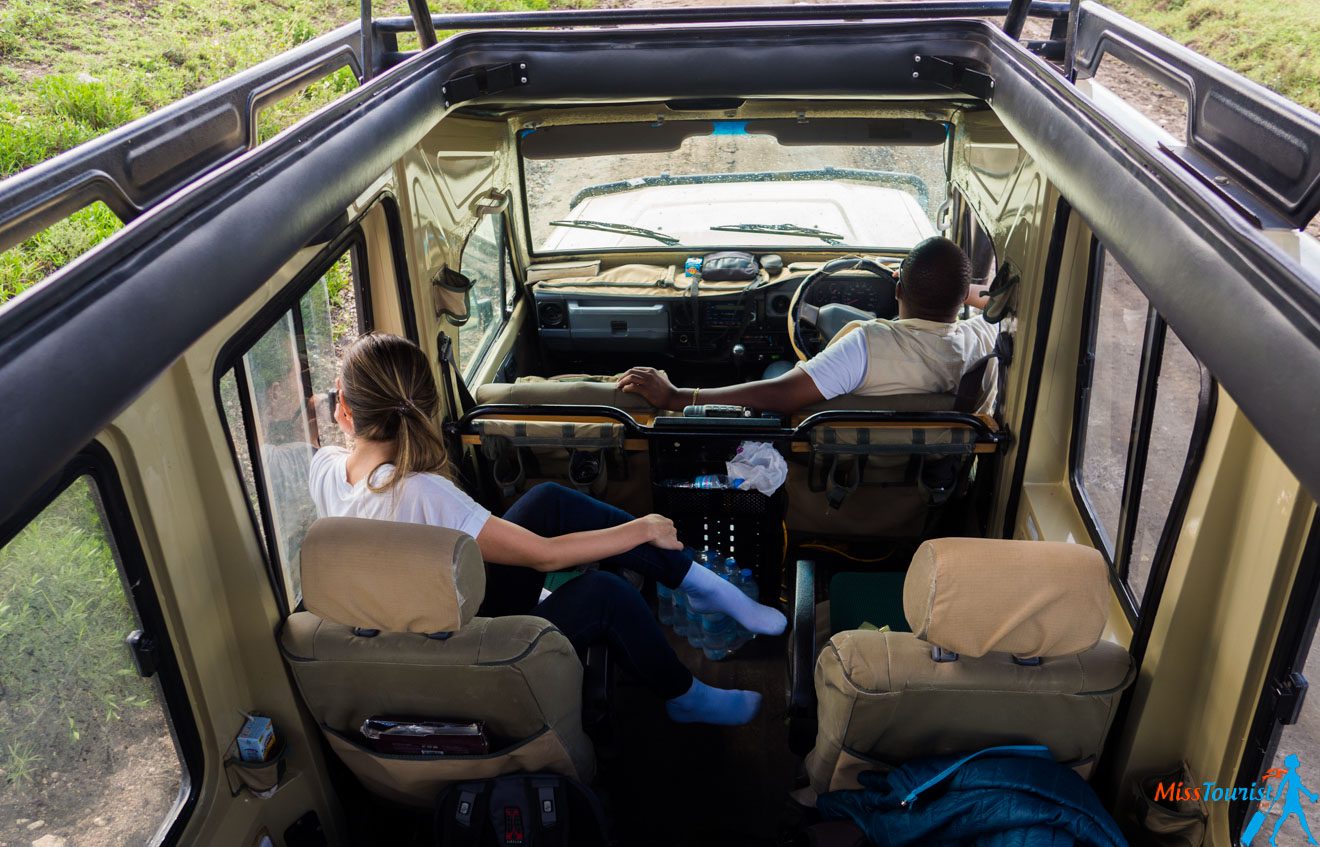
Safety is one of the most critical responsibilities of a safari guide. In Tanzania, safari destinations like Serengeti and Tarangire, guides ensure guests maintain safe distances from wild animals and follow park regulations. They are trained in emergency procedures, vehicle safety, and wildlife behavior risks. A professional safari guide can quickly assess dangerous situations and make decisions that protect both visitors and wildlife. This includes avoiding aggressive animals, managing road conditions, and ensuring safe camp environments during African camping safaris, such as “safe African safari tours,” “Tanzania safari safety guide,” and “professional wildlife tour safety.” These emphasize how important risk management is in creating secure and enjoyable safari experiences for all travelers.
Approach, feed or disturb wildlife, or leave the vehicle unless your guide says it is safe.
Follow your guide, carry travel insurance and check current health and travel advice.
Ethical Wildlife Viewing and Conservation Awareness
Great safari guides promote ethical wildlife viewing and strong conservation values. They educate visitors on responsible tourism practices such as not disturbing animals, staying on designated tracks, and minimizing environmental impact. In protected areas like Serengeti National Park, ethical guiding helps preserve ecosystems and support wildlife conservation efforts. Guides often collaborate with park authorities and conservation organizations to protect endangered species and promote sustainability. They also explain the importance of eco-friendly safari lodges and responsible tourism, like “eco safari Tanzania,” “ethical wildlife safari guide,” and “sustainable African safari tours,” which highlight how conservation-focused guiding ensures long-term protection of Africa’s natural heritage while delivering meaningful travel experiences.
Deep Cultural Knowledge and Local Insight
A great safari guide provides deep cultural knowledge that enriches the safari experience. In Tanzania, guides share insights about Maasai traditions, local tribes, and rural lifestyles near national parks. This cultural interpretation helps travelers connect with communities beyond wildlife viewing. During African safari tours, visitors may learn about traditional dances, crafts, and historical practices that define East African heritage. Guides also promote respectful interaction between tourists and local communities, ensuring cultural sensitivity, like “Tanzania cultural safari experience,” “Maasai village tour guide,” and “African safari cultural insights” emphasize the importance of cultural education in making safaris more meaningful and memorable.
Multilingual Abilities for Global Travelers
Multilingual skills are a major advantage for professional safari guides. In Tanzania safari tours, guides often speak English, Swahili, and other international languages, helping communicate effectively with global tourists. This improves understanding of wildlife information, safety instructions, and cultural stories. A multilingual safari guide enhances comfort for visitors from Europe, America, Asia, and Africa. It also ensures clear communication during game drives in Serengeti, Ngorongoro, and other parks. Such as “English-speaking safari guide Tanzania,” “multilingual African safari tours,” and “best safari communication skills” highlight how language ability improves the overall safari experience and customer satisfaction.
First Aid and Emergency Preparedness
Top safari guides are trained in first aid and emergency response, ensuring guest safety in remote wilderness areas. In Tanzania safari environments, where medical facilities may be far, this skill is essential. Guides can handle minor injuries, dehydration, insect bites, or sudden illness during game drives. They also know evacuation procedures and communicate with park authorities if emergencies arise. This preparedness builds trust and confidence among travelers on African safari tours, like “safe safari guide Tanzania,” “first aid safari training,” and “emergency wildlife safari safety,” which highlight the importance of medical readiness in ensuring smooth and secure safari experiences across East Africa’s national parks.
Photography Assistance and Game Drive Positioning
A great safari guide helps travelers capture unforgettable wildlife photography moments. In Serengeti and Ngorongoro Crater, guides position vehicles for optimal lighting, angles, and animal visibility. They understand animal behavior, allowing photographers to anticipate movements such as lion hunts or river crossings. This makes African safari tours ideal for both amateur and professional photographers. Guides also assist with camera settings advice and timing for sunrise or sunset shots.
Strong Logistics and Trip Coordination Skills (130 words)
Great safari guides play a key role in logistics and trip coordination. They manage daily schedules, game drive timing, lodge transfers, and park entry requirements. In Tanzania safari tours, smooth coordination ensures travelers maximize their wildlife viewing experience without delays. Guides also communicate with lodges, drivers, and park authorities to ensure seamless operations. Whether on luxury safaris or budget camping tours, strong logistics improve comfort and efficiency, like “Tanzania safari itinerary planning,” “African safari logistics expert,” and “professional tour coordination safari” highlight the importance of organization in delivering stress-free safari holidays.
Commitment to Sustainable Tourism Practices
Great safari guides are committed to sustainable tourism and environmental protection. They promote eco-friendly practices such as reducing plastic use, respecting wildlife habitats, and supporting conservation projects. In Tanzania safari destinations, sustainability ensures future generations can enjoy Serengeti, Ngorongoro, and other parks. Guides also encourage travelers to choose responsible safari operators and eco-lodges. This approach balances tourism growth with environmental preservation, like “sustainable African safari,” “eco-friendly Tanzania tours,” and “responsible wildlife tourism guide,” emphasizing the importance of sustainability in modern safari experiences.
Choosing the Right Safari Guide or Becoming One
Choosing the right safari guide is essential for a successful African safari experience. Travelers should look for licensed, experienced, and knowledgeable guides with strong reviews and wildlife expertise. In Tanzania safari tours, the best guides are those recommended by trusted tour operators and known for professionalism and passion. Alternatively, becoming a safari guide requires training in wildlife, communication, safety, and conservation. Many guides begin as assistants and grow through experience in national parks like Serengeti and Ngorongoro, like “best safari guide Tanzania,” “how to choose safari guide Africa,” and “professional wildlife tour guide training” highlight the importance of selection and development in the safari industry.
Final Thought
Great safari guides are the backbone of unforgettable African safari experiences. They combine wildlife knowledge, safety skills, cultural insight, and storytelling to transform ordinary trips into extraordinary journeys. Whether exploring the vast Serengeti plains, the dramatic Ngorongoro Crater, or the elephant-rich Tarangire National Park, a professional safari guide ensures every moment is meaningful and safe. Their role goes beyond driving—they are educators, protectors, and ambassadors of nature. Choosing the best safari guide in Tanzania guarantees a deeper connection with wildlife, landscapes, and local culture. As tourism grows, the importance of skilled, ethical, and experienced safari guides continues to increase. Ultimately, they are the key to unlocking the true magic of African safari tours, creating lifelong memories for travelers from around the world.
What Makes Great Safari Guides and Why Are They Important?: FAQs
What can you expect from deep knowledge of wildlife and ecosystems on a Tanzania safari?
Great safari guides are defined by their deep knowledge of African wildlife, habitats, and ecosystems. In destinations like Serengeti National Park and Ngorongoro Crater, expert guides understand animal behavior, predator-prey relationships, and migration patterns of wildebeest, zebras, and big cats. This knowledge enhances every wildlife safari experience, helping travelers spot lions, leopards, elephants, and rhinos in their natural environment.
What should you know about strong communication and language skills on a Tanzania safari?
A great safari guide must have excellent communication skills to explain wildlife, landscapes, and safari experiences clearly. In Tanzania safari tours, guides often speak multiple languages such as English, Swahili, and sometimes French or German, making communication smooth for international travelers. Clear storytelling helps guests understand animal behavior, cultural heritage, and conservation efforts.
What can you expect from expert wildlife tracking and observation on a Tanzania safari?
Top safari guides excel in wildlife tracking and observation, a skill that enhances every Tanzania safari experience. They can detect subtle signs such as alarm calls, broken branches, or fresh tracks that indicate nearby predators or herds. In the Serengeti National Park, this skill helps visitors witness dramatic scenes like lion hunts or wildebeest crossings during the Great Migration.
What should you know about outstanding customer service and hospitality on a Tanzania safari?
Great safari guides provide exceptional customer service and hospitality throughout the journey. From airport pickup in Arusha or Kilimanjaro to game drives in Ngorongoro Crater, they ensure travelers feel comfortable, safe, and valued. They assist with lodge check-ins, meal arrangements, and travel logistics, making African safari tours stress-free.
What can you expect from ethical wildlife viewing and conservation Awareness on a Tanzania safari?
Great safari guides promote ethical wildlife viewing and strong conservation values. They educate visitors on responsible tourism practices such as not disturbing animals, staying on designated tracks, and minimizing environmental impact. In protected areas like Serengeti National Park, ethical guiding helps preserve ecosystems and support wildlife conservation efforts.
What should you know about multilingual Abilities for global travelers on a Tanzania safari?
Multilingual skills are a major advantage for professional safari guides. In Tanzania safari tours, guides often speak English, Swahili, and other international languages, helping communicate effectively with global tourists. This improves understanding of wildlife information, safety instructions, and cultural stories. A multilingual safari guide enhances comfort for visitors from Europe, America, Asia, and Africa.
What can you expect from photography Assistance and game drive Positioning on a Tanzania safari?
A great safari guide helps travelers capture unforgettable wildlife photography moments. In Serengeti and Ngorongoro Crater, guides position vehicles for optimal lighting, angles, and animal visibility. They understand animal behavior, allowing photographers to anticipate movements such as lion hunts or river crossings. This makes African safari tours ideal for both amateur and professional photographers.
What should you know about commitment to sustainable tourism practices on a Tanzania safari?
Great safari guides are committed to sustainable tourism and environmental protection. They promote eco-friendly practices such as reducing plastic use, respecting wildlife habitats, and supporting conservation projects. In Tanzania safari destinations, sustainability ensures future generations can enjoy Serengeti, Ngorongoro, and other parks. Guides also encourage travelers to choose responsible safari operators and eco-lodges.
Plan Your Private Tanzania Safari
Tell us your travel dates, interests and budget, and our local team will design a private tailor-made safari around you.