
What Equipment Will I Need to Climb Kilimanjaro?
What Equipment Will I Need to Climb Kilimanjaro?
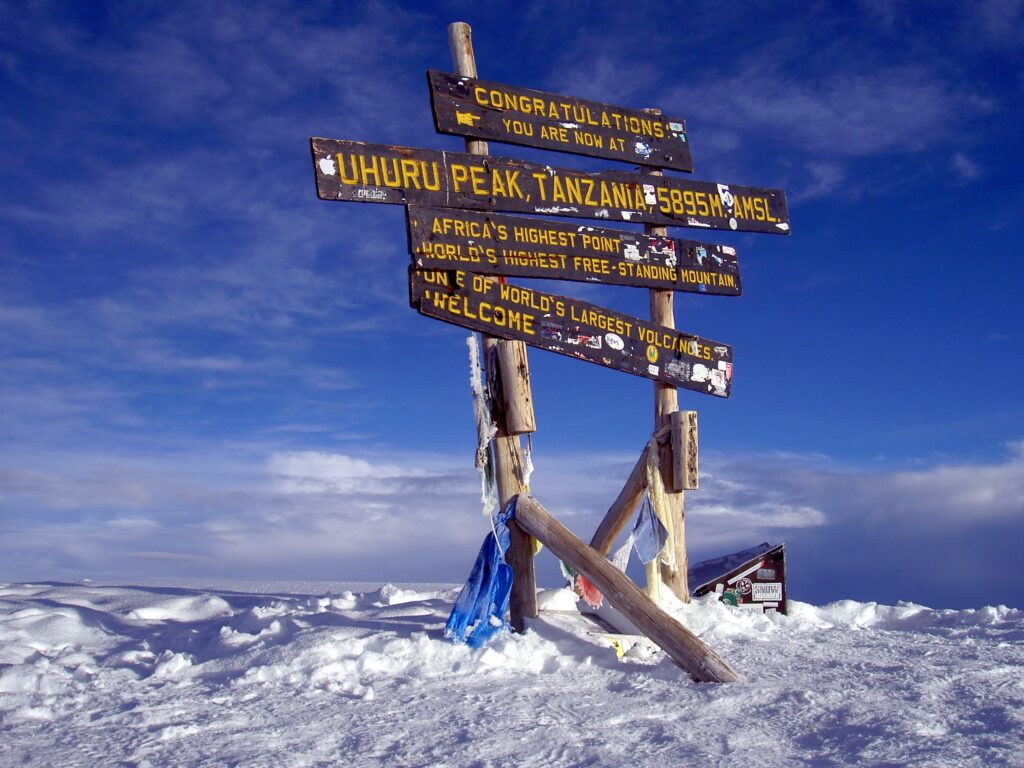
packing list for Climbing Mount Kilimanjaro in Tanzania is one of the world’s greatest trekking adventures, requiring careful preparation and the right Kilimanjaro climbing gear list for safety, comfort, and summit success. Understanding the essential Kilimanjaro equipment list helps trekkers handle changing weather conditions, from tropical rainforest to Arctic summit zones. The correct Tanzania trekking equipment ensures better acclimatization, warmth, hydration, and endurance throughout the journey. Whether you are using the Machame, Lemosho, Marangu, or Rongai route, having a complete Kilimanjaro packing list is critical for a successful climb. This guide explains all essential gear for climbing Kilimanjaro, helping you prepare like a professional mountaineer and increasing your chances of reaching Uhuru Peak safely and comfortably on Africa’s highest mountain.
What Equipment Will I Need to Climb Kilimanjaro? (Compressed Horizontal Table)
| Category: Essential | l Items (Kilimanjaro Packing List) | Key Notes |
|---|---|---|
| Clothing Gear | Warm waterproof shell jacket; fleece/soft-shell jacket; lightweight rain jacket; 2 long sleeve moisture-wicking shirts; 2–3 short sleeve shirts; waterproof pants; 1–2 hiking/convertible pants; fleece pants; shorts (optional); base layer; 3–4 underwear; 2 sports bras (women) | Kilimanjaro clothing gear list, layering system, moisture-wicking trekking clothes Tanzania |
| Technical Equipment | Sleeping bag (-15°C rental recommended); trekking poles (collapsible); headlamp + batteries; 70–90L duffel bag; 30–35L daypack | Kilimanjaro technical gear, summit safety equipment, trekking essentials Tanzania |
| Accessories Gear | Sunglasses; waterproof backpack cover (optional); 32 oz water bottle; 3L hydration bladder; pee bottle; dry bags / stuff sacks | Kilimanjaro hydration system, dry bags for trekking, altitude trekking accessories |
| Hand Wear | Waterproof windproof gloves; thin liner gloves | Kilimanjaro cold weather gear, summit night gloves |
| Headwear | Sun hat/cap; beanie; balaclava or buff | High altitude protection Kilimanjaro, sun and cold protection gear |
| Footwear | Waterproof broken-in hiking boots; camp shoes/gym shoes (optional); 4–5 wool/synthetic socks; gaiters (optional); camp slippers | Kilimanjaro hiking boots guide, trekking socks Tanzania, mountain footwear |
| Health & Essentials | Toiletries; malaria tablets; Diamox (optional); sunscreen; lip balm; insect repellent; first aid kit; painkillers; blister kit; anti-diarrhea tablets; hand sanitizer; toilet paper; wet wipes | Kilimanjaro health kit, altitude sickness prevention, trekking hygiene essentials |
| Nutrition & Extras | High-calorie snacks; electrolytes; camera + spare batteries; hand warmers (optional) | Kilimanjaro energy food, trekking hydration salts, photography gear Tanzania |
| Paperwork | Passport; visa (JRO available); insurance documents; immunization papers; trip receipt | Tanzania travel documents, Kilimanjaro permit requirements |
| Rental Equipment (Optional) | Trekking poles; jacket; sleeping bag; ALTOX oxygen system; duffel bag | Kilimanjaro gear rental options, budget trekking equipment Tanzania |
| NOT Needed | Crampons, ice axe, ropes, harness; cotton clothing; heavy jeans; multiple shoes; heavy toiletries; high-powered electronics; excessive food | Kilimanjaro non-technical climb, lightweight packing guide, avoid overpacking |
Mountaineering Boots
High-quality waterproof mountaineering boots are the most important item in your Kilimanjaro climbing gear list. They must be durable, well-broken-in, and provide excellent ankle support for rough volcanic terrain. Proper boots help prevent injuries, blisters, and fatigue during long trekking days on Mount Kilimanjaro. Choose insulated, breathable boots suitable for both wet rainforest conditions and icy summit zones. Vibram soles or equivalent grip technology are highly recommended for stability on steep paths. A good fit ensures comfort during multi-day trekking in Tanzania’s diverse climates. Always test your boots before the climb to avoid discomfort. Without reliable footwear, your Kilimanjaro summit success rate significantly decreases, making boots a non-negotiable part of your Tanzania trekking equipment.
Hiking Socks
Quality hiking socks are essential for preventing blisters and maintaining warmth during your Kilimanjaro trek. A proper Kilimanjaro packing list should include moisture-wicking merino wool socks that regulate temperature in both hot and cold environments. Layering thin liner socks with thicker outer socks reduces friction and improves comfort on long hiking days. Since trekkers walk for 5–8 hours daily, dry and cushioned feet are critical for endurance and summit success. Multiple pairs are necessary because changing weather on Mount Kilimanjaro can cause socks to become damp quickly. Good socks improve circulation, reduce fatigue, and support overall foot health, making them a key component of essential Kilimanjaro equipment for all climbing routes in Tanzania.
Layered Clothing System
A proper layered clothing system is vital for adapting to Kilimanjaro’s extreme climate variations. Your Kilimanjaro climbing gear list should include base layers, insulating mid-layers, and protective outer shells. Moisture-wicking base layers keep sweat away from the skin, while fleece or down mid-layers provide warmth in cold zones. A waterproof and windproof jacket is essential for summit night conditions where temperatures drop below freezing. Layering allows climbers to adjust easily during rainforest humidity, alpine desert heat, and arctic summit cold. This Tanzania trekking equipment strategy ensures comfort, prevents hypothermia, and improves energy efficiency. Proper clothing layering is one of the most important factors for successful high-altitude trekking on Mount Kilimanjaro.
Waterproof Jacket and Pants
A high-quality waterproof jacket and pants are mandatory for Kilimanjaro expeditions due to unpredictable weather conditions. Heavy rains are common in the rainforest zone, making rain protection a critical part of your Kilimanjaro packing list. Gore-Tex or similar waterproof materials are recommended for breathability and durability. These outer layers also act as wind protection during summit night when temperatures can drop drastically. Staying dry is essential to prevent hypothermia and maintain energy levels throughout the climb. Lightweight but strong rain gear should be easy to pack and quick to wear when the weather changes suddenly. Reliable waterproof gear is a core element of essential Kilimanjaro equipment for safe and successful trekking in Tanzania.
Daypack (20–30L Backpack)
A comfortable daypack is necessary for carrying daily essentials during your Kilimanjaro climb. It should hold water, snacks, rain gear, a camera, and extra clothing layers. A well-fitted Kilimanjaro trekking backpack improves balance and reduces strain on long hiking days. Look for padded shoulder straps, waist support, and hydration compatibility. Since porters carry larger duffel bags, your daypack is your personal survival kit on the mountain. Lightweight yet durable materials are ideal for changing weather conditions. Proper organization inside the backpack ensures easy access to essential items during breaks. A reliable daypack is a key part of your Kilimanjaro climbing gear list and directly contributes to comfort and efficiency on Tanzania’s highest peak.
Duffel Bag (70–100L)
A waterproof duffel bag is used by porters to carry most of your clothing and equipment on Kilimanjaro. This Kilimanjaro packing list essential must be durable, soft-sided, and easy to transport. Hard suitcases are not suitable due to rough terrain and porter carrying systems. A 70–100 liter capacity is ideal for multi-day trekking in Tanzania. Your duffel bag should include all clothing layers, sleeping gear, and backup essentials. Waterproof protection is crucial to keep belongings dry during rainy weather. Proper packing ensures organization and weight balance for porters. A strong duffel bag is a fundamental part of essential Kilimanjaro equipment and supports smooth logistics throughout your climb.
Sleeping Bag
A four-season sleeping bag is essential for surviving cold Kilimanjaro nights, especially at high altitudes like Barafu Camp. Temperatures can drop below -10°C, making insulation critical for comfort and safety. Your Kilimanjaro climbing gear list should include a sleeping bag rated for extreme cold conditions. Down-filled bags offer an excellent warmth-to-weight ratio, while synthetic options provide better moisture resistance. A sleeping bag liner can add extra insulation and hygiene. Proper rest is crucial for acclimatization and summit success, so quality sleep gear is non-negotiable. Combined with a sleeping mat provided by operators, this Tanzania trekking equipment ensures warmth and recovery during multi-day expeditions on Mount Kilimanjaro.
Trekking Poles
Trekking poles are highly recommended for reducing pressure on knees and improving stability on steep Kilimanjaro trails. Adjustable, lightweight poles help distribute weight evenly during ascents and descents. They are especially useful on loose volcanic scree near the summit. Including trekking poles in your Kilimanjaro packing list enhances endurance and reduces fatigue over long hiking days. Shock-absorbing features provide additional comfort during rugged terrain navigation. Proper use of poles improves balance in wet and slippery conditions found in rainforest zones. Many climbers consider them essential Kilimanjaro equipment for injury prevention and energy conservation, making them a valuable tool for successful summit attempts in Tanzania.
Headlamp
A reliable headlamp is essential for summit night climbs, which often start around midnight. Visibility is limited, and a strong LED headlamp ensures safe navigation on steep, rocky terrain. Your Kilimanjaro climbing gear list should include extra batteries for uninterrupted lighting during cold conditions. Hands-free illumination allows climbers to use trekking poles and maintain balance. Brightness settings help adjust visibility depending on weather and terrain conditions. Waterproof and lightweight designs are ideal for Tanzania trekking equipment. Without a headlamp, summit attempts become unsafe and difficult. It is one of the most critical items in your Kilimanjaro packing list for achieving Uhuru Peak successfully.
Gloves, Hat, and Buff
Protecting extremities is essential during the Kilimanjaro climb due to freezing summit temperatures and strong winds. Insulated gloves, warm hats, and multi-purpose buffs should be included in every Kilimanjaro packing list. Gloves must be waterproof and suitable for sub-zero conditions, while liners provide added warmth and flexibility. A thermal hat protects against heat loss at high altitudes, and buffs help shield the face from dust, wind, and cold. These small items significantly impact comfort and safety during summit night. Proper thermal protection is a core part of essential Kilimanjaro equipment and ensures climbers remain warm and focused throughout Tanzania’s challenging alpine environment.
Hydration System
Staying hydrated is critical for acclimatization and energy maintenance on Mount Kilimanjaro. A hydration bladder or water bottles should be included in your Kilimanjaro trekking gear list. Climbers should consume at least 3–4 liters of water daily to prevent altitude sickness. Insulated bottles are recommended to prevent freezing at higher elevations. Water purification tablets or filters may also be necessary, depending on your operator’s setup. Proper hydration improves stamina, cognitive function, and overall performance during long trekking days in Tanzania. A reliable hydration system is an essential part of Kilimanjaro packing list preparation and supports safe and successful summit attempts.
Sunglasses and Sunscreen
UV exposure increases significantly at high altitudes, making sunglasses and sunscreen essential Kilimanjaro equipment. Glacier glasses with UV protection prevent snow blindness and eye strain during summit climbs. Sunscreen with high SPF protects exposed skin from intense sun radiation found in alpine and equatorial regions. Lip balm with UV protection is also recommended for preventing dryness and cracking. These items are lightweight but crucial for long-term skin and eye health. Including sun protection in your Kilimanjaro packing list ensures comfort and safety during all trekking zones in Tanzania’s diverse mountain environment.
First Aid Kit and Medications
A personal first aid kit is a vital part of your Kilimanjaro climbing gear list. It should include altitude sickness medication, pain relievers, blister treatment, antiseptic wipes, and basic bandages. Climbers should also carry personal prescription medications if needed. Altitude sickness is a common challenge, making preventive and treatment options essential. Small injuries like blisters or cuts are also common during long hikes. A well-prepared medical kit ensures a quick response to minor health issues, improving safety and confidence during the trek. This Tanzania trekking equipment item is essential for managing health risks on Mount Kilimanjaro effectively.
Miscellaneous Essentials
Additional Kilimanjaro packing list essentials include a power bank, camera, travel documents, snacks, and waterproof bags. A power bank ensures devices stay charged for communication and photography throughout the climb. Energy snacks like nuts and energy bars help maintain stamina between meals. Dry bags protect electronics and valuables from rain and dust. A small journal or notebook can also enhance the trekking experience. These miscellaneous items complete your essential Kilimanjaro equipment and improve convenience, safety, and enjoyment during the expedition. Proper preparation ensures a smooth and memorable climb on Mount Kilimanjaro in Tanzania.
Final Thought
Having the right Kilimanjaro climbing gear list is the key to a safe, comfortable, and successful summit of Africa’s highest peak, Mount Kilimanjaro. Every item, from boots and layered clothing to sleeping bags and hydration systems, plays a critical role in your performance and acclimatization. Proper preparation reduces risks such as altitude sickness, fatigue, and weather-related challenges. Whether you are a beginner or experienced trekker, investing in quality Tanzania trekking equipment significantly increases your chances of reaching Uhuru Peak. With careful planning and the correct Kilimanjaro packing list, your adventure becomes not only achievable but truly unforgettable, offering one of the most rewarding trekking experiences in the world.
What Equipment Will I Need to Climb Kilimanjaro?: FAQs
Can I rent climbing equipment locally?
Yes, you can rent most Kilimanjaro climbing gear locally in Arusha or Moshi, including sleeping bags, trekking poles, jackets, duffel bags, and even oxygen systems from tour operators. Renting is very common for international trekkers who want to reduce luggage weight and cost. However, personal items like hiking boots, base layers, and socks should be bought in advance for proper fit and comfort.
How to pack your duffel?
Pack your Kilimanjaro duffel bag in layers based on temperature and usage frequency. Place heavy and rarely used items like sleeping bags at the bottom, followed by clothing layers organized in dry bags. Keep warm gear, summit clothing, and waterproof layers easily accessible at the top. Use compression sacks to save space and separate clean and dirty clothes. Avoid overpacking since porters have weight limits.
How much weight does a porter carry on Kilimanjaro?
On Mount Kilimanjaro, a porter typically carries a maximum of 15–20 kg (33–44 lbs) of your main duffel bag. This limit is set to ensure porter safety and ethical trekking practices in Tanzania. Your personal daypack, which includes water, snacks, and essentials, is carried by you and usually weighs 5–8 kg. Reputable Kilimanjaro operators strictly follow these guidelines. Overpacking can lead to extra charges or logistical issues.
What do you sleep in on Kilimanjaro?
You sleep in high-altitude mountain tents provided by your tour operator. Inside, you use a four-season sleeping bag rated for extreme cold, typically combined with a sleeping mat for insulation. Climbers usually wear thermal base layers, socks, a hat, and sometimes a light jacket while sleeping due to freezing nighttime temperatures. A sleeping bag liner is often recommended for extra warmth and hygiene.
Is it possible to hike Mount Kilimanjaro without proper climbing gear or tents?
No, it is not safe or permitted to hike Mount Kilimanjaro without proper gear or tents. Kilimanjaro is a high-altitude expedition requiring essential trekking equipment such as warm clothing, sleeping bags, waterproof layers, and proper footwear. Camping is mandatory on most routes, and tents are provided by licensed operators. Attempting the climb without proper Kilimanjaro gear significantly increases the risk of hypothermia, altitude sickness, and injury.
How much cash do you need to bring to Kilimanjaro?
Most Kilimanjaro costs are prepaid, but you should carry USD 200–400 in cash for tips, snacks, drinks, and personal expenses. Tipping porters, guides, and cooks is customary and an important part of the trekking culture in Tanzania. Small denominations are preferred for easier distribution. Credit cards are rarely accepted on the mountain, so cash is essential.
What are the essentials required for Mt. Kilimanjaro climb?
Essential Kilimanjaro equipment includes waterproof hiking boots, layered clothing, a sleeping bag rated to -10°C or lower, trekking poles, a headlamp, and a waterproof duffel bag. You also need a hydration system, gloves, hat, sunscreen, and a first aid kit. Proper gear ensures safety, comfort, and successful acclimatization.
What do I need to carry on Mount Kilimanjaro?
In your daypack, carry water (2–3 liters), snacks, rain jacket, warm layer, camera, sunscreen, sunglasses, and personal medication. You should also include a headlamp, gloves (on summit day), and basic toiletries. The porter carries your main duffel, but your daypack must contain all items needed during the day’s hike. Efficient packing improves comfort and energy levels while trekking. A well-prepared Kilimanjaro daypack is essential for endurance and safety during long ascent days.
Can you wear leggings on Kilimanjaro?
Yes, you can wear leggings on Kilimanjaro, especially as a base layer or for lower trekking zones. Thermal leggings or moisture-wicking hiking tights are ideal for comfort and flexibility. However, leggings alone are not enough for cold summit conditions, so they must be layered under waterproof pants or insulated gear. Avoid cotton leggings, as they retain moisture.
Do I need a sleeping bag liner for Kilimanjaro?
Yes, a sleeping bag liner is highly recommended for Kilimanjaro. It adds extra warmth, improves hygiene, and extends the performance of your sleeping bag in freezing conditions. Fleece or silk liners are popular choices among climbers. While not strictly mandatory, a liner can make a big difference during cold nights at high camps like Barafu. It is a lightweight addition to your Kilimanjaro gear list but greatly improves comfort and insulation.
Climb Kilimanjaro With Confidence
Tell us your dates and fitness, and our experienced mountain team will plan a safe, well-acclimatized private climb.