

Wellness Benefits of Going on an African Safari
Wellness Benefits of Going on an African Safari
An African safari is more than a wildlife adventure; it is a powerful wellness experience that supports mental, physical, and emotional health. From the vast savannahs of the Serengeti National Park to the breathtaking landscapes of the Ngorongoro Crater, safari travel offers a natural form of therapy known as nature healing or ecotherapy. Modern wellness tourism increasingly highlights African safari holidays as a top destination for digital detox, stress relief, mindfulness, and emotional restoration. Immersing yourself in untouched wilderness, observing free-roaming wildlife, and breathing fresh African air helps reset the nervous system and reduce anxiety. Whether you choose luxury safari lodges or mobile tented camps, the African safari experience reconnects you with nature, promotes inner peace, and improves overall well-being through slow travel and mindful exploration of iconic destinations like Tarangire National Park and beyond.
Digital Detox and Mental Reset
One of the strongest wellness benefits of an African safari is the opportunity for a complete digital detox. In today’s hyperconnected world, constant screen time contributes to stress, anxiety, and mental fatigue. Traveling to remote safari destinations like Serengeti National Park and Ngorongoro Crater naturally disconnects you from Wi-Fi and social media distractions. This break allows the brain to reset, improve focus, and restore emotional balance. Without digital interruptions, travelers become more present in the moment, fully absorbing the sounds of nature, wildlife movements, and open landscapes. Studies in wellness tourism show that digital detox experiences significantly reduce cortisol levels and improve mood stability. An African safari creates the perfect environment to unplug, recharge mentally, and rediscover clarity through immersive nature experiences and slow travel in the African wilderness.
Stress Reduction Through Nature Therapy
African safaris provide powerful stress reduction through natural therapy, also known as ecotherapy. Being surrounded by expansive landscapes such as Tarangire National Park or the Serengeti plains lowers blood pressure and reduces cortisol, the stress hormone. The calming rhythm of nature—bird calls, rustling grass, and distant animal sounds—helps regulate emotional responses and promotes deep relaxation. Unlike urban environments, safari settings eliminate noise pollution and visual overload, allowing the mind to enter a meditative state. This natural environment encourages mindfulness and emotional grounding. Wellness tourism experts recognize wildlife safaris as one of the most effective forms of stress management. The combination of open skies, fresh air, and untouched ecosystems makes African safari travel a therapeutic escape that restores emotional balance and promotes long-term mental well-being.
Improved Sleep Quality in Natural Environments
A lesser-known wellness benefit of African safaris is improved sleep quality. Exposure to natural light cycles in places like Serengeti National Park helps reset the circadian rhythm, also known as the body’s internal clock. Without artificial lighting and screen exposure, the body naturally aligns with sunrise and sunset patterns. This leads to deeper, more restorative sleep during safari nights. The soothing sounds of the African wilderness, including nocturnal wildlife and gentle winds, also enhance sleep relaxation. Many travelers report falling asleep faster and experiencing fewer sleep disturbances during safari holidays. This natural sleep improvement contributes to better cognitive function, emotional stability, and physical recovery. Wellness safari experiences in Tanzania offer an ideal environment for resetting unhealthy sleep patterns caused by modern urban lifestyles and screen-based overstimulation.
Mindfulness and Present-Moment Awareness
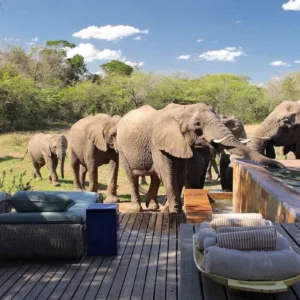
African safaris naturally encourage mindfulness, a key principle in modern wellness practices. Observing wildlife in their natural habitats, especially in Ngorongoro Crater or Serengeti National Park, forces travelers to slow down and become fully present. Watching a lion hunt or elephants moving across the savannah requires attention, patience, and awareness of the moment. This immersive experience reduces mental distractions and strengthens focus. Mindfulness practiced in nature has been proven to improve emotional regulation and reduce anxiety symptoms. Safari travel creates a peaceful environment where thoughts are grounded in the present rather than past stress or future worries. The absence of urban distractions enhances sensory awareness, allowing travelers to deeply connect with their surroundings. This makes African safaris a powerful tool for emotional healing and mental clarity.
- ArushaGateway
- TarangireElephants
- NgorongoroCrater
- SerengetiBig Five
- ZanzibarBeach
Emotional Healing Through Wildlife Connection
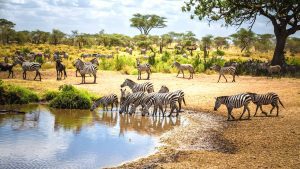
Connecting with wildlife during an African safari offers profound emotional healing. Observing animals such as elephants, lions, giraffes, and zebras in their natural habitats fosters empathy, awe, and emotional reflection. In destinations like Serengeti National Park and Tarangire National Park, travelers often experience a sense of wonder that reduces emotional tension and uplifts mood. This connection to nature helps individuals process emotional stress and reconnect with simpler, more grounded feelings. Wildlife encounters also inspire gratitude and perspective, reminding travelers of life beyond daily pressures. Emotional healing through safari experiences is linked to reduced symptoms of anxiety and depression. The presence of untouched ecosystems creates a safe psychological space where emotional release and inner calm naturally occur. African safaris are therefore increasingly recognized as transformative wellness journeys.
Physical Activity and Gentle Movement
African safaris encourage gentle physical activity, which is essential for overall wellness. Activities such as game drives, guided nature walks, and lodge exploration promote movement without intense physical strain. In parks like Tarangire National Park, walking safaris allow travelers to engage their bodies while connecting with nature. This type of low-impact movement improves circulation, supports cardiovascular health, and enhances energy levels. Unlike gym-based exercise, safari movement feels natural and enjoyable, reducing resistance to physical activity. Even sitting in open safari vehicles improves posture awareness and encourages outdoor exposure. Physical wellness is further enhanced by fresh air and sunlight, which boost vitamin D levels. Overall, African safari travel promotes a healthy balance of relaxation and movement, contributing to improved physical vitality and long-term wellness benefits.
Exposure to Fresh Air and Clean Environment
One of the key wellness advantages of an African safari is exposure to clean, unpolluted air. Urban environments often contain high levels of pollution that negatively affect respiratory health and energy levels. In contrast, safari destinations such as Serengeti National Park and Ngorongoro Crater offer pure, oxygen-rich air. Breathing in this natural environment supports lung function, increases oxygen intake, and improves overall vitality. Clean air also enhances sleep quality, cognitive performance, and mood stability. The absence of industrial pollution allows the body to detox naturally and function more efficiently. Many wellness travelers seek African safaris specifically for this environmental reset. Fresh air combined with natural landscapes creates a healing atmosphere that supports both physical and emotional well-being, making safari travel a powerful wellness escape.
Sunlight Exposure and Vitamin D Boost
African safaris provide optimal exposure to natural sunlight, which is essential for vitamin D production and overall health. In destinations like Serengeti National Park, travelers spend extended time outdoors under safe morning and evening sunlight. Vitamin D plays a crucial role in strengthening the immune system, improving bone health, and enhancing mood regulation. Sunlight exposure also helps reduce symptoms of seasonal affective disorder and depression. Unlike indoor lifestyles, safari travel encourages natural light balance, improving energy levels and emotional stability. Morning game drives and sunset viewing experiences provide healthy, controlled sun exposure. This natural rhythm supports hormonal balance and improves sleep cycles. African safari holidays, therefore, serve as a natural wellness retreat that restores both physical health and emotional well-being through sunlight therapy.
Reconnection with Nature and Inner Balance
African safaris offer a deep reconnection with nature, which is essential for achieving inner balance and wellness. Immersing yourself in ecosystems like the Serengeti National Park or Ngorongoro Crater allows you to witness the natural cycle of life in its purest form. This connection reduces feelings of disconnection often experienced in modern urban life. Being surrounded by wildlife, open landscapes, and natural sounds fosters emotional grounding and spiritual reflection. Nature immersion has been scientifically linked to reduced anxiety and improved mental clarity. Safari experiences encourage travelers to slow down, reflect, and appreciate simplicity. This reconnection helps restore emotional harmony and encourages a more balanced lifestyle perspective. African safaris are therefore powerful wellness journeys that reconnect individuals with both nature and their inner selves.
Improved Mental Clarity and Focus
African safari experiences significantly improve mental clarity and focus. Away from digital distractions and urban stressors, the brain enters a calmer and more organized state. In environments such as Serengeti National Park, the simplicity of nature allows cognitive overload to decrease. This mental reset improves decision-making, creativity, and problem-solving abilities. The absence of multitasking pressures gives the brain time to recover and function more efficiently. Many travelers report returning from safaris with enhanced clarity and renewed motivation. This is due to reduced mental fatigue and increased exposure to natural environments. Safari travel supports cognitive wellness by encouraging slow thinking and mindful observation. As a result, African safaris are increasingly recognized as effective mental wellness retreats for improving focus and emotional stability.
Strengthened Immune System
Spending time in natural environments during an African safari can strengthen the immune system. Exposure to diverse natural microorganisms in places like Tarangire National Park and Serengeti National Park helps the body build resilience. Clean air, reduced stress levels, and increased sunlight exposure all contribute to improved immune function. Lower stress levels reduce inflammation, which is linked to many chronic illnesses. The relaxation experienced during safari travel supports better hormonal balance, further enhancing immunity. Physical movement and outdoor living also contribute to overall health improvement. Wellness tourism studies show that nature immersion boosts white blood cell activity and supports long-term health. African safaris, therefore, provide not only mental and emotional benefits but also measurable physical health improvements, making them a holistic wellness experience.
Emotional Joy and Happiness Boost
African safaris naturally increase happiness levels through awe-inspiring wildlife encounters and breathtaking landscapes. Seeing animals in their natural habitat, especially in Serengeti National Park or Ngorongoro Crater, triggers positive emotional responses and feelings of joy. This phenomenon, known as “awe psychology,” has been shown to reduce stress and increase life satisfaction. Safari experiences create lasting positive memories that enhance emotional well-being long after the trip ends. The simplicity of nature, combined with the excitement of wildlife sightings, generates genuine happiness. Social connection with travel companions also strengthens emotional bonds. These joyful experiences contribute to improved mental health and overall life perspective. African safaris are, therefore, powerful emotional wellness journeys that elevate mood and inspire long-term happiness.
Spiritual Renewal and Reflection
African safaris often provide a sense of spiritual renewal and deep reflection. The vast landscapes of the Serengeti National Park and the ancient formation of Ngorongoro Crater create a powerful sense of connection to the Earth. Many travelers experience moments of introspection and spiritual clarity while observing nature’s cycles. The silence of the wilderness allows space for personal reflection, gratitude, and inner peace. This spiritual aspect of safari travel is closely linked to improved emotional wellness and reduced mental stress. Being immersed in untouched nature encourages travelers to reflect on life purpose and personal values. African safaris, therefore, serve as transformative journeys that support spiritual growth and emotional healing.
Increased Creativity and Inspiration
African safaris significantly boost creativity and inspiration by exposing travelers to new environments and perspectives. The open landscapes of Serengeti National Park and the dramatic scenery of Ngorongoro Crater stimulate imagination and creative thinking. Nature has long been associated with enhanced cognitive flexibility and innovative ideas. Without digital distractions, the mind becomes more open to inspiration and reflection. Artists, writers, and professionals often return from safaris with renewed creative energy. The combination of silence, wildlife movement, and natural beauty stimulates the brain’s creative centers. African safari travel, therefore, acts as a natural creativity enhancer and mental refreshment experience.
Long-term lifestyle Transformation
One of the most powerful wellness benefits of an African safari is long-term lifestyle transformation. After experiencing the peace of Serengeti National Park or Tarangire National Park, many travelers adopt healthier habits such as reduced screen time, increased outdoor activity, and better stress management. Safari experiences shift perspectives on what truly matters in life, encouraging simplicity and mindfulness. This transformation often leads to improved work-life balance and emotional well-being. The memories of nature immersion continue to influence positive lifestyle choices long after returning home. African safaris, therefore, act as catalysts for lasting wellness change and personal growth.
Final thought
African safaris are not just travel experiences; they are complete wellness journeys that restore the mind, body, and spirit. From the iconic Serengeti National Park to the breathtaking Ngorongoro Crater, every moment in the African wilderness contributes to healing and renewal. Through digital detox, stress reduction, mindfulness, physical activity, and emotional connection with nature, safari travel offers a holistic approach to wellness. The combination of clean air, sunlight, wildlife encounters, and peaceful landscapes creates an environment where true relaxation and transformation occur. In today’s fast-paced world, African safari tourism stands out as one of the most effective ways to reconnect with yourself and nature. Ultimately, a safari is not just a holiday—it is a life-changing wellness experience that leaves lasting benefits long after the journey ends.
Wellness Benefits of Going on an African Safari: FAQs
What should you know about digital detox and mental reset for wellness benefits of Going on an African safari?
One of the strongest wellness benefits of an African safari is the opportunity for a complete digital detox. In today’s hyperconnected world, constant screen time contributes to stress, anxiety, and mental fatigue. Traveling to remote safari destinations like Serengeti National Park and Ngorongoro Crater naturally disconnects you from Wi-Fi and social media distractions.
What can you expect from improved sleep quality in natural environments for wellness benefits of Going on an African safari?
A lesser-known wellness benefit of African safaris is improved sleep quality. Exposure to natural light cycles in places like Serengeti National Park helps reset the circadian rhythm, also known as the body’s internal clock. Without artificial lighting and screen exposure, the body naturally aligns with sunrise and sunset patterns.
What should you know about emotional healing through wildlife connection for wellness benefits of Going on an African safari?
Connecting with wildlife during an African safari offers profound emotional healing. Observing animals such as elephants, lions, giraffes, and zebras in their natural habitats fosters empathy, awe, and emotional reflection. In destinations like Serengeti National Park and Tarangire National Park, travelers often experience a sense of wonder that reduces emotional tension and uplifts mood.
What can you expect from exposure to fresh air and clean environment for wellness benefits of Going on an African safari?
One of the key wellness advantages of an African safari is exposure to clean, unpolluted air. Urban environments often contain high levels of pollution that negatively affect respiratory health and energy levels. In contrast, safari destinations such as Serengeti National Park and Ngorongoro Crater offer pure, oxygen-rich air.
What should you know about reconnection with nature and inner balance for wellness benefits of Going on an African safari?
African safaris offer a deep reconnection with nature, which is essential for achieving inner balance and wellness. Immersing yourself in ecosystems like the Serengeti National Park or Ngorongoro Crater allows you to witness the natural cycle of life in its purest form. This connection reduces feelings of disconnection often experienced in modern urban life.
What can you expect from strengthened immune system for wellness benefits of Going on an African safari?
Spending time in natural environments during an African safari can strengthen the immune system. Exposure to diverse natural microorganisms in places like Tarangire National Park and Serengeti National Park helps the body build resilience. Clean air, reduced stress levels, and increased sunlight exposure all contribute to improved immune function.
What should you know about spiritual renewal and reflection for wellness benefits of Going on an African safari?
African safaris often provide a sense of spiritual renewal and deep reflection. The vast landscapes of the Serengeti National Park and the ancient formation of Ngorongoro Crater create a powerful sense of connection to the Earth. Many travelers experience moments of introspection and spiritual clarity while observing nature’s cycles.
What can you expect from increased creativity and inspiration for wellness benefits of Going on an African safari?
African safaris significantly boost creativity and inspiration by exposing travelers to new environments and perspectives. The open landscapes of Serengeti National Park and the dramatic scenery of Ngorongoro Crater stimulate imagination and creative thinking. Nature has long been associated with enhanced cognitive flexibility and innovative ideas.
Plan Your Private Tanzania Safari
Tell us your travel dates, interests and budget, and our local team will design a private tailor-made safari around you.



Social Connection and Shared Experiences
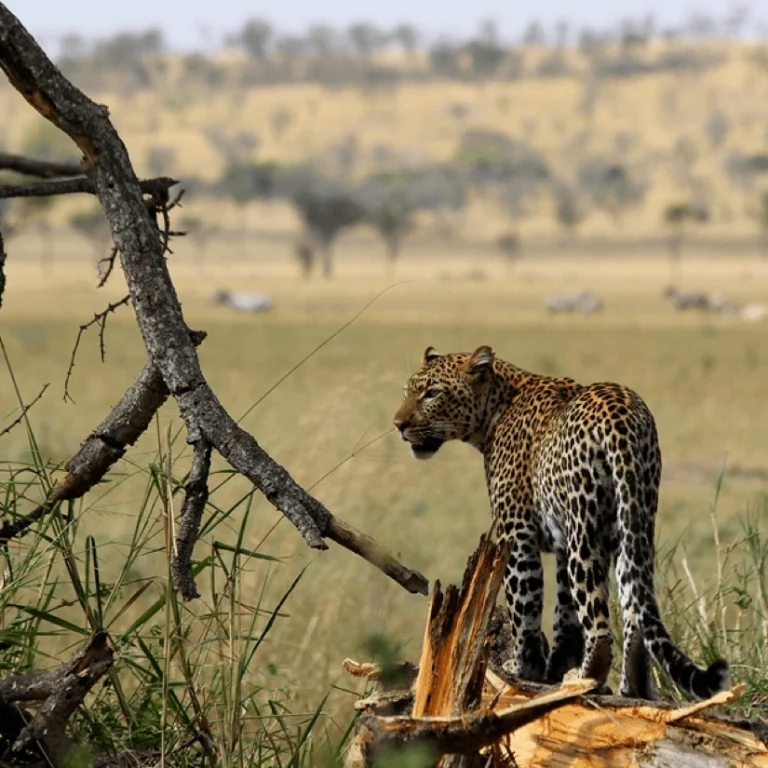
African safaris also enhance social wellness through shared travel experiences. Whether traveling with family, friends, or guided groups in destinations like Serengeti National Park, shared wildlife sightings create strong emotional bonds. Experiencing nature together strengthens communication, teamwork, and mutual appreciation. These shared moments reduce feelings of isolation and increase social happiness. Safari conversations around campfires or during game drives foster meaningful human connections. Social wellness is a key component of overall well-being, and African safaris provide the perfect environment for building deeper relationships. The collective excitement of spotting wildlife enhances group joy and emotional unity. This makes safari travel not only a personal wellness journey but also a powerful social bonding experience.