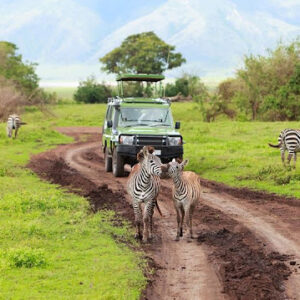
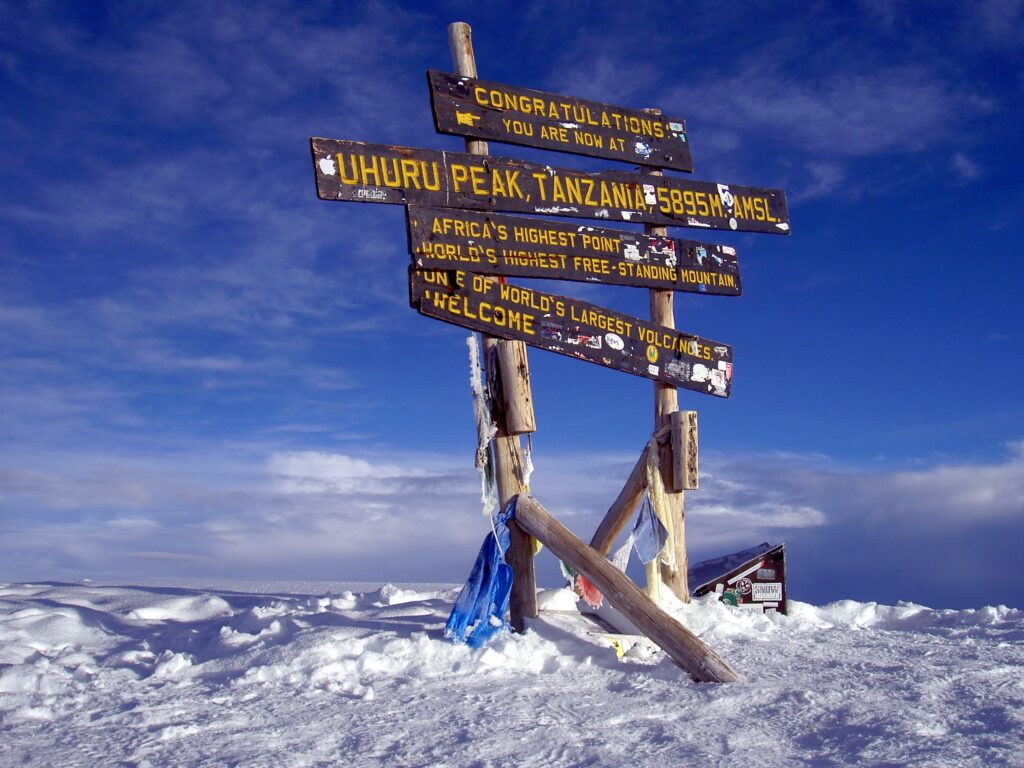
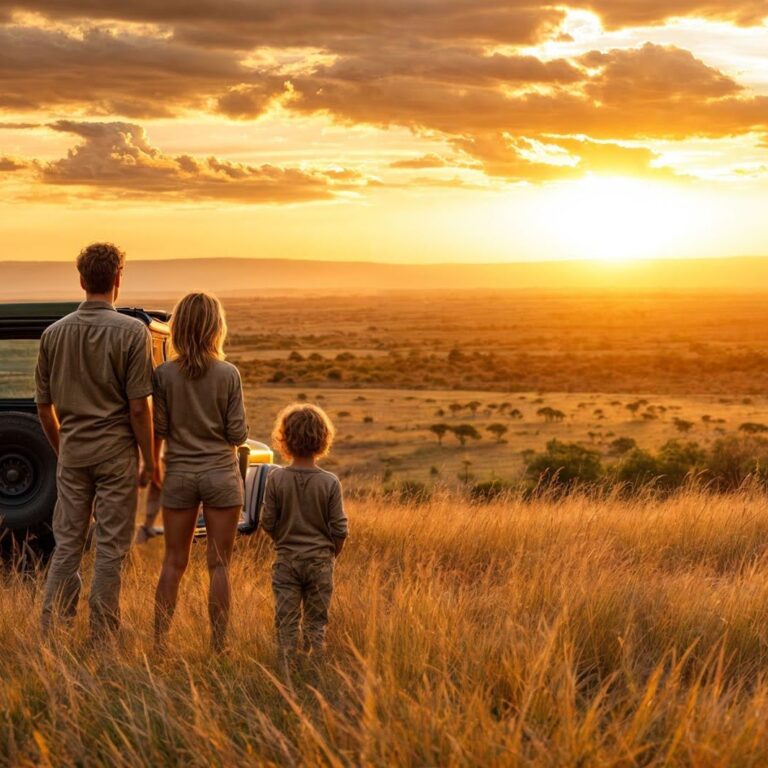
A Tanzania safari is one of the world’s greatest wildlife adventures, offering unforgettable encounters across Africa’s most spectacular landscapes. From the endless plains of the Serengeti National Park to the breathtaking Ngorongoro Crater, Tarangire National Park, and Lake Manyara National Park, Tanzania is home to the legendary Big Five, the world-famous Great Migration, and hundreds of remarkable bird and mammal species. Whether you dream of witnessing millions of wildebeest crossing crocodile-filled rivers, photographing tree-climbing lions, or watching elephants roam ancient baobab forests, every game drive delivers extraordinary moments. Tanzania also provides unforgettable luxury safaris, family safaris, Serengeti safaris, Ngorongoro Crater Safaris, honeymoon safari adventures, senior safaris, comfort mid-range safaris, budget camping safaris, photographic safari expeditions, and private guided tours. With experienced local guides and year-round wildlife viewing, Tanzania remains Africa’s premier safari destination for unforgettable wildlife encounters and authentic African adventures.
Besides the big five of Africa, here are some of the wildlife you can spot while on a Tanzanian wildlife safari:
- Wildebeest
- Lions
- Leopards
- Hyenas
- Buffalos
- Rhinos
- Hippos
- Baboons
- Elephants
- Giraffes
- Zebras
- African Wild Dogs
- Cheetah
- Ostrich
1. Witness the Great Migration in the Serengeti
The Great Migration is Tanzania’s most iconic wildlife spectacle and one of the Seven Natural Wonders of Africa as unforgettable Tanzania wildlife encounters. More than two million wildebeest, zebras, and gazelles travel across the vast Serengeti ecosystem searching for fresh grazing while avoiding hungry lions, cheetahs, leopards, hyenas, and crocodiles. Dramatic river crossings along the Mara and Grumeti Rivers create unforgettable Tanzania safari moments and incredible photography opportunities. Every season offers unique migration experiences, from calving in the southern Serengeti to thrilling predator action in the north. Expert Tanzania safari guides know where the herds are located, maximizing wildlife sightings. Witnessing wildlife encounters you can’t miss on a Tanzania Safari this breathtaking natural event is the highlight of any Tanzania safari and an unforgettable bucket-list adventure.
2. Tree-Climbing Lions of Lake Manyara
Lake Manyara National Park is internationally famous for its extraordinary tree-climbing lions and unforgettable Tanzania wildlife encounters, a rare behavior seen in only a few African locations to discover Tanzania Safari Secrets’ unforgettable wildlife encounters in Tanzania. These powerful predators often relax on large acacia branches during the hottest hours, offering photographers exceptional viewing opportunities. Scientists believe climbing helps lions escape insects, enjoy cooler breezes, and monitor prey across the woodland. Besides lions, the park hosts elephants, buffaloes, giraffes, hippos, baboons, blue monkeys, and over 400 bird species. The combination of groundwater forests, open grasslands, hot springs, and the alkaline lake creates diverse wildlife habitats. Lake Manyara is ideal for travelers seeking unique animal encounters, birdwatching, scenic landscapes, and unforgettable Tanzania safari experiences.
3. Flamingo Lakes of the Ngorongoro Region
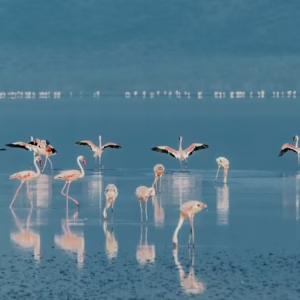
The Ngorongoro region features unforgettable Tanzania wildlife encounters and beautiful alkaline lakes that attract thousands of pink flamingos throughout the year. Lake Magadi, located inside the Ngorongoro Crater, becomes especially colorful when water levels and algae conditions are favorable. Nearby Lake Natron, one of East Africa’s most important flamingo breeding grounds, hosts millions of lesser flamingos during nesting season. These spectacular birds create breathtaking landscapes against volcanic mountains and shimmering salt flats. Visitors also encounter pelicans, storks, crowned cranes, and numerous waterbirds. Combined with the wildlife-rich Ngorongoro Crater, these flamingo lakes offer exceptional birdwatching and photography opportunities. They perfectly showcase Tanzania’s incredible biodiversity beyond the famous Tanzania Big Five safari experience.
4. Spot the Big Five on a Tanzania Safari
Tanzania is among Africa’s finest destinations for spotting the legendary Big Five—lion, leopard, elephant, buffalo, and black rhinoceros unforgettable Tanzania wildlife encounters. The Serengeti offers outstanding lion and leopard sightings, while Tarangire boasts enormous elephant populations. Ngorongoro Crater provides one of the highest chances of seeing all five species during a single game drive, including the endangered black rhino. Buffaloes thrive throughout Tanzania’s northern safari circuit, often appearing in massive herds. Experienced safari guides track animal movements using local knowledge, increasing successful wildlife encounters. Beyond the Big Five, visitors regularly observe cheetahs, giraffes, zebras, wildebeest, hyenas, hippos, crocodiles, and hundreds of colorful bird species throughout Tanzania’s protected national parks.
5. Rare African Wild Dog Sightings
The endangered African wild dog is among Tanzania’s rarest and most unforgettable Tanzania wildlife encounters exciting wildlife sightings. Known for remarkable teamwork and incredible hunting success, these painted wolves live in highly organized family packs. Tanzania offers excellent opportunities to encounter them in Nyerere National Park, Ruaha National Park, and occasionally in the Serengeti ecosystem. Wild dogs can travel long distances while pursuing antelopes, displaying extraordinary endurance and cooperation. Their distinctive colorful coats make every sighting unforgettable for wildlife photographers and safari enthusiasts. Conservation efforts across Tanzania continue to protect these threatened predators through habitat preservation and anti-poaching initiatives. Seeing African wild dogs in the wild remains one of Africa’s greatest safari privileges.
6. Massive Elephant Herds in Tarangire
Tarangire National Park is celebrated for hosting some of Africa’s largest elephant populations and unforgettable Tanzania wildlife encounters. During the dry season, hundreds of elephants gather around the Tarangire River, creating spectacular wildlife viewing opportunities. Families led by experienced matriarchs display fascinating social behaviors, nurturing calves and communicating through deep, low-frequency sounds. Ancient baobab trees provide shade and iconic safari scenery, while zebras, wildebeest, giraffes, buffaloes, and numerous predators share the landscape. Bird enthusiasts also enjoy more than 550 recorded bird species. Tarangire’s relatively fewer visitors compared with other parks create peaceful game drives and intimate wildlife encounters. It remains an essential destination for unforgettable Tanzania elephant safaris and nature photography.
7. The Predator Drama of the Serengeti Plains
The Serengeti plains deliver some of the world’s most dramatic predator-prey interactions. Lions coordinate powerful ambushes, cheetahs rely on breathtaking speed, and leopards silently stalk prey from riverine forests. Hyenas compete aggressively for carcasses while opportunistic jackals wait nearby. During the Great Migration, predators follow millions of herbivores, producing constant wildlife action throughout the ecosystem. Witnessing a lion pride hunting or cheetahs chasing gazelles offers unforgettable safari memories while demonstrating nature’s delicate balance. Professional safari guides interpret animal behavior, helping visitors appreciate every moment safely and responsibly. These thrilling encounters make the Serengeti one of Earth’s greatest destinations for authentic African wildlife experiences.
8. Spot Giraffes on the Open Plains
The graceful Masai giraffe, Tanzania’s national animal, is commonly seen browsing acacia trees across Serengeti, Tarangire, Arusha National Park, and Manyara. Their extraordinary height allows them to feed on leaves unavailable to most herbivores while scanning the horizon for predators. Giraffes usually travel in loose social groups, peacefully sharing habitats with zebras, elephants, antelopes, and ostriches. Their elegant movements and unique coat patterns make them favorite subjects for wildlife photography. Young calves learn survival skills under the protection of experienced adults. Observing giraffes against golden African sunsets creates unforgettable safari memories and highlights the remarkable diversity of Tanzania’s spectacular wildlife landscapes.
9. Observe Hippos and Crocodiles in Lake Manyara
Lake Manyara offers excellent opportunities to observe large pods of hippos resting in shallow waters while enormous Nile crocodiles quietly patrol nearby shorelines. Hippos spend daylight hours submerged to stay cool before grazing on surrounding grasslands at night. Crocodiles patiently wait for fish and unsuspecting animals approaching the water’s edge, demonstrating remarkable hunting skills. Elevated viewing platforms and guided game drives provide safe observation without disturbing wildlife. Besides these aquatic giants, visitors often encounter elephants, baboons, giraffes, buffaloes, flamingos, pelicans, and numerous waterbirds. Lake Manyara’s diverse ecosystems make every safari rewarding, especially for travelers interested in aquatic wildlife and exceptional birdwatching opportunities.
Best Time for Wildlife Encounters in Tanzania
June to October
The dry season from June through October is widely regarded as Tanzania’s premier safari period. Sparse vegetation makes wildlife easier to locate as animals gather around rivers, lakes, and permanent water sources. Predator sightings increase dramatically, while the northern Serengeti hosts spectacular Great Migration river crossings. Tarangire showcases huge elephant herds, and Ngorongoro Crater offers outstanding year-round game viewing. Comfortable temperatures and minimal rainfall create ideal conditions for photography, walking safaris, and balloon safaris. This peak safari season attracts travelers worldwide, making early booking essential for securing premium lodges and experienced guides.
January to March
January through March marks the calving season in the southern Serengeti and Ndutu region. Hundreds of thousands of wildebeest calves are born within weeks, attracting lions, cheetahs, leopards, hyenas, and jackals. This remarkable period offers exceptional predator activity and unforgettable wildlife photography. Green landscapes, newborn animals, and pleasant weather create magical safari experiences. Birdwatchers also benefit from abundant migratory bird species. Families and photographers particularly appreciate this season because it combines beautiful scenery with dramatic wildlife interactions rarely seen elsewhere in Africa.
April to May
April and May bring Tanzania’s long rains, transforming national parks into lush green wilderness. Although occasional showers occur, wildlife remains abundant, and landscapes become exceptionally photogenic. Safari camps often offer attractive discounted rates, making luxury experiences more affordable. Fewer tourists mean quieter game drives and exclusive wildlife encounters. Birdlife flourishes during this season, while predators continue hunting resident herbivores throughout the parks. Travelers seeking peaceful safaris, excellent value, and vibrant scenery often discover that the green season offers unexpected rewards beyond the traditional peak months.
November to December
November and December feature the short rains, refreshing Tanzania’s landscapes without significantly affecting safari experiences. Wildlife remains active, migratory birds arrive in impressive numbers, and many herbivores begin moving toward southern Serengeti grazing areas. Pleasant temperatures and fewer visitors create relaxed game drives with outstanding photographic opportunities. This shoulder season combines green scenery, excellent wildlife viewing, and attractive safari prices. It is particularly suitable for travelers seeking authentic experiences before peak holiday crowds arrive, making it one of Tanzania’s hidden safari seasons.
How to Choose an Ethical Animal Encounter in Africa
Choose safari operators that prioritize wildlife conservation, employ certified local guides, and support surrounding communities. Observe animals from a respectful distance without feeding, touching, or disturbing natural behavior. Select national parks and conservancies that invest tourism revenue into habitat protection and anti-poaching initiatives. Avoid attractions offering direct interaction with wild animals or unethical captive experiences. Responsible safari companies follow park regulations, minimize environmental impact, and educate visitors about conservation. Ethical tourism protects Africa’s extraordinary biodiversity while ensuring future generations continue enjoying authentic wildlife encounters across Tanzania.
The Best Things to Do on a Safari in Tanzania
Enjoy sunrise and sunset game drives, witness the Great Migration, search for the Big Five, take a hot-air balloon safari above the Serengeti, visit Ngorongoro Crater, explore Tarangire’s elephant herds, experience walking safaris with expert rangers, enjoy birdwatching, photograph spectacular wildlife, meet Maasai communities, and relax in luxury safari lodges. Night game drives, cultural tours, bush breakfasts, and private photographic safaris create unforgettable memories. Every activity reveals another remarkable aspect of Tanzania’s extraordinary wildlife and landscapes.
Tanzania Wildlife Encounters: What to Expect on Your Safari
Expect early morning game drives, knowledgeable safari guides, breathtaking scenery, and frequent wildlife sightings. You’ll encounter elephants, lions, zebras, giraffes, buffaloes, hippos, crocodiles, antelopes, and diverse birdlife. Each safari differs because animals move naturally across vast ecosystems. Comfortable safari vehicles, experienced trackers, and carefully planned itineraries maximize viewing opportunities. Every day brings exciting surprises, making each Tanzania safari completely unique.
Things No One Tells You About a Tanzanian Safari
Wildlife appears when least expected, patience often rewards visitors with unforgettable sightings, and every game drive differs dramatically. Early mornings offer the best predator activity, while afternoons showcase elephant families and grazing herbivores. Dusty roads, changing weather, and long drives are part of authentic safari adventures. Even quiet moments become memorable because Tanzania’s landscapes constantly reveal hidden beauty. Professional guides transform ordinary sightings into fascinating wildlife stories.
Hidden Secrets of Tanzania Safari Adventures
Beyond famous parks lie hidden treasures including remote wilderness areas, secret viewpoints, seasonal wetlands, and lesser-known wildlife habitats. Explore quiet corners of Tarangire, discover flamingo-filled lakes, visit ancient baobab forests, and enjoy exclusive private conservancies. Walking safaris reveal tracks, insects, birds, and plants often overlooked during vehicle game drives. These hidden experiences provide deeper appreciation for Tanzania’s extraordinary ecosystems and rich biodiversity.
Unique Experiences You Can Add to Your Tanzania Safari
Enhance your safari with hot-air balloon flights, walking safaris, cultural visits to Maasai villages, bush dinners beneath African stars, photographic workshops, canoe safaris, birdwatching excursions, mountain hiking, coffee plantation tours, and Zanzibar beach holidays. Luxury lodges offer spa treatments, private game drives, and exclusive wildlife viewing. Combining adventure, culture, and relaxation creates a complete Tanzania travel experience beyond traditional safari activities.
Most Seen Animals and Where to Spot Them on Your Tanzania Safari
Lions dominate Serengeti and Ngorongoro, elephants thrive in Tarangire, giraffes appear throughout northern parks, zebras and wildebeest roam Serengeti, hippos gather in Manyara and Serengeti rivers, crocodiles inhabit Grumeti and Mara Rivers, buffaloes flourish across Tanzania, while flamingos gather around alkaline lakes. Cheetahs prefer open plains, and leopards hide among riverine forests. Tanzania’s remarkable habitats ensure abundant wildlife throughout the year.
Rare Wildlife Animals to Encounter in Tanzania
Rare species include African wild dogs, black rhinoceroses, aardwolves, pangolins, serval cats, caracals, bat-eared foxes, sable antelopes, roan antelopes, and the elusive leopard. Specialized habitats within Ruaha, Nyerere, Katavi, Mahale Mountains, and Ngorongoro Conservation Area increase opportunities for extraordinary sightings. These rare encounters make Tanzania especially rewarding for experienced safari travelers and wildlife photographers.
Must-See Incredible Serengeti Safari Animals You Must See
The Serengeti showcases lions, cheetahs, leopards, elephants, giraffes, zebras, wildebeest, buffaloes, hyenas, jackals, hippos, crocodiles, ostriches, secretary birds, vultures, and countless antelope species. During migration, millions of herbivores transform the plains into Earth’s greatest wildlife spectacle. Every game drive offers exceptional opportunities for photography and unforgettable African safari memories.
Dangerous Animals in Tanzania
Tanzania’s most dangerous wild animals include lions, elephants, buffaloes, hippopotamuses, Nile crocodiles, leopards, black mambas, puff adders, and scorpions. However, serious incidents involving tourists are extremely rare because professional safari guides follow strict safety procedures. Always remain inside safari vehicles unless instructed otherwise, maintain safe distances, and follow your guide’s directions. Responsible behavior ensures safe and enjoyable wildlife experiences throughout Tanzania’s national parks.
Top Wildlife Experiences You Can Only Find in Tanzania’s National Parks
Experience the Great Migration, descend into Ngorongoro Crater, photograph tree-climbing lions, observe Tarangire’s giant elephant herds, watch flamingos at alkaline lakes, enjoy Serengeti balloon safaris, encounter rare African wild dogs, explore remote wilderness areas, and witness predator hunts across endless plains. Tanzania combines exceptional biodiversity, spectacular scenery, and world-class conservation unlike anywhere else in Africa.
What Is the Rarest Animal to See in Tanzania?
The black rhinoceros is widely considered Tanzania’s rarest safari animal due to its critically endangered status and limited protected populations. African wild dogs, pangolins, aardwolves, and caracals are also exceptionally difficult to find because they are elusive or inhabit remote wilderness areas. Skilled guides and extended safaris improve your chances of encountering these remarkable species while supporting important conservation efforts.
What I Wish I Knew Before Visiting Tanzania for Safari
Book well in advance during peak season, pack neutral-colored clothing, carry binoculars and a quality camera, prepare for early morning game drives, and remain patient because wildlife follows natural rhythms. Trust experienced guides, respect park regulations, and keep expectations flexible. Every safari is unique, often exceeding expectations through unexpected wildlife encounters and breathtaking landscapes.
Can You See Lions on a Safari in Tanzania?
Yes. Tanzania offers some of Africa’s highest lion populations, particularly in Serengeti National Park, Ngorongoro Crater, Tarangire National Park, Ruaha National Park, and Nyerere National Park. Visitors frequently observe lion prides resting, hunting, caring for cubs, or defending territory. Morning and late afternoon game drives provide the best opportunities for memorable lion sightings alongside other iconic African predators.
What Is the Best Safari Experience in Tanzania?
The ultimate Tanzania safari combines witnessing the Great Migration in the Serengeti, exploring Ngorongoro Crater, observing Tarangire’s elephant herds, searching for the Big Five, enjoying a sunrise hot-air balloon safari, and experiencing authentic Maasai culture. Staying in luxury tented camps with expert guides creates unforgettable wildlife encounters, exceptional photography opportunities, and lifelong memories. Tanzania’s unmatched biodiversity, breathtaking scenery, and world-renowned national parks make it one of the finest safari destinations on Earth.
Final Thought
A Tanzania safari is far more than a holiday—it’s an extraordinary journey into one of the planet’s richest wildlife ecosystems. From the thunder of the Great Migration and the legendary Big Five to hidden wildlife gems, rare predators, vibrant birdlife, and breathtaking landscapes, every moment reveals a new adventure. Whether you choose a luxury safari, family safari, honeymoon safari, or private wildlife expedition, Tanzania delivers authentic, world-class experiences that few destinations can match. With expert local guides, outstanding conservation efforts, and year-round game viewing, Tanzania remains the ultimate African safari destination for unforgettable wildlife encounters, remarkable photography, and memories that will last a lifetime.