Rising proudly above the African plains, Uhuru Peak is the highest point in Africa and one of the world’s most iconic trekking destinations. Located on Mount Kilimanjaro in Tanzania, Uhuru Peak stands at 5,895 meters (19,341 feet), attracting climbers, adventurers, and nature lovers seeking a once-in-a-lifetime experience. Known for its breathtaking glaciers, panoramic views, and emotional summit moments, climbing Uhuru Peak is a bucket-list achievement. Whether you’re planning a Kilimanjaro climb, searching for the best routes, or exploring Tanzania safari extensions, this ultimate guide covers everything—from costs and success rates to safety tips and best times to visit—ensuring a rewarding and unforgettable Kilimanjaro summit journey.
What is Uhuru Peak?
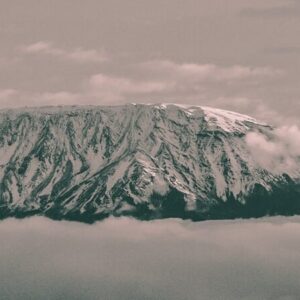
Uhuru Peak is the highest summit of Mount Kilimanjaro and the tallest free-standing mountain peak in the world. The name “Uhuru” means “freedom” in Swahili, symbolizing Tanzania’s independence and the triumph of reaching Africa’s rooftop. As the ultimate destination for Kilimanjaro climbers, Uhuru Peak offers unmatched scenic beauty, including ice fields, volcanic landscapes, and stunning sunrise views. Travelers often search for “Kilimanjaro summit facts,” “Africa’s highest peak,” and “Uhuru Peak altitude,” making it a highly ranked travel keyword. Whether you are a beginner trekker or an experienced mountaineer, the summit is achievable with proper preparation. This iconic destination is part of Kilimanjaro National Park, a UNESCO World Heritage Site, and remains one of the most sought-after adventure travel experiences in Africa.
Uhuru Peak Altitude and Geography
Standing at 5,895 meters above sea level, Uhuru Peak dominates the Kibo crater, the highest of Kilimanjaro’s three volcanic cones. Its extreme altitude makes it a top search topic for “high-altitude trekking,” “Kilimanjaro elevation,” and “mountain climbing in Africa.” The terrain includes alpine desert, arctic summit zones, and glacial remnants, offering a diverse ecological journey. Climbers pass through multiple climate zones—from rainforest to snow-capped summit—within days. The geography of Uhuru Peak is both challenging and rewarding, with steep inclines and thin air requiring acclimatization. Understanding the mountain’s structure helps trekkers plan better routes and increase summit success rates. This unique geographical formation is a major reason why Kilimanjaro climbing tours are among the most popular adventure holidays globally.
Best Time to Climb Uhuru Peak
Choosing the best time to climb Uhuru Peak is essential for a successful Kilimanjaro expedition. The most popular months are January to March and June to October, offering clear skies, moderate temperatures, and higher summit success rates. These periods align with peak search queries like “best time to climb Kilimanjaro” and “Kilimanjaro weather guide.” During the dry seasons, trails are safer, and visibility is excellent, enhancing the overall trekking experience. However, climbers seeking fewer crowds may prefer the shoulder seasons. Avoid the long rainy season from March to May for safer climbs. Understanding seasonal patterns ensures better preparation, improved safety, and a more enjoyable journey to Africa’s highest peak.
Popular Routes to Uhuru Peak
Several routes lead to Uhuru Peak, each offering unique scenery, difficulty levels, and success rates. Popular routes include Machame, Marangu, Lemosho, Rongai, and Umbwe—frequently searched as “best Kilimanjaro routes.” The Machame Route is known for scenic beauty, while the Marangu Route offers hut accommodations. Lemosho is favored for high success rates and gradual acclimatization. Choosing the right route depends on budget, fitness level, and travel goals. Longer routes increase summit success by allowing better altitude adjustment. Professional tour operators often recommend routes that balance comfort, safety, and experience. Selecting the ideal route is crucial for maximizing your chances of reaching Uhuru Peak successfully.
Kilimanjaro Climbing Costs
Climbing Uhuru Peak involves various costs, making “Kilimanjaro climb cost” a highly searched keyword. Prices range from budget packages to luxury expeditions, typically between $1,950 and $6,000+. Costs include park fees, guides, porters, meals, and accommodation. Premium tours offer enhanced comfort, better equipment, and higher success rates. Budget climbs may be cheaper, but you can compromise on services. Transparent pricing and ethical treatment of porters are essential when choosing a tour operator. Understanding costs helps travelers plan effectively and avoid hidden fees. Investing in a reputable company ensures safety, quality service, and a memorable summit experience.
Physical Fitness and Preparation
Reaching Uhuru Peak requires good physical fitness and mental determination. Training for Kilimanjaro includes cardio workouts, strength training, and hiking practice. Keywords like “Kilimanjaro training plan” and “how to prepare for Kilimanjaro” dominate search trends. Trekkers should focus on endurance, stamina, and altitude readiness. Regular hikes, stair climbing, and aerobic exercises improve performance. Mental preparation is equally important, as summit night can be challenging. Preparing in advance significantly increases your chances of success and ensures a safer, more enjoyable climb to Uhuru Peak.
Altitude Sickness and Safety
Climbing to Uhuru Peak on Mount Kilimanjaro exposes trekkers to high-altitude conditions, making altitude sickness a serious consideration for any Tanzania safari and Kilimanjaro climbing itinerary. At 5,895 meters, symptoms like headaches, nausea, and fatigue can occur, so proper acclimatization is essential. Top-ranking Kilimanjaro safety tips include choosing longer routes, staying hydrated, and following the “pole pole” (slowly, slowly) approach. Reputable Kilimanjaro tour operators provide trained guides, oxygen tanks, and daily health checks to ensure climber safety. Travel insurance covering high-altitude trekking is highly recommended. Understanding AMS, HAPE, and HACE risks is vital for a safe summit attempt. With expert guidance and preparation, most climbers safely reach Uhuru Peak and enjoy a life-changing African adventure travel experience.
Packing List for Uhuru Peak
A well-prepared Kilimanjaro packing list is key to reaching Uhuru Peak successfully. Essential gear for Mount Kilimanjaro climbing includes thermal base layers, waterproof jackets, insulated gloves, and high-quality hiking boots. Temperatures at the summit can drop below -20°C, so proper layering is critical for extreme cold weather conditions. Popular “Kilimanjaro gear list,” “high-altitude trekking equipment,” and “best hiking gear for Africa” highlight the importance of preparation. Don’t forget a headlamp for summit night, trekking poles for stability, and a sleeping bag rated for sub-zero temperatures. Hydration packs, sunscreen, and energy snacks are also must-haves. Many Kilimanjaro tour companies offer equipment rental options. Packing smart ensures comfort, safety, and a higher summit success rate on your Tanzania adventure.
Summit Night Experience
The summit night on Uhuru Peak is the most challenging yet rewarding part of any Kilimanjaro climb. Starting around midnight, climbers ascend in darkness under a sky filled with stars, guided by headlamps and experienced guides. This final push to the highest point in Africa tests endurance, determination, and mental strength. “Kilimanjaro summit night,” “Uhuru Peak sunrise,” and “Africa trekking adventure” capture this unforgettable experience. As dawn breaks, the breathtaking sunrise over glaciers and clouds creates a magical moment. Reaching Uhuru Peak at sunrise is a bucket-list achievement, often accompanied by emotional celebrations. Despite freezing temperatures and fatigue, the summit night defines the Kilimanjaro experience and leaves climbers with lifelong memories.
Wildlife and Scenery
Although Mount Kilimanjaro National Park is famous for its summit, the journey to Uhuru Peak offers diverse wildlife and stunning scenery. From lush rainforest to alpine desert and icy glaciers, Kilimanjaro’s ecological zones are among the most unique in Africa. Trekkers may spot colobus monkeys, blue monkeys, and exotic bird species in the lower slopes. “Kilimanjaro landscapes,” “Africa mountain ecosystems,” and “wildlife trekking in Tanzania” highlight this diversity. Giant lobelias, senecios, and volcanic rock formations add to the dramatic scenery. As climbers ascend, the environment transforms into a surreal, lunar-like terrain. This combination of wildlife, vegetation, and panoramic views makes Kilimanjaro not just a climb, but a complete nature and safari-style experience in Tanzania.
Cultural Significance
Uhuru Peak is not only the highest point in Africa but also a symbol of freedom and unity in Tanzania. The name “Uhuru,” meaning freedom in Swahili, reflects the country’s independence and national pride. Located on Mount Kilimanjaro, this iconic summit holds deep cultural importance for local communities, including the Chagga people who live on its slopes. “Kilimanjaro cultural heritage,” “African identity,” and “Tanzania history tourism” emphasize its significance. Climbers often learn about local traditions, food, and customs during their journey. Many tour operators incorporate cultural experiences, such as village visits and coffee tours. Reaching Uhuru Peak is not just a physical achievement but also a connection to Tanzania’s rich cultural heritage and history.
Success Rates and Tips
Reaching Uhuru Peak successfully depends on preparation, route choice, and physical fitness. Kilimanjaro success rates vary between 65% and 90%, depending on the route and duration. Longer routes like Lemosho and Northern Circuit offer better acclimatization and higher success rates. Popular “Kilimanjaro success rate,” “best route Kilimanjaro,” and “how to reach Uhuru Peak.” Training with cardio, strength exercises, and hiking practice improves endurance. Hiring experienced guides and choosing reputable tour operators significantly increases your chances. Hydration, nutrition, and a positive mindset are essential during the climb. Avoid rushing the ascent and listen to your body. With proper planning and expert support, summiting Uhuru Peak becomes an achievable goal for many adventure travelers visiting Tanzania.
Luxury vs Budget Climbs
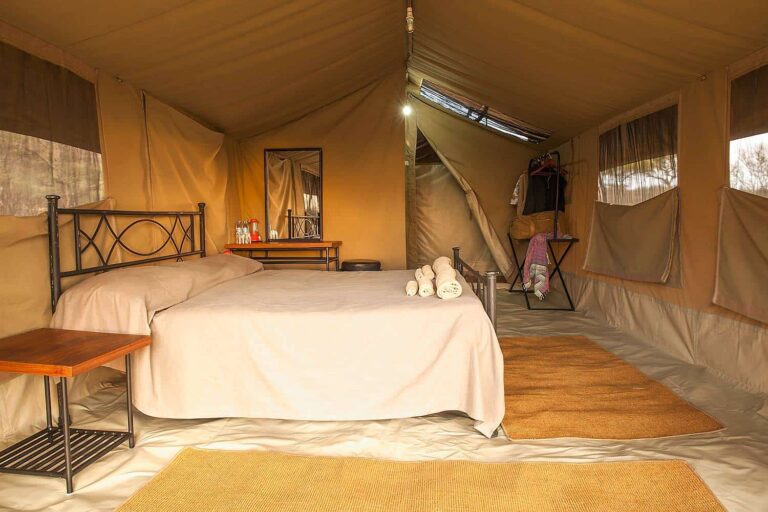
Climbing Uhuru Peak can be tailored to different travel styles, from budget Kilimanjaro climbs to luxury trekking experiences. Budget options focus on affordability, offering basic camping, shared equipment, and standard meals. In contrast, luxury Kilimanjaro tours provide spacious tents, gourmet meals, private guides, and enhanced comfort. “luxury Kilimanjaro climb,” “budget trekking Tanzania,” and “Kilimanjaro tour packages” are highly searched by travelers. Premium operators may include portable toilets, heated dining tents, and personalized services. Both options reach the same summit, but the experience differs in comfort and support. Choosing between luxury and budget depends on your preferences, fitness level, and budget. Regardless of style, reaching Uhuru Peak remains an unforgettable African adventure and lifetime achievement.
Combining Safari with Kilimanjaro
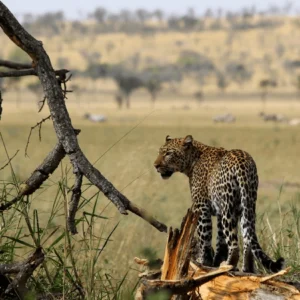
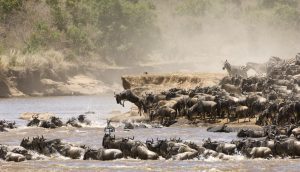
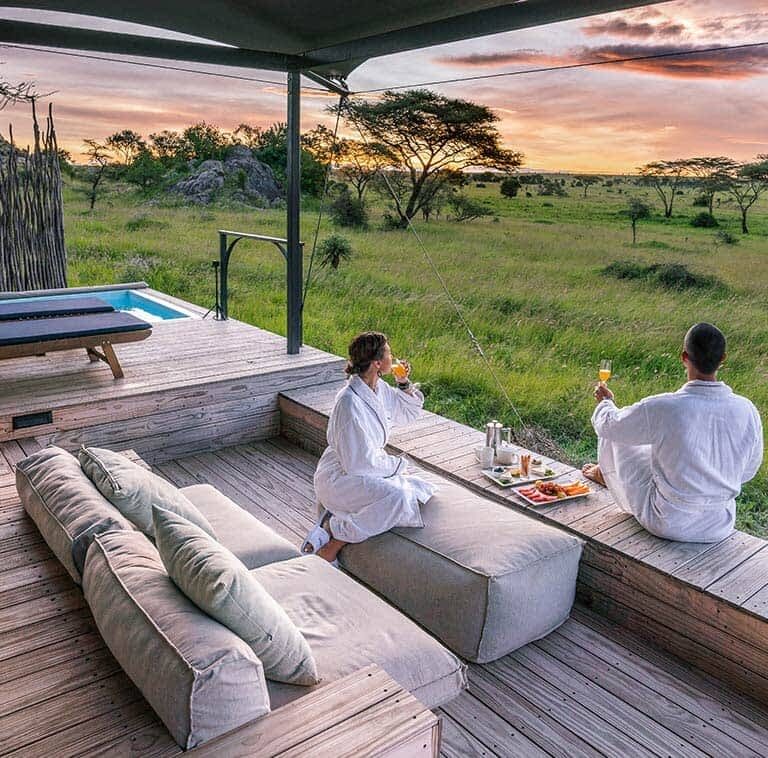
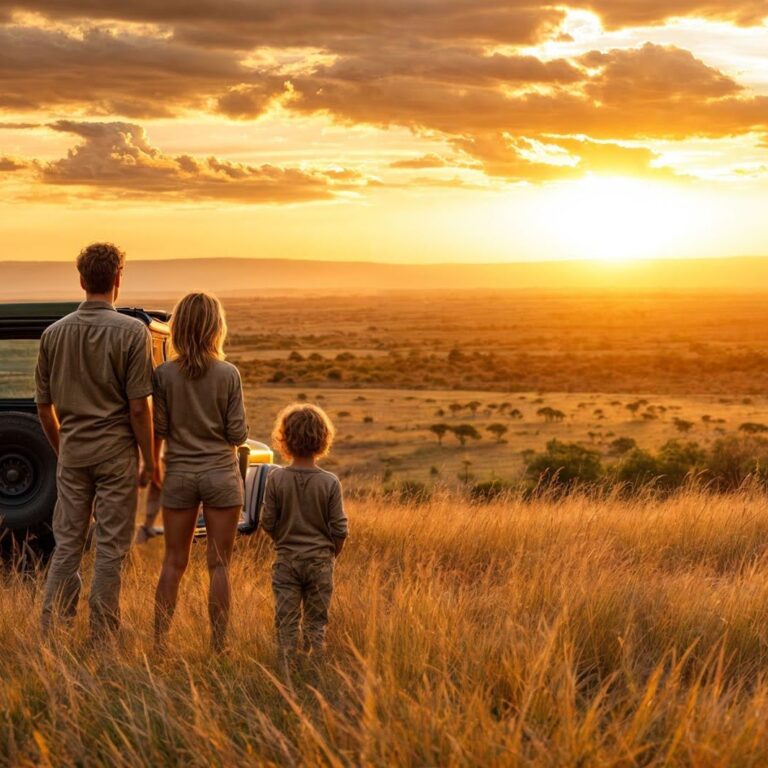
Many travelers combine their Uhuru Peak climb with a Tanzania safari for the ultimate African adventure. After conquering Mount Kilimanjaro, visitors often explore world-famous parks like Serengeti National Park and Ngorongoro Crater. This combination offers both mountain trekking and wildlife safari experiences in one itinerary. “Kilimanjaro and safari package,” “Tanzania travel itinerary,” and “African safari adventure” highlight its popularity. Safari tours provide opportunities to see the Big Five, the Great Migration, and breathtaking landscapes. Many tour operators offer customized packages from Arusha, Moshi, or Zanzibar. Combining Kilimanjaro climbing with a safari creates a well-rounded, once-in-a-lifetime journey through Tanzania’s natural wonders.
Photography Opportunities
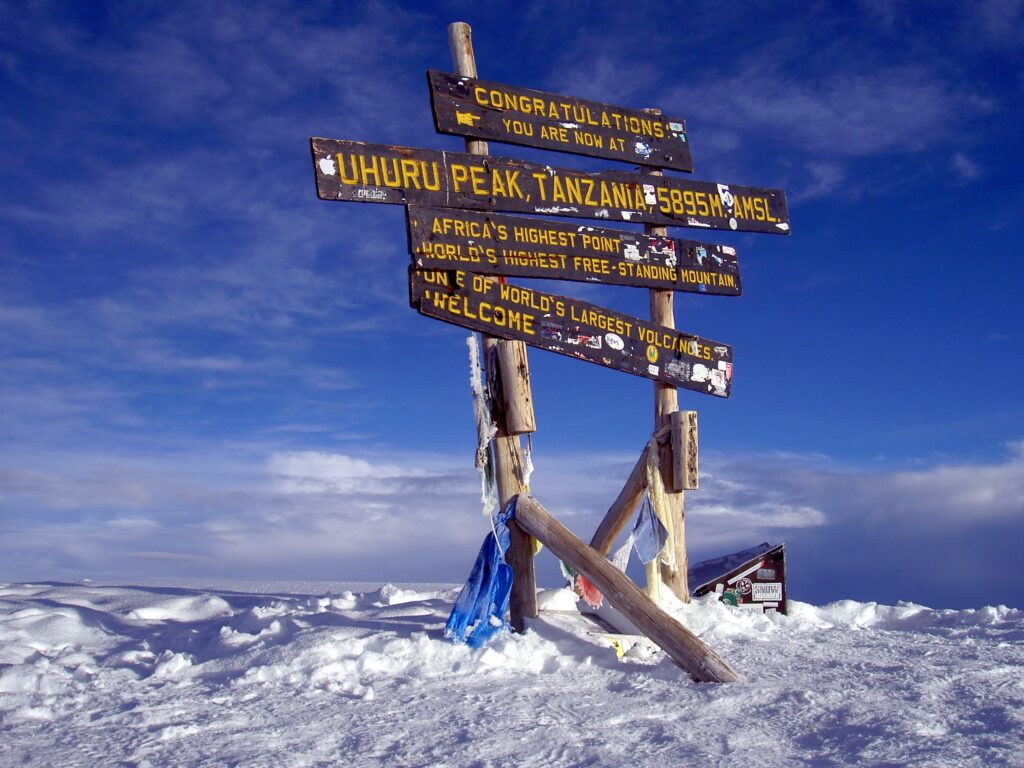
Uhuru Peak offers some of the best photography opportunities in Africa. From sunrise at the summit to glaciers and vast cloudscapes, every moment is picture-perfect. Climbers on Mount Kilimanjaro capture diverse landscapes, from rainforest to alpine desert. “Kilimanjaro photography,” “Uhuru Peak sunrise photos,” and “Africa travel photography” attract adventure photographers worldwide. The iconic summit sign is a must-capture moment, symbolizing achievement. Wildlife, unique plants, and panoramic views add variety to your shots. A good camera, extra batteries, and weather protection are essential due to cold conditions. Whether using a smartphone or professional gear, Kilimanjaro provides endless opportunities for stunning, share-worthy images that inspire future travelers.
Why Uhuru Peak is a Bucket List Destination
Uhuru Peak is one of the most sought-after bucket list destinations in the world. As the highest point in Africa, located on Mount Kilimanjaro, it attracts adventurers, hikers, and nature lovers globally. Keywords like “bucket list travel Africa,” “climb Kilimanjaro,” and “top adventure destinations” highlight its appeal. The journey to the summit offers physical challenge, breathtaking scenery, and cultural experiences. Unlike many high mountains, Kilimanjaro is a non-technical climb, making it accessible to a wide range of travelers. Reaching Uhuru Peak represents perseverance, achievement, and personal growth. It’s more than just a hike—it’s a transformative experience that leaves a lasting impact on every climber who stands at Africa’s roof.
Final Thought
Reaching Uhuru Peak is a defining moment for any traveler seeking adventure, achievement, and connection with nature. From preparation and safety to culture and scenery, every aspect of the journey contributes to an unforgettable experience. “Kilimanjaro climbing guide,” “Uhuru Peak Tanzania,” and “Africa adventure travel,” this iconic destination continues to inspire explorers worldwide. Whether combined with a safari or experienced as a standalone trek, Kilimanjaro offers unmatched beauty and challenge. Standing at Uhuru Peak is not just about reaching the summit—it’s about embracing the journey, pushing limits, and discovering the true spirit of adventure in Tanzania.