Things You Must Do To Make It Up Kilimanjaro
Things You Must Do To Make It Up Kilimanjaro
Discover the ultimate climbing Mount Kilimanjaro is one of the most rewarding trekking adventures in Africa and a bucket-list experience for hikers worldwide. Standing as Africa’s highest peak, Kilimanjaro offers breathtaking scenery, diverse ecological zones, and the ultimate challenge of reaching Uhuru Peak. To successfully make it up Kilimanjaro, climbers must prepare physically, mentally, and logistically. From choosing the right Kilimanjaro trekking routes such as Machame, Lemosho, Marangu, Rongai, or Umbwe, to understanding altitude sickness prevention and proper acclimatization, every detail matters. With the right Kilimanjaro climbing guide, equipment, and preparation strategy, your summit success rate increases significantly. This article explores essential things you must do to make it up Kilimanjaro safely, successfully, and enjoyably while maximizing your chances of reaching the roof of Africa with expert planning and thorough preparation strategies today.
Physical Training and Fitness Prep
Before attempting to climb Mount Kilimanjaro, building strong physical fitness is essential for a successful summit. Trekking at high altitude requires endurance, stamina, and cardiovascular strength. Focus on aerobic exercises such as running, cycling, hiking, and stair climbing to prepare your body for long trekking days. Strength training for legs, core, and back also improves stability on steep and rocky terrain. Many things you must do to make it up Kilimanjaro climbers underestimate the importance of preparation, yet fitness significantly increases your chances of reaching Uhuru Peak. Train at least 8 to 12 weeks before your Kilimanjaro trekking adventure, gradually increasing intensity and hiking with a weighted backpack. Proper conditioning also helps reduce fatigue and altitude stress. Good fitness is one of the most important things you must do to make it up Kilimanjaro safely and confidently every time.
Choose the Right Kilimanjaro Route
Choosing the right Kilimanjaro trekking route is one of the most important decisions for summit success. Popular routes such as Machame, Lemosho, Marangu, Rongai, and Umbwe offer different difficulty levels, scenery, and acclimatization opportunities. Lemosho and Machame are highly recommended for higher success rates due to better altitude adjustment profiles. Marangu is considered easier but has lower summit success because of rapid ascent. Longer routes allow better acclimatization, reducing the risk of altitude sickness. Selecting the right route should depend on your fitness level, experience, budget, and available days for trekking. Most successful climbers prefer longer itineraries of 7 to 9 days for better adaptation. Understanding route differences is one of the key things you must do to make it up Kilimanjaro successfully for safer and stronger summit success rate.
Altitude Sickness Prevention
Altitude sickness prevention is critical when climbing Mount Kilimanjaro because the summit reaches extreme elevation. Symptoms such as headache, nausea, dizziness, and fatigue can affect climbers who ascend too quickly. To reduce risk, follow the climb high, sleep low principle and choose longer trekking routes for gradual acclimatization. Hydration is essential, so drink plenty of water daily and avoid alcohol or smoking during the climb. Some climbers use altitude medication like acetazolamide under medical advice. Listening to your body and ascending slowly significantly improves your chances of reaching Uhuru Peak safely. Proper acclimatization is one of the most important things you must do to make it up Kilimanjaro successfully and enjoy the trekking experience without severe altitude-related complications with patience, preparation, hydration, and gradual ascent every single day focus.
Best Time to Climb Kilimanjaro
The best time to climb Mount Kilimanjaro is during the dry seasons when weather conditions are stable and trekking trails are less slippery. The most recommended months are January to March and June to October, offering clear skies and higher summit success rates. During these periods, visibility is excellent, making the Kilimanjaro trekking experience more enjoyable and scenic. The rainy seasons, especially April, May, and November, bring heavy rainfall, muddy paths, and reduced visibility, which can make climbing more challenging. Choosing the right season improves safety, comfort, and overall success on your journey to Uhuru Peak. Proper timing is one of the key things you must do to make it up Kilimanjaro safely and increase your chances of a successful summit for optimal safety, visibility, and trekking performance success rates.
Kilimanjaro Packing List Essentials
Packing the right gear for Mount Kilimanjaro is essential for comfort, safety, and summit success. A proper Kilimanjaro packing list includes layered clothing for changing weather, thermal jackets, waterproof outer shells, hiking boots, gloves, hats, and trekking poles. Climbers should also carry a quality sleeping bag rated for cold temperatures and a durable backpack for daily essentials. Other important items include sunscreen, sunglasses, headlamps, hydration systems, and energy snacks for long trekking days. Proper gear helps protect against cold temperatures, rain, and altitude conditions experienced on the mountain. Preparing well with the right equipment is one of the most important things you must do to make it up Kilimanjaro safely and comfortably while increasing your chances of reaching Uhuru Peak ensuring better acclimatization, warmth, and climbing efficiency on route success.
Hire a Professional Mount Kilimanjaro Guide
Hiring a professional Kilimanjaro guide is mandatory and significantly increases your chances of reaching the summit safely. Experienced guides understand mountain conditions, altitude sickness symptoms, emergency procedures, and the best pacing strategies for successful acclimatization. They also provide motivation, navigation, and daily trekking instructions throughout the climb. Choosing a reputable Kilimanjaro tour operator ensures you receive well-trained guides, porters, and support staff who follow safety standards and ethical trekking practices. Guides play a crucial role in monitoring your health and adjusting the climbing pace when necessary. This professional support system is one of the most important things you must do to make it up Kilimanjaro successfully and safely while improving your overall trekking experience with expert leadership, safety monitoring, and continuous support throughout the entire climb journey success rate.
Mount Kilimanjaro Acclimatization Strategy
Proper acclimatization strategy is vital for a successful Kilimanjaro climb, as it allows your body to adapt gradually to decreasing oxygen levels. Climbers should follow slow ascent schedules, rest adequately, and avoid rushing the journey to Uhuru Peak. Taking acclimatization hikes during the day and sleeping at lower elevations helps the body adjust effectively. Many successful climbers choose longer routes such as Lemosho or Machame for better acclimatization profiles. Staying hydrated, eating well, and listening to your body’s signals are essential for preventing altitude-related complications. A strong acclimatization plan is one of the key things you must do to make it up Kilimanjaro safely and improve summit success rates significantly through patience, proper pacing, hydration, rest, and consistent monitoring of altitude response every day for optimal summit success results.
Mount Kilimanjaro Food and Hydration
Nutrition and hydration play a major role in determining success on Mount Kilimanjaro. Climbers need high-energy, balanced meals rich in carbohydrates, proteins, and healthy fats to sustain long trekking days. Eating properly helps maintain energy levels, supports muscle recovery, and reduces fatigue at high altitude. Hydration is equally important, as dehydration increases the risk of altitude sickness and slows acclimatization. Climbers should aim to drink at least three to four liters of water daily while avoiding alcohol and excessive caffeine. Snacks like nuts, energy bars, and dried fruits provide quick energy boosts during hikes. Proper nutrition and hydration habits are essential things you must do to make it up Kilimanjaro safely and successfully while maintaining endurance throughout the climb supporting stamina, recovery, and optimal performance at high altitude levels consistently.
Mount Kilimanjaro Mental Preparation
Mental preparation is just as important as physical fitness when climbing Mount Kilimanjaro. The journey to Uhuru Peak is long, challenging, and mentally demanding due to altitude, fatigue, and changing weather conditions. Climbers must stay positive, patient, and focused throughout the expedition. Developing mental resilience helps you push through difficult moments, especially during summit night when temperatures drop and oxygen levels are low. Visualization techniques, motivation, and strong determination significantly improve summit success rates. Understanding that slow progress is normal helps reduce frustration during the trek. Mental strength is one of the key things you must do to make it up Kilimanjaro safely and successfully while enjoying the adventure experience with focus, confidence, endurance, and the ability to overcome altitude-related challenges step by step toward summit success goal achieving.
Follow Guide Instructions and Pace Yourself
Following guide instructions and maintaining a steady pace is essential for successfully climbing Mount Kilimanjaro. Trekking too fast increases the risk of altitude sickness and reduces summit success chances. Professional guides set a slow, consistent rhythm known as pole pole, a Swahili phrase meaning slowly slowly, which helps climbers conserve energy and adapt to altitude changes. Listening carefully to your guide ensures safety, proper acclimatization, and efficient energy use throughout the climb. It is important to take breaks, hydrate regularly, and avoid overexertion during the trek. Trusting your guide’s expertise is one of the key things you must do to make it up Kilimanjaro safely and successfully while improving your overall trekking experience with discipline, teamwork, patience, and respect for mountain safety protocols at all times during every stage consistently.
Mount Kilimanjaro Permits and Logistics
Securing the proper permits and organizing logistics is a crucial step before climbing Mount Kilimanjaro. All climbers are required to obtain official park permits, usually arranged through licensed Kilimanjaro tour operators. These permits cover park entry fees, camping or hut fees, rescue fees, and conservation charges. Proper planning also includes arranging transportation from Kilimanjaro International Airport to the trailhead, accommodation before and after the trek, and equipment rentals if needed. Working with a reputable tour operator simplifies the entire process and ensures compliance with Tanzania National Parks regulations. Good logistical planning reduces stress and allows climbers to focus on the adventure. Organizing permits and logistics is one of the key things you must do to make it up Kilimanjaro safely and smoothly for seamless travel and expedition success planning phase.
Mount Kilimanjaro Summit Night Preparation
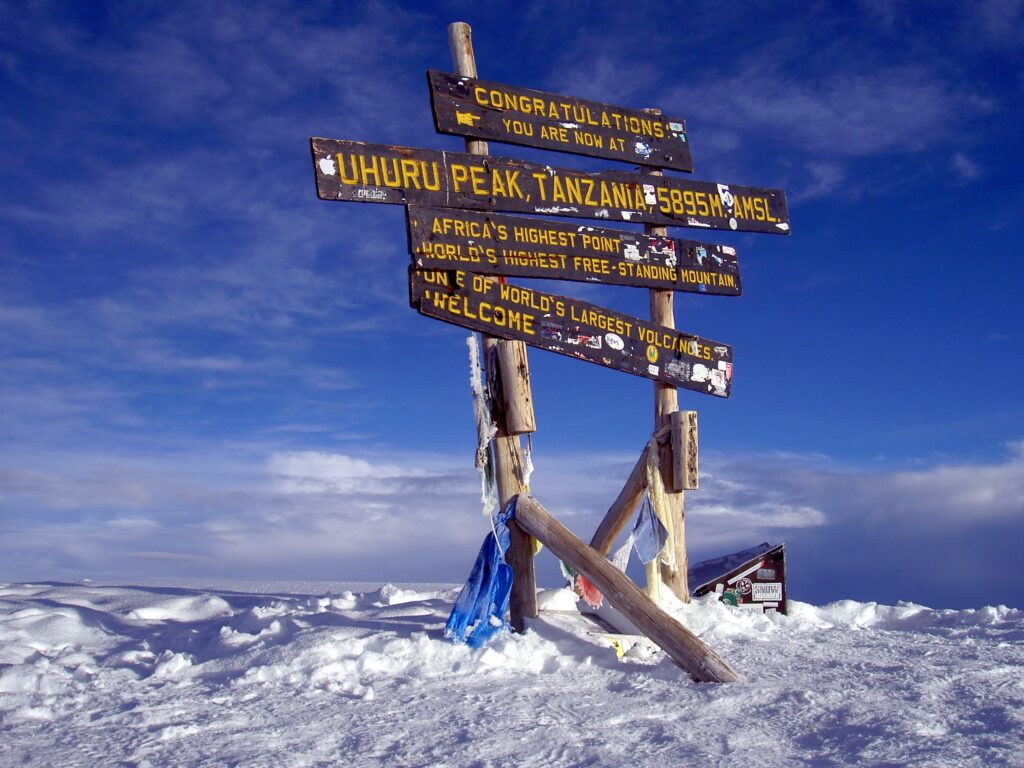
Summit night on Mount Kilimanjaro is the most challenging part of the climb, requiring strong determination and careful preparation. Climbers typically begin the final ascent at midnight to reach Uhuru Peak at sunrise. Cold temperatures, low oxygen levels, and steep terrain make this section extremely demanding. Proper clothing layers, headlamps, and steady pacing are essential for success. Mental focus and endurance are critical during these final hours. Hydration and small energy snacks help maintain strength throughout the ascent. Listening to your guide and maintaining a slow, steady rhythm increases summit success chances. Preparing well for summit night is one of the most important things you must do to make it up Kilimanjaro successfully and achieve the ultimate goal with resilience, preparation, teamwork, and strong mental endurance under pressure conditions success.
Mount Kilimanjaro Safety Tips
Safety should always be the top priority when climbing Mount Kilimanjaro. Climbers must follow all guide instructions, monitor their health, and report any symptoms of altitude sickness immediately. Carrying proper gear, staying hydrated, and maintaining a slow pace significantly reduces risks during the trek. Avoiding alcohol, smoking, and overexertion helps protect the body at high altitude. Travel insurance and emergency evacuation coverage are also strongly recommended for all climbers. Staying within designated routes and respecting park regulations ensures both personal safety and environmental protection. Being well-prepared and cautious is one of the key things you must do to make it up Kilimanjaro safely and successfully while minimizing risks during your adventure with awareness, discipline, preparation, and strict adherence to safety guidelines from professional mountain guides at every stage always follow.
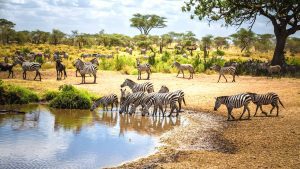
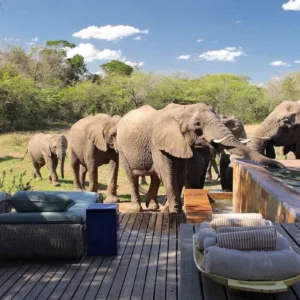
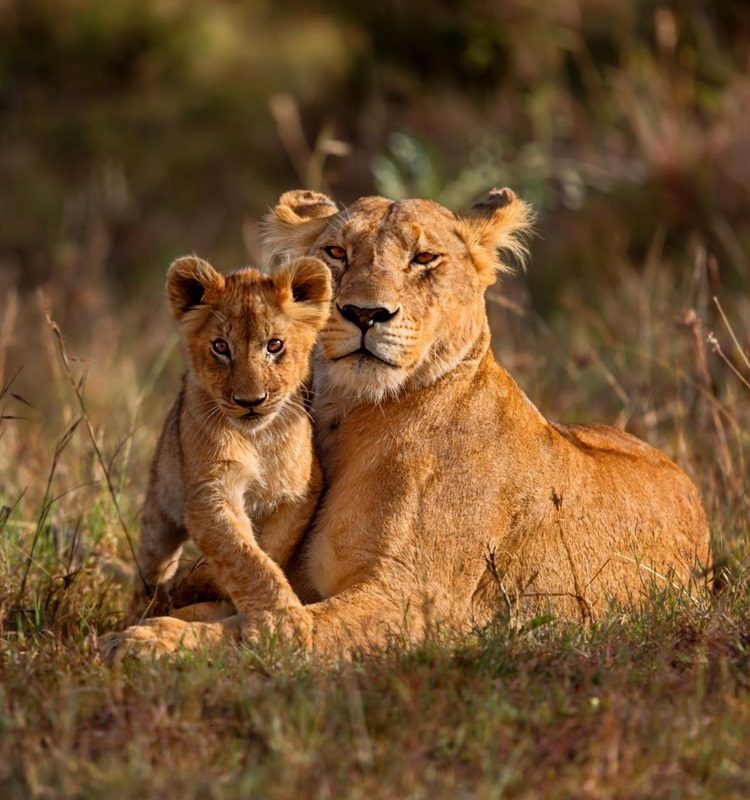
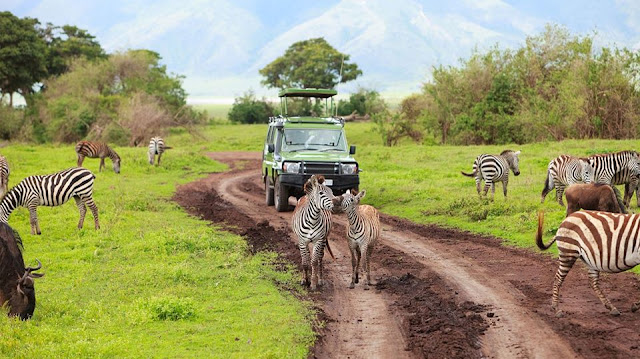
Approach, feed or disturb wildlife, or leave the vehicle unless your guide says it is safe.
Follow your guide, carry travel insurance and check current health and travel advice.
Final Thought
Final success in making it up Kilimanjaro successfully depends on preparation, discipline, and determination. The journey to Uhuru Peak is not just a physical challenge but also a mental and emotional adventure that tests your endurance at every step. By following the right training plan, choosing proper routes, acclimatizing correctly, and respecting mountain safety guidelines, every climber can significantly increase their chances of reaching the summit. Kilimanjaro rewards patience, consistency, and resilience more than speed. With proper guidance and preparation, the dream of standing on the roof of Africa becomes achievable for many trekkers around the world. Success on Kilimanjaro is built on preparation, teamwork, and respect for the mountain environment with patience, planning, physical readiness, and strong determination to reach summit goals successfully today every single time possible attempt.
Things You Must Do To Make It Up Kilimanjaro: FAQs
What can you expect from physical training and fitness Prep for things you must do to make it up Kilimanjaro?
Before attempting to climb Mount Kilimanjaro, building strong physical fitness is essential for a successful summit. Trekking at high altitude requires endurance, stamina, and cardiovascular strength. Focus on aerobic exercises such as running, cycling, hiking, and stair climbing to prepare your body for long trekking days.
What is Choose the Right Kilimanjaro Route like?
Choosing the right Kilimanjaro trekking route is one of the most important decisions for summit success. Popular routes such as Machame, Lemosho, Marangu, Rongai, and Umbwe offer different difficulty levels, scenery, and acclimatization opportunities. Lemosho and Machame are highly recommended for higher success rates due to better altitude adjustment profiles.
What should you know about altitude sickness prevention for things you must do to make it up Kilimanjaro?
Altitude sickness prevention is critical when climbing Mount Kilimanjaro because the summit reaches extreme elevation. Symptoms such as headache, nausea, dizziness, and fatigue can affect climbers who ascend too quickly. To reduce risk, follow the climb high, sleep low principle and choose longer trekking routes for gradual acclimatization.
What are the best time to climb Kilimanjaro?
The best time to climb Mount Kilimanjaro is during the dry seasons when weather conditions are stable and trekking trails are less slippery. The most recommended months are January to March and June to October, offering clear skies and higher summit success rates. During these periods, visibility is excellent, making the Kilimanjaro trekking experience more enjoyable and scenic.
What can you expect from Kilimanjaro packing list essentials?
Packing the right gear for Mount Kilimanjaro is essential for comfort, safety, and summit success. A proper Kilimanjaro packing list includes layered clothing for changing weather, thermal jackets, waterproof outer shells, hiking boots, gloves, hats, and trekking poles. Climbers should also carry a quality sleeping bag rated for cold temperatures and a durable backpack for daily essentials.
What should you know about hire a professional Mount Kilimanjaro guide?
Hiring a professional Kilimanjaro guide is mandatory and significantly increases your chances of reaching the summit safely. Experienced guides understand mountain conditions, altitude sickness symptoms, emergency procedures, and the best pacing strategies for successful acclimatization. They also provide motivation, navigation, and daily trekking instructions throughout the climb.
What can you expect from Mount Kilimanjaro acclimatization strategy?
Proper acclimatization strategy is vital for a successful Kilimanjaro climb, as it allows your body to adapt gradually to decreasing oxygen levels. Climbers should follow slow ascent schedules, rest adequately, and avoid rushing the journey to Uhuru Peak. Taking acclimatization hikes during the day and sleeping at lower elevations helps the body adjust effectively.
What should you know about Mount Kilimanjaro Food and hydration?
Nutrition and hydration play a major role in determining success on Mount Kilimanjaro. Climbers need high-energy, balanced meals rich in carbohydrates, proteins, and healthy fats to sustain long trekking days. Eating properly helps maintain energy levels, supports muscle recovery, and reduces fatigue at high altitude.
Climb Kilimanjaro With Confidence
Tell us your dates and fitness, and our experienced mountain team will plan a safe, well-acclimatized private climb.