Tanzania Travel Guide for First-Time Travelers
Tanzania Travel Guide for First-Time Travelers
Tanzania is one of Africa’s most iconic travel destinations, offering world‑class wildlife safaris, stunning landscapes, pristine Zanzibar beaches, and unforgettable cultural experiences. For first‑time travelers planning a Tanzania trip, this comprehensive travel guide introduces the country’s top attractions, including Serengeti National Park, Ngorongoro Crater, Mount Kilimanjaro, and the spice islands of Zanzibar. Tanzania tourism continues to grow thanks to its remarkable biodiversity, the Great Wildebeest Migration, luxury safari lodges, and warm Swahili culture. With adventure travel, beach relaxation, and cultural tours all in one country, it’s essential to prepare smartly with the right Tanzania travel tips, packing lists, and itinerary ideas. Whether you’re dreaming of sunset safaris, snorkeling coral reefs, or climbing Africa’s highest peak, this guide helps you plan an unforgettable Tanzania vacation.
Essential Planning and Logistics
Before traveling to Tanzania, book well‑rated wildlife safari packages and Zanzibar beach resorts 6–12 months ahead. Check visa requirements for obtaining an e-visa ($50–$100) for your nationality and ensure your passport is valid for at least six months. Malaria prevention and travel vaccines are recommended — consult your travel doctor. Plan on 4x4 vehicles for safaris and local SIM cards for connectivity. Pack lightweight clothing, sunscreen, comfortable walking shoes, and binoculars for game drives. Domestic flights are common for internal travel between parks and islands, so book flight reservations in advance. Budget for park fees, tipping guides, and local SIM cards. For first‑time travelers, hiring licensed guides improves safety and cultural understanding.
- ArushaGateway
- TarangireElephants
- NgorongoroCrater
- SerengetiBig Five
- ZanzibarBeach
Best Time to Visit
The best time to visit Tanzania depends on your priorities—whether you want to witness the Great Wildebeest Migration, hike Mount Kilimanjaro, enjoy Zanzibar beaches, or take scenic Tanzania safaris. Tanzania has two primary seasons: the dry season (June to October) and the wet season (November to May). The dry months bring cooler weather and easier wildlife viewing in parks like Serengeti, Tarangire, and Ngorongoro Crater. For Zanzibar beach holidays and diving, the calmer seas of June to September are ideal. However, the wet season offers lush landscapes, fewer tourists, and lower Tanzania travel costs. If your goal is to see the migration river crossings, target June–July for the Grumeti River and July–October for the Mara River. Always check regional weather patterns and plan your safari and beach stays around your interests.
Visa and Entry
Most international travelers require a visa for Tanzania to enter the country. Tanzania offers visas on arrival for many nationalities, as well as e‑visa applications online before travel, which can save time at the airport. Ensure your passport is valid for at least six months from your arrival date. Some travelers also need proof of onward travel and yellow fever vaccination certification, especially if coming from infected areas. It’s crucial to check the latest Tanzania entry requirements with your embassy or the official Tanzania immigration website, as policies can change. Top entry points include Julius Nyerere International Airport (Dar es Salaam), Kilimanjaro International Airport (for safari travelers), and Abeid Amani Karume International Airport (Zanzibar). Prepare all travel documents ahead of time to start your Tanzania safari or beach holiday without delays.
Health and Safety
Health and safety should be top priorities when traveling in Tanzania. Consult a travel clinic before departure to get recommended vaccinations such as yellow fever, hepatitis A and B, and typhoid. Malaria prevention is essential in many Tanzania safari regions, including northern parks and Zanzibar; bring antimalarial medication and use mosquito repellent. Carry a basic first‑aid kit and pack sunscreen, insect repellent, and any personal prescriptions. Safety in Tanzania is generally good in major tourism hubs, but practice standard travel safety: keep valuables secure, stay aware of surroundings, and use reputable transport services. For safari activities, listen to professional guides, follow park rules, and maintain safe distances from wildlife. Register with your local embassy if recommended, and always have travel insurance covering medical evacuation and adventure activities like climbing Kilimanjaro or snorkeling.
Approach, feed or disturb wildlife, or leave the vehicle unless your guide says it is safe.
Follow your guide, carry travel insurance and check current health and travel advice.
Currency
The official currency in Tanzania is the Tanzanian Shilling (TZS), though US dollars are widely accepted in many lodges, tour operations, and beachfront resorts in Zanzibar. ATMs are available in major cities like Dar es Salaam and Arusha, but may be limited near parks and rural areas. Bring a mix of cash and cards; many national parks, safari lodges, and hotels accept credit cards, but rural guesthouses often prefer cash. Always carry small denominations for tipping guides, paying for local crafts, or roadside snacks. It’s wise to exchange currency at banks or reputable exchange bureaus rather than at hotels for better rates. Travelers should also inform their bank of travel plans to avoid blocked cards. Understanding Tanzania's currency and budgeting ahead keeps your safari or beach adventure smooth and stress‑free.
Hire a Reputable Tanzania Tour Operator
One of the smartest Tanzania travel tips for first‑time visitors is to hire a reputable Tanzania tour operator. A professional operator provides safe transportation, expert safari guides, park permits, comfortable accommodations, and seamless logistics from arrival to departure. With so many travel companies claiming to offer the best Tanzania safaris or Zanzibar tours, careful research and reviews matter. Look for operators accredited by recognized tourism bodies, with strong TripAdvisor or Google reviews and transparent pricing. A quality operator can tailor your itinerary to match interests—wildlife photography, family safari, luxury lodge, cultural experiences, or honeymoon packages. They handle internal flights, park fees, and dietary needs, freeing you to enjoy the Serengeti, Ngorongoro, and Zanzibar without stress. Partnering with a trusted operator enhances safety, satisfaction, and the overall value of your Tanzania adventure.
Cultural and Local Experiences
Tanzania offers vibrant cultural experiences that enrich any safari or beach getaway. The country is home to dozens of tribes, including the Maasai, Hadzabe, and Chaga, each with unique traditions, music, dance, and crafts. Visit local villages to learn about traditional lifestyles, artisanal work, and Swahili hospitality. Dar es Salaam’s markets and Stone Town in Zanzibar are excellent places to explore history, spice tours, and local cuisine like freshly grilled seafood and ugali. Engaging respectfully with communities enhances your understanding of Tanzanian culture and supports local economies. Attend cultural performances, participate in cooking classes, or shop for handmade souvenirs and fabrics. Respect local customs and dress codes, especially in rural areas and religious sites. These immersive experiences bring depth to your travels beyond wildlife and scenery, creating lifelong memories of authentic Tanzania.
Costs and Budget Expectations
Travel costs in Tanzania vary widely based on your travel style—budget, mid‑range, or luxury. Budget travelers will find guesthouses, public transport, and group safari packages to be cost‑effective. Mid‑range travelers enjoy comfortable lodges, private guides, and domestic flights to parks or Zanzibar. High‑end safari lodges, luxury tented camps, and private excursions elevate the experience but increase the cost. Key expenses include park fees, vehicle hire, accommodations, meals, and internal flights between parks or to Zanzibar. Zanzibar beachfront resorts or diving excursions add another budget layer. Planning and booking in advance often unlocks better rates. Remember to factor in tips for guides, park rangers, and hotel staff, as gratuities are customary. Understanding Tanzania costs helps you build a realistic travel budget while maximizing experiences from safari to beach.
- Accommodation
- Meals
- Park fees
- Vehicle & guide
- Transfers
- International flights
- Visas
- Travel insurance
- Tips
- Premium drinks
How to Get to Tanzania
Getting to Tanzania is straightforward with international flights landing at major airports. Julius Nyerere International Airport (DAR) in Dar es Salaam serves many global carriers from Europe, the Middle East, and Africa. Kilimanjaro International Airport (JRO) is ideal for travelers heading directly to northern safari circuits like Serengeti, Tarangire, and Ngorongoro Crater. If your focus is Zanzibar beaches, fly into Abeid Amani Karume International Airport (ZNZ). There are also internal flights connecting these airports, making travel across regions efficient. Some adventurous travelers arrive by bus or private transfer from neighboring Kenya, Uganda, or Rwanda. For Zanzibar, ferries and short flights from Dar es Salaam offer convenient options. Booking flights early and choosing reliable carriers ensures smoother travel into Tanzania, setting the stage for a seamless safari, cultural journey, or beach holiday.
Top Experiences for Tanzania First-Time Travelers
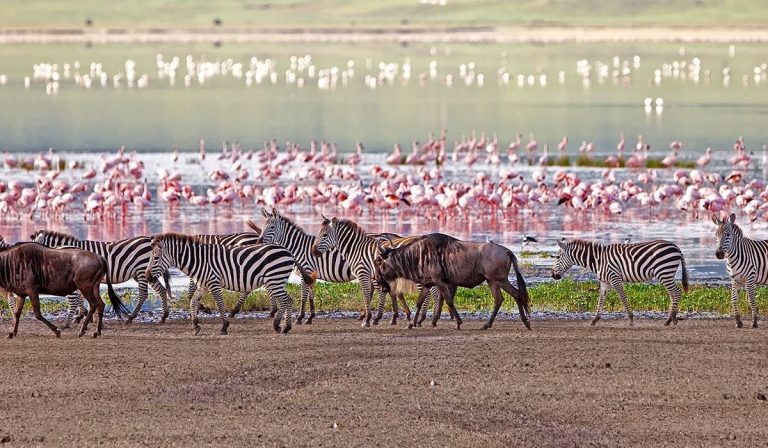
First‑time visitors to Tanzania will fall in love with African safari wildlife tours that showcase lions, elephants, giraffes, and more. Witnessing the Great Wildebeest Migration in the Serengeti is a must‑see natural phenomenon. In Zanzibar, enjoy snorkeling and diving tours at Mnemba Atoll, spice farm tours, and sunset dhow cruises. Cultural experiences like visiting Maasai villages, local markets, and traditional dance enrich your journey. Hiking Mount Kilimanjaro or spotting flamingos at Lake Natron offers unforgettable adventure. Safe, guided Tanzania tour packages make each experience easy and memorable for first‑time travelers.
Northern Circuit Safari
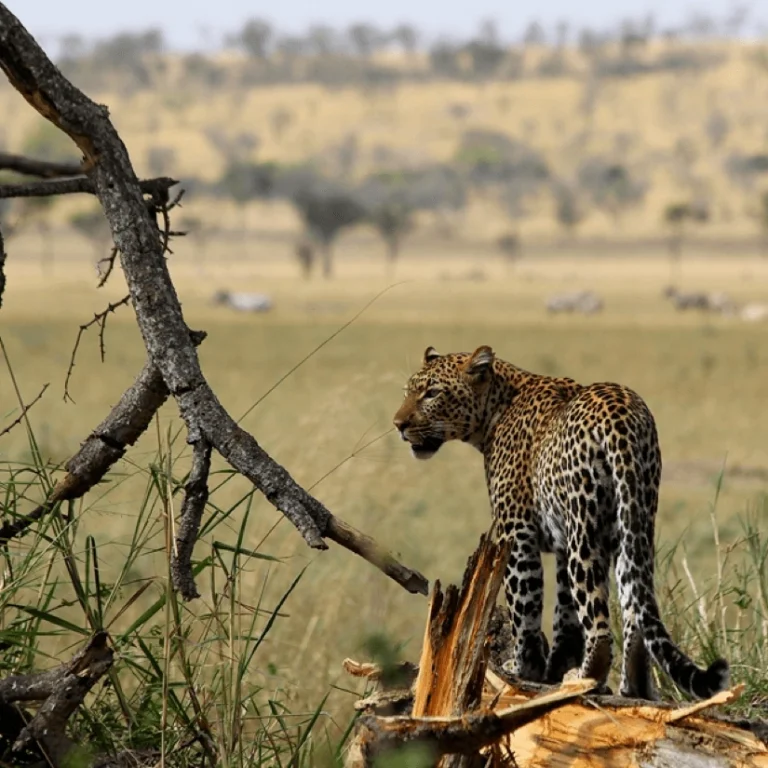
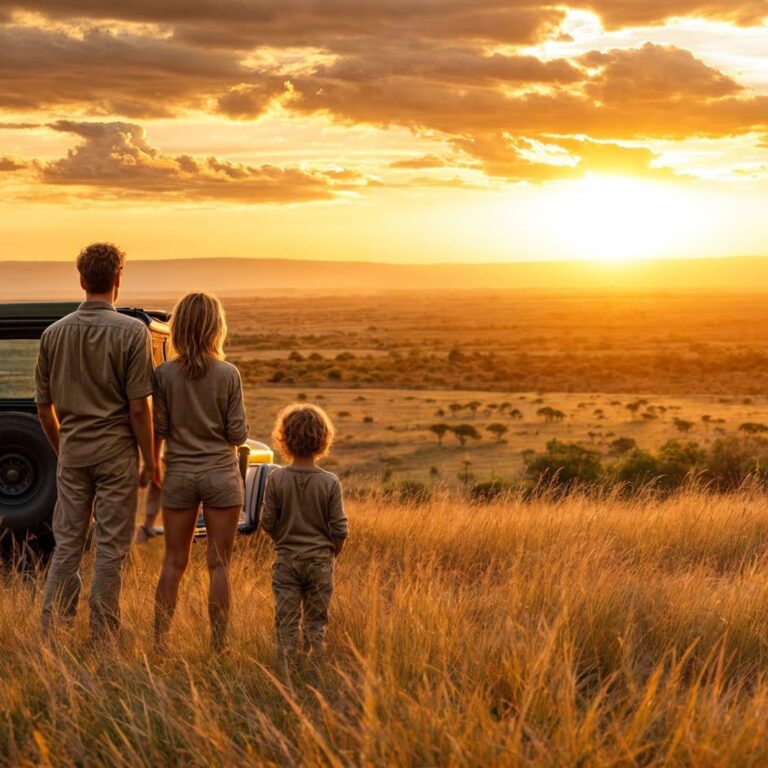
A Northern Circuit safari in Tanzania is the ultimate African wildlife experience. First-time travelers can explore iconic national parks like Serengeti National Park, Ngorongoro Crater, and Tarangire National Park on a guided game drive. Expect thrilling sightings of lions, elephants, leopards, cheetahs, zebras, and wildebeest during the Great Migration. A Northern Circuit adventure blends stunning landscapes with cultural visits to Maasai villages, unforgettable sunsets over the savannah, and professional safari guides. For many visitors, a Tanzania safari tops the list of bucket list holidays—perfect for wildlife photography, family travel, and nature lovers seeking authentic African adventure.
Zanzibar
Zanzibar is a tropical paradise with pristine white sand beaches, crystal clear turquoise water, and a rich cultural history. First-time visitors love Stone Town, a UNESCO World Heritage Site filled with winding alleyways, spice markets, and ancient architecture. Zanzibar beaches such as Nungwi and Kendwa offer world-class snorkeling, diving, and sunset dhow cruises. A beach extension after a Tanzania safari is ideal for relaxation and luxury resorts on the Indian Ocean. Zanzibar travel also features spice tours, Swahili culture, and seafood cuisine. Whether honeymooning, backpacking, or seeking family fun, Zanzibar delivers unforgettable seaside experiences in East Africa.
Mount Kilimanjaro
Climbing Mount Kilimanjaro is one of Tanzania’s most iconic adventures. As Africa’s highest peak at 5,895 meters, Kilimanjaro offers achievable trekking routes for first-time climbers, such as Machame, Marangu, and Lemosho. Hikers pass through lush rainforest, heathland, alpine desert, before reaching the famous summit, Uhuru Peak, at sunrise. A Kilimanjaro trek rewards adventurers with breathtaking views, physical challenge, and cultural encounters with the Chagga people around Moshi town. Proper acclimatization and guidance from experienced mountain guides make this bucket list climb safe and memorable. Kilimanjaro trekking combines fitness, wildlife scenery, and unforgettable achievement for travelers seeking a high-altitude journey.
Tanzania First-Time Travel Tips
Planning your first trip to Tanzania? Start with smart Tanzania travel tips to make the most of your adventure. Pack light breathable clothing, strong sunscreen, and comfortable walking shoes for safari days, beach time in Zanzibar, and hikes up Mt. Kilimanjaro. Book your Tanzania visa ahead of time and check vaccination requirements like yellow fever and malaria prevention. Always carry local Tanzanian shillings (TZS) for markets and small purchases. Respect local culture by dressing modestly outside beach areas, and use bottled water to stay healthy. These tips help ensure a smooth, unforgettable first‑time Tanzania travel experience.
Dress Code
When planning a Tanzania trip, understanding local dress codes enhances respect and comfort. In urban areas like Arusha and Dar es Salaam, casual wear is widely accepted, but modesty is appreciated, especially in rural villages and places of worship. On safari, choose lightweight, neutral colored clothing to blend with nature and reduce heat absorption. For Zanzibar’s beaches, swimwear is perfect at resorts, but cover-ups or sarongs are expected in towns and Stone Town. Comfortable walking shoes, hats, and sunglasses are essential. Respecting local customs and dressing appropriately ensures positive interactions and a smoother travel experience in Tanzania.
Safari Packing
Packing smart for a Tanzania safari improves comfort and adventure. Bring lightweight clothing in neutral colors, long sleeves for mosquito protection, a hat, sunglasses, and sturdy walking shoes. Don’t forget sunscreen, insect repellent, a reusable water bottle, and a high-quality camera or binoculars for wildlife spotting. A small daypack helps carry essentials while on game drives. For evenings, pack layers as temperatures can drop in highland parks like Ngorongoro. Check airline baggage limits for light packing. Proper safari gear ensures you’re ready for early morning drives, bush meals, and stunning photo opportunities across Tanzania’s premier wildlife destinations.
Tipping
Tipping in Tanzania is customary and appreciated by local guides, drivers, hotel staff, and safari crews. While not mandatory, tipping shows gratitude for excellent service after a safari or guided tour. A general guideline is to tip safari guides and drivers at the end of your trip, and smaller amounts for lodge staff, porters, and restaurant servers. For example, a daily tip for the safari crew might be pooled and shared. In Zanzibar and city restaurants, tipping around 10% is common. Always carry small notes in local currency (Tanzanian shillings or USD) to make tipping easy and respectful.
Safety
Tanzania is a friendly and welcoming destination, but practicing safety awareness makes travel smoother. Stay hydrated, especially on safaris and hikes, and protect yourself from sun exposure with hats and sunscreen. For urban areas and markets, keep valuables secure and be mindful of your surroundings. Use licensed guides and reputable tour companies for safaris, Kilimanjaro treks, and boat trips in Zanzibar. Follow health recommendations like anti-malaria precautions and up-to-date vaccinations before travel. Emergency services may be limited in remote parks, so travel insurance with medical evacuation coverage is strongly advised. Safe planning ensures an unforgettable and worry-free Tanzanian adventure.
Where to Go for Tanzania First-Time Travelers
Tanzania is a bucket‑list destination that first‑time travelers must explore. Start with Serengeti National Park safari tours, famous for the Great Migration wildlife experience and big cats. Don’t miss the Ngorongoro Crater safari, one of the best places in Africa to view the “Big Five.” Head to Zanzibar island for white‑sand beaches, turquoise water, and Stone Town cultural tours. Mount Kilimanjaro trekking remains a top adventure — especially the Marangu or Machame routes. For varied scenery and wildlife, include Tarangire National Park and Lake Manyara National Park in your Tanzania itinerary planning.
Arusha/Moshi
Arusha and Moshi are key bases for exploring northern Tanzania. Arusha, often called the safari capital, offers easy access to Tarangire, Lake Manyara, and Arusha National Parks. Bustling markets, cultural tours, and coffee plantations showcase local life. Moshi, a charming town beneath Mount Kilimanjaro, is the gateway for trekking adventures. Both towns have a range of accommodations, restaurants, and tour operators specializing in safaris, hikes, and cultural experiences. Arusha and Moshi cater to first-time travelers with convenient airports, reliable transportation, and services to launch unforgettable East African journeys, from wildlife safaris to mountain climbing.
Stone Town, Zanzibar
Stone Town is the heart of Zanzibar’s history and culture. A UNESCO World Heritage Site, its labyrinthine streets reveal spice markets, ancient forts, and coral stone architecture. Enjoy Swahili cuisine, dhow sailing trips, and local artisan crafts. Walking tours uncover centuries of Arab, Persian, Indian, and European influences that shaped the island. Stone Town is also a hub for nightlife, seafood dinners, and cultural storytelling. A stay here blends history, beach relaxation, and island charm. Close to peaceful beaches and key ferry links, Stone Town is an essential stop for first-time travelers seeking authentic Zanzibar experiences on Tanzania vacations.
Ruaha National Park
For a truly off-the-beaten-path wildlife experience, Ruaha National Park in southern Tanzania dazzles with vast landscapes and rich biodiversity. It’s one of Tanzania’s largest parks, known for elephants, big cats, wild dogs, giraffes, and diverse birdlife. Ruaha’s rugged terrain and quiet wilderness offer immersive safaris far from crowds, perfect for travelers seeking authenticity and solitude. Game drives, walking safaris, and seasonal river views reveal dramatic scenery. Accommodations range from luxury lodges to mobile camps. Ruaha National Park is a hidden gem that rewards adventurers who want untouched nature, spectacular wildlife encounters, and a deep connection to Tanzania’s wild heart.
Final Thought
Tanzania is a top destination for first‑time travelers seeking unmatched wildlife, rich culture, pristine beaches, and outdoor adventure. With thoughtful planning—understanding the best time to visit, visa requirements, health and safety precautions, costs, and how to get around—you’re well‑positioned for an extraordinary journey. From witnessing the epic Great Wildebeest Migration to relaxing on Zanzibar’s turquoise shores or summiting Kilimanjaro, Tanzania offers experiences that stay with you forever. Hiring a reputable Tanzania tour operator and embracing local culture enriches every moment of your trip. By combining smart budgeting, practical planning, and cultural respect, your first Tanzania travel adventure becomes a transformative and unforgettable experience.
Tanzania Travel Guide for First-Time Travelers: FAQs
What is the Great Migration?
The Great Migration is the year-round movement of more than a million wildebeest, with zebras and gazelles, around the Serengeti ecosystem in search of fresh grazing. Calving takes place in the southern Serengeti from January to March, the herds move west around June and July, and dramatic Mara River crossings occur in the north from about August to October.
Do I need a visa to visit Tanzania?
Most visitors need a visa to enter Tanzania, which many nationalities can apply for online before travel or obtain on arrival. Requirements depend on your nationality and can change, so always check official immigration information well before departure. Make sure your passport is valid for at least six months and has blank pages.
What vaccinations do I need for Tanzania?
Vaccination requirements depend on your health, itinerary and travel history. A yellow fever certificate may be required if you arrive from a country with yellow fever risk. Speak to a travel health professional several weeks before departure about recommended vaccinations and malaria prevention, and carry any personal medication in your hand luggage.
What is the best time to go on safari in Tanzania?
The dry season from June to October is the most popular time, with excellent wildlife viewing as animals gather near water. January and February are ideal for the Serengeti calving season, while the green season from March to May brings lush scenery, fewer visitors and lower prices. Tanzania offers rewarding safaris all year, so plan around the experiences you value most.
How many days should a Tanzania safari be?
Most first-time visitors spend five to seven days on safari, enough to explore Tarangire, the Ngorongoro Crater and the Serengeti without rushing. Eight to ten days allows more time in the Serengeti or a visit to Lake Manyara, while adding three to five days in Zanzibar creates a relaxing bush-and-beach holiday.
Is a private safari better than a shared safari?
A private safari gives you your own vehicle and guide, flexible game-drive times and the freedom to stay as long as you like at sightings. It is ideal for families, couples and photographers. Shared safaris can cost less, but schedules are fixed and you travel with other guests. For comfort and flexibility, a private tailor-made safari is usually the best choice.
Can I see the Big Five in Tanzania?
Yes, Tanzania is one of the best countries to see the Big Five: lion, leopard, elephant, buffalo and rhino. The Ngorongoro Crater offers a strong chance of seeing all five in a single day, including the rare black rhino, while the Serengeti is famous for big cats and Tarangire for large elephant herds. Sightings are never guaranteed.
Is Tanzania safe for a safari?
Tanzania is generally regarded as one of Africa’s safest safari destinations when you travel with a reputable operator. Follow your guide’s instructions, stay in the vehicle during game drives and never approach wildlife. Keep valuables secure in towns, check current travel advice before departure and carry comprehensive travel insurance for peace of mind.
Plan Your Private Tanzania Safari
Tell us your travel dates, interests and budget, and our local team will design a private tailor-made safari around you.