Tanzania in November
Tanzania in November
and authentic East African safari in November in Tanzania for family, honeymoon/romantic couples, and solo travelers, which is a "shoulder" or low season, marking the start of the short rains (locally known as vuli), which bring brief afternoon showers and lush green landscapes. Temperatures are warm, ranging from 18°C to 30°C (64°F–86°F), offering excellent, less-crowded safari viewing, particularly in the northern parks for birding and early calving, at lower rates. November is one of Tanzania’s most underrated months for travel, both budget, mid-range, luxury, and VIP safari trips. As the short rains begin, the landscapes turn vibrant green, wildlife remains active, and tourist numbers drop significantly.
This period—often called the “green season” or “emerald season”—offers an authentic East African safari experience with fewer crowds, excellent photography opportunities, and more affordable African Safari prices compared to peak months. If you are planning a safari, beach holiday, or adventure trip, here is a complete guide to Tanzania in November, covering weather, travel tips, where to go, and the best Tanzania safari experiences.
Why Visit Tanzania in November
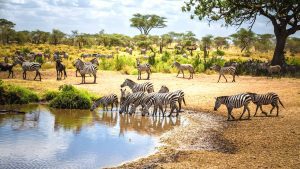
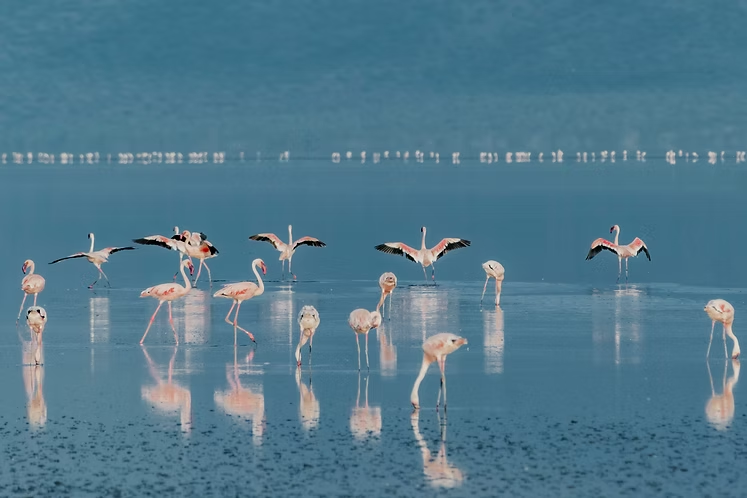
Visiting Tanzania in November offers a unique safari experience during the short-rain season, often called mvua za vuli. The landscape transforms into lush green plains, rivers refill, and wildlife becomes especially active. In famous parks like Serengeti National Park, Ngorongoro Crater, and Tarangire National Park, animals gather around fresh grazing areas, creating fantastic game-viewing opportunities with fewer visitors around. November is also excellent for birdwatchers because migratory birds begin arriving from Europe and Asia, filling wetlands and forests with vibrant colors.
Photographers love this time as the dramatic skies, green landscapes, and soft light create stunning safari images. Travelers who prefer a quieter and more relaxed safari will appreciate the low-season atmosphere. Lodges often offer attractive discounts, allowing visitors to enjoy luxury safari experiences at lower prices. Whether you want thrilling wildlife encounters, peaceful landscapes, or great travel value, Tanzania in November delivers a rewarding and memorable African safari adventure.
Tanzania in November: Travel Tips
Traveling to Tanzania in November requires a little planning, but the rewards are exceptional. Because it is the short rainy season, showers usually occur in brief afternoon bursts rather than all-day storms. Planning morning and late-afternoon game drives helps maximize wildlife viewing before the rain arrives. Booking a safari with experienced local operators ensures smooth travel between parks such as Serengeti National Park, Lake Manyara National Park, and Tarangire National Park. Roads can occasionally become muddy, so 4x4 safari vehicles are essential. Domestic flights are also a convenient way to travel between distant parks.
It is wise to carry waterproof bags for cameras and electronics, as well as lightweight rain jackets. Mosquito repellent is also important due to increased moisture. Travelers should consider combining a wildlife safari with a relaxing beach escape on Zanzibar Island, where warm tropical weather makes for perfect post-safari relaxation. With flexible plans and the right preparation, November becomes one of Tanzania’s most enjoyable months for adventure and discovery.
Tanzania Weather in November
The weather in Tanzania during November marks the beginning of the short rainy season, known locally as vuli. Rainfall typically arrives in short afternoon showers, while mornings are often sunny and ideal for wildlife safaris. Temperatures remain warm and comfortable across most regions of the country. In northern safari areas such as Serengeti National Park, Ngorongoro Conservation Area, and Tarangire National Park, daytime temperatures usually range between 24–29°C (75–84°F). Nights and early mornings can be cooler, especially at higher elevations around the Ngorongoro Highlands.
Along the coast, destinations like Zanzibar Island remain warm and humid, with temperatures around 28–31°C (82–88°F). Rainfall is generally light and scattered, rarely disrupting travel plans for long. The refreshing rain brings greener landscapes, blooming plants, and clear air, making the scenery particularly beautiful. For photographers and nature lovers, November’s mix of sunshine, dramatic clouds, and vibrant greenery creates some of the most picturesque safari settings of the year.
Crowds & Costs – Tanzania in November
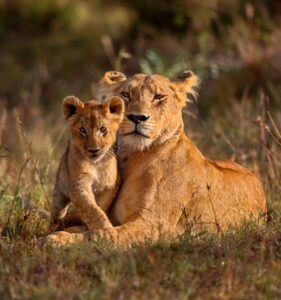
November is considered part of the shoulder or low travel season in Tanzania, which means fewer tourists compared to the peak months of July through October. Popular parks like Serengeti National Park and Ngorongoro Crater are noticeably quieter, allowing travelers to enjoy game drives without large numbers of safari vehicles around wildlife sightings. This quieter period often leads to more intimate safari experiences. Visitors can spend longer observing animals such as elephants, lions, and giraffes without feeling rushed or crowded. The relaxed atmosphere also makes it easier to secure preferred lodges and camps.
Another advantage is reduced travel costs. Many Tanzania safari lodges and tour operators offer discounted rates during November, sometimes lowering prices by 20–40 percent compared to peak season. Even luxury accommodations may provide special offers. For travelers seeking excellent wildlife viewing, peaceful landscapes, and more affordable safari packages, November represents one of the best value months to explore Tanzania’s famous wildlife destinations.
- Accommodation
- Meals
- Park fees
- Vehicle & guide
- Transfers
- International flights
- Visas
- Travel insurance
- Tips
- Premium drinks
Where to Go – Tanzania in November
November is an excellent time to explore many of the iconic destinations across Tanzania. The vast plains of Serengeti National Park remain a top choice, where wildlife disperses across green landscapes and predators actively hunt among large herds of herbivores. Another must-visit destination is the breathtaking Ngorongoro Crater, often called Africa’s “Garden of Eden.” The crater floor supports year-round wildlife, making it one of the most reliable locations for spotting the Big Five in a single day. For elephant lovers, Tarangire National Park offers impressive herds alongside towering baobab trees and scenic river valleys. Meanwhile, Lake Manyara National Park becomes vibrant with birdlife during this season. Travelers looking for relaxation after safari adventures can head to Zanzibar Island, where turquoise waters, white-sand beaches, and historic Stone Town provide the perfect tropical escape. Together, these destinations create a well-rounded November travel itinerary.
- ArushaGateway
- TarangireElephants
- NgorongoroCrater
- SerengetiBig Five
- ZanzibarBeach
What to Do – Tanzania in November
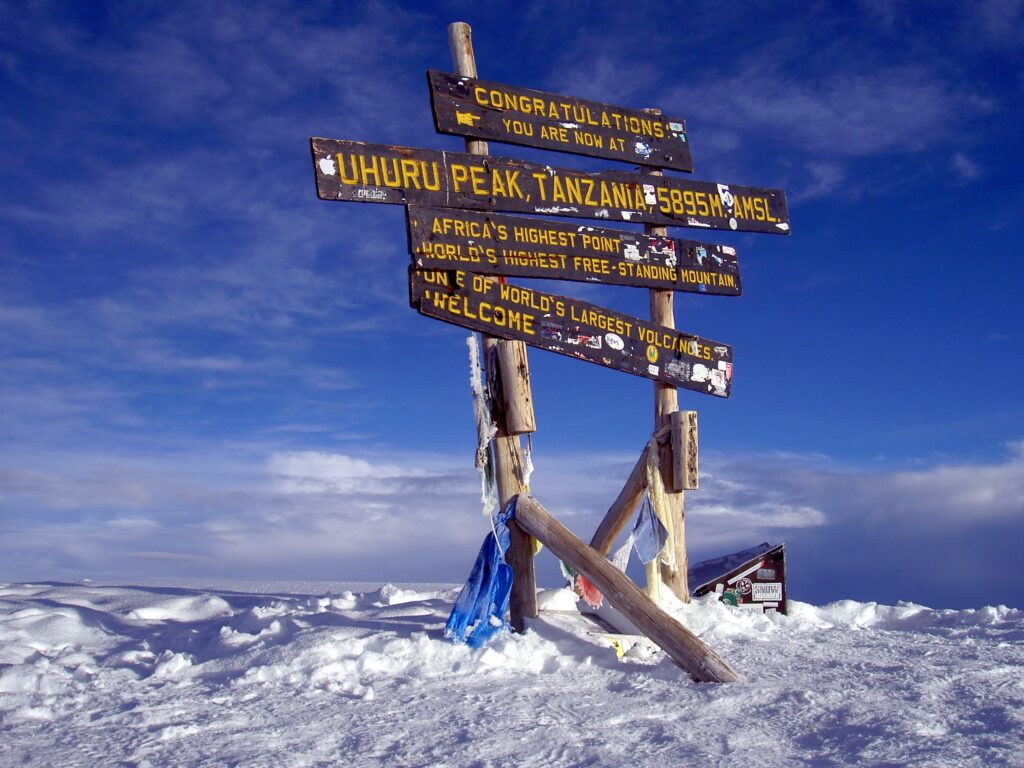
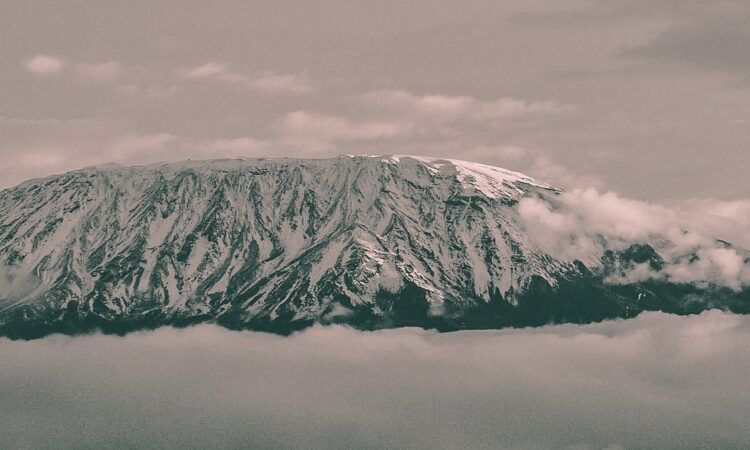
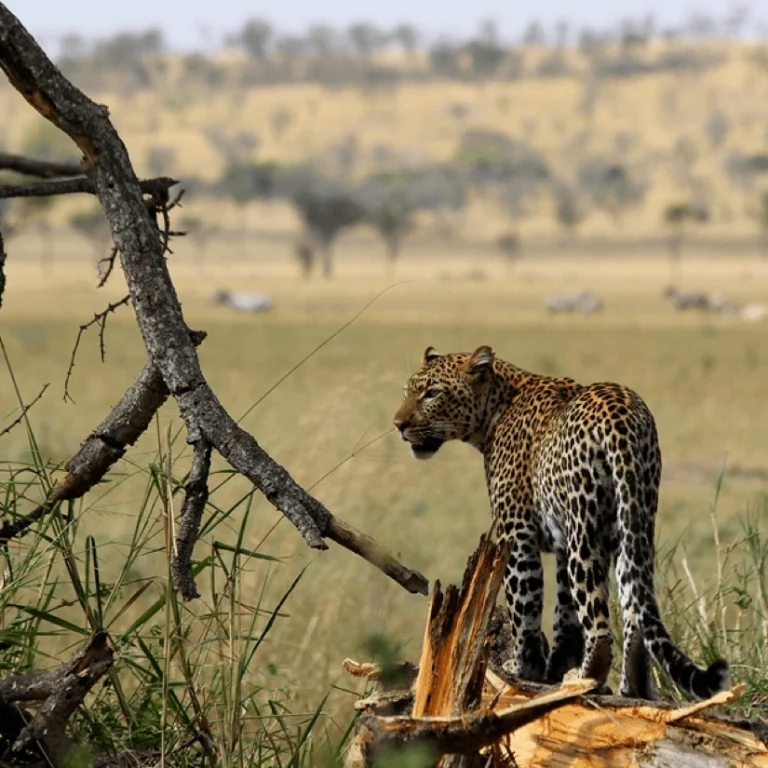
November offers many exciting activities across Tanzania, especially for travelers seeking both wildlife and cultural experiences. The most popular activity remains classic game drives in parks such as Serengeti National Park, Tarangire National Park, and Ngorongoro Crater, where visitors can spot lions, elephants, buffalo, leopards, and rhinos. Birdwatching becomes exceptional in November as migratory species arrive, making wetlands and forests lively with color and sound. Photographic safaris are also rewarding because the green scenery and dramatic skies create spectacular backgrounds. Adventurous travelers may consider climbing Mount Kilimanjaro, Africa’s highest mountain, though some routes may experience light rainfall. Cultural visits to Maasai villages provide insight into traditional lifestyles and customs. After exploring the savannah, many visitors continue to Zanzibar Island for snorkeling, diving, and relaxing on pristine beaches. This combination of safari adventure and tropical relaxation makes November travel particularly appealing.
What to Bring – Tanzania in November
Packing wisely for a November trip to Tanzania ensures a comfortable safari experience during the short rainy season. Lightweight clothing in neutral colors such as khaki, beige, and olive is ideal for wildlife viewing in parks like Serengeti National Park and Tarangire National Park. A light waterproof jacket or poncho is essential for occasional rain showers. Comfortable walking shoes are useful for lodge grounds, nature walks, or exploring areas such as the Ngorongoro Conservation Area. Travelers should also pack sunscreen, sunglasses, and a wide-brim hat to protect against the strong equatorial sun. Binoculars and a good camera are highly recommended for wildlife sightings and photography. Mosquito repellent is important, particularly during evenings. For travelers visiting the coast or Zanzibar Island, swimsuits and light beachwear are essential. Bringing small waterproof bags for electronics and documents can also help protect belongings during sudden showers or boat trips.
Tanzania Accommodations in November
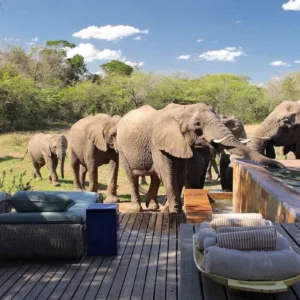
November offers a wide variety of accommodation options across Tanzania, ranging from budget lodges to luxurious safari camps. Because it falls within the shoulder season, travelers often find better availability and attractive rates compared to peak months. In wildlife destinations such as Serengeti National Park and Ngorongoro Conservation Area, travelers can stay in tented camps that bring them close to nature while still providing comfortable beds, excellent meals, and stunning views of the savannah. Many camps offer private decks where guests can watch wildlife passing nearby. Family-friendly lodges and boutique safari camps are also common in Tarangire National Park and Lake Manyara National Park. After safari adventures, visitors often choose beachfront resorts on Zanzibar Island for relaxation. Whether travelers prefer luxury, mid-range, or budget accommodation, November provides excellent opportunities to enjoy high-quality safari lodges with fewer crowds and competitive pricing.
Budget camping & lodges
Affordable, adventurous and close to nature.
Mid-range lodges & tented camps
Comfort, good food and convenient locations.
Luxury tented camps & lodges
Spacious suites, personal service and prime wildlife areas.
Exclusive-use camps & villas
Complete privacy, private guides and bespoke experiences.
Events – Tanzania in November
November in Tanzania may not host as many major festivals as other months, but visitors can still enjoy unique cultural experiences and local traditions. Many communities celebrate smaller cultural gatherings, markets, and music events that provide insight into Tanzanian daily life. Travelers exploring Zanzibar Island can experience the island’s rich Swahili culture through local food markets, historical walking tours in Stone Town, and traditional music performances. Cultural encounters with Maasai communities in areas near Ngorongoro Conservation Area also offer meaningful opportunities to learn about traditional lifestyles, crafts, and ceremonies. Wildlife itself becomes one of the most remarkable “events” of the season. In parks such as Serengeti National Park, the arrival of rain triggers movement among animals and creates lively ecosystems filled with birdlife and fresh vegetation. These authentic cultural and natural experiences make November an enriching time to explore Tanzania beyond typical tourist seasons.
When to Go in Tanzania in November
Timing your trip within November can enhance your safari experience in Tanzania. Early November often brings light rains that refresh the landscape but still allow excellent wildlife viewing. Many travelers find this period ideal because vegetation becomes greener while visitor numbers remain low. Mid-to-late November usually sees slightly more rainfall, though showers are typically short and scattered. Game drives remain rewarding in parks such as Serengeti National Park, Tarangire National Park, and Ngorongoro Crater, where wildlife continues to gather around fresh grazing areas and water sources. For beach lovers planning a safari and coast combination, Zanzibar Island maintains warm tropical weather throughout the month, making it a perfect extension to a mainland safari. Overall, traveling anytime in November offers peaceful parks, scenic landscapes, and attractive safari rates. Flexibility with daily plans ensures visitors enjoy the best conditions each day.
Tanzania in November Safaris & Tours
Safari tours across Tanzania in November provide exceptional opportunities for wildlife viewing combined with fewer tourists and competitive prices. Popular safari routes often include Tarangire National Park, Lake Manyara National Park, Serengeti National Park, and the spectacular Ngorongoro Crater. Many travelers choose private or tailor-made safaris that allow flexibility around weather conditions and wildlife movements. Fly-in safaris are also convenient for covering large distances quickly while enjoying aerial views of Tanzania’s vast landscapes. Family safaris, honeymoon adventures, and photographic tours are especially popular during this quieter season. Luxury lodges and tented camps often provide seasonal discounts, allowing visitors to experience premium safari accommodation at lower rates. Travelers frequently combine their wildlife safari with a beach holiday on Zanzibar Island, creating the perfect blend of adventure and relaxation. With beautiful scenery, rich wildlife, and fewer crowds, November safaris deliver unforgettable African travel experiences.
Final Thoughts
Tanzania in November offers a unique safari experience defined by lush landscapes, dramatic skies, and fewer tourists. While occasional short rains occur, they rarely disrupt travel plans and often enhance the beauty of the environment. Wildlife viewing remains excellent, migratory birds fill the skies, and safari lodges provide outstanding value during this quieter season. For travelers seeking authentic wilderness experiences, affordable luxury safaris, and breathtaking green scenery, November is one of the most rewarding months to explore Tanzania.
Tanzania in November: FAQs
Is November a good time to visit Tanzania for safari?
November can be a wonderful time to visit Tanzania for a safari, especially for travelers seeking fewer crowds and lush scenery. The short rains usually begin, refreshing the landscapes and turning parks like Serengeti National Park, Ngorongoro Crater, and Tarangire National Park beautifully green. Wildlife viewing remains excellent as animals stay active around fresh grazing areas and water sources. November is also fantastic for birdwatching, with migratory species arriving across the country.
What is the weather like in Tanzania in November?
In November, the weather in Tanzania marks the beginning of the short rainy season known locally as vuli. Temperatures remain warm, typically ranging between 24–30°C (75–86°F) during the day, with cooler evenings in highland areas such as Arusha and the Ngorongoro Highlands. Rain usually comes in short afternoon showers rather than prolonged storms, leaving plenty of sunshine for travel and wildlife viewing.
Does it rain a lot in Tanzania during November?
November in Tanzania marks the beginning of the “short rains” season, locally known as mvuli. Rainfall usually arrives in light to moderate showers, often in the late afternoon or evening, rather than constant all-day rain. Many days remain warm, sunny, and pleasant for travel. The landscape becomes greener, wildlife is still easy to see, and tourist crowds are smaller compared to peak dry-season months.
Which national parks are best to visit in November in Tanzania?
November is a wonderful time to explore Tanzania’s iconic wildlife destinations as the short rains refresh the landscapes and bring new life to the savannah. Top parks to visit include Serengeti National Park, where the Great Migration herds begin moving south toward the Ndutu plains. Ngorongoro Crater offers excellent year-round wildlife viewing, including the Big Five.
Is November a good month to visit Ngorongoro Crater?
Yes, November is a wonderful time to visit the Ngorongoro Crater. This month marks the short rains, transforming the landscape into lush green plains that attract abundant wildlife. The fresh vegetation supports large herds of zebras, wildebeest, and gazelles, while predators such as lions and hyenas remain active on the crater floor. Birdwatching is also exceptional, with many migratory species arriving.
How crowded are safaris in Tanzania in November?
Safaris in Tanzania during November are generally less crowded compared to the peak dry-season months of June through October. As the short rains begin, visitor numbers decrease slightly, creating a quieter and more relaxed safari experience in famous parks such as Serengeti National Park and Ngorongoro Crater. Wildlife viewing remains excellent, with lush green landscapes and newborn animals appearing across the plains.
Are Tanzania safari prices cheaper in November?
Yes, Tanzania safari prices are often cheaper in November, making it an excellent time for budget-conscious travelers. November falls within the short rainy season, which means fewer crowds and lower demand for lodges, camps, and tour packages. Many safari operators offer attractive discounts and special deals during this period.
Is November a good time to visit Zanzibar Island after a safari?
Yes—November can be a lovely time to visit Zanzibar Island after a Tanzania safari. This short “green season” brings brief tropical showers that refresh the landscape without usually disrupting beach time. Fewer crowds mean quieter shores, better hotel availability, and attractive travel deals. Warm temperatures, turquoise waters, and lush scenery make it ideal for relaxation after wildlife adventures in places like Serengeti National Park or Ngorongoro Crater.
What wildlife can you see in Tanzania in November?
In November, Tanzania’s wildlife viewing remains excellent as the short rains refresh the landscapes and attract animals to lush grazing areas. In the famous Serengeti National Park, vast herds of wildebeest and zebras begin moving south for the calving season, closely followed by predators such as lions, cheetahs, and hyenas. The wildlife-rich Ngorongoro Crater offers year-round sightings of the Big Five, including elephants, buffaloes, and the endangered black rhino.
Is November a good time to climb Kilimanjaro?
Climbing Mount Kilimanjaro in November can still be a rewarding experience for adventurous trekkers. Although it falls within the short rainy season, the mountain is far less crowded, offering a quieter and more personal climb. The landscapes are lush and green, with clearer air after occasional showers. Many climbers enjoy better lodge and guide availability and sometimes lower prices.
Plan Your Private Tanzania Safari
Tell us your travel dates, interests and budget, and our local team will design a private tailor-made safari around you.