Stone Town Tours and Activities
Stone Town Tours and Activities at a Glance
Introduction to Stone Town
Step off the ferry or plane in Zanzibar and you are immediately drawn into a different rhythm, with calls to prayer, the scent of cloves and cardamom, and the murmur of the Indian Ocean. At the heart of the island lies Stone Town, a UNESCO World Heritage Site shaped by centuries of Swahili, Arab, Indian and European influences. It is a maze of narrow alleys, bustling markets and intricately carved doors that tell stories of sultans, explorers and traders. Here history lives in coral stone walls and vibrant street life, making Stone Town an essential part of any Zanzibar holiday.
Why Visit Stone Town? A Tapestry of Time and Culture
Stone Town's appeal lies in its unique blend of past and present, where every corner reveals a new discovery and story. Its architecture is a captivating fusion of styles, with thick coral rag stone walls, multi-story buildings, verandas and, most famously, ornate carved wooden doors, often studded with brass. The town's history is equally rich and complex. It grew from a fishing village into the powerful capital of the Omani Sultanate and a hub for the spice and slave trades. Exploring its streets with a knowledgeable guide helps you understand how these layers of history shaped modern Zanzibar today.
A Cultural Melting Pot
Stone Town is a microcosm of Zanzibar's diverse heritage, where African, Arab, Indian and European cultures have coexisted and intertwined for centuries, creating a unique Swahili identity. This blend is visible in the town's food, music, language, clothing and architecture. Visiting is also a rich sensory experience in the best possible way. The aroma of spices and freshly brewed coffee, the chatter of vendors, the call to prayer and the vibrant colors of textiles combine to create an unforgettable atmosphere. Take your time, walk slowly and let the sights, sounds and smells of this historic town draw you in.
Key Tours & Activities: Historical Walking Tours
To truly unlock Stone Town's secrets, it's best explored on foot, ideally with a knowledgeable local guide who can bring its history and hidden gems to life.
Guided Walking Tour and House of Wonders
A guided walking tour is the best way to understand Stone Town's history and navigate its winding alleys. One highlight is the House of Wonders, or Beit al-Ajaib, once the ceremonial palace of Sultan Barghash. This grand building was the first in Zanzibar to have electricity and an elevator, which is how it earned its name. Part of the building collapsed in 2020, and it has since been undergoing extensive renovation. Even so, its imposing facade still speaks of its former grandeur, and your guide will explain its significance and the ongoing efforts to restore it for future visitors.
The Old Fort (Ngome Kongwe)
The Old Fort, known locally as Ngome Kongwe, was built by Omani Arabs in the late 17th century to defend Zanzibar against the Portuguese. Over the centuries, this massive stone fortress has served many purposes, including time as a prison and a railway yard. Today it is a lively cultural hub, hosting events, craft shops and a vibrant open-air amphitheater where music and performances take place. Its sturdy walls and towers make it one of the most recognizable landmarks in Stone Town, and it is a great spot to soak up the atmosphere and browse for handmade local souvenirs.
Forodhani Gardens Night Food Market
As evening falls, the waterfront Forodhani Gardens, also known as Jubilee Gardens, transform into a bustling open-air food market. This is a quintessential Stone Town experience, where locals and visitors gather to enjoy freshly grilled seafood, Zanzibari pizzas, sugar cane juice and a wide variety of local snacks. Vendors cook over glowing grills as the sun sets over the Indian Ocean, and the atmosphere is lively, friendly and communal. Strolling between the stalls and sampling different dishes is one of the easiest ways to taste authentic island life and enjoy a relaxed evening after a day of sightseeing in town.
Freddie Mercury House
For music fans, a stop at the Freddie Mercury House is a must when visiting Stone Town. This is where Farrokh Bulsara, who later became world famous as Freddie Mercury, lead singer of Queen, spent his early childhood years. The house is now a small museum dedicated to his life, displaying photographs, memorabilia and stories from his family background and career. It offers a fascinating glimpse into the humble beginnings of a global rock icon and his connection to Zanzibar. The museum is easy to include on a walking tour of Stone Town and appeals to visitors of all ages.
- Freddie Mercury was born Farrokh Bulsara.
- The house is now a small museum.
- Freddie Mercury was the drummer of Queen.
Former Slave Market and Anglican Cathedral
The former slave market site is a deeply moving and essential stop in Stone Town. The Anglican Cathedral of Christ Church stands on the site of Zanzibar's notorious slave market, which was finally closed in 1873. Inside the church, an altar marks the spot where the whipping post once stood. Outside, a poignant monument showing enslaved people in chains, together with a small museum, provides a powerful reminder of this dark chapter in East African history. Visiting with a knowledgeable guide helps you understand the story more fully, and the site is a place for quiet reflection and greater understanding.
Darajani Market
Darajani Market, also known as the Central Market, is a vibrant, busy and utterly authentic experience in the heart of Stone Town. Here local people buy and sell everything from fresh fish, meat and vegetables to spices, textiles and household goods. The sights, sounds and smells can feel overwhelming at first, but the market offers unmatched insight into daily Zanzibari life. Be prepared for crowds, energetic traders and a lively atmosphere, especially in the morning. Visiting with a local guide makes it easier to explore, ask questions about unfamiliar produce and learn how traders and shoppers go about their business.
Sultan's Palace Museum
The Sultan's Palace Museum, known as Beit el-Sahel, is a former royal palace on the Stone Town waterfront that was rebuilt after being damaged during the 1896 Anglo-Zanzibar War. Today it serves as a museum showcasing the lives of the Zanzibari sultans and their families. Exhibits include furniture, clothing and other artifacts that reveal how the royal household lived, entertained and ruled. A visit offers a valuable glimpse into the island's royal history and its links with Oman and the wider Indian Ocean world. The museum fits easily into a guided walking tour and helps bring the town's fascinating past to life for visitors.
The Old Dispensary
The Old Dispensary is one of the most beautiful buildings in Stone Town. This ornate four-story structure, with intricately carved wooden balconies and stained-glass windows, was originally built as a dispensary to serve the poor. It is a stunning example of the blend of Indian and European architectural styles found throughout Stone Town. Today the building houses shops and offices, but its elaborate facade remains one of the town's most popular photographic highlights, especially in soft morning or late afternoon light. Your guide can point out its decorative details and share the story behind its construction during a walking tour.
Narrow Alleys and Carved Doors
Wandering the narrow alleyways is perhaps the most rewarding activity in Stone Town. Allow yourself to get lost, safely, in the maze of winding lanes, where every turn reveals hidden courtyards, mosques, churches, small shops and family homes. Pay close attention to the famous Zanzibari carved doors. These magnificent wooden doors are often studded with brass spikes, a design that came from India, where spikes deterred elephants, and later became a symbol of wealth. Each door tells a story about its owner and is an exquisite example of local craftsmanship, making them favorite subjects for photographers and curious travelers alike.
Cultural & Experiential Activities: Deeper Immersion
Beyond historical sites, Stone Town and its immediate surroundings offer rich cultural experiences.
Spice Farm Tours
Zanzibar is famously known as the Spice Island, and a visit to a spice farm is a delight for all the senses. Often combined with a Stone Town tour, a spice farm visit lets you walk through plantations with a local guide, learning about and tasting a variety of spices such as cloves, nutmeg, cinnamon, vanilla, black pepper and cardamom. You will also discover tropical fruits and medicinal plants and learn how they are grown and used in Zanzibari cooking and daily life. It is an aromatic, educational and enjoyable experience that suits families, couples and curious travelers alike.
Dhow Sunset Cruises
A sunset cruise on a traditional wooden dhow is one of the most relaxing ways to enjoy Stone Town. These leisurely trips on the Indian Ocean offer beautiful views of the town's waterfront from the sea as the sun dips below the horizon and paints the sky in fiery colors. Some cruises include snacks and drinks, and many feature local music on board. The gentle rocking of the boat, the warm breeze and the changing light make it the perfect end to a day of exploring. It is a popular choice for couples and honeymooners as well as families.
- White-sand beaches
- Stone Town
- Spice tours
- Dhow cruises
- Snorkelling & diving
Zanzibari Cooking Classes
A cooking class is a wonderful way to immerse yourself in Zanzibari culinary traditions. Many classes begin with a visit to Darajani Market, where you help source fresh ingredients such as fish, vegetables, coconut and fragrant local spices. You then learn to prepare classic Swahili dishes alongside a local cook, discovering how Arab, Indian and African influences shape the island's flavors. At the end of the session, you sit down to enjoy the meal you have made together. It is a delicious, hands-on way to connect with local culture and take home the skills to recreate a taste of Zanzibar.
- 1Shop for fresh ingredients at Darajani Market.
- 2Learn to prepare classic Swahili dishes.
- 3Discover Arab, Indian and African influences.
- 4Sit down to enjoy the meal you made.
Shopping for Local Crafts and Souvenirs
Stone Town is a shopper's paradise. Its narrow streets are lined with boutiques and stalls selling intricate wooden carvings, local paintings, colorful textiles such as kangas and kitenges, handmade jewelry and, of course, an abundance of fresh spices. Browsing these shops is a great way to find meaningful souvenirs and support local artisans. Haggling is often expected, especially in smaller shops and market stalls, so take your time, compare prices and bargain politely with a smile. Buying directly from craftspeople whenever possible ensures that more of your money reaches the families who create these beautiful items here in Zanzibar.
- Wooden carvings
- Local paintings
- Kangas and kitenges
- Handmade jewellery
- Fresh spices
- Haggle politely with a smile
- Compare prices first
- Buy directly from craftspeople
Coffee and Tea Experiences
Stone Town has a rich coffee culture that is well worth discovering. Small cafes throughout the old town serve local coffee and spiced teas, offering a relaxing break from sightseeing in the heat. In some streets and squares, you may also meet a traditional coffee seller carrying an elaborate brass pot, pouring small cups of strong, spiced coffee for passersby. These vendors are often surrounded by locals chatting and catching up on news, making it a great opportunity to experience everyday social life. Sitting down for a coffee or tea is a simple, authentic way to enjoy Stone Town's atmosphere.
Observing Local Life
Some of the most memorable moments in Stone Town come from simply observing local life. Sitting in a cafe and watching the world go by, or strolling quietly through residential neighborhoods, offers a glimpse into the daily rhythms of the town's residents. You will see children walking to school, traders setting up their stalls, elders chatting on stone benches and people gathering for prayer. The blend of traditional dress, modern technology and timeless routines is captivating. Remember to be respectful, greet people warmly and always ask permission before taking photographs of anyone during your walks around this historic town.
- Greet people warmly
- Dress modestly
- Ask before taking photos
- Photograph people without permission
- Rush through residential areas
- Disturb prayer times
Prison Island and Giant Tortoises
Stone Town is an excellent base for exploring nearby islands and natural attractions. Prison Island, also called Changuu Island, is a short boat ride away. It was originally intended as a prison but was later used as a quarantine station. Today its main attraction is a sanctuary for Aldabra giant tortoises, some of which are over a hundred years old. You can feed and interact with these gentle giants under the guidance of staff. The island also offers good snorkeling around its coral reefs, making it a rewarding half-day trip that combines wildlife, history and time on the water.
Nakupenda Sandbank
Nakupenda Sandbank is a stunning, pristine strip of white sand that emerges from the turquoise Indian Ocean at low tide, a short boat ride from Stone Town. It is often combined with a Prison Island tour to make a full day out on the water. With no buildings or shade, it feels wonderfully remote, and it is a perfect spot for swimming, sunbathing and snorkeling in the clear, shallow water. Many trips include a fresh seafood barbecue prepared by the boat crew, served right on the sand. Bring sunscreen, a hat and plenty of drinking water for your visit.
Jozani Forest and Red Colobus Monkeys
Jozani Forest, part of Jozani Chwaka Bay National Park, lies about an hour's drive from Stone Town and is Zanzibar's only national park. It is home to the rare Zanzibar red colobus monkey, which is found nowhere else in the world. A guided walk through the forest lets you watch these playful primates feeding and moving through the trees in their natural habitat. You can also explore the park's unique mangrove boardwalk and learn about the coastal ecosystem and its importance for wildlife and local communities. It makes a rewarding half-day excursion for families, couples and nature lovers of all ages.
Blue Lagoon Snorkeling
For travelers interested in marine life, snorkeling at the Blue Lagoon is a highlight of a Zanzibar holiday. Various tours depart from Stone Town to this and other snorkeling spots, where the clear, calm water reveals vibrant coral reefs and a wide diversity of tropical fish. The shallow lagoon is suitable for beginners as well as more experienced swimmers, and guides usually provide snorkeling equipment and safety advice. Trips are best timed with the tides for the clearest water. Bring reef-safe sunscreen, a towel and an underwater camera to capture the colorful sea life you will see beneath the surface.
Stone Town Travel Tips
To make your Stone Town visit enjoyable and respectful, keep a few tips in mind. Zanzibar is predominantly Muslim, so modest dress is appreciated, especially away from beach resorts. Women should cover their shoulders and knees, while men should wear long shorts or trousers. You will walk a lot on uneven surfaces, so comfortable closed-toe shoes are essential. Although you can explore independently, a local guide is highly recommended for a historical walking tour. Guides provide context, navigate the maze of alleys and make sure you do not miss hidden gems. Always agree on the price before you start.
- Cover shoulders and knees
- Carry a light scarf
- Long shorts or trousers
- Avoid going shirtless in town
Safety, Currency and Best Time to Visit
Stone Town is generally safe, but as in any busy tourist area, stay aware of your surroundings, especially at night. Petty crime such as pickpocketing can occur, so leave valuables in your hotel safe. The local currency is the Tanzanian shilling, although US dollars are widely accepted in tourist areas. Carry small denominations for markets and tips. Stone Town can be visited all year. The dry seasons, from June to October and December to February, bring pleasant weather for walking, while March to May and November can be rainier but offer fewer crowds and a quieter, more relaxed atmosphere.
Stone Town Questions Answered
Detailed answers to the questions travellers ask most when planning a visit to Stone Town.
Stone Town Zanzibar Guide
Stone Town in Zanzibar is a historic maze of narrow alleys, coral stone buildings and carved wooden doors. Once a hub of the spice and slave trades, it now offers travelers a rich cultural experience. You can wander through bustling markets, visit the Sultan's Palace and the Old Fort, and see the House of Wonders. This guide brings together practical tips, key sights and answers to common questions to help you make the most of your visit. Whether you are interested in history, food or sunsets by the sea, Stone Town delivers unforgettable charm around every single corner you explore.
Things to Do in Stone Town
Stone Town offers a diverse range of experiences for every kind of traveler. Explore its historic architecture, wander through bustling markets such as Darajani Bazaar, and visit iconic landmarks like the Old Fort and the Anglican Cathedral, built on the site of the old slave market. Take a spice tour to learn about Zanzibar's spice trade and sample local flavors, or visit the Freddie Mercury Museum to discover the early life of the legendary singer. For a unique cultural experience, join a traditional coffee gathering or spend an evening at the Forodhani Gardens night food market by the sea.
How to Spend One Day in Stone Town
To make the most of one day in Stone Town, focus on its key landmarks and vibrant local culture. Start your morning at the Old Fort, then walk to the House of Wonders on the waterfront to admire its impressive facade. Continue through the narrow alleys to the former slave market and Anglican Cathedral, a moving stop that explains an important chapter of history. Spend time at the lively Darajani Market to experience everyday Zanzibari life, then finish the day at Forodhani Gardens, where the evening food market offers grilled seafood and local snacks as the sun sets over the ocean.
Culturally Immersive Things to Do in Stone Town
Stone Town offers many culturally immersive experiences that bring its history and daily life to the surface. Explore the labyrinth of narrow alleys and admire the intricate Zanzibari carved doors that line them. Visit the historic former slave market for a powerful lesson in the island's past, and wander through the vibrant Darajani Market to see local trade in action. Tour the Sultan's Palace to learn about royal life, and enjoy traditional Swahili cuisine at a local restaurant. Finish with a sunset dhow cruise, a magical way to end a day that blends history, culture and everyday local life in Zanzibar.
Is Stone Town Worth Visiting?
Yes, Stone Town is well worth visiting. It is the vibrant historic heart of Zanzibar City and a UNESCO World Heritage Site, offering a unique blend of African, Arab, Indian and European cultures and architecture. Exploring its winding alleys, carved doors, markets, museums and waterfront is one of the best ways to understand the history and culture of Zanzibar and its people. Most visitors spend at least one or two days here before heading to the island's beaches, or combine a Stone Town visit with a private tailor-made Tanzania safari for a perfect and memorable bush and beach holiday.
Where to Stay in Stone Town
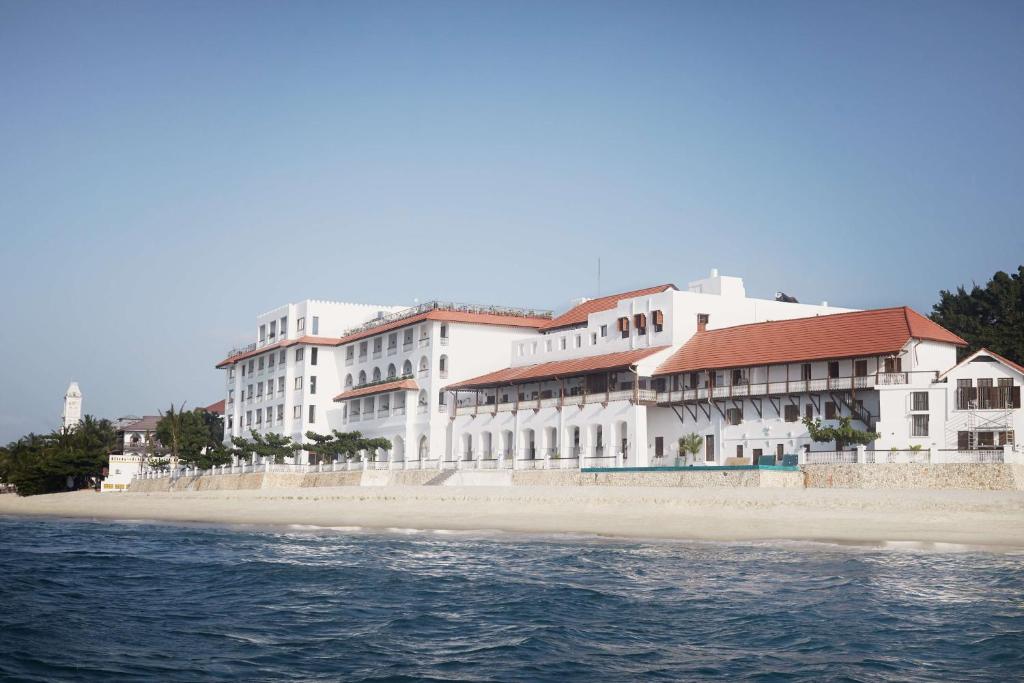
Stone Town offers accommodation for every style and budget, from charming boutique hotels in restored historic buildings to simple guesthouses tucked away in quiet alleys. For luxury, consider Emerson on Hurumzi or the Park Hyatt Zanzibar on the waterfront. Popular mid-range choices include Maru Maru and Dhow Palace, while budget travelers often enjoy Lost and Found. Staying near the seafront gives you beautiful ocean views and easy access to Forodhani Gardens, while hotels deeper in the old town offer a more authentic atmosphere. Choose the base that best suits a romantic, cultural or convenient stay in Zanzibar's historic old town.
Ultimate Guide to Stone Town
This ultimate guide to Stone Town in Zanzibar takes you through its rich Swahili and Arab heritage, winding alleys, spice-scented air and historic landmarks such as the former slave market, the House of Wonders and the Old Fort. Discover hidden cafes, bustling bazaars and beautiful sunsets on a traditional dhow cruise. The guide also covers top attractions, local tips, where to stay, what to eat and answers to frequently asked questions. It brings together everything you need to plan your visit and explore this UNESCO World Heritage Site with confidence, whether you have one day or longer on the island.
Final Thought: Stay Hydrated and Embrace the Experience
Stone Town can be hot and humid, so carry a reusable water bottle and drink plenty throughout the day. The town is vibrant, bustling and sometimes overwhelming, but that is part of its charm. Embrace the sensory experience, the friendly greetings and the unique atmosphere rather than trying to rush. Stone Town is more than a destination; it is an experience that awakens your senses and deepens your appreciation of Zanzibar's rich heritage. From the echoes of history in its ancient walls to the aromas of its spice markets, it leaves a lasting impression long after you leave the island.
Stone Town, Zanzibar: Frequently Asked Questions
What are the best things to do in Stone Town?
Top things to do include a guided walking tour of the House of Wonders, the Old Fort and the Old Dispensary, visiting the former slave market and Anglican Cathedral, exploring Darajani Market, the Sultan’s Palace Museum and the Freddie Mercury House, and admiring the carved doors. In the evening, enjoy Forodhani Gardens’ food market or a sunset dhow cruise.
How many days do you need in Stone Town?
Most visitors spend one or two days in Stone Town. One full day lets you see the main landmarks, markets and Forodhani Gardens, while a second day allows time for a spice farm tour, Prison Island, a cooking class or a sunset dhow cruise before heading to Zanzibar’s beaches.
Is Stone Town safe for tourists?
Stone Town is generally safe for visitors. As in any busy tourist area, stay aware of your surroundings, especially at night, and leave valuables in your hotel safe to avoid pickpocketing. Exploring with a local guide makes it easier to navigate the alleys and adds valuable historical and cultural context.
What should I wear in Stone Town?
Zanzibar is predominantly Muslim, so modest dress is appreciated in Stone Town. Women should cover their shoulders and knees, and men should wear long shorts or trousers. Comfortable closed-toe shoes are essential for walking on uneven streets. A light scarf is useful for visiting religious sites.
When is the best time to visit Stone Town?
Stone Town can be visited all year. The dry seasons from June to October and December to February bring pleasant weather for walking tours and boat trips. March to May and November can be rainier, but they offer fewer crowds and a quieter, more relaxed atmosphere.
What currency is used in Stone Town?
The local currency is the Tanzanian shilling, although US dollars are widely accepted in tourist areas. Carry small denominations for markets, street food and tips, and agree on prices before you start a tour or buy souvenirs. Haggling is often expected in smaller shops and market stalls.
Can I visit Stone Town after a safari?
Yes. Stone Town is an ideal stop after a Tanzania safari. A short flight takes you from the safari parks or Arusha to Zanzibar, where you can spend a day or two exploring Stone Town before relaxing on the island’s beaches. A private tailor-made itinerary combines bush and beach seamlessly.
What day trips can I take from Stone Town?
Popular day trips include Prison Island to see Aldabra giant tortoises, the Nakupenda Sandbank for swimming and a seafood barbecue, Jozani Forest to see the rare Zanzibar red colobus monkey, a spice farm tour and snorkelling at the Blue Lagoon. Many can be combined into a full day out.
Plan Your Safari and Zanzibar Escape
Tell us your travel dates, and our Tanzania-based team will design a private tailor-made safari with a Stone Town tour and a relaxing Zanzibar beach stay.