Ndutu: Everything You Need to Know
Ndutu: Everything You Need to Know
Discover Ndutu is one of Tanzania’s most iconic safari destinations, located in the southern Serengeti ecosystem within the Ngorongoro Conservation Area. It is globally famous for the Great Wildebeest Migration, especially the calving season that transforms its vast plains into a wildlife theatre. Ndutu offers unmatched Tanzania safari experiences with dramatic predator-prey interactions, endless grasslands, and seasonal lakes that attract thousands of animals. This region connects Serengeti National Park and Ngorongoro Crater, making it a key wildlife corridor. Travelers searching for “Tanzania safari tours,” “Great Migration safari,” and “Serengeti safari packages” often include Ndutu as a must-visit highlight. Its unique ecosystem supports abundant wildlife year-round and delivers unforgettable game drives, photography safaris, and nature experiences. Ndutu remains one of Africa’s most rewarding safari destinations for authentic wilderness adventures and close encounters with the Big Five and migrating herds across the endless savannah plains of northern Tanzania region.
Location & Geography
Ndutu lies in northern Tanzania within the Ngorongoro Conservation Area, forming part of the greater Serengeti ecosystem and bordering Serengeti National Park. It is defined by vast open grasslands, seasonal alkaline lakes, and acacia woodland zones that support rich biodiversity. The flat plains provide excellent visibility for game drives, making it a top choice for Tanzania safari tours and wildlife photography safaris. Seasonal rainfall transforms the landscape into lush green grazing fields, attracting massive herds of wildebeest and zebras. Volcanic soils from the Ngorongoro Highlands enrich vegetation growth, supporting both herbivores and predators. Ndutu’s strategic position as a wildlife corridor allows continuous animal movement between ecosystems. Travelers experience some of the best safari views in Africa, especially during migration months. Its geography creates ideal conditions for calving season, predator encounters, and year-round safari adventures across one of Tanzania’s most productive wildlife regions.
Great Migration in Ndutu
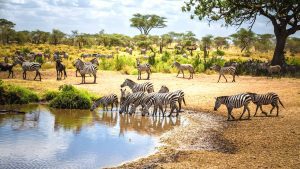
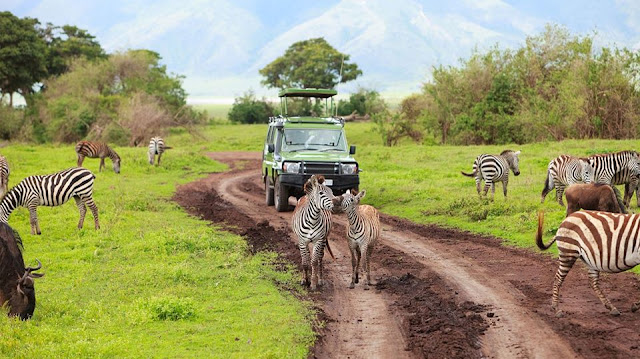
Ndutu is world-famous for hosting the Great Wildebeest Migration, one of the most popular Tanzania safari experiences. Each year, over a million wildebeest, zebras, and gazelles gather on its short grass plains between December and April. This period is a peak highlight for Serengeti safari tours and Ndutu safari packages. The herds move in search of fresh grazing and safe calving grounds, creating dramatic wildlife scenes across the landscape. Predators such as lions, cheetahs, and hyenas follow closely, resulting in intense survival interactions. Travelers witness riverless but powerful migration drama directly on open plains, offering exceptional photographic opportunities. Ndutu becomes the heart of the ecosystem during this season, attracting global visitors seeking “Great Migration safari in Tanzania.
A general guide: the herds follow the rains.
Calving Season
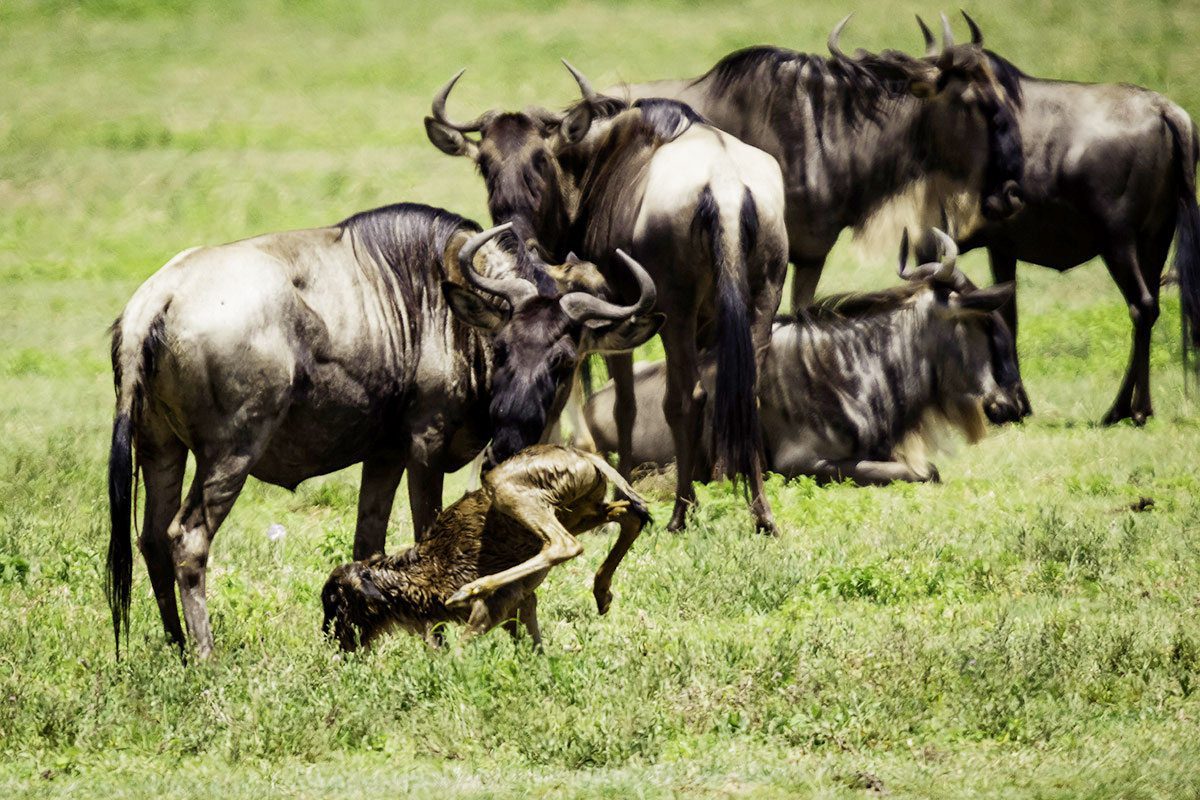
Calving season in Ndutu is one of the most dramatic wildlife events in Africa and a major highlight of Tanzania safari tours. From late January to March, thousands of wildebeest calves are born daily on the fertile plains. This attracts intense predator activity, making it a top destination for wildlife safaris and photography safaris in Tanzania. The short grass plains provide both nutrition and visibility, helping mothers protect newborn calves from lions, cheetahs, and hyenas. This period increases predator-prey encounters, offering unmatched safari action for travelers. Ndutu becomes a nursery ground for the Great Migration, supporting rapid population growth of herbivores. Safari visitors experience emotional and thrilling wildlife moments, often captured in travel documentaries and safari blogs. Calving season is considered the most rewarding time for Ndutu safari experiences, combining natural beauty, survival drama, and unforgettable encounters in the Serengeti ecosystem of northern Tanzania.
Wildlife Diversity
Ndutu offers exceptional wildlife diversity, making it a top Tanzania safari destination for Big Five safaris and Serengeti tours. The region hosts large populations of wildebeest, zebras, gazelles, elephants, giraffes, buffalo, and numerous antelope species. Lions, cheetahs, leopards, and hyenas dominate the predator chain, creating constant wildlife activity across the plains. Seasonal rains transform Ndutu into lush grazing land, attracting massive herds and increasing wildlife density. Birdlife is also abundant, with flamingos, raptors, and migratory birds enriching the ecosystem. This biodiversity makes Ndutu ideal for game drives, photography safaris, and wildlife research expeditions. The balance between herbivores and carnivores ensures dynamic safari experiences throughout the year. Travelers searching for “best wildlife safari in Tanzania” often prioritize Ndutu due to its rich ecosystem. It remains one of Africa’s most productive wildlife areas, offering continuous sightings and unforgettable safari adventures in natural wilderness surroundings.
Big Five Viewing
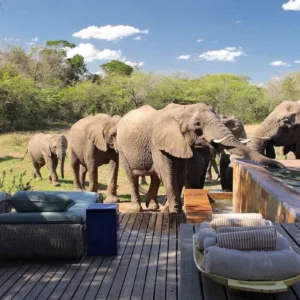
Ndutu is a prime location for Big Five safari experiences in Tanzania, offering sightings of lions, elephants, buffalo, leopards, and occasionally rhinos within the wider Serengeti ecosystem. Open plains make wildlife viewing easy and consistent during safari game drives. Lions are frequently seen hunting or resting in large prides, while elephants and buffalo roam in herds across the grasslands. Leopards remain elusive but can be spotted in acacia trees and riverine zones. Rhino sightings are rare but possible in protected conservation areas nearby. Ndutu’s landscape enhances visibility, making it ideal for photography safaris and luxury Tanzania safari tours. Safari travelers enjoy close encounters with iconic African wildlife in their natural habitat. The region’s predator-rich environment ensures exciting game viewing year-round. Ndutu remains a top search destination for “Big Five safari in Tanzania,” offering unforgettable wildlife experiences in one of Africa’s most diverse safari ecosystems and scenic wilderness landscapes daily.
Predators of Ndutu
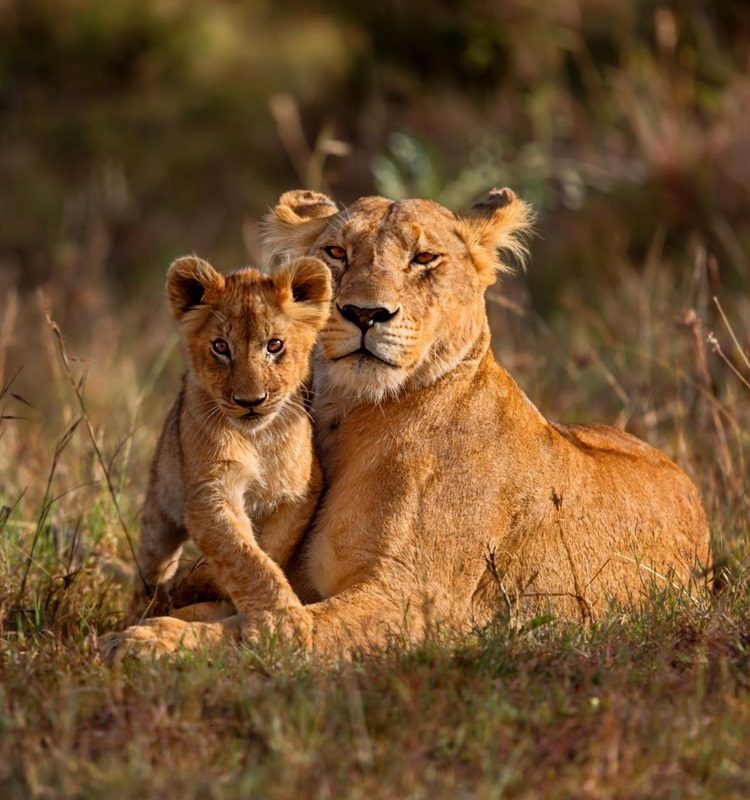
Ndutu is renowned for its high concentration of predators, making it a top destination for Tanzania safari adventures and wildlife photography tours. Lions dominate the ecosystem, often seen hunting in prides across open plains. Cheetahs thrive in the short grass environment, using speed to capture wildebeest calves during migration season. Hyenas are highly active scavengers and hunters, playing a crucial ecological role in balancing wildlife populations. Leopards, though more elusive, inhabit acacia woodlands and riverine areas. This predator-rich environment creates dramatic wildlife encounters that attract safari travelers from around the world. Ndutu’s predator-prey dynamics are especially intense during calving season, offering unmatched safari action. Visitors experience real-time survival scenes that define African wilderness. The region is frequently featured in wildlife documentaries due to its active hunting behavior. Ndutu remains a top choice for “safari predators in Serengeti ecosystem” searches and unforgettable Tanzania safari experiences.
Birdlife in Ndutu
Ndutu is a paradise for birdwatching safaris in Tanzania, attracting both migratory and resident bird species throughout the year. The wetlands, lakes, and grasslands support flamingos, ostriches, kori bustards, secretary birds, and numerous raptors. Seasonal rains bring large flocks of migratory birds, making it a top destination for birding tours in the Serengeti ecosystem. Raptors such as eagles, hawks, and vultures dominate the skies, often seen hunting or scavenging during wildlife events. The diversity of habitats in Ndutu allows different bird species to thrive across plains and wetlands. Bird photographers and safari travelers find excellent opportunities for capturing rare and colorful species. Ndutu is frequently included in Tanzania safari packages for birdwatching enthusiasts. Its rich avian population enhances the overall safari experience, combining wildlife and birdlife in one destination. The region remains a key hotspot for “Tanzania birding safari” and eco-tourism experiences in East Africa wilderness.
Safari Activities in Ndutu
Ndutu offers a wide range of Tanzania safari activities, making it ideal for both luxury and budget safari travelers. Game drives are the most popular activity, allowing close encounters with wildlife across open plains. Photography safaris are highly rewarding due to dramatic landscapes and migration scenes. Walking safaris are available in designated areas, providing immersive wilderness experiences with expert guides. Hot air balloon safaris from nearby Serengeti zones offer aerial views of the migration. Birdwatching is another key activity, attracting nature enthusiasts year-round. Visitors also enjoy predator tracking during calving season, especially lions and cheetahs. Cultural visits to nearby Maasai communities add cultural depth to the safari experience. Ndutu’s versatility makes it a top choice for “things to do in Tanzania safari” searches. Every activity delivers authentic African wilderness experiences, combining adventure, wildlife, and photography in one of Tanzania’s most iconic safari destinations and natural ecosystems.
Best Time to Visit Ndutu
The best time to visit Ndutu is between December and April, during the Great Wildebeest Migration and calving season. This period offers the highest concentration of wildlife and is ideal for Tanzania safari tours, photography safaris, and Big Five sightings. January to March is particularly popular due to intense calving activity and predator interactions. The dry season from June to October also offers excellent game viewing, though wildlife densities are lower compared to migration months. Seasonal rains transform Ndutu into lush green plains, attracting massive herds and enhancing scenic beauty. Travelers searching for “best time for Serengeti safari” or “Ndutu safari season” often prioritize these months. Weather conditions are generally mild, with warm days and cool mornings. Each season provides unique safari experiences, but the migration period remains the most rewarding for wildlife enthusiasts visiting Tanzania’s Ngorongoro Conservation Area and surrounding Serengeti ecosystem regions.
Accommodation in Ndutu
Ndutu offers a range of accommodation options, from luxury safari lodges to mobile tented camps, making it suitable for all Tanzania safari budgets. Seasonal migration camps are especially popular, positioned close to wildlife routes for immersive experiences. Luxury lodges provide comfort, fine dining, and panoramic views of the plains, ideal for high-end safari travelers. Mid-range tented camps offer a balance of comfort and authenticity, while budget camps provide affordable access to the Great Migration. Many accommodations operate seasonally between December and March, aligning with calving season. Travelers searching for “Ndutu safari camps” or “Serengeti safari lodges” often find Ndutu highly recommended. Camps are designed to blend with nature while ensuring safety and comfort. Night sounds of wildlife enhance the safari experience, offering true wilderness immersion. Ndutu accommodation ensures travelers enjoy unforgettable stays in one of Tanzania’s most wildlife-rich and scenic safari destinations within the Serengeti ecosystem region.
Budget camping & lodges
Affordable, adventurous and close to nature.
Mid-range lodges & tented camps
Comfort, good food and convenient locations.
Luxury tented camps & lodges
Spacious suites, personal service and prime wildlife areas.
Exclusive-use camps & villas
Complete privacy, private guides and bespoke experiences.
Photography Safaris in Ndutu
Ndutu is one of the best photography safari destinations in Tanzania, attracting wildlife photographers from around the world. The open plains, dramatic skies, and dense wildlife populations create perfect conditions for capturing stunning images. During the Great Migration and calving season, photographers witness intense predator-prey interactions, newborn calves, and massive herds stretching across the horizon. Golden sunrise and sunset light enhance landscape photography opportunities. Safari vehicles are often positioned for close but safe wildlife viewing, ideal for professional and amateur photographers. Ndutu is frequently featured in wildlife magazines and documentaries due to its visual richness. Travelers searching for “Africa photography safari” or “Serengeti photo safari” often include Ndutu in their itinerary. The region offers endless storytelling opportunities through images, capturing raw nature and survival moments. Ndutu remains a top destination for visual storytelling and wildlife photography experiences in Tanzania’s Ngorongoro Conservation Area and Serengeti ecosystem.
Maasai Cultural Experience
A safari in Ndutu is not complete without experiencing the rich Maasai culture surrounding the Ngorongoro Conservation Area. The Maasai people are semi-nomadic pastoralists known for their colorful dress, traditional dances, and deep connection to wildlife. Visitors on Tanzania safari tours can explore Maasai villages near Ndutu to learn about their customs, livestock practices, and way of life. Cultural interactions provide insight into how humans coexist with wildlife in the Serengeti ecosystem. Travelers often enjoy traditional songs, jumping dances, and storytelling sessions. Maasai beadwork and handicrafts are also popular souvenirs for safari visitors. Cultural tourism adds depth to wildlife safaris, making Ndutu a holistic travel destination. Many “Tanzania cultural safari” packages include Maasai experiences alongside game drives. This combination of culture and wildlife creates a unique and memorable safari adventure in northern Tanzania, enriching every visitor’s understanding of Africa’s heritage and traditions.
Ndutu vs Serengeti Comparison
Ndutu and Serengeti National Park are closely connected but offer different safari experiences within the same ecosystem. Ndutu lies in the Ngorongoro Conservation Area and is best known for calving season and dense wildlife concentrations during the Great Migration. Serengeti, on the other hand, is larger and offers year-round migration routes and diverse safari circuits. Ndutu provides closer wildlife encounters due to its open plains and fewer vehicles, making it ideal for photography safaris and predator action. Serengeti offers broader landscapes, river crossings, and extended safari itineraries. Travelers searching for “Ndutu safari vs Serengeti safari” often choose both destinations for a complete experience. Ndutu is seasonal but highly intense, while Serengeti is expansive and continuous. Together, they form one of Africa’s most powerful wildlife ecosystems, delivering unmatched Tanzania safari experiences with Big Five sightings, migration drama, and authentic African wilderness adventures across northern Tanzania landscapes.
Travel Tips & Access
Ndutu is accessible by road or air as part of Tanzania safari itineraries starting from Arusha. Most travelers join organized safari tours or private 4x4 game drives through Ngorongoro Conservation Area. The nearest airstrips connect via Serengeti and Lake Manyara routes. A valid Tanzania safari visa and park fees are required for entry. Visitors should carry light clothing, binoculars, sunscreen, and photography gear for optimal experience. Early morning and late afternoon game drives offer the best wildlife sightings. Travelers searching “how to visit Ndutu safari” or “Serengeti travel guide” often choose guided tours for convenience and safety. Road conditions can be rough, so experienced safari drivers are recommended. Mobile network coverage is limited, enhancing the wilderness experience. Proper planning ensures smooth travel and unforgettable safari adventures in Ndutu’s remote landscapes within the Ngorongoro Conservation Area and Serengeti ecosystem region of northern Tanzania.
Conservation Importance
Ndutu plays a vital role in wildlife conservation within the Serengeti ecosystem and Ngorongoro Conservation Area. It serves as a crucial calving ground for the Great Wildebeest Migration, supporting the survival of millions of herbivores annually. Conservation efforts focus on protecting habitats, preventing human-wildlife conflict, and maintaining natural migration routes. Eco-tourism through Tanzania safari tours contributes directly to conservation funding and local community support. Anti-poaching initiatives help protect predators and endangered species in the region. Ndutu’s balanced ecosystem demonstrates the importance of preserving open grasslands for biodiversity sustainability. Researchers and conservationists study wildlife behavior here to improve global conservation strategies. Travelers searching “Serengeti conservation” or “wildlife protection Tanzania” often learn about Ndutu’s ecological importance. Protecting this area ensures future generations can experience authentic African safaris, Big Five encounters, and the Great Migration in its natural form across Tanzania’s iconic northern safari landscapes and wilderness regions.
Final Thought
Ndutu remains one of the most extraordinary safari destinations in Africa, offering unmatched wildlife experiences within Tanzania’s Serengeti ecosystem. From the dramatic Great Migration and calving season to predator encounters and breathtaking landscapes, it delivers a complete wilderness adventure. Travelers searching for “Tanzania safari packages,” “Great Migration safari,” or “Serengeti wildlife tours” consistently rank Ndutu as a must-visit destination. Its open plains, rich biodiversity, and seasonal transformations create unforgettable memories for photographers, adventurers, and nature lovers. Ndutu is not just a safari location but a living ecosystem where nature unfolds in its purest form. Whether visiting for Big Five sightings, cultural experiences, or photography safaris, every moment feels authentic and powerful. It stands as a symbol of Africa’s wild beauty and conservation success. A journey to Ndutu is a journey into the heart of nature, leaving every traveler with lasting impressions of Tanzania’s extraordinary wilderness heritage and timeless safari magic.
Ndutu: Everything You Need to Know: FAQs
What can you expect from location & geography for Ndutu?
Ndutu lies in northern Tanzania within the Ngorongoro Conservation Area, forming part of the greater Serengeti ecosystem and bordering Serengeti National Park. It is defined by vast open grasslands, seasonal alkaline lakes, and acacia woodland zones that support rich biodiversity. The flat plains provide excellent visibility for game drives, making it a top choice for Tanzania safari tours and wildlife photography safaris.
What should you know about Great migration in Ndutu ?
Ndutu is world-famous for hosting the Great Wildebeest Migration, one of the most popular Tanzania safari experiences. Each year, over a million wildebeest, zebras, and gazelles gather on its short grass plains between December and April. This period is a peak highlight for Serengeti safari tours and Ndutu safari packages.
What should you know about calving season for Ndutu?
Calving season in Ndutu is one of the most dramatic wildlife events in Africa and a major highlight of Tanzania safari tours. From late January to March, thousands of wildebeest calves are born daily on the fertile plains. This attracts intense predator activity, making it a top destination for wildlife safaris and photography safaris in Tanzania.
What should you know about wildlife diversity for Ndutu?
Ndutu offers exceptional wildlife diversity, making it a top Tanzania safari destination for Big Five safaris and Serengeti tours. The region hosts large populations of wildebeest, zebras, gazelles, elephants, giraffes, buffalo, and numerous antelope species. Lions, cheetahs, leopards, and hyenas dominate the predator chain, creating constant wildlife activity across the plains.
What can you expect from Big Five viewing for Ndutu?
Ndutu is a prime location for Big Five safari experiences in Tanzania, offering sightings of lions, elephants, buffalo, leopards, and occasionally rhinos within the wider Serengeti ecosystem. Open plains make wildlife viewing easy and consistent during safari game drives. Lions are frequently seen hunting or resting in large prides, while elephants and buffalo roam in herds across the grasslands.
What should you know about predators of Ndutu ?
Ndutu is renowned for its high concentration of predators, making it a top destination for Tanzania safari adventures and wildlife photography tours. Lions dominate the ecosystem, often seen hunting in prides across open plains. Cheetahs thrive in the short grass environment, using speed to capture wildebeest calves during migration season.
What can you expect from birdlife in Ndutu ?
Ndutu is a paradise for birdwatching safaris in Tanzania, attracting both migratory and resident bird species throughout the year. The wetlands, lakes, and grasslands support flamingos, ostriches, kori bustards, secretary birds, and numerous raptors. Seasonal rains bring large flocks of migratory birds, making it a top destination for birding tours in the Serengeti ecosystem.
What are the safari activities in Ndutu ?
Ndutu offers a wide range of Tanzania safari activities, making it ideal for both luxury and budget safari travelers. Game drives are the most popular activity, allowing close encounters with wildlife across open plains. Photography safaris are highly rewarding due to dramatic landscapes and migration scenes.
Plan Your Private Tanzania Safari
Tell us your travel dates, interests and budget, and our local team will design a private tailor-made safari around you.