Lake Natron: Everything You Need to Know
Lake Natron: Everything You Need to Know
Introduction Overview of Lake Natron is one of Tanzania’s most extraordinary natural wonders, located in the northern Great Rift Valley near the Serengeti ecosystem and Ngorongoro Highlands. Famous for its deep red waters, extreme alkalinity, and as the primary breeding ground for millions of lesser flamingos, Lake Natron attracts eco-tourists, photographers, and safari travelers seeking unique African safari experiences. Surrounded by volcanic landscapes dominated by Ol Doinyo Lengai volcano, this soda lake offers dramatic scenery and rich biodiversity adapted to harsh conditions. Visitors searching for Tanzania safari tours, off-the-beaten-path destinations, and Great Rift Valley adventures find Lake Natron a must-visit destination.
Geological Formation
Lake Natron sits within the East African Rift Valley, formed by intense tectonic activity that created deep basins filled with mineral-rich waters. This unique soda lake was shaped by volcanic eruptions from nearby Ol Doinyo Lengai, the only active carbonatite volcano in the world, which continuously deposits sodium and potassium carbonate into the lake. Over thousands of years, evaporation has concentrated minerals, creating highly alkaline conditions with pH levels that can reach extreme values. This geological process makes Lake Natron one of the most alkaline lakes on Earth. Travelers searching for Tanzania safari geology, Great Rift Valley landscapes, and volcanic safari destinations find this area fascinating. The dramatic terrain includes salt flats, lava flows, and rugged mountains that define its surreal and otherworldly appearance for visitors exploring northern Tanzania safari
Soda Lake Ecology
Lake Natron is renowned for its extreme soda lake ecology, where high salinity and alkalinity create a harsh environment that supports only specialized life forms. Cyanobacteria thrive in these conditions, giving the lake its distinctive red and pink hues, especially during dry seasons. These microorganisms form the base of the ecosystem, supporting lesser flamingos that feed and breed in large colonies. The lake’s alkaline waters deter most predators, making it a safe breeding ground for wildlife adapted to extreme environments. This unique ecological system attracts scientists, eco-tourists, and Tanzania safari travelers interested in rare biodiversity and Rift Valley ecosystems. Despite its harshness, Lake Natron demonstrates how life adapts in volcanic landscapes, making it a key highlight in East African safari itineraries and conservation studies worldwide for environmental research purposes today
Flamingos Breeding
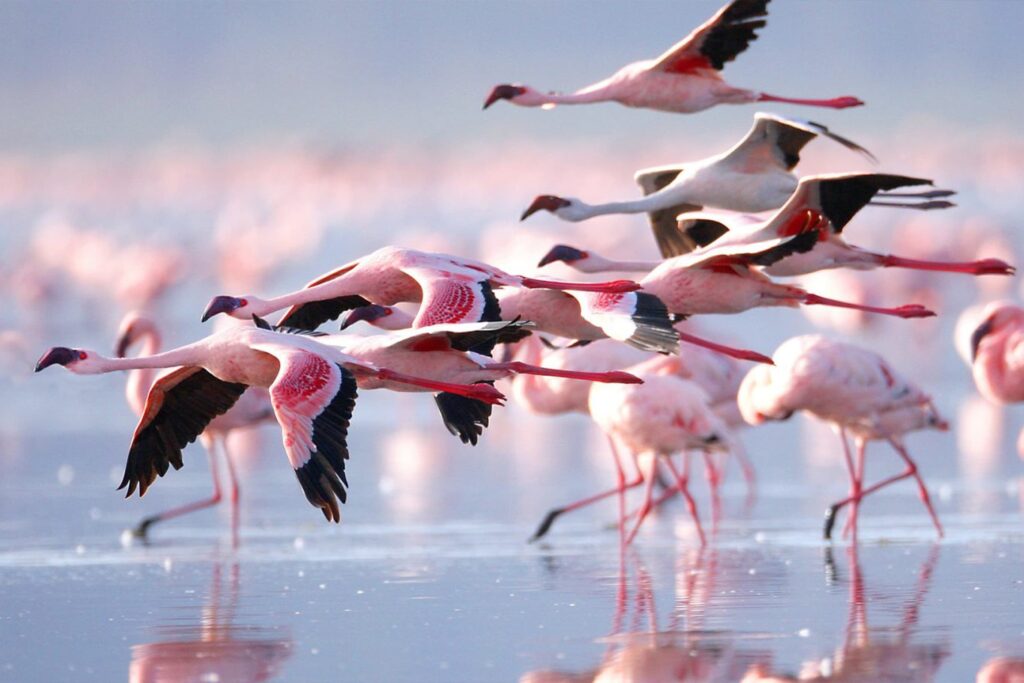
Lake Natron is globally recognized as the most important breeding ground for lesser flamingos in East Africa, hosting millions of birds annually during the breeding season. The lake’s isolated alkaline environment provides protection from predators, making it an ideal nesting site. Flamingos feed on cyanobacteria found in the soda waters, which gives them their iconic pink coloration. The shallow salt flats surrounding Lake Natron offer perfect conditions for nest building and chick rearing. Birdwatchers and Tanzania safari enthusiasts visit this destination for unforgettable wildlife photography experiences. This natural wonder is a key highlight in Great Rift Valley birding tours and eco-tourism packages. Conservation efforts aim to protect this fragile ecosystem from human disturbance, ensuring flamingo populations continue to thrive in one of Africa’s most unique volcanic landscapes and safari destinations
Water Chemistry
Lake Natron’s water chemistry is one of the most extreme in the world, characterized by high levels of sodium carbonate and other alkaline minerals. The pH of the lake can reach above 10.5, making it highly caustic and unsuitable for most aquatic life. This unique chemical composition is influenced by volcanic ash deposits from Ol Doinyo Lengai and intense evaporation under the Tanzanian sun. The red coloration of the lake is caused by salt-loving microorganisms that thrive in alkaline conditions. Scientists study Lake Natron to understand extremophile organisms and unique geochemical processes. For Tanzania safari travelers, this creates a surreal landscape unlike any other African destination. The lake’s chemistry also plays a crucial role in preserving flamingo breeding grounds, making it an essential feature of Great Rift Valley ecosystems
Maasai Culture
Lake Natron lies within traditional Maasai homeland, offering visitors a rich cultural experience alongside its natural wonders. The Maasai people have coexisted with this harsh environment for centuries, relying on pastoralism and deep knowledge of the Rift Valley landscapes. Cultural tourism allows travelers to experience Maasai villages, traditional dances, and authentic African heritage. This region is a key highlight in Tanzania safari itineraries that combine wildlife, geology, and cultural immersion. Visitors learn about Maasai customs, cattle herding traditions, and survival strategies in semi-arid environments. Lake Natron tourism supports local communities through eco-tourism initiatives and sustainable travel practices. The blend of cultural richness and natural beauty makes this destination one of the most unique safari experiences in East Africa, attracting global travelers seeking authentic African adventures and cultural connections today widely
Wildlife Adaptation
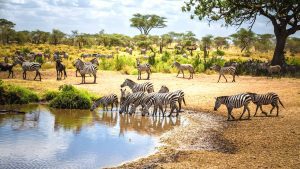
Lake Natron supports a remarkable range of wildlife adapted to extreme alkaline conditions, showcasing nature’s resilience in the East African Rift Valley. Species such as flamingos, alkaline-tolerant fish, and specialized microorganisms survive in the harsh soda lake environment. Surrounding areas host zebras, wildebeests, giraffes, and other savannah wildlife that migrate through the region during Tanzania safari circuits. These animals rely on seasonal water sources and grazing lands near volcanic landscapes. The ecosystem demonstrates how life adapts to challenging environments shaped by geology and climate. Wildlife enthusiasts and eco-tourists visiting Lake Natron experience a unique blend of desert, volcanic, and aquatic habitats. Conservation efforts aim to preserve biodiversity and maintain ecological balance, making this destination a key highlight in African safari tours and Great Rift Valley exploration packages for travelers today
Tourism Activities
Lake Natron tourism activities include guided nature walks, birdwatching expeditions, photography tours, and cultural visits to nearby Maasai communities. Visitors on Tanzania safari adventures can explore salt flats, volcanic landscapes, and hidden waterfalls such as Engare Sero Gorge. Hiking near Ol Doinyo Lengai volcano offers breathtaking views of the Great Rift Valley. Eco-tourism packages emphasize sustainable travel and low-impact exploration of this fragile ecosystem. Adventure travelers enjoy off-the-beaten-path experiences, making Lake Natron a rising destination in East African safari circuits. Wildlife photography opportunities are abundant, especially for capturing flamingos in flight. Cultural interactions provide insights into Maasai traditions and local livelihoods. This destination is increasingly featured in luxury safari itineraries and budget Tanzania tours due to its unique blend of geology, wildlife, and cultural heritage for global safari travelers today
Best Time to Visit
Lake Natron is best visited during the dry season from June to October, when wildlife viewing and flamingo breeding activities are at their peak. During this period, clear skies and reduced rainfall make Tanzania safari experiences more enjoyable. The lake’s red coloration becomes more vivid, offering excellent photography opportunities for travelers exploring the Great Rift Valley. Wet seasons from November to May bring lush surroundings but can make access challenging due to muddy roads. Birdwatchers prefer specific months when flamingo populations are highest. Tour operators recommend planning trips in advance for optimal safari experiences. The best time to visit Lake Natron also depends on combining nearby attractions like Serengeti National Park and Ngorongoro Crater, making it part of a broader East African safari itinerary for unforgettable travel experiences today always
Location Access
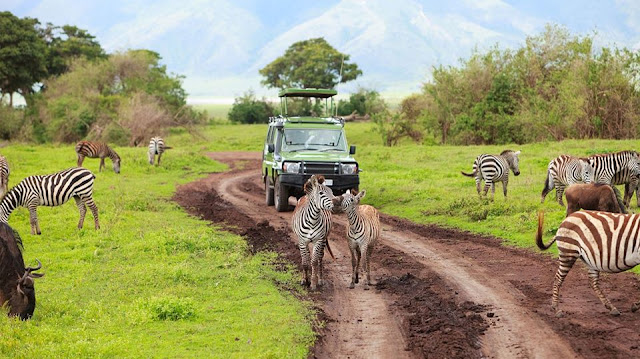
Lake Natron is located in northern Tanzania within the Great Rift Valley, near the Kenya border and within reach of major safari destinations such as Serengeti National Park and Ngorongoro Conservation Area. Access is typically by 4x4 vehicle due to rough terrain and volcanic landscapes. Travelers from Arusha can reach the lake via long but scenic drives through Maasai villages and open savannah plains. Some Tanzania safari packages include guided transport and accommodations near the lake. The nearest airstrips connect to regional airports for easier access. Despite its remote location, Lake Natron is becoming increasingly popular among adventure tourists seeking off-the-beaten-path safari experiences. Proper planning is essential for safe travel, especially during rainy seasons when roads may become difficult to navigate in this unique East African destination for tourists always
Photography
Lake Natron is a paradise for photographers seeking dramatic landscapes, wildlife, and unique natural colors in Tanzania safari destinations. The lake’s red and pink hues create surreal reflections ideal for capturing stunning images. Flamingos in flight provide iconic wildlife photography moments against volcanic backdrops. The surrounding Rift Valley scenery, including Ol Doinyo Lengai volcano, enhances visual storytelling opportunities. Sunrise and sunset offer the best lighting conditions for professional and amateur photographers. Eco-tourism tours often include guided photography safaris to maximize image quality and wildlife encounters. The lake’s isolation ensures minimal human interference, allowing pristine shots of nature.
Conservation
Lake Natron conservation efforts focus on protecting its fragile ecosystem, flamingo breeding grounds, and unique volcanic landscapes within the Great Rift Valley. Environmental organizations and Tanzania wildlife authorities work together to balance eco-tourism with habitat preservation. Threats include proposed industrial developments, climate change, and human disturbance. Sustainable tourism practices are promoted to ensure long-term protection of this alkaline lake environment. Conservation programs monitor flamingo populations and water quality to maintain ecological stability. Visitors are encouraged to follow responsible safari guidelines when exploring the area. Lake Natron is recognized globally as an important biodiversity hotspot, making it a priority for African conservation initiatives. These efforts help preserve one of the most extreme and beautiful natural habitats, ensuring future generations can experience its unique ecological and geological significance for planet earth today
Nearby Attractions
Lake Natron is surrounded by several remarkable attractions that enhance Tanzania safari experiences, including Ol Doinyo Lengai volcano, Engare Sero waterfalls, Serengeti National Park, and Ngorongoro Conservation Area. These destinations form part of the Great Rift Valley tourism circuit, offering diverse landscapes from volcanic peaks to wildlife-rich plains. Visitors often combine Lake Natron with northern Tanzania safari itineraries for a complete adventure. The nearby Maasai villages provide cultural experiences and insights into traditional lifestyles. Hiking, wildlife viewing, and photography opportunities abound in this region. The proximity to famous national parks makes Lake Natron an ideal stop for multi-destination safari tours. Travelers seeking off-the-beaten-path adventures find this area particularly rewarding, as it blends geological wonders, cultural heritage, and iconic African wildlife destinations into one unforgettable journey for global safari travel today
Travel Tips
Lake Natron travel tips include preparing for hot, dry conditions, carrying sufficient water, and using a reliable 4x4 vehicle for access. Visitors on Tanzania safari tours should pack lightweight clothing, sunscreen, and protective footwear for volcanic terrain. Hiring local guides is highly recommended for safety and cultural insight. Cash is essential, as facilities are limited in this remote area. Travelers should respect Maasai communities and follow eco-tourism guidelines to protect the fragile ecosystem. Photography enthusiasts should bring extra batteries and lenses for capturing flamingos and landscapes. Planning combined itineraries with Serengeti or Ngorongoro enhances the safari experience. Proper preparation ensures a safe and enjoyable journey to this unique East African destination, making Lake Natron one of the most rewarding off-the-beaten-path safari locations in Tanzania for travelers around the world today
Final Thought
Lake Natron stands as one of Tanzania’s most extraordinary natural wonders, offering unmatched experiences for safari travelers, photographers, and eco-tourists exploring the Great Rift Valley. Its surreal red waters, flamingo colonies, volcanic landscapes, and Maasai cultural heritage create a unique blend of geology, wildlife, and adventure tourism. Despite its harsh alkaline conditions, the lake supports vital ecosystems and remains a key highlight in East African safari itineraries. Visitors seeking off-the-beaten-path destinations will find Lake Natron unforgettable, especially when combined with Serengeti or Ngorongoro safaris. Sustainable tourism and conservation efforts are essential to preserving this fragile environment for future generations. As global interest in Tanzania safari experiences grows, Lake Natron continues to rise as a must-visit destination for authentic African adventures and natural beauty exploration worldwide for all travelers today globally
Lake Natron: Everything You Need to Know: FAQs
What can you expect from geological Formation for lake Natron?
Lake Natron sits within the East African Rift Valley, formed by intense tectonic activity that created deep basins filled with mineral-rich waters. This unique soda lake was shaped by volcanic eruptions from nearby Ol Doinyo Lengai, the only active carbonatite volcano in the world, which continuously deposits sodium and potassium carbonate into the lake.
What should you know about soda lake ecology ?
Lake Natron is renowned for its extreme soda lake ecology, where high salinity and alkalinity create a harsh environment that supports only specialized life forms. Cyanobacteria thrive in these conditions, giving the lake its distinctive red and pink hues, especially during dry seasons. These microorganisms form the base of the ecosystem, supporting lesser flamingos that feed and breed in large colonies.
What can you expect from flamingos breeding for lake Natron?
Lake Natron is globally recognized as the most important breeding ground for lesser flamingos in East Africa, hosting millions of birds annually during the breeding season. The lake’s isolated alkaline environment provides protection from predators, making it an ideal nesting site. Flamingos feed on cyanobacteria found in the soda waters, which gives them their iconic pink coloration.
What should you know about water chemistry for lake Natron?
Lake Natron’s water chemistry is one of the most extreme in the world, characterized by high levels of sodium carbonate and other alkaline minerals. The pH of the lake can reach above 10.5, making it highly caustic and unsuitable for most aquatic life. This unique chemical composition is influenced by volcanic ash deposits from Ol Doinyo Lengai and intense evaporation under the Tanzanian sun.
What can you expect from Maasai Culture for lake Natron?
Lake Natron lies within traditional Maasai homeland, offering visitors a rich cultural experience alongside its natural wonders. The Maasai people have coexisted with this harsh environment for centuries, relying on pastoralism and deep knowledge of the Rift Valley landscapes. Cultural tourism allows travelers to experience Maasai villages, traditional dances, and authentic African heritage.
What should you know about wildlife Adaptation for lake Natron?
Lake Natron supports a remarkable range of wildlife adapted to extreme alkaline conditions, showcasing nature’s resilience in the East African Rift Valley. Species such as flamingos, alkaline-tolerant fish, and specialized microorganisms survive in the harsh soda lake environment. Surrounding areas host zebras, wildebeests, giraffes, and other savannah wildlife that migrate through the region during Tanzania safari circuits.
What are the tourism activities for lake Natron?
Lake Natron tourism activities include guided nature walks, birdwatching expeditions, photography tours, and cultural visits to nearby Maasai communities. Visitors on Tanzania safari adventures can explore salt flats, volcanic landscapes, and hidden waterfalls such as Engare Sero Gorge. Hiking near Ol Doinyo Lengai volcano offers breathtaking views of the Great Rift Valley.
What are the best time to visit for lake Natron?
Lake Natron is best visited during the dry season from June to October, when wildlife viewing and flamingo breeding activities are at their peak. During this period, clear skies and reduced rainfall make Tanzania safari experiences more enjoyable. The lake’s red coloration becomes more vivid, offering excellent photography opportunities for travelers exploring the Great Rift Valley.
Plan Your Private Tanzania Safari
Tell us your travel dates, interests and budget, and our local team will design a private tailor-made safari around you.