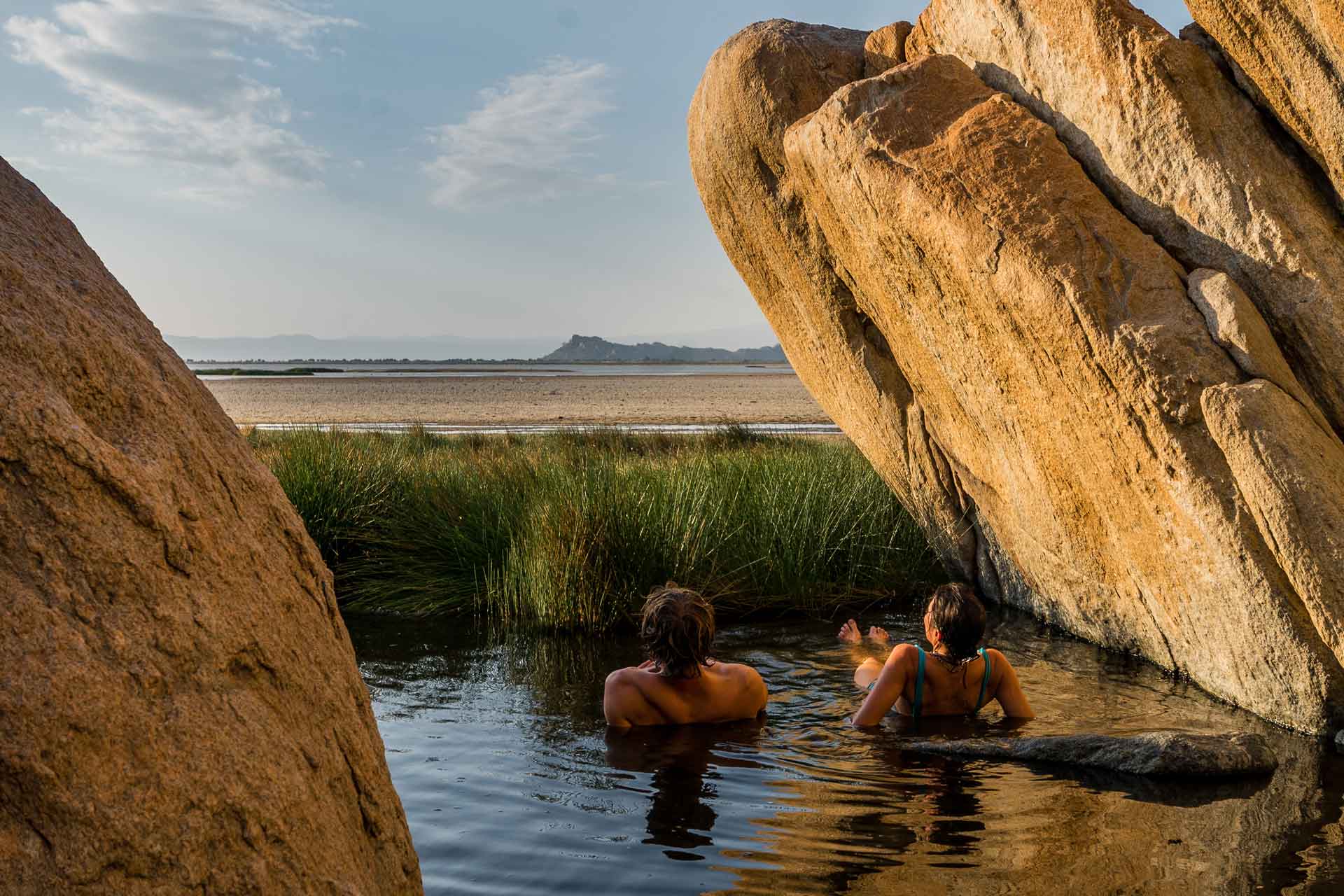
Lake Eyasi | Spectacular Salt Lake in Tanzania
Lake Eyasi | Spectacular Salt Lake in Tanzania
Lake Eyasi, one of Tanzania’s most unique and less-crowded safari destinations, located in the dramatic Great Rift Valley near the Ngorongoro Highlands. It is a seasonal soda lake known for its shimmering landscapes, pink flamingos, and rich cultural encounters with the Hadzabe and Datoga communities. Unlike the busy Serengeti or Ngorongoro Crater, Lake Eyasi offers an authentic off-the-beaten-path Tanzania safari experience focused on culture, photography, and wilderness exploration.” Visitors are drawn by sunrise lake views, traditional hunting demonstrations, and ancient lifestyles still practiced today. This introduction makes Lake Eyasi a rising destination for travelers seeking unique safari experiences beyond wildlife game drives in northern Tanzania’s most iconic safari circuit.
Geographic Location and Landscape of Lake Eyasi
Lake Eyasi lies in northern Tanzania within the Great Rift Valley system, southwest of the Ngorongoro Conservation Area. The lake stretches across a dry, semi-arid basin surrounded by escarpments, volcanic highlands, and acacia-dotted plains. Its landscape changes dramatically with seasons—dry and cracked during drought periods, and partially filled with water during rainy months.” The area offers breathtaking panoramic views, especially at sunrise and sunset when the sky reflects on the lake surface. The terrain is also home to ancient human settlements, making it important for anthropology and cultural tourism. Travelers from Arusha often visit Lake Eyasi as part of extended safari circuits including Ngorongoro and Serengeti, enhancing its popularity as a scenic and cultural stopover.
Cultural Significance of the Hadzabe People
One of the strongest attractions of Lake Eyasi is the presence of the Hadzabe, one of the last true hunter-gatherer tribes in Africa. They live without agriculture or modern tools, relying entirely on hunting, foraging, and traditional survival skills. Visitors to Lake Eyasi can join early morning hunting excursions, learn fire-making techniques, and experience authentic bush survival methods.” The Hadzabe language, characterized by click sounds, adds to their uniqueness and global anthropological interest. Tourism here is strictly ethical and community-based, ensuring cultural preservation while supporting local livelihoods. Their way of life offers rare insight into humanity’s ancient past, making Lake Eyasi a top destination for cultural safari tourism in East Africa.
The Datoga Tribe Blacksmith Culture
The Datoga are another key cultural highlight of Lake Eyasi. Known for their exceptional metalworking skills, the Datoga craft arrowheads, knives, and traditional jewelry using ancient blacksmith techniques passed down through generations. Visitors can observe their workshops where fire, iron, and hand tools are used in traditional forging processes. This cultural experience “Datoga tribe Tanzania safari” and “traditional blacksmith Africa experience.” The Datoga also practice livestock keeping, mainly cattle, goats, and sheep, reflecting a semi-nomadic lifestyle. Their colorful attire, facial markings, and welcoming communities offer a powerful contrast to modern life. Together with the Hadzabe, the Datoga create a rare dual-cultural safari experience that makes Lake Eyasi one of Tanzania’s most meaningful cultural tourism destinations.
Bird Watching Paradise at Lake Eyasi
Lake Eyasi is an emerging hotspot for bird watching in Tanzania, especially during the wet season when migratory birds arrive. Flamingos, pelicans, storks, herons, and various water birds gather along the lake’s shallow waters, creating a spectacular wildlife viewing experience. Bird watching in Tanzania lakes,” flamingos in Lake Eyasi,” and “Rift Valley birding safari” frequently rank for this destination. The surrounding wetlands and salt flats provide ideal feeding grounds for hundreds of bird species. Birdwatchers and photographers often visit early morning or late afternoon for the best lighting conditions. Unlike crowded safari parks, Lake Eyasi offers peaceful birding without tourist congestion. This makes it a preferred destination for eco-tourism travelers seeking quiet, nature-focused experiences in northern Tanzania’s diverse ecosystem.
Best Time to Visit Lake Eyasi
The best time to visit Lake Eyasi depends on travel interests, with dry and wet seasons offering different experiences. The dry season from June to October is ideal for cultural tours, Hadzabe hunting experiences, and clear landscape photography. During this time, the lake often dries up, revealing salt flats and wide-open plains. The wet season from November to May transforms the area into a lush birding paradise filled with migratory species and green scenery. Best time to visit Lake Eyasi Tanzania, and “Lake Eyasi safari season” are highly popular. Travelers combining Lake Eyasi with Serengeti or Ngorongoro often prefer the dry season for easier road access. Each season provides a unique perspective, making Lake Eyasi a year-round safari destination for both cultural and nature-based tourism.
Accessibility and How to Get There
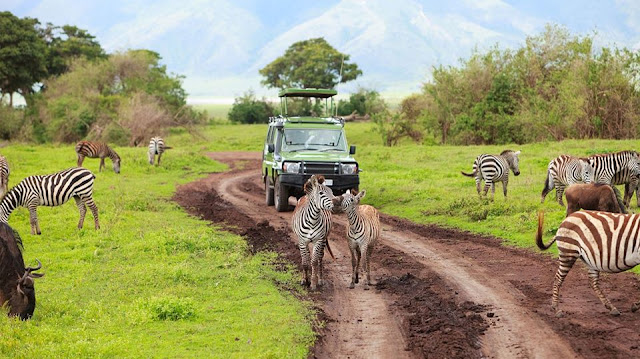
Lake Eyasi is accessible from Arusha, Tanzania’s main safari gateway, located approximately 2–3 hours by road depending on route conditions. Most travelers reach it via the Ngorongoro Conservation Area, making it part of popular northern Tanzania safari circuits. The journey passes through scenic highlands, Maasai villages, and volcanic landscapes, offering a rich travel experience even before arrival. While roads can be rough in some sections, 4x4 safari vehicles are recommended for comfort and safety. Many tour operators include Lake Eyasi as a cultural extension after Serengeti or Ngorongoro visits. Its accessibility makes it a perfect short detour for travelers seeking cultural depth in their Tanzania safari itinerary.
- Kilimanjaro Airport (JRO)Arrival
- MoshiAbout 45 min
- ArushaAbout 1 hour
- Safari parksNorthern Circuit
Photography Opportunities at Lake Eyasi
Lake Eyasi is a dream destination for photographers seeking authentic African cultural and landscape shots. The golden sunrise over the Rift Valley, Hadzabe hunters in motion, and Datoga blacksmith scenes create powerful storytelling visuals. “Africa cultural photography safari” and “Hadzabe tribe photography Tanzania” rank strongly for this destination. The lake’s reflective surfaces, dramatic skies, and wildlife interactions provide endless creative inspiration. Photographers often focus on capturing raw human experiences rather than staged tourism, making Lake Eyasi a hub for documentary-style travel photography. The best light occurs early morning and late afternoon, when shadows enhance the textures of the landscape. This combination of culture and nature makes Lake Eyasi one of Tanzania’s most photogenic and emotionally compelling safari destinations.
Wildlife Around Lake Eyasi
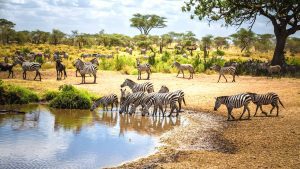
Although Lake Eyasi is primarily known for its culture, it also supports diverse wildlife in its surrounding ecosystem. Small antelopes, baboons, dik-diks, and various reptiles inhabit the scrublands and rocky hills. During certain seasons, flamingos and water birds dominate the lake’s shallow waters. Wildlife around Lake Eyasi and “Tanzania offbeat safari animals” are increasingly popular. While it does not offer Big Five safaris like Serengeti, its wildlife diversity complements its cultural richness. The surrounding Ngorongoro highlands also contribute to ecological variety. Visitors often combine wildlife viewing with cultural encounters, making Lake Eyasi a balanced safari destination. Its peaceful environment allows for slow travel experiences, ideal for travelers seeking connection with nature rather than large-scale game drives.
Cultural Tourism Experience Highlights
A visit to Lake Eyasi offers immersive cultural tourism experiences that include hunting with the Hadzabe, visiting Datoga homesteads, and learning traditional survival skills. Authentic Tanzania cultural safari” and “Hadzabe cultural experience” dominate travel searches. Visitors often participate in fire-making, tracking animals, and understanding ancient bushcraft techniques. These activities provide a rare glimpse into pre-modern human lifestyles still active today. Community-based tourism ensures that local tribes benefit directly from visitor engagement. The experience is not staged but deeply rooted in daily life practices. This makes Lake Eyasi one of the most authentic cultural safari destinations in Africa, attracting anthropologists, photographers, and adventure travelers seeking meaningful human connections.
Accommodation Options Near Lake Eyasi
Accommodation around Lake Eyasi ranges from budget campsites to mid-range safari lodges and luxury tented camps. Most lodges are eco-friendly, blending into the natural environment while offering comfort and scenic views of the lake and surrounding landscapes. Many accommodations are community-based, supporting local employment and cultural preservation. Facilities typically include guided tours, cultural visits, and sunset viewpoints. Travelers often stay overnight as part of multi-day safari itineraries connecting Ngorongoro, Serengeti, and Lake Manyara. The peaceful environment ensures a relaxing stay away from crowded tourist zones, making it ideal for nature lovers and cultural explorers.
Budget camping & lodges
Affordable, adventurous and close to nature.
Mid-range lodges & tented camps
Comfort, good food and convenient locations.
Luxury tented camps & lodges
Spacious suites, personal service and prime wildlife areas.
Exclusive-use camps & villas
Complete privacy, private guides and bespoke experiences.
Lake Eyasi in the Great Rift Valley System
Lake Eyasi forms part of the Great Rift Valley, one of the most significant geological features in Africa. This positioning gives it unique landscapes shaped by volcanic activity and tectonic movement over millions of years. Great Rift Valley Tanzania lakes” and “Rift Valley safari destinations” enhance its travel visibility. The surrounding escarpments and volcanic soils contribute to its dry lakebed formation. This geological setting also supports diverse ecosystems and human settlements. Understanding Lake Eyasi within the Rift Valley context adds scientific and educational value to visits, making it attractive for geology enthusiasts and academic tourism.
Safari Circuit Connection with Ngorongoro and Serengeti
Lake Eyasi is often included in northern Tanzania safari circuits alongside Serengeti National Park and the Ngorongoro Crater. This strategic location allows travelers to combine wildlife safaris with cultural experiences. Tanzania safari itinerary Lake Eyasi” and “Ngorongoro to Lake Eyasi tour” are frequently used. It serves as a cultural extension after game drives, offering a balance between nature and human heritage. Tour operators design itineraries that include all three destinations for a complete Tanzania experience. This integration enhances its popularity among international travelers seeking comprehensive safari adventures.
- ArushaGateway
- TarangireElephants
- NgorongoroCrater
- SerengetiBig Five
- ZanzibarBeach
Conservation and Community-Based Tourism
Tourism at Lake Eyasi is increasingly focused on conservation and community empowerment. Local tribes benefit from tourism income while preserving their cultural heritage. Ethical tourism practices ensure minimal environmental impact and respect for traditional lifestyles. Responsible tourism Tanzania” and “community safari experiences” are strongly associated with this destination. Conservation efforts also help protect surrounding ecosystems and bird habitats. Visitors are encouraged to support sustainable travel practices, ensuring long-term preservation of this unique cultural landscape.
Travel Tips for Visiting Lake Eyasi
Travelers visiting Lake Eyasi should prepare for basic road conditions, carry sunscreen, wear neutral clothing, and respect local customs. Hiring a knowledgeable guide enhances cultural understanding and ensures ethical interactions. “Lake Eyasi travel tips” and “Tanzania safari preparation guide” are common. Early morning activities provide the best experiences, especially for cultural visits and photography. Proper planning ensures a smooth and enriching safari experience.
Final Thought
Lake Eyasi stands as one of Tanzania’s most authentic cultural and natural safari destinations. It offers a rare combination of ancient human traditions, breathtaking Rift Valley landscapes, and peaceful wilderness far from mass tourism. For travelers seeking meaningful experiences beyond traditional game drives, Lake Eyasi delivers unforgettable encounters with the Hadzabe and Datoga cultures. Ultimately, Lake Eyasi is not just a destination—it is a living cultural heritage site where history, nature, and humanity meet in one powerful experience.
Lake Eyasi | Spectacular Salt Lake in Tanzania: FAQs
What is the geographic location and landscape of lake Eyasi like?
Lake Eyasi lies in northern Tanzania within the Great Rift Valley system, southwest of the Ngorongoro Conservation Area. The lake stretches across a dry, semi-arid basin surrounded by escarpments, volcanic highlands, and acacia-dotted plains.
What can you expect from cultural Significance of the Hadzabe People for lake Eyasi?
One of the strongest attractions of Lake Eyasi is the presence of the Hadzabe, one of the last true hunter-gatherer tribes in Africa. They live without agriculture or modern tools, relying entirely on hunting, foraging, and traditional survival skills.
What should you know about the Datoga tribe blacksmith culture for lake Eyasi?
The Datoga are another key cultural highlight of Lake Eyasi. Known for their exceptional metalworking skills, the Datoga craft arrowheads, knives, and traditional jewelry using ancient blacksmith techniques passed down through generations. Visitors can observe their workshops where fire, iron, and hand tools are used in traditional forging processes.
What can you expect from bird watching paradise at lake Eyasi?
Lake Eyasi is an emerging hotspot for bird watching in Tanzania, especially during the wet season when migratory birds arrive. Flamingos, pelicans, storks, herons, and various water birds gather along the lake’s shallow waters, creating a spectacular wildlife viewing experience. Bird watching in Tanzania lakes,” flamingos in Lake Eyasi,” and “Rift Valley birding safari” frequently rank for this destination.
What are the best time to visit lake Eyasi?
The best time to visit Lake Eyasi depends on travel interests, with dry and wet seasons offering different experiences. The dry season from June to October is ideal for cultural tours, Hadzabe hunting experiences, and clear landscape photography. During this time, the lake often dries up, revealing salt flats and wide-open plains.
What should you know about accessibility and How to Get There for lake Eyasi?
Lake Eyasi is accessible from Arusha, Tanzania’s main safari gateway, located approximately 2–3 hours by road depending on route conditions. Most travelers reach it via the Ngorongoro Conservation Area, making it part of popular northern Tanzania safari circuits. The journey passes through scenic highlands, Maasai villages, and volcanic landscapes, offering a rich travel experience even before arrival.
What are the photography Opportunities at lake Eyasi?
Lake Eyasi is a dream destination for photographers seeking authentic African cultural and landscape shots. The golden sunrise over the Rift Valley, Hadzabe hunters in motion, and Datoga blacksmith scenes create powerful storytelling visuals. “Africa cultural photography safari” and “Hadzabe tribe photography Tanzania” rank strongly for this destination.
What can you expect from wildlife around lake Eyasi?
Although Lake Eyasi is primarily known for its culture, it also supports diverse wildlife in its surrounding ecosystem. Small antelopes, baboons, dik-diks, and various reptiles inhabit the scrublands and rocky hills. During certain seasons, flamingos and water birds dominate the lake’s shallow waters. Wildlife around Lake Eyasi and “Tanzania offbeat safari animals” are increasingly popular.
Plan Your Private Tanzania Safari
Tell us your travel dates, interests and budget, and our local team will design a private tailor-made safari around you.