Hygiene During Kilimanjaro Expeditions
Hygiene During Kilimanjaro Expeditions
Hygiene during Kilimanjaro expeditions is one of the most important yet often overlooked aspects of a safe and successful climb. As trekkers ascend Mount Kilimanjaro, conditions become more challenging, with limited water access, shared camping environments, and changing weather. Maintaining proper hygiene on Kilimanjaro helps prevent infections, stomach illnesses, and altitude-related complications that can ruin the trek. Clean practices such as handwashing, safe food handling, and waste management are essential for every climber. Tour operators and guides emphasize Kilimanjaro sanitation because health directly impacts summit success rates. Whether you are taking the Machame Route, Lemosho Route, or Marangu Route, understanding hygiene on Mount Kilimanjaro ensures a safer, more comfortable, and more enjoyable trekking experience in Tanzania’s iconic mountain environment.
Hand Hygiene and Sanitization Practices
Hand hygiene on Kilimanjaro is critical due to the limited running water on the mountain. Trekkers should regularly use alcohol-based hand sanitizers, especially before eating and after using toilet facilities. Handwashing with soap and clean water, when available, is equally important to prevent stomach infections and bacterial diseases. Many climbers carry small sanitizer bottles in their daypacks for convenience. Guides on Kilimanjaro trekking routes also encourage hygienic habits to reduce the spread of germs in camps. Proper hand hygiene during Mount Kilimanjaro expeditions significantly lowers the risk of diarrhea and foodborne illnesses, which are common at high altitudes. Practicing consistent sanitation ensures a healthier trekking experience and supports overall Kilimanjaro safety standards for both climbers and support crew.
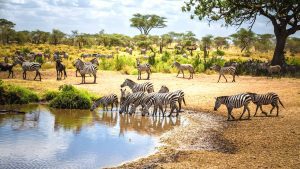
Approach, feed or disturb wildlife, or leave the vehicle unless your guide says it is safe.
Follow your guide, carry travel insurance and check current health and travel advice.
Toilet Hygiene and Eco-Friendly Sanitation Systems
Toilet hygiene on Kilimanjaro is managed through designated portable toilets or eco-friendly pit latrines, depending on the route and tour operator. Maintaining cleanliness in these facilities is essential for environmental conservation and personal health. Climbers are advised to use toilet paper responsibly and dispose of waste in the provided bins or burial systems when required. Many Kilimanjaro trekking companies now provide private portable toilets for improved hygiene and comfort. Proper sanitation practices help protect the fragile ecosystem of Mount Kilimanjaro and reduce contamination risks in campsites. Understanding Kilimanjaro's sanitation systems is crucial for responsible trekking. Following Leave No Trace principles ensures that human waste does not pollute water sources or natural surroundings during the expedition.
Public Toilets on Mount Kilimanjaro
Public toilets on Mount Kilimanjaro are basic long-drop latrines located at camps along popular routes like Machame, Marangu, and Lemosho. While these Kilimanjaro toilets are functional, hygiene standards can vary greatly depending on traffic and maintenance. Trekkers should carry essential hygiene supplies such as hand sanitizer, biodegradable toilet paper, and wet wipes. For better comfort and cleanliness, many climbers prefer using private facilities. Understanding Kilimanjaro's sanitation conditions is crucial for a safe and enjoyable trekking experience.
Portable Toilet in Expeditions
Portable toilets on Kilimanjaro expeditions are a popular upgrade for climbers seeking enhanced hygiene and comfort. Many reputable Kilimanjaro tour operators provide private portable toilet tents, especially on luxury or premium climbs. These toilets are regularly cleaned and maintained by support staff, ensuring higher sanitation standards compared to public facilities. Using a portable toilet significantly improves hygiene during Kilimanjaro trekking, reduces exposure to germs, and enhances overall expedition comfort, making it ideal for high-end safari-style mountain experiences.
Toilet During Transitions Between Camps
During transitions between camps on Mount Kilimanjaro, toilet access can be limited, making hygiene planning essential. Trekkers often rely on natural bush stops when hiking between designated camps. Choosing discreet locations away from trails and water sources is critical for environmental conservation and personal hygiene. Carrying biodegradable waste bags, tissues, and sanitizer is highly recommended. Responsible toileting practices during Kilimanjaro trekking help preserve the mountain’s ecosystem while ensuring climbers maintain proper hygiene throughout their adventure.
Nighttime Toilet Visits
Nighttime toilet visits during a Kilimanjaro expedition can be challenging due to cold temperatures, darkness, and distance to camp latrines. Many climbers use portable urination bottles or nearby designated areas to avoid long walks at night. Wearing layered clothing and keeping a headlamp ready improves safety and comfort. Maintaining hygiene during nighttime toilet use is essential—always sanitize hands and manage waste properly. Proper preparation ensures a safer, cleaner, and more comfortable Kilimanjaro climbing experience even in harsh alpine conditions.
Water Safety and Hydration Hygiene on Kilimanjaro
Safe drinking water is essential for maintaining hygiene during Kilimanjaro expeditions. Water is usually collected from mountain streams and treated by guides using purification tablets, filters, or boiling methods. Climbers should never drink untreated water due to the risk of waterborne diseases. Carrying a reusable water bottle or hydration bladder is recommended for convenience and hydration at high altitude. Clean water practices help prevent gastrointestinal issues that can affect trekking performance. Hydration is also vital for altitude acclimatization and overall health on Mount Kilimanjaro. Tour operators prioritize water safety protocols to ensure trekkers remain healthy throughout the climb. Proper hydration and hygiene support endurance and reduce the risk of fatigue during long trekking days.
Food Hygiene and Safe Eating Practices
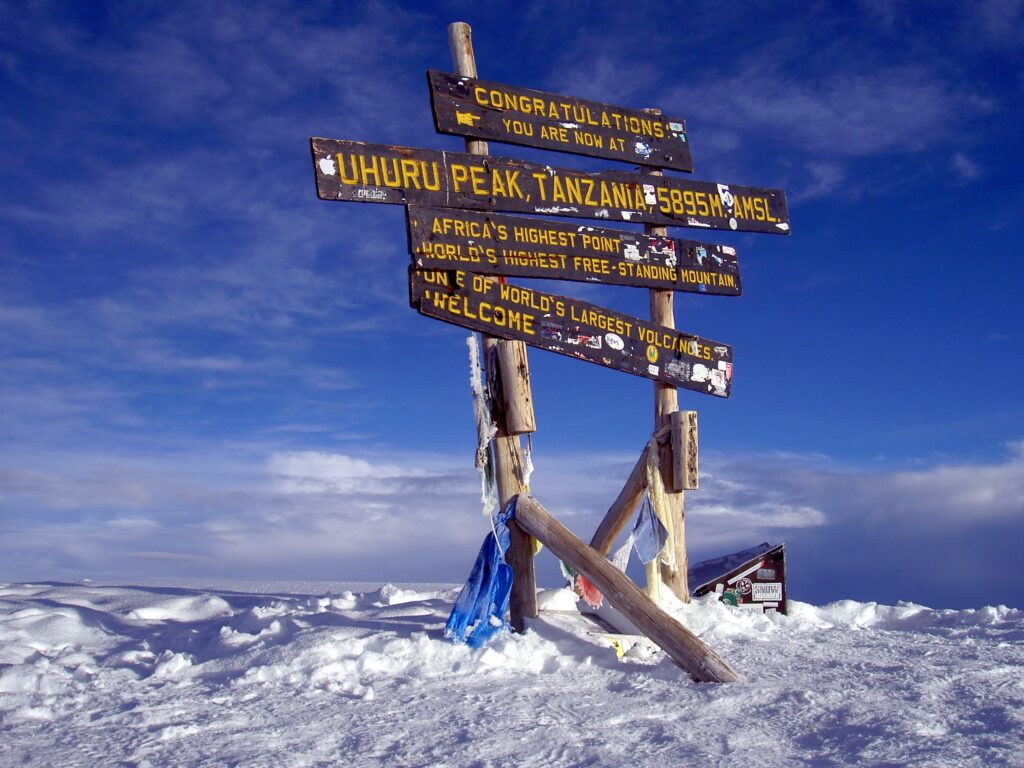
Food hygiene on Kilimanjaro is carefully managed by professional mountain chefs and support teams. Meals are prepared in controlled conditions to avoid contamination, even in remote high-altitude camps. Trekkers should always wash or sanitize their hands before eating and avoid consuming raw or unprepared food items. Proper food storage is essential to prevent spoilage due to changing temperatures on Mount Kilimanjaro. Most reputable Kilimanjaro trekking companies provide nutritious, well-cooked meals designed to maintain energy levels and support acclimatization. Safe eating practices reduce the risk of stomach infections, which are a common cause of trek failure. Maintaining strict food hygiene ensures climbers stay strong, energized, and healthy throughout the expedition to the summit of Uhuru Peak.
Waste Management and Environmental Hygiene
Waste management is a key part of hygiene during Kilimanjaro expeditions. Climbers are required to carry out all non-biodegradable waste, including plastic bottles, wrappers, and personal items. Tour operators follow strict environmental conservation rules to preserve Mount Kilimanjaro’s natural beauty. Human waste is managed using designated toilet systems, while biodegradable waste is disposed of safely in controlled areas. Responsible trekking practices help protect wildlife habitats and maintain clean campsites along popular routes such as Machame and Lemosho. Environmental hygiene is not only about cleanliness but also about sustainability. Following proper waste disposal guidelines ensures that Kilimanjaro remains one of the world’s most pristine trekking destinations for future generations of climbers.
Personal Body Hygiene and Cleanliness in Camps
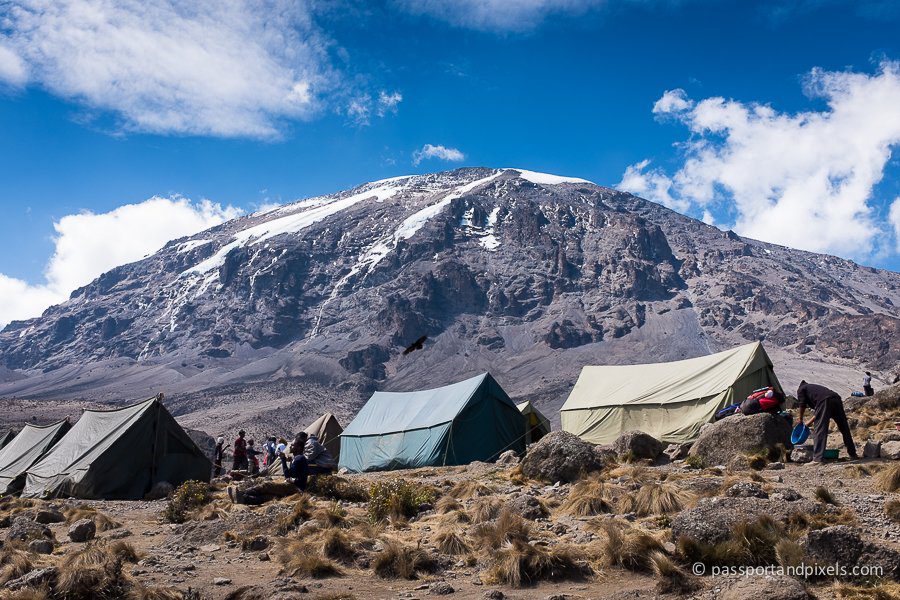
Maintaining personal body hygiene on Kilimanjaro can be challenging due to cold temperatures and limited water, but it is still essential. Trekkers often use wet wipes, dry shampoo, and biodegradable soap to stay clean during the expedition. Changing into clean clothes regularly helps prevent skin infections and discomfort. Campsites on Mount Kilimanjaro are basic, so personal hygiene routines must be adapted to mountain conditions. Many climbers also carry small towels and sanitizing wipes for quick cleaning. Good personal hygiene improves morale and comfort during long trekking days. It also helps reduce the spread of germs in shared camping environments, ensuring a healthier group experience throughout the climb to the summit.
Menstrual Hygiene Management on Kilimanjaro
Menstrual hygiene during Kilimanjaro expeditions is an important consideration for female climbers. Proper preparation includes carrying sanitary products, biodegradable wipes, and disposal bags. Due to limited facilities, climbers must manage waste responsibly and discreetly to maintain hygiene and environmental standards. Many trekking operators support women by providing private tent arrangements and guidance on hygiene practices. Maintaining cleanliness is essential to avoid infections and ensure comfort during high-altitude trekking. Female trekkers are encouraged to plan and choose suitable products for long expeditions. With proper preparation, menstrual hygiene on Mount Kilimanjaro can be managed effectively, allowing women to focus fully on the challenge of reaching Uhuru Peak safely and confidently.
What to bring on your Kilimanjaro hygiene expedition
Let's revisit a guide to personal hygiene during the Kilimanjaro Climb. The list of hygiene items you'll need to prepare for your expedition to Kilimanjaro. Hygiene items check-list:
Final thought
Hygiene during Kilimanjaro expeditions plays a vital role in ensuring safety, comfort, and summit success. From hand sanitization and safe water use to waste management and personal cleanliness, every detail contributes to a healthy trekking experience. Climbers who follow strict hygiene practices significantly reduce the risk of illness and improve their chances of reaching Uhuru Peak. Reputable Kilimanjaro tour operators prioritize sanitation standards to protect both trekkers and the mountain environment. Whether climbing via Machame, Marangu, or Lemosho routes, maintaining hygiene is essential. Ultimately, good hygiene on Mount Kilimanjaro enhances endurance, protects health, and ensures a more enjoyable and successful adventure on Africa’s highest mountain.
Hygiene During Kilimanjaro Expeditions: FAQs
Are toilets on Mount Kilimanjaro clean and safe to use?
Toilets on Mount Kilimanjaro are generally basic long-drop latrines located at each campsite. Cleanliness varies depending on the route, number of climbers, and maintenance by park staff. While they are safe to use, hygiene standards may not meet everyone’s expectations. It’s highly recommended to carry hand sanitizer, disinfectant wipes, and your own toilet paper. Many trekkers also wear gloves or use tissue barriers for extra protection.
Should I bring my own hygiene supplies for Kilimanjaro trekking?
Yes, bringing your own hygiene supplies is essential for a successful Kilimanjaro trekking experience. Items like hand sanitizer, biodegradable wet wipes, toilet paper, antibacterial soap, and small towels are highly recommended. There are no shops or resupply points on the mountain, so you must be self-sufficient. Lip balm, sunscreen, and personal care items also help maintain overall hygiene in harsh alpine conditions.
How do climbers maintain hygiene during multi-day Kilimanjaro expeditions?
Maintaining hygiene during multi-day Kilimanjaro expeditions requires careful planning and daily habits. Most climbers rely on wet wipes, hand sanitizer, and small amounts of water provided by support crews for basic cleaning. Porters usually supply warm water for washing hands and face, especially at camps. Changing into clean clothes, especially socks and base layers, also improves hygiene and comfort. Avoiding contamination by sanitizing hands before meals is critical.
Is it safe to use natural areas as toilets during the Kilimanjaro climb?
Yes, using natural areas as toilets is sometimes necessary during hikes between camps on Mount Kilimanjaro, but it must be done responsibly. Climbers should move at least 60–70 meters away from trails, camps, and water sources to avoid contamination. Always use biodegradable toilet paper and carry waste bags where required. Following Leave No Trace principles is essential to protect Kilimanjaro’s fragile ecosystem.
How do I manage hygiene during nighttime on Kilimanjaro?
Managing hygiene at night on Mount Kilimanjaro requires preparation and smart planning. Many climbers use pee bottles or portable urination containers inside their tents to avoid walking in cold, dark conditions. If you need to use camp toilets, always carry a headlamp and wear warm layers. Keep hand sanitizer easily accessible inside your tent for quick use after nighttime bathroom visits.
Do I need a portable toilet for my Kilimanjaro climb?
A portable toilet is not mandatory for climbing Mount Kilimanjaro, but it is highly recommended for comfort, privacy, and improved hygiene. Many climbers opt for this upgrade, especially on longer routes or luxury expeditions. Portable toilets are set up in private tents and maintained daily by support crews, offering a cleaner alternative to public latrines.
How do guides and porters maintain hygiene on Kilimanjaro expeditions?
Professional Kilimanjaro guides and porters follow strict hygiene practices to ensure climbers stay healthy throughout the expedition. They provide treated drinking water, assist with handwashing setups, and maintain clean cooking and dining areas. Meals are prepared under hygienic conditions, and utensils are regularly cleaned. Many crews also carry portable handwashing stations with soap.
What hygiene risks should I be aware of on Kilimanjaro?
The main hygiene risks on Mount Kilimanjaro include poor sanitation in public toilets, limited water for washing, and the potential spread of germs in shared spaces. Without proper hygiene, trekkers may experience stomach issues or infections. To minimize risks, always sanitize your hands before eating, avoid touching your face unnecessarily, and use clean personal gear.
Can I shower during a Kilimanjaro expedition?
There are no shower facilities available on Mount Kilimanjaro during the climb. Due to cold temperatures and limited water supply, traditional bathing is not possible. Most trekkers rely on wet wipes, small towels, and occasional warm water provided by porters for basic cleaning. Staying dry and changing into clean clothes helps maintain hygiene.
How can I stay fresh and comfortable during the Kilimanjaro climb?
Staying fresh on Mount Kilimanjaro requires a combination of good hygiene habits and smart packing. Use wet wipes for daily cleaning, change clothes regularly, and keep your gear organized. Applying deodorant, wearing moisture-wicking clothing, and airing out your sleeping bag also help. Drink plenty of water and maintain hand hygiene before meals.
Climb Kilimanjaro With Confidence
Tell us your dates and fitness, and our experienced mountain team will plan a safe, well-acclimatized private climb.