How Climbing Mount Kilimanjaro Changed Travelers’ Perspective?
How Climbing Mount Kilimanjaro Changed Travelers’ Perspective?
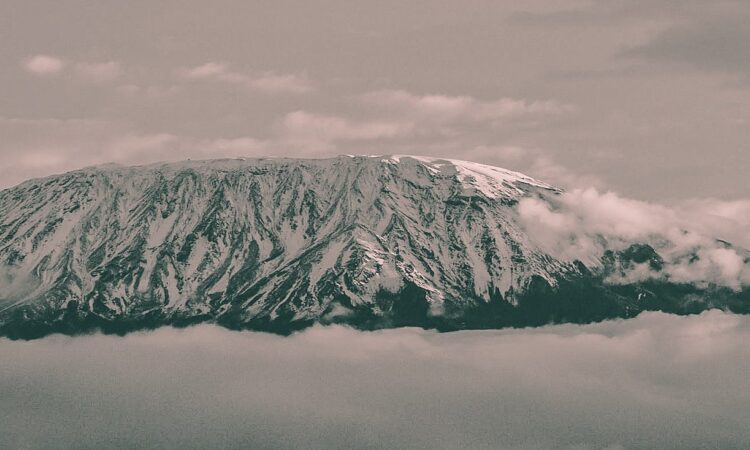
Mount Kilimanjaro, Africa’s highest peak at 5,895 meters (19,341 feet), has long captivated travelers with its breathtaking scenery, diverse ecosystems, and cultural significance. More than just a physical challenge, climbing this majestic mountain has proven to be a transformative experience for countless adventurers. Those who venture up its slopes often leave with a fresh perspective on life, a deeper connection to nature, and invaluable lessons about resilience and camaraderie. Mount Kilimanjaro, Africa's highest peak, is a majestic sentinel that has captured the imagination of adventurers for centuries. Many people see climbing it as a physical challenge to be conquered. Those who have stood on its snow-capped summit often come back with more than just a sense of accomplishment.
Climbing Mount Kilimanjaro changes one's perspective by fostering presence and focus on the now, revealing the power of stepping outside one's comfort zone, and instilling humility, gratitude, and resilience on Kilimanjaro’s trails. The physical and mental challenges of the climb, coupled with the support of guides and porters, highlight the importance of perseverance, collective triumph, and the ability to overcome inner doubts, ultimately leaving climbers with a renewed vigor and a profound appreciation for the journey and the support of others. They return with a profound shift in perspective—a new way of seeing the world and their place in it. The journey up Kilimanjaro is less about reaching the top and more about the internal transformation that happens along the way. Here’s a look at how this epic climb can change a person's life.
Redefining Your Limits
Before they even set foot on the trail, most climbers have a predefined idea of their physical and mental limits. The Kilimanjaro climb shatters these notions. The combination of high altitude, steep inclines, and long trekking hours pushes the body and mind to their absolute brink. You discover muscles you never knew you had and a well of endurance you didn't think was possible. What once seemed impossible—taking another step, breathing in the thin air, or enduring the cold—becomes the new normal. This journey teaches you that your perceived limitations are often just self-imposed barriers. When you realize you can achieve something as monumental as climbing Kilimanjaro, you start to question what else you've told yourself you can't do.
The Power of Patience ("Pole, Pole")
One of the most valuable lessons taught on the mountain is encapsulated in a Swahili phrase you’ll hear constantly: "Pole, pole," which means "slowly, slowly." Rushing up Kilimanjaro is a recipe for disaster, as it can lead to altitude sickness and exhaustion. The guides emphasize a deliberate, measured pace. This lesson extends far beyond the mountain trail. In a fast-paced world that glorifies instant gratification, the "pole, pole" philosophy is a powerful reminder to slow down, be patient, and trust the process. You learn that great things are achieved not by sprinting but by taking one careful, deliberate step at a time. This patient approach can be applied to any long-term goal, from career aspirations to personal growth.
Appreciation for Simplicity
Life on the mountain is stripped down to its essentials. Your focus narrows to the most fundamental needs: food, water, warmth, and rest. There are no distractions—no phones, no social media, no deadlines. This forced simplicity brings an incredible clarity. You come to appreciate the warmth of a sleeping bag, the sustenance of a hot meal, and the simple act of breathing without effort. This experience instills a deep gratitude for the basic comforts we often take for granted. After returning to the complexities of modern life, climbers find themselves reevaluating their priorities and focusing on what truly matters rather than getting caught up in the trivialities of daily life. You will have 3 words to describe your feelings when you reach the peak of Mount Kilimanjaro: thrilling, exhilarating, and emotional.
Embracing the Journey, Not Just the Destination
While the summit is the ultimate goal, a successful Kilimanjaro climb is defined by the entire journey. The trek through lush rainforests, across vast alpine deserts, and over rocky terrain is an incredible experience in itself. The guides, porters, and fellow climbers become your temporary family. You will share stories, fears, and triumphs. If you focus solely on reaching the top, you miss the breathtaking sunrises, the unique flora and fauna, and the bonds you forge along the way. Kilimanjaro teaches you to find joy in the process and to understand that the beauty lies not just in the end result, but in every single step you take to get there.
For centuries, Kilimanjaro has served as a symbol of hope and inspiration for those who call Africa home. Its strong presence reminds us of the heights that can be reached through perseverance and unity. For these indigenous tribes, the mountain holds deep cultural and spiritual significance. For the Chagga people, who live on its fertile lower slopes, the mountain has long been woven into traditions, beliefs and daily life.
Humility and Insignificance
Standing at 19,341 feet, with the world stretched out below you, gives you a profound sense of perspective. You're just a speck on a massive, ancient mountain. The sheer scale and power of the landscape dwarf any personal ego or worldly concerns. This experience is incredibly humbling. You realize that nature is in charge, and your control is limited. This feeling of insignificance, however, is not dispiriting. Instead, it’s liberating. It helps you let go of the small worries and stresses that consume daily life and fosters a deep respect for the power and majesty of the natural world. Because, simply put, Kilimanjaro is one of the most beautiful spots on the planet. The scenery ranges from the sublime to the spectacular, with skies clear and landscape rugged. It's also a very unearthly place, at times. But it's also always fascinating, and always beautiful.
The Importance of Teamwork and Support
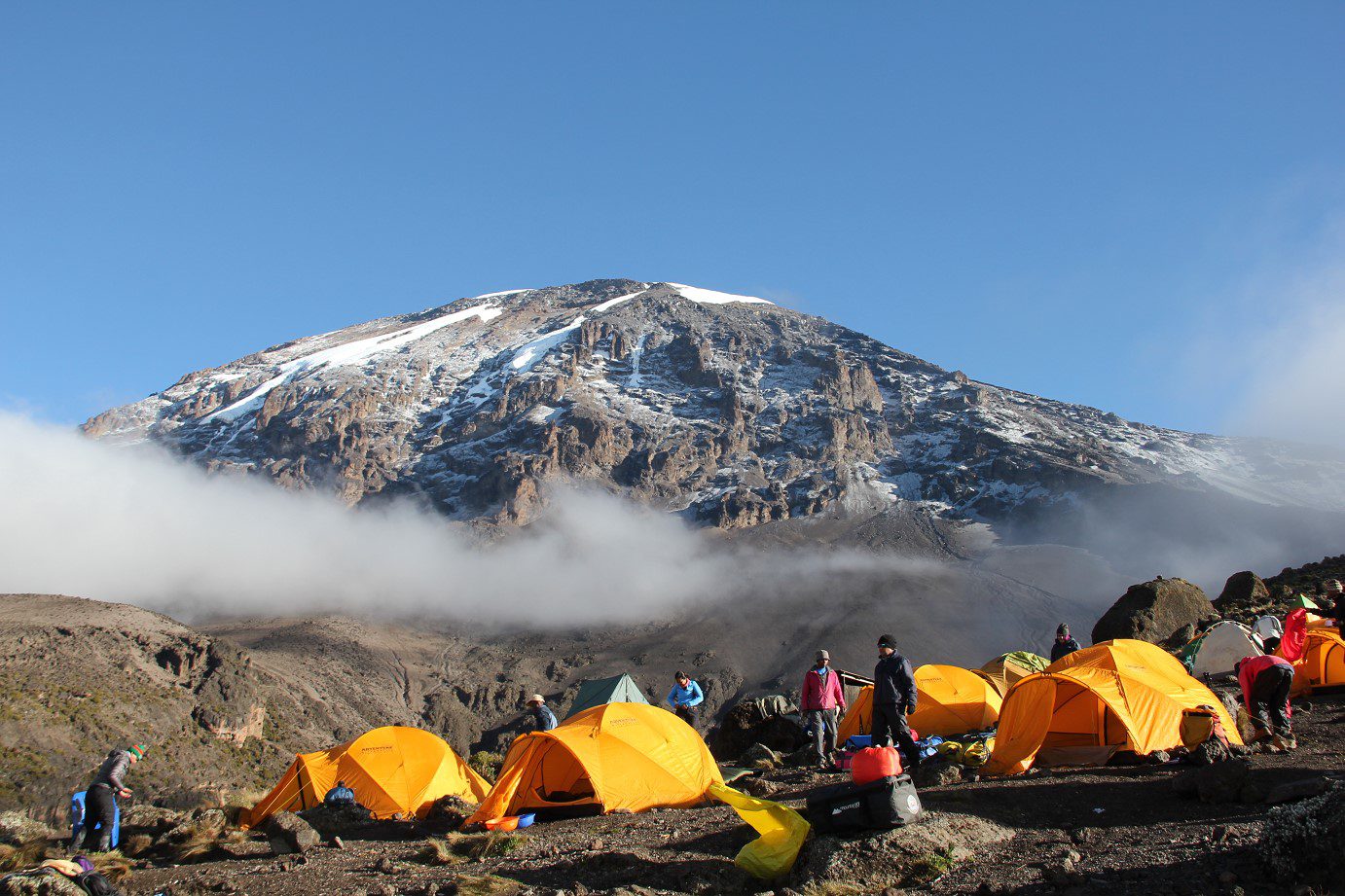
Climbing Kilimanjaro is not a solo endeavor. It's a collective effort that relies on the strength and dedication of a team. The local guides and porters are the lifeblood of the expedition, carrying gear, preparing meals, and ensuring your safety with an unwavering spirit. Your fellow climbers become a crucial support system. You encourage each other when exhaustion sets in, share a laugh to lighten the mood, and offer a hand on a difficult section of the trail. This experience highlights the immense power of human connection and the fact that no great feat is ever accomplished alone. You learn to trust others and to understand that true strength often comes from leaning on a community.
Climbing helps people try new things and gain confidence. Mountain climbers need each other for support and safety, which requires cooperation and friendship. Collaboration and fellowship can be fostered when climbers work together to accomplish a goal. Both personal and professional bonds can benefit from teamwork. Kilimanjaro is considered a natural wonder as it's no longer only a mountain; it's a whole ecosystem in itself. It is Africa's tallest mountain, standing tall in Tanzania. What makes it extra special is its snow-capped summit, a rare sight in Africa.
Guides
Lead the way, set the pace and keep you safe.
Porters
Carry gear and set up camp before you arrive.
Cook
Prepares hot, energy-rich meals on the trail.
Fellow climbers
Share laughs, encouragement and the summit moment.
Mind Over Matter
As you ascend higher, the physical toll becomes immense, and the air becomes thin. At this point, the climb shifts from a physical challenge to a mental one. You are often battling with a voice in your head telling you to turn back. Kilimanjaro teaches you to silence that voice. You learn that your mind is far more powerful than you ever thought. By focusing on the present moment, on your breath, and on the next step, you can overcome incredible discomfort. This mental fortitude is a skill that translates directly into overcoming obstacles in life, whether they are professional challenges or personal struggles.
Gratitude for the Essentials
When you are pushing your body to its limits, the small acts of kindness and comfort become monumental. The porters who set up your tent after a long day of hiking, the warm cup of tea waiting for you in the morning, and the encouraging smile from a guide—these moments become cherished memories. This experience forces you to appreciate the value of simple things and the kindness of others. It replaces a sense of entitlement with a profound feeling of gratitude for everything you have, however small it may seem. If your bucket list of mountains to climb includes dominating the world's top peaks, then Kilimanjaro must be one of your considerations. As one of the Seven Summits, Kilimanjaro is the most accessible peak for hikers.
Environmental Awareness
The journey up Kilimanjaro takes you through a series of distinct ecological zones, from rainforests to barren alpine deserts, showcasing the fragility and beauty of different ecosystems. Seeing these diverse environments firsthand instills a deep sense of responsibility to protect them. Climbers often return with a renewed commitment to environmental conservation, understanding that these pristine landscapes are precious and must be preserved for future generations. Not only will you build incredible strength and endurance from climbing mountains (consistently), but you'll also find that your diet becomes better. You're also going to find that unhealthy food will not fuel you properly.
- RainforestLush lower slopes
- Heath & moorlandGiant lobelias
- Alpine desertStark and rocky
- Arctic summitGlaciers & Uhuru Peak
A Renewed Sense of Self-Confidence
The final push to the summit is a grueling, dark, and cold affair. Yet, as the sun rises and you stand on Uhuru Peak, you feel an exhilaration that is hard to describe. It is a feeling of triumph and unwavering self-confidence. You have overcome one of the world's most formidable challenges. This accomplishment serves as a permanent reminder that you are capable of far more than you ever imagined. It’s a confidence that doesn't fade with time but becomes a bedrock for approaching future challenges with courage and determination.
- “Pole pole” means “slowly, slowly” in Swahili.
- Kilimanjaro requires technical climbing skills.
- Uhuru Peak stands at 19,341 feet.
- Most summit attempts begin around midnight.
How does Mount Kilimanjaro impact people?
Mount Kilimanjaro is the highest mountain in Africa and a vital source of water for the Pangani River Basin in Tanzania, which covers more than 43,000 km². Known for its incredible biodiversity, Kilimanjaro is also an important source of food, fuel, and building material, as well as a place of great significance for locals. The Maasai people, who live on the surrounding plains, also hold the mountain in deep respect as a landmark of their homeland.
Can climbing a mountain change your life?
Climbing a mountain can be a life-changing experience. It pushes your physical and mental limits, teaching resilience, patience, and self-discovery. Away from daily distractions, you gain clarity, confidence, and a deeper appreciation for nature and life’s simple moments. The journey often inspires lasting personal growth and a fresh perspective on what truly matters. Reaching the summit of Uhuru Peak was a collective triumph, the result of every person who had carried, guided, and cheered us on. Kilimanjaro teaches you to see beyond yourself and recognize that every step you take is supported by many unseen hands.
Can a normal person climb Kilimanjaro?
Yes, the average active person can climb Kilimanjaro, but you need to be prepared. The more you train physically, the more you prepare mentally, the more you stay positive, and the more you make your ascent a fun project rather than a chore, the greater your chances of making the summit. Most of Kilimanjaro's trails are relatively safe in terms of exposure. However, there is one notable section that height-sensitive climbers often ask about: the Barranco Wall. Found on the 7 Days Machame Route and the Lemosho Route, the Barranco Wall is a short, non-technical rock scramble. Mount Kilimanjaro is not just Africa's highest peak and the world's tallest free-standing mountain. It is also one of the Seven Summits of the world. Rising at 5,895 meters above sea level, Mount Kilimanjaro features a snow-capped peak all year round.
Kilimanjaro Tours and Activities 2026/2027
For Kilimanjaro tours and activities in 2026/2027, you can choose from various routes, with popular options including the Lemosho, Machame, and Marangu routes, and longer paths like the Northern Circuit. Activities focus on climbing the mountain via these routes, with durations typically ranging from 5 to 10 days, though longer treks are recommended for better altitude acclimatization and higher success rates. You can find Kilimanjaro tours from budget-friendly treks to luxury private expeditions from various operators like Foot Slopes Tours and Safaris.
Final Thought
Climbing Kilimanjaro is a pilgrimage that goes beyond the physical. It’s an introspective journey that reshapes your perspective and leaves an indelible mark on your soul. It’s a climb that reminds you to be patient, to appreciate simplicity, to rely on others, and to never underestimate your own strength. It changes you, not by giving you a new view of the world from the top, but by giving you a new view of yourself. In essence, climbing Mount Kilimanjaro is not merely about conquering a mountain; it's about discovering one's limits, fostering resilience, and gaining a deeper appreciation for life and its intricate challenges. The mountain fundamentally alters perspectives, equipping travelers with a renewed sense of purpose and a drive to live life to its fullest. In a world that often prioritizes the mundane, Kilimanjaro stands as a reminder of the extraordinary potential within each of us.
Climbing Kilimanjaro: FAQs
How does climbing Kilimanjaro change your perspective?
Climbing Kilimanjaro pushes you beyond what you thought possible, teaches patience through “pole pole”, and strips life back to essentials. Many climbers return with more gratitude, humility and self-confidence, a stronger respect for nature and teamwork, and a clearer sense of what truly matters in life.
Can a normal person climb Kilimanjaro?
Yes. The average active person can climb Kilimanjaro with good preparation. Train physically, prepare mentally, choose a longer route for acclimatization and follow your guide’s pace. The climb is a trek rather than a technical ascent, and the Barranco Wall is a short, non-technical scramble.
What does “pole pole” mean on Kilimanjaro?
“Pole pole” is Swahili for “slowly, slowly”. Guides repeat it constantly because a slow, steady pace helps your body adjust to altitude and avoid exhaustion. Many climbers carry the lesson home, applying patience and steady progress to long-term goals in work and life.
How many people climb Kilimanjaro each year?
Between 30,000 and 50,000 people climb Kilimanjaro annually, most during the dry seasons. That averages roughly 143 to 238 climbers starting each day in the busy months, supported by thousands of local guides, porters and cooks.
Which Kilimanjaro route is best?
Lemosho and Machame are popular for their scenery and good acclimatization, while the Northern Circuit offers the most time to adjust and quieter trails. Marangu is the classic hut route. Longer itineraries of 7 to 10 days generally bring higher summit success rates.
How long does it take to climb Kilimanjaro?
Most climbs take 5 to 10 days depending on the route. Longer treks are recommended because extra days help your body acclimatize, improving comfort, safety and your chances of reaching Uhuru Peak.
Why are guides and porters so important on Kilimanjaro?
Climbing Kilimanjaro is a team effort. Local guides set a safe pace and monitor your health, while porters carry gear, set up camp and help prepare meals. Their support makes the summit possible, and many climbers say the team is the heart of the experience.
Is climbing Kilimanjaro worth it?
For most climbers, yes. Beyond standing on Africa’s highest point, the journey through rainforest, moorland, alpine desert and glaciers brings lasting lessons in resilience, gratitude and teamwork. It is one of the Seven Summits and the most accessible for trekkers.
Start Your Own Kilimanjaro Journey
Tell us your dates and experience, and our Moshi-based team will plan a private Kilimanjaro climb on the route that suits you, with expert guides and a supportive mountain crew.