What is a Good Hat for Climbing Kilimanjaro?
What is a Good Hat for Climbing Kilimanjaro?
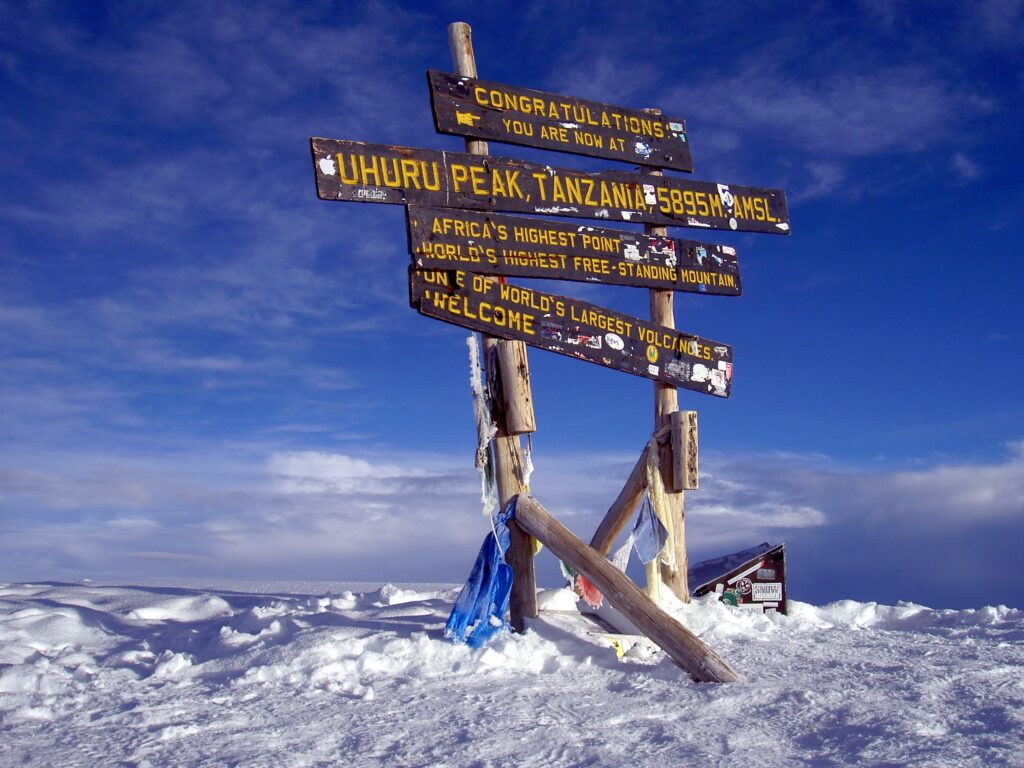
A good hat for climbing Kilimanjaro is one of the most essential pieces of Kilimanjaro climbing gear and plays a major role in both comfort and safety on the mountain. From the tropical rainforest at the base of Mount Kilimanjaro in Mount Kilimanjaro to the freezing summit zone near Uhuru Peak, climbers experience extreme weather changes that require smart head protection. The best Kilimanjaro hat provides sun protection, warmth, wind resistance, and moisture control all in one climbing accessory. Whether you are preparing a Kilimanjaro packing list or choosing safari-style trekking gear, understanding the right hat can make a huge difference in your success. This guide explores the best hats for Kilimanjaro trekking, including wide-brim hats, beanies, and multi-layer options designed for high-altitude conditions and unpredictable African mountain weather.
Importance of Wearing a Hat on Kilimanjaro
A hat is not just an accessory when climbing Kilimanjaro—it is a critical survival and comfort item. The sun at high altitude on Mount Kilimanjaro is extremely intense due to a thinner atmosphere, increasing UV exposure risk even on cloudy days. A good climbing hat protects your face, ears, and neck from sunburn, heat exhaustion, and dehydration during long trekking hours. At the same time, temperatures can drop dramatically, especially during early morning hikes and summit night. A proper Kilimanjaro hat helps regulate body temperature and reduces heat loss. Many climbers underestimate this simple gear, but experienced guides always emphasize it as part of essential Kilimanjaro trekking equipment. Choosing the right hat improves endurance, comfort, and overall climbing performance.
Sun Protection and UV Defense
Sun protection is one of the most important reasons to wear a hat while climbing Kilimanjaro. At higher elevations, UV radiation becomes significantly stronger, increasing the risk of sunburn and long-term skin damage. A wide-brim or UV-rated Kilimanjaro sun hat provides essential protection for your face, ears, and neck during long exposed sections of the trek. Even when temperatures feel cool, the sun in the African equatorial region is intense. Many climbers use hats with UPF-rated fabric for added safety. Proper sun protection gear also reduces fatigue and prevents overheating, allowing you to maintain steady energy levels during ascent. Without a proper hat, climbers risk painful sun exposure that can affect performance throughout the entire expedition on Kilimanjaro National Park trails.
Cold Weather Protection at High Altitude
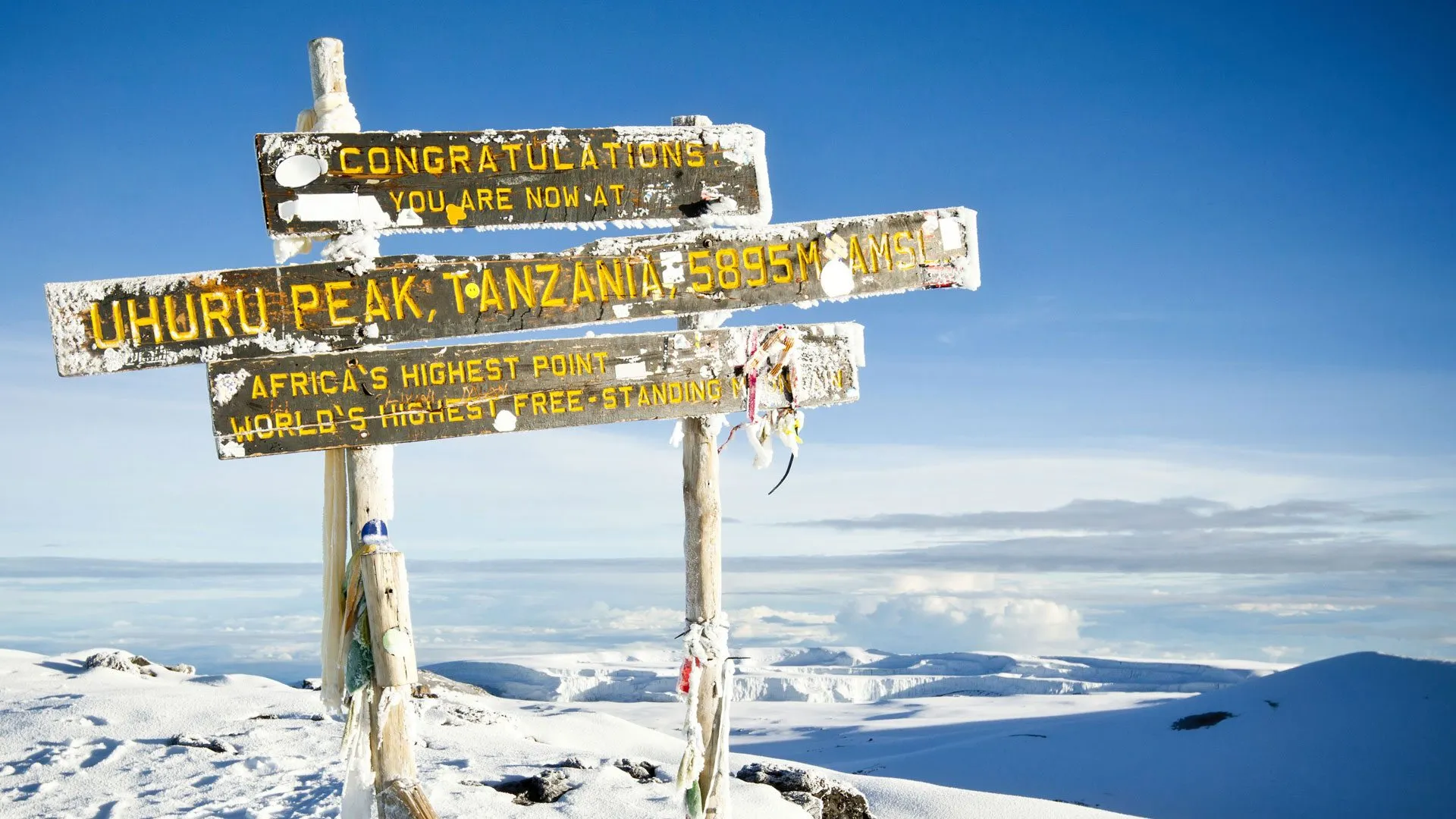
As climbers ascend higher on Mount Kilimanjaro, temperatures can drop below freezing, especially at night and during summit attempts. A warm Kilimanjaro climbing hat, such as a thermal beanie or fleece-lined cap, becomes essential in these conditions. Heat loss from the head is significant at high altitude, making insulation critical for maintaining body warmth. A good cold-weather hat helps prevent hypothermia, frostbite on the ears, and discomfort during windy summit approaches. Many climbers layer hats, starting with a lightweight sun hat during the day and switching to insulated beanies at night. The summit zone near Uhuru Peak requires maximum thermal protection due to freezing winds and low oxygen levels. Proper head insulation is key to a successful and safe Kilimanjaro climb experience.
Best Materials for Kilimanjaro Hats
The material of a Kilimanjaro hat plays a major role in performance, comfort, and durability. Lightweight breathable fabrics like polyester, nylon, and quick-dry blends are ideal for hot and humid rainforest sections. For colder conditions, fleece and merino wool provide excellent insulation and moisture control. A good climbing hat should also be sweat-wicking to keep your head dry during long trekking hours. Cotton is generally not recommended because it absorbs moisture and dries slowly, increasing discomfort. Many high-quality Kilimanjaro trekking hats combine multiple materials to handle both heat and cold conditions. Choosing the right fabric ensures better temperature regulation, reduces irritation, and enhances overall trekking efficiency across different climate zones on Mount Kilimanjaro.
Breathability and Moisture Control
Breathability is a key feature of any good Kilimanjaro climbing hat because trekkers often experience heavy sweating during long uphill hikes. A breathable hat allows heat and moisture to escape, preventing overheating and discomfort. Moisture-wicking technology helps keep sweat away from the skin, which is especially important when transitioning between warm rainforest zones and colder alpine regions. Without proper ventilation, climbers may feel dizzy, fatigued, or chilled due to trapped moisture. Mesh panels and lightweight fabrics improve airflow while maintaining protection from the sun and wind. A well-designed breathable hat ensures consistent comfort throughout the climb, making it easier to maintain focus and endurance during multi-day trekking routes on Mount Kilimanjaro.
Wide-Brim Hats for Sun Protection
Wide-brim hats are one of the most popular choices for Kilimanjaro trekking because they provide maximum sun coverage. These hats shield the face, ears, and neck from strong UV rays, especially during long exposed sections of the trail. A wide-brim Kilimanjaro hat is ideal for lower and mid-altitude zones where temperatures are warmer, and sun exposure is intense. Many climbers prefer models with adjustable straps to prevent wind from blowing them off. Some designs also include neck flaps for extra protection. While not suitable for summit night due to cold conditions, they are essential during daytime hikes. A good wide-brim hat is lightweight, foldable, and durable, making it a key item in any Kilimanjaro packing list.
Baseball Caps and Lightweight Trekking Caps
Baseball caps and lightweight trekking caps are commonly used on Mount Kilimanjaro for their simplicity and comfort. They provide moderate sun protection for the face while allowing good airflow, making them ideal for rainforest and lower mountain zones. These caps are easy to wear under hoods or helmets and are often preferred by climbers who want minimal bulk in their gear. However, they offer limited protection for the neck and ears, so additional sun protection like sunscreen is necessary. Many trekking caps are made from quick-dry, moisture-wicking materials designed for active hiking. While not suitable for extreme cold or summit conditions, they are a practical and versatile option during the early stages of the Kilimanjaro climb.
Neck Flaps and Extended Protection Hats
Hats with neck flaps are highly recommended for Kilimanjaro trekking because they provide extended sun protection beyond the face and head. These hats are especially useful in exposed areas where UV radiation is strong and shade is limited. The flap protects the neck from sunburn, which is a common issue among climbers. Many modern designs allow the flap to be tucked away when not needed, offering flexibility for changing weather conditions. This type of Kilimanjaro hat is ideal for long hiking days when sun exposure is constant. It is also lightweight and breathable, making it comfortable for extended wear. Neck flap hats are often included in professional trekking gear lists for Mount Kilimanjaro expeditions.
Layering Hats for Changing Weather
Layering hats is a smart strategy for dealing with Kilimanjaro’s extreme weather variations. Climbers often start with a sun-protective hat during warm daytime hikes and switch to a thermal beanie when temperatures drop. In colder zones, combining a thin liner hat with a thicker insulated cap provides additional warmth. This layering system ensures flexibility and comfort across different altitude zones of Mount Kilimanjaro. It also helps manage sweat during the day and retain heat at night. Experienced climbers always pack at least two or three hat types for different conditions. Proper layering improves overall performance and reduces the risk of cold-related issues during summit night on Africa’s highest peak.
Waterproof and Weather-Resistant Hats
The weather on Kilimanjaro can change rapidly, making waterproof or water-resistant hats a valuable part of trekking gear. Rain is common in rainforest sections, and a wet head can quickly lead to discomfort and heat loss. Waterproof hats help keep climbers dry during unexpected showers while maintaining breathability. Many high-quality Kilimanjaro hats use treated fabrics that repel water while still allowing airflow. These hats are especially useful when trekking through lower forest zones where humidity is high. A weather-resistant hat also protects against mist, wind, and light snowfall at higher altitudes. Having reliable head protection ensures consistent comfort and reduces the risk of illness or fatigue caused by prolonged exposure to wet conditions.
Wind Protection at High Altitudes
Strong winds are common at higher elevations of Mount Kilimanjaro, especially during summit attempts. A good Kilimanjaro climbing hat should include wind-resistant features such as tight-fitting designs, adjustable straps, or insulated materials. Wind chill can significantly reduce body temperature, making proper head protection essential for safety and comfort. Beanies made from fleece or wool are particularly effective in blocking cold air. Some hats also include ear flaps for extra protection. Without proper wind protection, climbers may experience discomfort, fatigue, or even early signs of hypothermia. Choosing a hat designed for alpine conditions ensures better endurance and improves the chances of successfully reaching Uhuru Peak.
UV Rating and Sun Safety Standards
When selecting a Kilimanjaro hat, the UV protection rating is an important factor to consider. Hats with UPF (Ultraviolet Protection Factor) ratings offer scientifically tested protection against harmful sun rays. A UPF 50+ hat blocks most UV radiation, making it ideal for high-altitude trekking on Mount Kilimanjaro. This level of protection helps prevent sunburn, skin damage, and long-term exposure risks. Many professional trekking hats are specifically designed with UV-resistant fabrics to enhance safety in extreme sunlight conditions. Combined with sunglasses and sunscreen, a UV-rated hat provides complete sun protection during long hikes. Understanding UV safety standards ensures climbers choose the best gear for both comfort and health during their expedition.
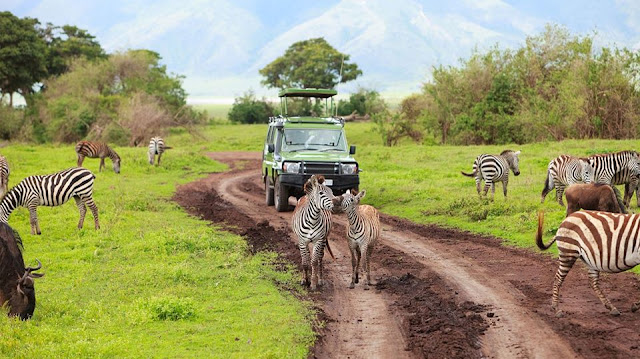
Approach, feed or disturb wildlife, or leave the vehicle unless your guide says it is safe.
Follow your guide, carry travel insurance and check current health and travel advice.
Fit, Comfort, and Adjustability
A proper fit is essential when choosing a Kilimanjaro climbing hat because discomfort can become a major issue during long trekking days. A good hat should be adjustable, secure, and lightweight to prevent slipping in windy conditions. Tight hats can cause headaches, while loose hats may fall off during hikes. Adjustable straps, drawstrings, and elastic bands help achieve the perfect fit for different head sizes. Comfort is also improved through soft inner linings and breathable fabrics. Since climbers wear hats for many hours daily, even small discomforts can affect performance. A well-fitting Kilimanjaro hat enhances focus, reduces distractions, and improves the overall trekking experience on the mountain.
Packing the Right Hats for Kilimanjaro
Packing the right hats is an important part of preparing for a Kilimanjaro expedition. Climbers should include at least a wide-brim sun hat, a lightweight cap, and a warm beanie for summit night. This combination ensures full protection across all climate zones on Mount Kilimanjaro. Each hat serves a different purpose, from sun protection in lower forests to thermal insulation at high altitudes. Packing extra options also provides backup in case of loss or damage. A well-planned Kilimanjaro packing list always includes versatile, lightweight, and quick-dry hats. Proper preparation ensures climbers are ready for changing weather conditions throughout the journey to Uhuru Peak.
Common Mistakes When Choosing a Kilimanjaro Hat
One of the most common mistakes climbers make is underestimating the importance of a proper Kilimanjaro hat. Many travelers bring only a baseball cap, which offers limited protection against the sun, wind, and cold. Others choose cotton hats that retain moisture and become uncomfortable during long hikes. Some climbers also forget to bring a warm hat for summit night, leading to cold-related discomfort. Ignoring UV protection is another frequent error that results in sunburn and fatigue. Choosing fashion over function can negatively impact the climbing experience. Selecting the right combination of sun, wind, and cold-weather hats is essential for a successful Kilimanjaro trekking adventure.
Best Overall Hat Recommendations for Kilimanjaro
The best Kilimanjaro hats are those that combine versatility, protection, and comfort. A wide-brim sun hat is ideal for daytime trekking, a breathable cap works well in humid zones, and a fleece beanie is essential for summit night. Multi-functional hats with UV protection, moisture-wicking fabric, and adjustable fit are highly recommended. The goal is to adapt to the extreme environmental changes of Mount Kilimanjaro efficiently. No single hat is enough for the entire climb, so layering different types is the best strategy. High-quality trekking hats improve comfort, safety, and performance, making them a crucial part of any successful Kilimanjaro climbing gear setup.
Final Thought
Choosing a good hat for climbing Kilimanjaro is not a small detail—it is a key part of your overall success on Africa’s highest peak, Mount Kilimanjaro. The right combination of sun protection, warmth, breathability, and weather resistance ensures you stay comfortable across all altitude zones. From the hot rainforest base to the freezing summit at Uhuru Peak, your hat protects you from sunburn, wind, rain, and extreme cold. Many climbers underestimate this simple gear, but experienced guides know it is essential for safety and endurance. With the right Kilimanjaro climbing hat strategy, you improve your chances of reaching the summit while enjoying the journey. In the end, smart gear choices turn a challenging climb into a more manageable and memorable adventure.
What is a Good Hat for Climbing Kilimanjaro?: FAQs
What should you know about importance of Wearing a hat on Kilimanjaro?
A hat is not just an accessory when climbing Kilimanjaro—it is a critical survival and comfort item. The sun at high altitude on Mount Kilimanjaro is extremely intense due to a thinner atmosphere, increasing UV exposure risk even on cloudy days. A good climbing hat protects your face, ears, and neck from sunburn, heat exhaustion, and dehydration during long trekking hours.
What is the cold weather protection at high altitude on Kilimanjaro like?
As climbers ascend higher on Mount Kilimanjaro, temperatures can drop below freezing, especially at night and during summit attempts. A warm Kilimanjaro climbing hat, such as a thermal beanie or fleece-lined cap, becomes essential in these conditions. Heat loss from the head is significant at high altitude, making insulation critical for maintaining body warmth.
What can you expect from breathability and moisture control on Kilimanjaro?
Breathability is a key feature of any good Kilimanjaro climbing hat because trekkers often experience heavy sweating during long uphill hikes. A breathable hat allows heat and moisture to escape, preventing overheating and discomfort. Moisture-wicking technology helps keep sweat away from the skin, which is especially important when transitioning between warm rainforest zones and colder alpine regions.
What should you know about baseball caps and lightweight trekking caps on Kilimanjaro?
Baseball caps and lightweight trekking caps are commonly used on Mount Kilimanjaro for their simplicity and comfort. They provide moderate sun protection for the face while allowing good airflow, making them ideal for rainforest and lower mountain zones. These caps are easy to wear under hoods or helmets and are often preferred by climbers who want minimal bulk in their gear.
What is the layering hats for changing weather on Kilimanjaro like?
Layering hats is a smart strategy for dealing with Kilimanjaro’s extreme weather variations. Climbers often start with a sun-protective hat during warm daytime hikes and switch to a thermal beanie when temperatures drop. In colder zones, combining a thin liner hat with a thicker insulated cap provides additional warmth.
What can you expect from wind protection at high altitudes on Kilimanjaro?
Strong winds are common at higher elevations of Mount Kilimanjaro, especially during summit attempts. A good Kilimanjaro climbing hat should include wind-resistant features such as tight-fitting designs, adjustable straps, or insulated materials. Wind chill can significantly reduce body temperature, making proper head protection essential for safety and comfort.
What should you know about fit, comfort, and Adjustability on Kilimanjaro?
A proper fit is essential when choosing a Kilimanjaro climbing hat because discomfort can become a major issue during long trekking days. A good hat should be adjustable, secure, and lightweight to prevent slipping in windy conditions. Tight hats can cause headaches, while loose hats may fall off during hikes.
What can you expect from common mistakes when choosing a Kilimanjaro hat?
One of the most common mistakes climbers make is underestimating the importance of a proper Kilimanjaro hat. Many travelers bring only a baseball cap, which offers limited protection against the sun, wind, and cold. Others choose cotton hats that retain moisture and become uncomfortable during long hikes.
Climb Kilimanjaro With Confidence
Tell us your dates and fitness, and our experienced mountain team will plan a safe, well-acclimatized private climb.