Eight Steps to Make Climbing Kilimanjaro Easier
Eight Steps to Make Climbing Kilimanjaro Easier
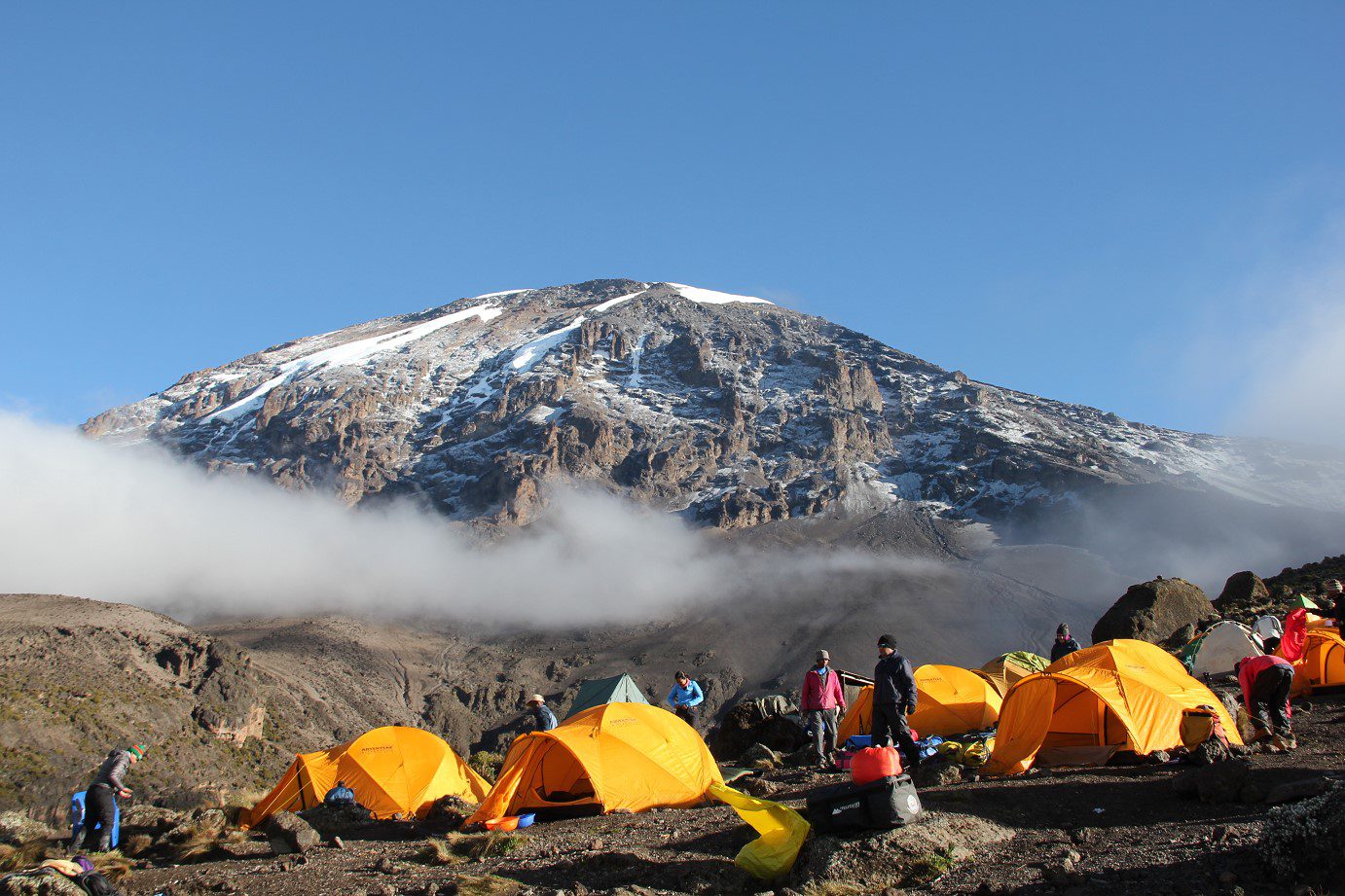
To make climbing Kilimanjaro easier, prioritize slow acclimatization by choosing a longer route, commit to a consistent physical training plan beforehand, and strictly follow your guide's advice on pacing, hydration, and nutrition. Climbing Mount Kilimanjaro is a life-changing adventure, attracting hikers, trekkers, and adventure travelers worldwide. Known as Africa’s highest peak, Kilimanjaro offers diverse landscapes, from lush rainforests to alpine deserts and the snow-capped summit. Many travelers dream of reaching Uhuru Peak but underestimate the physical and mental demands of this climb. The key to a successful Kilimanjaro trek is preparation—choosing the right route, understanding altitude effects, and developing both physical stamina and mental resilience. By following these eight essential steps, climbers can make their Kilimanjaro experience smoother, safer, and more enjoyable while maximizing the chance to reach the summit without altitude sickness or exhaustion.
Choose the Right Route for Acclimatization
Selecting the ideal Kilimanjaro route is critical for acclimatization and increasing summit success. Routes like Lemosho, Machame, and Northern Circuit provide gradual altitude gain, allowing your body to adjust to thinner air, reducing the risk of altitude sickness. In contrast, shorter routes like Marangu are popular but less forgiving, with faster ascents that challenge beginners. Research each trail’s difficulty, scenery, and camping style to match your fitness level and experience. Longer treks not only improve acclimatization but also offer spectacular views, including the Shira Plateau, Lava Tower, and Western Breach. A carefully chosen route ensures a balance between adventure, safety, and maximizing your Kilimanjaro summit experience.
Train for Stamina and Endurance
Physical preparation is essential for conquering Mount Kilimanjaro. Cardiovascular training like running, hiking, cycling, and swimming strengthens your heart and lungs, while leg-focused exercises—squats, lunges, and stair climbing—build stamina for long days on steep terrain. Incorporate strength training and core workouts to improve balance and reduce fatigue on uneven trails. Hiking with a loaded backpack simulates the actual climb and conditions your body for multi-day treks. Ideally, start training 8–12 weeks before your Kilimanjaro expedition. Consistent preparation reduces the risk of injury, improves endurance, and enhances your ability to tackle altitude changes while maintaining energy levels throughout the journey, ultimately increasing your chances of summiting successfully.
Pace Yourself – “Pole Pole”
“Pole pole,” meaning “slowly, slowly” in Swahili, is the golden rule for climbing Kilimanjaro. Rapid ascents increase the likelihood of altitude sickness and exhaustion. By maintaining a steady pace, your body adjusts more effectively to decreasing oxygen levels at higher altitudes. Use trekking poles to distribute weight and reduce strain on knees and ankles. Take short breaks, breathe deeply, and monitor how your body feels throughout the day. Remember, summiting Kilimanjaro is a marathon, not a sprint. Following the “pole pole” principle preserves energy for the most challenging sections and enhances acclimatization, giving climbers a more enjoyable experience and a significantly higher probability of reaching Uhuru Peak safely.
Stay Hydrated
Proper hydration is one of the most crucial factors for Kilimanjaro success. High-altitude trekking causes increased water loss due to dry air and physical exertion, making dehydration a serious risk. Drink at least 3–4 liters of water per day, and consider electrolyte drinks to maintain essential salts and minerals. Avoid excessive caffeine or alcohol, as these can increase fluid loss. Carry a refillable water bottle or hydration system, and take small sips regularly rather than waiting until you feel thirsty. Staying hydrated supports circulation, reduces headaches, and helps your body cope with altitude stress, ultimately enhancing endurance and making the climb safer and more comfortable.
Pack the Right Gear
Packing the correct gear can make or break a Kilimanjaro climb. Essentials include a quality down jacket, thermal layers, moisture-wicking base layers, a waterproof shell, sturdy hiking boots, and warm gloves. Accessories like a headlamp, sunglasses, trekking poles, and a hydration pack are vital for comfort and safety. Don’t forget sun protection, a hat, and high-SPF sunscreen for harsh equatorial sunlight. Sleeping bags rated for sub-zero temperatures are necessary for cold nights at high altitudes. Packing light yet comprehensive ensures mobility, warmth, and efficiency on the trails. Proper gear allows climbers to focus on the experience, reducing stress and increasing chances of reaching the summit successfully.
Eat Properly and Fuel Your Body
Nutrition plays a critical role during a Kilimanjaro climb. Consuming balanced meals rich in carbohydrates, proteins, and healthy fats provides sustained energy for long trekking days. Snack on nuts, dried fruits, and energy bars between meals to maintain blood sugar levels. Avoid overly heavy or greasy foods that can slow digestion and increase fatigue. Hydrating with warm drinks and soups helps keep energy and morale high in cold conditions. Many trekking companies offer carefully planned meals tailored for high-altitude trekking, ensuring climbers receive adequate calories and nutrients. Proper fueling enhances performance, prevents energy crashes, and supports acclimatization, improving the likelihood of a successful summit.
Get Plenty of Rest
Adequate rest before and during your Kilimanjaro trek is essential. Sleep allows your body to recover, repair muscles, and adapt to altitude. Start with quality rest in the weeks leading up to the climb and prioritize early nights on the trail. Daytime naps can also help conserve energy, especially during multi-day treks. Avoid overexertion, and listen to your body’s signals for fatigue. Proper rest improves endurance, mental clarity, and overall trekking performance. Those who maintain a consistent sleep routine are better equipped to handle challenging ascents, unpredictable weather, and cold nights, increasing their chances of reaching the summit with strength and focus.
Mentally Prepare for the Challenge
Climbing Kilimanjaro is as much a mental challenge as a physical one. Visualize success, set realistic goals, and maintain a positive mindset. Mental preparation helps you overcome moments of fatigue, altitude sickness, and tough weather conditions. Practice mindfulness, meditation, or breathing exercises to build resilience. Remember that patience, persistence, and flexibility are key—every step forward counts. Surround yourself with supportive guides and trekking partners who motivate and encourage you. A strong mental attitude reduces stress and enhances decision-making under challenging conditions. Those who prepare mentally experience greater satisfaction, enjoy the trek more fully, and are significantly more likely to achieve the ultimate reward: standing on Uhuru Peak. Kilimanjaro tips,” Mount Kilimanjaro climb,” or “Kilimanjaro preparation guide
Time Your Climb
Choosing the right time to climb Kilimanjaro is crucial for success and safety. The best months are typically June to October and December to February, when weather conditions are dry and trails are less slippery. Timing your Kilimanjaro climb properly reduces the risks of altitude sickness and exhaustion while maximizing scenic views like the sunrise over the Uhuru Peak. Avoiding the heavy rains of April, May, and November ensures better trail conditions and fewer mosquitoes. By planning your Kilimanjaro trek during these optimal months, you not only enjoy breathtaking panoramas but also increase your chances of reaching the summit comfortably. Early booking during these peak seasons also guarantees availability with top-rated Kilimanjaro tour operators.
Obtain Medical Advice & Insurance
Before any Kilimanjaro trek, consulting a medical professional is essential. A pre-climb health check ensures you are fit for high-altitude trekking, helping to identify any conditions that could make the climb risky. Doctors may advise on vaccinations, altitude sickness medication, and tips for acclimatization. Equally important is purchasing comprehensive Kilimanjaro travel insurance that covers evacuation, medical emergencies, and trekking activities above 4,000 meters. This insurance provides peace of mind and ensures you can access medical care quickly if needed. Combining medical advice with proper insurance significantly reduces risks on Kilimanjaro, allowing climbers to focus on enjoying the adventure, from the rainforest zone to the Alpine desert and snow-capped summit.
Select a Reputable Operator
Choosing a reputable Kilimanjaro tour operator can make the difference between a challenging trek and a successful, enjoyable climb. Top-rated operators provide experienced guides, quality equipment, and well-planned itineraries that enhance safety and comfort. Reading reviews, checking certifications, and confirming group size policies can help you select an operator that prioritizes climber well-being. Reputable operators also handle logistics, including park permits, meals, and accommodations along the route. Opting for a trusted company reduces stress, minimizes risks of altitude sickness, and ensures knowledgeable guides can respond to emergencies. Investing in a professional Kilimanjaro trekking company ultimately increases your summit success while offering an unforgettable adventure through diverse climatic zones.
Listen to Your Guides
Your Kilimanjaro guides are trained professionals who understand the mountain’s challenges, from altitude changes to weather fluctuations. Listening carefully to their instructions on pace, hydration, and acclimatization strategies is critical for a safer climb. Guides monitor climbers for signs of altitude sickness, adjusting schedules and rest periods as needed to improve summit chances. Ignoring their advice can lead to exhaustion, illness, or even being turned back from the peak. Following their guidance also enhances your overall experience, allowing you to enjoy the landscapes and wildlife safely. Remember, Kilimanjaro trekking guides are your lifeline, combining local knowledge with mountaineering expertise to help you reach Uhuru Peak successfully and safely.
Final Thought
Successfully climbing Mount Kilimanjaro requires preparation, patience, and persistence. By carefully selecting the easiest way to climb Kilimanjaro, the right route, training physically, pacing yourself, staying hydrated, packing proper gear, eating wisely, resting adequately, and preparing mentally, adventurers can transform a grueling climb into a life-changing experience. Each Kilimanjaro climbing tips step supports acclimatization, energy management, and safety, enhancing both performance and enjoyment. Following these eight steps not only improves the odds of summiting Africa’s highest peak but also allows trekkers to fully embrace the beauty, culture, and adventure that make Kilimanjaro an unforgettable journey. Pole pole, stay strong, and reach the summit with Kilimanjaro success rate confidence.
Eight Steps to Make Climbing Kilimanjaro Easier: FAQs
What are the easiest ways to climb Mount Kilimanjaro successfully?
Climbing Mount Kilimanjaro successfully requires a combination of preparation, planning, and strategy. Start by choosing a route that matches your fitness and experience level, as Kilimanjaro has multiple paths, such as Machame, Lemosho, and Rongai. Maintaining a steady pace while trekking, staying hydrated, and following your guide’s instructions can greatly improve your success rate. Embracing the “pole pole” (slowly, slowly) approach helps your body adapt to the altitude.
How can I prepare physically for Kilimanjaro climbing?
Physical preparation is key to climbing Kilimanjaro with minimal strain. Cardiovascular training, such as running, cycling, or swimming, strengthens your lungs and heart, essential for high-altitude trekking. Incorporate endurance hiking with a loaded backpack to simulate Kilimanjaro conditions. Strength training, the Kilimanjaro training guide, particularly for legs, core, and back muscles, enhances stability on steep and rocky terrain. Flexibility exercises like yoga reduce injury risk.
What is the best route to make Kilimanjaro easier?
Choosing the right Kilimanjaro route significantly affects both the ease and success of your climb. The Lemosho and Machame routes are highly recommended for first-time climbers due to their gradual ascent profiles, which maximize acclimatization. Lemosho, known for its scenic forests and lower traffic, offers a longer itinerary, giving your body time to adjust. Machame, also called the “Whiskey Route,” combines diverse landscapes with high summit success rates.
How important is acclimatization on Kilimanjaro?
Acclimatization is crucial when climbing Kilimanjaro because rapid altitude gain can lead to altitude sickness, affecting even the fittest climbers. The higher you ascend, the thinner the air becomes, making oxygen levels lower and increasing fatigue risk. To acclimatize properly, follow the “climb high, sleep low” principle, trekking to higher altitudes during the day but returning to lower camps to rest.
What should I pack to make climbing Kilimanjaro easier?
Packing the right gear is essential to make Kilimanjaro climbing easier and safer. Key Kilimanjaro packing list items include layered clothing, moisture-wicking base layers, insulated jackets, and waterproof outerwear. Trekking boots, gaiters, gloves, and hats protect you from cold and rain. Essentials like a quality backpack, trekking poles, headlamp, water bottles, and a first aid kit enhance comfort and safety.
How does altitude sickness affect climbers, and how can it be avoided?
Altitude sickness, Kilimanjaro altitude sickness, or Acute Mountain Sickness (AMS), occurs when your body struggles to adapt to reduced oxygen at high altitudes. Symptoms include headaches, nausea, dizziness, fatigue, and shortness of breath. Severe cases can lead to life-threatening conditions like High Altitude Pulmonary Edema (HAPE) or High-Altitude Cerebral Edema (HACE). Prevention relies on gradual ascent, proper acclimatization, staying well-hydrated, eating balanced meals, and avoiding alcohol or smoking.
Why is choosing the right tour operator important?
Selecting Foot Slopes Tours and Safaris, the right Kilimanjaro tour operator can determine the success and ease of your climb. Reputable operators provide experienced guides, trained porters, high-quality equipment, and well-planned itineraries with proper acclimatization. They ensure your safety, manage logistics, and offer support during emergencies. The right operator tailors climbs to your fitness level and experience, maximizing comfort and summit success rates. They also provide advice on gear, nutrition, and training.
What is Choose the Right Route for Acclimatization like?
Selecting the ideal Kilimanjaro route is critical for acclimatization and increasing summit success. Routes like Lemosho, Machame, and Northern Circuit provide gradual altitude gain, allowing your body to adjust to thinner air, reducing the risk of altitude sickness. In contrast, shorter routes like Marangu are popular but less forgiving, with faster ascents that challenge beginners.
Climb Kilimanjaro With Confidence
Tell us your dates and fitness, and our experienced mountain team will plan a safe, well-acclimatized private climb.