Discover and explore an incredible Climbing Kilimanjaro in May is one of the most unique experiences for adventure travelers seeking a quieter, greener, and more atmospheric ascent of Africa’s highest peak. Mount Kilimanjaro in Tanzania offers a powerful combination of scenic beauty, fewer crowds, and dramatic landscapes during the long rainy season. While May is part of the wet season, it also delivers lush vegetation, misty forests, and excellent photographic opportunities. Trekkers choosing Kilimanjaro trekking in May often enjoy lower prices, better route availability, and a more peaceful experience on popular routes like Machame, Lemosho, Marangu, Rongai, and Umbwe. Despite occasional rainfall, guided Kilimanjaro climbs remain safe with proper gear, preparation, and experienced guides. This month is ideal for those who value solitude, adventure, and immersive nature experiences on their Tanzania safari and mountain climbing journey.
Is It Possible to Summit Mount Kilimanjaro in May?
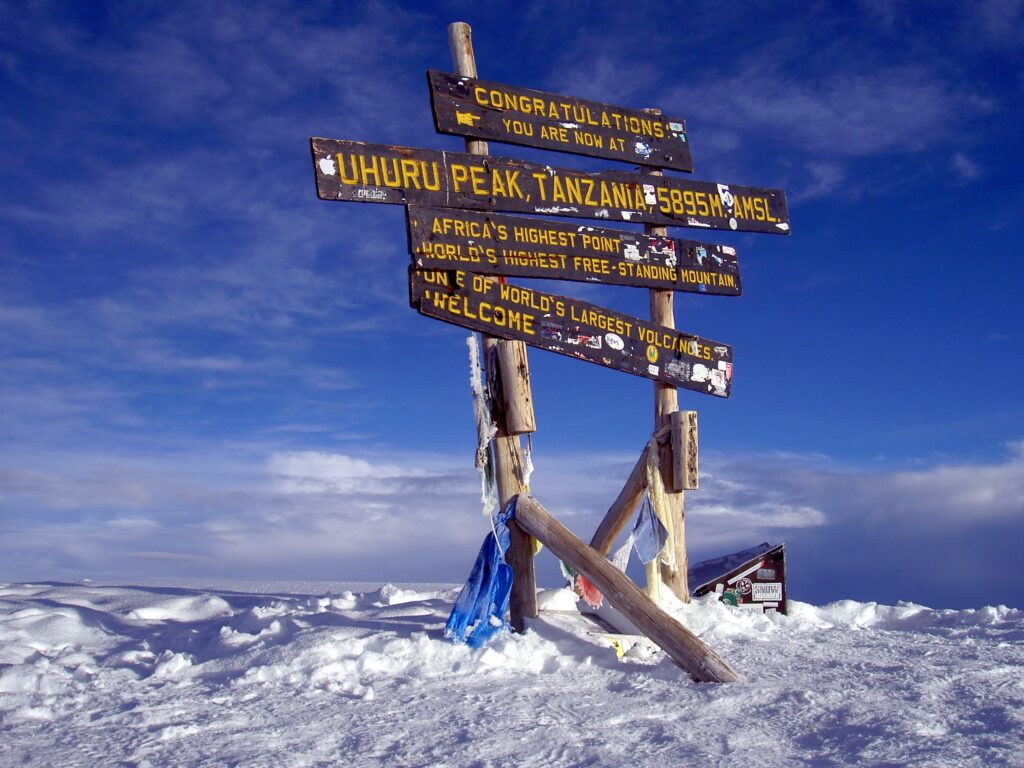
Yes, it is absolutely possible to summit Mount Kilimanjaro in May. Thousands of trekkers successfully reach Uhuru Peak even during the long rainy season. However, conditions can be more challenging due to frequent rain on lower slopes, muddy trails, and reduced visibility. With proper gear, experienced guides, and a well-planned itinerary, summit success is still very achievable on routes like Machame, Lemosho, and Rongai. The key factors are acclimatization, pacing, and weather preparedness rather than the month itself.
Is May a Good Time to Climb Kilimanjaro?
May is considered a low season but a rewarding time to climb Kilimanjaro. It is not the most popular month, but it offers unique advantages such as fewer crowds, greener landscapes, and lower prices for Kilimanjaro trekking packages. The rainforest is at its most beautiful, with waterfalls and rich vegetation. The downside is higher rainfall and slippery trails, which may affect comfort but not necessarily safety when guided properly.
Is It Recommended to Climb Kilimanjaro in May?
Climbing Kilimanjaro in May is recommended for experienced or flexible travelers who prioritize solitude, scenery, and budget-friendly trekking over perfect weather conditions. It is less recommended for first-time climbers who want dry trails and predictable conditions. However, with the right operator, waterproof gear, and a good acclimatization plan, May climbs can still be safe and successful. Professional guides ensure safe navigation even in wet and misty conditions.
Why Climb Mount Kilimanjaro in May?
There are several strong reasons to climb Kilimanjaro in May. First, it is one of the quietest months on the mountain, meaning fewer crowds and a more personal experience. Second, trekking costs are often lower due to off-season discounts. Third, the scenery is incredibly lush and photogenic, especially in the rainforest zone. Finally, May offers a more adventurous and authentic feel of Mount Kilimanjaro, perfect for travelers seeking a less commercialized and more immersive Tanzania trekking experience.
Weather Conditions in May
May weather on Mount Kilimanjaro is characterized by the long rainy season, making it one of the least crowded yet most scenic months for Kilimanjaro trekking in Tanzania. Rainfall is frequent, especially on lower slopes, creating lush rainforests, flowing waterfalls, and vibrant green landscapes. Temperatures vary significantly by altitude, from warm tropical conditions at the base to freezing temperatures near the summit. While visibility may sometimes be reduced due to clouds and mist, early morning climbs often provide clear views above the cloud line. Trekking routes such as Machame, Lemosho, and Rongai remain open, though trails can be slippery and require proper waterproof gear. Despite challenging conditions, Kilimanjaro climbing in May offers unique photographic opportunities and a quieter safari-style mountain experience for adventurous hikers in the Tanzania safari tourism sector.
Best Kilimanjaro Routes in May
There are several Kilimanjaro climbing routes available in May, each offering different levels of difficulty, scenery, and success rates for trekkers in Tanzania. The Machame Route, known as the Whiskey Route, is popular for its scenic views and high summit success rate. Lemosho Route provides a longer, more gradual ascent with excellent acclimatization opportunities. Marangu Route, also called the Coca-Cola Route, is the only path with hut accommodations. Rongai Route approaches from the north and is drier during the rainy season, making it a smart choice in May. The Umbwe Route is the steepest and most challenging, recommended only for experienced climbers. All Kilimanjaro trekking routes require professional guides, permits, and proper preparation for weather conditions, especially during the wet season months like May in Tanzania, Mount Kilimanjaro trekking routes.
Preparation and Fitness
Proper preparation is essential for successfully climbing Kilimanjaro in May due to wet conditions and high-altitude challenges on Mount Kilimanjaro in Tanzania. Trekkers should begin physical training several weeks in advance, focusing on endurance, hiking practice, and cardiovascular fitness. Acclimatization is critical to reduce the risk of altitude sickness, especially when ascending through routes like Machame, Lemosho, and Rongai. Climbers are advised to maintain a slow, steady pace known as pole pole, a Swahili phrase meaning slowly slowly. Mental preparation is equally important, as weather conditions in May can be unpredictable with rain and mist. Proper hydration, nutrition, and rest help improve summit success rates. Guided tours provide support, safety briefings, and emergency assistance throughout the Kilimanjaro trekking experience, ensuring a safer and more enjoyable ascent for all adventurers.
Gear and Packing List
Having the right gear is crucial for climbing Kilimanjaro in May, when rainfall and cold temperatures can challenge even experienced trekkers. Essential equipment includes waterproof jackets, thermal layers, hiking boots, gloves, hats, and rain protection covers for backpacks. High-quality trekking poles are recommended for stability on slippery trails during the rainy season in Tanzania. Proper layering helps regulate body temperature as climbers move from rainforest zones to alpine desert and arctic summit conditions. Sleeping bags rated for sub-zero temperatures are necessary for overnight stays on the mountain. Lightweight, moisture-wicking clothing improves comfort during long trekking days. Packing efficiently while ensuring all essentials are included increases safety and summit success rates. Tour operators often provide gear checklists to help climbers prepare effectively for a successful Kilimanjaro trekking adventure.
Climbing Kilimanjaro in May costs and Permits
Kilimanjaro climbing costs in May are generally lower compared to peak seasons, making it an attractive option for budget-conscious travelers seeking Tanzania trekking adventures. Prices typically include park permits from Kilimanjaro National Park, professional guides, porters, meals, camping or hut fees, and safety services. The total cost varies depending on the chosen route, duration, and level of service, with luxury packages offering more comfort and higher success rates. Budget climbs may reduce expenses, but still require experienced operators for safety. Permits are mandatory for all climbers and help support conservation efforts on Mount Kilimanjaro. Despite the rainy season in May, many operators offer discounted Kilimanjaro trekking packages, making it possible to experience this iconic African peak at a more affordable price while still maintaining safety and quality standards guaranteed.
Safety and Altitude Sickness
Safety is a top priority when climbing Kilimanjaro in May, as weather conditions and altitude changes can increase the risk of altitude sickness among trekkers. Symptoms such as headache, nausea, and fatigue must be monitored carefully during ascent. Professional guides trained in wilderness first aid ensure climbers are supported throughout the journey on Mount Kilimanjaro in Tanzania. Slow ascent rates, proper acclimatization, and hydration are key to preventing altitude-related issues. Emergency evacuation procedures are available on all major trekking routes, including Machame, Lemosho, and Rongai. Despite rainy conditions in May, Kilimanjaro trekking remains safe when organized through reputable tour operators who follow strict safety protocols and provide oxygen support if needed. Choosing experienced guides significantly improves summit success and overall trekking safety in challenging mountain environments in Tanzania tourism.
Photography Opportunities
Climbing Kilimanjaro in May offers exceptional photography opportunities due to lush green landscapes, misty forests, and dramatic cloud formations across Mount Kilimanjaro in Tanzania. The rainy season enhances natural colors, creating vibrant scenes ideal for wildlife style and landscape photography during trekking expeditions. Early morning climbs often reveal breathtaking views above the clouds, while lower slopes showcase rich biodiversity and cascading waterfalls. Popular routes such as Machame and Lemosho provide some of the most scenic viewpoints for capturing memorable images. Despite occasional rain, photographers benefit from fewer crowds, allowing uninterrupted shots of the mountain’s beauty. Proper waterproof camera protection is essential to safeguard equipment during the Kilimanjaro trekking in wet conditions. This makes May a hidden gem for adventure photographers seeking unique African mountain imagery and Tanzania safari tourism experiences.
Crowd Levels and Season Advantages
One of the biggest advantages of climbing Kilimanjaro in May is the significantly lower number of tourists on the mountain, offering a more peaceful and immersive trekking experience in Tanzania. Unlike peak seasons, the rainy season discourages large crowds, allowing climbers to enjoy quiet trails and closer interaction with nature. This solitude enhances the sense of adventure and personal achievement during the ascent of Mount Kilimanjaro. Wildlife sightings in lower forest zones are more frequent due to lush vegetation and reduced human activity. Trekking routes such as Rongai and Lemosho feel more exclusive during this period. Although weather conditions can be unpredictable, experienced guides ensure safe navigation through muddy and slippery paths. May is ideal for travelers seeking authentic, less commercialized Kilimanjaro trekking experiences and Tanzania adventure tourism market growth.
Summit Success and Challenges
Summit success rates for Kilimanjaro climbing in May depend on preparation, acclimatization, route selection, and weather conditions experienced during the trek in Tanzania. While the rainy season presents challenges, experienced guides help climbers maintain steady progress toward Uhuru Peak, the highest point in Africa. Routes like Lemosho and Machame offer higher success rates due to better acclimatization profiles. Proper pacing using the pole-pole method is essential for managing altitude effects and conserving energy during ascent. Weather conditions such as rain, wind, and cold temperatures can slow progress but also reduce congestion on popular trails. With adequate preparation and support from professional operators, climbers can still achieve successful Kilimanjaro summit attempts in May, making it a rewarding adventure despite seasonal challenges on Mount Kilimanjaro and the growth of the Tanzania mountain tourism sector.
Role of Guides and Operators
Professional guides and tour operators play a vital role in ensuring safe and successful Kilimanjaro climbing in May, especially during the challenging rainy season in Tanzania. Experienced guides are trained in altitude sickness management, navigation, emergency response, and wilderness first aid. Porters assist with carrying equipment, setting up camps, and preparing meals, allowing climbers to focus on the ascent. Reputable Kilimanjaro trekking companies provide well-organized logistics, quality gear, and safety briefings before and during the expedition. Communication systems are maintained throughout the climb to ensure rapid response in case of emergencies. Choosing licensed operators approved by Kilimanjaro National Park increases safety, comfort, and summit success rates. Their expertise ensures that climbers enjoy a structured, well-supported, and memorable adventure on Africa’s highest mountain despite weather challenges in May, Tanzania.
Ecological Zones Experience
Climbing Kilimanjaro in May takes trekkers through diverse ecological zones ranging from rainforest to alpine desert and arctic summit environments across Mount Kilimanjaro in Tanzania. Each zone presents unique climate conditions, vegetation, and wildlife experiences. The rainforest zone is lush and wet, especially during May rains, while the heath and moorland zones feature dramatic landscapes with giant groundsels and volcanic formations. Higher up, the alpine desert becomes dry and cold, with strong winds and minimal vegetation. Finally, the arctic zone near Uhuru Peak is covered in ice and snow. Understanding these zones helps climbers prepare physically and mentally for changing conditions. Kilimanjaro trekking routes such as Machame and Lemosho pass through most of these ecological stages, making the journey both challenging and visually spectacular for adventure seekers in Tanzania tourism.
Cultural Experience
Climbing Kilimanjaro in May also offers cultural experiences with local guides and porters from Tanzania, who share knowledge about traditions, history, and mountain life during the trekking journey. Interaction with support teams adds a human dimension to the adventure, making it more meaningful beyond the physical challenge. Climbers are encouraged to respect local customs and practice responsible tourism while exploring Mount Kilimanjaro. Small gestures such as learning Swahili phrases like pole pole enhance communication and cultural connection. May’s quieter trails allow for deeper engagement with guides and nature. Despite rainy conditions, the cultural richness of Kilimanjaro trekking remains strong, offering insight into Tanzania’s mountain communities and conservation efforts that protect this iconic African peak for future generations of adventurers and travelers, tourism experience, and sustainable tourism development in Tanzania.
Key Trekking Tips
Final preparation tips for climbing Kilimanjaro in May focus on ensuring safety, comfort, and success during the challenging rainy season in Tanzania. Trekkers should double-check waterproof gear, layered clothing, and essential equipment before starting the ascent. Mental readiness is equally important, as weather conditions can be unpredictable with rain, mist, and cold temperatures. Choosing experienced Kilimanjaro trekking operators ensures proper guidance, emergency support, and well-planned itineraries. Staying hydrated, maintaining a steady pace, and following guide instructions improve summit success rates. Travel insurance covering high altitude trekking is highly recommended for all climbers. Despite seasonal challenges, May offers unique advantages such as fewer crowds, lush scenery, and lower costs. With proper planning, Kilimanjaro climbing becomes a rewarding adventure that combines physical challenge with unforgettable views in Tanzania’s iconic mountain environment.
Final Thought
Final thought Climbing Kilimanjaro in May remains one of the most rewarding and unique trekking experiences in Africa for adventure seekers and nature lovers visiting Tanzania. Although the month falls within the long rainy season, it offers exceptional benefits such as fewer crowds, lush green landscapes, lower costs, and peaceful trekking routes across Mount Kilimanjaro. With proper preparation, professional guidance, and the right gear, climbers can safely reach Uhuru Peak while enjoying diverse ecological zones and breathtaking scenery. May is ideal for travelers seeking an authentic, less commercialized Kilimanjaro trekking experience combined with cultural encounters and sustainable tourism values. For those willing to embrace changing weather conditions, Kilimanjaro climbing in May delivers unforgettable memories, personal achievement, and a deep connection with Africa’s highest mountain and its surrounding natural beauty forever.