
Climbing Kilimanjaro in April
Climbing Kilimanjaro in April
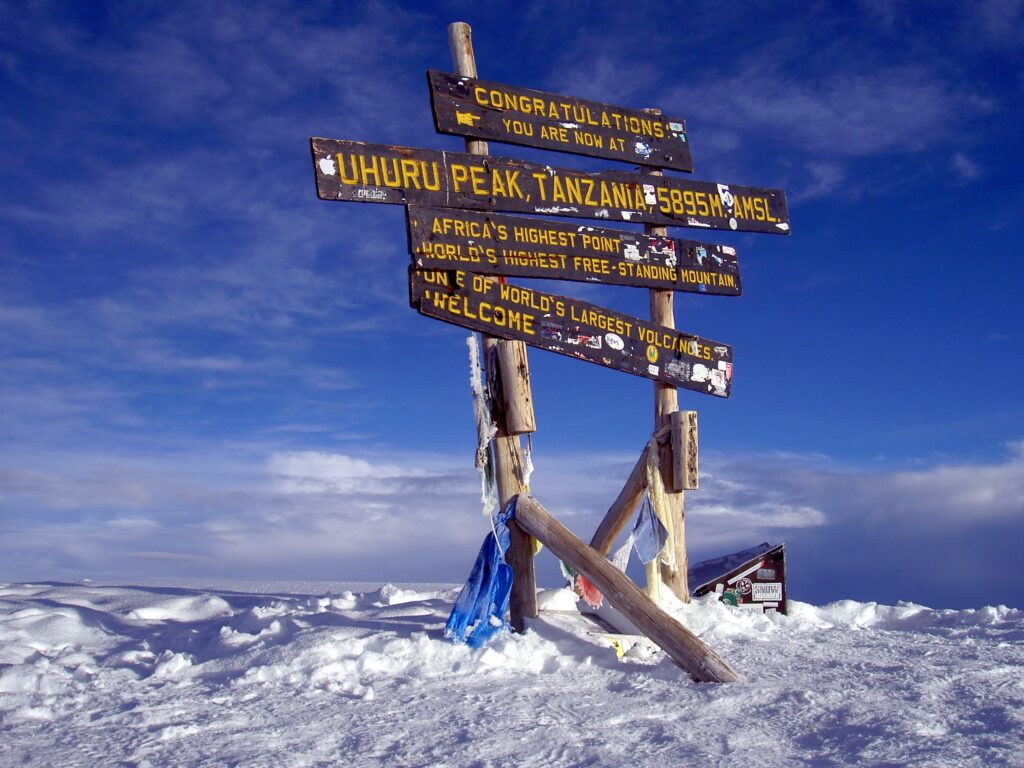
The ultimate guide to climbing Kilimanjaro in April is a unique adventure for trekkers seeking fewer crowds, lush green landscapes, and budget-friendly Tanzania trekking experiences. April falls within the long rainy season in Tanzania, making Mount Kilimanjaro climbing conditions wetter, more challenging, and more adventurous. However, it is also one of the best months for travelers looking for discounted Kilimanjaro trekking tours, quieter routes, and dramatic scenery. Popular routes like Machame Route, Lemosho Route, and Marangu Route remain open, though trails can be muddy and slippery. Despite the rain, climbers are rewarded with breathtaking views, blooming rainforest vegetation, and peaceful camps. For experienced hikers or adventurous beginners, April offers a raw and authentic Kilimanjaro expedition to Uhuru Peak, Africa’s highest summit.
Weather Conditions on Kilimanjaro in April
April is the peak of the long rainy season on Mount Kilimanjaro, characterized by heavy rainfall, high humidity, and unpredictable weather patterns. Temperatures vary depending on altitude, from warm tropical rainforest zones to freezing summit conditions near Uhuru Peak. Climbers should expect wet trails, muddy paths, and reduced visibility in some sections of the mountain. However, mornings can occasionally offer clear skies before afternoon rains begin. This makes Kilimanjaro trekking in April more physically demanding but also more rewarding for those who enjoy solitude. Waterproof gear, layered clothing, and proper hiking boots are essential. Despite the rain, the mountain remains open for all major Kilimanjaro climbing routes, offering a raw and authentic trekking experience in Tanzania.
Crowds and Tourist Traffic in April
One of the biggest advantages of climbing Kilimanjaro in April is the very low number of tourists on the mountain. This is considered the low season for Kilimanjaro trekking tours, meaning climbers often enjoy peaceful trails and less crowded campsites. Unlike peak months such as July, August, and December, April provides a more private and immersive experience in nature. Trekkers can enjoy uninterrupted views, quiet surroundings, and more personalized attention from guides and porters. This makes it ideal for those seeking a calm and reflective Mount Kilimanjaro climbing journey. The reduced traffic also means better availability of guides and equipment. For many adventurers, the solitude of April enhances the emotional and spiritual experience of reaching Uhuru Peak.
Rainfall Impact on Trekking Routes
Rainfall significantly impacts Kilimanjaro trekking conditions in April, especially in the lower forest zones. Routes such as the Machame Route and Lemosho Route become muddy and slippery, requiring careful footing and strong trekking poles. River crossings may be fuller, and some trails may feel more challenging than usual. However, higher elevation zones above the rainforest often receive less rain, providing clearer trekking conditions near the summit. Despite the wet environment, all major Kilimanjaro routes remain operational, including the Marangu Route, which offers hut accommodation instead of camping. Proper waterproof gear, gaiters, and rain jackets are essential for a successful climb. The rainy season also enhances the mountain’s natural beauty, with lush vegetation and vibrant green landscapes along the entire ascent.
Best Kilimanjaro Routes in April
In April, choosing the right Kilimanjaro climbing route is essential due to wet conditions. The Lemosho Route is highly recommended because it offers scenic views, gradual acclimatization, and less muddy forest trails. The Machame Route, also known as the “Whiskey Route,” remains popular but can be more challenging due to steep and slippery sections. The Marangu Route is often preferred in April because it provides hut accommodation, reducing exposure to heavy rain. The Rongai Route, located on the northern dry side, is also a great option for avoiding rainfall. Each route still leads to Uhuru Peak, the highest point in Africa, but weather conditions in April make longer and more gradual routes preferable for safety and comfort.
Cost of Climbing Kilimanjaro in April
Climbing Kilimanjaro in April is generally more affordable compared to peak trekking months. Since it is the low season, many tour operators in Tanzania offer discounted Kilimanjaro trekking packages, making it attractive for budget travelers. Costs may include park fees, guide services, porters, meals, and camping equipment. Prices vary depending on the chosen route, duration, and level of service, such as budget, mid-range, or luxury climbs. Travelers can often find special deals on the Machame Route and Lemosho Route during April. However, it is important not to compromise on safety or quality when selecting a tour operator. The lower prices combined with fewer crowds make April a cost-effective month for an unforgettable Mount Kilimanjaro climbing experience.
- Accommodation
- Meals
- Park fees
- Vehicle & guide
- Transfers
- International flights
- Visas
- Travel insurance
- Tips
- Premium drinks
Accommodation and Camping Conditions
Accommodation during the Kilimanjaro trekking in April mainly consists of mountain camping or hut stays depending on the route chosen. The Marangu Route offers basic hut accommodation, which provides better protection from heavy rain. Other routes, such as Machame, Lemosho, and Rongai, use tents that must withstand wet and windy conditions. In April, campsites can be muddy and damp, requiring high-quality waterproof tents and sleeping gear. Tour operators usually provide waterproof dining tents and well-organized camping setups to ensure comfort. Despite the challenging weather, experienced guides and porters maintain safe and functional camps throughout the climb. Sleeping in the rainforest during the rainy season also offers a unique experience, surrounded by mist, birds, and lush Kilimanjaro vegetation.
Physical Difficulty in April Climbs
Climbing Mount Kilimanjaro in April is considered more physically demanding than in the dry seasons due to wet and slippery terrain. Hikers must navigate muddy trails in the rainforest zone, increasing the risk of fatigue and slower pacing. However, the overall altitude challenge remains the same, with the main difficulty still being acclimatization rather than weather alone. Proper preparation, including cardiovascular training and endurance hiking, is essential. Trekking poles, waterproof boots, and layered clothing significantly improve comfort and safety. Despite the rain, many climbers successfully reach Uhuru Peak during April by following a slow and steady ascent strategy. Mental preparation is equally important, as weather conditions can be unpredictable throughout the journey.
Altitude Sickness Considerations
Altitude sickness is a major concern on all Kilimanjaro climbing routes, and April conditions do not reduce this risk. As climbers ascend toward Uhuru Peak, oxygen levels decrease significantly, especially above 3,000 meters. Symptoms may include headaches, nausea, and fatigue. In April, wet and cold conditions can sometimes intensify discomfort, making acclimatization even more important. Choosing longer routes like Lemosho or Machame improves adaptation to altitude. Guides monitor climbers closely and encourage a slow ascent, hydration, and rest. Proper preparation and awareness are key to a safe Kilimanjaro trekking experience. Despite weather challenges, altitude management remains the most critical factor for a successful summit attempt in April.
Scenery and Landscapes in April
April transforms Mount Kilimanjaro into a lush green paradise due to heavy rainfall. The rainforest zone becomes vibrant with thick vegetation, moss-covered trees, and flowing streams. Flowers bloom across the lower slopes, creating a beautiful contrast against misty mountain views. While summit visibility may be affected by clouds, lower sections offer some of the most scenic trekking conditions of the year. Wildlife such as colobus monkeys and diverse bird species are commonly seen in the forest. For photographers and nature lovers, April provides a unique opportunity to capture Kilimanjaro in its most natural and untouched state. The dramatic landscapes make the climb visually rewarding despite the challenging weather conditions.
Packing List for April Climb
Packing for Kilimanjaro trekking in April requires careful attention to wet-weather gear. Essential items include waterproof jackets, rain pants, gaiters, and high-quality hiking boots with strong grip. Quick-dry clothing layers are important for managing temperature changes. A waterproof backpack cover, dry bags, and extra socks help keep belongings dry. Trekking poles are highly recommended for muddy sections. Warm clothing is also necessary for higher altitudes where temperatures drop significantly. Headlamps, gloves, and thermal wear are essential for summit night. Proper packing ensures comfort, safety, and endurance throughout the climb. In April, being well-prepared for rain is the key to a successful Mount Kilimanjaro expedition.
Safety Tips for April Climbers
Safety is crucial when climbing Kilimanjaro in April due to slippery trails and heavy rainfall. Hikers should always follow professional guides and avoid rushing on steep or muddy sections. Wearing proper footwear and using trekking poles reduces the risk of falls. Staying hydrated and maintaining energy levels is essential in wet and cold conditions. Climbers should also be aware of weather changes and adjust their pace accordingly. Reputable tour operators provide trained guides and safety protocols for emergencies. Regular health checks during the climb help prevent altitude-related issues. With proper preparation and guidance, Kilimanjaro trekking in April remains safe and achievable despite challenging weather conditions.
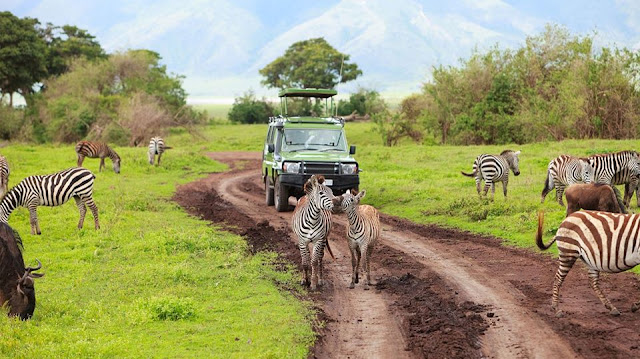
Approach, feed or disturb wildlife, or leave the vehicle unless your guide says it is safe.
Follow your guide, carry travel insurance and check current health and travel advice.
Wildlife and Nature Experience
April offers a rich nature experience on Mount Kilimanjaro due to the rainy season’s impact on the ecosystem. The lower rainforest zones are full of life, with monkeys, birds, and small mammals thriving in the lush environment. The dense vegetation creates a vibrant natural habitat rarely seen in dry months. Waterfalls and streams are stronger and more visible, adding beauty to the trekking experience. While large wildlife is limited, the biodiversity of plants and smaller animals is impressive. Climbers often enjoy a peaceful connection with nature due to the absence of crowds. This makes April one of the most immersive months for experiencing Kilimanjaro’s natural environment.
Advantages of Climbing in April
Despite the rainy conditions, climbing Kilimanjaro in April has several advantages. The most significant benefit is fewer tourists, creating a peaceful and personal trekking experience. Lower prices for Kilimanjaro climbing packages also make it attractive for budget travelers. The landscape is at its greenest and most beautiful during this month. Guides and porters are more available, allowing for better service and flexibility. The mountain feels more authentic and less commercialized. For adventurous hikers, April offers a unique challenge that adds to the sense of achievement upon reaching Uhuru Peak. It is ideal for those who prefer solitude and natural beauty over perfect weather conditions.
Challenges of Climbing in April
The main challenges of Kilimanjaro trekking in April include heavy rainfall, muddy trails, and reduced visibility. Wet conditions can slow down progress and increase physical fatigue. Campsites may be damp, and gear management becomes more difficult. The rainforest zone can be particularly slippery, requiring careful movement. Weather unpredictability also adds complexity to planning daily hikes. However, with proper equipment, experienced guides, and mental preparation, these challenges can be managed effectively. Many climbers still successfully reach the summit despite the rain. Understanding these difficulties helps trekkers prepare realistically for a demanding but rewarding Mount Kilimanjaro climbing experience in April.
Final Thought
Climbing Kilimanjaro in April is not the easiest choice, but it is one of the most rewarding for adventurous travelers seeking solitude, lush landscapes, and discounted trekking opportunities. While the rainy season brings challenges such as muddy trails and unpredictable weather, it also offers a quieter, greener, and more authentic Mount Kilimanjaro experience. With proper preparation, the right gear, and an experienced guide team, reaching Uhuru Peak in April becomes a truly unforgettable achievement. For those who value nature, challenge, and uniqueness, April stands out as a hidden gem month for Kilimanjaro climbing in Tanzania.
Climbing Kilimanjaro in April: FAQs
What is the weather conditions on Kilimanjaro in April like?
April is the peak of the long rainy season on Mount Kilimanjaro, characterized by heavy rainfall, high humidity, and unpredictable weather patterns. Temperatures vary depending on altitude, from warm tropical rainforest zones to freezing summit conditions near Uhuru Peak. Climbers should expect wet trails, muddy paths, and reduced visibility in some sections of the mountain.
What should you know about crowds and Tourist traffic in April?
One of the biggest advantages of climbing Kilimanjaro in April is the very low number of tourists on the mountain. This is considered the low season for Kilimanjaro trekking tours, meaning climbers often enjoy peaceful trails and less crowded campsites. Unlike peak months such as July, August, and December, April provides a more private and immersive experience in nature.
What can you expect from rainfall impact on trekking routes for climbing Kilimanjaro in April?
Rainfall significantly impacts Kilimanjaro trekking conditions in April, especially in the lower forest zones. Routes such as the Machame Route and Lemosho Route become muddy and slippery, requiring careful footing and strong trekking poles. River crossings may be fuller, and some trails may feel more challenging than usual.
What are the best Kilimanjaro routes in April?
In April, choosing the right Kilimanjaro climbing route is essential due to wet conditions. The Lemosho Route is highly recommended because it offers scenic views, gradual acclimatization, and less muddy forest trails. The Machame Route, also known as the “Whiskey Route,” remains popular but can be more challenging due to steep and slippery sections.
How much should you budget for cost of climbing Kilimanjaro in April?
Climbing Kilimanjaro in April is generally more affordable compared to peak trekking months. Since it is the low season, many tour operators in Tanzania offer discounted Kilimanjaro trekking packages, making it attractive for budget travelers. Costs may include park fees, guide services, porters, meals, and camping equipment.
What should you know about accommodation and camping conditions for climbing Kilimanjaro in April?
Accommodation during the Kilimanjaro trekking in April mainly consists of mountain camping or hut stays depending on the route chosen. The Marangu Route offers basic hut accommodation, which provides better protection from heavy rain. Other routes, such as Machame, Lemosho, and Rongai, use tents that must withstand wet and windy conditions.
What can you expect from physical difficulty in April climbs?
Climbing Mount Kilimanjaro in April is considered more physically demanding than in the dry seasons due to wet and slippery terrain. Hikers must navigate muddy trails in the rainforest zone, increasing the risk of fatigue and slower pacing. However, the overall altitude challenge remains the same, with the main difficulty still being acclimatization rather than weather alone.
What should you know about altitude sickness Considerations for climbing Kilimanjaro in April?
Altitude sickness is a major concern on all Kilimanjaro climbing routes, and April conditions do not reduce this risk. As climbers ascend toward Uhuru Peak, oxygen levels decrease significantly, especially above 3,000 meters. Symptoms may include headaches, nausea, and fatigue. In April, wet and cold conditions can sometimes intensify discomfort, making acclimatization even more important.
Climb Kilimanjaro With Confidence
Tell us your dates and fitness, and our experienced mountain team will plan a safe, well-acclimatized private climb.